



Super simple to make and the little ones will love it. Here is one of our scrumptious lunches from our Summer Menu at Little Scholars. We wanted to share the recipe so you can try it at home. It’s a great interactive dish that will see the children eating vegetables so easily.
So, the questions that pop up often for a parent when their little ones are in their last year of kindergarten is; is my child ready for school, or what do I need to do to make sure my child is equipped for their transition to school? These are all totally normal thoughts to have as a parent, but we can happily reassure you that at Little Scholars, we offer an extensive Transition to School Program that will give your child the life skills they need and confidence to have a successful transition to big school!
What we believe makes a successful transition to school is our Little Scholars School of Early Learning service and educators working in collaboration with local schools and our community to make sure we are assisting children and families with this transition. Our Transition to School Program is based on the National Early Years Learning Framework and Queensland Kindergarten Learning Guidelines, as well as we have wonderful early childhood teachers (also known as ECTs) who teach the children and support their learning and development hugely.
School readiness is about the development of the whole child – their social and emotional skills, physical skills, communication skills, and cognitive skills. For children to thrive at school, they need to learn important skills like following instructions, communicating their needs, and getting along with other children. At Little Scholars, we are truly committed to ensuring that our little scholars are supported and motivated in all aspects of their learning and development so that our children in their last year of Kindy are ready for that next stage of their lives.
Some key points involved in getting your child ready for their school transition and that make up our Transition School Program are the following:
These are all fundamental steps we teach our children in kindergarten so that they can learn a comfortable school routine and most importantly, so they can adapt to this new transition period. At Little Scholars, we want their routine to feel as normal and as exciting as possible, rather than something daunting. It is important to support the children in every way imaginable during their Transition to School program, and the most rewarding part for us is watching our little scholars go confidently into their next chapter, blossoming and becoming a positive contribution to our futures.
Our Little Scholars’ Kindergarten studios integrate some small but very useful routines for the children which assist in getting them ready for school. We bring in programs for the children that start at 8:30 am, so we encourage you and your child to arrive before this time so they can become used to big school starts!
We focus on teaching age-appropriate independent skills in the kindergarten studio – such as packing their bag, carrying their own bag, opening lunch boxes and food containers, dressing as well as emotional regulation skills.
At Little Scholars, we offer a range of stimulating extra-curricular activities that give the children a firsthand experience into the diverse range of subjects they would learn at school. These extracurriculars include our Intergenerational program, swimming, sports and fitness program, languages program, yoga, and dance programs weekly, Lab Kids’ STEM, Bush and Beach Kinder programs, and excursions and incursions.
Wondering what else you can do with your child at home to assist in preparing them for big school? We can help with this! You can help your child develop a basic awareness of numbers by helping around the house – they could set a table and count the plates, match socks from the clothing line, or measure ingredients for baking.
It is beneficial to read with your child as often as possible, and try talking to them about the story, point out new words and ask questions – this will help with their comprehension, vocabulary, and language skills.
Let’s say you have some free time in the afternoons, or even on the weekends, you can play games with your child like Snakes and Ladders or Go Fish! These simple games are great for practicing developing basic numeracy, turn-taking, sharing, waiting, and learning to cope with not winning.
Finally, encourage your child to have conversations with you – ask them questions, listen to their answers, and encourage them to talk about what they think and feel so they can express themselves with new friends and teachers.
We are extremely happy to have you with us, if at any time you feel there is more we can do, please let us know as we are here to encourage and support your child to learn and grow in a fun, exciting, and stimulating environment.
Sadly, losing a pregnancy is a heartbreak many Australian families experience at least once in their lives. In fact, up to one in five pregnancies end in miscarriage or the loss of a child. When that loss happens, emotions can range from sadness, depression, anxiety, anger, and confusion. These feelings are not only limited to the parents but the whole family.
Even as their parent, it can be hard to figure out how to talk to your children about the loss of a baby, especially as you process your own feelings about it. How that talk happens will likely depend on your child’s age, developmental level, and temperament.
Even if they hadn’t been told about the pregnancy, your child may have the sense something sad has happened. How you handle this is up to you. This may be the time where you tell them what happened, or perhaps it’s something like ‘Mummy and Daddy are feeling sad, but don’t worry, we’ll be okay and nothing we feel takes away from how much we love you.’
If your child has been told about the pregnancy, use words and concepts that they can easily understand. For example, the word miscarriage isn’t a term many young children would recognise. Additionally, toddlers and preschoolers also may not understand a phrase like pass away, so try to steer clear of euphemisms and cliches.
You may choose to explain that the baby was sick and couldn’t live outside of Mummy’s belly. Or that while your child grew strong and healthy in Mummy’s belly, you don’t know why but this baby did not. Remind your child what happened was no one’s fault, and nothing could’ve changed what happened.
Tell your child there’s no shame in showing emotion. If you get upset while talking to your child, you could explain it by saying something like ‘Mummy was crying today because she’s sad about the baby,’ or ‘Daddy was frustrated today because there was nothing he could do for the baby.’ Children are better at ‘reading the room’ than you think. They can pick up on the emotions of the grownups around them and their behavior might shift – try to be patient and understanding while they process their feelings.
Remind your children that it’s something hard that’s happened to the family, and it’s okay to feel sad, angry, confused or any other emotions they may be feeling. Sharing how you feel demonstrates healthy coping skills, a valuable life-long skill for your child. Don’t be afraid to ask your child for a hug if you need one, they may like to know they can comfort you too.
Ask your child if they have any questions about what happened, they may have lots or may not say much at all. Give your child time to process what they’ve just heard and remind them that you’re always there if they have questions later or just want to talk. Offer coping strategies if that might work, either through conversations, books to read, art, or through play.
Check-in with them after a few hours or a few days. Once they’ve had some time to sit with the news, there may be follow-up discussions to have and let them know that’s okay. Encourage them to talk about it with you or someone they trust. If you’re comfortable let your child’s educator know there’s been a loss in the family or some changes at home, this allows your child’s educator to support them and to expect changes in behaviour and will ensure they can help your child navigate their emotions while in their care.
Depending on your culture or religion, you may want to host a grief ritual following a pregnancy loss, anything from a funeral to planting a tree in the baby’s honour. Invite your child to participate.
Don’t forget to look after yourself. Take time to grieve and to heal. It can be hard when you have other family members to look after, but it’s important for the whole family that Mummy or Daddy’s mental health is looked after. Do whatever self-care means to you. Take a bath, take a walk, embrace your emotions through writing or art. Talk to your partner, a friend or family member, a professional, or someone you may know who has gone through something similar. There are groups on Facebook or even hashtags to follow on Instagram or TikTok if those are spaces that work for you.
Finally, keep in mind a child’s grief can look very different from your grief, as well as how they deal with that grief. Let your child know they’re loved, there was nothing they did or didn’t do that could have changed the outcome, and that you’re here for them in whatever way they need you to be.
We all know that the sky is blue, but many of us take this fact for granted. Have you ever wondered why the sky is blue? Well, you’re not alone! It’s a question that lots of children and adults have (and one that has left many a parent stumped…).
In this blog, we take a close look at one of the most fascinating and beautiful natural phenomena – the blue sky. Think of it as a cheat sheet for when your little one starts asking what is a difficult and somewhat scientific question! From the science behind its colour to the different ways it can change, we’ll explore the many mysteries of the sky and how it has captivated people for centuries. So why is the sky blue? How does it change colour? And is the sky the same colour everywhere in the world? Let’s find out!
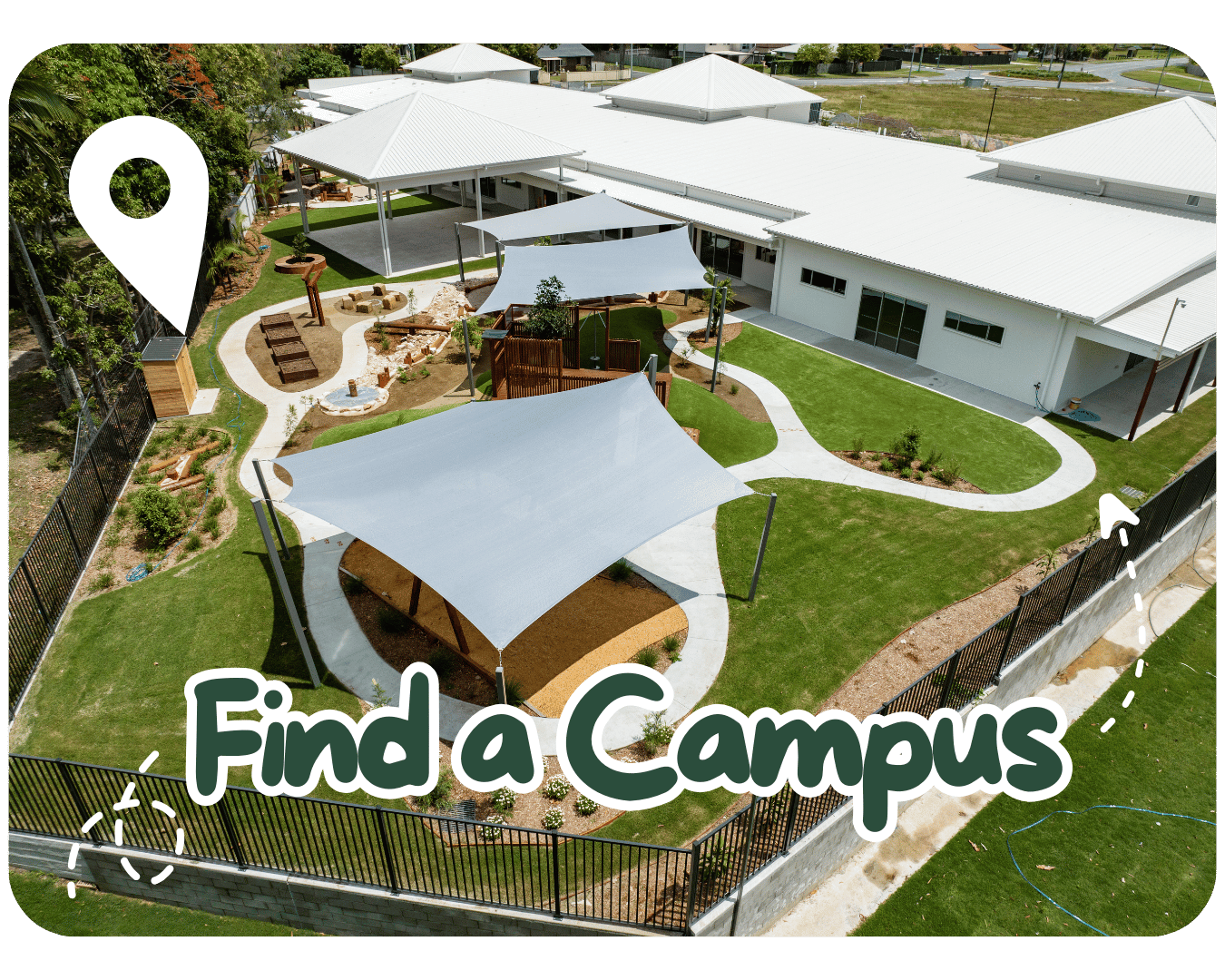
Little Scholars provides an attractive and safe environment to children in South East Queensland while giving you total peace of mind while your children are in our care. Learning areas include well-equipped playrooms and landscaped outdoor spaces for maximum learning opportunities. Book a tour today if you are looking for a childcare centre in South East Queensland.
Have you ever heard of something called “Rayleigh scattering”? It’s a fancy scientific word, but it’s actually a really cool phenomenon that helps explain why the sky is blue!
Rayleigh scattering is a type of light scattering that happens when light waves hit very small particles, like the tiny particles in the Earth’s atmosphere. The Earth’s atmosphere is made up of different things, like water vapour and tiny dust particles and pollen. When sunlight hits these particles, the light is scattered, or spread out, in all directions.
What is a particle? Well, a particle is just a really, really small piece of something, like air, dust, or water. When light waves hit these particles, they can bounce off in different directions. This is called “scattering” – think of rolling a marble into a group of other marbles. They all bounce off of each other and go every which way.
Did you know that this is also similar to how blue eyes get their colour? That’s right, blue eyes don’t have any blue colour in them at all. Instead, they get their colour from the way they reflect light. Just like the sky and the ocean look blue because they reflect blue light!
So, as you can see, Rayleigh scattering is a really cool scientific phenomenon that helps explain why the sky is blue and why our eyes are blue. It’s just one of the many fascinating things about light and the world around us.
But the sky isn’t always blue! Sometimes, it can be other colours, like orange, pink, or red. This can happen at sunrise or sunset, or just when the sun is low in the sky. Depending on where the sun is in the sky its light might have to travel through more of the Earth’s atmosphere to get to us, which means it has more time to be scattered. This can make the sky look orange, pink, or red. Have you ever seen a beautiful sunrise or sunset? Those colours in the sky are caused by the same process that makes the sky blue.
The sky can also change colour because of things like clouds, pollution, and even the weather. Clouds can block the sunlight, making the sky look grey or white. Pollution can also make the sky look hazy or yellow. And different types of weather, like thunderstorms or dust storms, can change the colour of the sky too.
According to an article by National Geographic Kids, the sky was actually orange until about 2.5 billion years ago. This is because the Earth’s atmosphere was very different back then, and it was filled with a lot of methane and other gases that made the sky look orange.
But about 2.5 billion years ago, something called the “Great Oxygenation Event” happened. This was when the Earth’s atmosphere started to fill up with oxygen, which is a gas that most animals need to breathe. The oxygen in the atmosphere caused methane and other gases to disappear, and this made the sky start to look blue like it does today.
One interesting example to look at is the Northern Lights, also known as the Aurora Borealis. The Northern Lights are a beautiful light show that can be seen in the sky in the Northern Hemisphere, near the North Pole. They are caused by charged particles from the sun that enter the Earth’s atmosphere and collide with gases like oxygen and nitrogen. These collisions create colourful light displays in the sky. The Northern Lights can be different colours, like green, red, yellow, and even purple.
You can also see something similar right here in Australia! These are called the Southern Lights, or Aurora Australis, which can be seen in the sky near the South Pole in places like Tasmania. Just like the Northern Lights, the Southern Lights are caused by charged particles from the sun colliding with the Earth’s atmosphere.
So, as you can see, the sky can be different colours in different parts of the world because of the different gases and particles in the Earth’s atmosphere. But no matter where you are, the sky is always an amazing and beautiful thing to look at.
At Little Scholars, located on the Gold Coast, we prioritise creating a warm and welcoming environment for children to grow and thrive. Since opening in 2014, we have offered educational programs and activities in a fun and nurturing atmosphere, including access to a spacious outdoor play area.
Our early learning campuses are designed to be both attractive and safe, with well-equipped playrooms and landscaped outdoor areas that provide ample opportunities for learning and exploration. We aim to give parents peace of mind while their children are in our care. Book a tour today to find out more.
The easiest slime recipe you will ever read. There is something so nostalgic about gummy bears as they’ve been around for years! I’m sure many of us older ‘kids’ can recall eating a gummy bear or five so it’s safe to say, making this slime will bring you back to your childhood. We had a blast making this slime but we must pre-warn you before you get to the slime makin‘ – be prepared to wash your hands multiple times because slime is seriously sticky.
Place the gummy bears in a microwave-safe bowl and heat for 30 seconds. Stir well and reheat as needed to make the mixture completely smooth. Once melted stir well to help the mixture cool down! Combine cornstarch and icing sugar together and place half on a cutting baked or clean surface. Pour the gummy mixture onto the cornstarch and when cool enough to touch, knead in the remaining cornstarch mixture.
TIME TO PLAY. WARNING ⚠️ THIS SLIME IS SO STICKY, YOU MAY HAVE TO WASH YOUR HANDS TWICE. 🤪

Becoming a foster parent is not all rainbows and butterflies, it is a wholehearted decision which requires dedication and effort. It is a commitment that you choose and one that can helps provide a safe and caring environment for children and young people in our community. As a foster parent there are incredible opportunities presented in so many different forms, however, it is vital you have an insight into what is involved in becoming a foster parent so that you feel totally equipped and prepared for your journey.
What we are going to share with you is all based from personal experiences from our regional manager, Skye Ible, and we know many of you who are looking to foster a child or are in the process currently will be able to relate to Skye’s experiences entirely.
If you are not aware, becoming a foster parent is a lengthy and complex process, but if you are aware of that before going into your application, it will take away the overwhelming feelings of wow, this is a lot to take in. Do not let the complex application haunt you, we have been told that once you find the right organisation that fits right with you, you will have endless support from the agency, and this will impact your fostering experience in a tremendously positive way.
It is helpful you know there are expectations that the agency will require of you when you start your application. You will be asked to attend an initial training – these are normally at night and then at nigh- time you are given workbooks to complete in the comfort of your home. There are also safety checklists you need to complete of your home environment, as well as making the necessary changes if needed. The support workers will visit your home for an assessment, and it is vital you are prepared to talk about everything from throughout your life which entails good and bad from childhood until present. It is super important to go through this assessment period as the agencies need to know if the children are going into a safe and supportive environment, and if you have children of your own or a partner, they will always assess whether your child can handle the fostering of other children.
The foster agency will always ask for at least two references to contact and if you are approved, they will call within 24 hours offering you a child. One piece of advice from talking with our own foster parent is, to be prepared and compile a list of questions ready to talk through with your support person just so you can decide if the child is a suitable match for your family. Do not be afraid to speak up if the placement isn’t working as it is about the foster child’s needs as well as your own, and most of the time there will always be another family out there suited to this child.
During the journey of being a new foster parent, keep in mind that some children crave love and attention but don’t always know how to ask for it. Some children may say ‘ I love you’ or call you ‘mum or dad’ within a few months and some might not feel comfortable letting another person in. All you can do is remind yourself that this child has gone through more than imaginable, and all you can do is open up your hearts and home to show them that they are loved and safe. If you have a strong family unit and strong support system in place, this will help you get through any hick ups that come up along the way.
Whether you are a single person, married, same sex or dating you are eligible to foster a child but remember you must have a spare room in your home to allow for privacy for the child, and everyone must attend a training session as a requirement of being a foster parent. Life is to be lived to the fullest and knowing that a child’s life can be lived to their fullest with another person’s love, devotion and care is nothing short of extraordinary, so we truly commend all the amazing families who do everything in their will to make sure these children are given a second chance at life.
Thank you so much to Skye for sharing such personal and incredible insights with us, you are an inspiration to us all. Every child deserves a chance at a better life.
If you want to find out more about becoming a foster parent within Queensland, please refer to the resources shared with us below.
Sand Rainbows. Try this super simple Kinetic Sand recipe at home. You would be surprised, you probably already have all the ingredients in your pantry. This is a super fun, vibrant activity you can do at home at anytime!
Okay, make sure all of your dry ingredients are ready to go before you start your recipe, it will make the process a lot simpler. Firstly start by mixing all your dry ingredients together and then gradually mix in the coloured water bit by bit. You may not need to add in all the water, so have a look at the consistency and decide for yourself! Enjoy making rainbow mountains’ out of your very own taste safe kinetic sand.
Spoooky Slime. The easiest slime recipe you will ever read. Who loves Halloween?! We sure do! So, we thought it was only necessary to share our favourite Halloween inspired Hocus Pocus Slime! This is a super simple recipe to make and so much fun!!! Oh, and a handy tip! Don’t forget the Saline Solution must have Boric Acid in it otherwise it won’t work. (We are talking from experience.)
Simply follow these steps. Pour ½ Elmer’s washable glue into a bucket and add in the Baking Soda! Pour in White Vinegar and Saline Solution and with your spatula, give your recipe a good ol’ mix! Add in your desired food colouring and add in the rest of your White Vinegar and Saline Solution and mix your heart away!
Before we get into your child’s healthy eating habits. Let’s reflect for a moment on your own relationship with food. Did you have to finish all the food on your plate when you were a child? Were sweets offered as a reward for good behaviour? Were there starving children in Africa always ready to take your left-over dinner when you were growing up? Do you give foods the title ‘good’ or ‘bad’? Have you ever felt ‘bad’ for eating a certain food? If you are human and living on planet Earth, then you will have most likely answered yes to at least one (if not all) of those questions.
Your relationship with food as an adult very much begins in childhood. So, as a parent you have an opportunity to shape how your children relate to food. No pressure then!
Here are some key tips that you can start using straight away at home to foster healthy eating habits:
There are no good or bad foods out there. Just food. One massive bowl of broccoli or a single bar of chocolate isn’t going to make you instantly healthy or unhealthy. Likewise, you are neither a better nor worse person for eating it (if only it were that easy!). For sure there are unhealthy eating patterns which, if you keep them up then over time leave you feeling a bit blah and may lead to looks of disappointment from your GP. This leads me to the next tip:
As a parent myself I know how very frustrating it is to use desserts and lollies as a bargaining tool. By using food as a reward, we are sending a very strong message to our children that these foods are more special than the rest. It teaches them to use food as a way of dealing with hurt or difficult feelings. And we all know where that leads! Instead look for non-food ways to feel better – sing, cuddle, talk about our feelings. Anything but food.
Children are born with a magical power called intuitive eating. This power allows them to eat when they are hungry and stop eating when they are not. Amazing huh! Most adults I see later in life with concerns about their weight have lost this skill and no longer trust in their own bodies natural hunger and fullness signals and find themselves overeating or feel a lack of control around certain foods. To foster your child’s natural gift, let them dictate when and how much to eat. Sounds scary I know. Giving gentle reminders to eat is ok (as we know children can get distracted) and let children tell you when they have had enough to eat. Their body clock may be on a slightly different time zone to yours. My daughter’s eating patterns were completely out of sync with the rest of the family and by the time dinner rolled around she was exhausted and had very little interest in food. Breakfast however was a completely different story!
These three tips are only the beginning of forming a healthy interdependent relationship with food but are a great foundation for many happy mealtimes ahead! Wanting to learn more about healthy eating habits? Contact us today and talk to our Little Scholars team.
Written by: Anna D’Arcy, Accredited Practising Dietitian at My Nutrition Clinic. Anna is a mum to two children under 10 years and has 20 years of experience working as a dietitian and helping families reach their health potential.
3 steps to telling the difference.
Everywhere you look these days there seems to be more and more ‘free’ foods. Dairy free, gluten free, egg free, nut free… So, it is any wonder that parents are considering food as the culprit if their child has developed unusual symptoms or behaviours.
When considering food as a potential cause, it is important to first understand the difference between a food allergy and a food intolerance.
A food allergy is when your immune system has a strong overreaction to that food. The reaction can cause things like swelling in the face, lips and eyes, hives, tummy pain, vomiting and in some cases, it can lead to difficulty breathing and swelling of the throat. In babies, other symptoms (but uncommon) include reflux, colic, diarrhoea and eczema
A food intolerance on the other hand doesn’t involve the immune system so the symptoms tend to be a little different. Firstly, the reactions can take days to appear after repeatedly eating certain foods. This delay can make it very difficult to find what is causing it. It is a bit like how some people will experience side effects from a medication and others don’t. To make things more confusing, the reactions can be similar to food allergies.
So what do you do if you suspect a food allergy or intolerance:
There is no shortcut or hack unfortunately when it comes to diagnosing food intolerances. Even a blood test can’t find the answer. Any tests you see advertised that say they can, will give you what is known as ‘false positives’. It will tell you have food intolerances that don’t exist. If there was a reliable test then allergy clinics run by medical doctors would offer them. But they don’t.
Now that you have the facts, I have a final word of caution. Don’t eliminate foods or food groups randomly in the hope of finding the culprit. This scattergun approach can do more harm than good and you could be wasting a lot of precious time looking in the wrong places. Unfortunately, we see this all too much in our clinic and it makes me so sad to see mums and dads at the end of their tether and children becoming more and more cautious and confused about food. The knowledge and experience of the right health professional can get you get to an answer quicker and with less disruption to family mealtimes, and as a parent, that’s gold dust!
Written by: Anna D’Arcy, Accredited Practising Dietitian at My Nutrition Clinic. Anna is a mum to two children under 10 years and has 20 years of experience working as a dietitian and helping families reach their health potential.
Let us hold your hand and help looking for a child care centre. Leave your details with us and we’ll be in contact to arrange a time for a ‘Campus Tour’ and we will answer any questions you might have!
"*" indicates required fields
Let us hold your hand and help looking for a child care centre. Leave your details with us and we’ll be in contact to arrange a time for a ‘Campus Tour’ and we will answer any questions you might have!
"*" indicates required fields
Fill in the form to join your local Pram Pals mums and bubs walk
