










Have a fun trip planned with the family coming up? School holidays are here and we have some handy tips to make things easier for you and your family when it comes to packing for a trip!
Making a list will eliminate thinking and stress by having everything you need laid out. If you have gone on a few trips before, you may realise that you usually need the same things each time! By having a packing list template, you can adjust it as necessary for each specific trip as well as for each child as they age. Use the notes app on your phone as this is easily accessible and shareable too.
To avoid leaving your favourite pair of jeans behind because they weren’t put in the wash ahead of time, wash the clothes you would like to wear on your trip a few days ahead of time and put them aside ready to be packed.
Packing each family member their own bag which they can carry will go a long way in simplifying travel. Each person will have their clothes, activities, and necessities in their own possession. This is to prevent clothing from getting mixed up and being able to find what needs to be found quickly. We understand this isn’t always possible, however packing cubes can come in handy for separating each person’s individual items as well.
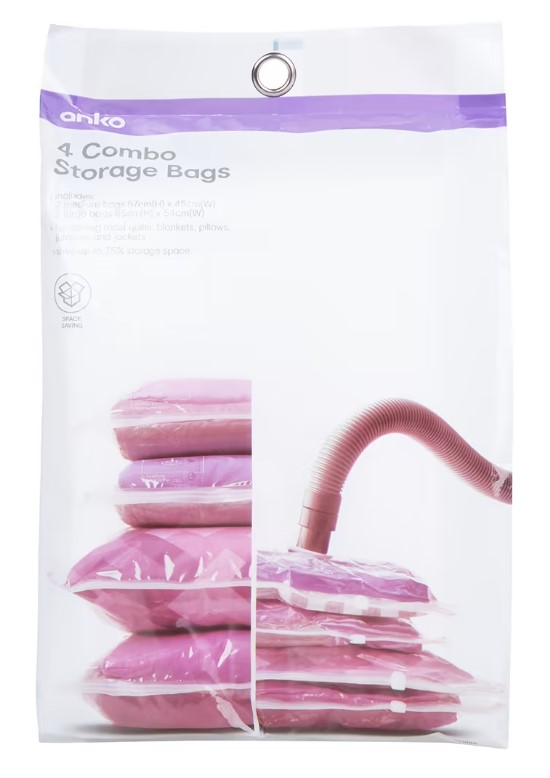
Packing cubes keep clothes neat and contained. Put together the same type of items for each cube such as pants in one, shirts in another and socks and underwear in a smaller cube. Labeling or colour coding the cubes will make things even easier in the instance you need to access things quickly. Kmart sells packing cubes in a set of 3 and space-saving bags that can be deflated for only $9 and will make packing your luggage more efficient. If you are on a budget, use large zip lock bags to organise your clothing.
Unfortunately, sometimes airlines can lose your luggage. To avoid the stress of having to buy a new wardrobe immediately, pack a spare change of clothes for each person in their carry-on or a backpack in case of an emergency. This can also be helpful if the luggage is buried deep in the back of the car on a road trip and someone needs a new set of clothes due to a spill or accident.
If you are travelling with little ones at night, keep their PJs in a bag so they can be changed along the way. They will be more comfortable and will be easy to transfer to bed when you get to your destination.
We are excited to welcome Susan Cooper, our new group Pedagogical Leader for Little Scholars School of Early Learning.

Susan will support educators to guide and influence children’s love of learning by fostering family engagement, ensuring fidelity to Little Scholars curricular philosophy, using data to evaluate the effectiveness of the learning program, and ensure we are exceeding standards to optimise learning environments and prepare children for successful futures.
Through pedagogical leadership, Susan hopes to raise the benchmark to overall quality of teaching and recognises that providing children with strong foundations for ongoing learning and development is underpinned by a strong pedagogical practice.
Pedagogy is a form of teaching strategies in the practice of educating. It is the techniques, strategies and approach taken by educators to let learning and development to take place. Pedagogy refers to the interactive process between the teacher, the learner and the learning environment and provides reason to the design of learning spaces, materials, and resources on offer. Pedagogical Leadership supports educators in relating their pedagogy to content knowledge and educational theories.
Susan’s primary role will be to provide leadership to pedagogy and support educators in relating their pedagogy to content knowledge and educational theories. Susan will be working across the 13 Little Scholars Early Learning Campuses mentoring and coaching our educational leaders to implement curriculum delivery. Susan will inspire educators to employ new approaches to their teaching against up-to-date research, which will shape the quality of experiences and interactions across our campuses.
Susan has worked in the Early Childhood Sector for more than 16 years and has extensive knowledge in the field of Pedagogical Practices. Having worked in many fields within the Education sector, from operating a family day care, to being an educator within long day care sector as well as outside school hour care services, through to management and leadership.
“To take on this role is exciting as I can share my passion, influencing pedagogy approaches and practices and place emphasis on children’s play to promote continuous child development and quality outcomes for children,” she says.
Susan is passionate about advocating for children’s rights and is a firm believer of a child-centred approach and that the quality of interactions between adults and children play a fundamental role in stimulating early learning.
According to Jae Fraser, founder of Little Scholars School of Early Learning, pedagogical leadership is about leading or guiding pedagogical practice, supporting Little Scholars educators in their work with children and families, and translating the Little Scholars values and principles into practice.
Finally, after more than two years of us Australians being grounded, state and international borders have opened up and we can finally get up in the sky and explore like Aussies are meant to do!
However, a trip with children may be even more daunting than it seemed a couple of years ago – dealing with masks, fears of illness, testing, increased stops, fewer route options available, journeys may be longer than usual, and when you have little ones, more time in airports and in the air is something you have to consider.
We have some ideas on how to prepare ahead, fill the time during the journey, and how to help little people deal with their first bouts of jet lag.
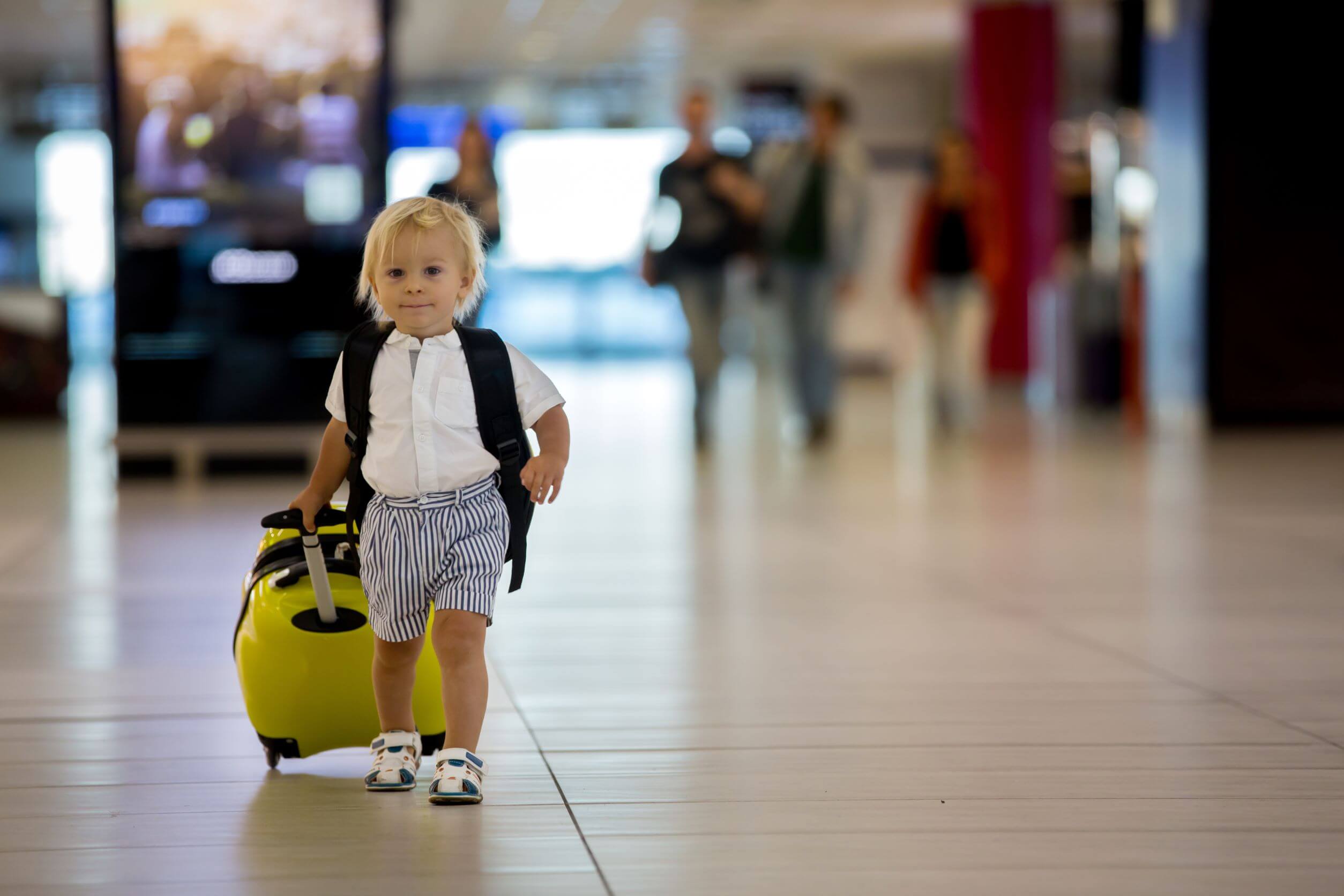
Airlines have to be alerted to travelling children, even if they’ll be sitting on laps ahead of time. If the baby hasn’t arrived yet when you book, book for only people who have names, then contact your airline to update them after the baby is born, they can add their names closer to check-in.
A great suggestion from Flight Centre is, for example, for a family of four people, try to block out the window seat and the aisle seat, leaving the middle seat empty, or both aisle seats if it’s a row of four and do the same for the row behind. The middle seats on a plane are generally the last seats to be filled and you can usually luck out with some space for the kids to sprawl out.
If your baby is sleeping a lot or still taking breast or bottle, the window seat is great to lean on. If your older child is quite active, an aisle seat may be easier to get in and out, especially for bathroom breaks.
If you’re hoping to bring car seats onboard, you may have to alert the airline of your intention to travel with a car seat onboard when you book your tickets, and check they’re on the approved list. While many larger planes offer bassinets, they’re often limited and may either need to be pre-booked or are offered on a first-come, first-served basis, so ask your airline.
Children’s meals are usually on offer, but like any special requirements with meals, they generally need to be booked with your tickets. Also, in-house entertainment is not always guaranteed free with the price of your seat, so ask ahead of time, and if you think movies or games will help your child pass the time, look into it ahead of time or plan on having your own device ready and stocked up with child-friendly goodies.
Since Covid-19 is still a reality, check before you go about vaccine, testing and mask requirements for everyone travelling both on the flights and at your destination.
If your child is old enough to comprehend what’s happening, it’s a good idea to talk to them about the trip ahead of time.
“Our five-year-old daughter Sloane is a little anxious about change, so when we have travelled overseas we discuss it in detail before we go,” according to Brent, general manager of The Scholars Group.
“We talk about what she can expect, and what fun and exciting things may happen during the journey and at the destination. We also talk about sleep patterns when she arrives, and depending on the time difference, how she may be a little more tired than usual and we will “try” and stay up to normal bedtime as soon as we can even if we have a little nap during transit. We prepare, prepare, prepare!”
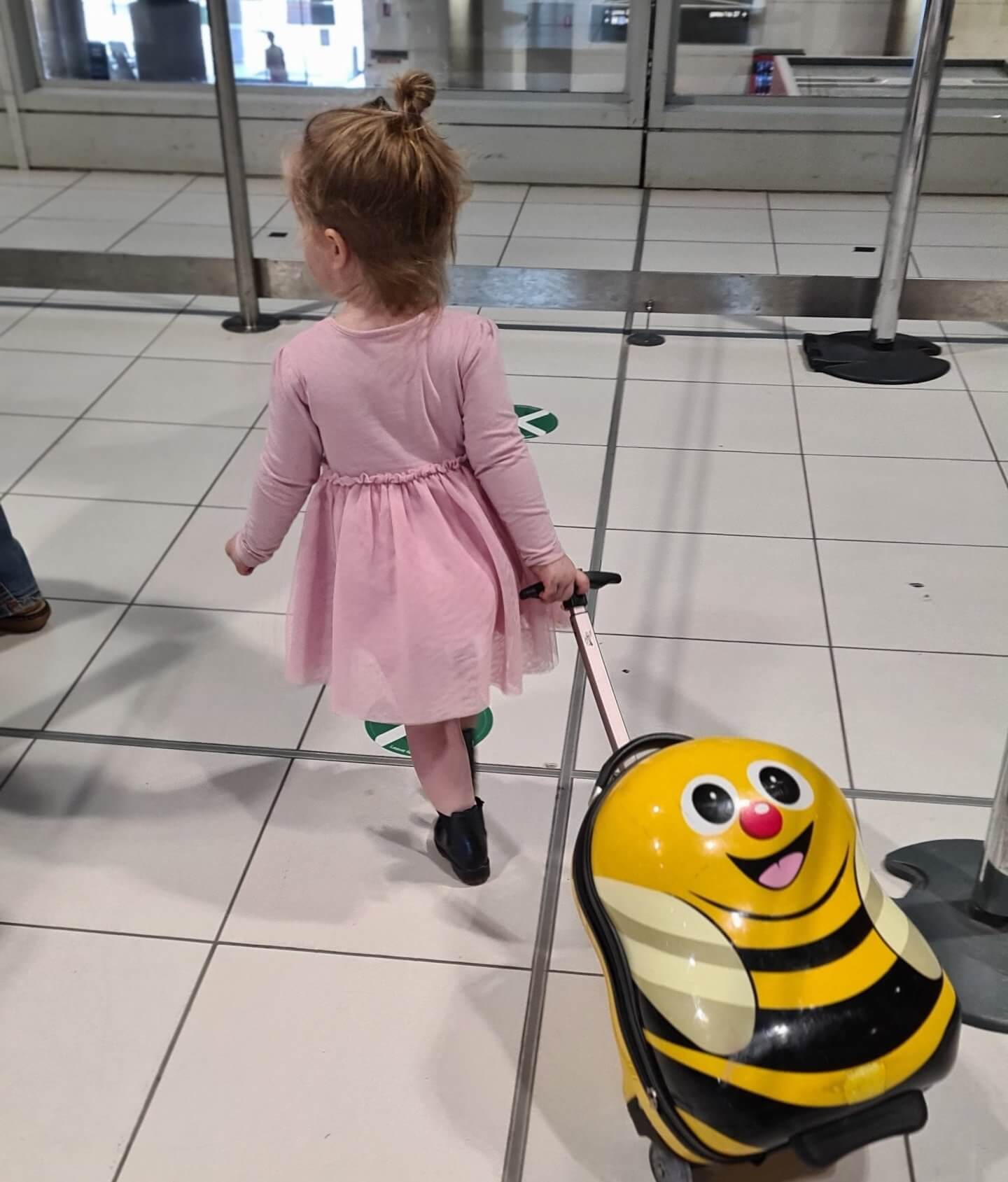
You may remember a time when all you needed was a backpack to join you halfway around the world. Those days are pretty well over when you have children. Multiple suitcases, digital devices, comfort toys, snacks – it can feel extreme even if it’s domestic travel.
Most airlines offer early boarding for travellers with children. This can allow you extra time and space to settle children onboard but it also lengthens the amount of time spent in cabin confinement, so the choice is yours.
Dress your child in bright clothes so that they stand out in a crowd and if they’re old enough to understand, point out people they should talk to if they become separated from you and arrange an obvious meeting place they can look for if they can’t see you.
Get to the airport early so that your child can run around or play for a while.
Claire, operations support officer at Little Scholars, travelled to her home country of England with a one-year-old and was pregnant with her second.
“The best thing ever was dungarees! On the way over I found it hard to pick him up and juggle my bags,” Claire says. “On the way back I put him in a pair of dungarees and when needed I could scoop him up like a bag and walk with him. He loved it and would giggle madly as we walked along.”
Change your baby’s nappy right before boarding, because space is cramped inside plane toilets.
While generally, children under two are free or low-cost on most airlines, if you can afford the extra seat, it might be something to consider, especially for a long-haul flight, says Melanie, operations manager at Little Scholars, “Even though we didn’t have to book a seat for Harvey as he wasn’t quite two years old, we did anyway so we had some extra room,” she says. Everyone will be more comfortable with their own seats, especially parents who would otherwise be holding a child for hours into the journey, which can already be uncomfortable with limited legroom. An alternative might be to book rows with extra foot room, though keep in mind children aren’t allowed to sit in emergency rows.
Also, if you purchase a seat for your child, bringing his/her car seat is safer, but it can be a lot to lug with your child and carry-on all the way to and from your gate so you may consider renting a car seat at your destination.
If your baby is formula-fed, airlines will allow you to bring sterilised water, bottles and formula on board, so pack as much as you think you’ll need for the journey and some extra to cover any delays. Airport security may ask you to open the containers and taste the contents. If you’re travelling to other countries, it’s a good idea to bring enough formula for the entire trip, as formulas differ in each country, and a change could upset your baby.
Another suggestion is to bring a small, compact stroller that you take on board. It saves time at the luggage carousel and means you can hit the ground running when you land rather than having babies on your hip or dragging a slow-poke toddler behind while trying to catch your connection.
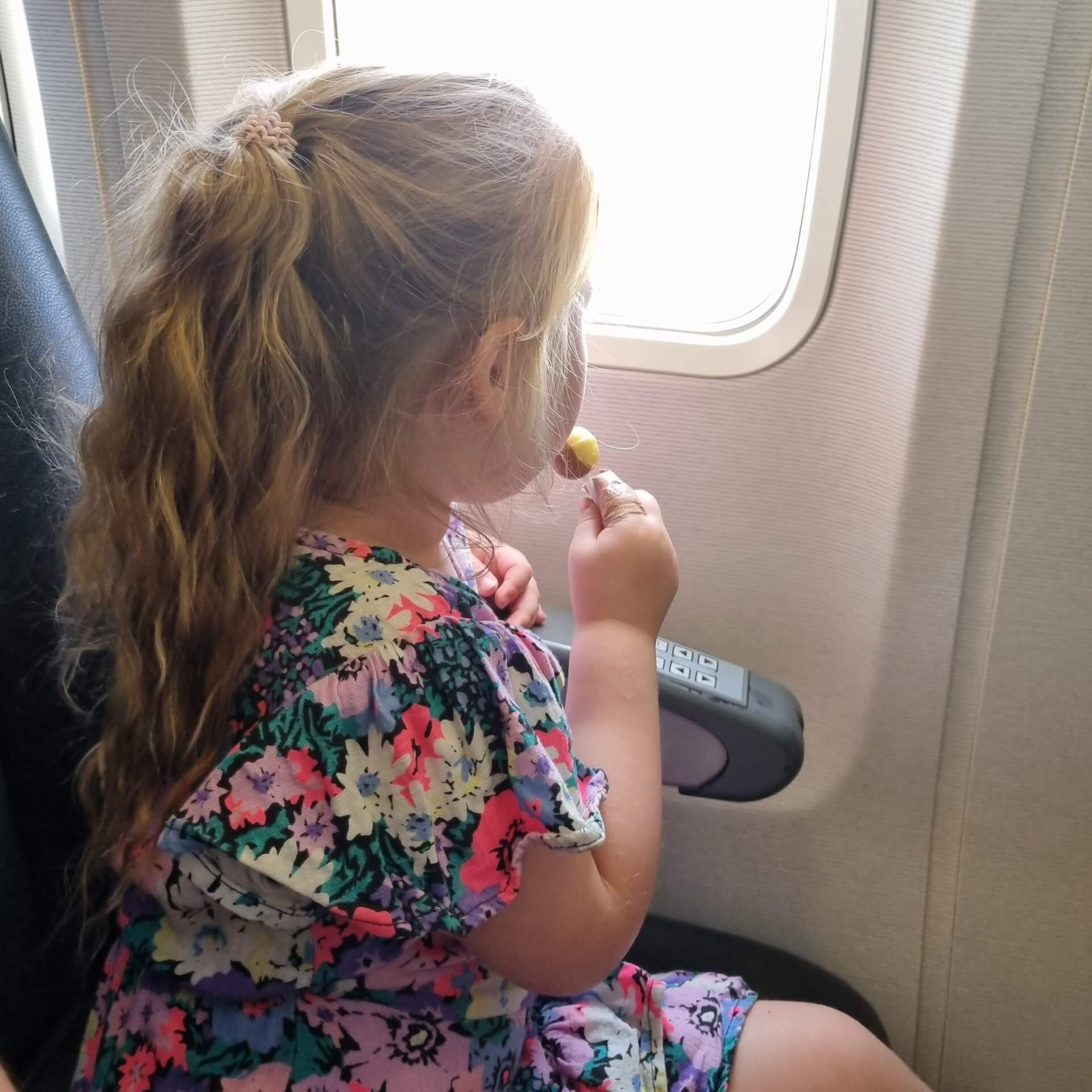
Take off and landing can be especially painful for little ears. For babies, offer a dummy, breastmilk or a bottle to help with ear pressure as the sucking motion can help pop their ears. For older children, having chewing gum or lollipops on hand can help them with the ear pressure on board.
When travelling with small babies or toilet-training toddlers, accidents can happen. Make sure to have extra clothing, nappies, or underwear for everyone, including parents, in your carry-on. Also include some zip-lock bags to keep any soiled clothing in. No one around you wants or needs to experience scents that may stick in the air. You also should consider bringing a changing pad, either one from your nappy bag or disposable ones, because there are no guarantees there will be changing tables on your flight. Melanie says bringing extra blankets in carry-ons can also help for extra comfort when plane pillows and blankets don’t quite do the trick.
Meals on planes for anyone aren’t often gourmet, but for picky eaters, they can be a hard no. As we mentioned above, you can often pre-book children’s meals if meals are on offer. But also, feeding little ones pre-flight, and having plenty of bring-your-own snacks available for them, can make things easier and cheaper. Plus meal service can be slow and patience may wane as time on board go by. Encourage your children to drink frequently to avoid dehydration. You can often find filtered water fountains near the gate, so bring refillable bottles so you’re not waiting on flight attendants to refill your glass.
Sleeping on planes is challenging at best for anyone.

“I travelled to Thailand when my son was four months and my stepdaughter was six. Our saviours were wraps for my son and the Love to Dream swaddle for sleep time in the bassinet provided by the plane,” according to Skye, an educator with our Yatala campus. By keeping sleep time routines and items as familiar as you can for your child, they may sleep more soundly. A wrap or carrier is also helpful for settling the baby while in flight. Just remember children have to come out of any carriers or the bassinet when the seatbelt light comes on.
For older children, it may be helpful to bring their pillow from home, as they’re more comfortable than the ones airlines hand out, and of course their favourite sleeping toy or blanket. If they sleep with noise, sometimes the plane’s hums may be enough, or using an app on your phone (that works in airplane mode) with earphones could do the trick.
Entertaining children on a long flight is another challenge you should be prepared for.
“My best tip is getting little trinkets/toys and wrapping them up for my daughter. I will give one to her as she needs it, so there’s something new and interesting to break up the time on the flight,” says Jaimie-Lee, enrolment officer at Little Scholars. “It could even be an old toy she doesn’t play with or has forgotten about.”
Jaimie-Lee also makes sure to stock up on no-mess activities such as paperback books, colouring books and pencils. It’s best to check big box stores such as Kmart, Big W or Spotlight, which often have great activity sets for children, she says.
“When I travelled with my then-four year old I brought mini magnetic boards games to play on the plane and colouring-in packs,” says Janice, who’s based in our Yatala campus. “I also talked to the online staff letting them know I was travelling as a single mum, and they really did look after me on the plane for my bathroom breaks.”
“I made [my daughter] a busy book, so each page had different activities such as Velcro’d matching game, buttons/clips, as well as reusable/wipeable books,” says Charlotte, area manager for Little Scholars. “As well as a different small game or fidget toy to open each hour.”
It’s unavoidable, especially if you’re travelling more than three time zones, but there are ways to deal with jet lag that will help the whole family. First, sleep when your baby or child sleeps. This is one of the most important tips to adhere to in order to cope with a jetlagged child. A rested mum or dad is necessary to deal with an overtired little one! The amount of sunlight we receive helps set our internal body clock, so have your children out in bright light (careful to avoid sunburn, of course!) as much as possible.
If possible, plan a journey that incorporates stopovers. By breaking a trip up into more manageable time-zone blocks, your child’s jetlag will be less severe and so will the disruption to family life. The added bonuses of longer stopovers are the opportunities to stretch legs, the ability to sleep in a proper bed (and therefore be more rested for the next part of the journey) and the opportunity to see somewhere new!
The direction of travel influences how your body responds to the time change, according to Flight Centre. When travelling east, you might try to keep your child up as late as possible so they go to bed closer to the destination travel time. When travelling west, your child may have trouble falling asleep that first night. Plan ahead for difficulties falling asleep – books, calming music, and once you get there maybe it’s a calming bath with relaxing scents. If possible, try to wake your child up at the local time the day after you arrive, even if they have had a late night.
Talk to your doctor beforehand about immunisations. Don’t forget hats, sunscreen and age-appropriate insect repellent. Take a medical kit containing items such as baby paracetamol, thermometer, anti-itching lotion, anti-nausea medications, oral rehydration preparation and bandaids.
When you’re limited with clothing options to what you’ve packed, and you have messy children, another idea is to bring a small bottle of laundry detergent to wash and dry their clothes in hotel bathrooms.
If you’re dreading the travel to your destination, change your perspective! Try to look at long travel as an opportunity to spend unrestricted special time with your children. Play eye-spy games, have them look for a certain colour or item among the other passengers, make up stories, these can all be great language-building activities too!
Life is full of big changes, everyone goes through a few in their lifetime, and some of these things are in our control and some aren’t. Knowing changes are coming, whether they’re positive or negative, isn’t always easy. As change happens, your routines are disrupted and suddenly you have to adapt as you are pushed further and further out of your comfort zone. For the little people in your life, generally, when a big change happens in their home, they have little control over what’s happening, may not even understand what or why something is happening, and it can be hard.
Some examples of these life changes affecting small children could be a new sibling, parents separating, losing a family member, moving to a new house or even a new city or town. While these changes affect everyone in the house, children don’t necessarily have the coping skills yet to deal with them. Children who are new to major life changes need extra support in addressing their feelings, understanding and adjusting to change, and learning new strategies and skills along the way. As their parent, even if you’re also dealing with these changes yourself, you have to find time for your children to support them through this change. They may be small, but their feelings matter just as much as everyone else’s.
If you can, give them time to prepare. Is Nana sick? Have a conversation with your children about what this could mean: her not being able to see them while she recovers. Maybe it means time in hospital and she may look different, or maybe it’ll be harder to touch her or talk to her, and maybe it means she may not survive. You may need to prepare yourself first about how you’ll have these kinds of hard conversations with them.
Is a new baby coming? Assure them this does not mean you will love them any less. Let them know that while a new baby may need more attention in the beginning, you’re always there for them and you will still have special time together. Many parents swear by having a special toy basket set up for when the baby needs to be fed, and putting these random, loose parts in the basket that can change regularly to keep them interested.
At our centres, we can arrange activities that help children understand the changes that may be happening at home.
For example, when it comes to a new sibling’s arrival:
“We have had a few new sibling arrivals, and with that we will set up some baby care stations with wraps, bottles, rattles, nappies clothes, etc,” says Skye, an educator at our Yatala campus. “We even do a little bath sensory activity, we read books on the arrival of babies at home and also find some songs about families,”
If you’re at a loss on where to start preparing, book stores and libraries these days have incredible selections of books for children to help them understand in age-appropriate ways big life changes that can affect them. Whatever the scenario, by giving them time to process and accept the change that’s coming, things may be easier when they actually do come. They may not offer up what’s happening in those busy minds and you may need to check in and ask them how they’re feeling or what they think. “I told you not long ago that Mummy and Daddy have to sell the house because we have to move to another city. What are some of the things that come to mind when you think about not living here anymore?”
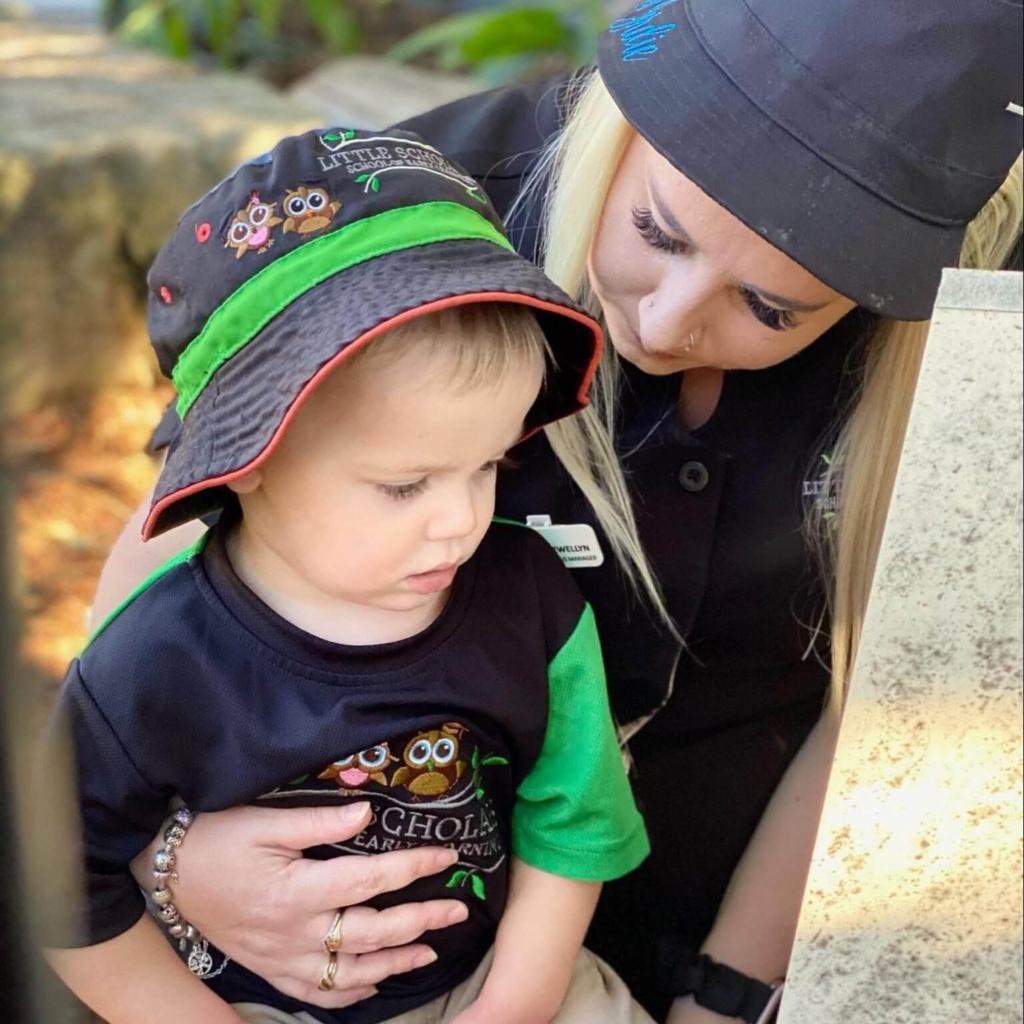
Take time to listen to their concerns. Be ready to answer questions (and for most children, there will be more and more questions!) and know these questions may come up at what seems to be random times, but that goes to show they internalise change and are trying to process it maybe even more than you think! Say something like, “Moving to a new place can feel sad and scary. It’s okay to feel that way. Let’s take some deep breaths. We can get through it together.”
You may need to help them identify what their feelings are and explain what they mean: emotions such as feeling anxious, sad, scared, excited, and nervous are normal feelings and won’t last forever, and also let them know that these are feelings grown-ups feel too.
Consistency and stability are just as important now as ever before. Bedtimes and mealtimes should remain consistent and are great times to connect as a family, even if the family dynamic is changing. The structure feels safe for children, so provide as much of it as possible to restore a sense of safety. Avoid a lot of big changes at once. Even if there’s a new baby coming, this may not be the time to move your child from cot to big bed if they’re already unsure of their feelings about not being your baby anymore. If Mummy and Daddy are going to live apart, help them set up their second bedroom similarly to the one they’ve known, and try to keep those routines the same, no matter what home they’re spending time in.
“When it comes to a family break, we always talk with parents encouraging them to keep the same routine at both houses, like toileting, comforters, for example,” Skye says.
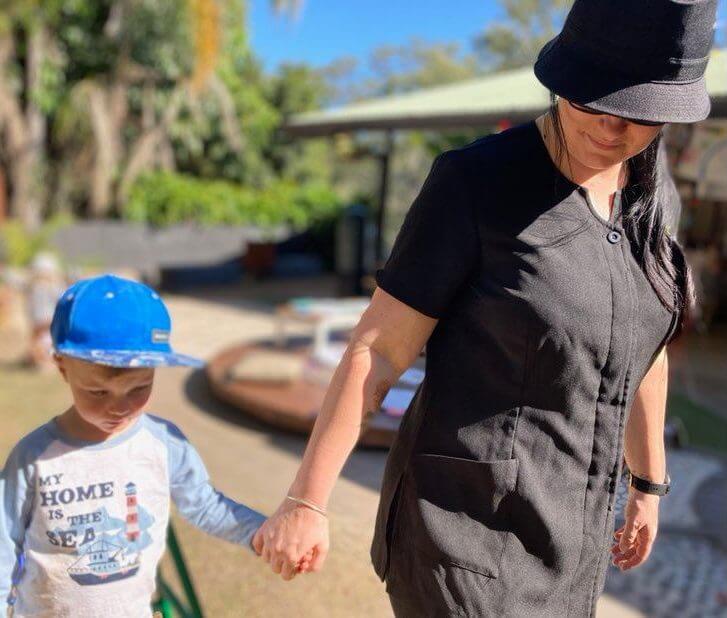
Another thing that should remain consistent is your child’s relationship with you. Make sure your child knows that no matter what else changes, you aren’t going anywhere, and neither is the bond you have with your child. You are always there for them, even if it’s by phone when you can’t be beside them.
Set aside even 10 minutes each day to give your child your undivided attention. Make eye contact, put the phone away, and be playful and affectionate. This will be as good for you as it is your children. If your thing together is going for a walk together, keep doing it. Being cuddled up and reading books together is a wonderful way to maintain your bond. Do an activity together that your child enjoys, whether it’s video games or kicking a ball around, playing dolls or colouring together, you may be surprised with what they’ll remember long into the future about what their time with you meant. Try to remember that a little extra attention and parent-child time reassures your child that your love will stay consistent, making it much easier to cope with changes in other aspects of life.
Our relationships with our families are so important. We can and would like to help! Talk to your educators or campus manager about what’s going on at home. Your educator may have noticed changes in your child’s behaviour or emotions already, which has given them the heads-up something is different.
“How I notice when children are going through tough times or even have experienced a traumatic event is when they start ‘acting out,’” says Holly, an educator at our Stapylton campus. “Difficulties eating and sleeping than their usual, acting clingy more than usual, more tantrums, losing interest in activities they once enjoyed, they stop playing with their friends and aren’t socially interacting, drawings that are concerning about what is happening in their lives, regression with toileting and even going back to thumb sucking etc.”
By letting educators know what’s going on at home, they can help by ensuring your child has the attention he or she needs especially at this time, or they can help facilitate activities or learning exercises to support feelings your child may be experiencing.
“You definitely need to have built a strong and positive relationship with families in your centre, to ensure you can effectively work together,” Holly says. “Document children’s change of behaviour if you’re concerned and communicate with families about this. It also helps to provide strategies that you will implement at the centre as well as helping families with strategies for home.”
“We always give lots of extra cuddles and when we notice they are having a tough day, and encourage them to do some relaxing activities like laying on the cushions reading, playdough, sensory bottles, calming toys like fidget spinners, poppets, mini lava lamps, just things that give them some space and also some one-on-one time,” Skye says.
It’s our job to help ensure your child is spending their time with us in a warm, welcoming, supportive and caring environment in which she or he can grow socially, cognitively, emotionally, and physically, and we’re here to support your entire family. We have an open-door policy, and you’re very welcome to call or come in to talk as much as you need.
Why do our children sometimes express some big bursts of negative moods after they come home from a seemingly fun day at childcare? This could be due to after school restraint collapse. Meanwhile, you expect them to come home happy and excited to tell you all about their day of crafts, books, playtime and outings, after all, you often get reports that your child was an angel all day. But when he or she comes home, that angel seems to have taken those wings and flown away, being replaced with something not so angelic.
Some child experts call it ‘after school restraint collapse’, and it seems to happen because children hold it together all day in childcare. Children use a lot of energy being well-behaved, following direction, sitting still, retaining information, and all of this without their primary attachment figures, their parents/caregivers. It can also simply be that some children meltdown because they are tired or overstimulated. Wanting to learn more about Little Scholars and how we deal with these big emotions? Contact us today.
This leaves your child’s best opportunity to release their emotions when they get to a safe place, their home. Those emotions can take the shape of crying fits, whining, screaming, disrespect or physically acting out to parents or siblings.
“I always say to parents, ‘do you have a best friend, someone you let all your emotions out when you see them? You are this to your child and when they see you after a big, busy day at Kindy, it all comes out,’” says Libby Kissell, a lead educator with our Redland Bay South campus.
“Rest assured they had an amazing day, but they let it all out when they see you because YOU are their person, their safe zone.”
Young children haven’t yet developed the essential brain wiring or had the necessary life experience to be able to calm themselves down from big feeling states, which is why they experience such frequent meltdowns. They know they can do this at home because they’re in a place where they’re loved and supported.
Your child is loved and supported by our team at Little Scholars, talk to us if you’re struggling and we can think and discuss how to make things easier for your little one.
“As an adult, we come home from a big day at work and we just want time to ourselves to zone out and not have to think,” says Holly Medbury, an educator from our Stapylton campus.
“We might even get annoyed if people want our attention, kids feel the same, but often have difficulty expressing it. Children are little people with big emotions, they too need some time to ‘chill out’ or a friend to be there and hug, with no expectations. It’s just reassurance for parents out there that they are doing an amazing job and providing useful strategies to help children cope with their big emotions.”
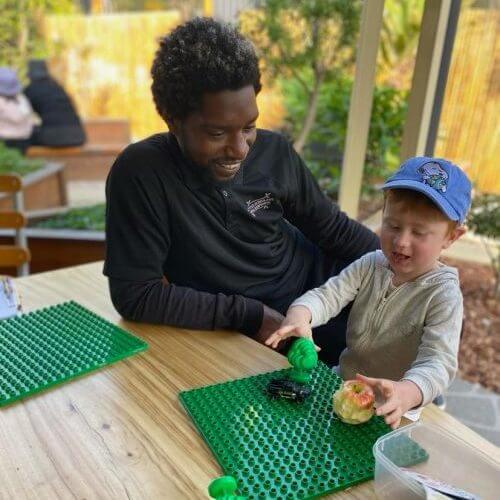
You can send them to their centre with a comfort toy or blanket that they can reach for when they need it. You could also send them with a picture of their family, or a note in their bag telling them how proud you are of them and how much you love them
Spend an extra five to 10 minutes with them before they start their day at Little Scholars. Just a few connected minutes with your child can make a significant difference in their day
Have a conversation with them on the way to childcare or when you get to their centre that focuses on what they can look forward to after you pick them up later, maybe that conversation looks like, ‘When I come to get you, would you like to go to the park or go pick out some new books to read at the library?’
Bring a snack for the trip home, sometimes hunger can be distracting for them and can stir up emotions.
When you pick them up, maybe all they need is a big reassuring hug. Maybe they need quiet. Maybe they’d like to tune out to some music they enjoy for a few minutes. Maybe they need to relax on a park bench or burn some energy at the playground. Follow their lead and take some time before asking questions about their day.
Again, feel free to talk to your educators about what’s happening at home. We have an open-door policy and we’re here for you. Your child’s educators, after spending time with your little one, may have specific ideas on how to help your child or can try to dedicate some quality time with your child to help them relax and feel cared for.
By understanding a little better why there are strong feelings coming from your child after a day of childcare, you are better armed to handle after school restraint collapse or even moderate reactions before their start.
For more information:
Are you a parent racking your brain trying to figure out how to get your little one to stop hitting, biting, or pushing other people?
The good news is, it’s really common. The bad news for you is, it’s still your child doing it and you have to deal with it.
For babies, this is a way to explore the world through cause and effect. Besides teething, babies bite to see what you’ll do. If you laugh, they might try it again to get the same reaction. If you get mad, that baby might be fascinated by your reaction, not quite understanding facial reactions and meaning.
For toddlers, they may have seen other children do it. They might do it because they’re angry, upset, hurt or excited and don’t have the means to express it differently.
Both babies and toddlers could be pushing, biting or hitting because they feel overwhelmed, bored, overtired or hungry.
No matter why your child is doing it, it can be frustrating and embarrassing for parents. But know that it’s not about you. It’s not your failure as a parent. When we think our child’s behaviour with us is a reflection on ourselves, we bring a lot of baggage with our response.
Now’s the time to manage it calmly.
“I like to explain to parents that these kinds of behaviours aren’t usually appropriate, but are age-appropriate and can come from a place of frustration in children,’ says Claire, an educator at our Nerang Campus.
“Biting is common around the age where children are beginning to learn how to talk and can’t quite get the words out and are frustrated.”
It is important to ensure when you are guiding a child’s behaviour to label the behaviour and not the child, Claire says. Telling them they’re being bad or naughty isn’t effective, and it isn’t likely to change the behaviour. Remember, every child is good. They are learning everything, including regulating and dealing with emotions and impulse control.
Claire also recommends not projecting your own feelings about your child’s negative behaviour. For example, try not to make statements like ‘Stop it, you’re making Mummy sad’ or ‘Look what you did!’ Try to remember that your child is learning empathy, so putting shame or guilt on their actions won’t fix the negative actions.
So how do you respond?
Stay calm. Your emotions can set the tone for how to bring down a heightened moment. By yelling or immediately punishing, you’re giving that undesirable behaviour attention. It’s also modelling explosive reactions, like what you as a parent are trying to adjust.
A calm, firm response could look like ‘Hitting/Biting/Pushing is never OK. I won’t let you hurt your brother.’ If the behaviour continues, a follow-up ‘I’ll move your brother over here to keep everyone safe.’
This sets and actions the boundary for behaviour. Once everyone is calmed down, that’s a better opportunity to teach coping skills, according to Sarah, an educator in our Senior Kindy studio from Deception Bay.
“Calm approach, sometimes for the older children, they need that time to themselves let them have their rage in a safe way, of course. There is no point in trying to get them to calm down when they are in the state they are in. It’s best to wait and then talk to them once they are ready,” she says.
If you feel your child is old enough to have a conversation about what happened, you could follow with, ‘You seem to have a hard time not pushing, I wonder why that is?’ If they tell you what/who is bothering them, you could tell/make up a similar story and tell them how you handled it. By modelling a response to a negative feeling, parents can help children understand and regulate their emotions.
Brooke, a Schoolies educator also at our Deception Bay campus also suggests asking the child what they need in that time can help.
“Every child is different and an approach that will work with one might not necessarily work for another or might not work every time which makes things difficult,” Brooke says. “I feel like asking the children what they need in that time is a big thing in diffusing a situation, because some children could want the space, where others may need a hug to feel safe and secure.”
Hayley, an educator also at Deception Bay in our toddler studio, agrees how the situation is dealt with is not a one-size-fits-all approach.
“I would say it would depend on the situation, age group and other factors,” Hayley says. “If it’s a child that’s not going to stop, I would then definitely redirect either to a different activity or to someone that they feel more comfortable with. For example, say it’s a child from the Senior Kindy room who’s just moved up to the Kindergarten room, you could ask them, ‘hey would you like to go see (previous educator)?’ if they say yes, it removes them from the situation, and it’s the child’s choice too.”
“I also like to give them a choice when redirecting so, ‘hey I know you’re frustrated, would you like to go run outside or do you want to do some painting?”

Some experts also recommend trying to fight the impulse to force your child to apologise. Children need to focus on learning to regulate those emotions, if you’re asking more of the child by forcing an apology, it’s likely to make them more frustrated or ashamed, and they won’t do what you’re asking, and certainly won’t feel like they’re being seen. They will learn apologies in time, but we don’t want them to think ‘when I’m sad I should say sorry’ but rather ‘when I’m sad I should think about what made me sad, take deep breaths, count to 10.’
However, it’s still important for your child to understand that other people have feelings too, so you could say, rather than forcing an apology, ‘Let’s see how we can make him feel better.” By involving your child in the resolution rather than ordering them to do something, you’ll likely see better results.
“Praise your children when they are doing something positive, even on the days it feels like all they have done is bite or hit,” Claire adds. “Soon enough they will be chasing the positive reinforcement and be replacing the negative behaviours with more positives.”
Guiding positive behaviour is a goal of Little Scholars by creating a safe environment for the children within our studios.
“This is guided by John Bowlby’s attachment theory,” explains Chloe, an educational lead at our Redland Bay South campus. Bowlby believed that the earliest bonds formed by children with their caregivers have a tremendous impact that continues throughout life.
“Every morning upon arrival, we create a warm welcome space for the children to be dropped off to. Once the children feel a sense of belonging within their learning environment, they are able to venture off and participate in the day’s learning.
“Respect and care are important parts of our day-to-day curriculum and is embedded in our learning by educating the children on their emotions identifying how they feel through use of conversation and cues, and guiding them in strategies that can assist with the way they are feeling,” she continues. “With these embedded practices, it helps to eliminate those rough behaviours.”
For more information:
Related topics
Everyone knows or has a fussy eater. Whether it’s a two-year-old who won’t try new foods, a 10-year-old who is stuck on plain pasta or a ‘whitearian’ who only eats shades of beige, feeding children can become a real struggle. A period of fussiness is a normal part of a toddler’s development and is a sign that they are becoming more independent, but left unchecked, fussy eating can take over mealtimes making them stressful and unenjoyable for everyone.
Most fussy eating is behavioural, but it is important to check that there aren’t other reasons for your child’s fussiness. A really easy way to do this is to think about whether your child is fussy across different environments. For example, if they won’t eat this and that at home, but they will eat it at daycare, it’s a good indication that their fussiness is behavioural. Often, when a child is taken out of their usual environment, given a routine that they are expected to follow, and sit with other children, they will eat things that parents never thought possible. Are you struggling with a fussy eater? Contact our Little Scholars Day Care Centre to learn how we combat fussy eating during daycare.
Well firstly, the most important step no matter what the origin, is to take the pressure off. Although this may feel like a leap of faith, you won’t get anywhere while mealtimes are fraught with tension. Make sure that there are one or two foods you know your child will eat at each meal, but for the rest of the meal – make it something that you enjoy. The best way to get your child interested in a new food is to sit at the table with them and enjoy it yourself.
It can also help to let them know what is expected. For example, the mealtime routine might be to wash hands, come and sit at the table, stay at the table until the meal is finished, take the plate to the bench, leave the table and wash hands. This is exactly what happens at daycare and is an example of how routines work. It is important not to drag it out – a reasonable amount of time to expect your child to sit at the table is about 20- 25 minutes, beyond this, it gets really tiring for them and they won’t likely eat a lot more with extra time.
You can also help your child become a little more adventurous by breaking it down into manageable steps. Making small changes to their favourite foods such as cutting them differently, making them slightly crunchier, or changing the colour (eg. beetroot hummus) is a good place to start.
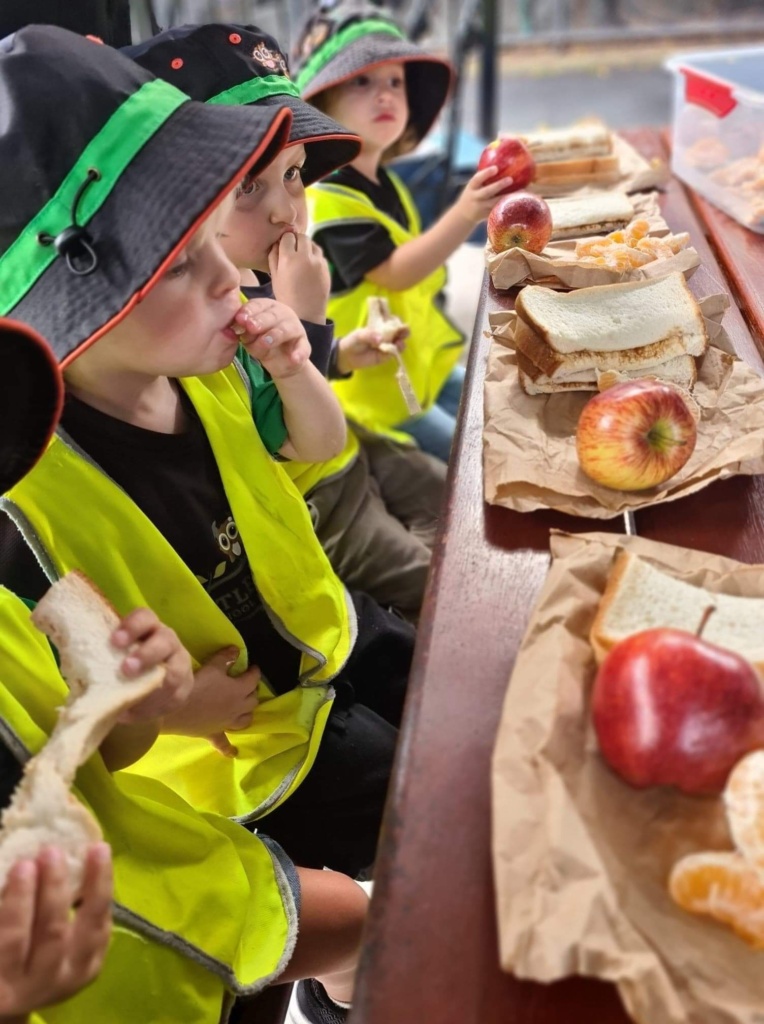
Interested in Child Care that assists with fussy eating and other areas of concern? Contact us today or book a campus tour.
AUTHOR: JACQUI PALMER, PAEDIATRIC DIETITIAN FROM MY NUTRITION CLINIC
Jacqui is paediatric dietitian who would like all children to have the opportunity to become ‘good eaters’ with the right support and guidance. Jacqui teaches parents and children these daily habits and strategies through her Fussy Eaters Therapy program. Jacqui welcomes children with sensory and developmental issues such as Autism to join the program.
Have you heard the term ‘frustration tolerance’ before? If you have a small child or work with them, you certainly know all about children struggling with frustrating emotions. Frustration tolerance is the ability to work through a problem, breathe, and figure out a solution.
You see your child trying out a task and not be able to get it to work the way they want to. They get frustrated and ask for help. You oblige because you just hate to see them mad at themselves.
When you see a baby getting frustrated and crying, you want to jump to her rescue and give her that item she’s trying to reach for. When your toddler is working to solve a puzzle, we want the child to get it done and get it done right on the first go. If not, we jump in to fix it for them.
But what is the underlying message we are giving the child every time we do a task for them?
‘I can do it for you, faster than you can, more efficiently than you can.’
How do they learn to do something on their own if they always have help? How do they have a sense of accomplishment if they never go through the trial-and-error process while learning to do something.
The next time the child struggles with something, they’ll just get you to do it for them. That frustration tolerance will dissipate, and they won’t struggle to get to an answer. They will look for instant gratification, instant solutions and that doesn’t come easily and quickly, they won’t mind quitting.
How does that baby learn to move her body to get that item closer to her if you’ll just pass it to her? How does always doing something for your toddler help him when he gets to school and there are several children who need the educator’s attention?
So much in society is already done for us thanks to technology. We don’t need to know basic math because our devices have calculators, or we can just ask the question in the search bar. We don’t need spatial awareness or how to read maps, because Google and Apple have taken away that need. But for your children, where there’s an opportunity to learn frustration tolerance, we should give it to them.
Patience and persistence are two components we all need to deal with frustration, and a certain amount of both will help your child stick with a problem or challenge to find a solution.
At our Stapylton campus, educator Holly Medbury teaches Senior Kindy, where there’s a lot of focus on independence, self-help skills, regulating and becoming aware of emotions, and providing risky and challenging experiences for the children to enable critical thinking and problem-solving skills.
There’s a yard at Stapylton called ‘The Natural Yard’ which has a cubby house, two large tunnels, and a musical xylophone wall. It’s mostly just surrounded by beautiful nature, just for a change where they can explore their imagination.
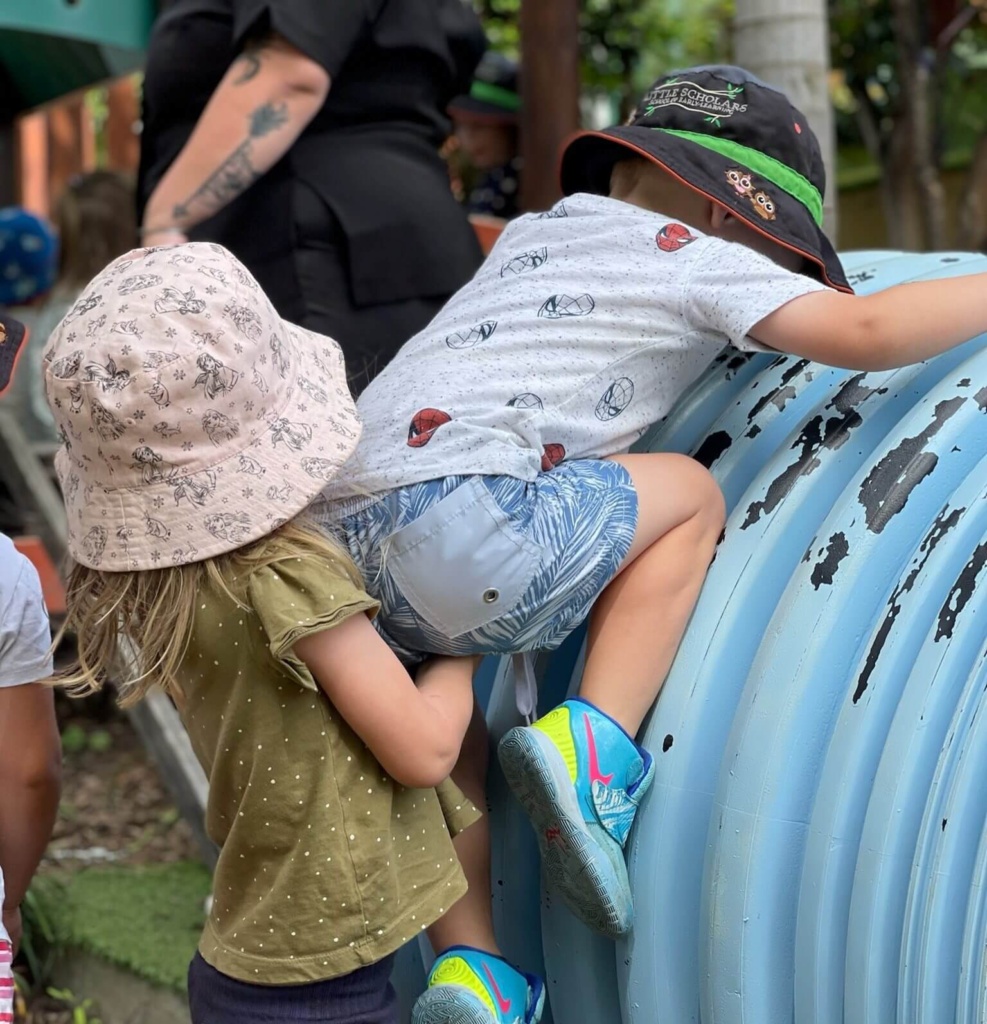
“With the two tunnels we encourage two children at a time to climb up the tunnel and sit up the top, which is a big achievement,” Holly says. “This is a challenging/risky play task that we enforce and provide lots of praise, encouragement, strategies if they are struggling to climb up.
Here are some of Holly’s encouraging words she provides with experiences like this:
“You are doing so well! I can see it looks quite tricky, how else do you think you can get up there?”
“Have a look around you and see if there is anything that can help you.”
“You’re doing your best and I’m so proud of you! Maybe you could use your knees going up the tunnel, as I can see there is room for your knees which might make it easier?”
By teaching our children that we can try again and that it’s okay to not get it right away takes some modelling from a parent and educator perspective. By adults modelling frustration in tasks and trying again in front of our children, by saying, “Oh no! It’s not working for me. Let me try again,’ normalises frustration tolerance and tells them that they can try again too. Children with greater frustration tolerance have been shown to grow up to be happier and more successful.

So how do we teach children to be more patient and persistent when it comes to tasks?
Learning patience
It’s never too late to encourage your child to try more, do more for themselves, which in turn builds their self-confidence, trust in their own abilities, and sense of self-efficacy.
As another year draws to a close, and we look forward to spending time relaxing and with people we love, we decided to ask our staff what some of their favourite traditions around the holidays are. Who knows, it might inspire some new holiday traditions for you!
“Every Christmas, we love to go camping at Tipplers on the boat and do Christmas Day swimming, eating, being merry and playing beach cricket as a family” – Renee, Campus Manager of Little Scholars Nerang.
“Each Christmas, we love to go down to my parents’ house in Tweed and spend time at as a family at Kingscliff beach after Christmas lunch.” – Carly, Campus Manager of Little Scholars Redland Bay South.
“Our family enjoys a special Christmas Eve dinner, then have an evening of watching The Polar Express every year!” Taylor, Campus Manager of Little Scholars Yatala.
“All the houses on our street (cul-de-sac) decorate the front of their houses and front gardens with Christmas lights. Every night in December all the children and families go out the front to play, talk (and drink) and look at the lights. We have lots of other people also visit our street. The kids love it!” Melanie Excell, Operations Manager of Little Scholars.
“Each December my circle & I organise a date for “Friendmas” prior to Christmas Day. Both Christmas and Friendmas is spent out in the sunshine either by the pool or at the beach. We love to end the year being surrounded by the people we adore and love!” – Sam Schmidt, Assistant Campus Manager of Little Scholars Burleigh.
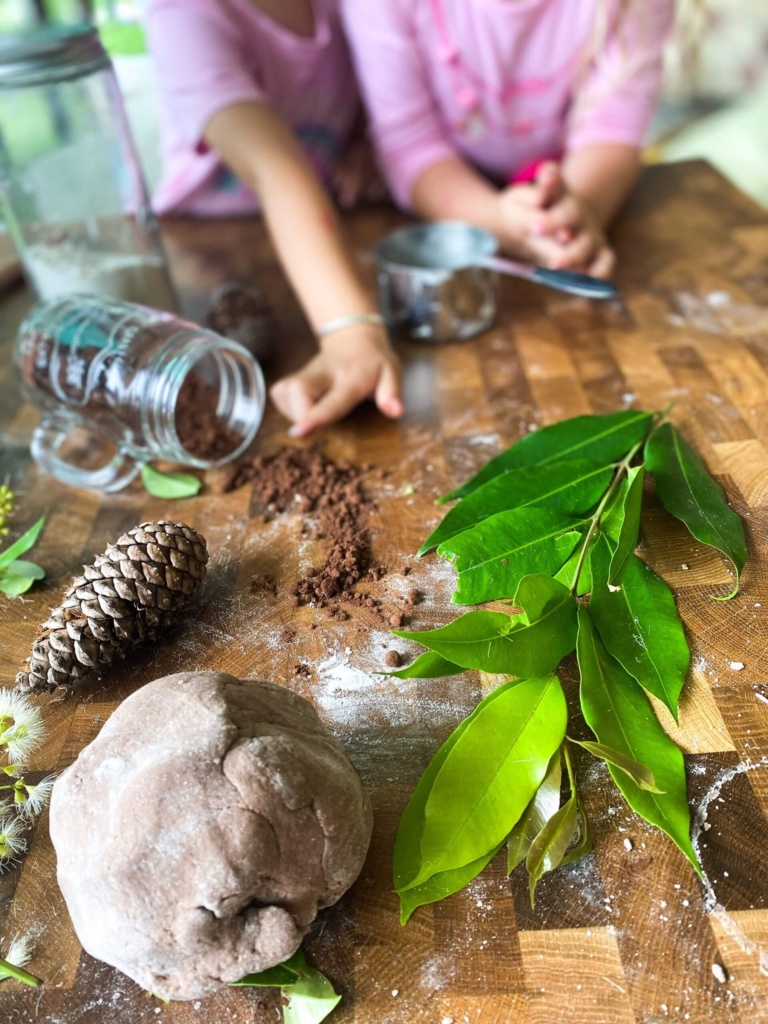
“My Christmas traditions are always around food, my mum is Dutch/Indonesian, so our typical Christmas treats aren’t rum balls or White Christmas. Our favourites to bake/cook are spekkoek (cake), speculaas (biscuits) and soto ayam (soup) are our faves!” Samantha, Campus Manager of Little Scholars Ormeau.
“One of my favourite traditions stemming back from when I was little in Canada, was making gingerbread cookies and decorating them with my Nana, little sister, my dad and my aunt. Now, we head over to my husband’s family home and spend an afternoon making cookies and decorating with his nieces and nephews. This year will be the first year our toddler can help!” Christina, Social Media and Marketing, Little Scholars.
“My sister makes a Christmas event calendar for friends and family to participate in over December. For example last night she did Christmas trivia. Also, we usually go and get a Christmas photo together, my siblings and me.” – Alice, Campus Manager of Little Scholars Burleigh.
“Our perfect Christmas Holiday activity is to grab a blanket and head down to the Broadwater and watch the sun set. We love taking the fur babies, grabbing some freshly cooked fish and chips and hanging out with friends for the afternoon. Definitely fills our cups.” Andrew, Executive Director, Little Scholars.
“We always watch “Carols in the Domain” together with candles and sing along to the Christmas carols – whenever this is on. We would always go to our local carols by candlelight as well. We also always put aside one night everyone is free to go and spend a few hours looking at Christmas lights in the area.” – Jaimie-Lee, Enrolments Officer, Little Scholars.
Little Scholars wishes you a happy, healthy holiday filled with love and memories to last for years to come.
Super delicious and super healthy. Perfect to freeze. Here is one of our yummy morning tea items from our Summer Menu at Little Scholars. We wanted to share the recipe so you can try it at home. These are super tasty and packed full of healthy goodies.
Let us hold your hand and help looking for a child care centre. Leave your details with us and we’ll be in contact to arrange a time for a ‘Campus Tour’ and we will answer any questions you might have!
"*" indicates required fields
Let us hold your hand and help looking for a child care centre. Leave your details with us and we’ll be in contact to arrange a time for a ‘Campus Tour’ and we will answer any questions you might have!
"*" indicates required fields
Fill in the form to join your local Pram Pals mums and bubs walk