

Have you heard the term ‘frustration tolerance’ before? If you have a small child or work with them, you certainly know all about children struggling with frustrating emotions. Frustration tolerance is the ability to work through a problem, breathe, and figure out a solution.
You see your child trying out a task and not be able to get it to work the way they want to. They get frustrated and ask for help. You oblige because you just hate to see them mad at themselves.
When you see a baby getting frustrated and crying, you want to jump to her rescue and give her that item she’s trying to reach for. When your toddler is working to solve a puzzle, we want the child to get it done and get it done right on the first go. If not, we jump in to fix it for them.
But what is the underlying message we are giving the child every time we do a task for them?
‘I can do it for you, faster than you can, more efficiently than you can.’
How do they learn to do something on their own if they always have help? How do they have a sense of accomplishment if they never go through the trial-and-error process while learning to do something.
The next time the child struggles with something, they’ll just get you to do it for them. That frustration tolerance will dissipate, and they won’t struggle to get to an answer. They will look for instant gratification, instant solutions and that doesn’t come easily and quickly, they won’t mind quitting.
How does that baby learn to move her body to get that item closer to her if you’ll just pass it to her? How does always doing something for your toddler help him when he gets to school and there are several children who need the educator’s attention?
So much in society is already done for us thanks to technology. We don’t need to know basic math because our devices have calculators, or we can just ask the question in the search bar. We don’t need spatial awareness or how to read maps, because Google and Apple have taken away that need. But for your children, where there’s an opportunity to learn frustration tolerance, we should give it to them.
Patience and persistence are two components we all need to deal with frustration, and a certain amount of both will help your child stick with a problem or challenge to find a solution.
At our Stapylton campus, educator Holly Medbury teaches Senior Kindy, where there’s a lot of focus on independence, self-help skills, regulating and becoming aware of emotions, and providing risky and challenging experiences for the children to enable critical thinking and problem-solving skills.
There’s a yard at Stapylton called ‘The Natural Yard’ which has a cubby house, two large tunnels, and a musical xylophone wall. It’s mostly just surrounded by beautiful nature, just for a change where they can explore their imagination.
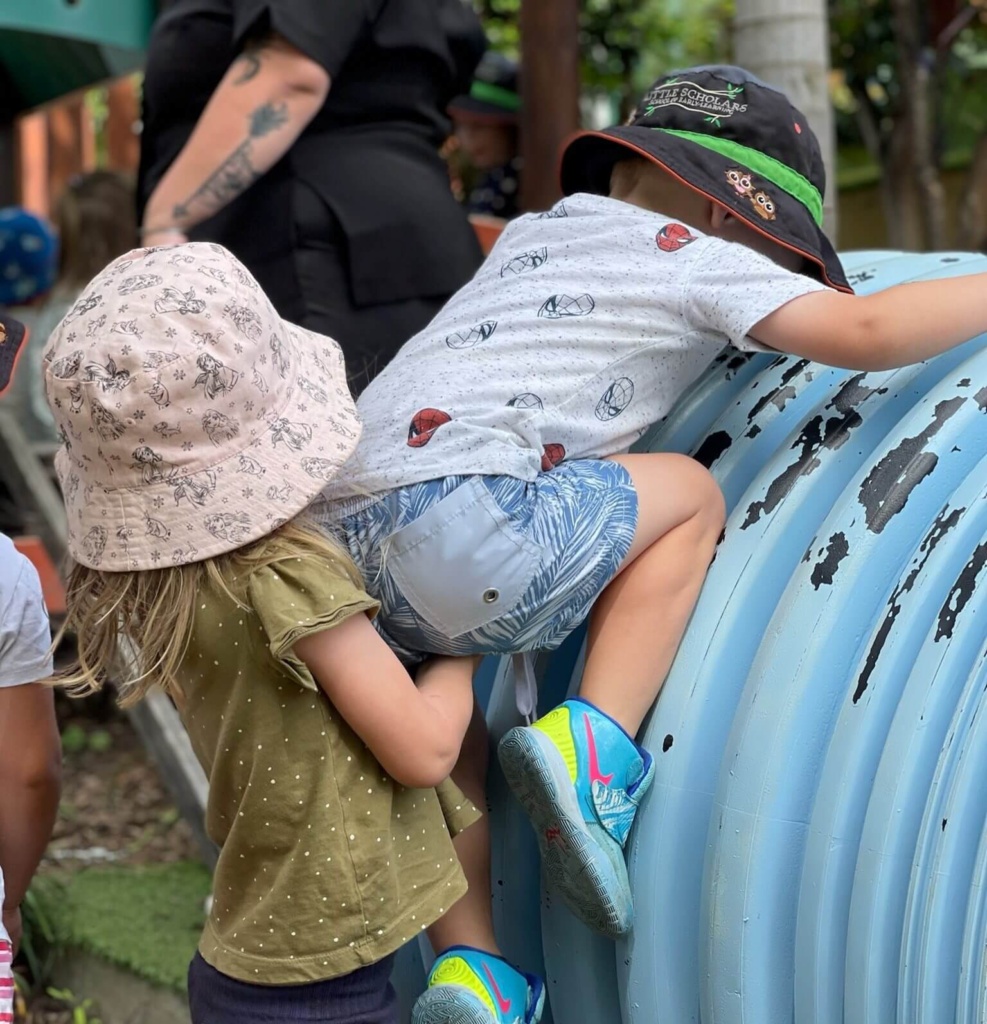
“With the two tunnels we encourage two children at a time to climb up the tunnel and sit up the top, which is a big achievement,” Holly says. “This is a challenging/risky play task that we enforce and provide lots of praise, encouragement, strategies if they are struggling to climb up.
Here are some of Holly’s encouraging words she provides with experiences like this:
“You are doing so well! I can see it looks quite tricky, how else do you think you can get up there?”
“Have a look around you and see if there is anything that can help you.”
“You’re doing your best and I’m so proud of you! Maybe you could use your knees going up the tunnel, as I can see there is room for your knees which might make it easier?”
By teaching our children that we can try again and that it’s okay to not get it right away takes some modelling from a parent and educator perspective. By adults modelling frustration in tasks and trying again in front of our children, by saying, “Oh no! It’s not working for me. Let me try again,’ normalises frustration tolerance and tells them that they can try again too. Children with greater frustration tolerance have been shown to grow up to be happier and more successful.
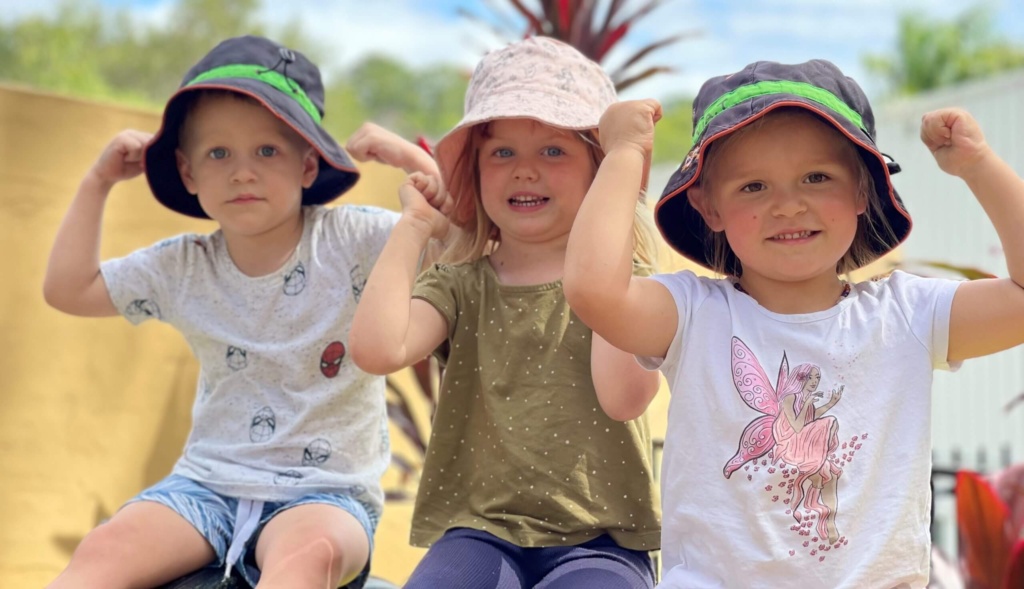
So how do we teach children to be more patient and persistent when it comes to tasks?
Learning patience
It’s never too late to encourage your child to try more, do more for themselves, which in turn builds their self-confidence, trust in their own abilities, and sense of self-efficacy.
As another year draws to a close, and we look forward to spending time relaxing and with people we love, we decided to ask our staff what some of their favourite traditions around the holidays are. Who knows, it might inspire some new holiday traditions for you!
“Every Christmas, we love to go camping at Tipplers on the boat and do Christmas Day swimming, eating, being merry and playing beach cricket as a family” – Renee, Campus Manager of Little Scholars Nerang.
“Each Christmas, we love to go down to my parents’ house in Tweed and spend time at as a family at Kingscliff beach after Christmas lunch.” – Carly, Campus Manager of Little Scholars Redland Bay South.
“Our family enjoys a special Christmas Eve dinner, then have an evening of watching The Polar Express every year!” Taylor, Campus Manager of Little Scholars Yatala.
“All the houses on our street (cul-de-sac) decorate the front of their houses and front gardens with Christmas lights. Every night in December all the children and families go out the front to play, talk (and drink) and look at the lights. We have lots of other people also visit our street. The kids love it!” Melanie Excell, Operations Manager of Little Scholars.
“Each December my circle & I organise a date for “Friendmas” prior to Christmas Day. Both Christmas and Friendmas is spent out in the sunshine either by the pool or at the beach. We love to end the year being surrounded by the people we adore and love!” – Sam Schmidt, Assistant Campus Manager of Little Scholars Burleigh.
“My Christmas traditions are always around food, my mum is Dutch/Indonesian, so our typical Christmas treats aren’t rum balls or White Christmas. Our favourites to bake/cook are spekkoek (cake), speculaas (biscuits) and soto ayam (soup) are our faves!” Samantha, Campus Manager of Little Scholars Ormeau.
“One of my favourite traditions stemming back from when I was little in Canada, was making gingerbread cookies and decorating them with my Nana, little sister, my dad and my aunt. Now, we head over to my husband’s family home and spend an afternoon making cookies and decorating with his nieces and nephews. This year will be the first year our toddler can help!” Christina, Social Media and Marketing, Little Scholars.
“My sister makes a Christmas event calendar for friends and family to participate in over December. For example last night she did Christmas trivia. Also, we usually go and get a Christmas photo together, my siblings and me.” – Alice, Campus Manager of Little Scholars Burleigh.
“Our perfect Christmas Holiday activity is to grab a blanket and head down to the Broadwater and watch the sun set. We love taking the fur babies, grabbing some freshly cooked fish and chips and hanging out with friends for the afternoon. Definitely fills our cups.” Andrew, Executive Director, Little Scholars.
“We always watch “Carols in the Domain” together with candles and sing along to the Christmas carols – whenever this is on. We would always go to our local carols by candlelight as well. We also always put aside one night everyone is free to go and spend a few hours looking at Christmas lights in the area.” – Jaimie-Lee, Enrolments Officer, Little Scholars.
Little Scholars wishes you a happy, healthy holiday filled with love and memories to last for years to come.
As Queensland, and Australia as a whole, takes baby steps to open to the world again after a challenging two years, Little Scholars School of Early Learning is taking big steps to ensure our children and our educators are as safe as possible as we navigate this new normal.
We want our families and our educators to rest easy that their health and safety are of the utmost importance to us, and we respect that our families and staff will have questions, especially as we see interstate and international visitors return to our cities. Here we want to answer your questions about how we navigate these next steps.
We have a detailed COVID-safe action plan that is continually reviewed as directed and advised by Queensland Health in the event a positive case is detected in one of our campuses.
We encourage all our staff to be fully vaccinated. It is mandated by 17 December that all Queensland early childhood educators and staff will have their first vaccination and are required to be fully vaccinated by 23 January. Currently, we have more than three-quarters of our team fully vaccinated, and we’ve always strongly encouraged all our teams to be vaccinated as soon as possible. We are offering support and help for those unsure to get the information they need so we can get 100% of our team vaccinated to ensure that everyone is safe, based on the health advice.
We’re now in the process of installing high-quality air purifiers in all our campuses, in line with our COVID-19 action plan and our commitment to the safety and well-being of all of our teams and children. Research published in The Journal of Infection Control and Hospital Epidemiology says the efficacy of portable air purifiers using HEPA filtration helped increase the clearance of aerosols. True HEPA filters remove 99.97% of ultra-fine dust and inhibit the spread of captured bacteria. These will be placed in our reception areas to assist in filtering air from external people entering campuses. In the event of illness or outbreak, these purifiers will be moved to studios affected.
During periods of outbreaks and suspected covid in the community, we limit the number of external visitors to our campuses. We offer foyer or car park drop-off and pick-up to prevent illness and outbreaks in the service and keep our children and educators safe.
Typically, any deliveries are dropped to the foyer/ front entrance as we are limiting the number of external people into our campuses. Trades and maintenance people are all required to attend out of hours. During periods of high risk or outbreaks, it is a requirement that external visitors are limited and if required to attend, must wear a mask.
Staff and children should not attend our campuses if unwell and we take illness very seriously. Of course, the way that children interact with each other and with adults in education and care services means that illnesses can quickly spread in a variety of ways. Children have close contact with other people through playing or cuddling, putting items in their mouths, and not covering faces when sneezing or coughing. We record the immunisation status of every child at our campuses and encourage staff to be up to date with all vaccinations. We also have the Public Health Unit attend our campuses each year to give flu shots to staff.
Our staff is trained to recognise signs of illness, but it’s a shared responsibility with our families to update each other if illness is detected. Whilst we are more alert to illnesses in children, we are seeing less illness currently and parents are being much more diligent with keeping children home if they are unwell which is a huge help in keeping our community well.
This has been an integral part of our learning program, including maintaining health and good hygiene habits, learning about viruses and disease, and what COVID actually is. We have needed to use real-life language and be frank with children as they try to understand the fear and uncertainty in the community, learning to communicate through masks and understanding the changes to “normal life” and how to process these changes.
Here are the main steps we take in the event of a positive case in one of our campuses.
If you have any questions that weren’t answered here, please contact your campus manager and they’ll provide those answers or find the required information for you.
Super delicious and super healthy. Perfect to freeze. Here is one of our yummy morning tea items from our Summer Menu at Little Scholars. We wanted to share the recipe so you can try it at home. These are super tasty and packed full of healthy goodies.
Super simple to make and the little ones will love it. Here is one of our scrumptious lunches from our Summer Menu at Little Scholars. We wanted to share the recipe so you can try it at home. It’s a great interactive dish that will see the children eating vegetables so easily.
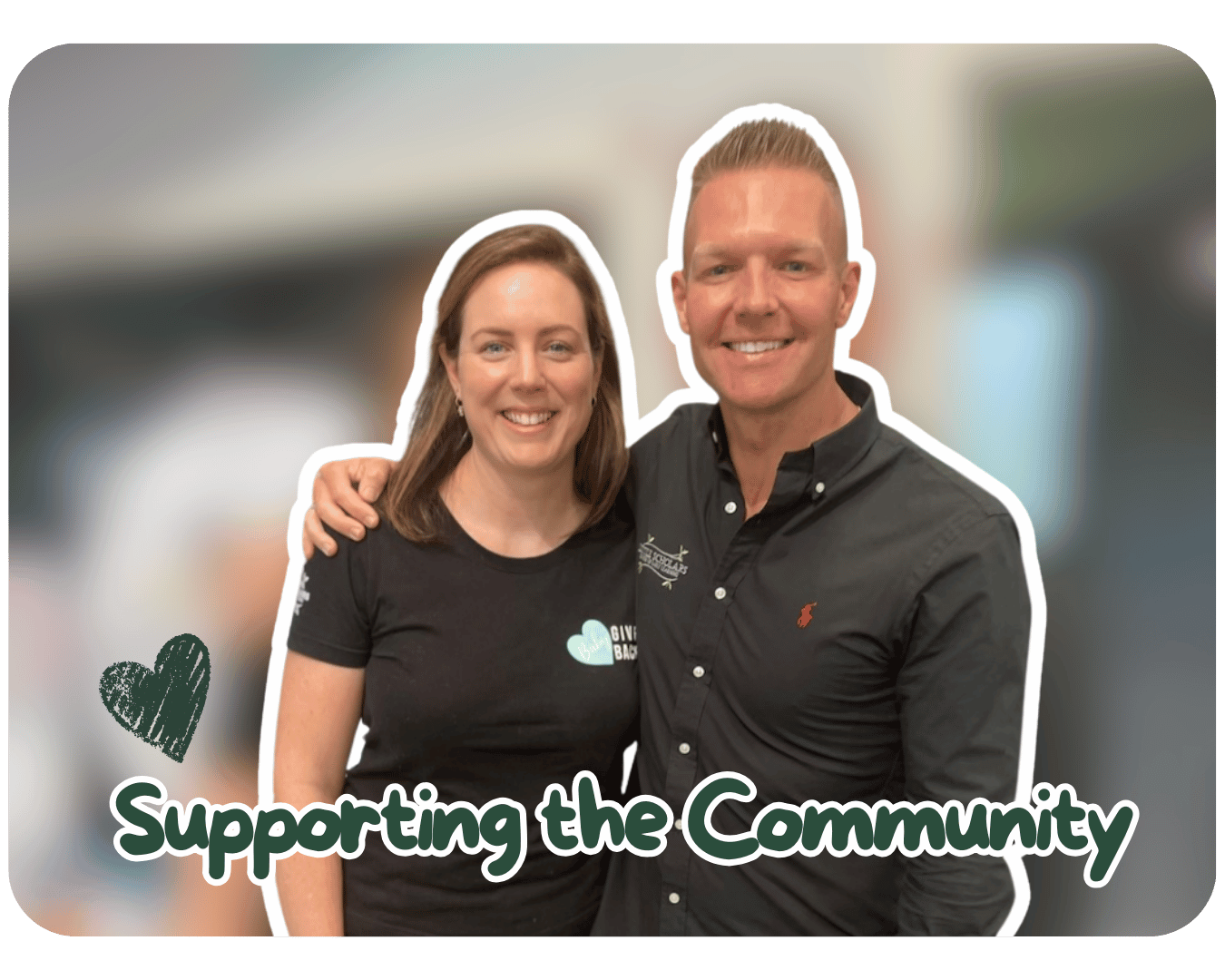
You can help bring Christmas joy to vulnerable families.
We are collecting new gifts for children (aged 0-17 years), parents and caregivers. The gifts will be distributed by Baby Give Back to families doing it tough via their network of caseworkers during December.
Only NEW Christmas gifts can be accepted.
We ask that all gift donations be made by 10th December 2021
For little humans, small changes can feel big. When it comes to transitioning rooms in childcare, some children will be excited to be more like the bigger children, but change can be more of a challenge to others.
Moving up at Little Scholars means changes to routines, new educators but also new opportunities to play and grow! We don’t move a child without thoughtful consideration from your child’s educators, and without preparing your child for changes to come.
So, how do we prepare your child for transition?
Carissa Haycock, Educational Leader at our Yatala campus, says this is something she’s very passionate about.
“Transitioning between rooms at our campus focuses more on a developmental/wellbeing factor than solely the children’s age,” Carissa says.
Some of the considerations taken whether to move a child or not include:
Educators do a lot behind the scenes, Carissa says, to make transitions or considerations of transitions smooth. Educators at her campus prepare ‘Transition Letters’ for the educators in the next studio so they are aware of the child’s strengths as well as any special requirements.
They also provide the child ‘play dates’ in the studio to introduce them to their new educators and children, but visits are staggered for different periods of the daily routine before spending a full day in the new studio.
She also says educators can go and visit them while they’re on their play dates to see how they are going. Being excited for them and getting them to show their current educators something they have done or ask them about what they like about it can go a long way.
But Carissa says they also need to be aware if the child becomes upset, to bring them back to their familiar studio. We want the transition to be a positive experience for them and it’s not worth them being overwhelmed and remembering that the next time you take them in there…and they will remember!
Educators will often send the families updates on Kindyhub during the day letting them know how the transition is going. She says it’s helpful to include other children’s names and as well as their new educators’ names so the parents can talk about it with their children.
What can parents do it make it a smoother transition? Here are Carissa’s top tips:
Carissa also recommends not projecting any hesitations you might have about transitioning rooms on your child.
“It’s understandable for you to be worried about the transition but try not to talk about it in front of your child,” Carissa says. “Even if you think children aren’t listening, they could be, and they will often play on your own insecurities/worries.”
Your child’s needs will always come first at Little Scholars. Our first priority is the growth and development of your child. We nurture, teach, and guide your child to developing all the skills that will allow them to succeed in life, and we will support them every step of the way so they will flourish while they’re in our care.
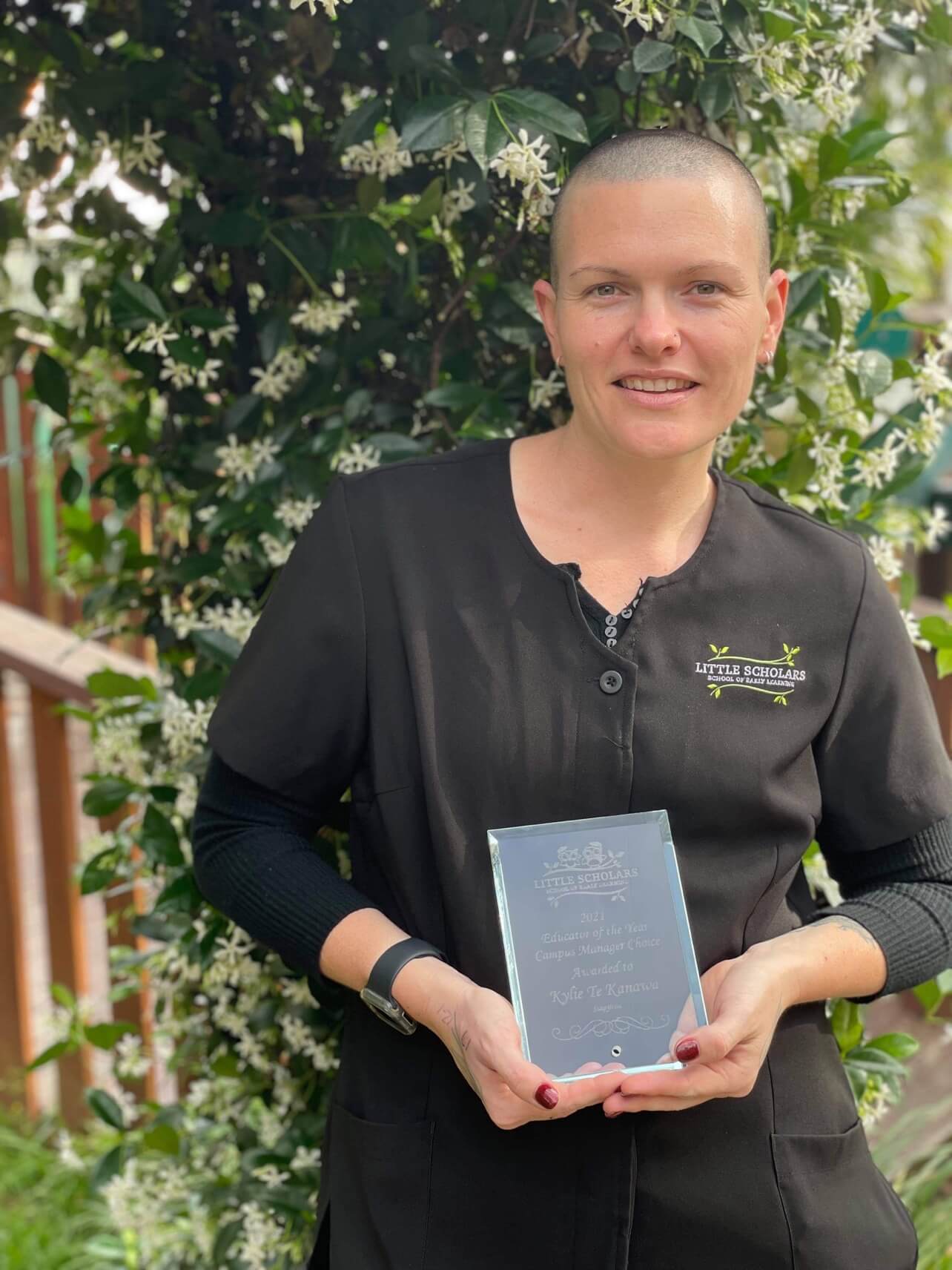
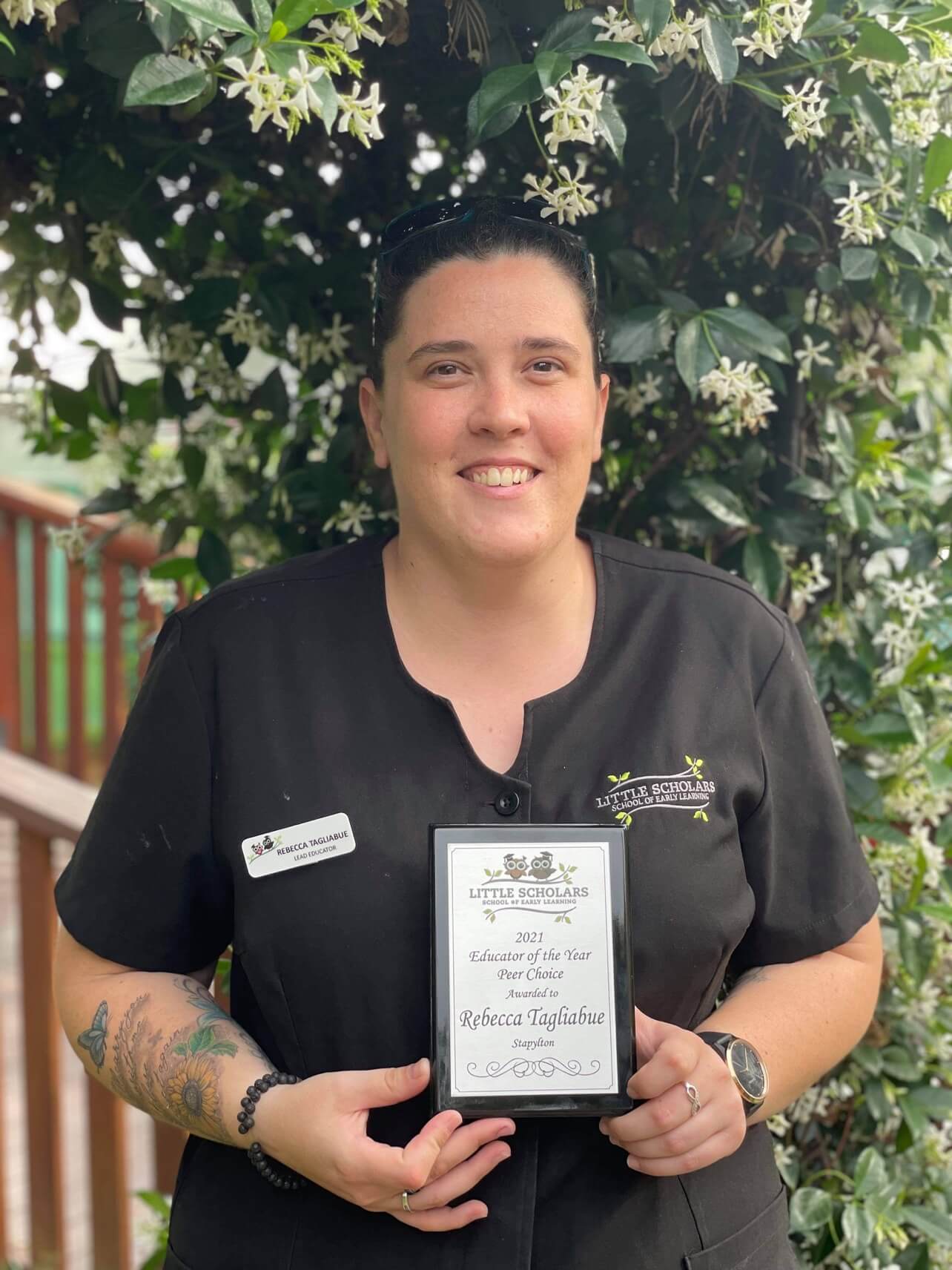
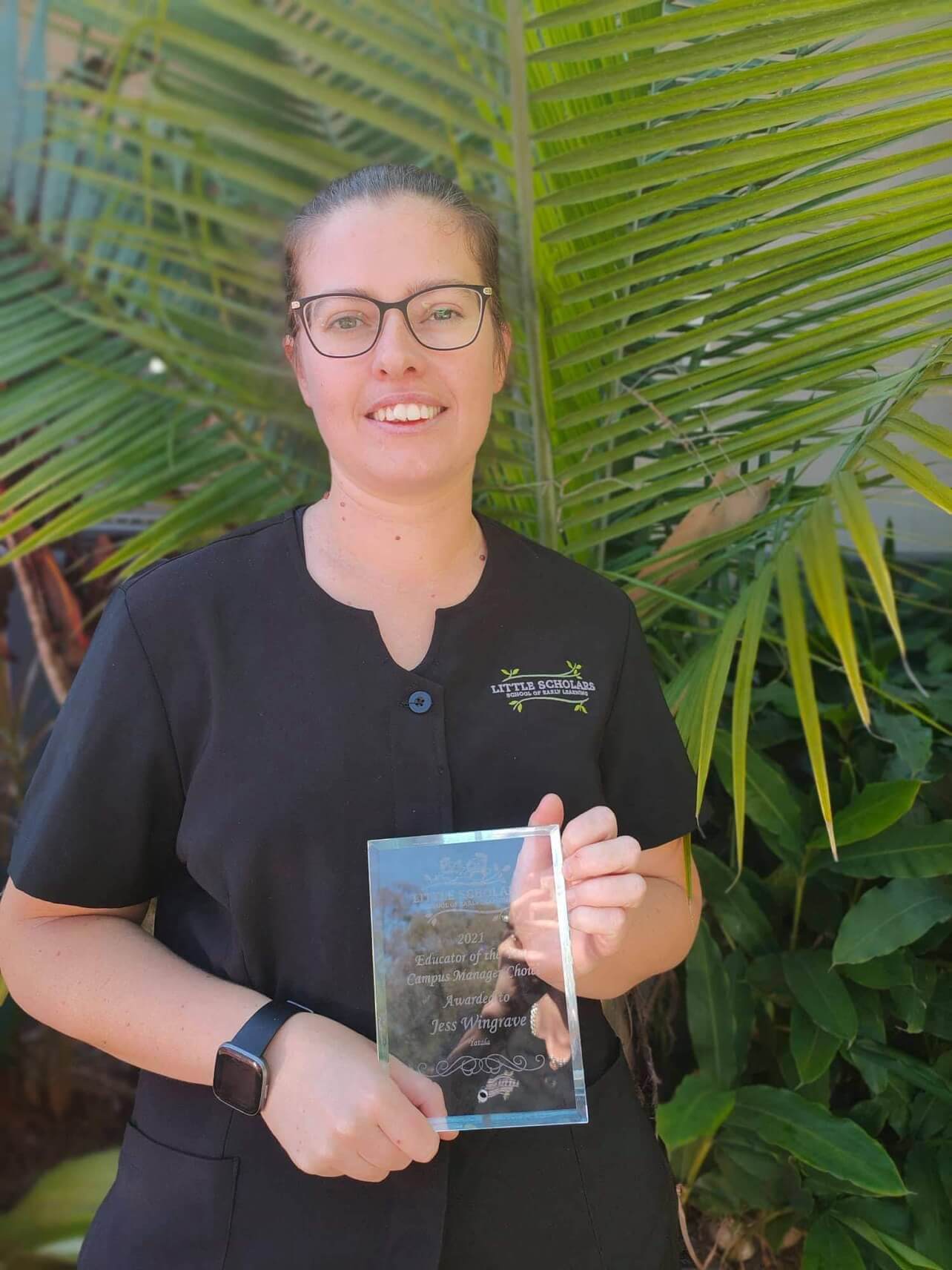
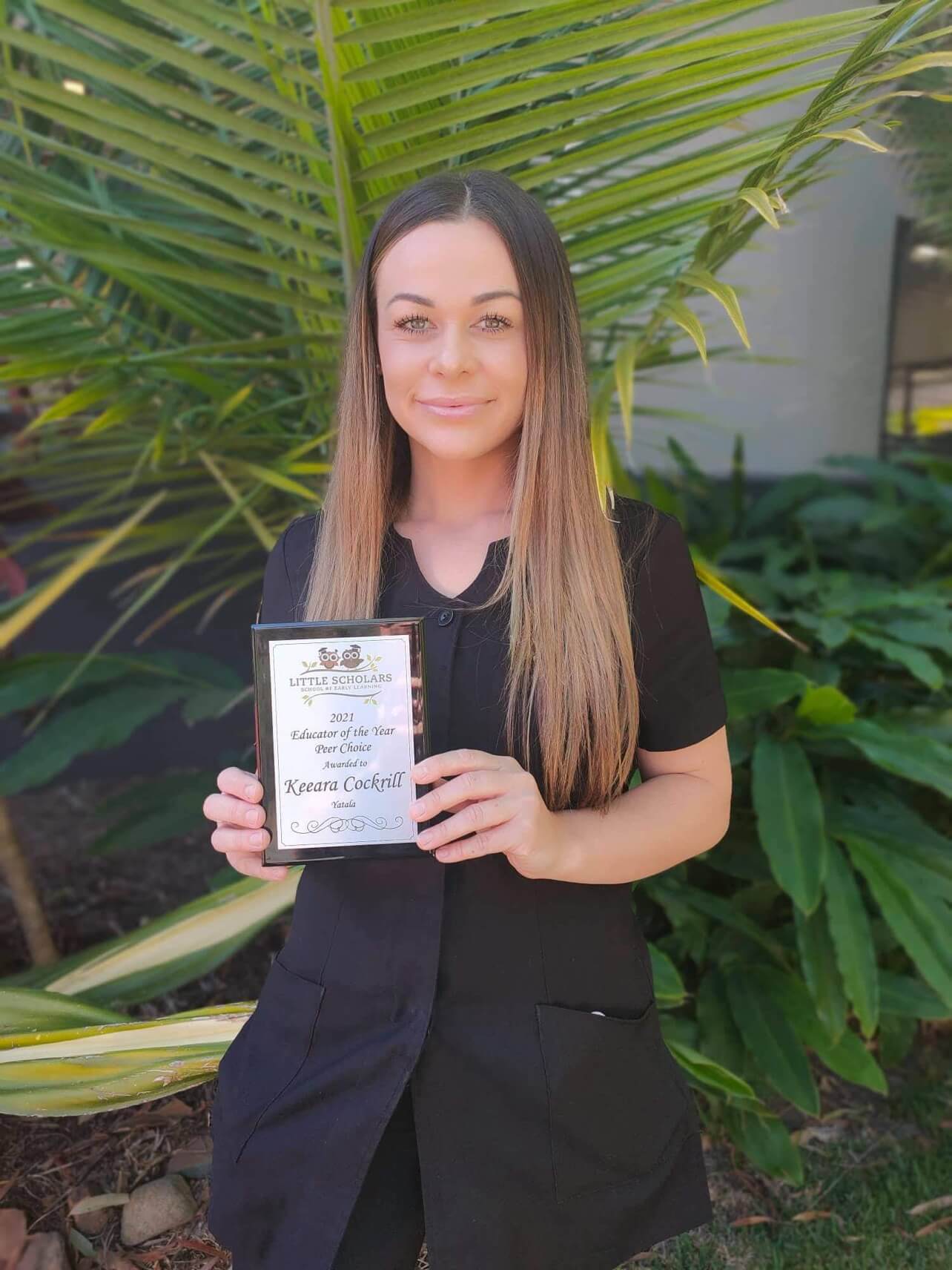
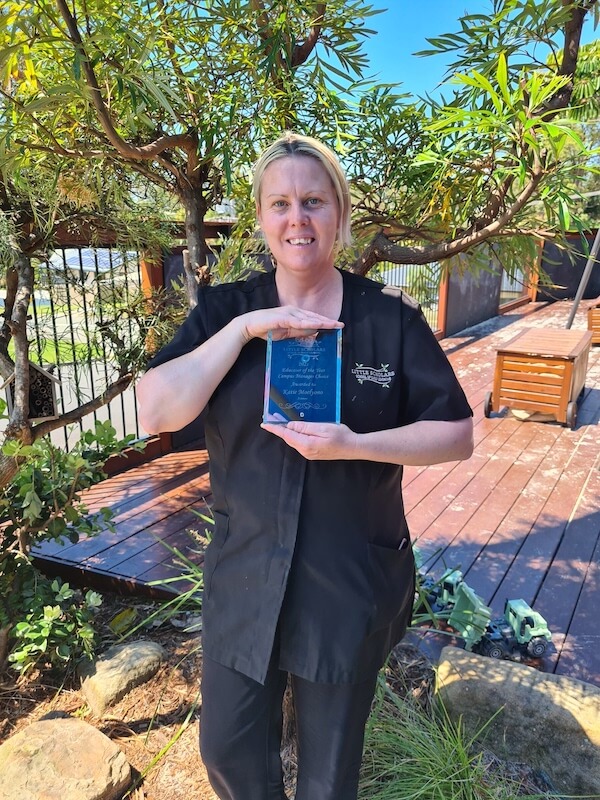
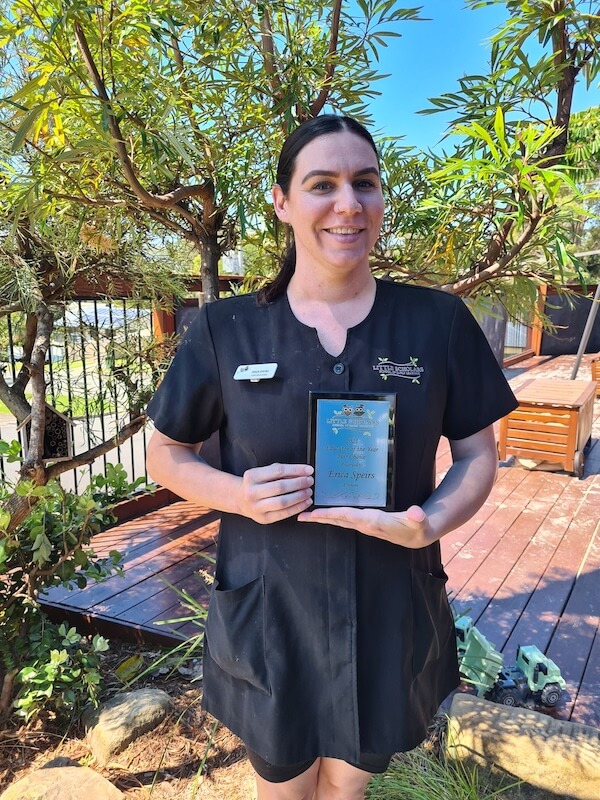
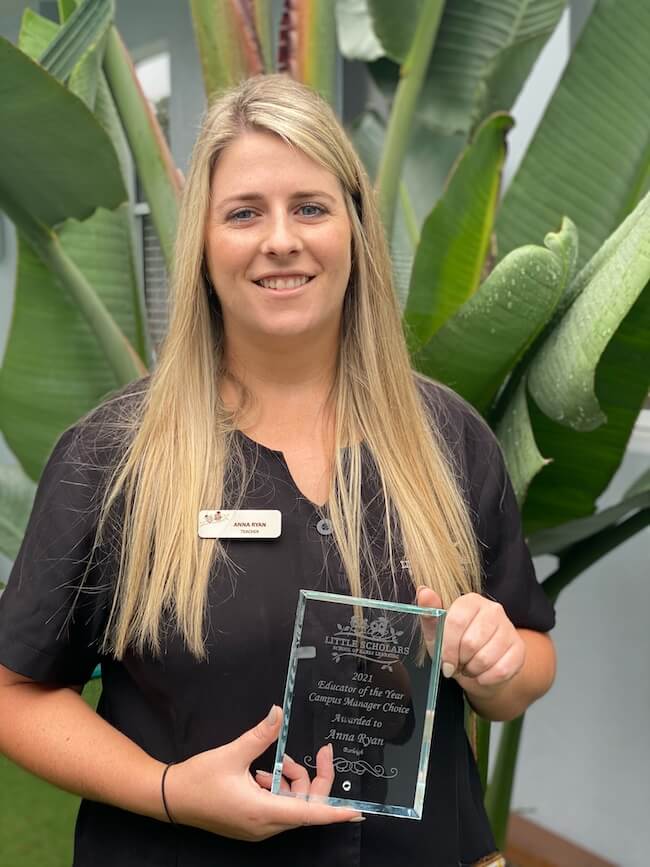
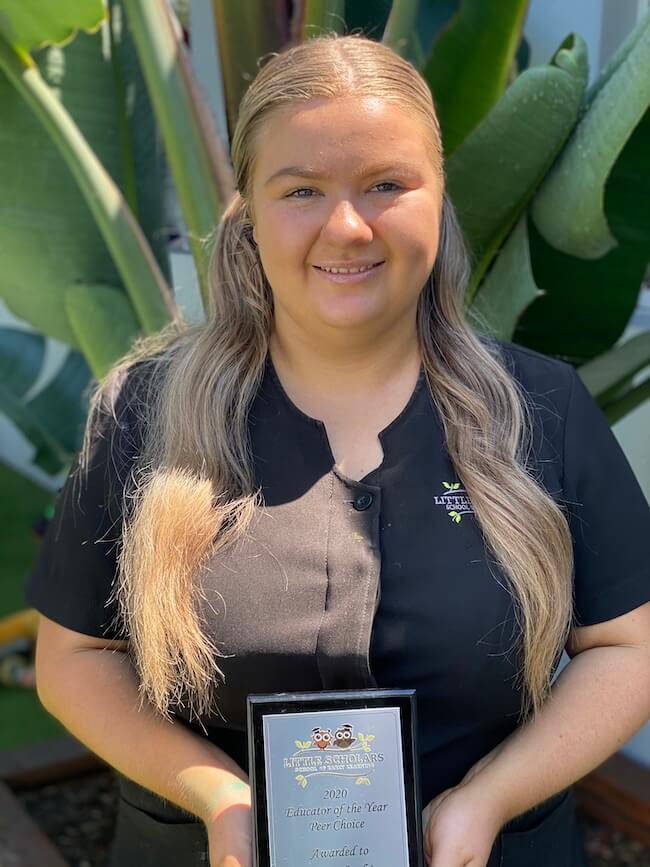
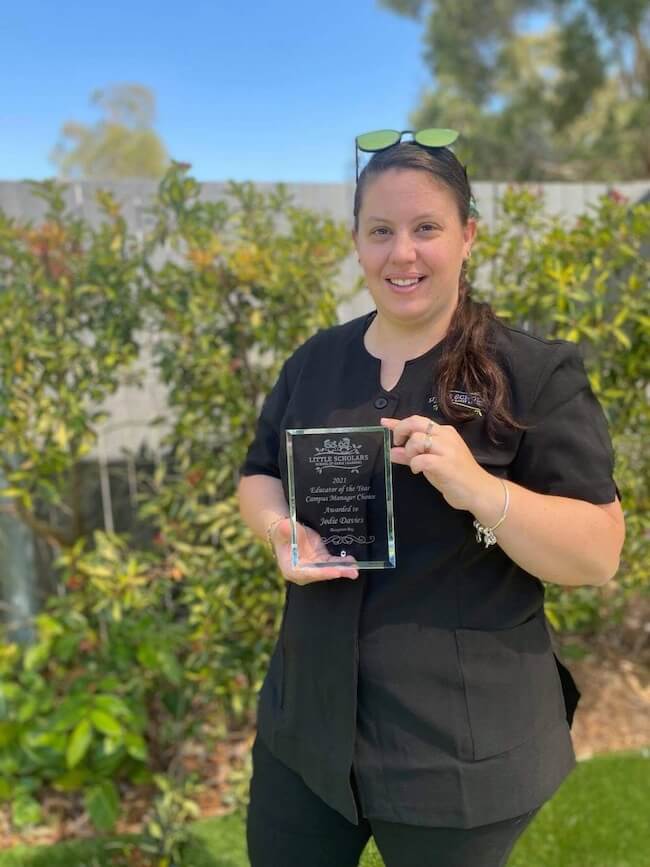
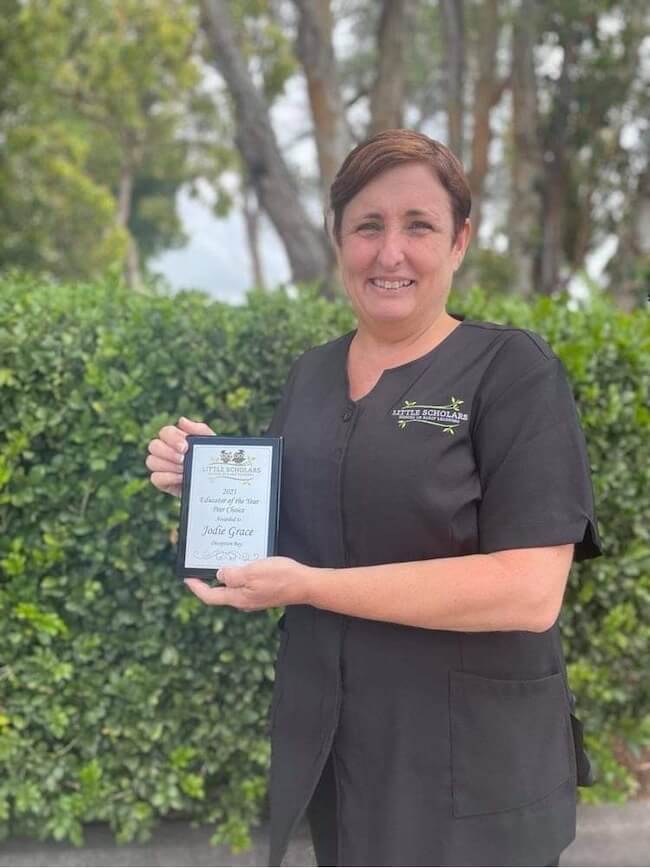
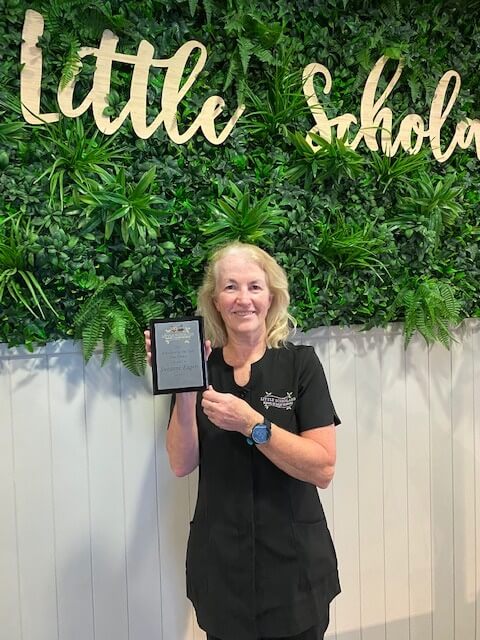
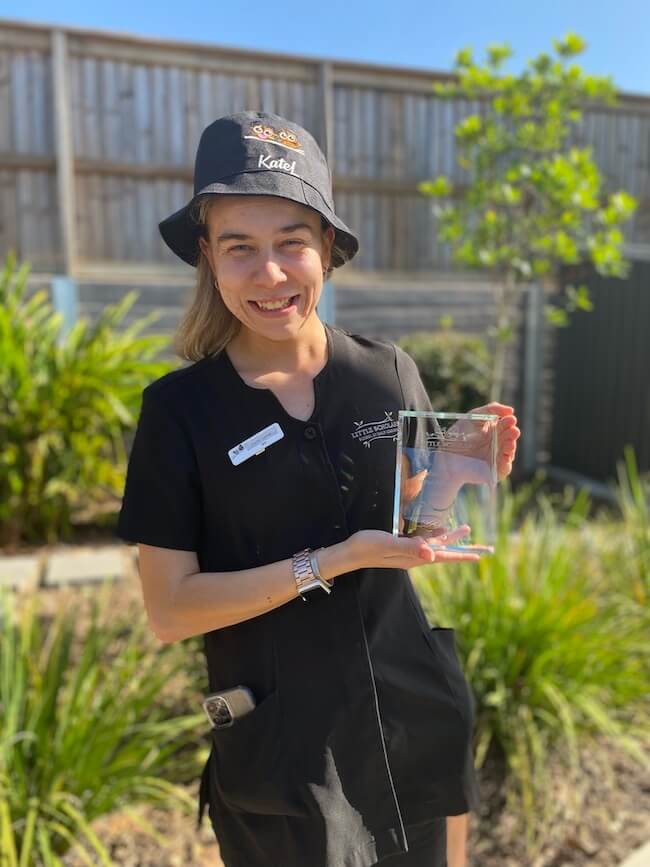
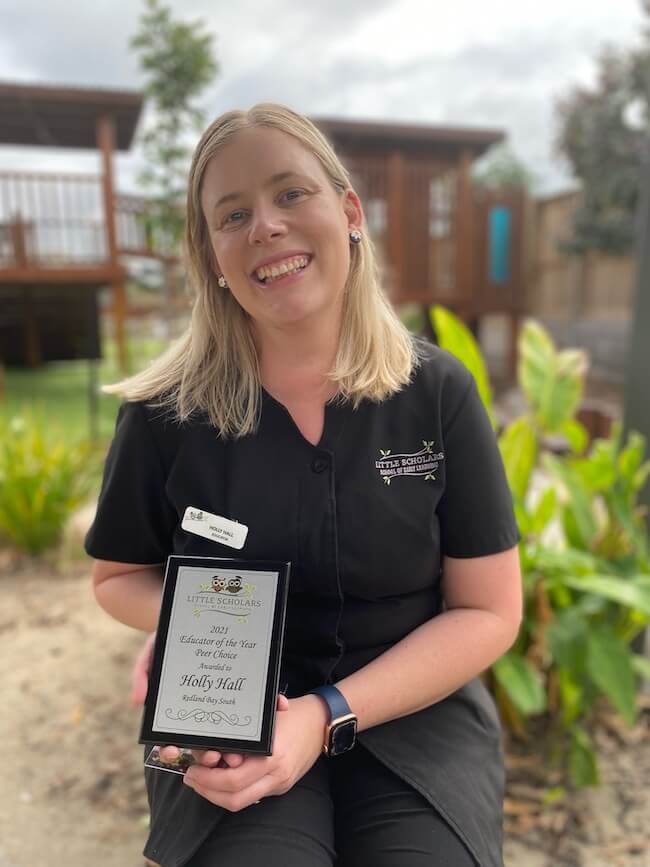
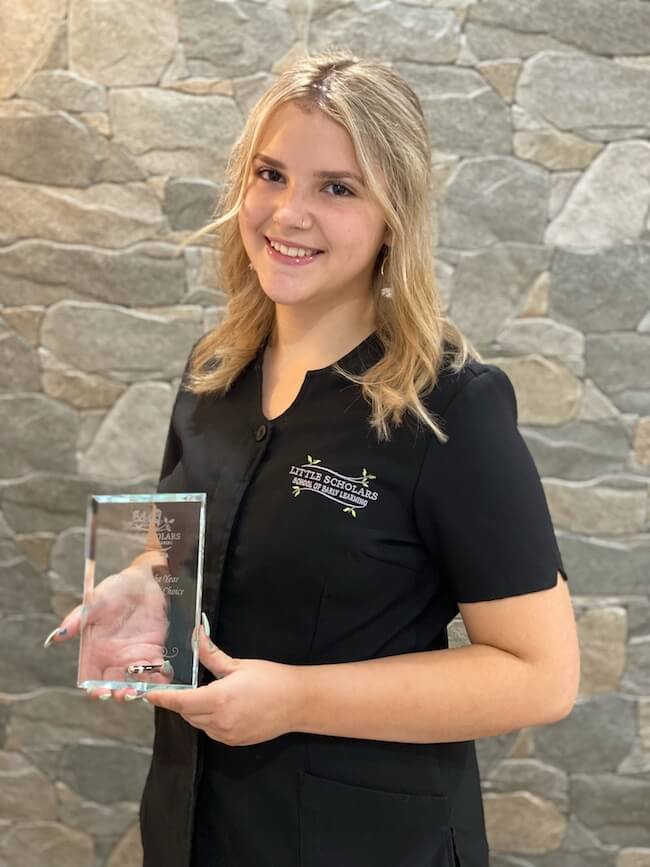
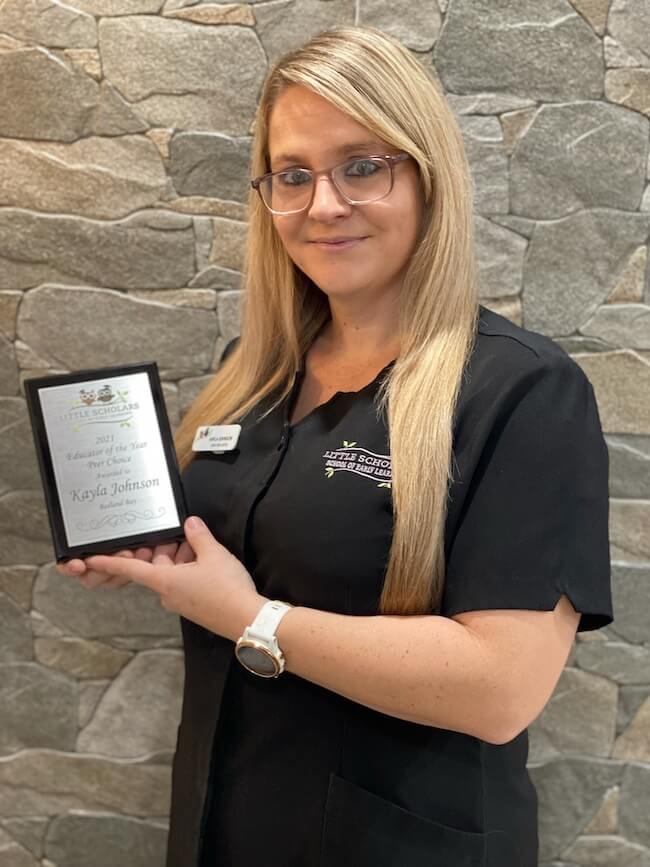
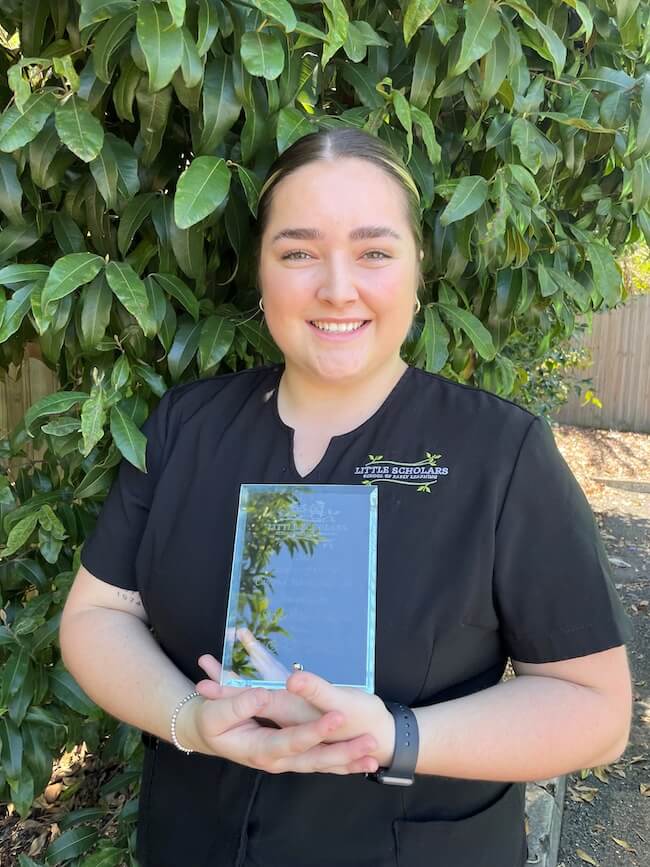
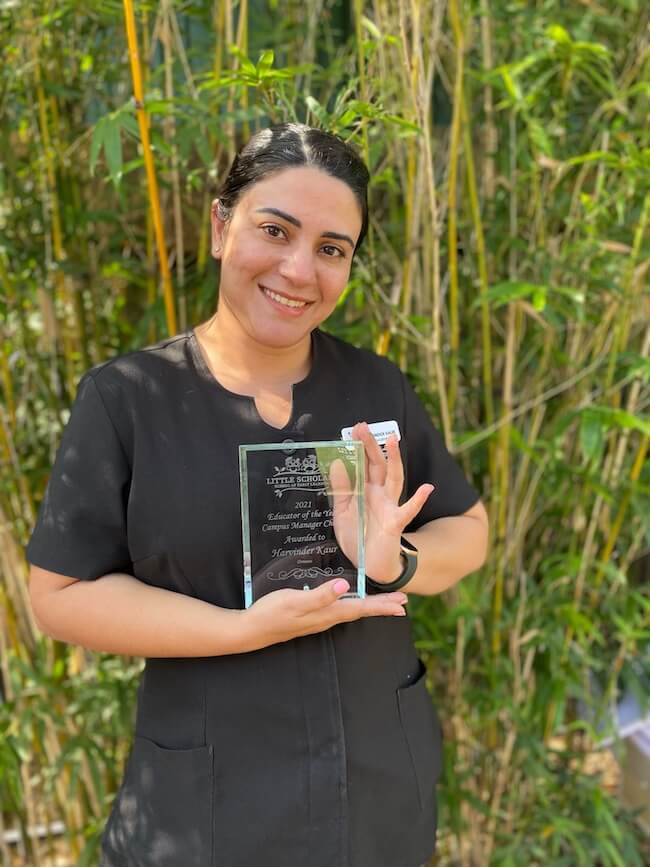
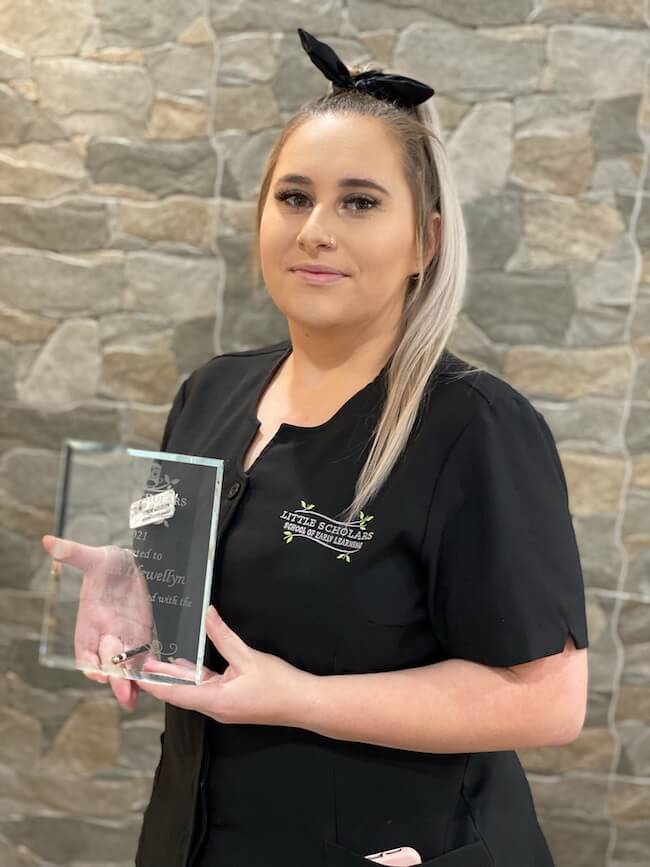
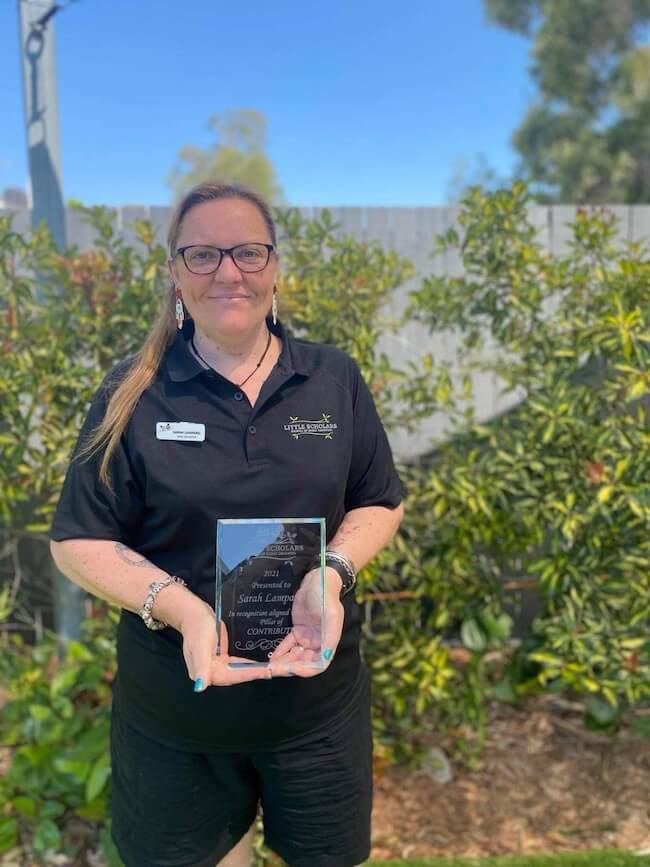
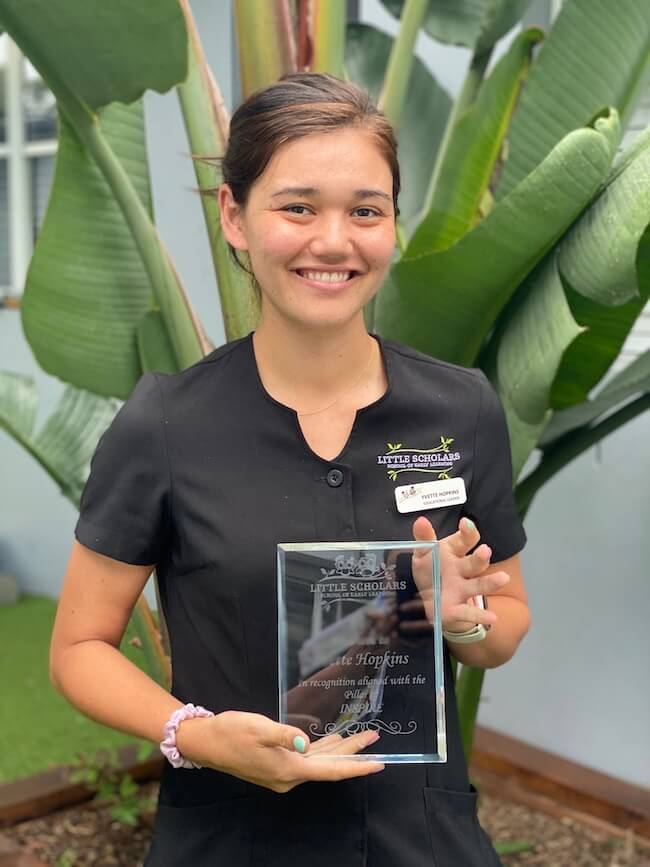
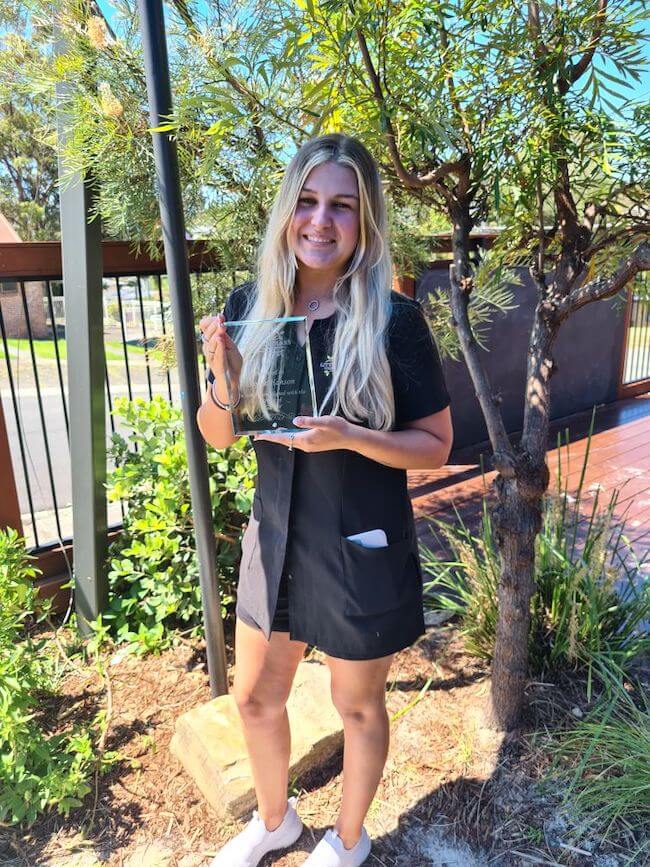
We have the very best early education educators at Little Scholars School of Early Learning. It’s our great honour to present our 2021 Little Scholars Employee Award winners. 🎖
These outstanding recipients have demonstrated their dedication, commitment and have gone above and beyond this year with fellow educators, children, and parents.
So, the questions that pop up often for a parent when their little ones are in their last year of kindergarten is; is my child ready for school, or what do I need to do to make sure my child is equipped for their transition to school? These are all totally normal thoughts to have as a parent, but we can happily reassure you that at Little Scholars, we offer an extensive Transition to School Program that will give your child the life skills they need and confidence to have a successful transition to big school!
What we believe makes a successful transition to school is our Little Scholars School of Early Learning service and educators working in collaboration with local schools and our community to make sure we are assisting children and families with this transition. Our Transition to School Program is based on the National Early Years Learning Framework and Queensland Kindergarten Learning Guidelines, as well as we have wonderful early childhood teachers (also known as ECTs) who teach the children and support their learning and development hugely.
School readiness is about the development of the whole child – their social and emotional skills, physical skills, communication skills, and cognitive skills. For children to thrive at school, they need to learn important skills like following instructions, communicating their needs, and getting along with other children. At Little Scholars, we are truly committed to ensuring that our little scholars are supported and motivated in all aspects of their learning and development so that our children in their last year of Kindy are ready for that next stage of their lives.
Some key points involved in getting your child ready for their school transition and that make up our Transition School Program are the following:
These are all fundamental steps we teach our children in kindergarten so that they can learn a comfortable school routine and most importantly, so they can adapt to this new transition period. At Little Scholars, we want their routine to feel as normal and as exciting as possible, rather than something daunting. It is important to support the children in every way imaginable during their Transition to School program, and the most rewarding part for us is watching our little scholars go confidently into their next chapter, blossoming and becoming a positive contribution to our futures.
Our Little Scholars’ Kindergarten studios integrate some small but very useful routines for the children which assist in getting them ready for school. We bring in programs for the children that start at 8:30 am, so we encourage you and your child to arrive before this time so they can become used to big school starts!
We focus on teaching age-appropriate independent skills in the kindergarten studio – such as packing their bag, carrying their own bag, opening lunch boxes and food containers, dressing as well as emotional regulation skills.
At Little Scholars, we offer a range of stimulating extra-curricular activities that give the children a firsthand experience into the diverse range of subjects they would learn at school. These extracurriculars include our Intergenerational program, swimming, sports and fitness program, languages program, yoga, and dance programs weekly, Lab Kids’ STEM, Bush and Beach Kinder programs, and excursions and incursions.
Wondering what else you can do with your child at home to assist in preparing them for big school? We can help with this! You can help your child develop a basic awareness of numbers by helping around the house – they could set a table and count the plates, match socks from the clothing line, or measure ingredients for baking.
It is beneficial to read with your child as often as possible, and try talking to them about the story, point out new words and ask questions – this will help with their comprehension, vocabulary, and language skills.
Let’s say you have some free time in the afternoons, or even on the weekends, you can play games with your child like Snakes and Ladders or Go Fish! These simple games are great for practicing developing basic numeracy, turn-taking, sharing, waiting, and learning to cope with not winning.
Finally, encourage your child to have conversations with you – ask them questions, listen to their answers, and encourage them to talk about what they think and feel so they can express themselves with new friends and teachers.
We are extremely happy to have you with us, if at any time you feel there is more we can do, please let us know as we are here to encourage and support your child to learn and grow in a fun, exciting, and stimulating environment.
Sadly, losing a pregnancy is a heartbreak many Australian families experience at least once in their lives. In fact, up to one in five pregnancies end in miscarriage or the loss of a child. When that loss happens, emotions can range from sadness, depression, anxiety, anger, and confusion. These feelings are not only limited to the parents but the whole family.
Even as their parent, it can be hard to figure out how to talk to your children about the loss of a baby, especially as you process your own feelings about it. How that talk happens will likely depend on your child’s age, developmental level, and temperament.
Even if they hadn’t been told about the pregnancy, your child may have the sense something sad has happened. How you handle this is up to you. This may be the time where you tell them what happened, or perhaps it’s something like ‘Mummy and Daddy are feeling sad, but don’t worry, we’ll be okay and nothing we feel takes away from how much we love you.’
If your child has been told about the pregnancy, use words and concepts that they can easily understand. For example, the word miscarriage isn’t a term many young children would recognise. Additionally, toddlers and preschoolers also may not understand a phrase like pass away, so try to steer clear of euphemisms and cliches.
You may choose to explain that the baby was sick and couldn’t live outside of Mummy’s belly. Or that while your child grew strong and healthy in Mummy’s belly, you don’t know why but this baby did not. Remind your child what happened was no one’s fault, and nothing could’ve changed what happened.
Tell your child there’s no shame in showing emotion. If you get upset while talking to your child, you could explain it by saying something like ‘Mummy was crying today because she’s sad about the baby,’ or ‘Daddy was frustrated today because there was nothing he could do for the baby.’ Children are better at ‘reading the room’ than you think. They can pick up on the emotions of the grownups around them and their behavior might shift – try to be patient and understanding while they process their feelings.
Remind your children that it’s something hard that’s happened to the family, and it’s okay to feel sad, angry, confused or any other emotions they may be feeling. Sharing how you feel demonstrates healthy coping skills, a valuable life-long skill for your child. Don’t be afraid to ask your child for a hug if you need one, they may like to know they can comfort you too.
Ask your child if they have any questions about what happened, they may have lots or may not say much at all. Give your child time to process what they’ve just heard and remind them that you’re always there if they have questions later or just want to talk. Offer coping strategies if that might work, either through conversations, books to read, art, or through play.
Check-in with them after a few hours or a few days. Once they’ve had some time to sit with the news, there may be follow-up discussions to have and let them know that’s okay. Encourage them to talk about it with you or someone they trust. If you’re comfortable let your child’s educator know there’s been a loss in the family or some changes at home, this allows your child’s educator to support them and to expect changes in behaviour and will ensure they can help your child navigate their emotions while in their care.
Depending on your culture or religion, you may want to host a grief ritual following a pregnancy loss, anything from a funeral to planting a tree in the baby’s honour. Invite your child to participate.
Don’t forget to look after yourself. Take time to grieve and to heal. It can be hard when you have other family members to look after, but it’s important for the whole family that Mummy or Daddy’s mental health is looked after. Do whatever self-care means to you. Take a bath, take a walk, embrace your emotions through writing or art. Talk to your partner, a friend or family member, a professional, or someone you may know who has gone through something similar. There are groups on Facebook or even hashtags to follow on Instagram or TikTok if those are spaces that work for you.
Finally, keep in mind a child’s grief can look very different from your grief, as well as how they deal with that grief. Let your child know they’re loved, there was nothing they did or didn’t do that could have changed the outcome, and that you’re here for them in whatever way they need you to be.
Let us hold your hand and help looking for a child care centre. Leave your details with us and we’ll be in contact to arrange a time for a ‘Campus Tour’ and we will answer any questions you might have!
"*" indicates required fields
Let us hold your hand and help looking for a child care centre. Leave your details with us and we’ll be in contact to arrange a time for a ‘Campus Tour’ and we will answer any questions you might have!
"*" indicates required fields
Fill in the form to join your local Pram Pals mums and bubs walk