

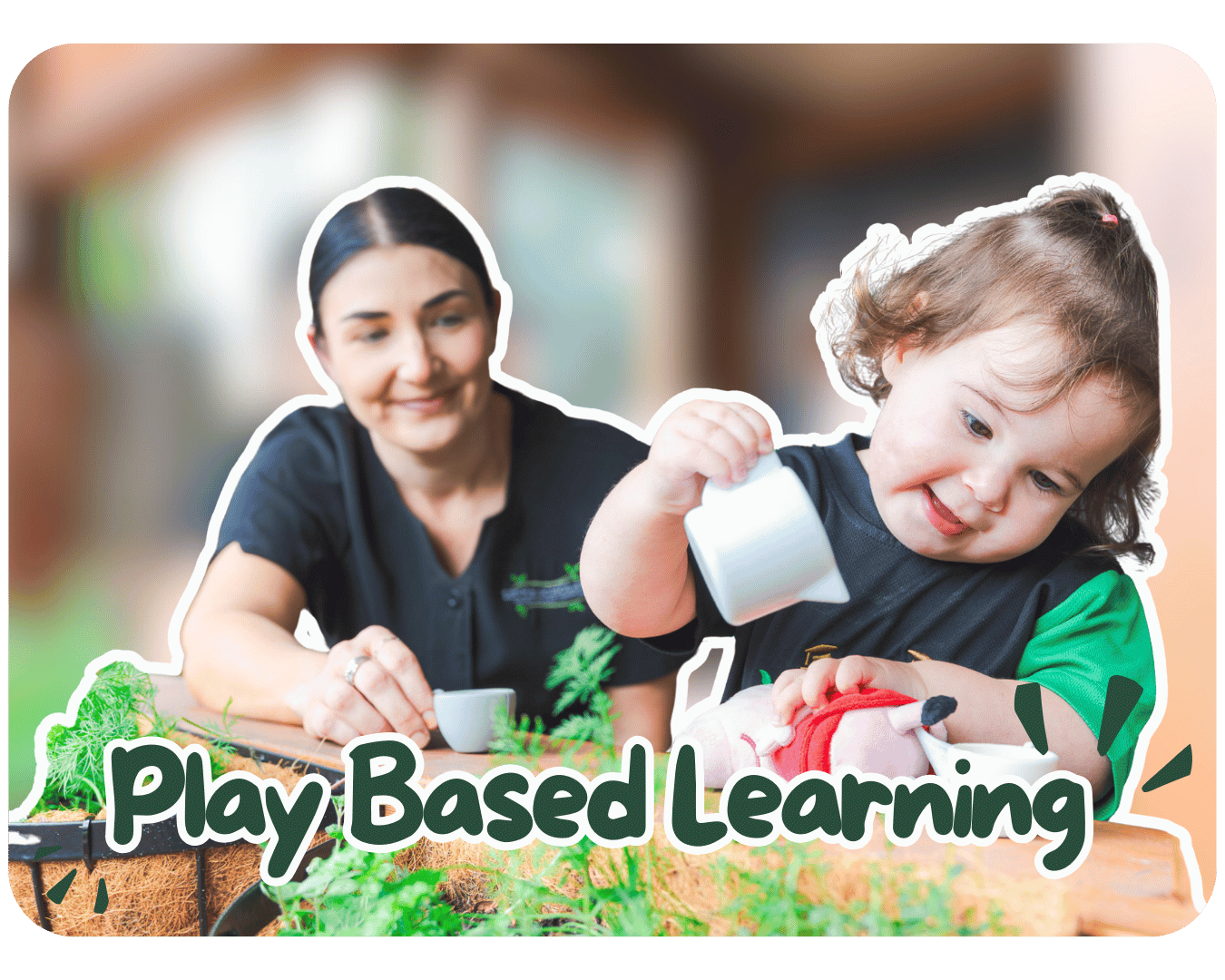

Taste Safe Foam. Everyone is always looking for a Taste Safe Foam recipe that is super simple. So we found one. Seriously sensory friends, this one is Foamazing! Who knew canned chickpea juice could be handy.
Chickpea can juice AKA Aquafaba is essentially the water that chickpeas and other legumes have been cooked in. It’s most commonly used in recipes as a egg white replacer. So once whisked, has very similar properties to a meringue.
Simple! About 1 cup of chickpea juice (about 2 cans ) and 1/2 teaspoon of Creme of Tartar, straight into your stand mixer with a whisk attachment.
TURN IT UP! Once the form starts to form, you can add a dash of colouring if you like. Let it whisk until stiff peaks are formed. Voila! That easy.

Super Simple Bread in the bag Recipe. We have a deliciously fun project for you to try this weekend with the children!
How to make bread in a bag! This quick homemade bread recipe is made with minimal kneading and we can confirm ourselves…. it’s tasty!!!
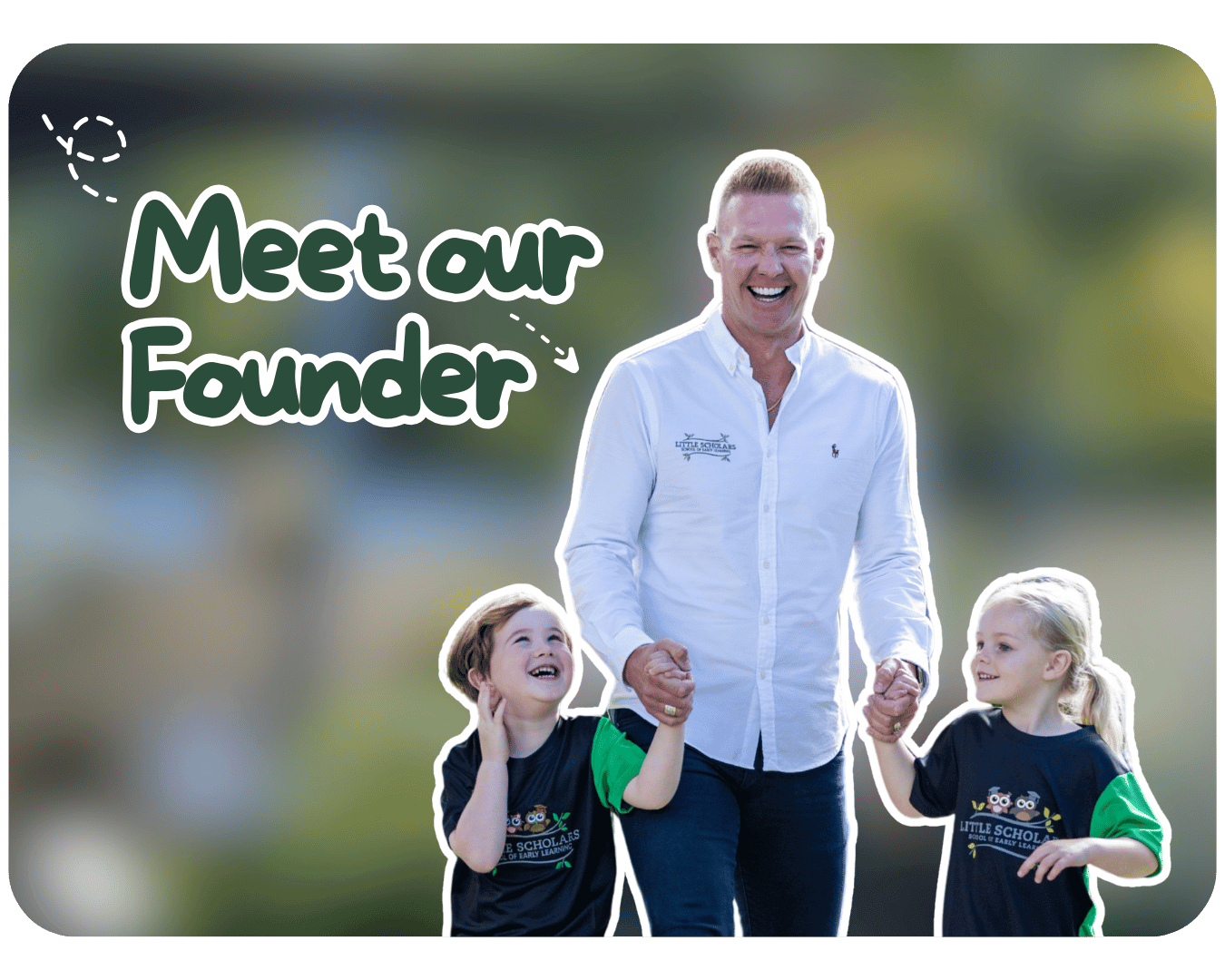
Childcare is everything to us at Little Scholars. We are very excited to share the opportunity we had with Mamamia’s own podcast This Glorious Mess’ where our Little Scholars Founder, Jae Fraser, chatted all things childcare. This podcast is hosted by Leigh Campbell and Tegan Natoli and is a twice-weekly look at parenting as it really is – confusing, exhausting, inspiring, funny, and full of surprises. This Glorious Mess shares a totally real and relatable insight into the life of a parenting and gives comfort to all the parents who are navigating their way through parenthood.
Jae spoke to hosts, Leigh and Tegan, about the different types of centres out there and the benefits of sending your little ones to childcare, as well as offering his own ‘personal childcare tips and tricks’ to all the parents out there who are currently looking at day-cares for the little ones. We understand how BIG of a decision it is when you are leaving your pride and joy to the hands of a stranger for the first time, so we hope this podcast sheds some light to all those who are contemplating childcare or are still looking for the right place for their little ones.
A massive thank you to the hosts, Leigh and Tegan and the whole Mamamia team for giving us this exciting opportunity to share with you our little world that we call Little Scholars.
If you want to listen to the full episode, you can listen here: Little Kids: Everything You Need To Know About Daycare (mamamia.com.au)
“Every child deserves the best start to life.”
– Carly Fradgley
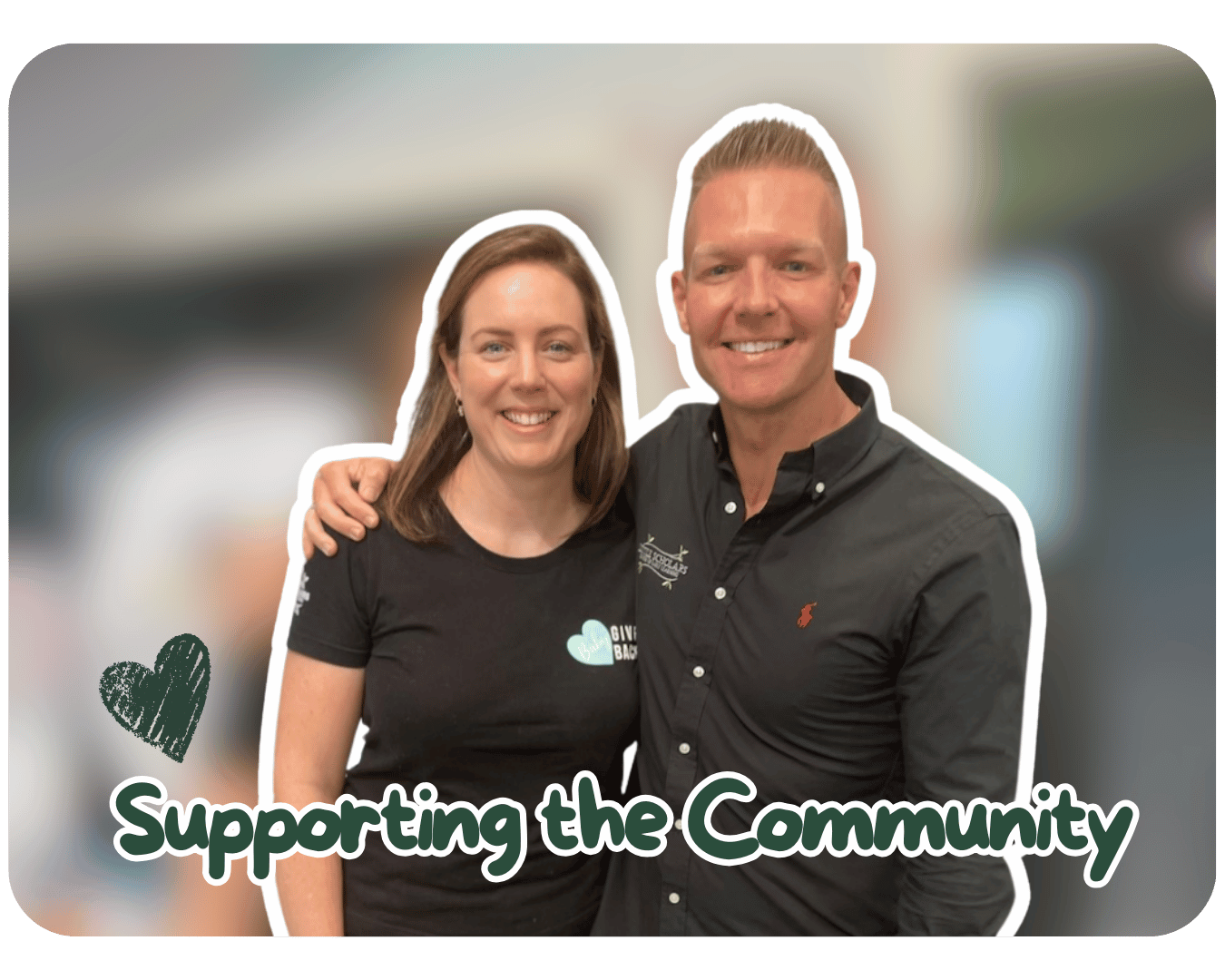
We are thrilled to announce we have partnered up with a Queensland non-profit organisation, Baby Give Back, which seriously tugs on the heart strings for us as this charity is doing exceptional things with helping support families with newborn babies who are undergoing any form of hardship. We can only imagine the emotional stress these families go through when faced in these circumstances, however, to know such an astounding charity is out there doing everything they can to ensure these vulnerable families are supported and have access to the essentials needed for their families really shows that there are guardian angels out there.
Baby Give Back are passionate about helping vulnerable babies, children and families in our community and they work tirelessly to ensure that these families receive the best possible support and care when it comes to making sure these babies all have an equal chance of life.
From collecting clothing and nappies to cots, car seats and prams in a warehouse, Baby Give Back goes through a thorough process ensuring every item they collect is safe and is in a good condition, as well as providing customised orders to meet the needs of each family’s needs and circumstances. The lengths Baby Give Back go to make sure these families feel the love and compassion of their community is so overwhelmingly heartfelt, and it is a privilege to be partnered up with such an amazing charity.
Since the Covid-19 pandemic hit, we could not think of a more urgent time to assist with Baby Give Back, as they have been busier than ever before and with the $15,000 donation we have pledged to the non-profit organisation, this will allow 120 additional children directly with the essential items needed to start a safe life. Although it is not just a monetary donation we have promised, it goes far beyond that with our partnership allowing us to provide; 100 boxes of nappies per year, promotional opportunities across our ten Little Scholar campuses and so much more!
At Little Scholars, we believe that babies and children deserve to be nurtured and provided with utmost care, love and shelter and support and the early years is so predominant in a child’s life, we feel privileged to be working with a charity who provides the tools and relief in helping vulnerable families in our community. To have the opportunity to share this partnership with our families across all our ten campuses truly brings us a sense of joy knowing that we can spread the word and hope for more on-going support within our community. The community support aligns with our four pillars – grow, inspire, contribute and learn and we feel so warm in our hearts to know that our community, as well as the Baby Give Back community will do everything in their power to ensure the Baby Give Back mission is continued.

As adults we all know the importance of finding ways to cope with any form of stress, anxieties or depression, because let’s face it – there is nothing more nerve-wracking than feeling as though your head is going to explode. We have all been there.
Naturally, as you get older or should we say you gain ‘more life experiences’ instead, we did not all learn to cope with our stresses and anxieties at an early age or have the opportunities to practice modern mindfulness techniques like we do today. So, that is why at Little Scholars, we believe it is absolutely fundamental to bring this Mindfulness Program into our little scholars’ lives at a young age.
There is nothing more blissful than watching your little ones learn to understand and manage their own internal worlds. Whether that be learning to cope with overwhelming situations that arise in their day-to-day lives, or approaching interactions with other children or even siblings in a more positive way. There is so much our little scholars can learn and benefit from adopting mindfulness into their lives on a consistent basis, and we believe that this program compliments our existing holistic learning model which is in place across all of our childcare centres.
Our Mindfulness Program is a toolkit which has been implemented into the daily learning program at our campuses across all ages, and consists of exercises such as the ABC’s of Mindfulness, Yoga Flashcards and Memory Card. These thoughtfully crafted exercises have been created by Founder of ‘Mindful & Co Kids’, Jacqueline Yeats, a child psychotherapist who developed these mindful exercises based on scientific research. There are numerous studies that emphasise how mindfulness in early childhood can improve the capacity of a child’s brain to manage cognitive processes and helps increase their overall wellbeing.
What brings us the most comfort with teaching our little scholars mindfulness, is knowing that as they grow older we have equipped them with valuable tools and life skills to help them deal with emotions and stress calmly and constructively. Oh, and what proud (and sad) adults we will be when the day comes and our super ‘zen’ little ones are not so little anymore and can go on through their educational journey and teach their mindfulness skills to younger children.
Stay zen, and treat yourselves to a beach sunset walk a couple of times a week because we promise you, that is therapy. We would love to hear about your family’s favourite mindfulness activities.

We are so excited to share with our community the launch of our George St Valet Service, our first ever Valet service for the hard-working families of Brisbane CBD who are looking to save some hours during the week, or are hoping for a more convenient drop off on the way to work. We know how time consuming it can be every morning when you are stuck in traffic or stressed looking for a park during ‘drop offs’ but do not worry! We are here to help and make your life easier.
After completing a survey with our George St fam, it became clear that the most challenging element of their daily commute was finding parking, an elevator trip, hand over of belongings and the anxious goodbye – which can all take 30 minutes every morning. To create a less stressful childcare experience for both children and parents we thought it was only necessary to introduce a smoother drop off alternative for those parents who need it. Particularly now that more parents have returned to work in the city since the second wave of lockdowns, we can only imagine how busy the roads have become and that alone is stressful so we hope to bring some relief to our parents busy work schedules.
At Little Scholars, we try to make the lives of our children and parents as enjoyable and smooth as possible, and so far, our Centre Manager, Ricky Glasson, has reassured us that they already have numerous parents using the valet service on a daily basis, and the families utilizing this service has made their mornings more enjoyable, and for some families it meant they had more time to read with their children in the mornings, or even a spare moment grab a quick coffee before starting work. The most important thing is making sure you and your children feel secure and we can assure you that our valet service implements a safe ‘drop and go’ meeting point on a nearby main road, with our campus educators assisting children out of their cars and then into the centre.
We hope our lovely George Street community enjoy this new valet service, and if you have any queries please don’t hesitate to contact us.
Before we get into your child’s healthy eating habits. Let’s reflect for a moment on your own relationship with food. Did you have to finish all the food on your plate when you were a child? Were sweets offered as a reward for good behaviour? Were there starving children in Africa always ready to take your left-over dinner when you were growing up? Do you give foods the title ‘good’ or ‘bad’? Have you ever felt ‘bad’ for eating a certain food? If you are human and living on planet Earth, then you will have most likely answered yes to at least one (if not all) of those questions.
Your relationship with food as an adult very much begins in childhood. So, as a parent you have an opportunity to shape how your children relate to food. No pressure then!
Here are some key tips that you can start using straight away at home to foster healthy eating habits:
There are no good or bad foods out there. Just food. One massive bowl of broccoli or a single bar of chocolate isn’t going to make you instantly healthy or unhealthy. Likewise, you are neither a better nor worse person for eating it (if only it were that easy!). For sure there are unhealthy eating patterns which, if you keep them up then over time leave you feeling a bit blah and may lead to looks of disappointment from your GP. This leads me to the next tip:
As a parent myself I know how very frustrating it is to use desserts and lollies as a bargaining tool. By using food as a reward, we are sending a very strong message to our children that these foods are more special than the rest. It teaches them to use food as a way of dealing with hurt or difficult feelings. And we all know where that leads! Instead look for non-food ways to feel better – sing, cuddle, talk about our feelings. Anything but food.
Children are born with a magical power called intuitive eating. This power allows them to eat when they are hungry and stop eating when they are not. Amazing huh! Most adults I see later in life with concerns about their weight have lost this skill and no longer trust in their own bodies natural hunger and fullness signals and find themselves overeating or feel a lack of control around certain foods. To foster your child’s natural gift, let them dictate when and how much to eat. Sounds scary I know. Giving gentle reminders to eat is ok (as we know children can get distracted) and let children tell you when they have had enough to eat. Their body clock may be on a slightly different time zone to yours. My daughter’s eating patterns were completely out of sync with the rest of the family and by the time dinner rolled around she was exhausted and had very little interest in food. Breakfast however was a completely different story!
These three tips are only the beginning of forming a healthy interdependent relationship with food but are a great foundation for many happy mealtimes ahead! Wanting to learn more about healthy eating habits? Contact us today and talk to our Little Scholars team.
Written by: Anna D’Arcy, Accredited Practising Dietitian at My Nutrition Clinic. Anna is a mum to two children under 10 years and has 20 years of experience working as a dietitian and helping families reach their health potential.
3 steps to telling the difference.
Everywhere you look these days there seems to be more and more ‘free’ foods. Dairy free, gluten free, egg free, nut free… So, it is any wonder that parents are considering food as the culprit if their child has developed unusual symptoms or behaviours.
When considering food as a potential cause, it is important to first understand the difference between a food allergy and a food intolerance.
A food allergy is when your immune system has a strong overreaction to that food. The reaction can cause things like swelling in the face, lips and eyes, hives, tummy pain, vomiting and in some cases, it can lead to difficulty breathing and swelling of the throat. In babies, other symptoms (but uncommon) include reflux, colic, diarrhoea and eczema
A food intolerance on the other hand doesn’t involve the immune system so the symptoms tend to be a little different. Firstly, the reactions can take days to appear after repeatedly eating certain foods. This delay can make it very difficult to find what is causing it. It is a bit like how some people will experience side effects from a medication and others don’t. To make things more confusing, the reactions can be similar to food allergies.
So what do you do if you suspect a food allergy or intolerance:
There is no shortcut or hack unfortunately when it comes to diagnosing food intolerances. Even a blood test can’t find the answer. Any tests you see advertised that say they can, will give you what is known as ‘false positives’. It will tell you have food intolerances that don’t exist. If there was a reliable test then allergy clinics run by medical doctors would offer them. But they don’t.
Now that you have the facts, I have a final word of caution. Don’t eliminate foods or food groups randomly in the hope of finding the culprit. This scattergun approach can do more harm than good and you could be wasting a lot of precious time looking in the wrong places. Unfortunately, we see this all too much in our clinic and it makes me so sad to see mums and dads at the end of their tether and children becoming more and more cautious and confused about food. The knowledge and experience of the right health professional can get you get to an answer quicker and with less disruption to family mealtimes, and as a parent, that’s gold dust!
Written by: Anna D’Arcy, Accredited Practising Dietitian at My Nutrition Clinic. Anna is a mum to two children under 10 years and has 20 years of experience working as a dietitian and helping families reach their health potential.
So how do you know if your child is getting enough iron in their diet? Well firstly it is important to explain that there are two types of iron in food. Iron in foods that come from animals is easily absorbed into the body when we eat it. And the darker the meat, the more iron in there. So, this means that beef and lamb have more iron than chicken – but the iron from both of these meats is easily absorbed by the body.

Iron found in plant foods such as broccoli and nuts is harder for the body to absorb. But help is at hand in the form of Iron’s sidekick, Vitamin C. Vitamin C increases the absorption of all iron in food that we eat. Fortunately for broccoli (and most fruits and vegetables), they contain a decent amount of Vitamin C to go with the iron.
Even if you are not intentionally vegetarian, many kids don’t like eating meat in the early years as it can be harder to chew. Although eating and chewing is second nature to us, for kids it can require some sophisticated co-ordination. So understandably it is easier to refuse it. So, if you have a reluctant meat eater – go for mince and soft meats like fish. And start using more legumes and lentils in dishes. I always wish I gave my kids legumes from 6 months of age.. I think I would have had less years of them meticulously picking them out!! But I eventually won that battle and they now happily shovel them in with the rest of the meal.
Written by: Anna D’Arcy, Accredited Practising Dietitian at My Nutrition Clinic. Anna is a mum to two children under 10 years and has 20 years of experience working as a dietitian and helping families reach their health potential.
The amount of sleep a child needs will depend on their age, with infants (4-12-month-olds) needing roughly 12-16 hours a day, toddlers (1-2-year-olds) requiring 11 to 14 hours a day, pre-schoolers (3-5-year-olds) needing 10 to 13 hours, grade schoolers (6-12-year-olds) needing 9 to 11 hours, and teens needing roughly 8 to 10 hours, on average, according to Queensland Health.
With that out the way, let’s look at this a little more closely as well as why sleep is so important to a child’s development, how to tell if your child isn’t getting enough sleep, and some tips and tricks to help your child fall asleep just that little bit easier.
Getting enough sleep is crucial for the overall health and well-being of children. It plays a fundamental role in many essential physiological and cognitive processes, including growth, immunity, learning, and memory. When children are sleeping, their bodies release growth hormones that help them develop and build the muscle mass they need. Additionally, sleep strengthens the immune system, which helps children fight off infections and diseases.
Furthermore, sleep has a critical impact on cognitive functioning, especially in the areas of learning and memory. During sleep, the brain processes and consolidates information learned during the day, which is important for memory formation and retention. Adequate sleep also enhances children’s ability to focus, pay attention, and regulate their emotions, leading to better academic performance and social interactions.
However, it is not just the quantity of sleep that matters, but also the quality. Good quality sleep means uninterrupted, restful sleep that allows the body to go through all the necessary sleep stages. These sleep stages include non-rapid eye movement (NREM) and rapid eye movement (REM) sleep, which are essential for physical and mental restoration. A regular sleep routine that allows children to go to bed and wake up at consistent times can help establish healthy sleep patterns.
Inadequate sleep can significantly impact a child’s physical and mental health. When a child doesn’t get enough sleep, they may exhibit a range of symptoms that can affect their daily life.
One of the most common signs of sleep deprivation in children is daytime sleepiness. The child may fall asleep at odd times, such as during class or while watching television. This could affect their ability to participate in activities, learn lessons, or complete tasks.
Additionally, and counter-intuitively, sleep-deprived children may also sometimes appear more hyperactive, especially in younger children. They may have difficulty sitting still, fidgeting, or constantly moving around. This hyperactivity can make it challenging for them to pay attention in class, affecting their learning and academic performance.
Sleep deprivation can also cause behavioural problems in children. They may become more irritable, moody, or cranky than usual. They may have a shorter temper and be more prone to outbursts or tantrums.
Moreover, the lack of sleep can impact their overall mood and ability to regulate their emotions. As a result, they may struggle with social interactions and have difficulty making friends. When a child is sleep-deprived, it can have a significant impact on their daily life, including their behaviour, academic performance, and overall well-being.
If you believe your child isn’t getting enough sleep, it’s important to garner a comprehensive understanding of the situation through careful observation. This helps to identify the various factors contributing to the problem. When trying to improve your child’s sleep, you should take into consideration the child’s age and what might be the underlying causes of their sleep difficulties. It’s also important to involve the child in the treatment process. This ensures that everyone is on the same page and working together towards a solution that works best for the child.
As we mentioned earlier the amount of sleep your child needs depends on their age, with infants needing roughly 12-16 hours a day, toddlers 11 to 14 hours a day, pre-schoolers 10 to 13, grade schoolers 9 to 11 hours, and teens needing roughly 8 to 10 hours, on average. But what other factors can affect how much and the quality of sleep your child gets?
There are various elements that impact the quality of sleep in children, including genetic factors, sleep habits, medical conditions, caregiver factors, screen time, and environmental factors. Be cautious of what might be going on both within your child and in their environment in order to optimise their sleep quality.
By implementing healthy sleep habits and addressing any potential sleep disorders, you can help your child get the restful and restorative sleep they need for optimal growth and development!
At Little Scholars, we ensure a calming routine to get children ready for rest time. That includes calm down activities, such as mindful breathing, quiet stories, relaxing music and more. If you’d like to learn more about how we introduce rest time activities, and how we can help by mirroring what you do in your family, please let us know.
Let us hold your hand and help looking for a child care centre. Leave your details with us and we’ll be in contact to arrange a time for a ‘Campus Tour’ and we will answer any questions you might have!
"*" indicates required fields
Let us hold your hand and help looking for a child care centre. Leave your details with us and we’ll be in contact to arrange a time for a ‘Campus Tour’ and we will answer any questions you might have!
"*" indicates required fields
Fill in the form to join your local Pram Pals mums and bubs walk
