



Our Parkwood little scholars are not only a part of our newest intergenerational program, they’re helping contribute to important research that looks at how intergenerational bonds support children’s emotional wellbeing as well as that of older people who often experience feelings of loneliness in their later years. This latest study by Griffith University will run over 24 weeks in three eight-week pairings with eight children and eight grandfriends.
Researchers at Griffith University, led by Professors Gaery Barbery and Anneke Fitzgerald, are evaluating the intergenerational program, proudly hosted by Bupa Agedcare Group Limited at Bupa Runaway Bay.
“The program is all about making connections,” according to Professor Barbery, project lead for Griffith University.
The project will measure loneliness, resilience and general wellbeing of the aged care residents using the De Jong Scale of Loneliness, he says.
Isolation and feelings of loneliness are a serious threat for older people, because they’re more likely to live alone, lose family members and friends, suffer from chronic illness and hearing loss. Statistically, one in four older (over 65) Australians live alone. Of those who live alone, according to a 2015 Australian Bureau of Statistics survey, about 12 per cent didn’t receive visitors in a three-month period, and older men were reported to be less likely to have been visited, at 17 per cent.
From the viewpoint of the children, their educators will mark and monitor the project feedback and how it measures against set parameters using the Leuven scale.
“It measures children’s wellbeing and involvement based on observations from staff. There’s also a reflection manual for staff (educators) to offer their perspective of the program, along with a program evaluation survey,” according to Professor Barbery.
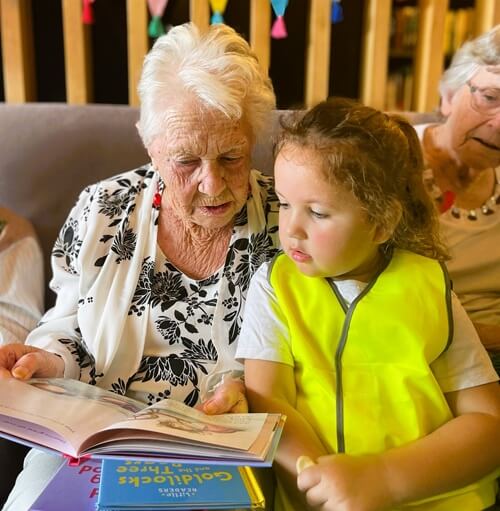
The Bupa residents were delighted to join the research project, all having different reasons for wanting to be a part of the program.
“To see the little ones again, because my grandchildren are all grown up, and all littler ones who’ve been born are overseas, so it’s nice to see little people again,” says Lorette.
“I like little children, and I’ve got a baby great-granddaughter but she’s in New Zealand. So this is a way to spend time with small children. They’re so cute, they’re gorgeous!” Pam says.
Being a half a world away from her family has been hard for Beverley.
“I was a teacher in preschool. I just love kids,” she says. “I have two grandchildren in England, I miss having my family nearby, they come but it’s so far away and a lot of money.”
For Joan, who turned 95 the day before the research project kicked off, she hadn’t considered how much she’d enjoy the visits.
“To start with, it was just an activity, but I found it was so interesting watching these children.”
And Joan says she’s impressed by the maturity of the children, even though they’re only four and five years old.
“They’re much older than we were mentally. Probably because as a society we do more adult things with them. They do seem very advanced to me. It’s a totally different ballgame than when I was a child,” Joan says with a laugh.
Of course, we had to ask our little scholars what their takeaway of the program has been so far, and their answers were predictably unpredictable.
This project is enthusiastically supported and funded by Bendigo Paradise Point Community Bank.
“The Bendigo Paradise Point Community Bank is a registered social enterprise supporting the Gold Coast Community,” says William Matthews, who is proud to be on the Board of Bendigo Bank Paradise Point, as well as principal and director of client operations for Sovereign Family Offices.
Will says he heard Professor Fitzgerald speak at the Australian Institute for Intergenerational Practice (AIIP) meetings that he regularly attends, and was inspired to see how Bendigo could help.
“As a social enterprise we reflect the values of our community, customers and staff. We see our support of Intergenerational Practice in the community as an essential component to strengthening our community by breaking down the barriers in how our most venerable people in society are cared for. We are extremely grateful for Little Scholars, BUPA and Griffith University for championing this project and supporting a future that includes people from every stage of life.”

Mandy Kaur, general manager of Bupa Runaway Bay, says once her team heard about the project, they were very quick to jump to be a part of it.
“We are all excited to continue this project,” Mandy says. “I believe these visits can foster a sense of joy, connection, and purpose for both the children and the elderly residents.”
The benefits of intergenerational programs in aged care are numerous, according to Mandy.
“Combating loneliness, fostering empathy, promoting social engagement, and enhancing cognitive function for older adults.
“They also provide younger generations with valuable life lessons, respect for elders, improved social skills, increased empathy and understanding towards older adults, enhanced emotional development, and opportunities for learning and cognitive stimulation.”
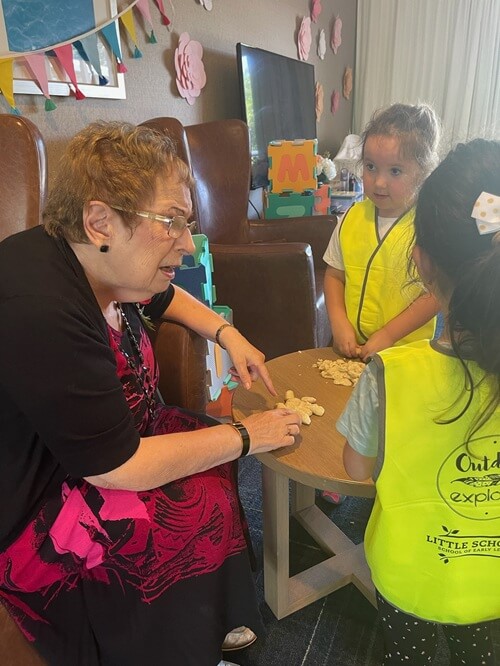
“The children are loving the visits so far,” according to Amy, campus manager for Little Scholars Parkwood. “They have developed some beautiful relationships with some of the residents and regularly discuss throughout the week their experiences with them.
“After week two, the children knew their grandfriends by name and were buzzing with excitement to see them again, which I think shows just how beautiful incorporating an intergenerational program can be!”
Professor Fitzgerald says programs like intergenerational ones further support the old proverb that it takes a village to raise a child.
“This research has the potential to make a huge impact on society, reconnecting the young and old,” she says.
“It is not just their eyes that lit up, but also their brain. There is nothing more satisfying than seeing older adults and young people connect for mutual benefit. So exciting to see how hearts are filled with joy.”
“I’m proud Little Scholars has the opportunity to assist in important research that looks at the benefits to both the young and the young-at-heart. Our little scholars are in the most important years of their life when it comes to brain development, and the lessons they learn from their grandfriends they can carry with them their entire lives,” says Jae Fraser, founder of Little Scholars.
Intergenerational relationships is something Jae is passionate about, and it’s been part of Little Scholars nearly since its inception 10 years ago.
“We’re honoured Griffith University researchers contacted us as leaders in the early education field, and we’re thrilled so many of our Little Scholars families jumped at the chance to participate. I can’t wait to see the results of this study when it concludes, and I hope it further highlights the proven positive impact of these relationships, showing how they enrich the lives of both children and older adults.”
At Little Scholars, we have four pillars that underpin everything that we do at Little Scholars – for our children, families, educators, and our community.
As part of our annual awards, we have four awards dedicated to those Little Scholars’ values – learn, grow, inspire and contribute. This year, while our award-winning educators certainly personify all four pillars, but with their unique special skills and achievements, we’ve declared one clear winner for each pillar.
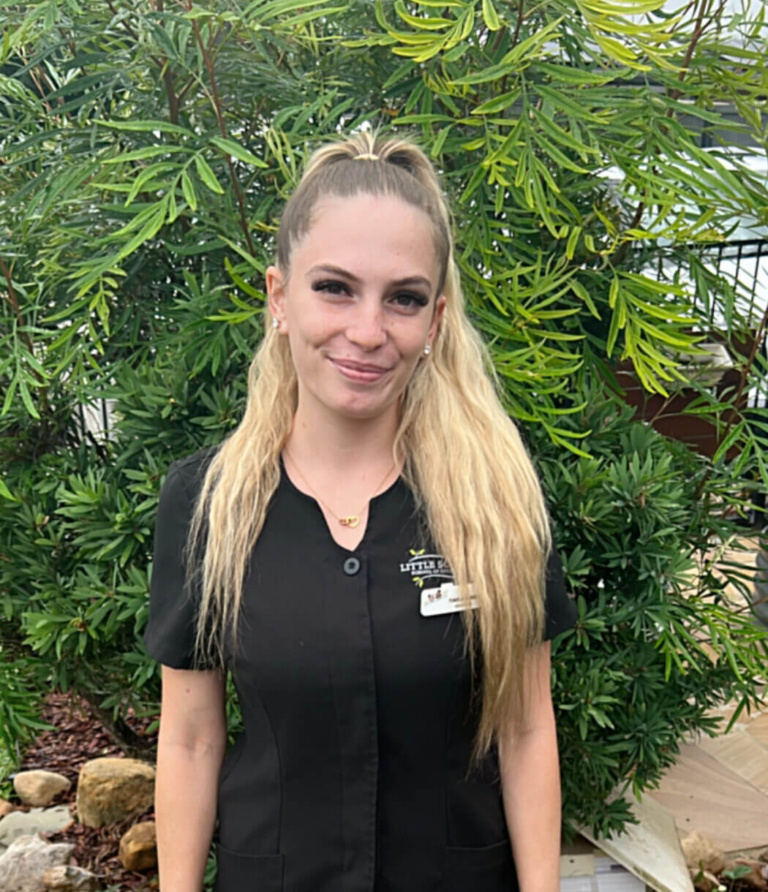
Tiahla at our Ashmore campus was named winner of the Pillar Award in the Learn category because she stepped up to become a lead educator, and she is happy to keep learning from her peers and further her education in the sector.
How long have you been an educator?
Four years
What made you pursue a career in early childhood education?
I feel like it was supposed to be as it all fell into place. I just came out of a casual job seeking for a new career journey and a job at Little Scholars Ashmore popped up. I applied for it and received the role the exact same day.
What’s the most rewarding and most challenging parts of your role? Watching their personalities blossom from a very young age, celebrating their personal developmental milestones with the children and building amazing relationships with families.
The most challenging part would be watching the children you have taught over the years move on to big school. We miss them so much!
What does winning this award mean to you?
Winning my award has meant the world to me, it makes me feel as though my progression and my achievements as an educator are noticed and valued.
Tahlia’s nomination
“Tiahla is always putting her hand up to learn new skills,” says Elise, campus manager for Little Scholars Ashmore.
“She is eager to grow from her peers, and will ask for help and support to build on her knowledge as an educator.”
Tiahla finished her Cert III and was keen to study her Diploma right away, Elise says.
“Tiahla has a bright future as an early childhood educator, as she values the importance of professional and personal growth through learning and collaborative partnerships.”
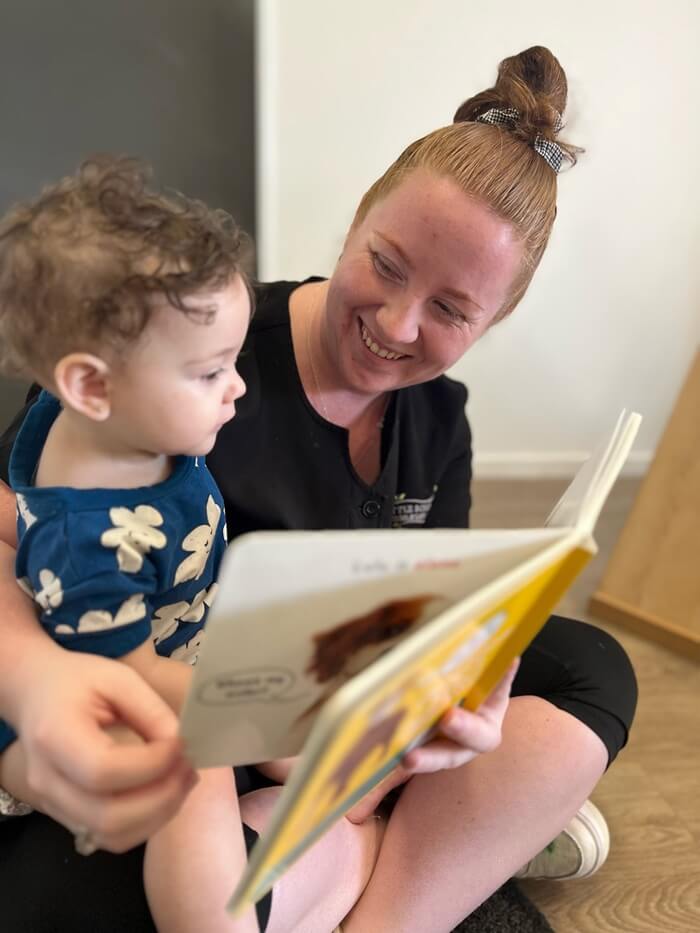
Keeva is an educator at Little Scholars Redland Bay South and is the recipient of an Inspire Little Scholars Pillar Award 2024.
How long have you been an educator, Keeva?
I have been an educator since 2016, so eight years now and have been with Little Scholars Redland Bay South since January 2023.
What made you pursue a career in early childhood education?
When I first started in early childhood education, I was studying an accounting degree, I quickly came to realise that I wanted to focus on my early childhood career. I fell in love with the children, how incredible they are and how much they could teach me. It wasn’t just the children that I fell in love with but also the challenges and limitless knowledge I could acquire and learn from to be the best educator possible.
What’s the most rewarding and most challenging parts of your role?
The most challenging part of my role is that I want to spend as much time as possible with each individual child everyday teaching them and learning from them but there is not always enough time. The most rewarding part of my job is watching the children hit all their goals and the excitement they display when they see us or accomplish goal. Mentoring and supporting other educators and seeing how far they have come in their journey is another rewarding aspect always leaving me feeling proud of their accomplishments.
What does winning this award mean to you? I was so shocked to receive this award, as I just turn up to work each day to do my best to support and guide both the children and educators. It felt so good to know that what I do each day is being noticed. It definitely makes you feel like you are doing a great job. To be recognised for the support and guidance I provide was so special and my heart felt full of love for my team. To me it cemented the fact that I am becoming the educator I always wanted to be
Keeva’s nomination
In Keeva’s nomination from Redland Bay South campus, it said, “Keeva is an educator who truly embodies each of the little scholars core pillars.
However, it is Keeva’s ability to inspire those around her, that is one of the most outstanding qualities. Keeva invests in mentoring those around her, inspiring their abilities to grow as educators utilising her existing knowledge and ability to learn more through professional development, to inspire each person to grow to full potential.”

Claire is the educational leader at Little Scholars Nerang campus and has been awarded the 2024 Contribute pillar award.
How long have you been an educator and how long with Little Scholars?
I have been an early childhood educator for 18 years and with Little Scholars for nearly six years.
What made you pursue a career in early childhood education?
I’m not quite sure when I decided this was the path I wanted to take as I feel like it’s been my career goal since I was little. I still remember the way one of my kindergarten teachers, Miss Anderson, made me feel. She was fun, caring, and knowledgeable. I wanted to be that for someone and help children to learn in their own time and style. I liked the idea of being able to help shape the minds of little ones and set them up to be kind, respectful humans.
What are the most rewarding and most challenging parts of your role?
As educational leader within my campus, the most rewarding part of my role is watching both the children and educators flourish and grow as humans. It fills me with so much pride to watch the children reach their milestones and celebrate their successes with them as much as it does when educators gain new skills that help them in their professional career.
My biggest challenge is saying goodbye to the children as they venture off on their next journey into formal schooling. It happens each year but never gets easier to see them go after watching them grow and develop over the years.
What does winning this award mean to you?
Winning this award makes me feel like I am on the right path to creating what I hoped to. It reinforced the fact that I am in the right career and doing the right things to help create a better future and bring our campus closer to our local communities. I feel so proud to be recognised as the 2024 contribute pillar winner.
Claire’s nomination
Renee, campus manager, said, “Claire has remarkable attributes and will contribute to anything and everything you can throw at her.
She is passionate about supporting others and always willing to participate in any type of event, including her own professional growth.
Claire is dedicated within our Little Scholars family and her years with us is another wonderful example of her contribution to our sector.”
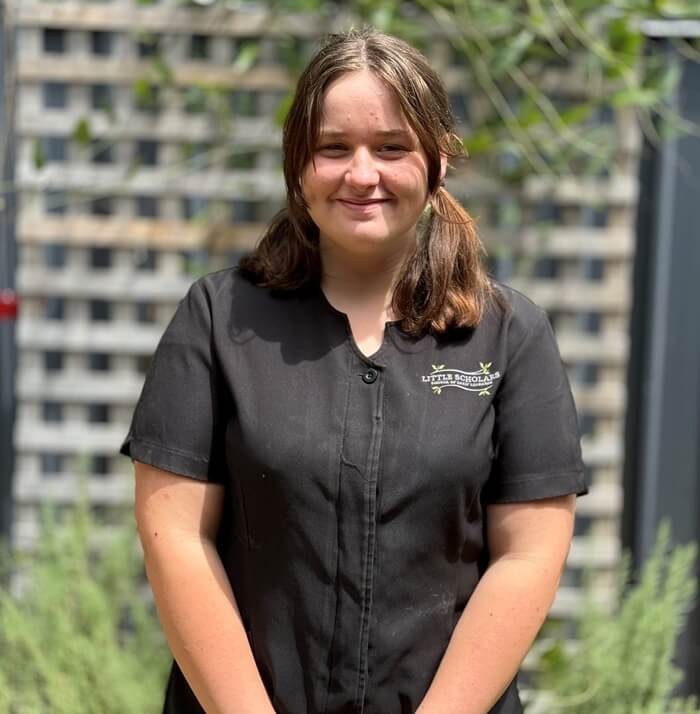
Stefenie, an educator at our Yatala campus, has remarkable attributes and we’re told her growth as an educator has been propelled by her enthusiasm to contribute, learn and inspire her team and go above and beyond not only for children, but families as well.
How long have you been an educator and with Little Scholars?
I have been an educator with Little Scholars for three years.
When you started, what was it about the role that made you want to stay in the sector?
When I was completing my work experience at the Yatala campus, I loved the relationships I was building with the children and I could see the impact educators had on the children.
What’s the most rewarding and most challenging parts of your role? The most rewarding part of my role is building such strong relationships with the children. The most challenging part is because I am so use to the younger age group, when I’m with the older children, I have to adjust my teaching style and interactions to their age groups.
What did being recognised for the Grow award mean to you?
It was really special because it really made me see how far I’ve come since being a 16 year old school based trainee. My confidence with the children and families, as well as my knowledge on child development has strengthened so much. I am a completely different educator and the fact that my leadership team can see and recognise it, it is a very special feeling.
Stef’s nomination
Stef at our Yatala campus was named winner of the Pillar Award in the Grow category because she’s grown from a trainee at the campus just a few years ago to now full time educator.
Sasha, campus manager at Little Scholars Yatala had this to say:
“Stef! What a superstar you are, and what a year you have had! From completing your Cert III as a school based trainee to jumping straight into full time work with us and then to go straight to studying your Diploma, nothing can stop you from achieving your goals, and we are so proud of how far you have come and the growth that you have achieved.”
If you have a child at Little Scholars, you’ve likely heard of ‘The Collective’ but do you know what it is? We thought it might be time for an explainer!
Little Scholars School of Early Learning’s The Collective is a service-wide, multi-faceted educational initiative, designed to enhance each child’s learning and development and best support educators’ time spent with children.
The development of The Collective is based upon early childhood pedagogy. Children are provided the time and space to explore, imagine, create, problem solve and develop social groups and guided to find their individual learning journey. The Collective allows for educators to have freedom in how they document and plan for children. This supports a strength-based approach with our team and highlights individual skillset of our educators and value the multiple voices being heard, embedding a collective response to children’s learning.
Understanding the demands of documenting processes, Little Scholars wanted to create a streamlined approach to the educational program across all our campuses. The intention was to demonstrate quality over quantity, foster children’s growth, and develop them to become successful citizens and critical thinkers. This curriculum approach also supports educators to adopt theory and put it into practice. Educators, through observations of children’s play, conversations and their interactions within their environment, explore what the child might be thinking. This is then the beginnings of the planning process within our collective curriculum.
Alice Micklewright, campus manager of Little Scholars Burleigh, with her team, came up with the idea of The Collective and led its early development.

Alice Micklewright, campus manager of Little Scholars Burleigh
“I wanted to look at curriculum for a while because there were a lot of things that we felt were just kind of there but didn’t feel like they had a place, so streamlining that focus was good.”
“We had a lead educator meeting one night and we talked about how the educators were feeling in general, and some of the comments were just like ‘I feel like I spend more time writing things down than I do with children.’ They are still with the children most of their time, but when you’re feeling like you’re trying to focus on something else and not giving the whole attention to something and being present, it can be really unsettling.”
That was at the peak of the pandemic crisis, according to Alice, and her team became cognisant that what they were doing in the moment was far more important than anything else.
“The first conversation we had, we looked at what we were doing and wrote down notes on the back of the pizza box – ideas about why we’re doing what we were doing, what the processes were and what we felt didn’t really fall within the planning cycle appropriately for it be conducive to having good outcomes for everybody involved.”
“We really started The Collective off the back of our Engagement Initiative – that’s the one day a month we have with no documentation of photos, no technology. It was purely based on educators getting back in touch with engaging with children and not focusing so much on some of the perceived pressures that have come about in the sector in terms of things like families’ expectations on photos being received, and the amount of documentation that sometimes can spiral. It is a regulation for services to demonstrate planning toward an educational program for children. We wanted a streamlined approach to guide our campuses to set the benchmark to support and engage.
“It’s really been child-driven on the focus of what we want to do,” she says.
Melanie Excell, Operations Manager for Little Scholars, agrees.
“When we started this process, we gathered information from a variety of different perspectives – including families and children, and professional training and resources,” Mel says.
There was a vast amount of training for educators to understand new processes.
“At its core, it’s really been just trying to pare back what we were doing to deliver quality curriculum for children, that supports their outcomes and their developmental needs, to generate a stronger culture of critical thinkers in terms of children and educators,” Alice adds.
Weekly, rather than daily, detailed written updates are now sent to families, allowing educators to focus more on being with children. Families still get photos daily to see what their child has been learning and enjoying that day, but learning outcomes, routines, links to Early Years Learning Framework and research are saved for the end of the week, and individual child updates are sent out termly.
“Sometimes you find that services will continue to add a lot of documentation [about each child] and to try to meet the needs of the framework and the standards, when it can be a lot simpler and child focused,” Alice says.
The critical reflection component of the curriculum is most important, according to Alice.
“Everything we do really needs to have a purpose, a thought behind it and a reason why we want to engage in it that way, and then involving the children in that process and the families as well.
“If you look at the planning cycle in the National Quality Framework (NQF), you gather information from an idea or interest that children have, engage the children in what they’d like to do moving forward and analyse the information you’ve gathered, plan for it, then reflect and review is the whole cycle.”
For example, educators might look at children who are engaging in an activity and would consider it across developmental milestones and outcomes what they think the children are trying to achieve. In a nursery, where early learners can’t yet speak, educators might observe a child picking up resources and putting them into a basket and taking them back out, a learning behaviour known as a schema.
“Children are exploring all of these different concepts every day, even though you may not realise because they’re playing and it’s natural for them to do that,” says Alice.
The use of open-ended questioning with children supports the understanding of their play and helps gain a child’s perspective as opposed to an adult’s agenda.
The planning comes from what educators talk about in the moment, and educators act on what they’ve gathered, followed by a review at the end, where they decide if they activity worked well or didn’t, and if it didn’t, questioning why – were the children just not interested in that topic anymore, and is there a reason why?
Little Scholars produces individual learning journeys for each child that highlight significant milestones and achievements to their development whilst in our care. Various modes of documentation record the learning identified through the child’s participation in our program.
Little Scholars sends out the personalised mid-year assessments to the families and then the end of the year they’ll receive a transition letter which wraps up their child’s journey, acknowledging achievements and progress in their studio.
“One of the other points we highlighted when we started reviewing the curriculum, is that we wanted to educate our families that what we were doing. We know that there’s a lot of electronic information available as well, but the value of that face-to-face conversation and relationship with staff and families, is important too,” Alice says.
The Collective allows for educators to have autonomy in how they document and plan for children. This supports a strength-based approach with our team,” according to Susan Cooper, group pedagogical leader for Little Scholars. “It highlights individual skillset of our educators and value the multiple voices being heard, embedding a collective response to children’s learning.”
Alice says it’s still a process that Little Scholars is undergoing.
“Ultimately, it’s important that we have educators here who feel stable and like they want to contribute and that they are getting recognised for the things that they’re doing, and we believe The Collective does that.”
Jae Fraser, founder of Little Scholars agrees. Little Scholars wants to ensure educators feel seen, heard and valued, because our educators’ passion for our children and their education is why we’re delivering exceptional educational play-based programs.
“We really care about and listen to our teams, so when they are feeling pressured due to significant amount of paperwork, we act,” says Jae. “It’s all about the educators and the children, so if we can achieve amazing outcomes without all the unnecessary paperwork, and children and educators are interacting and engaging in really meaningful ways – this is what we need to focus on.”
More about Little Scholars:
Book a tour today!
Since nearly the beginning of Little Scholars, Little Scholars School of Early Learning has been proud to have special friendships in the community with people who live in aged care setting.
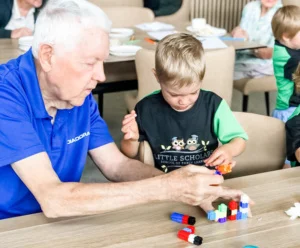
The premise of Little Scholars Intergenerational Program, dating back to 2015, is simple. It’s all about supporting connection between the young and the young at heart and bringing parts of our community together.
“It all began when our leadership team attended an intergenerational forum where we learnt that 16% of people in Australia are over 65 years of age and 45% of these people have reported feelings of loneliness. That’s a huge number and made us want to act,” says Jae Fraser, founder of Little Scholars.
“We also had some feedback from families who had moved here from interstate or internationally, and their children had no physical contact with their grandparents – so this was a wonderful opportunity for us to allow these children to have ‘Grandfriends’.”
Isolation and feelings of loneliness are a serious threat for older people, because they’re more likely to live alone, lose family members and friends, suffer from chronic illness and hearing loss. Statistically, one in four older (over 65) Australians live alone.* Of those who live alone, according to a 2015 Australian Bureau of Statistics survey, about 12% didn’t receive visitors in a three-month period, and older men were reported to be less likely to have been visited, at 17%.
In a 2020 Royal Commission report, of the Australians who reported knowing someone in aged care facilities, one third never contacted the people they know, and one in five never visited.
Social isolation has also been linked to mental illness, emotional distress, suicide, the development of dementia, premature death, physical inactivity, poor sleep, and biological effects, including high blood pressure and poorer immune function.
Little Scholars aims to fix this.
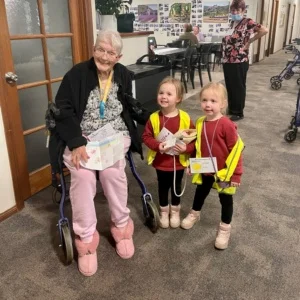
With our intergenerational program, the children visit with their grandfriends fortnightly. They do crafts, play games, sing songs, share morning teas and have meaningful chats. For their young-at-heart mates, the visits help alleviate challenges of isolation, and brings joy, feelings of self-worth, developing new friendships, silliness, and fun. For the children, the visits have a multitude of benefits, including:
So many of the residents just want or need one thing that they can look forward to, to keep them going.
Natalie Carey, Deception Bay campus manager
Our Redland Bay campus started its friendship with a nearby aged care home because a parent worked there. The parent mentioned how much the residents loved when her own children visited, so staff decided to reach out and begin planning an intergenerational program.
“We started with just the kindergarten class, and every time we went down there, we took a different age group with us,” says Jordie, now campus manager of Little Scholars Ormeau 2. “We went there to share high teas, we created hampers for the residents for Mother’s Day, Father’s Day and Christmas that were donated by our families.”
Our Deception Bay Little Scholars began its program in 2016, when campus manager Nat arranged for the kindergarten children to visit the aged care home Nat’s grandmother lived in.
“We connected with them to be able to give the elderly someone consistent who would come and visit them, as some of them received no visitors,” Nat says. “I learnt this when I spoke to one of my grandma’s carers and she said so many of the residents just want or need one thing that they can look forward to, to keep them going.”
Nat says they started taking the kindergarten children regularly, then extended it down to the younger studios to embed it across their service.
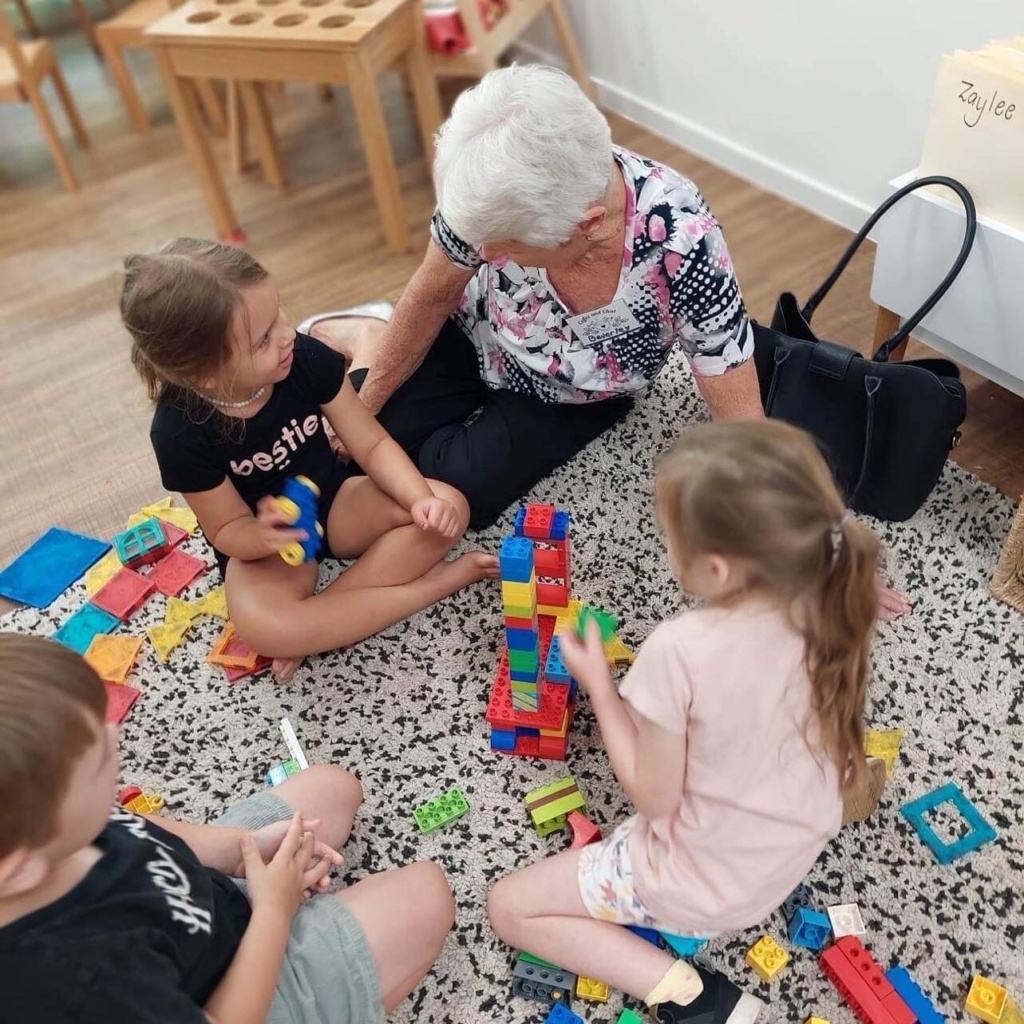
“We would always take five or six kindergarten children to allow the connections to continue between the children and their grandfriends. The dementia patients, in particular would love our babies, and together we got to create and witness some special moments.”
The Little Scholars Ashmore campus started its intergenerational program last year, after working with Griffith University’s Dr Jennifer Cartmel and PhD student, Jelisa Tan.
Jelisa did her placement at the campus and prepared resources for team members and families. She shared slideshows, floor books and fact sheets with an emphasis on the benefits of the intergenerational program and its progress.
While many of our services have had informal relationships with local aged care residences for many years, we believe the intergenerational program is more important than ever and will be incorporated in all 13 Little Scholars campuses by the end of 2023.
“Celebrating the role older community members play in the development of children is something to be fostered and celebrated. The program is one of the most popular aspects of our services, we’ve found our community loves finding occasions to see the different generations come together and share in a common experience,” Jae says.
Help your child grow physically, emotionally, socially. Our intergenerational program will be at all our campuses by end of 2023. Learn more about Little Scholars.
Related stories
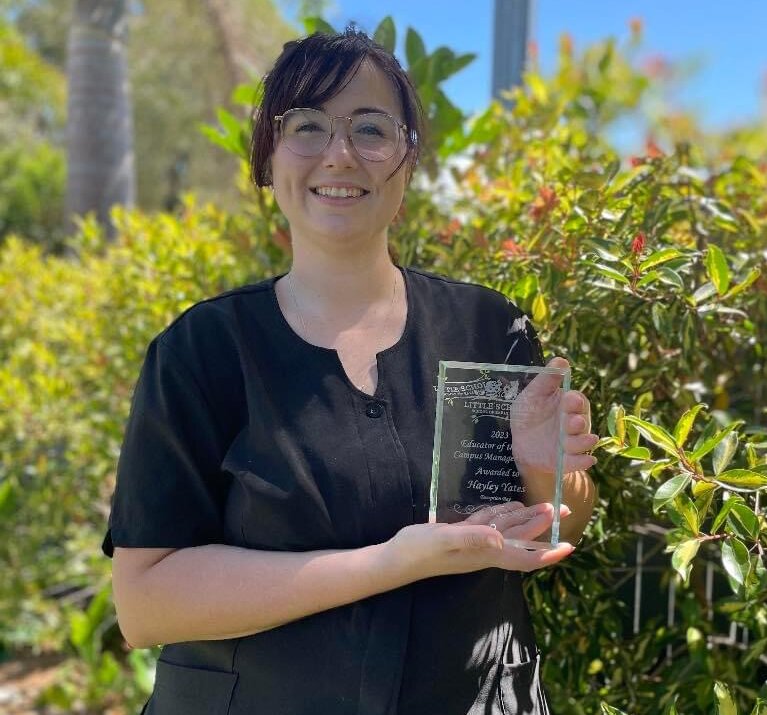
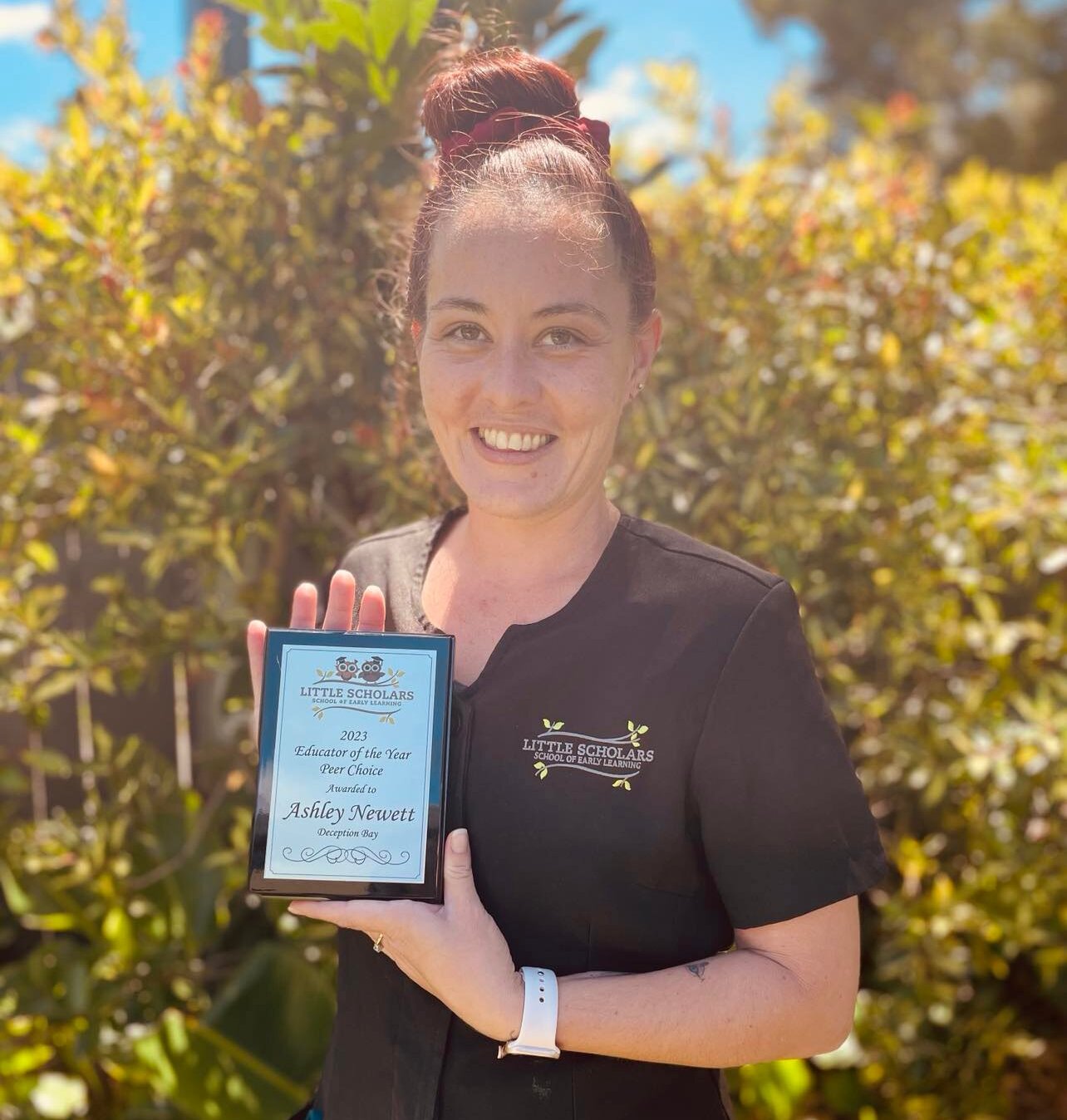
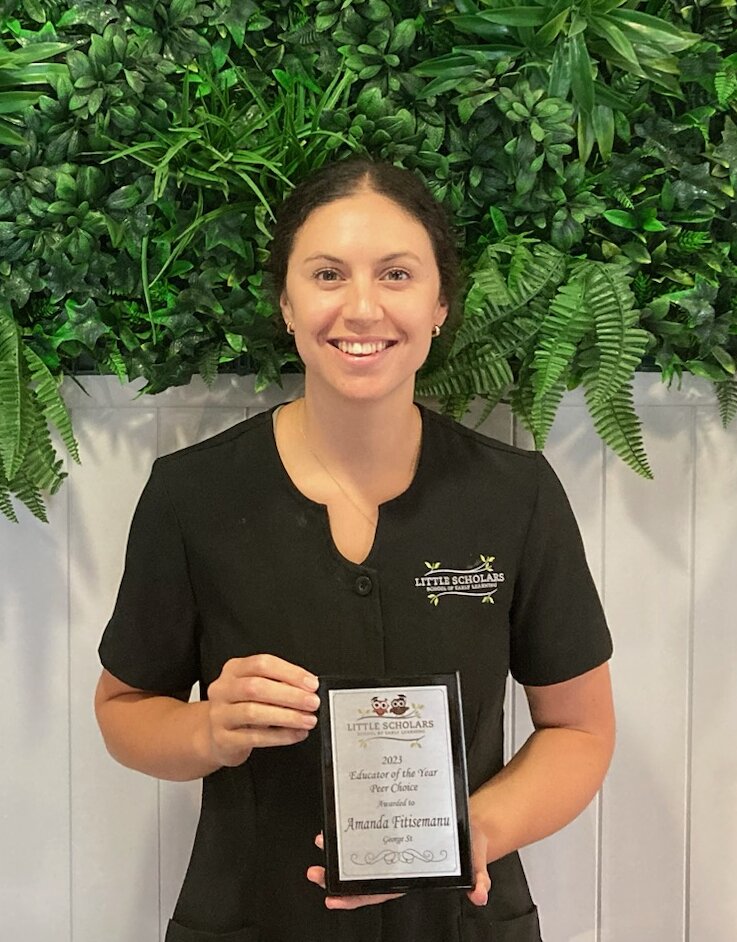
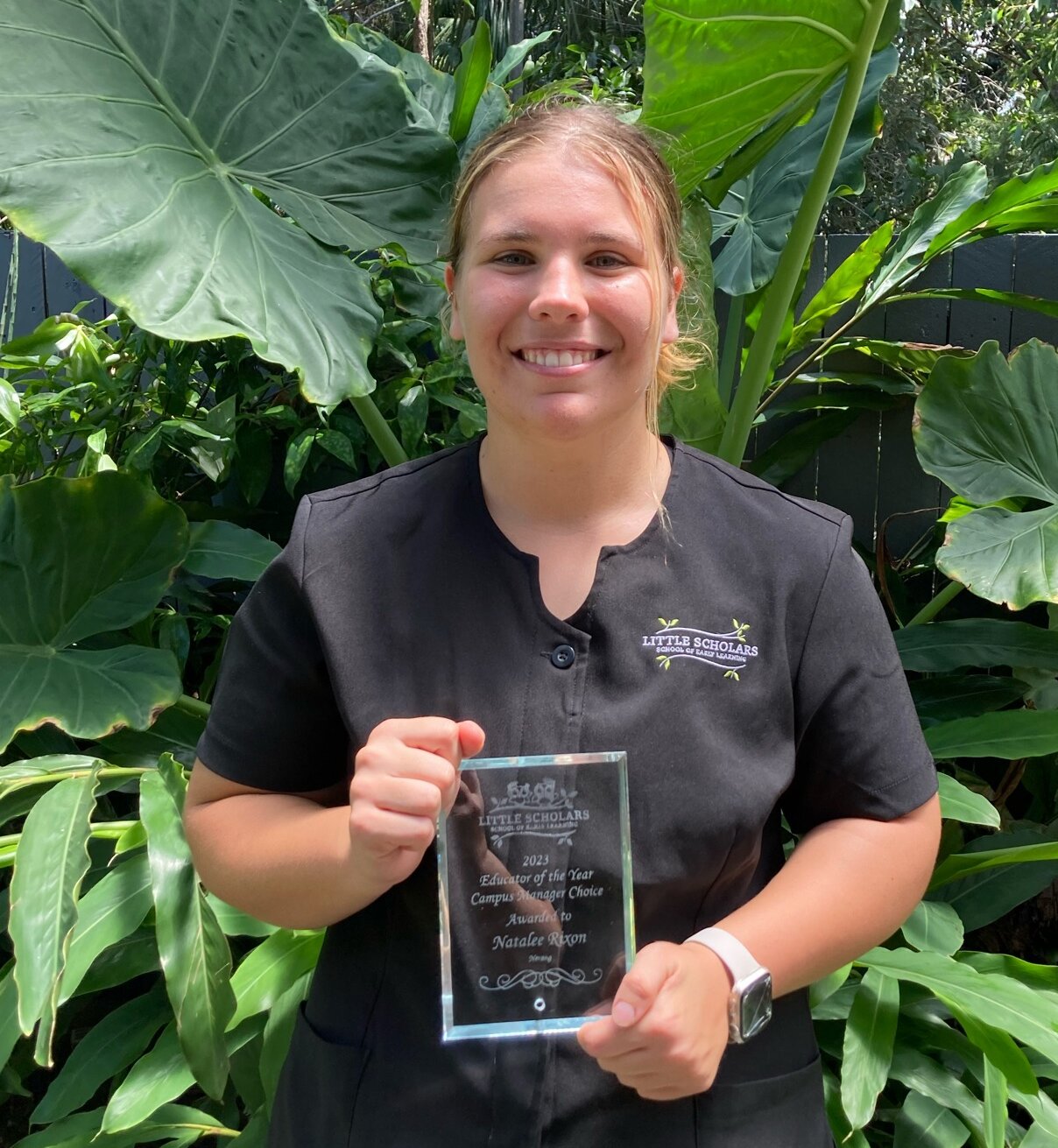
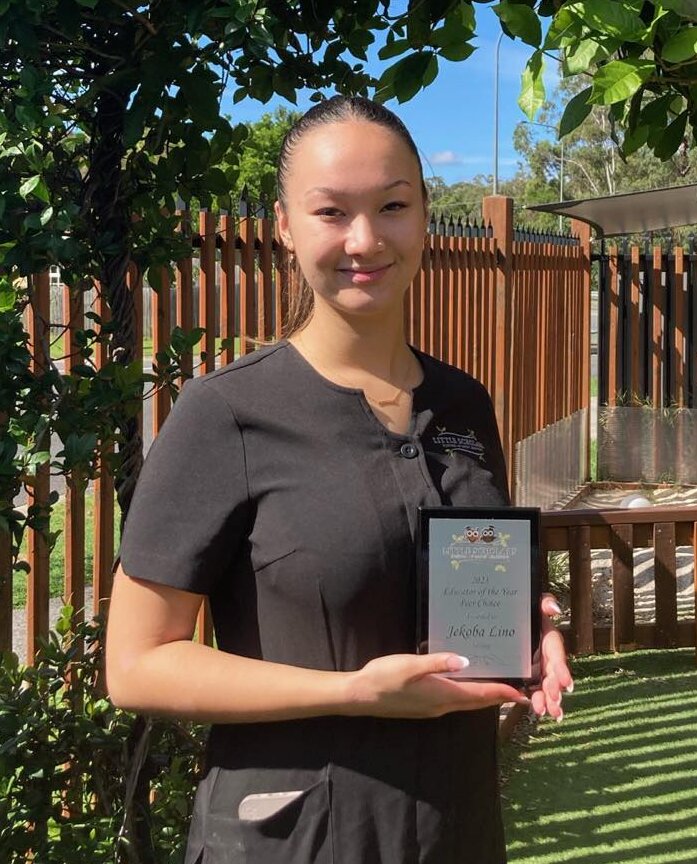
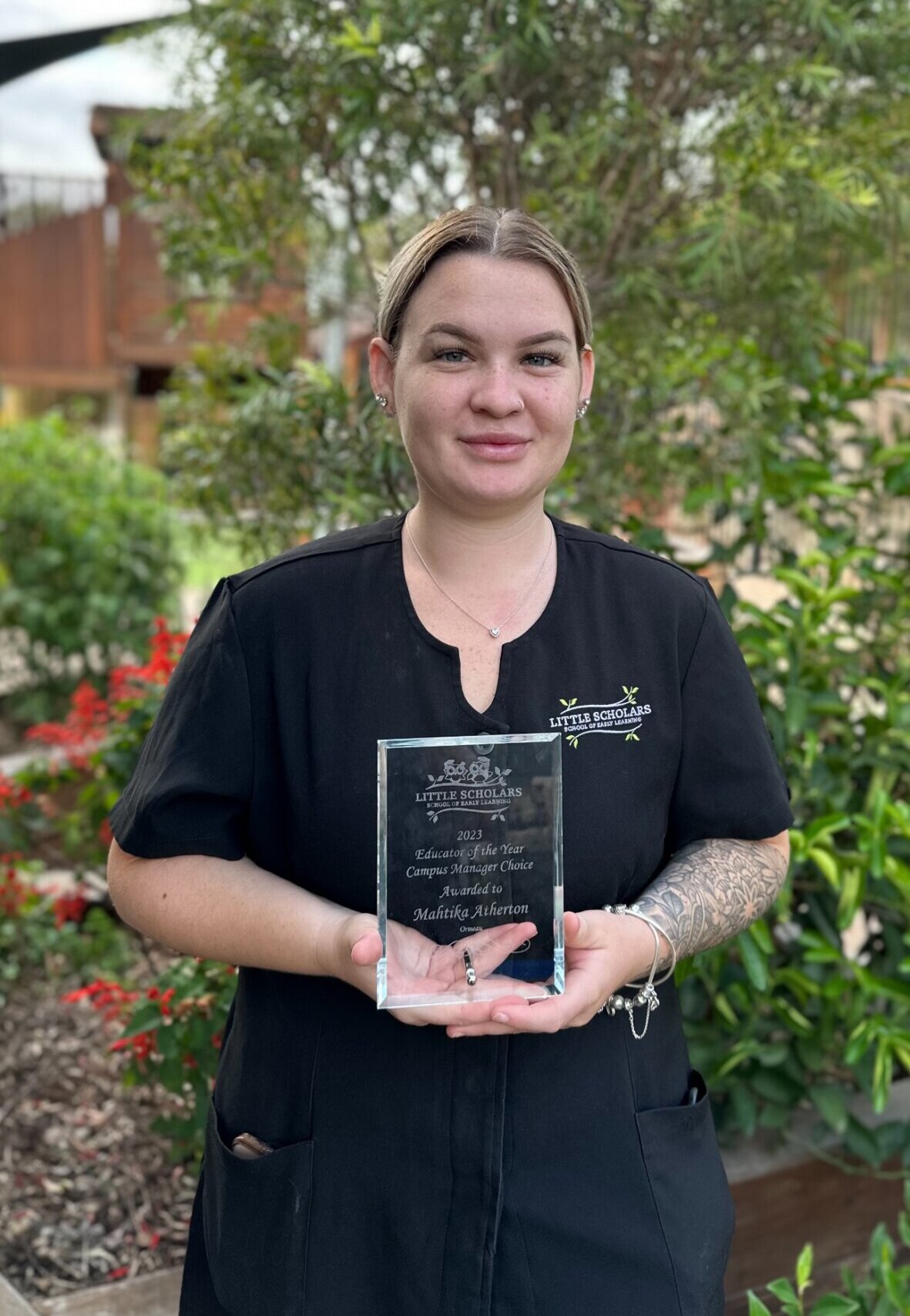
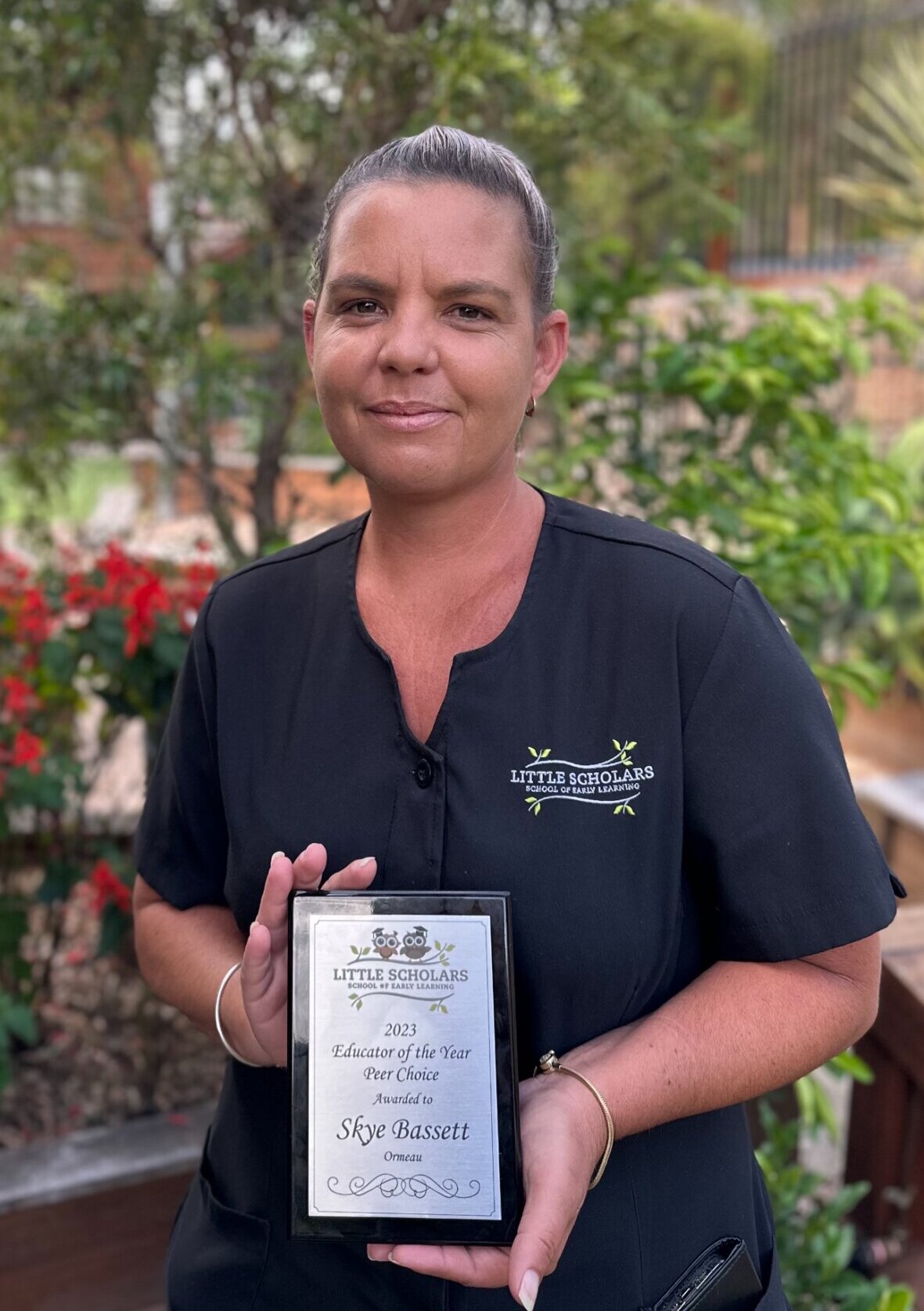
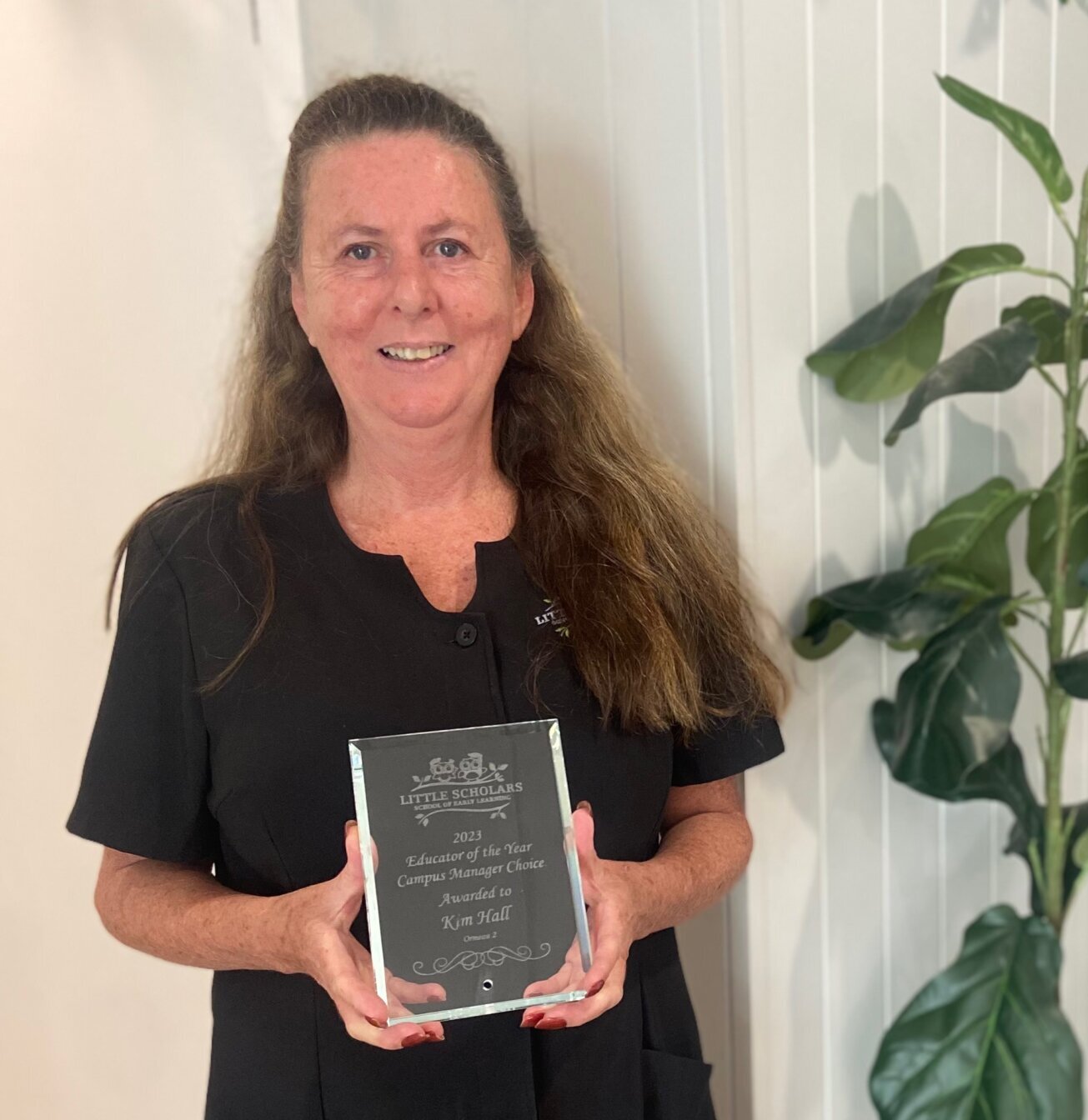
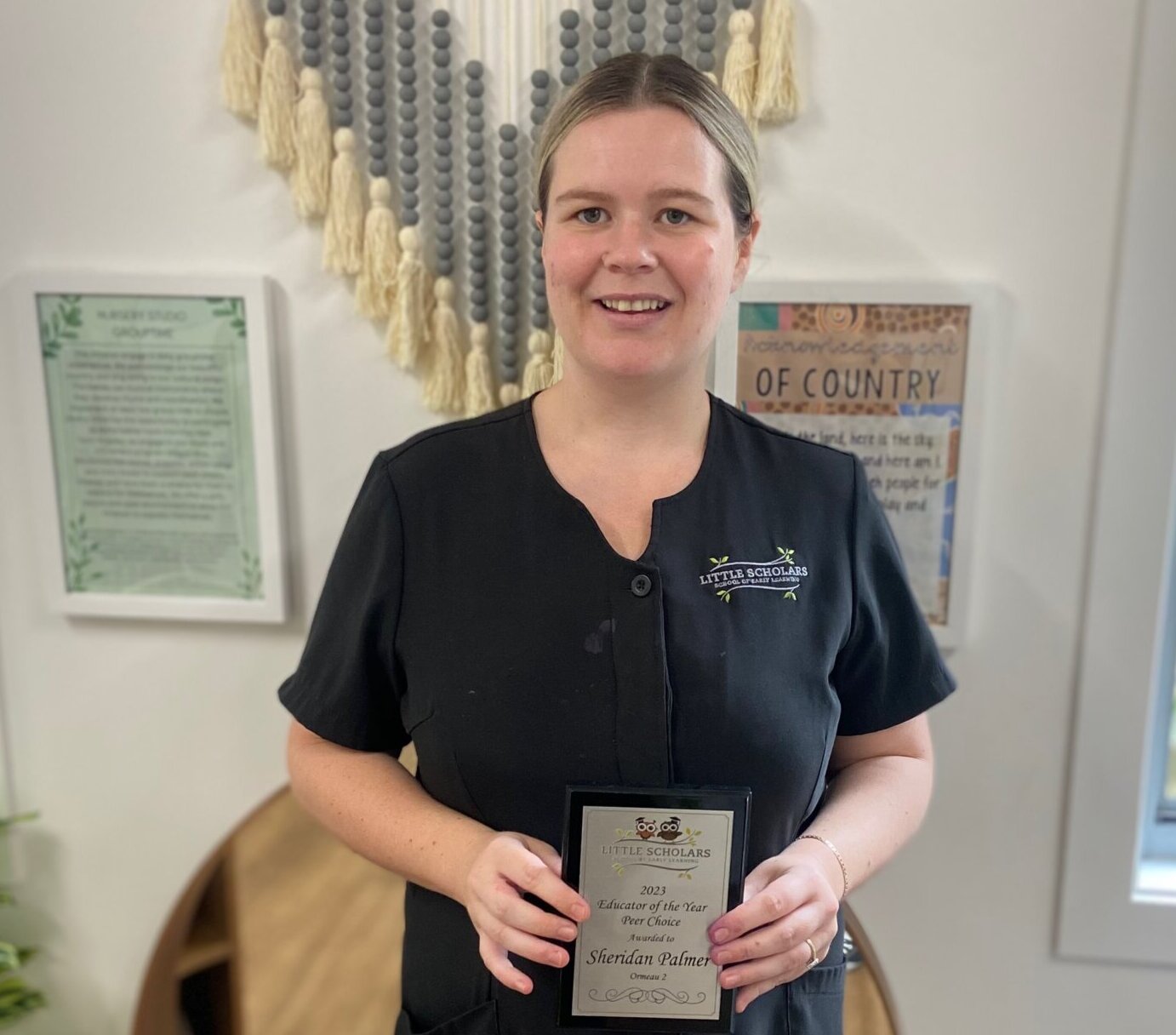
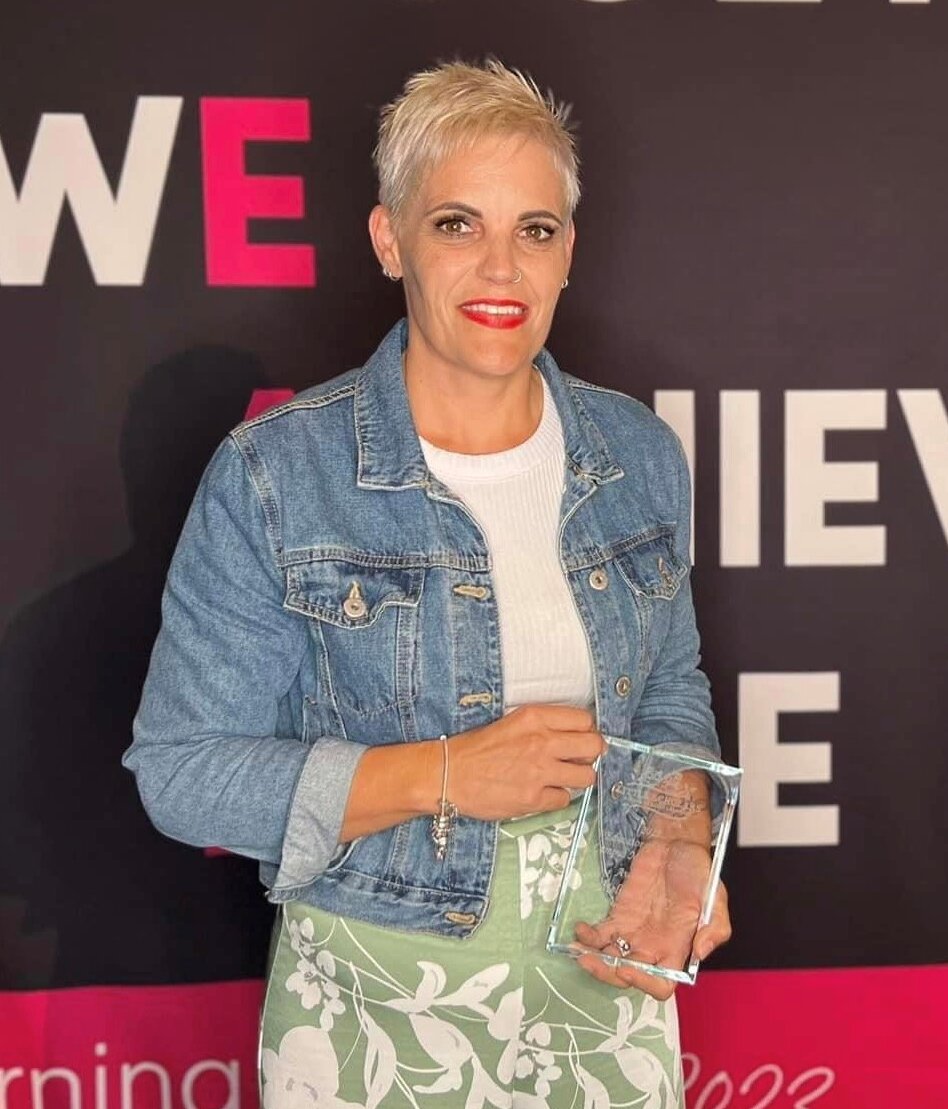
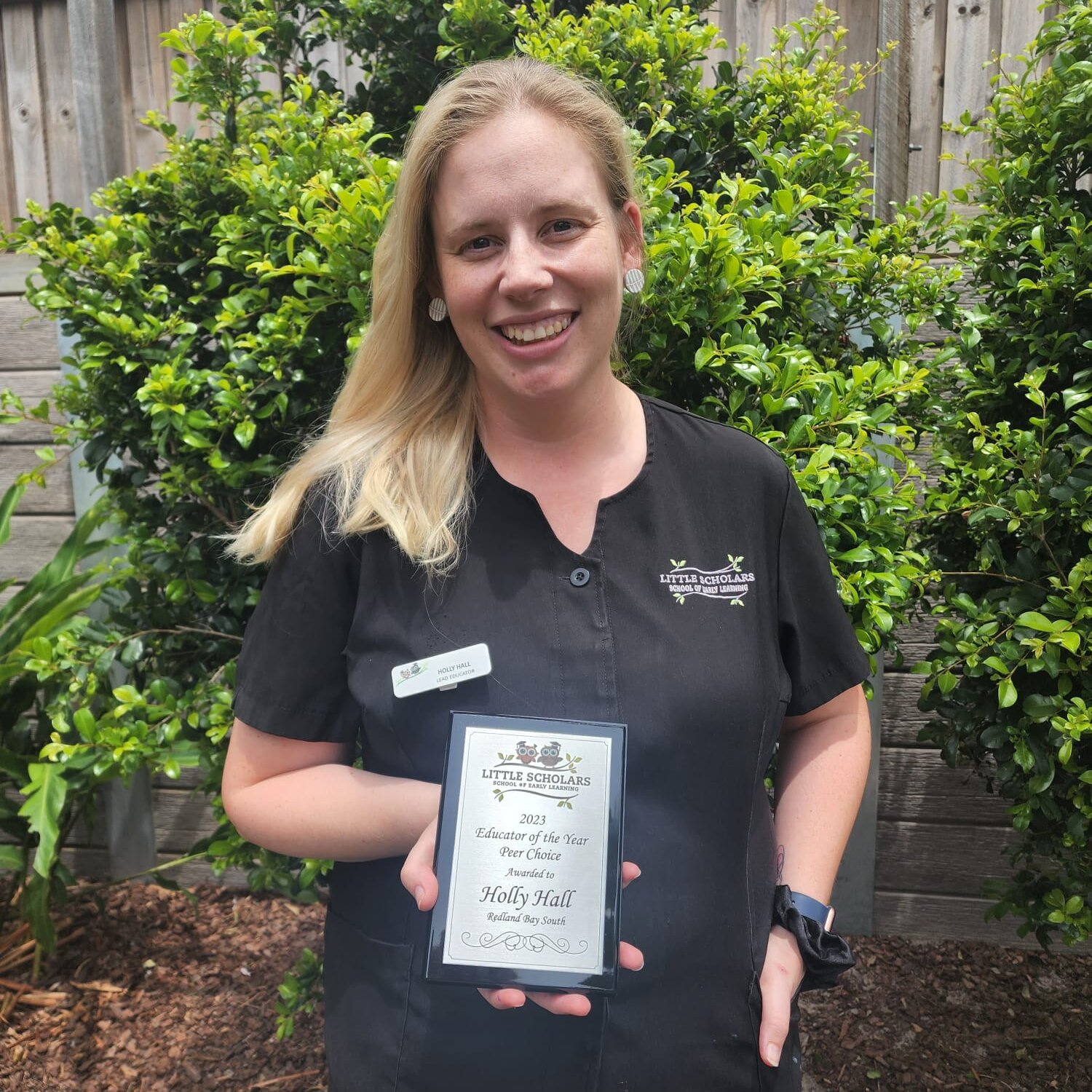
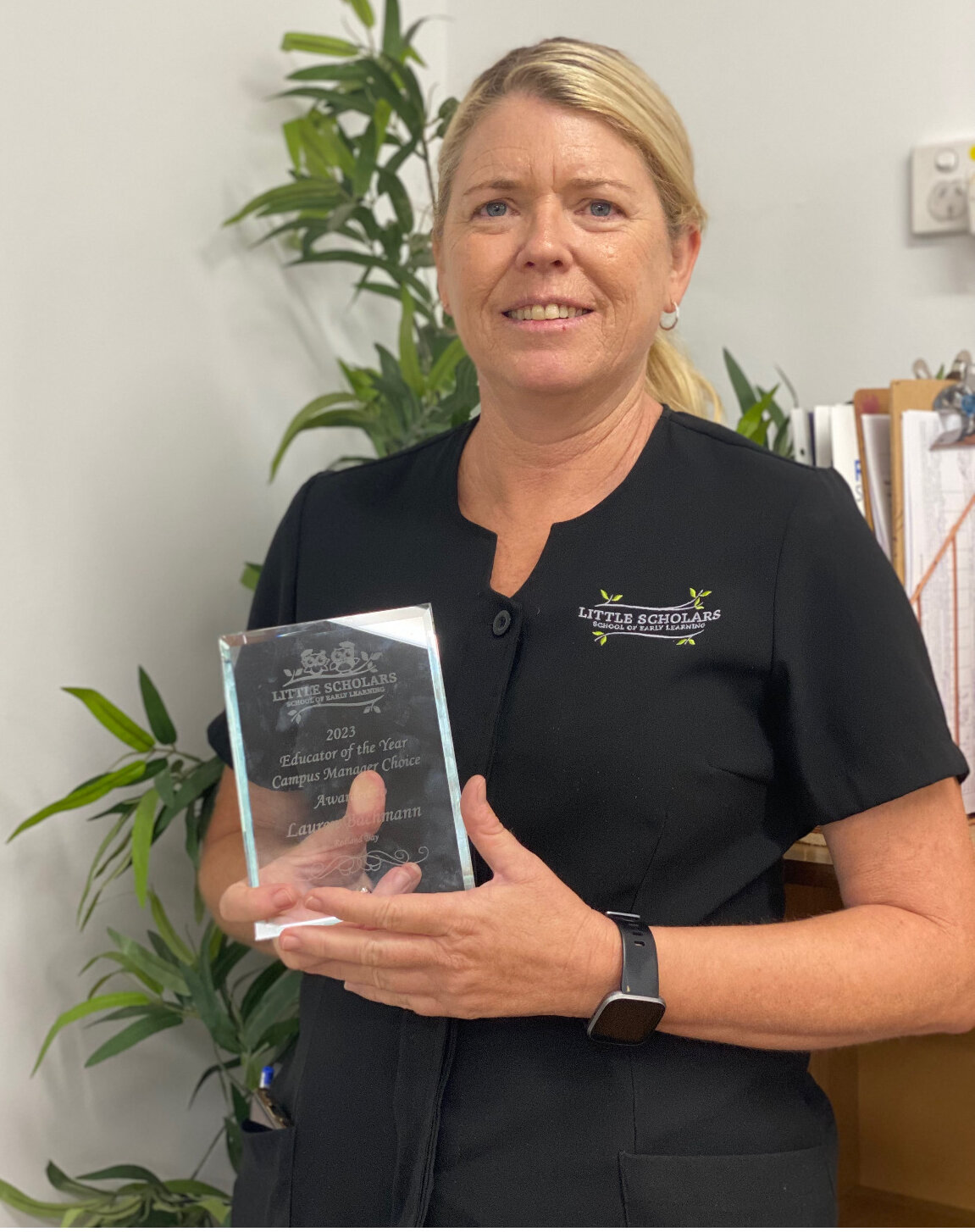
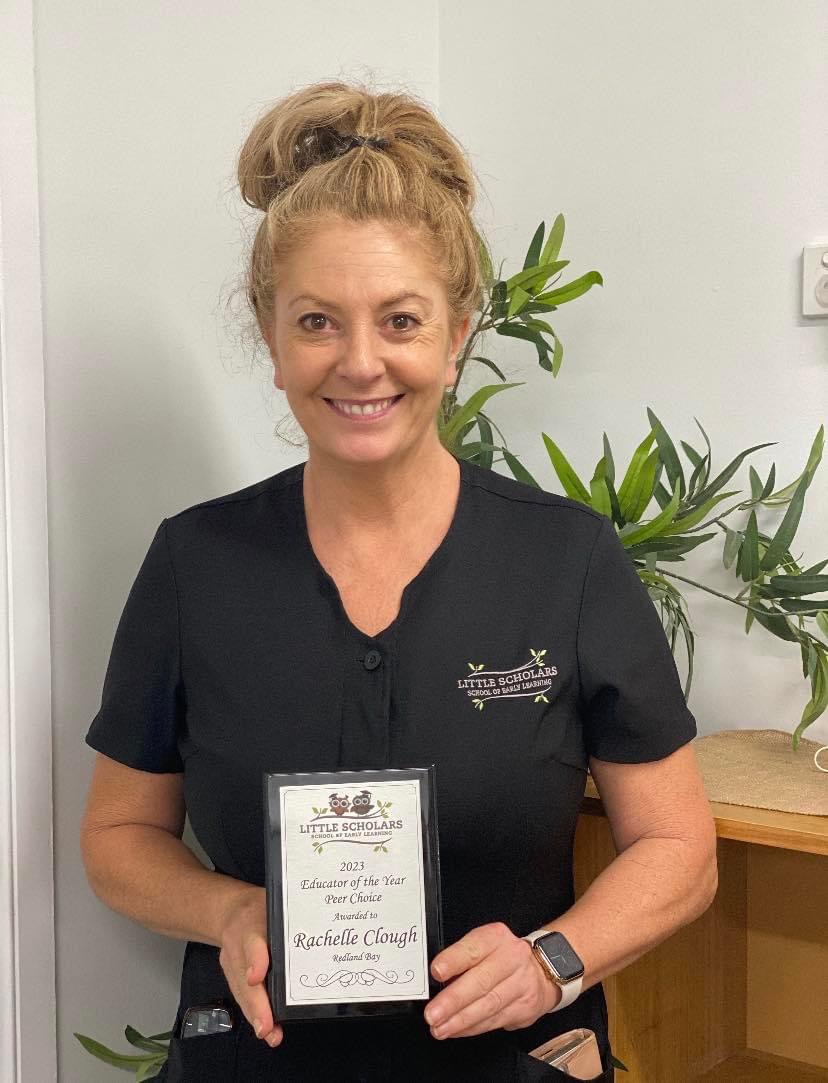
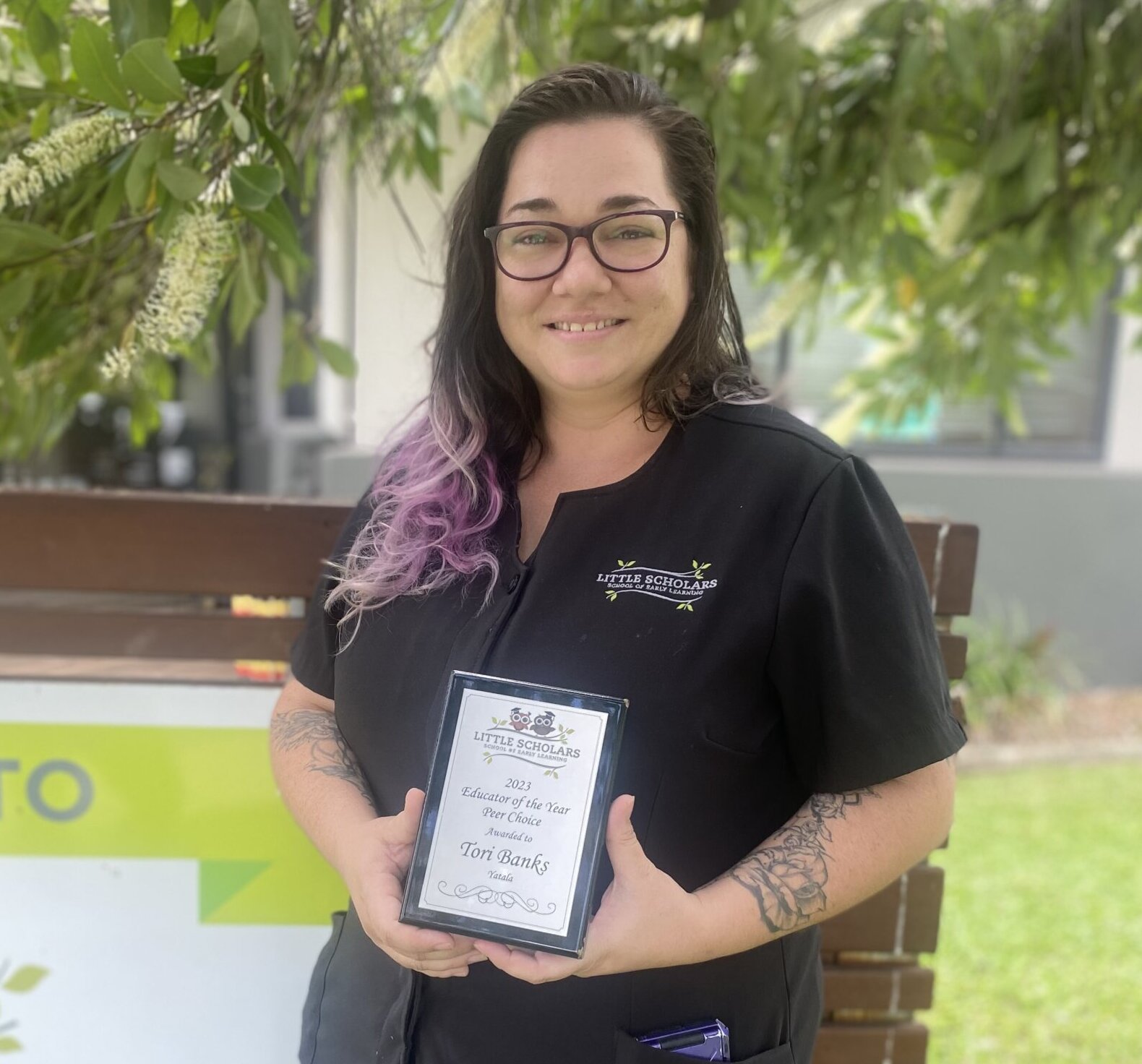
We have the very best early education educators at Little Scholars School of Early Learning. It’s our great honour to present our 2023 Little Scholars Employee Award winners. 🎖
These outstanding recipients, through some challenging times, have demonstrated their dedication, commitment and have gone above and beyond this year with fellow educators, children, and parents. Time and time again they show us, their peers and the families who they have the privilege of looking after their enthusiasm, their eagerness to learn and grow, and their unfaltering dedication to educating and developing small humans.
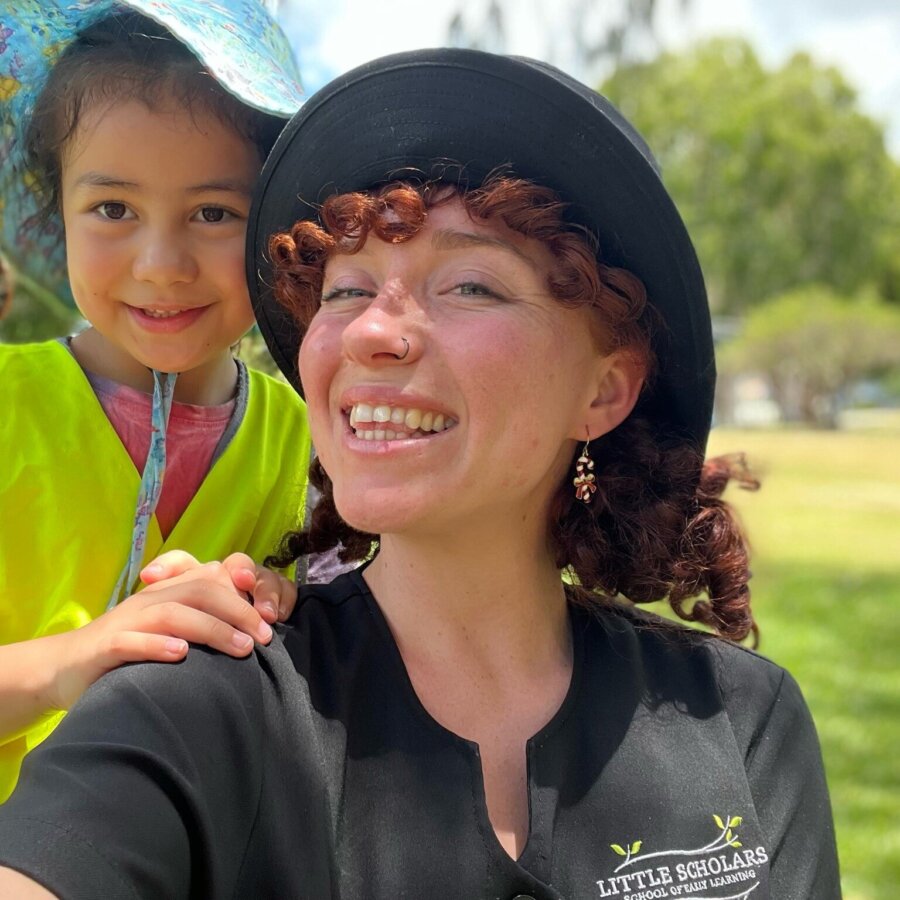
Inspire – Little Scholars Pillar Award 2023
Learn more about Ella
How long have you been an educator, Ella?
I have been an educator for four years now, and with Little Scholars since my placement when I began my certificate 3 at TAFE.
How did you start your career?
I had been looking at Little Scholars as a centre for my daughter since I was pregnant and fell in love with it from the get-go. Since beginning to have my daughter at the centre, I saw the love and care that the educators gave the children. Working with children had always been on my agenda as I used to study to be a music teacher and knew I could do so much more as an early childhood educator to assist the children in excelling in all areas before beginning “big school.”
What did being recognised for the inspire award mean to you?
The award completely blindsighted me as I turn up to work each day just to do my best for these little humans so to be recognised for my relationship with the children in my centre was so special to me and really instilled my role within the company and the importance I hold alongside my other educators in this industry.
Ella’s nomination
Ella is an educator with the Little Scholars Deception Bay campus, which recently was assessed Exceeding under the National Quality Framework for Early Childhood Education and Care.
In Ella’s nomination to us, it said, “Ella is an inspiration for all in the Deception Bay community. We had some outstanding feedback from the department through our assessment and rating process. Before the process even started, the assessor had mentioned the passion and authenticity observed in Ella’s interactions with our children, families and community. In the assessor’s words – ‘she could sit and watch Ella all day long.’ From one of Ella’s colleagues, ‘the educator she is, is who I aspire to be in my future teaching career. She is strong, but also so caring to each individual child.’
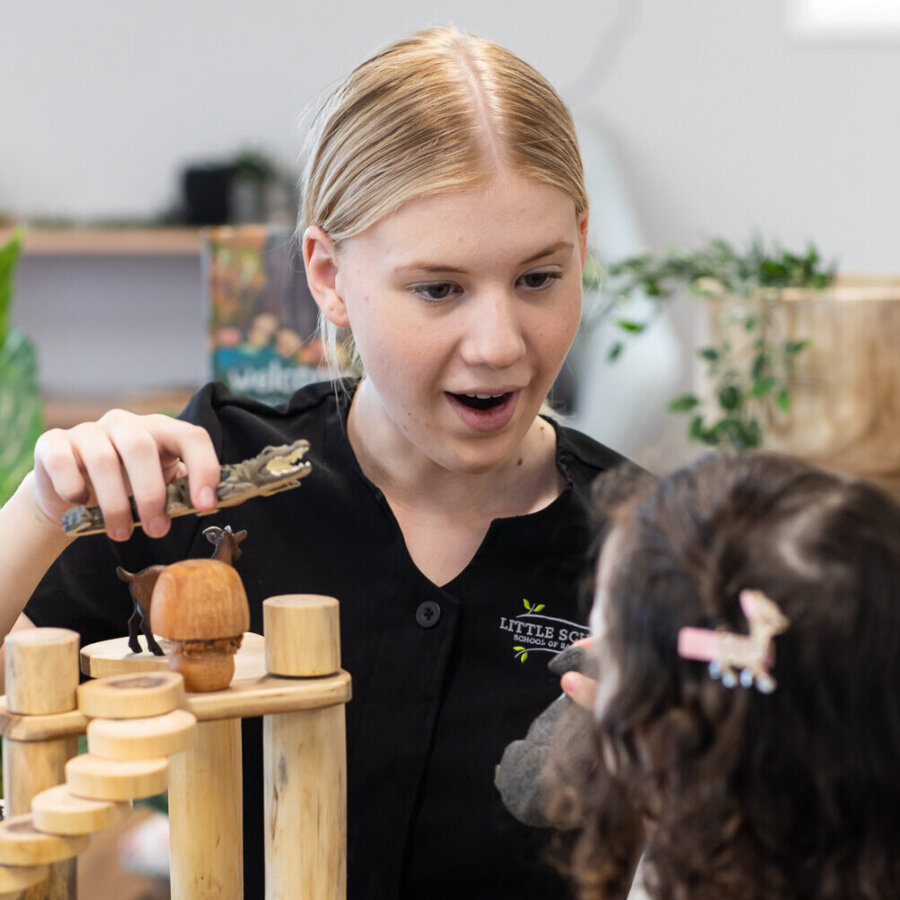
Learn – Little Scholars Pillar Award 2023
Learn more about Ellissa
Ellissa is a lead educator at our Ormeau Village campus. She was named winner of the Pillar Award in the Learn category because she stepped up to become a lead educator, and we’re told she is always happy to keep learning from her peers and further her education in the sector.
How long have you been an educator?
I’ve been an educator since I was 16, but even younger I was at my mum’s centre helping out wherever I could.
How long have you been with Little Scholars?
I’ve been with Little Scholars for about 18 months, since Ormeau Village opened.
What made you want to become an educator?
I think just having the inspiration of my mum being in that environment, seeing what she does, seeing how she helped shape the children, it made me want to do it as well. Just seeing how I could help children as well.
What did winning the award mean to you?
I’m always trying my absolute best to do the best possible work I can do, so it meant that someone else was seeing that, that it was appreciated. It’s made it feel worth it!
What do you like about working with Little Scholars?
Just the support and having the creative freedom to do things that I couldn’t do at other places. Like taking them on Bush Kinder adventures and all these other fun things they get to do that they may not have the opportunity to do anywhere else. And everyone at head office as well, like Susan, Mel and Jae-them being so active in our centre, that’s something I really appreciate as well.
On the quick move from an assistant educator to lead educator, Ellissa says:
The support I had helped me to grow so fast, because if I was somewhere else and didn’t have the support, I probably wouldn’t have become lead, but the support from everyone about what I could do, what I would have to do, really helped when I stepped up.
Ellissa is finishing up her studies with her Cert III, then she’ll be moving onto her Graduate Diploma.
From the award submission: Ellissa has stepped up into her Lead role during last year and we have watched her grow from assistant to well-deserved Lead and take charge in her space, leading her colleagues while taking feedback on board and striving to excel.
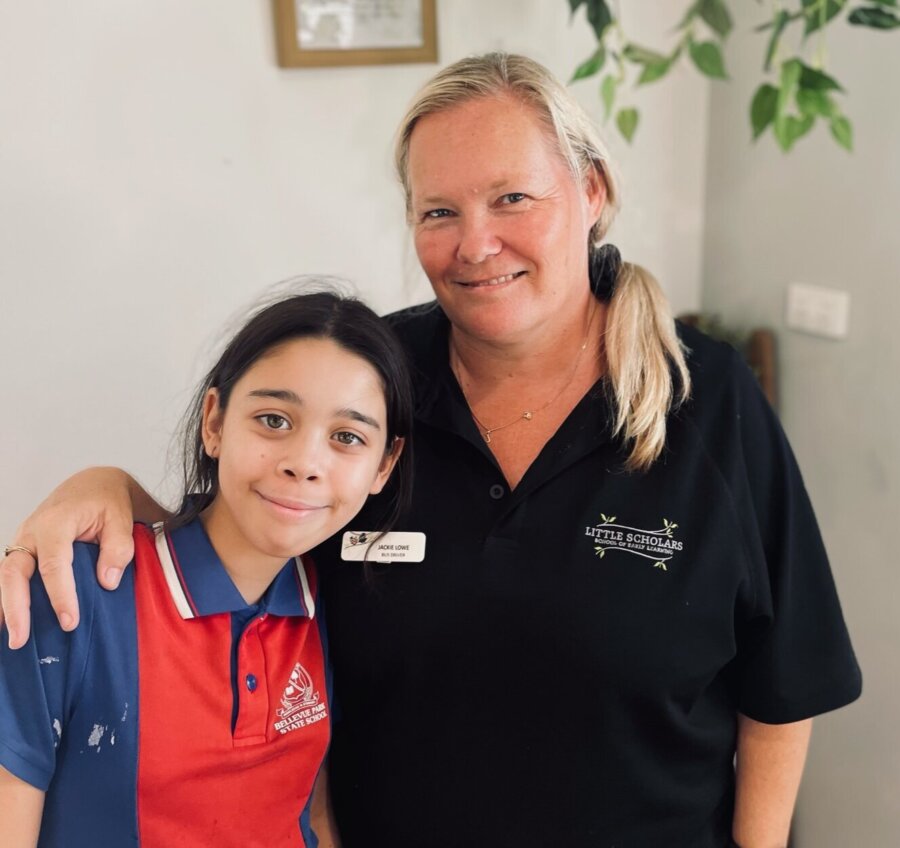
Contribute – Little Scholars Pillar Award 2023
Learn more about Jackie
How long have you been in educator?
I’ve been an educator on and off for about 20 years. I’ve been with Little Scholars for a year now.
Hey that’s pretty good to get recognised in your first year!
I know it was so good!
What’s made you want to become an educator?
Just from being young and starting off babysitting, which I loved, and then Year 12 back then we had work experience and that was just going to a centre and from that first day I knew what I wanted to do. I just fell in love with it, and from then it was my goal to finish school and become an early childhood teacher
What is it now, 20 years on, that you still love about working in this sector?
It’s just the love of being around children, i’m just being with a team of educators, and I missed that like when I went away from it and did my business, I just missed it so much. It’s just working children just gives me so much joy.
All my children are older, are grown up, and it was just not a grandmother yet or anything it was just that feeling, it just going back into a centre and it just makes me so happy.
You won the Pillar Award for ‘contribute’ and you’re known as a ‘jack of all trades’, what do you do?
No job is too big or too small! I do the bus, I’m the after-school care educator, I can work in the kitchen, I can listen to other team members, there’s nothing that I won’t try! That’s just who I am, when I’m needed, I’ll do anything to help the team out.
Especially your first year at Little Scholars, what did winning an award mean to you?
My goodness, it was just so good, firstly I was surprised, but it was then good to know that the little things that I’m doing are noticed, I felt like, ‘Wow I am noticed!’ It just made me feel so happy knowing that all the jobs that I am doing people have recognised it, so yeah so then makes you feel like you are doing a great job!
I love working for Little Scholars. It’s an amazing company, I’ve worked with the other centres before, Little Scholars is just amazing and I’m happy to be there and helping out.
In Jackie’s nomination, campus manager Elise said, ‘Jackie is our jack of all trades! Jackie fits many hats at our campus. From driving the bus to being in the studios to going on vacation care, she wears her many hats with a smile on her face. Her bubbly nature and willingness to help the team wherever needed is admirable. We appreciate her dedication and consistent contribution to the campus.
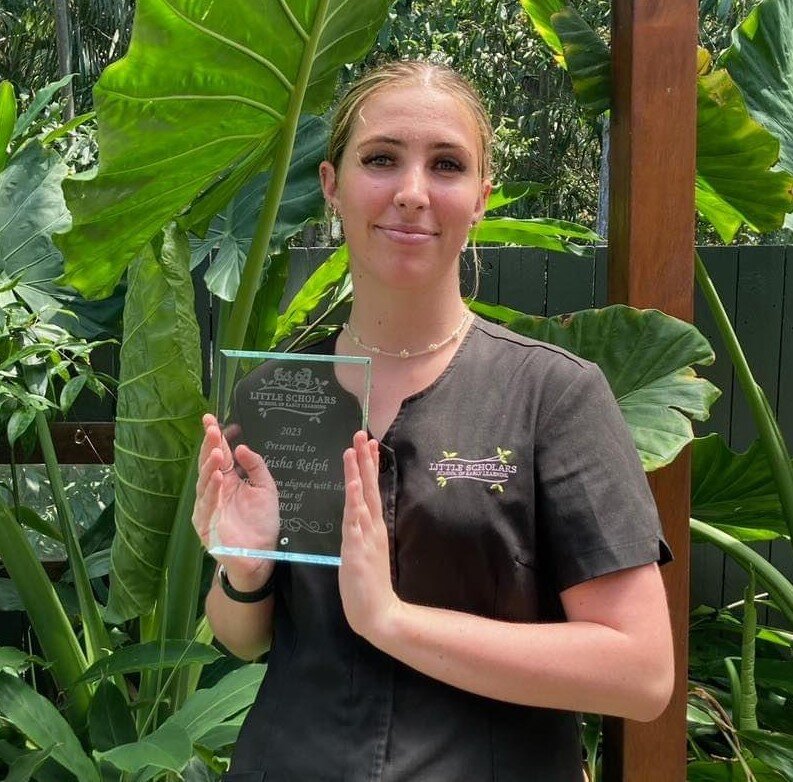
Grow – Little Scholars Pillar Award 2023
Learn more about Aleisha
Ellissa is a lead educator at our Ormeau Village campus. She was named winner of the Pillar Award in the Learn category because she stepped up to become a lead educator, and we’re told she is always happy to keep learning from her peers and further her education in the sector.
How long have you been an educator?
I’ve been an educator since I was 16, but even younger I was at my mum’s centre helping out wherever I could.
How long have you been with Little Scholars?
I’ve been with Little Scholars for about 18 months, since Ormeau Village opened.
What made you want to become an educator?
I think just having the inspiration of my mum being in that environment, seeing what she does, seeing how she helped shape the children, it made me want to do it as well. Just seeing how I could help children as well.
What did winning the award mean to you?
I’m always trying my absolute best to do the best possible work I can do, so it meant that someone else was seeing that, that it was appreciated. It’s made it feel worth it!
What do you like about working with Little Scholars?
Just the support and having the creative freedom to do things that I couldn’t do at other places. Like taking them on Bush Kinder adventures and all these other fun things they get to do that they may not have the opportunity to do anywhere else. And everyone at head office as well, like Susan, Mel and Jae-them being so active in our centre, that’s something I really appreciate as well.
On the quick move from an assistant educator to lead educator, Ellissa says:
The support I had helped me to grow so fast, because if I was somewhere else and didn’t have the support, I probably wouldn’t have become lead, but the support from everyone about what I could do, what I would have to do, really helped when I stepped up.
Ellissa is finishing up her studies with her Cert III, then she’ll be moving onto her Graduate Diploma.
From the award submission: Ellissa has stepped up into her Lead role during last year and we have watched her grow from assistant to well-deserved Lead and take charge in her space, leading her colleagues while taking feedback on board and striving to excel.
At Little Scholars, we have four pillars that underpin everything that we do at Little Scholars – for our children, families, educators, and our community.
As part of our annual awards, we have four awards dedicated to those Little Scholars’ values – learn, grow, inspire and contribute. This year, while our award-winning educators certainly personify all four pillars, but with their unique special skills and achievements, we’ve declared one clear winner for each pillar.
Ellissa at our Ormeau Village campus was named winner of the Pillar Award in the Learn category because she stepped up to become a lead educator, and she is happy to keep learning from her peers and further her education in the sector.
Ellissa is finishing up her studies with her Cert III, then she’ll be moving onto her Graduate Diploma.
From her submission: Ellissa has stepped up into her Lead role during last year and we have watched her grow from assistant to well-deserved Lead and take charge in her space, leading her colleagues while taking feedback on board and striving to excel.
Ella’s experience as a parent with a child at Little Scholars was actually the reason she became an educator herself! Ella is the recipient of an Inspire Little Scholars Pillar Award 2023.
Ella’s nomination
Ella is an educator with the Little Scholars Deception Bay campus, which recently was assessed Exceeding under the National Quality Framework for Early Childhood Education and Care.
In Ella’s nomination to us, it said, “Ella is an inspiration for all in the Deception Bay community. We had some outstanding feedback from the department through our assessment and rating process. Before the process even started, the assessor had mentioned the passion and authenticity observed in Ella’s interactions with our children, families and community. In the assessor’s words – ‘she could sit and watch Ella all day long.’ From one of Ella’s colleagues, ‘the educator she is, is who I aspire to be in my future teaching career. She is strong, but also so caring to each individual child.’
Jackie is an educator at Little Scholars Ashmore campus. In her first year working for us, she was nominated for a Pillar award!
Jackie’s nomination
Campus manager Elise said, ‘Jackie is our jack of all trades! Jackie fits many hats at our campus. From driving the bus to being in the studios to going on vacation care, she wears her many hats with a smile on her face. Her bubbly nature and willingness to help the team wherever needed is admirable. We appreciate her dedication and consistent contribution to the campus.
Aleisha has remarkable attributes and we’re told her growth as an educator has been propelled by her enthusiasm to contribute, learn and inspire her team and go above and beyond not only for children, but families as well.
I have been an educator since the end of January 2020. Prior to this, I was a trainee at Little Scholars Nerang since September of 2018 studying my Diploma.
Aleisha’s nomination
Aleisha at our Nerang campus was named winner of the Pillar Award in the Grow category because she’s grown from a trainee at the campus just a few years ago to now full time lead educator, her gentle touch, her willingness to inspire and help others, she was a clear choice for campus manager Renee.
Aleisha is no stranger to accolades, she won Educator of the Year – Peer Choice twice previously. Little Scholars was her first employer in her early childhood education career!
As Queensland, and Australia as a whole, takes baby steps to open to the world again after a challenging two years, Little Scholars School of Early Learning is taking big steps to ensure our children and our educators are as safe as possible as we navigate this new normal.
We want our families and our educators to rest easy that their health and safety are of the utmost importance to us, and we respect that our families and staff will have questions, especially as we see interstate and international visitors return to our cities. Here we want to answer your questions about how we navigate these next steps.
We have a detailed COVID-safe action plan that is continually reviewed as directed and advised by Queensland Health in the event a positive case is detected in one of our campuses.
We encourage all our staff to be fully vaccinated. It is mandated by 17 December that all Queensland early childhood educators and staff will have their first vaccination and are required to be fully vaccinated by 23 January. Currently, we have more than three-quarters of our team fully vaccinated, and we’ve always strongly encouraged all our teams to be vaccinated as soon as possible. We are offering support and help for those unsure to get the information they need so we can get 100% of our team vaccinated to ensure that everyone is safe, based on the health advice.
We’re now in the process of installing high-quality air purifiers in all our campuses, in line with our COVID-19 action plan and our commitment to the safety and well-being of all of our teams and children. Research published in The Journal of Infection Control and Hospital Epidemiology says the efficacy of portable air purifiers using HEPA filtration helped increase the clearance of aerosols. True HEPA filters remove 99.97% of ultra-fine dust and inhibit the spread of captured bacteria. These will be placed in our reception areas to assist in filtering air from external people entering campuses. In the event of illness or outbreak, these purifiers will be moved to studios affected.
During periods of outbreaks and suspected covid in the community, we limit the number of external visitors to our campuses. We offer foyer or car park drop-off and pick-up to prevent illness and outbreaks in the service and keep our children and educators safe.
Typically, any deliveries are dropped to the foyer/ front entrance as we are limiting the number of external people into our campuses. Trades and maintenance people are all required to attend out of hours. During periods of high risk or outbreaks, it is a requirement that external visitors are limited and if required to attend, must wear a mask.
Staff and children should not attend our campuses if unwell and we take illness very seriously. Of course, the way that children interact with each other and with adults in education and care services means that illnesses can quickly spread in a variety of ways. Children have close contact with other people through playing or cuddling, putting items in their mouths, and not covering faces when sneezing or coughing. We record the immunisation status of every child at our campuses and encourage staff to be up to date with all vaccinations. We also have the Public Health Unit attend our campuses each year to give flu shots to staff.
Our staff is trained to recognise signs of illness, but it’s a shared responsibility with our families to update each other if illness is detected. Whilst we are more alert to illnesses in children, we are seeing less illness currently and parents are being much more diligent with keeping children home if they are unwell which is a huge help in keeping our community well.
This has been an integral part of our learning program, including maintaining health and good hygiene habits, learning about viruses and disease, and what COVID actually is. We have needed to use real-life language and be frank with children as they try to understand the fear and uncertainty in the community, learning to communicate through masks and understanding the changes to “normal life” and how to process these changes.
Here are the main steps we take in the event of a positive case in one of our campuses.
If you have any questions that weren’t answered here, please contact your campus manager and they’ll provide those answers or find the required information for you.
You can help bring Christmas joy to vulnerable families.
We are collecting new gifts for children (aged 0-17 years), parents and caregivers. The gifts will be distributed by Baby Give Back to families doing it tough via their network of caseworkers during December.
Only NEW Christmas gifts can be accepted.
We ask that all gift donations be made by 10th December 2021
For little humans, small changes can feel big. When it comes to transitioning rooms in childcare, some children will be excited to be more like the bigger children, but change can be more of a challenge to others.
Moving up at Little Scholars means changes to routines, new educators but also new opportunities to play and grow! We don’t move a child without thoughtful consideration from your child’s educators, and without preparing your child for changes to come.
So, how do we prepare your child for transition?
Carissa Haycock, Educational Leader at our Yatala campus, says this is something she’s very passionate about.
“Transitioning between rooms at our campus focuses more on a developmental/wellbeing factor than solely the children’s age,” Carissa says.
Some of the considerations taken whether to move a child or not include:
Educators do a lot behind the scenes, Carissa says, to make transitions or considerations of transitions smooth. Educators at her campus prepare ‘Transition Letters’ for the educators in the next studio so they are aware of the child’s strengths as well as any special requirements.
They also provide the child ‘play dates’ in the studio to introduce them to their new educators and children, but visits are staggered for different periods of the daily routine before spending a full day in the new studio.
She also says educators can go and visit them while they’re on their play dates to see how they are going. Being excited for them and getting them to show their current educators something they have done or ask them about what they like about it can go a long way.
But Carissa says they also need to be aware if the child becomes upset, to bring them back to their familiar studio. We want the transition to be a positive experience for them and it’s not worth them being overwhelmed and remembering that the next time you take them in there…and they will remember!
Educators will often send the families updates on Kindyhub during the day letting them know how the transition is going. She says it’s helpful to include other children’s names and as well as their new educators’ names so the parents can talk about it with their children.
What can parents do it make it a smoother transition? Here are Carissa’s top tips:
Carissa also recommends not projecting any hesitations you might have about transitioning rooms on your child.
“It’s understandable for you to be worried about the transition but try not to talk about it in front of your child,” Carissa says. “Even if you think children aren’t listening, they could be, and they will often play on your own insecurities/worries.”
Your child’s needs will always come first at Little Scholars. Our first priority is the growth and development of your child. We nurture, teach, and guide your child to developing all the skills that will allow them to succeed in life, and we will support them every step of the way so they will flourish while they’re in our care.
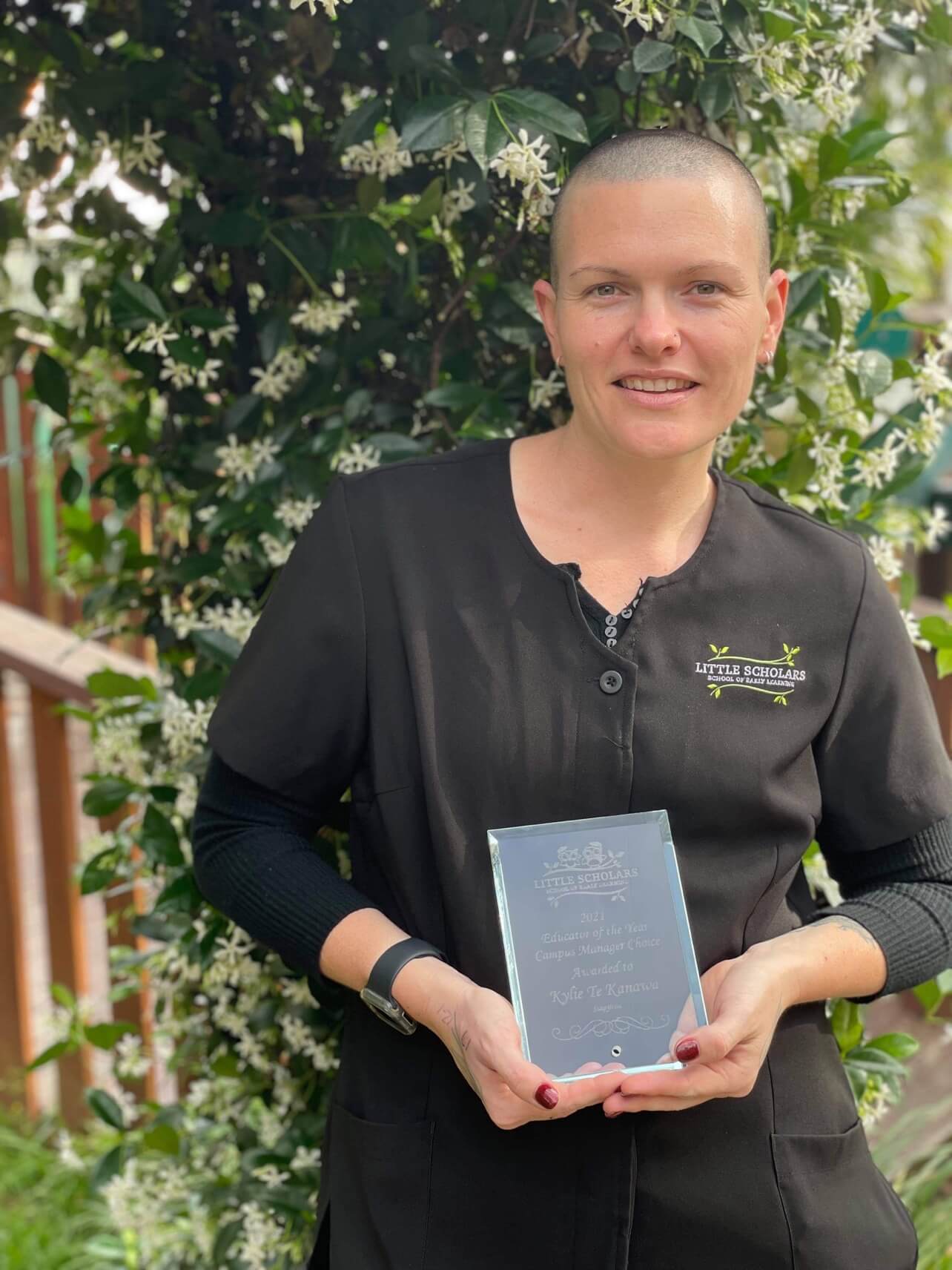
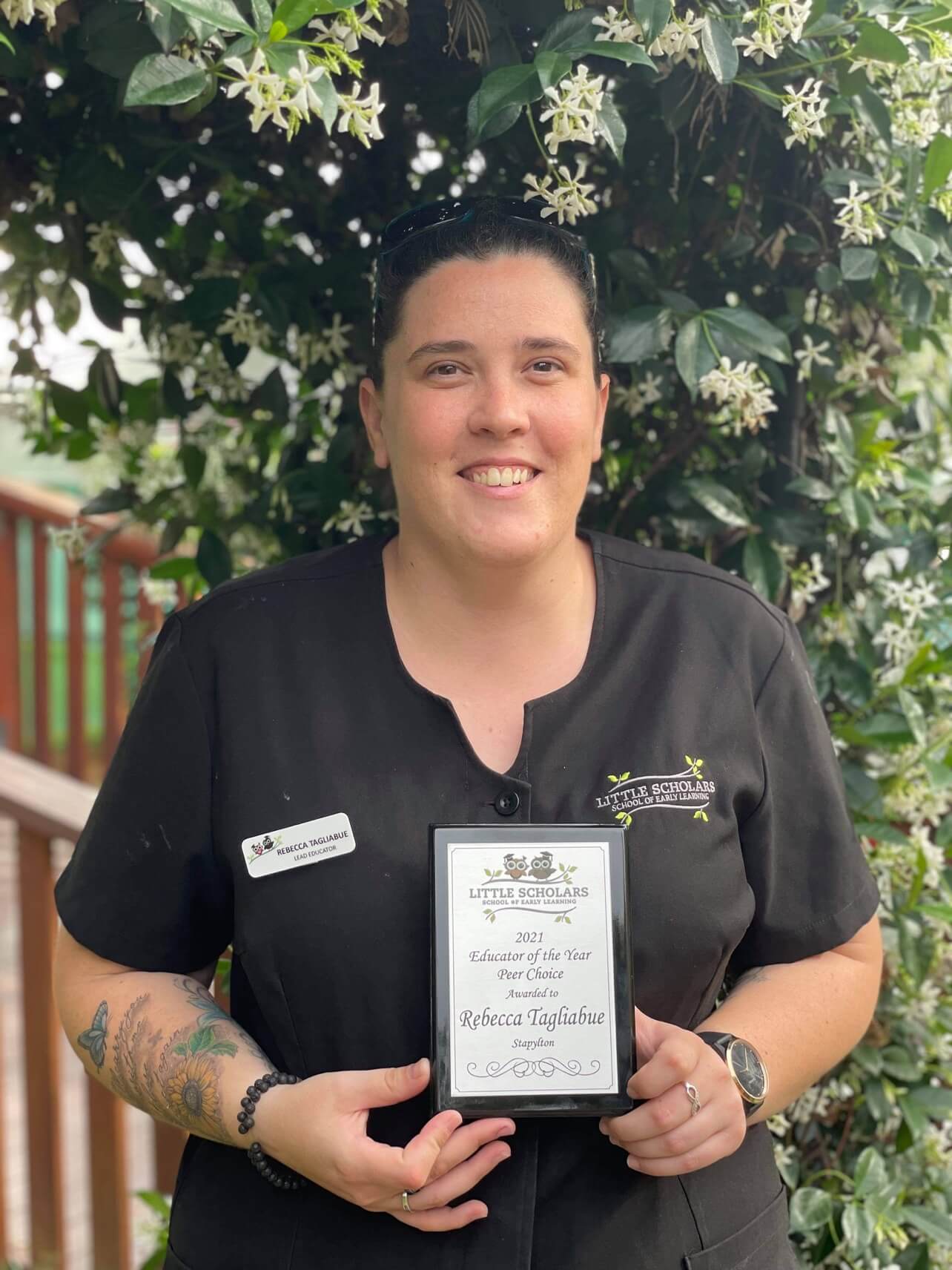
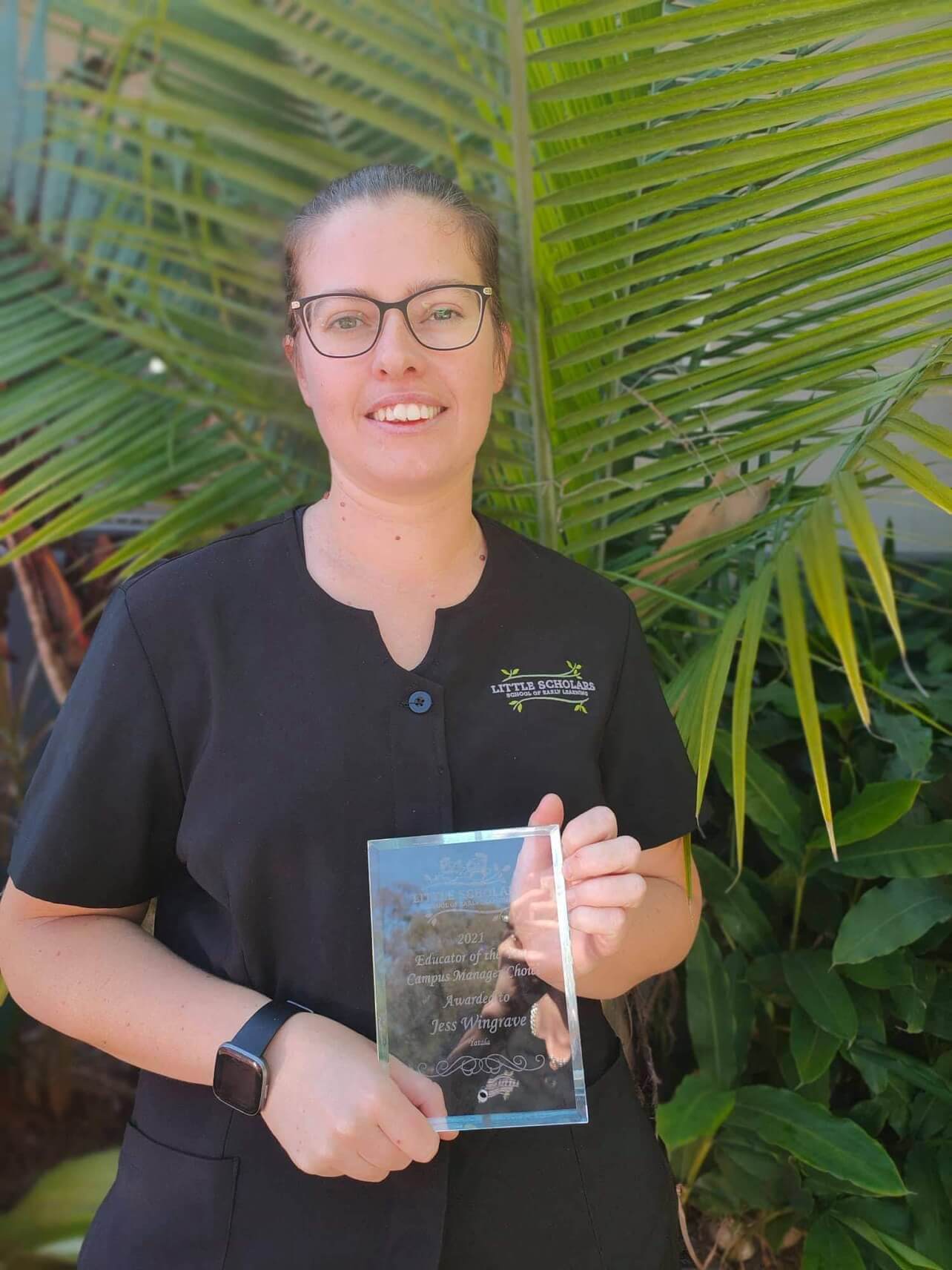
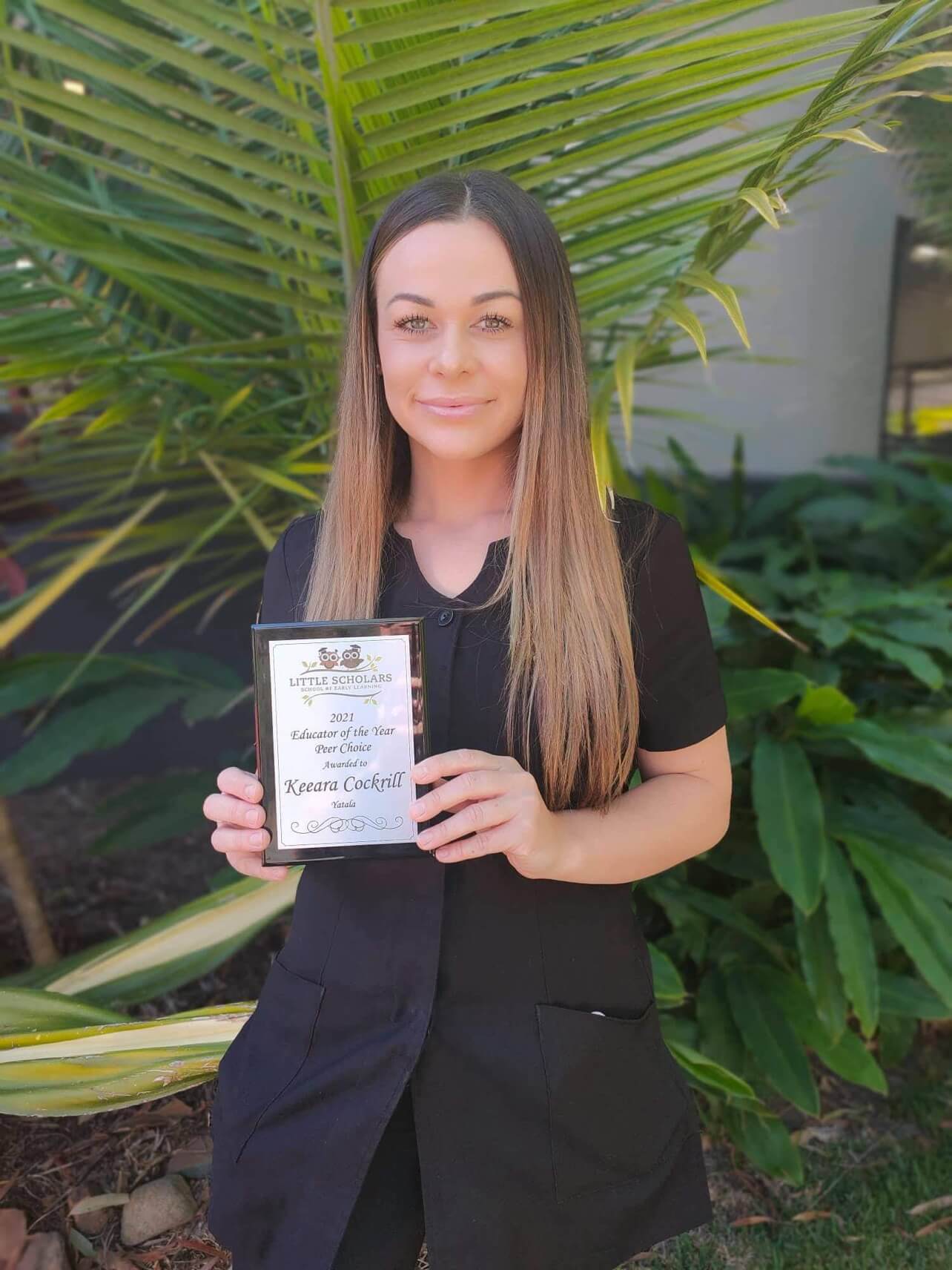
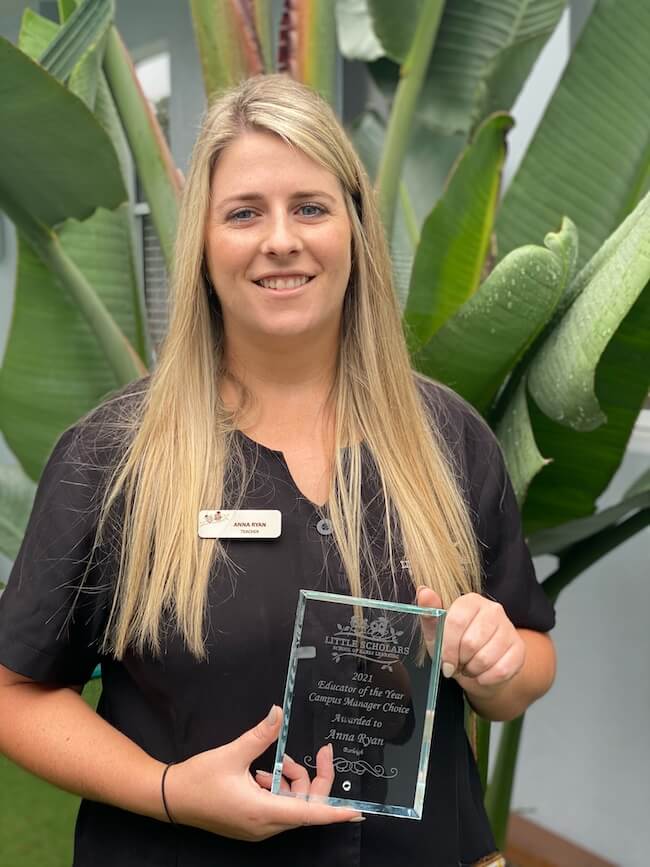
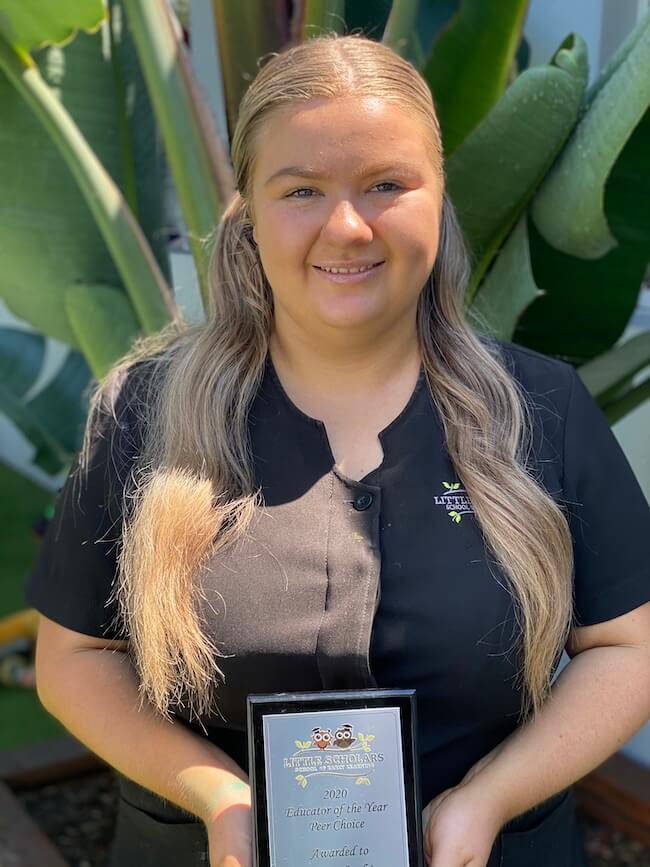
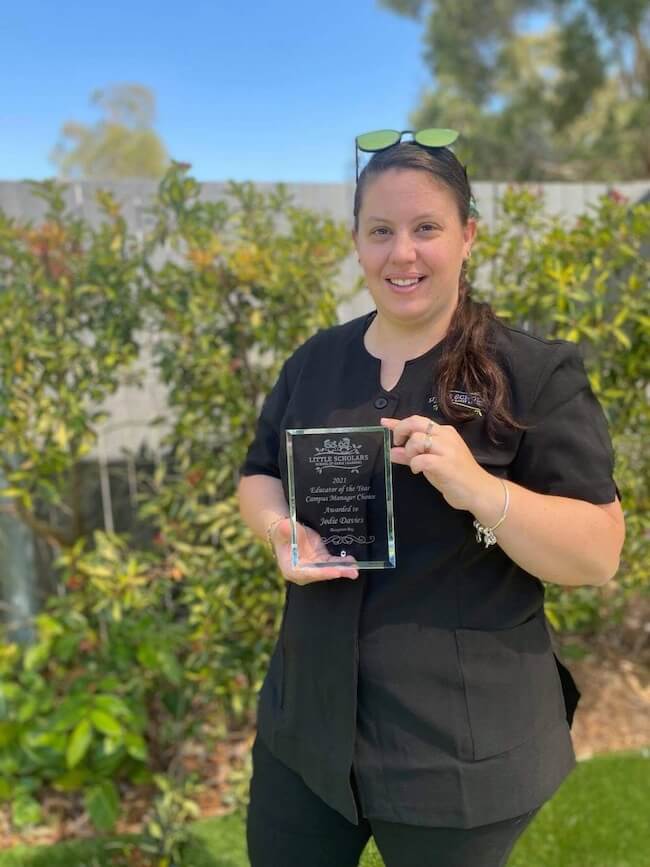
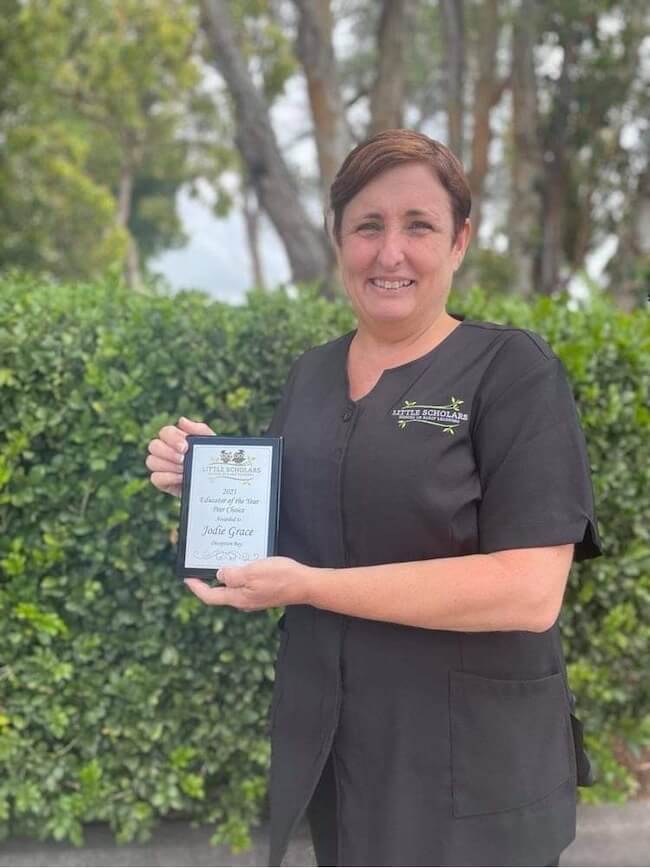
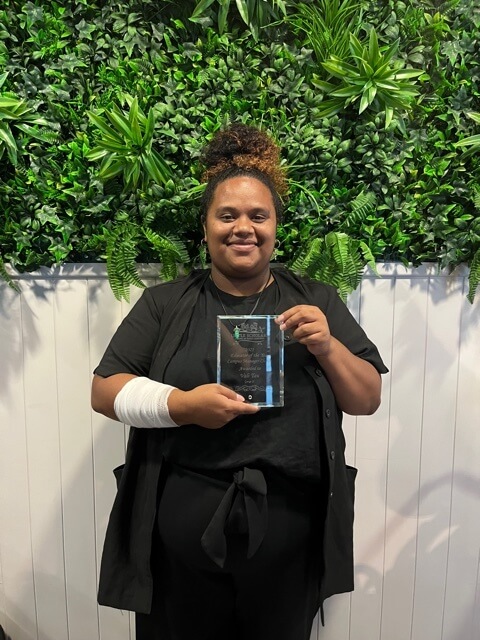
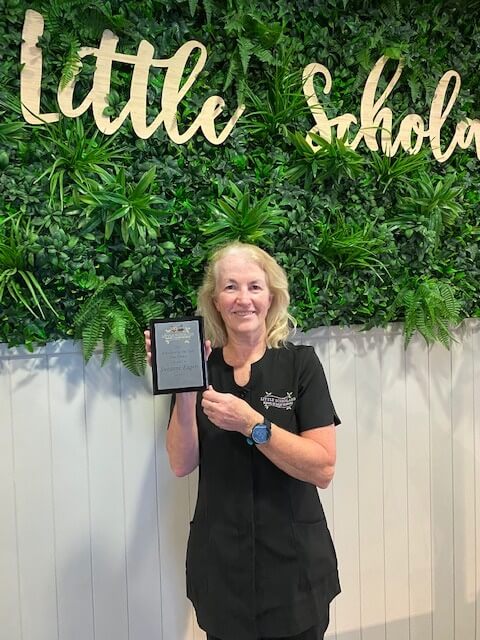
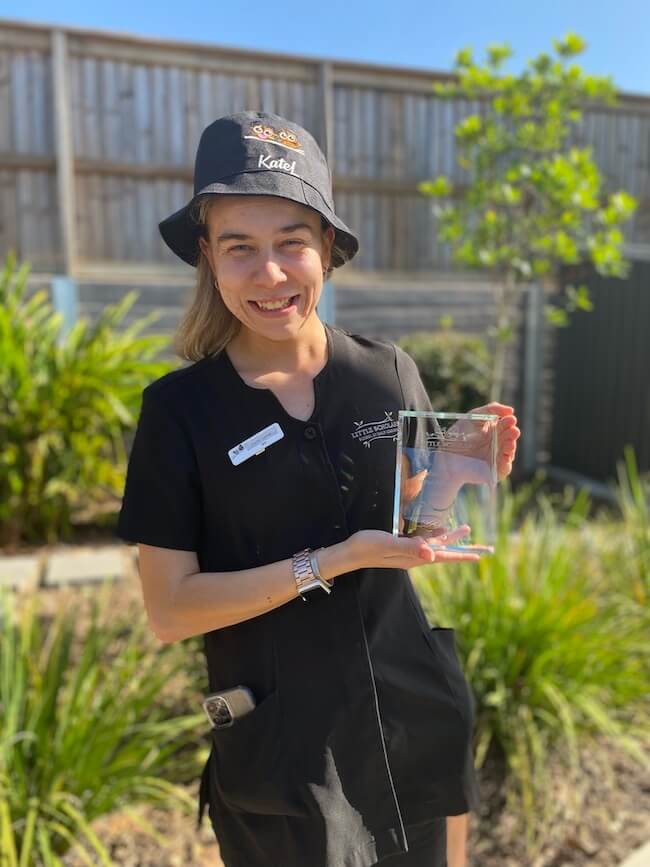
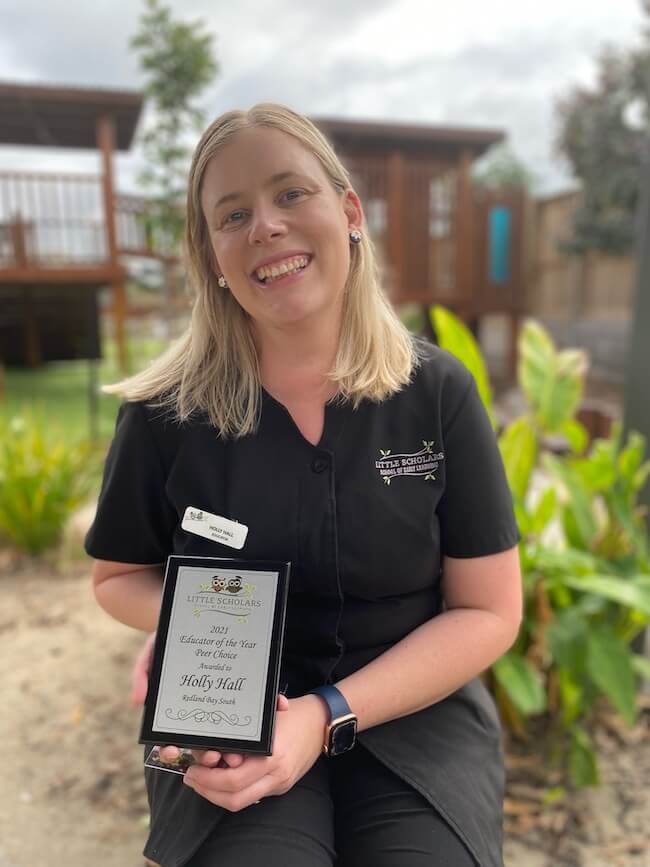
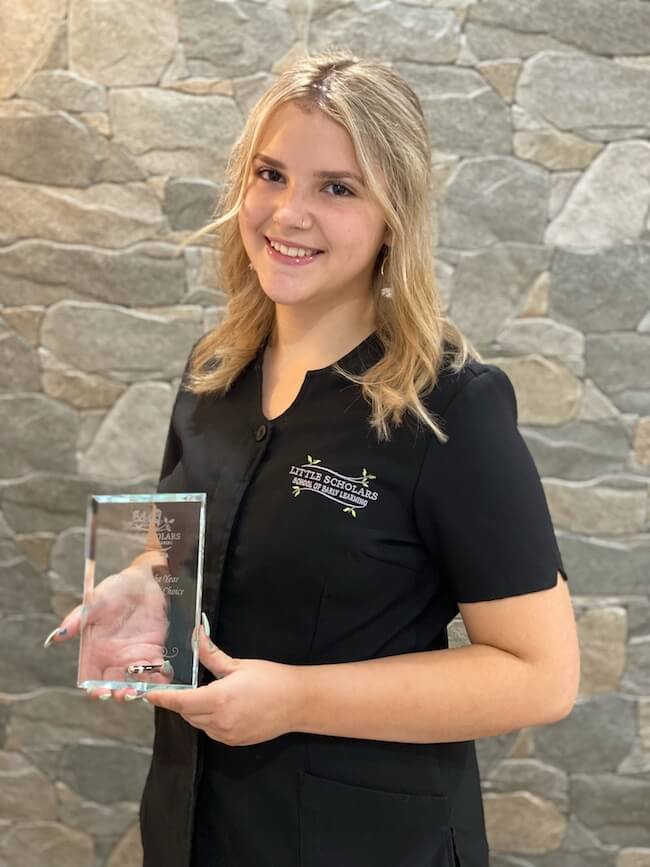
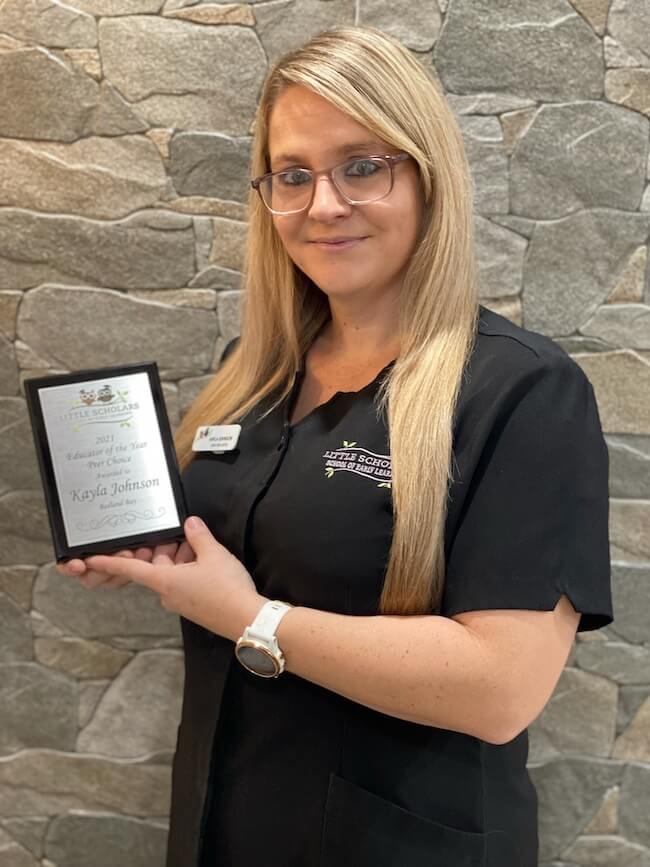
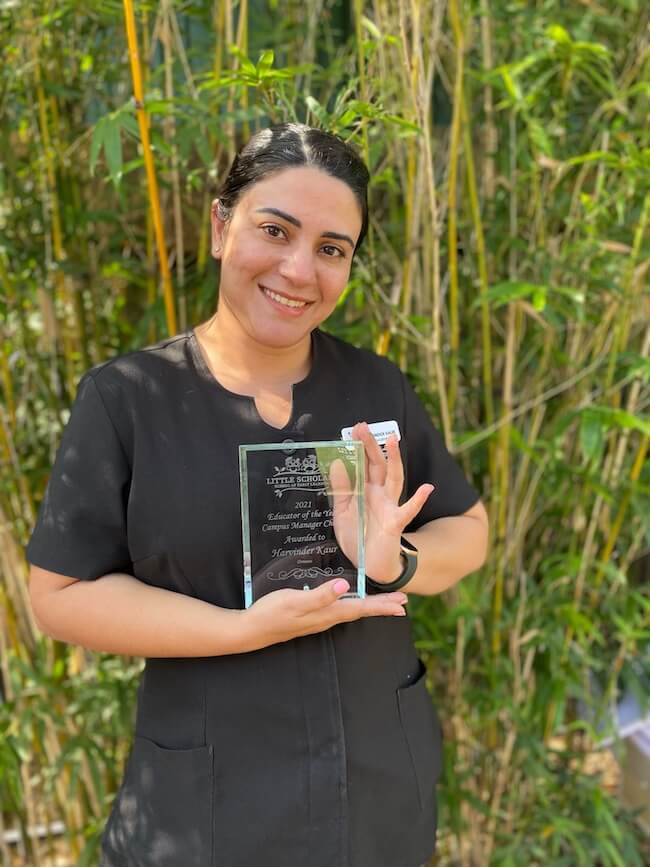
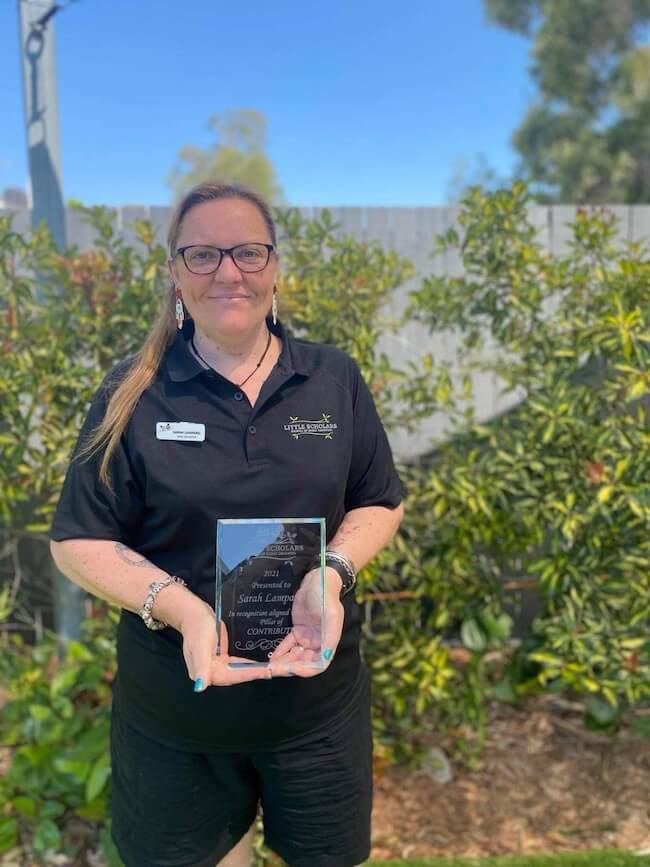
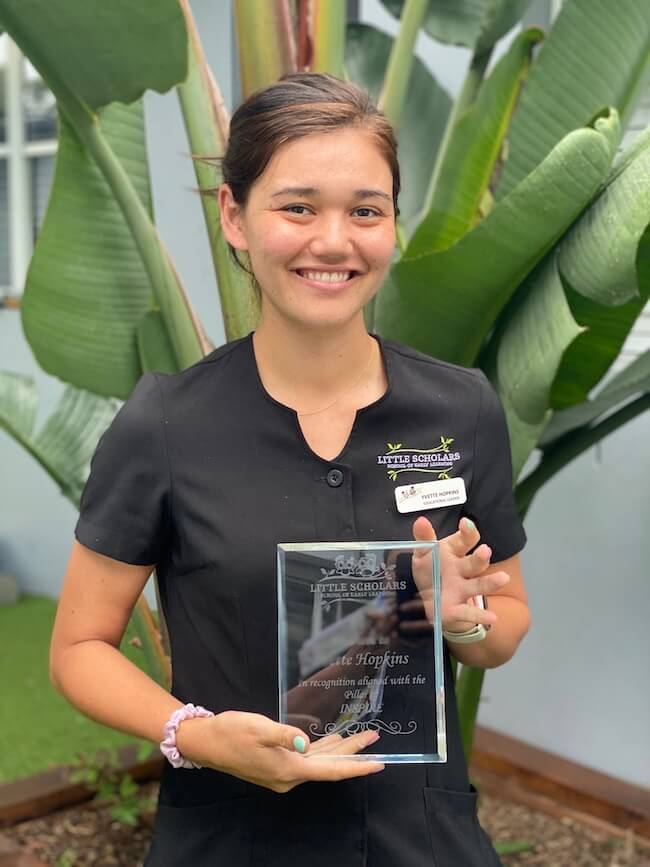
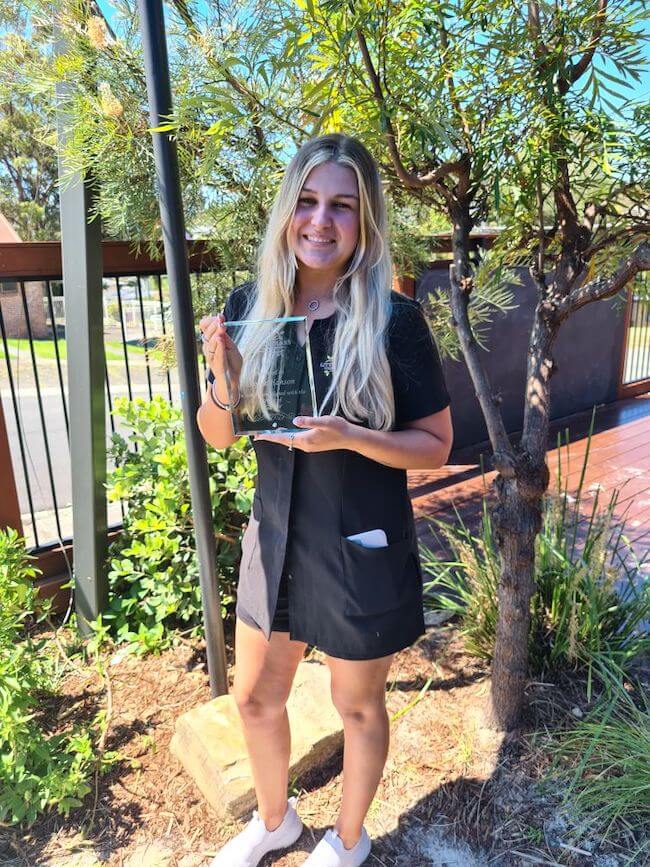
We have the very best early education educators at Little Scholars School of Early Learning. It’s our great honour to present our 2021 Little Scholars Employee Award winners. 🎖
These outstanding recipients have demonstrated their dedication, commitment and have gone above and beyond this year with fellow educators, children, and parents.

Let us hold your hand and help looking for a child care centre. Leave your details with us and we’ll be in contact to arrange a time for a ‘Campus Tour’ and we will answer any questions you might have!
"*" indicates required fields
Let us hold your hand and help looking for a child care centre. Leave your details with us and we’ll be in contact to arrange a time for a ‘Campus Tour’ and we will answer any questions you might have!
"*" indicates required fields
Fill in the form to join your local Pram Pals mums and bubs walk