












While it feels increasingly common, when the news cycle often brings unsettling stories into our homes, it can be tough for parents to find the right approach to discuss such events with their young ones, or even know if they should. Here we share some thoughtful strategies to help you navigate these challenging conversations, ensuring you, and your little ones, feel secure and supported.
How to navigate this news with the family can depend heavily on the age and maturity of the members.
During a time in which the news may make us feel defeated and deflated, or fearful and stressed, we hope we can support parents in addressing global events sensitively and thoughtfully, especially important given that young children are always looking and listening.
Young children’s exposure to news should be limited, according to experts. This can be done by turning off the TV during news broadcasts and restricting children’s access to your social media channels to shield them from disturbing images. It’s also advisable to limit discussions about frightening events around young children, saving such conversations for after they’ve gone to bed. While some exposures may be unavoidable, these steps help protect your little ones from unnecessary distress.
For small children, they may not be able to verbalise their feelings, so in times of stress, or if you think your child may know what’s going on in the news, be attuned to any changes in mood or behaviour. These changes in your child could include:
Start by gauging what your little ones already know about a current event. For school-age children, inquire about their knowledge from school or social media. It’s important to consider the developmental stage of your child, as younger ones may struggle to distinguish fact from fantasy, typically gaining this ability around the ages of seven or eight years.
If your child shows disinterest or reluctance to discuss the event, respect their feelings and try avoid repeatedly pressing them further, but remind them you’re always there to listen or even just when they need to cuddle.
Be present for your child and prepared for questions. When addressing questions from children, it’s important to be honest yet selective about the details you share. Aim to alleviate fears and provide reassurance to your little ones because you’re their safe place. Listen attentively to their concerns, especially after distressing news events. Address any fears about personal safety by being present during this time and don’t dismiss your children’s fears and concerns.
It’s perfectly acceptable to admit if you don’t know an answer; take it as an opportunity to explore the answer together using age-appropriate resources.
Meanwhile, keep monitoring what your child is watching and limit repeated exposure to potentially distressing news, as the repeated exposure during these 24-hour news cycles can drive a child to dwell on what they’ve seen and heard.
Some adults may remember American children’s TV star from the 1970s and 80s Fred Rogers, who once shared advice that still could be applied today. He said, “When I was a boy and I would see scary things in the news, my mother would say to me, ‘look for the helpers. You will always find people who are helping.’” If children hear about a car accident, talk about the brave bystanders and paramedics who quickly arrive on the scene. If they hear about war abroad, you could about all the ways people come together to help those in need – providing aid, opening their homes, and raising money. This could and should segue into a conversation about how as a family you could help people who’ve experienced adversity or traumatic situations, like a house fire or homelessness.
Appropriate age-language is important here, because young brains just aren’t developed enough to understand some of the harsh realities of the human experience. Even something simple like using the verb ‘hurt’ rather than killed, murdered, stabbed, etc all of which are verbs that could scar young children.
Sarah Bergman, a psychotherapist with Counselling on the Coast, says parents should also be aware of their own conversations, actions and moods, because children can be very attuned to their parents. She agrees that if parents are noticing changes in their children, they should provide a little extra care and attention, but says they should mindful of giving over-the-top anxious attention as this can further little ones’ worries.
“It may just be that parents provide more presence to their little ones at this time, allowing opportunities for anything that needs to emerge and it may just be a little bit longer snuggle at bedtime, where they integrate a felt sense of warmth and safety, that all is ok in their little worlds with mum and dad as their protector,” Sarah suggests.
Finally, if you’re concerned about your child, this is a conversation to have with early childhood educators and your Little Scholars campus manager. We’re on your family’s team, so please tell them about any behavioural changes you’ve noticed, what you’ve done at home and what your wishes are for while they’re in childcare.
Our educators have been trained in trauma response and can even offer insight into your child or suggestions on how to further navigate the difficult feelings they may be experiencing.
Disasters, the media and your child
Each child comes into the world with a unique temperament, or personal way of engaging with their surroundings. One key aspect of this temperament is how a child reacts to new experiences and people they haven’t met before. While some children are naturally at ease and dive straight into unfamiliar settings, others are more reserved and require additional time and support from attentive adults to feel secure in new situations.
We’ve all encountered them, the little ones who hang back a bit, observing the world from a safe distance before stepping in. Perhaps they clam up and don’t say a word, even when they’re encouraged to say hi. Whether it’s at a family gathering, coming to Little Scholars for the day, a playdate, or even in their own home, these children often take their time to warm up to both familiar faces and new acquaintances. While it’s easy to label them as ‘shy,’ ‘reserved,’ or even ‘standoffish,’ these terms can be misleading and, at times, unfairly stigmatising. The implication with terms like these often is that there’s something wrong with the child or some problem they need to outgrow.

Understanding the nuances of a slow-to-warm-up temperament is crucial, not just for parents but for anyone who interacts with children. These children aren’t necessarily shy or unsociable; rather, they have their own unique way of engaging with the world around them. And contrary to some misconceptions, their reserved nature isn’t a sign of rudeness or obnoxiousness. These children simply need time to observe a situation, time to figure out how things work, space to decide whether they feel comfortable with someone, and respect for their right to move at their own speed. In fact, if they feel pressured to change, then they can turn into shy people, as shyness often is based in a fear of being judged negatively.
Research tells us the brain grows tells us that children learn best when they feel safe and relaxed. Feeling safe helps their brains become more flexible, making it easier for them to learn new things. On the other hand, stress and worry can make learning more difficult. So it’s important to create safe and comfortable spaces where children can focus on learning. For all the reasons above, children who warm up to others gradually are precisely those who could benefit the most from a little extra understanding and support from parents, caregivers, and other trusted adults in their lives.
One American study evaluated the usefulness of slow-to-warm-up temperament as conceptualised by Thomas and Chess in predicting child and maternal parenting behaviors, with a particular focus on its conceptual link to child inhibition. The study included 1,072 mothers and their children in the NICHD Study of Early Child Care and Youth Development. The study found that slow-to-warm-up temperament in infancy did predict later inhibition. Specifically, ‘shy’ toddlers whose mothers are overprotective or overly forceful demonstrated more inhibition in childhood than shy toddlers whose mothers do not demonstrate such parenting styles. The study also found that maternal sensitive and stimulating/supportive parenting was associated with less shyness in early childhood for children who were slow-to-warm-up in infancy.
It also found slow-to-warm-up infants with high quality interactions with their mothers may be less likely than slow-to-warm-up infants with low quality interactions with their mothers to demonstrate inhibition in early childhood. So while it may be hard for parents who are not slow-to-warm up themselves to understand their child’s feelings, it’s important for them to understand what their child needs to feel comfortable. The style of parenting used with a slow-to-warm up child can affect them long into childhood and beyond.
So, how can we create an environment that not only respects their natural disposition but also empowers them to overcome feelings of anxiety or discomfort? How can we help them muster the courage to engage more freely with others, enriching their social experiences and emotional development?
Children who are slow to warm up often feel more at ease when they know what’s coming. This could be anything from going to a friend’s birthday party to a visit to the dentist. You can help them get ready by:
Before going into a situation you suspect might be hard for your child to warm up, prepare them for what they can do when they get there by saying something like, ‘when we walk in, it may feel like a lot of people are there, when everyone comes to say hi, if you’re not ready, you can smile and wave.’
When in the moment where your child is still assessing the situation they’re in, you could say to your child something like, ‘You don’t have to answer, but if you want to, here’s a game. If you’re having a good time at this party, touch your nose, if you’re not, stomp your feet!” This helps warm the child up without feeling like they have to speak and help them get past the feeling of ‘freezing up’ and you might even get a smile out of them.
Being someone who is a little more gradual in building comfort around others is not a negative trait, and it shouldn’t be treated as such. Children who are slow to warm up possess a unique set of strengths that make them truly special. Not only are they keen observers, picking up on nuances that might escape others, but they also demonstrate exceptional impulse control, carefully considering their actions before taking the plunge.
While they may have a selective circle of friends, their loyalty to those with whom they connect is unwavering. Their empathetic nature allows them to tune into the feelings of others, making them excellent listeners and compassionate companions.
Once they find their comfort zone, these children are every bit as joyful and adventurous as their peers. Additionally, their cautious approach often makes them excellent problem-solvers, as they take the time to assess situations thoroughly. Their introspective nature also lends itself to deep thinking, allowing them to engage meaningfully in activities and conversations.
There’s an opportunity there to lift up the cautious child as you observe them in these situations. Maybe by telling them you admire how they read the room before they move forward, or highlighting when they took a big step of approaching someone first, then asking them how they felt afterward. This shows your child you’re always in their corner, and helps them build up those feelings of safety and confidence.
Kristen, a lead educator in the early learner studio at Little Scholars Pacific Pines, says that building relationships through play is key, especially when a child starts with us for the first time.
“Play is the language of children,” Kristen says. “We are always on the child’s level offering support and companionship without expecting them to return or respond immediately. Through observations and learning stories we share how we celebrate even the smallest achievements such as a child engaging in a group activity alongside peers.”
Kristen says family involvement is really important, as our families know our little scholars best.
“We remember that every child is unique, and the key to helping slow-to-warm-up children is individualised attention and care. We work closely with families to bring children’s interests and special talents from home into their Little Scholars environment.”
Raylene, lead educator at our Yatala campus, agrees.
“One of the most useful, however overlooked strategies that I’ve used in my time as an educator is to build strong relationships with parents. When children see their parents positively engaging with a person, they begin to see that person as someone they too can connect with. Having a good relationship with families also provides the platform to initiate open, meaningful and welcomed communications whether it’s light social banter or a need to develop collaborative care strategies for their child.”
Ray also says it’s important for educators, parents and other people who interact with children to attune themselves to the child’s temperament.
“As educators it’s crucial to ensure that we are attuning to the children in our care at every stage of their life so they feel recognised and supported to become the capable little humans they were born to be at a pace that is natural for them.
“We can do this by being intentionally present in our interactions, which in turn gives us the opportunity to identify their emotional cues whether it’s from their words, behaviours or body language. We can continue developing this safe space for children and support them to feel seen, heard, understood and validated by ensuring we are genuinely responsive; actively listening to them and addressing their need in a way that allows them to feel content. It’s about not only recognising, but facilitating for each child as the individuals they are to build a trusting relationship and safe environment.”
Understanding and supporting children with a slow-to-warm-up temperament is a collective effort that involves parents, caregivers, and educators. At Little Scholars, we’re committed to creating an environment that respects and nurtures each child’s unique way of engaging with the world. By taking the time to understand these special little ones, we can help them flourish, turning their cautious observations into confident explorations. Rather than treat your child’s temperament as something that should be excused or apologised for, we should celebrate the strengths of these thoughtful, empathetic, and deeply introspective children, and offer them the understanding and support they deserve. After all, they might just be the careful thinkers, loyal friends, and compassionate leaders of tomorrow.
Have you ever wondered how the books your children read can influence their growth and development? If not, you’re not alone, and it’s never too late to start paying attention. As parents, we all wish for our children to grow up as thoughtful, intelligent, resilient, and kind individuals. Regardless of their gender, we want to create equal opportunities and experiences that will shape their future through formal education and into adulthood. At Little Scholars, we understand that our actions today in educating and caring for children have a profound impact on the future, no matter how big or small they may seem, and that includes the books we share.
There’s been a lot of research looking at how children’s books portray gender identity and equality. For example, a recent 2021 study titled “Gender equity in early childhood picture books: a cross-cultural study of frequently read picture books in early childhood classrooms in Australia and the United States” dug deep into the representation of gender in commonly-read picture books across eight early learning centres in both countries. The study involved 44 educators and 271 children, and its findings shed light on the impact of gender bias in literature on young children.
The research revealed that gender bias in literature such as picture books can have significant effects on children’s beliefs and attitudes. Boys may develop a sense of entitlement, while girls’ self-esteem and occupational aspirations may suffer. As well, these books can inadvertently teach children that girls are of lesser value than boys. Even a 2016 report by UNESCO found persistent gender bias in textbooks, which can negatively affect girls’ motivation, self-esteem, and participation in school, possibly limiting their career expectations.
The study carefully examined the themes and messages conveyed by the books (not named), both overt and subtle, in relation to gender and gender roles. It considered language, illustrations, emotions, attitudes, needs of characters, as well as activities, roles, and relationships portrayed in the stories.
The researchers looked at the use of gender-specific or neutral names, pronouns, and labels, along with language related to characters’ roles, appearance, occupations, and personality traits. For instance, females may be described or portrayed as beautiful, nurturing, or dependent, while males are shown as powerful, clever, or independent. They also considered the clothing worn by characters, their positioning on the page, and the activities they engage in were also analysed. These aspects contribute to shaping the image of gender roles in children’s minds. The study examined how female characters are often portrayed as passive, emotional, and dependent on males to solve problems, while male characters are shown as strong and competent. The portrayal of characters within a family dynamic was examined, including the division of household and career responsibilities between genders.
Another study, Children’s Book Illustrations: Visual Language in Picture Books, includes a section that discusses character development through illustration, and touched on character’s gender preference. While one study referenced from 2011 revealed male characters outnumbering female in picture books, some illustrators who were interviewed stated that about 20 years ago, the situation was reversed and there was a significant push for including more male characters into picture books to encourage boys to read more.
If this has you thinking about some of the books, often classics, that you have in your home and that you’ve read with your child, we don’t want you to feel guilty as you view them with a new lens! The next time you read them, it’s an opportunity to have a discussion about the book – why you love it, perhaps what might be outdated thinking, and that can spur on some wonderful conversations about gender equality that would serve boys and girls well.
It’s not all doom when it comes to children’s literature and the effect they can have on children! In recent years, there has been significant research and evidence that shows how children’s books that empower young girls can have a positive impact on their development and self-esteem as they grow. Here are some key points supported by research:
By bringing empowering children’s books into their ‘reading diet’, parents, educators, and caregivers can play a huge role in shaping the confidence, aspirations, and character of young girls. These books have the potential to leave a lasting impact, contributing to a more empowered and equitable generation of women in the future.
There are so many wonderful books that do support female positivity, gender equality and encourage young girls to break any glass ceilings that get in their way. But, we encourage young boys to enjoy these books, and parents to have similar conversations with all children – we can’t change the future without acknowledging the past and making change now. Here’s 10 empowering books we’ve chosen, but please let us know if there are more you think we should have in our campuses! (and where we could, we’ve linked to Gold Coast and Brisbane Libraries!)

Cloudette by Tom Lichtenheld
Sometimes being small can have its advantages. But what about when you want to do something big, like help a giant garden grow, or make a brook babble? This charming book gets at the heart of what it means to make a difference no matter your size. Young children will find much to relate to as they follow Cloudette on her pursuit for greatness.

Dear Girl by Amy Krouse Rosenthal and Paris Rosenthal
This book serves as a love letter written for the special girl in your life; offering a gentle reminder that she’s powerful, strong, and holds a valuable place in the world.

Ada Twist, Scientist by Andrea Beaty
Ada Twist is a story about the power of curiosity in the hands of a child who is on a mission to use science to understand her world. This book is a celebration of STEM, curiosity, perseverance, and passion.

Rosie Revere, Engineer by Andrea Beaty
Ok, we couldn’t choose between these two Beaty books. Both scream ‘you can do anything’ which is exactly what we want our children to believe after reading books. These books, besides their important messages, also have great flow, rhyming and expressions, making them fun for parents to read out loud (over and over)

Malala’s Magic Pencil by Malala Yousafzai
Malala Yousafzai, the youngest recipient of the Nobel Peace Prize shares a story from her childhood in Pakistan that shows younger readers the world view that allowed her to hold on to hope even in the most difficult of times

Mae Among the Stars by Roda Ahmed
Inspired by the life of Mae Jemison, the first Black woman to travel in space, this beautiful picture book will encourage young girls to reach for the stars, to aspire for the impossible, and to persist with childlike inspiration

You’re Fabulous As You Are by Sophie Beer
This new book celebrates gender expression in all forms, whether it’s wearing sparkly tutus or stomping around in big black boots, to having messy fun or needing quiet time.
You’re Fabulous As You Are tells children it’s okay to choose any colour or change your mind, and encourages them to be completely and unashamedly their fabulous selves.

Her Body Can by Kate Crenshaw
Her Body Can is a book of self-love and body positivity declarations for all young girls. Its aim is to encourage our young girls to love themselves and their bodies for exactly who and what they are.

Someday by Alison McGhee
Someday is the story of what every mother wishes for her child: a chance to live life at its fullest to experience great joys, to stretch, to grow, to understand sorrow, to have a future to have a someday.

The Wonderful Things You Will Be by Emily Winfield Martin
From brave and bold to creative and clever, this book celebrates all personalities and their potential.
As parents, educators, and caregivers, we can choose books that promote equality and challenge gender stereotypes. By offering children a diverse range of literature, we can empower and encourage them to become open-minded, respectful, and compassionate individuals. At Little Scholars, we are committed to fostering an inclusive environment and nurturing a generation that values equality and embraces each person’s unique potential.
Further research
Teaching a small child self-respect, to find and use his or her own voice can be one of the most valuable lessons you share as a parent or special adult in that child’s life. When children can speak up for themselves, this will help them in every aspect of their lives, for the rest of their lives. Having the ability to use their voices, they’re able to command respect, protect their feelings and their bodies, and increase their confidence in their ideas, their relationships and in various social settings. There are several facets to teaching a child to use his or her voice.
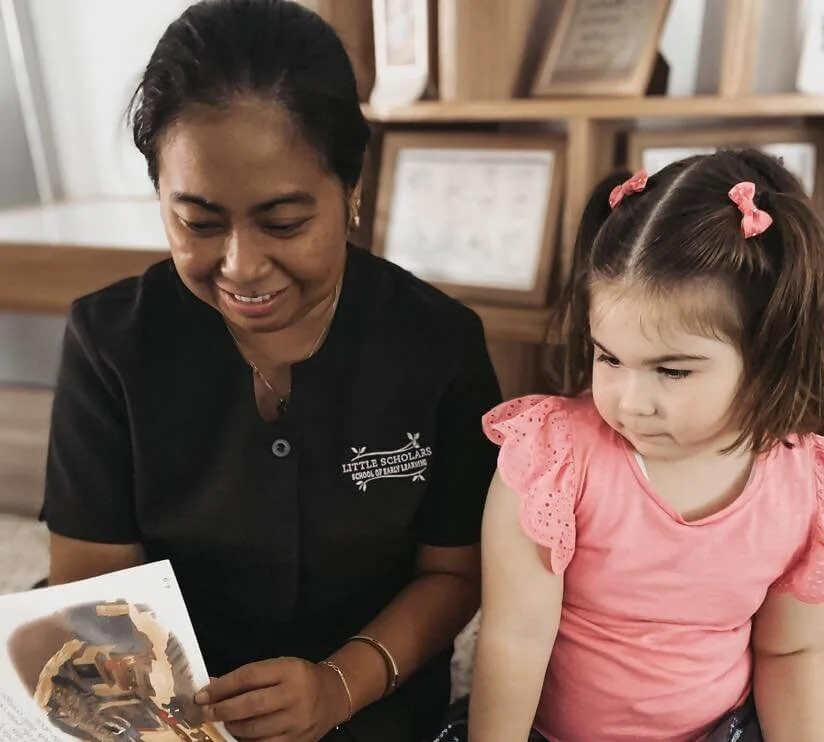
Allow your child to make choices about his or her body. You can start by allowing them choices on what to wear, and checking with them if it’s ok to help them dress or undress. This is the beginning of teaching your child about consent, even if he or she is a baby. Loved ones can also model consent by asking, ‘May I pick you up?’ or ‘May I give you a hug?’ and in the bath or nappy changes, asking permission before you clean or wipe your child in private places. Those conversations can lead to discussions about appropriate versus inappropriate touching, and even little children should expect to be asked permission from anyone who comes into contact with them. Even if they’re your children and you’ve been looking after them literally since day one, you’re showing them you respect their body by asking first.
This is the same in our campuses. It’s our policy to maintain the rights and dignity of the children, that includes in terms of nappy changing and toileting, so we try to provide privacy where possible from everyone in our campuses. Our educators are all trained in respectful care, and host not-for-profit visitors such as Bravehearts, who teach children about advocating for body safety, yes and no feelings, the difference between parents, trusted adults like doctors or educators looking after their bodies, versus strangers and unsafe adults.
We recommend teaching children young the proper names for their body parts and use them any time you are talking about them. When they’re first learning to speak, this can be a great bathtime conversation as you point out the names of various body parts. Keep any cringing when talking about body parts to yourself. The sexualised nature of private body parts — giggling or shame when talking about them — that’s adult stuff that we don’t need to put onto children.
“I teach my children “Your body belongs to you and you only” as well as naming their correct private parts which are theirs only,” says Holly, a lead educator in the Senior Kindy studio at our Staplyton campus. “Children really need to be educated about body awareness/safety.”
Why is teaching them proper names so important? Getting used to these conversations young can reduce embarrassment, something unnecessarily expressed by many adults and in previous generations, and establish ongoing communications with children about sex/sexuality. But most importantly, this educates and empowers little ones about their body safety, and research shows this could protect them from predators.
Explain to your child that nobody is allowed to touch our private parts unless it’s for hygiene or medical reasons and that people who have to come in contact with your child’s private areas have to ask permission first. But while there’s no shame in their bodies, they should also know there are parts of the body that are private and have it explained to them those parts are just for them.
Holly says additionally, they have conversations with the children with scenarios about stranger danger and the steps they need to remember in case anything like that happens. They also have conversations about who the children name as their ‘safe people’.
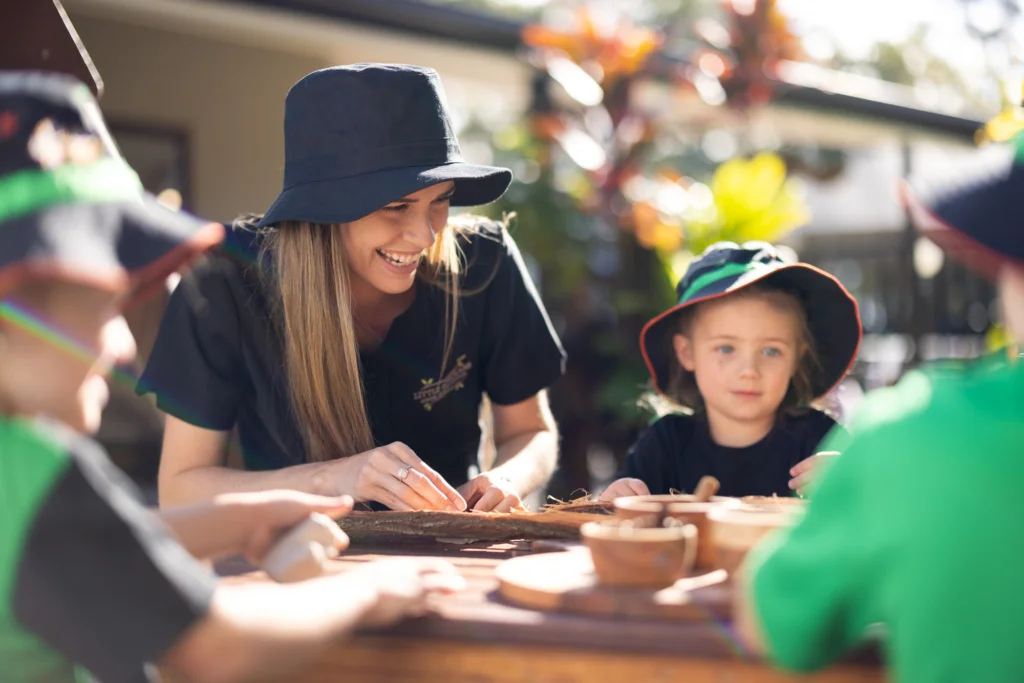
There are lots of ways to show children respect, and it’s important when you expect them to respect others. Try to refrain from talking about your child, especially in front of them, to others, or be mindful of what you do share. This shows your child you respect his or her privacy. You may remember a time when you were younger when a parent or someone you loved shared a story that embarrassed you – even as an adult, you remember. Your child could too. Before you tell a story, ask yourself how they’d feel about you telling it.
In our increasingly digital world, this also goes for sharing everything about them on social media. Once it’s online, it’s there forever. Even if it in theory disappears after 24 hours, screenshots can be taken. That also goes for other people’s children – other parents may not want them on social media, so keep online sharing to your own children. Consider what you are posting, would your child want to have a picture for the world to see of themselves on the potty or with a bare bottom when they’re older? Keep in mind others may Google them in the future; potential and current employers, associates, and most scarily, predators.
Another way you can show your child respect is by discussing inappropriate behaviour away from public settings. Keep important conversations for a time when you can discuss them privately. You may think embarrassing them by calling their actions out in public might stop them from doing it again, but this will likely backfire. You can say in public something like ‘We will have an important talk about this later.’ and stick to that. But highlighting negative behaviours in public only causes humiliation and shame, and no one needs to feel that way.
Don’t force children to hug or kiss anyone, even family. You could ask, for example, how they’d like to say greet people in each social situation.
“I offer children the choice of a hug, holding hands or sitting together as an alternative to allow them to make the choice. When saying hello or goodbye they can say just the words, high five, fist bump or hug, but it is always up to them,” says Claire, an educator from our Nerang campus. These options still teach them to be polite if that’s important to you, but shows them how they can do it within their comfort level and respects their physical boundaries.
Parents often focus on teaching children to be respectful, such as learning to apologise when in the wrong, but teaching children to just say ‘sorry’ versus understanding how their actions actually affect others and learning to own their actions is a better way to develop their emotional maturity. By asking the children questions such as ‘how do you think your sister felt when you hit her?’ or ‘how were you feeling when you broke that toy?’ and ‘what would you like people to do if they recognise they made you feel sad?’ will get them to begin to understand owning up to their mistakes and learning to say sorry meaningfully.
This is also where modelling comes in. It’s important to apologise to your child when you make a mistake. They learn from you, and by saying you’re sorry sincerely shows children that no one is perfect, that everyone makes mistakes, but it’s how we respond to them that counts. This could be done in other ways, rather than an adult yelling when angry, but by speaking kindly and respectfully to them, even when it’s difficult to, or if you’re setting a limit, children begin to understand their actions have consequences and can respond to situations differently in future.
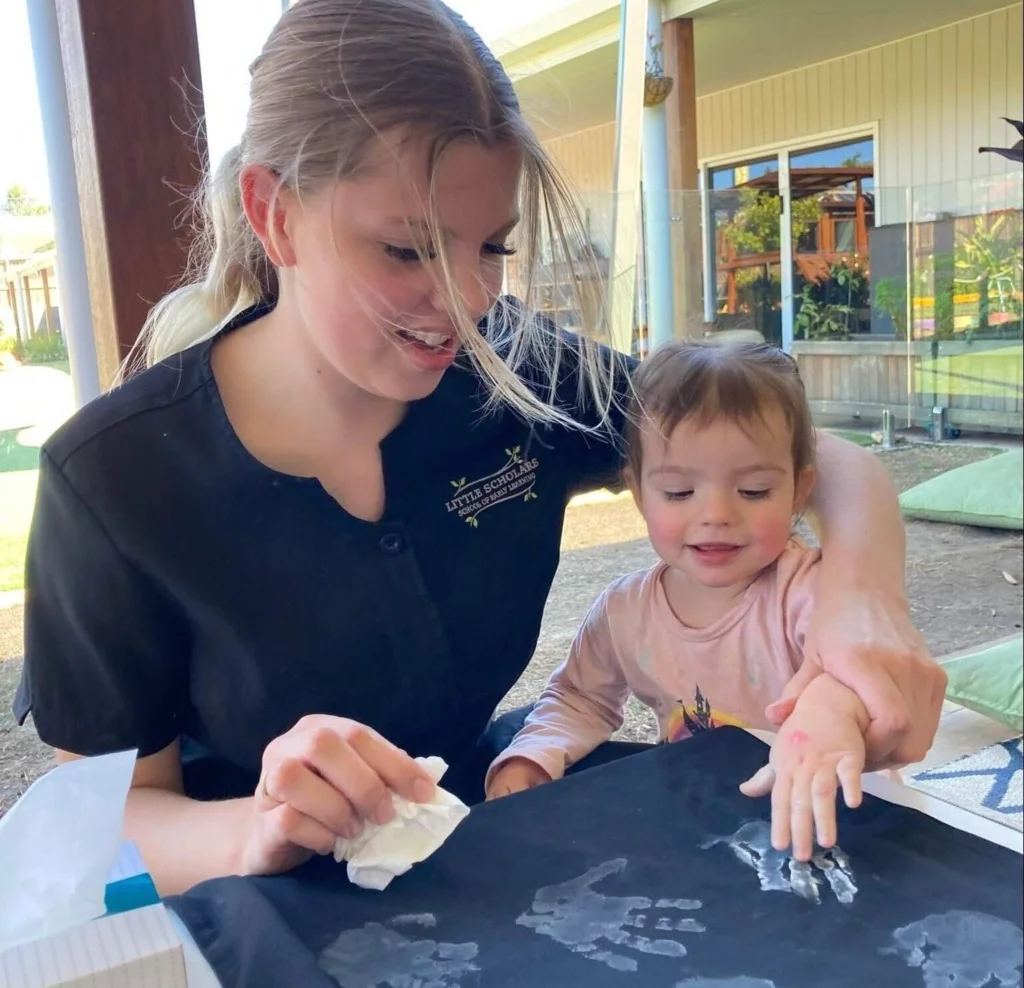
Let your child answer for themselves. Refrain from answering questions directed at them. If they don’t want to answer, don’t make a big deal about it.
“We use language to acknowledge how children feel for example, ‘I can see that you are upset, how can I help you?’” says Claire. “We use this language to help children to speak for themselves every day so it becomes second nature to them.”
We guide our educators to tune in to the behaviours, actions and emotions of the child to identify what they may be trying to communicate.
“Through listening to gestures cues, along with words, shows respect and ensures we are responsive to children and value their rights,” says Susan Cooper, group pedagogical leader for Little Scholars. “It is important for early childhood educators to validate what the children may be feeling and this is done by our educators asking the child about their emotions and setting spaces and environments where the children feel safe and secure to express their feelings comfortably.”
Tell them it’s OK to say ‘no’ if they feel unsafe or unsure. This teaches children and young people that it is OK to stand up for themselves and to be assertive if something doesn’t feel right. Following this, they should know that nothing is so ‘yucky’ that they can’t tell someone they trust about it. Hopefully, this is something your child never has to deal with, but if they’re asked to keep something secret that hurts them or makes them uncomfortable, then by talking to them about situations like this, they’ll speak up straight away and not worry about getting in trouble by breaking a ‘secret’. Teach them the difference between secrets, privacy, and surprises.
Here’s an explanation of the differences. A surprise is something that should be fun, happy, and temporary. Secrets that are meant to be kept for a long time are usually meant to protect someone or keep someone from getting in trouble. Although we want children to be wary of secrets (therefore, keep language in mind) —and especially to come to us when they have an unsafe secret—they also need to learn that some things should be kept private. Privacy isn’t about keeping someone from getting in trouble; it’s about respecting a person’s personal information.
Finally, please feel free to talk to your educators or campus managers about how they manage any of these conversations and talk to them about how you prefer it handled. We want your children and your family to feel respected and heard, safe and happy in our care, and if we can help with those conversations, we’d like to. These are also conversations you should have with extended family or people who will be in your child’s life.
Most importantly, model the person you want them to become. Children will remember their biggest role models their entire lives, so being a respectful, caring, supportive, confident adult influence will teach children the best person he or she can become. By showing them the respect they deserve and teaching them about self-respect, we’re setting them up for their future. Self-respecting and resilient children who spend time in positive, affectionate and supportive environments, led by clear and reasonable guidelines, and have healthy connections to parents and other adults, grow to be adults with the ability to bounce back from challenging situations their entire lives. And, all of the ways you show respect for children teaches them how they should show respect for others.
What an incredible asset online media has become when it comes to raising or educating children. From YouTube to Instagram, there’s a wealth of expert information at your fingertips that previous generations simply didn’t have. Thanks to online media, parents and educators can now access an array of information, tips, and tricks on child development, parenting, and education.
And of course, podcasts are an excellent way to learn while on the go. You can listen to them while commuting, during your daily walk, or even before bed. Here we have compiled a list of our favorite parenting and child development podcasts, divided into categories for parents and educators. Check them out!

A podcast about parenting, alternative education and stepping into the wilderness with children. Each week, Nicki Farrell and Vicci Oliver interview experts who inspire them to answer questions about parenting and education. They also share stories from families who took the leap, and are taking the road less travelled.
Maggie Dent, one of Australia’s favourite parenting authors and educators gives you practical tips and answers to your real-world parenting dilemmas.
Each episode of Unruffled addresses a reader’s parenting issue through the lens of Janet’s respectful parenting philosophy, consistently offering a perspective shift that ultimately frees parents of the need for scripts, strategies, tricks, and tactics.
Listen to conversations with experts on a variety of topics related to children’s mental health. Episodes offer practice wisdom from experts in the field and will give you an insight into the work and values of the National Workforce Centre for Child Mental Health.

Based on the popular RCH Kids Health Info fact sheets, the Kids Health Info podcast explores common topics and concerns with experts in children’s health. Hosts Margie Danchin, Lexi Frydenberg and Anthea Rhodes are all paediatricians and mums, so they know first-hand what keeps parents up at night. Every episode features guest experts in a range of child and adolescent health specialties, and lots of practical tips and advice.

Hamish Blake chats with other dads he really admires about their approach to ‘dadding’, and in the process hopefully learn a little, steal some of their hard earned wisdom and help dads dad a tiny bit better.
All humans learn through play. Join Kristen RB Peterson of Learning Wild as she chats all things early childhood education, preschool, nature and forest school, homeschool and parenting.

Hosted by international keynote speaker, educator and founder of Wearthy; Lukas Ritson, Play it Forward is an educational podcast about the importance of play. With the increase of technological advancement, it has never been harder to get kids playing outside

Early Childhood perspectives is a fortnightly podcast devoted to exploring the often overlooked concepts and issues of the Australian Early Years Sector.

This podcast covers meaningful topics in early childhood education with some of the sector’s most experienced educators and subject matter experts. With each short episode, its aim is to provoke minds and inspire excellence in early childhood education.

Barbi Clendining from Firefly HR and Saurubh Malviya from We Belong Education have teamed up to bring to you a fun and informative conversation and talk about every aspect of the Out of School Hours profession.
OK, we fibbed. It’s not JUST Australian podcasts. Here’s a few international podcasts that are quite popular with the kids these days. (and by kids, we don’t mean baby goats, or children really, but we’re just trying to sound cool)

Building creativity one leaf and bolt at a time. Join Dr. Carla Gull, American educator and mother of four boys, as she talks about getting outside and exploring loose parts.

A funny take on parenting with UK hosts Rob & Josh as they share their tales of parenting woe and chat to celebrity parents about how they’re coping, or not coping.

Join American clinical psychologist and mother of three Dr. Becky Kennedy on her weekly podcast, as she takes on tough parenting questions and delivers actionable guidance—all in short episodes, because we know time is hard to find as a parent. Her breakthrough approach has enabled thousands of people to get more comfortable in discomfort, make repairs after mistakes, and always see the good inside.


Each episode discusses issues today’s fathers face navigating work, parenthood, relationships and play. We share stories of dads who are active and engaged in the decisions, the drudgery, and the pains and the joys of parenthood. Our parenting podcast not only brings modern dads into the conversation, but also – regardless of gender – our spouses and partners, friends and colleagues, and leaders in business, entertainment and media.
Our days seem to be getting more and more hectic. There’s the 9-5 slog, rushing to and from work, drop-offs and pick-ups at daycare and school, running to appointments, weekends are for relaxing, or are they actually for rushing to children’s sports, house and yard maintenance? Even being more connected to devices means we might be losing connections with each other. We always seem to be busy, finishing one task or appointment so we can cross it off the endless list.
If we reflect on our own childhoods, do our children’s developing years look like ours? Maybe not. We likely (and hopefully) have memories of aimless play, exploration and time to dream.
Even going on family walks may come with encouragements of ‘c’mon Freddy, let’s go!’ or ‘keep walking’, but why? Challenge yourself not to give your children any instructions for the next minute the next time you’re out for a walk. Was 60 seconds hard to get through? The funny thing is, on walks, you’re probably not even in a rush.
Your children may constantly feeling hurried, rushed, pushed to keep moving. This can create feelings of anxiety, stress and resentment.
There’s a movement brewing the last few years, called Slow Parenting. Have you heard of it, or pondered it yourself?

According to a 2015 article in the Boston Globe, slow parenting ‘cherishes quality over quantity, being in the moment, and making meaningful connections with your family.’
In the article, Carrie Contey, a prenatal and perinatal psychologist, says young children need a balance of activity and down time.
“In early development, children are still wiring. They need to have moments of doing and moments of being for integration to happen,” says Contey. “If they don’t take space for integration that leads to meltdowns and overtiredness.”
Need some ideas on how you can slow down your parenting, and in a way, time?
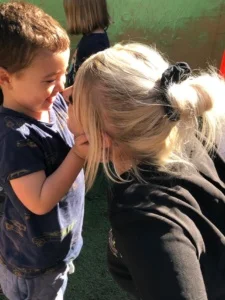
Next time you’re about to hurry your child, take a moment to think about why, and how you can approach it differently. If it’s about being late for something say bed time, will an extra 15 minutes affect them adversely once and a while? What about what they stand to gain from the extra time? If it’s getting to school and work on time, reflect on how you can alter your routine to allow for a bit of flexibility. You never know what small moments will make up lifetime memories for your child.
We live in a digital world, and for many of us, our small children are quicker to learn and use technology than we are. For a parent, letting your child use technology can be a bit of a break, so you can have a few minutes to work, cook, tidy up or even just have some peace. And increasingly, children are required to have their own devices for their education once they get to big school. Technology allows them to learn things in ways a book or even a television show can’t teach them, but it also comes with risk of which parents need to be aware.
Here are our top tips on how to keep your child safe while using devices.
Engage with your child on their digital experiences. Parents often talk about what a child does during their day – how school or daycare was, what they had for lunch, what they’re reading, but do you talk to them about what they’re doing online or on devices? We recommend being an active participant with your child while on the phone, iPad or computer and watch, read or do online activities with them. Be curious about what interests them and ask questions — at the same time, you can gently introduce online safety tips, such as not clicking on pop-ups, or question links coming from sources they don’t know before they click. Remind your child to always talk to you about anything, and to come to you if they find something online that makes them feel uncomfortable or if someone outside their immediate trust circle contacts them online. Make those conversations commonplace, because the more you interact with your children during and about screen time, the better.
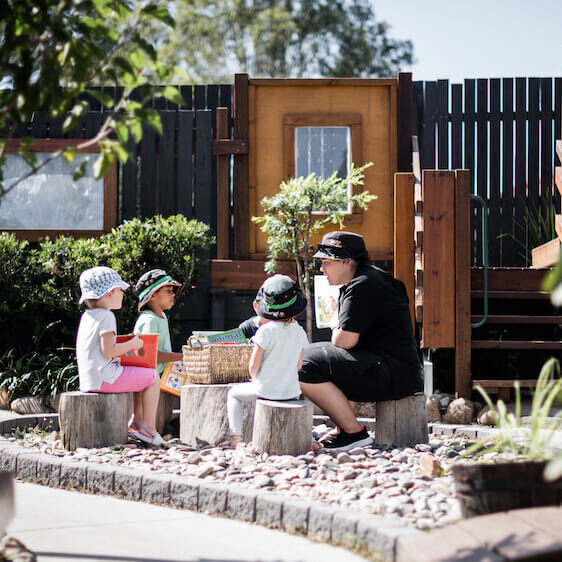
Digital footprints can last for a long time. Talk with your children about what the internet is, and how (when they’re older) what they post can influence people’s opinions of them—good or bad. This is also a reminder to you about considering what you post, especially when it comes to your child. Asking them early if you may take their photo, and if you plan to share it on social media, let them know who will see it, why you want to share it, and respect their decision if they don’t want to share it. This shows respect for your child, models consent and respectful data sharing practices. The more they know about this, the better off they’ll be when it comes to making decisions about their online presence when they’re older.
Children under two years of age are not recommended to have any screen time outside of occasional video calls, according to national and international guidelines, such as from Early Childhood Australia and the American Academy of Pediatrics. Children younger than age two are more likely to learn when they interact and play with parents, siblings, and other children and adults. After age two and until at least age five, it’s suggested that little eyes only be exposed to one to two hours of high quality programming per day.
Too much screen time and regular exposure to poor-quality programming has been linked to:
Unstructured playtime is more valuable for a young child’s developing brain than is electronic media, but not all screen time is ‘bad’ and can even be beneficial.
Sites such as Children and Media Australia and Common Sense Media can help parents understand the quality of the media and apps that their children are using with programming ratings and reviews.
Parental controls are software tools that allow you to monitor and limit what your child sees and does online.
They can be set up to do things like:
The Australian government’s eSafety Commissioner is a great resource with important information on how to protect children of all ages when they spend time online.
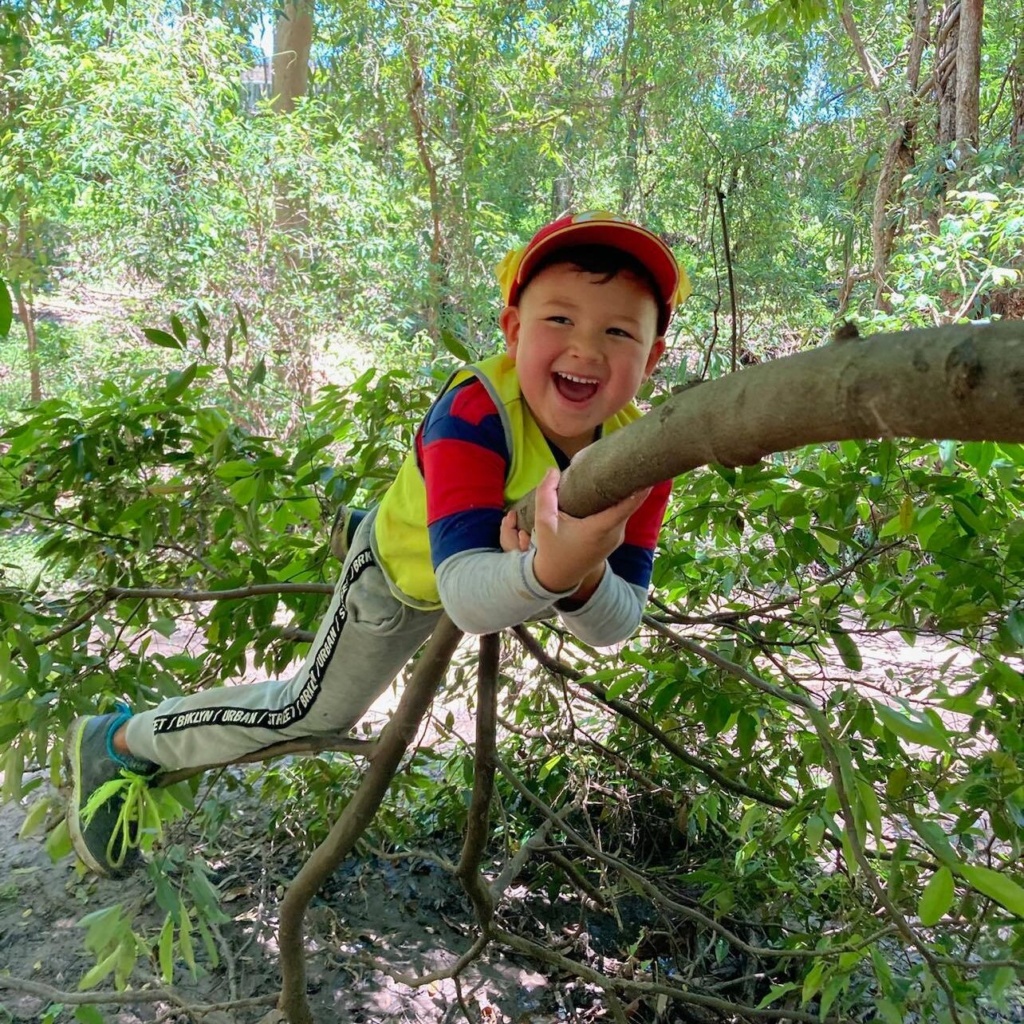
Obviously, with the recommended screen time guidelines for small children to be somewhere between zero to two hours daily depending on age, your child’s time should be mostly device-free, but this is a great idea for all family members to carve out some time each day without devices to focus on other interests and each other. Your children are always watching what you’re doing, and seeing you keep the phone or iPad away so you can read or play with them, or even focus on other passions or hobbies of your own, models healthy behaviour when it comes to devices. As mentioned above, you can set time limits on devices, with both Apple and Android, and switch things up so that when the limit is up, go do something outside.
Maybe as a family everyone can agree to device-free time together, such as at meals or weekend mornings – whatever works for you. Research shows that devices shouldn’t be used for at least an hour before bedtime to ensure your child has the best quality sleep.
You could also agree to areas in which devices are to be used such as living rooms or the study. If you keep mobile phones and other devices out of your child’s bedroom at night, your child won’t be able to play games or potentially wander into online territory you don’t want them to see. This can also stop your child being disturbed in the night by messages and notifications. Reducing the areas in which devices may be used also allows other areas for connection – like car rides and restaurants, as a family.
Resources:
As parents and as educators, it’s our job to keep children safe. For children, it’s their job to explore, push limits, move their bodies, and happily tune out what they don’t want to hear.
So when a child is engaging in risky play – which is so important in a child’s development as it furthers their frustration tolerance, critical thinking skills, self-confidence, resilience and so much more – it can also put the watching adult into panic mode, often triggering the phrase ‘be careful!’
But, if that adult expects the child to immediately stop what they’re doing after uttering (or shouting) those two words, they probably have another reality coming. ‘Be careful’ isn’t terribly effective because it’s vague and lacks specificity for a toddler. Saying it on repeat will likely lose any small amount of effectiveness it did carry because, well, being told to be careful isn’t any fun. Or worse, hearing that phrase could create fear and dim a child’s curiosity and sense of adventure.

As adults, we also need to think about what we mean when we say ‘be careful’. Do we want the child to stop what they’re doing? Do something differently? Slow down? Do we think they will get hurt? Every situation is different, but it’s worth thinking about the intention behind the phrase. Is it possible the child could get seriously hurt? Is what the child is doing put another child at risk? Is there something valuable that you don’t want damaged?
Perhaps rather than ‘be careful’ you say:
‘Looks fun, just watch out for your little sister!’
‘Do you hear the cars? The road is close by.’
‘Before you throw that stick, just watch for the window over there.’
‘Do you feel safe?’
‘I’m here if you need me.’
‘Maybe just slow your body down a little bit.’
‘Focus on where your feet are.’
‘Using two hands might help you hold on tighter.’
‘What’s your plan for coming back down?’
Even just asking ‘does your body feel safe?’ may give your little one a second to pause and think about what they’re doing, and perhaps change course if needed.
For adults, when they observe children participating in risky play, if they approach it with curiosity and give specific feedback that focuses on creating awareness and problem-solving skills, it helps your toddler becomes more confident in their skills, abilities, problem-solving and learning.

Risky play is something to be encouraged. Something happened between the time when many parents of small children were little ones themselves, to now. We may remember our parents letting us go play unsupervised, as long as we were back before dark. That play may be some of your best childhood memories. Society has become more risk-adverse in recent decades, from parents worries about kidnapping and injury, to the fear of judgement from others thinking they’re bad caregivers can drive many parents to intervene before their child can engage in risk during play. But those fears could actually be hurting children’s development by hovering over them constantly. Research shows that engaging in risky play can actually reduce the risk of injury, too. Something parents and educators can do is teach young children to risk-assess.
For example, rather than worrying about if your child is going to get a sharp bindi seed in his or her foot from running across grass barefoot, involve your child in the risk assessment. In this case, point out what a bindi weed looks like, and encourage your child to look for the weeds with shoes on before deciding if it’s a good idea to take shoes off. By assessing ‘risk’ situations together, your child will learn increased ability to hypothesize, predict, experiment and investigate, and your child will feel you trust their ability to make safe decisions. it’s all about balancing the risk with the benefits. Imagine if your child was running barefoot in the grass and you spotted bindis and yelled ‘Be careful!’ your child could be bewildered by your cry, ignore your yelling and keep going, or could possibly stop, landing perfectly on the sharp weed you want him or her to avoid.

At Little Scholars, risk assessment is a part of our programming, such as bush/bush kindy or loose parts play, where children have the opportunity to guide and direct their own learning tying in with activities that are child-led and learning is a process of discovery. Sites are pre-risk assessed by educators, and children are involved in the risk management process, guided to look out for themselves and have a group discussion about it before play.
“It’s all about setting boundaries with the children and asking them about what risks they think may be involved before they go ahead,” says Melanie, operations manager for Little Scholars. “We wouldn’t use ‘risk’ with little ones, so it may look like ‘how can we be safe when we play in this area?'”
“Play is a powerful behaviour that is often a missed agenda for many early childhood professionals. Extrinsic agenda will often lead to children being told what they should experience, as opposed to living the experience, says Susan, Little Scholars’ pedagogical leader and practice manager.
Susan highlights Lev Vygotsky’s theory of play as a lived experience.
“Too often, adults feel the need to apply an adult agenda, often with good intention, however this often has the potential to limit the actual multifarious nature of what we call play.
“As adults, we need to trust in the play process and accept that children will create situations in which they can act out emotions in ways they feel they can. When given the freedom to do so, children will demonstrate ability for exploration, imagination, and decision-making.”
Related:
After getting the little ones to bed each night, you are probably just about ready to turn in yourself. It can be hard to motivate yourself to do anything more than scroll through your phone while brushing your teeth! Although this may be your own night-time ritual, spending a little bit of time away from the screen to get a few things done might make your tomorrow go a whole lot smoother.
A good morning routine starts with a little bit of preparation the night before, so here are our ideas for some little habits and rituals that might make life easier in the morning for families, and can be done before anyone hits the hay
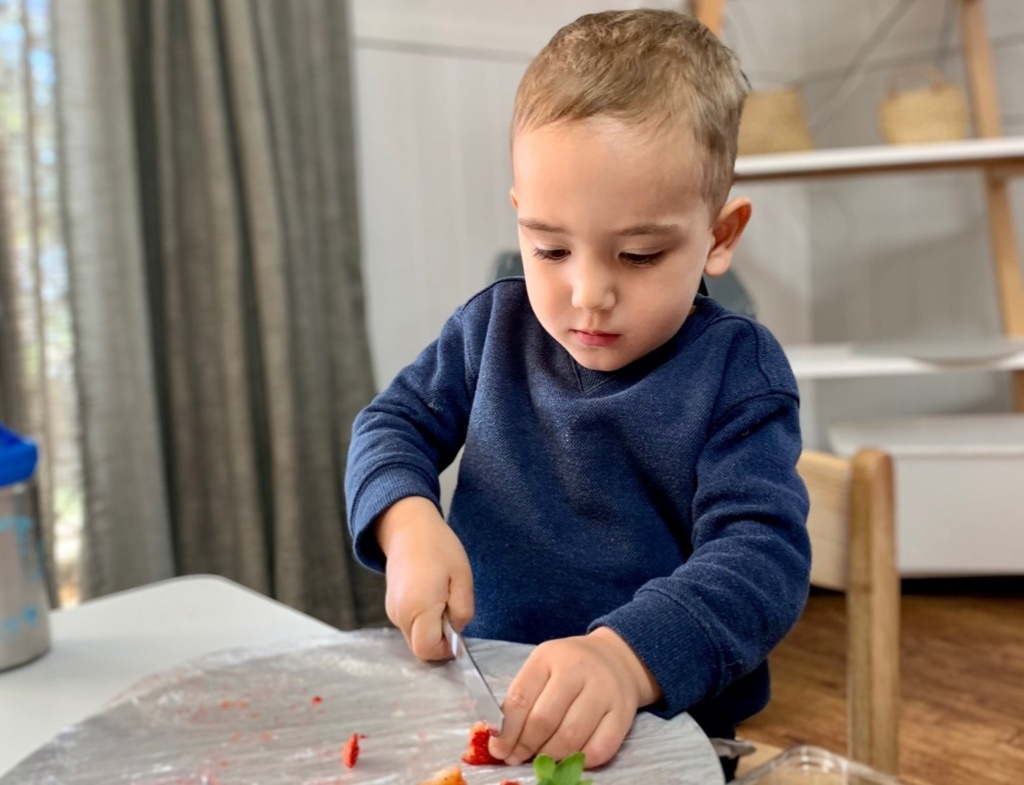
You’ve probably learned the hard way that packing lunches in the morning may make you late for work, school, or kindy. Leftovers from dinner packed in a contained whilst dinner is being served makes it nice and easy to grab in the morning, alongside some fruit and snacks. Or, get your child involved in lunch preparation! By letting them choose what fruits, veggies, and snacks they will have for lunch means they will more likely eat what’s in their lunchbox.

There’s nothing like a tidy kitchen bench to wake up to in the morning! Cleaning up the kitchen after you finish eating closes out the last meal of the night and ensures you have clean surfaces to wake up to in the morning. Run the dishwasher before you go to bed so you can wake up to a full set of dishware in the morning – no one wants to wake up to dirty dishes in the sink.
Besides the kitchen, give yourself some time to tidy-up the house before going to bed. This will make your home feel nice and fresh in the morning and everything will be much easier to find as it will be where it is supposed to be! If you’re struggling to feel motivated to tidy-up, set a timer for 15 minutes and see how much you can tidy before turning in. Include the whole family by making it a competition to see who can do the most in the time allotted. You’ll be surprised just how much you get done!
Some people might even like to prepare breakfast the night before, like soaking overnight oats or making hard-boiled eggs. Prepping breakfast muffins or mini quiches on a Sunday afternoon are great options for a ‘grab and go’ breakfast come Monday morning.
One of our favourites from the Little Scholars Summer menu is our Breakfast Cookies which are super simple to make and a delicious, easy breakfast for the morning.

A great habit to get into is choosing everyone’s outfits the night before. Have your child choose what they want to wear the next day, including socks and shoes. This saves the out-the-door battles you may face with your little ones, who are never prompt when you need them to be! Set out what you’re wearing the next day as well, and that includes getting any ironing that you need done in the evening, or when putting laundry away. This is much better than running around the house in the morning looking for your favourite shirt or work uniform! Gather any sports uniforms, workout clothes, or a spare outfit for your little one and put them in a bag next to the front door.

After getting ready for the next day, it’s important to remember the one thing that will make tomorrow go smoothly and that is getting a good night’s sleep. Set yourself a little bit of time to wind down before going to sleep. This can be whatever relaxes you, watching TV, showering (which can also save time in the morning) or reading. Try to avoid scrolling through your Instagram feed or checking your work emails. You deserve the rest!
Growing up involves a lot of falling, tripping, bumping into things and it can cause big feelings in our little ones when it happens.
Something as small as a scrape on the knee may not be a big deal for an adult but may be a big issue for our little ones. We want to validate their feelings by letting them know we understand they are hurt, while at the same time not making a big deal out of something that could be a minor injury.
According to research, parents who are more anxious and distressed, are less able to support their children when they get hurt. This increases the distress of the child, and that child is less likely to be distracted by toys or conversation. It’s important to pause, take a deep breath and assess the situation and see what response will be best helpful to your child. The solution could be as simple as a hug!

“I can see you hurt your finger, it looks like it hurts! Can you tell me what happened?”
Acknowledge that you can see that they hurt themselves and have them to explain how it happened. This allows them to communicate openly with you and explain how the injury occurred, even if you may have seen it happen.
“I know it hurts, I’m here for you.”
Let your child know that you feel their pain and you can understand why they are upset. It’s important that your child knows this as they will always feel comfortable coming to you in times of need.
“Ouch! I can see that your knee really hurts! Would you like to put a band-aid?”
Collaborate with your child and find out what the best solution may be to help. Ask your child if ice, a cold compress, or a band-aid will help their injury. This offers them a distraction and helps to move along the healing process.
“Take a deep breath. Can you tell me how you are feeling?”
Give your full attention as you listen to them explain why they are hurt and encourage them to take deep breaths. Get them to take through their feelings. They might be mad that they hurt themselves so they can’t continue their activity, or they may be frustrated that something didn’t go their way. Listen as they go through the motions of telling you what happened.
“Would you like to choose a band-aid? Here, you can pull the paper off.”
Distractions can help move on with the recovery process. Once you have acknowledged their pain and given them a chance to express how they feel, allow your child to help with the recovery process by opening the band-aid wrapper or applying the ice.
If your child refuses a hug or doesn’t want to talk to you, give your child a chance to regulate themselves by saying something like, “I can see you are really upset about this and it’s okay to be upset, but it doesn’t seem like what I am saying is helping you. Take some deep breaths, I’ll be right here when you need me.”
You aren’t ignoring your child or not validating their feelings, they may just need a little time on their own because we all do sometimes! The main thing we want our children to know when they are hurt, is that they are safe with us, we understand how they are feeling and that we are here to care for them.

Let us hold your hand and help looking for a child care centre. Leave your details with us and we’ll be in contact to arrange a time for a ‘Campus Tour’ and we will answer any questions you might have!
"*" indicates required fields
Let us hold your hand and help looking for a child care centre. Leave your details with us and we’ll be in contact to arrange a time for a ‘Campus Tour’ and we will answer any questions you might have!
"*" indicates required fields
Fill in the form to join your local Pram Pals mums and bubs walk