


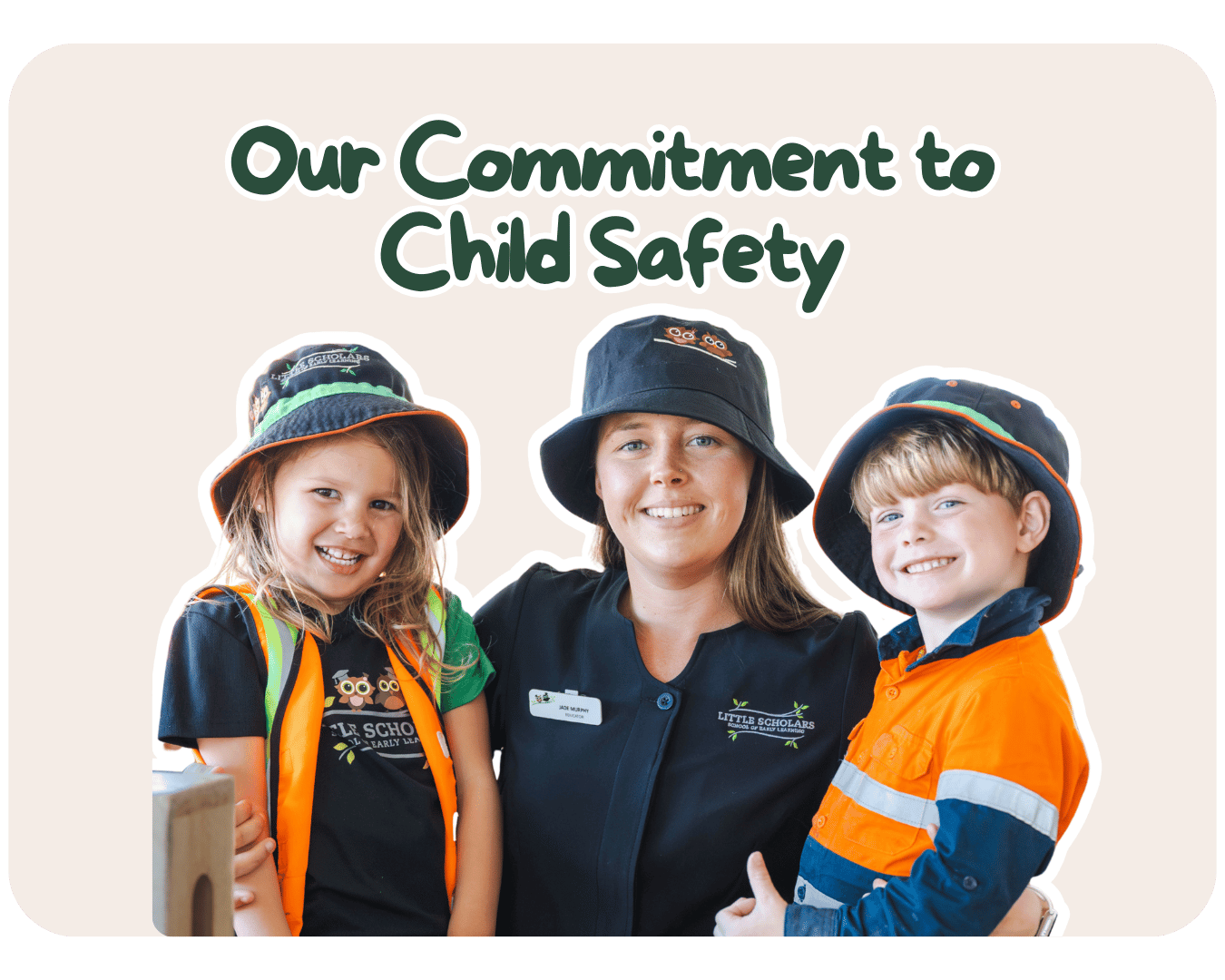






The safety and wellbeing of every child is the highest priority. This checklist will help you ask the right questions, know what to look for during centre visits, and support your child’s personal and emotional safety to ensure your chosen childcare centre offers a safe, nurturing experience for your little one.
Is the centre secure?
Ask about sign-in/out procedures and entry controls. For example, does the centre use PIN-coded entry or other systems to ensure only authorized caregivers can pick up your child? A quality centre will have strict protocols like secure doors/gates and verified pick-up.
At Little Scholars, safety is paramount – all centres are PIN-access only, and only pre-authorised parents/guardians can drop off and collect children.
What are your hygiene practices and sick child policies?
Inquire how often toys, surfaces, and bathrooms are cleaned and how educators promote handwashing for children. Also ask about policies for managing illness (e.g. when children are sent home with fevers and how illness outbreaks are communicated). Top centres maintain rigorous cleanliness routines – e.g. frequent handwashing, sanitising of toys and surfaces, and proactive illness prevention measures to keep everyone healthy.
How do you ensure proper supervision and ratios?
Verify that the centre meets or exceeds the legal educator-to-child ratios at all times, and ask how they maintain active supervision. Educators should be actively engaged, not just present – meaning they are constantly watching, listening and interacting with children to anticipate and prevent issues.
Quality providers follow the National Quality Framework (NQF) requirements for ratios and often position staff strategically (indoors and outdoors) so every child is visible and supported. Little Scholars, for instance, adheres to NQF educator-to-child ratios at all times to ensure attentive care.
What are your staff vetting and child protection practices?
Ask if all staff (including assistants, casuals and volunteers) are trained in child protection and mandatory reporting of any harm. A reputable centre should have a formal child protection policy (ideally accessible on their website) and regularly train staff to recognize and respond to signs of abuse or neglect. Inquire about staff background checks beyond the mandatory Working With Children Check – for example, do they conduct thorough reference checks and ongoing screening to ensure only suitable people work with kids? Also ask if the centre has policies to prevent one-on-one isolated interactions.
Finally, find out if there is a designated Child Safety Officer or contact person whom children, staff or parents can approach with concerns – this shows the centre takes child protection seriously.
How do you handle emergencies and accidents?
A good centre should have clear emergency response plans (for fires, evacuations, lockdowns, etc.) and conduct regular drills. Ask how often they practice fire/evacuation drills and how they make these drills child-friendly (some centres use mascots or games to teach emergency routines in a non-scary way). Verify that multiple staff members are certified in first aid, CPR, and anaphylaxis management at all times, and ask about the procedure if a child is injured or unwell (Do they have first aid kits readily available? Will they call you immediately? How do they record and report incidents?).
How do you manage children’s health needs, like allergies or medications?
If your child has any allergy, asthma or other medical condition, ask what precautions and protocols the centre has. Do they have individual medical management plans and risk minimisation strategies for each child with allergies/medical needs? Leading centres use tools like allergy-aware placemats or ID cards and work with families to create detailed care plans (including emergency action plans for allergic reactions). You should also ask about food safety: is the centre nut-free or egg-free if needed? Knowing that a centre takes nutrition and allergies seriously – with strict food safety guidelines and clear communication about dietary needs – will give you peace of mind.
How do educators support children’s emotional safety and behaviour?
Ask about the centre’s approach to guidance and discipline.. For example, how do they comfort a distressed child or handle biting, tantrums or conflict between kids? Listen for answers that highlight emotional support and redirection. Caregivers should be attuned to each child’s feelings – trained to spot signs of anxiety, tiredness or frustration – and respond with care. It’s a good sign if the centre mentions nurturing each child’s sense of belonging and having strategies for helping children feel secure (such as key educators for each child, cozy quiet areas for children to retreat to, etc.). Also, ask if they have programs or curriculum aspects that build children’s social and emotional skills. An environment where children are treated with respect and their feelings are acknowledged is crucial for emotional safety.
How do you maintain a safe physical environment?
Inquire about how often the facilities and equipment are inspected or maintained. Does the centre conduct regular safety audits or daily hazard checks on playgrounds and classrooms? A great centre will have a schedule for routine cleaning and safety inspections. Also consider asking about sun safety policies – in Australia, centres should have a SunSmart policy (e.g. requiring hats and sunscreen for outdoor play and providing shaded areas). A diligent centre will be proud to discuss their procedures for things like safe sleep (for babies), sun protection, and general workplace health and safety compliance.
When you tour a prospective childcare centre, use your eyes and instincts. Here are key safety indicators to look for on your visit:
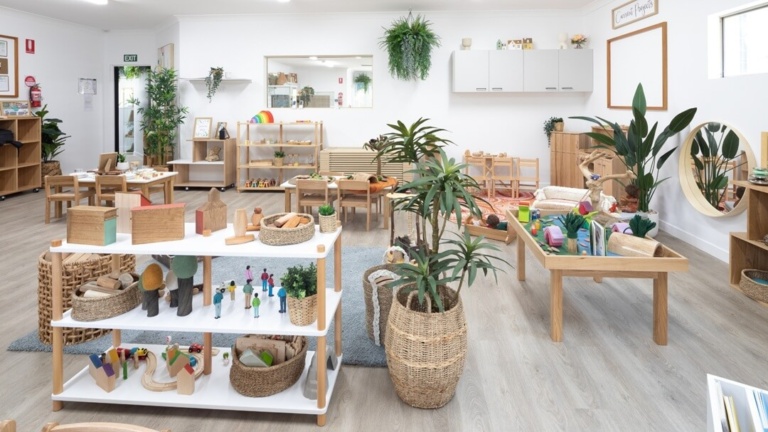
Check that the centre looks and smells clean. Floors, surfaces, toys, and bathrooms should be well-maintained and sanitary. Look for evidence of regular cleaning – e.g. educators wiping down tables, a clean nappy-changing area (with gloves and sanitiser), and children being guided to wash hands (especially after toileting or before meals). A centre that prioritises hygiene will have protocols visibly in action (like frequent handwashing and toy sanitisation) to reduce germs. Trust your nose – a fresh, clean environment (with proper diaper disposal and ventilation) indicates good hygiene practices.
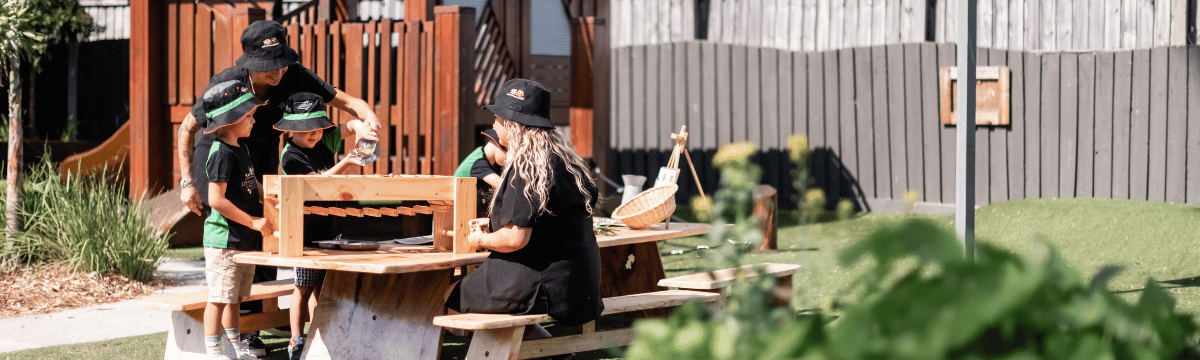
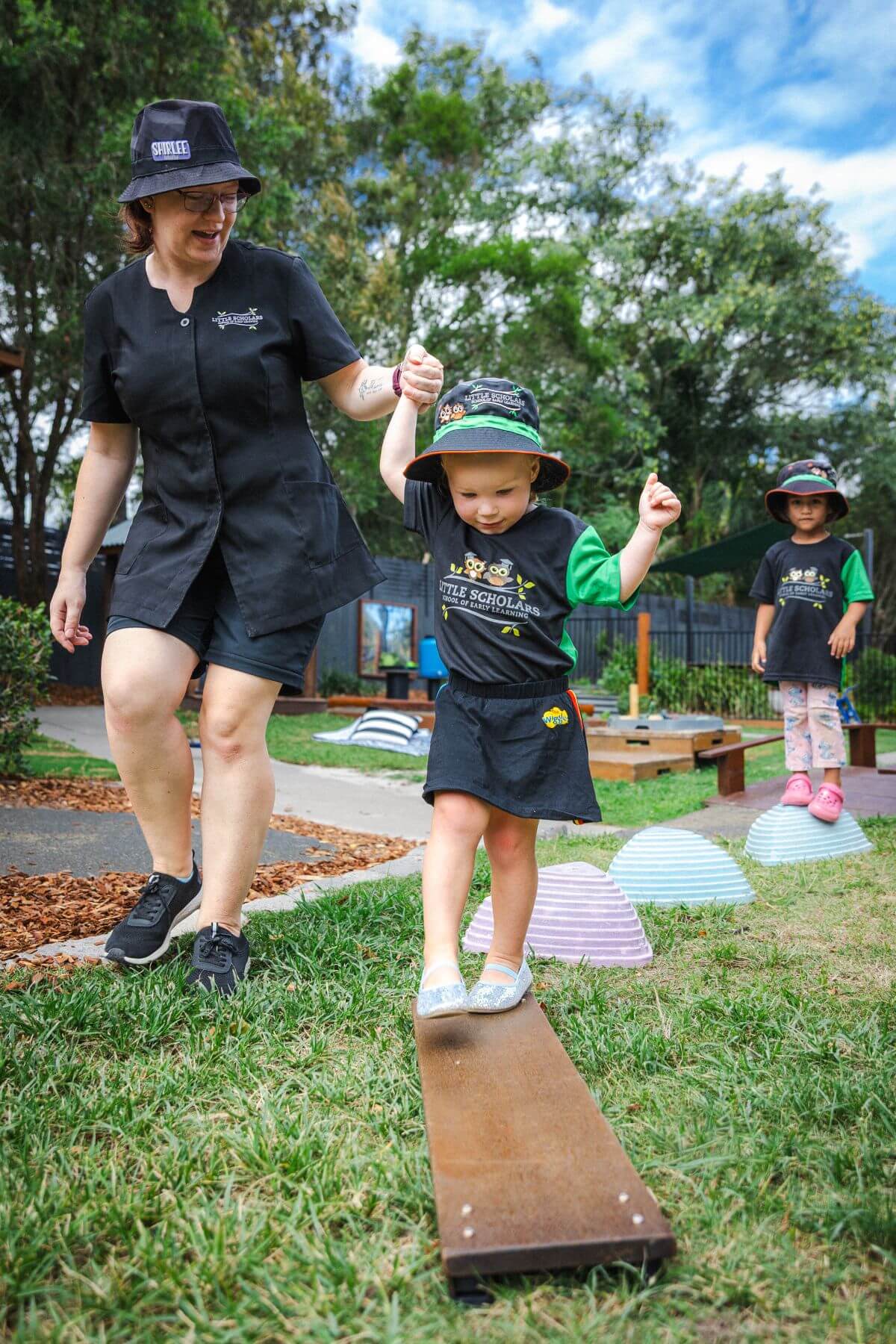
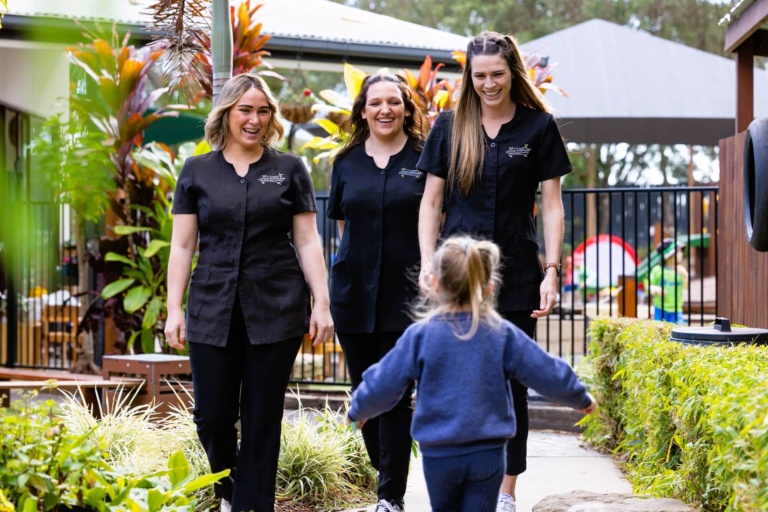
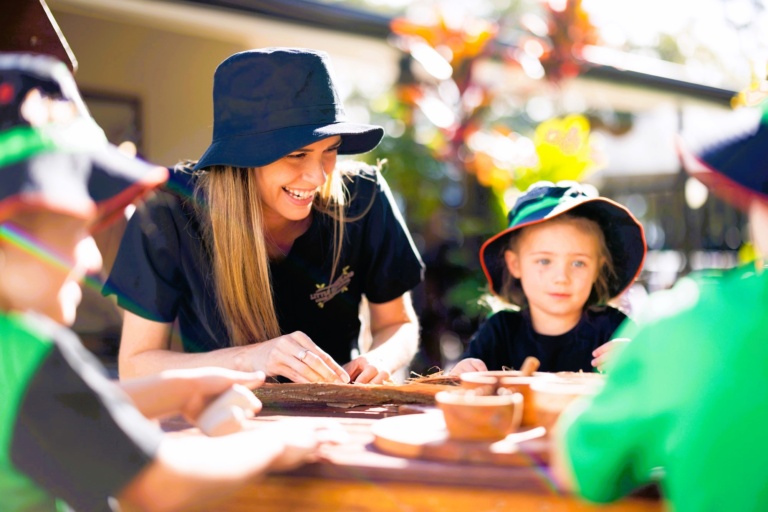
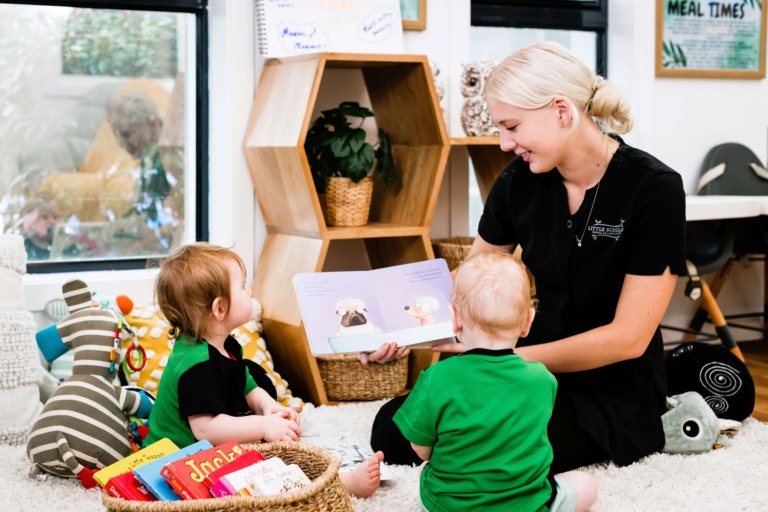
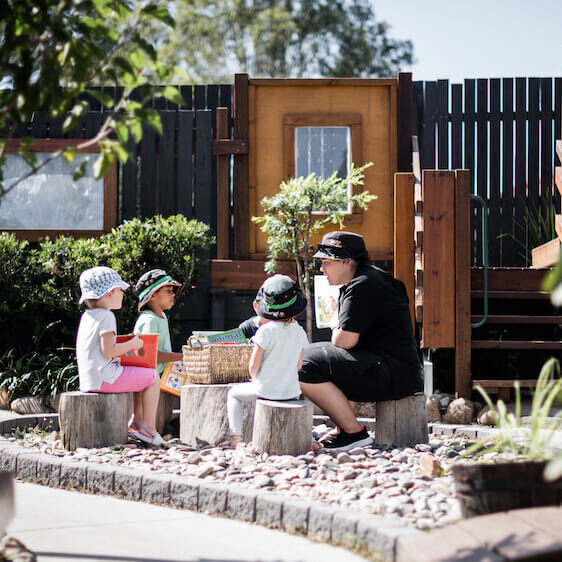
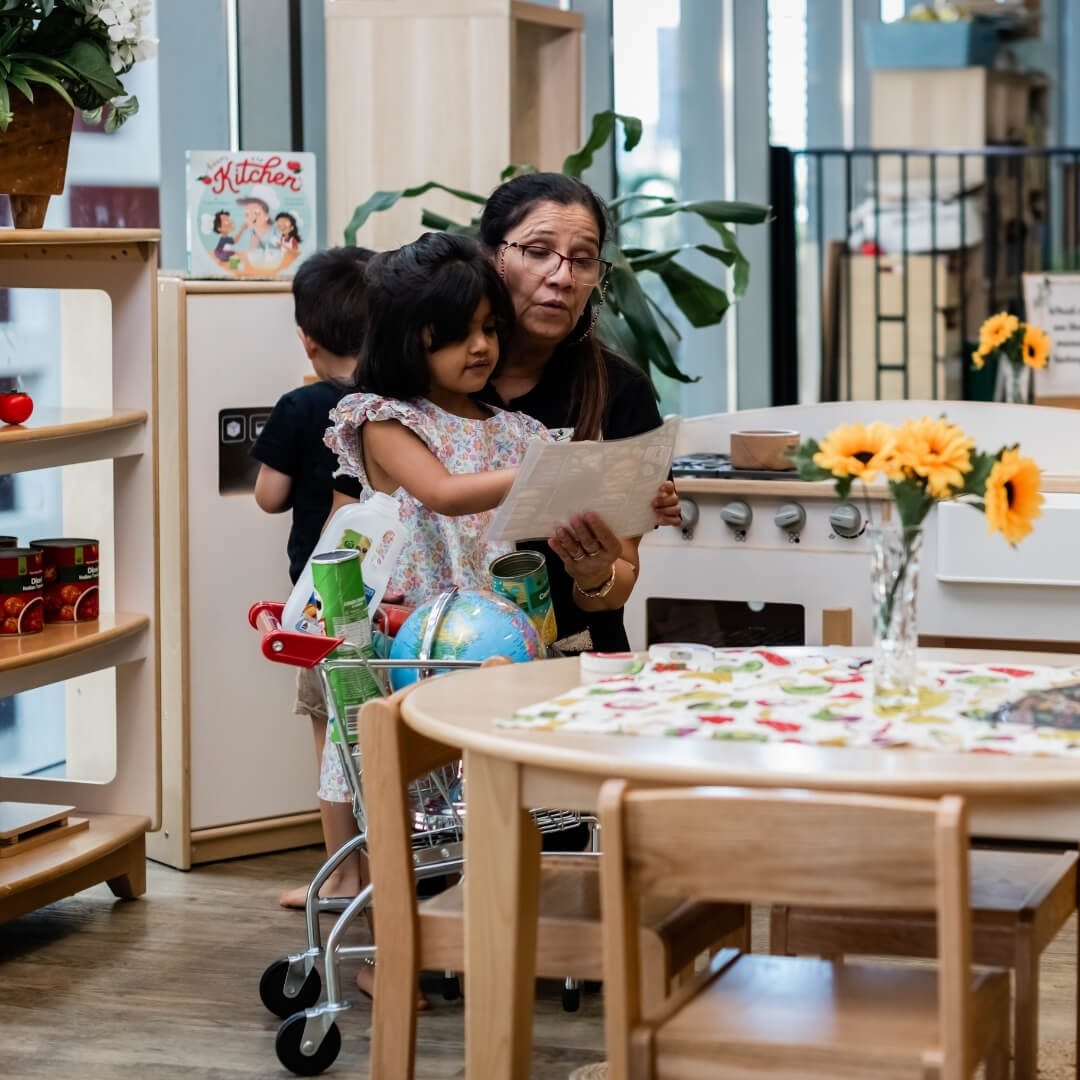
Pay attention to how staff interact with the children in their care. Are the educators warm, attentive, and engaged on the children’s level? You should see caregivers who are actively involved in activities – chatting with kids, comforting them as needed, and actively supervising. Look for active supervision – educators scanning the room and playground, frequently counting children, and positioning themselves so they can see all kids. Positive, caring interactions (smiles, gentle tones, educators down at eye level with kids) also foster an emotionally safe atmosphere for your child.
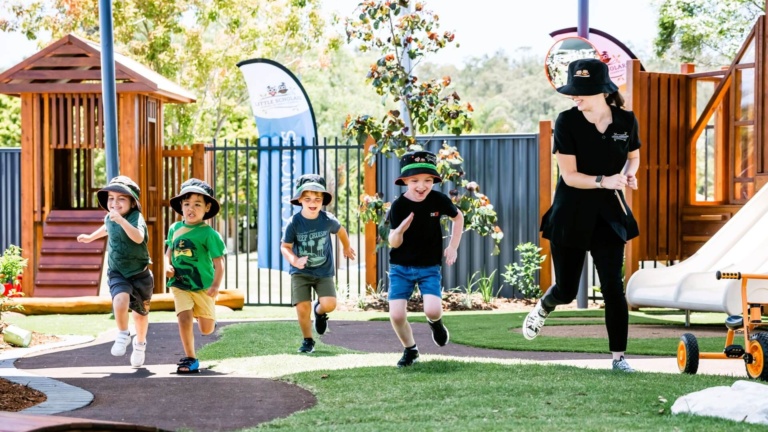
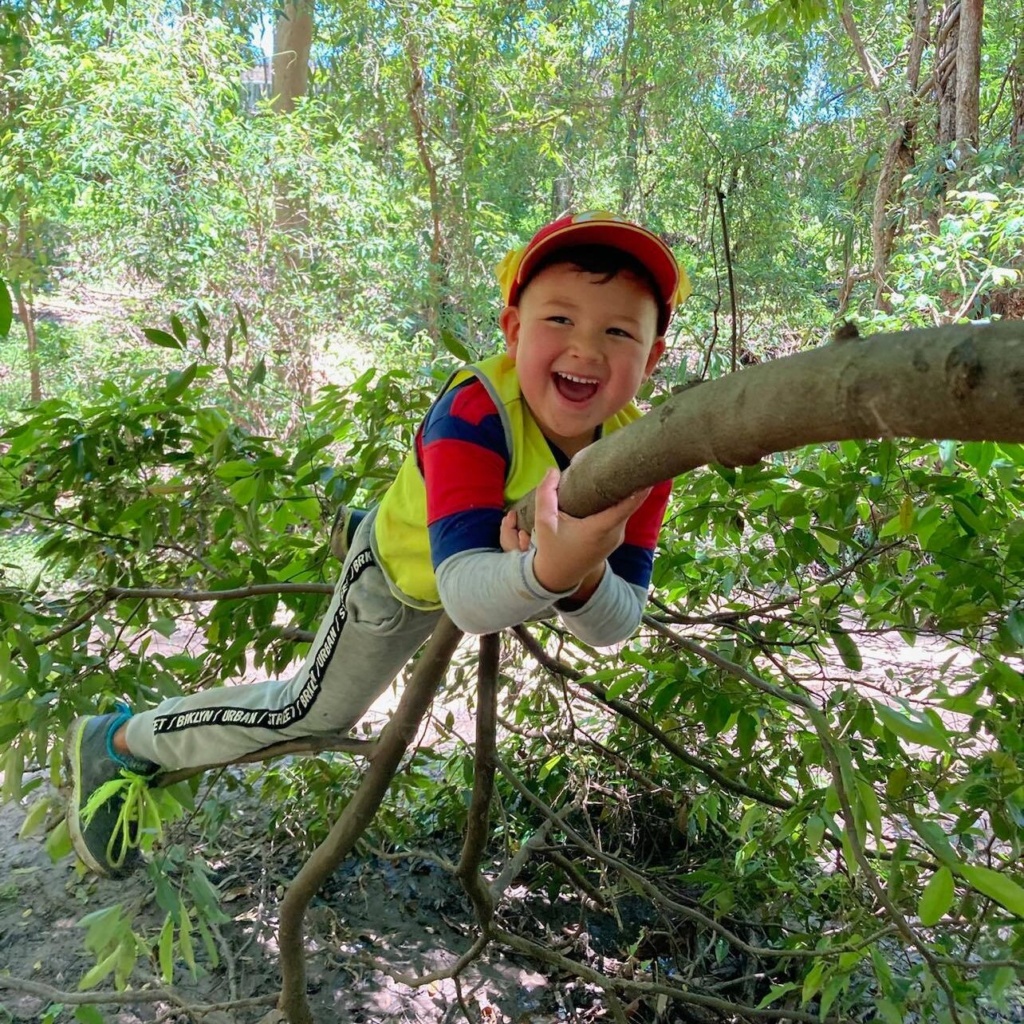
The children at the centre should appear happy and comfortable. During your visit, note the children’s mood and engagement: are most kids actively playing or calmly involved in activities? It’s normal to see an upset child occasionally, but in a quality centre educators will address it promptly with comfort. If you see lots of crying or distressed children without comfort, that’s a concern. Ideally, you’ll get the sense that children are enjoying their day and are well cared for – smiling, laughing, or focused on play, with educators close by for support. A cheerful, relaxed vibe among the children is a great sign.
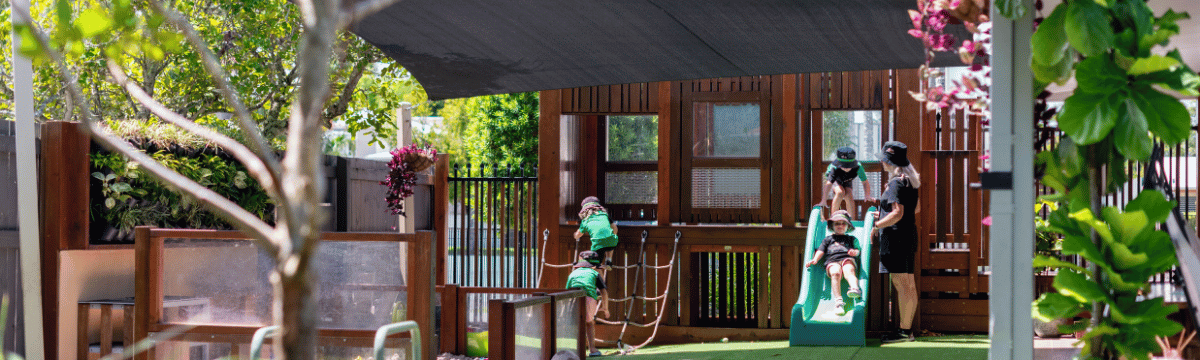
As you tour, inspect the classrooms and playground for potential safety hazards. Cleanliness is one aspect, but also check safety details: are play equipment and toys in good repair? Are there child-safe features like socket covers, secure baby gates on stairs, and locked cupboards for chemicals? In the outdoor area, look for soft-fall surfaces under climbing equipment, sturdy fencing around the perimeter, and shade covers or trees for sun protection. If you can, note whether emergency information (like evacuation plans and fire extinguishers) is visible – many centres post evacuation diagrams in each room. These little details show that the centre proactively maintains a safe environment for children to explore.
Observe the staffing on the day – does it appear they have enough educators in each room, and are they attentive? You might do a quick headcount of children vs. staff in a room to see if it aligns with expected ratios for that age group. Beyond numbers, look at how the team operates: are they communicating with each other about supervision (for example, one says “I’m stepping away to grab more art supplies” and another covers? Are they on the move, scanning and engaging, rather than all clustered together? High-quality centres foster a culture of vigilant supervision – educators should look alert and involved. If you visit during a transition (like lunchtime or nap time), notice if routines seem calm and well-managed (this reflects good training and adequate staffing). A smoothly run classroom with attentive staff indicates your child will be well supervised and safe.
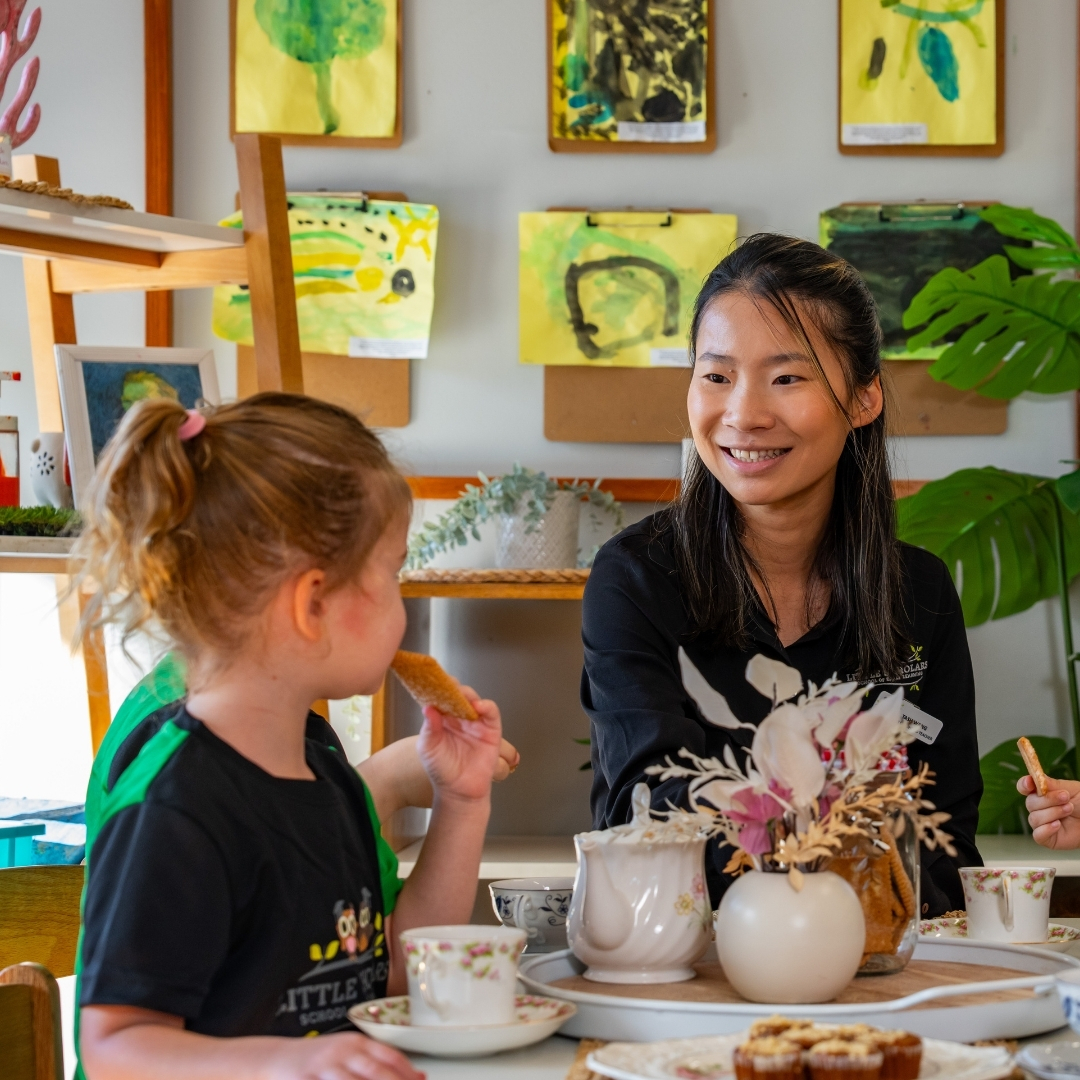
Trust your gut on the overall feel. A centre that is open, welcoming, and transparent with parents will make you feel at ease during the visit. Notice if the director or educators willingly discuss safety topics and proudly show you around every area. Do you see evidence of a positive culture, like children’s artwork on the walls, safety posters, or a friendly rapport between staff and families at pick-up time? Little things like educators greeting children at drop-off or reminding them “Hat on for outside, let’s be SunSmart!” show a caring, safety-conscious environment.
In short, you want to see that what the centre says about safety in their policies is truly happening day-to-day: clean and secure facilities, engaged and loving caregivers, and children who appear secure and happy.
(During your visit, consider bringing this checklist along. Many parents also find it helpful to take notes right after each tour, while impressions are fresh.)
Choosing a great centre is only part of keeping your child safe – as parents, we also play a big role in preparing children with the skills and confidence they need. Here are some tips to empower your child and foster a sense of security as they start childcare:
Even from toddler age, begin teaching your child simple personal safety concepts in a non-scary way. For example, Bravehearts recommends three “body safety” rules every child should know:
By reinforcing these messages regularly, you help your child understand their rights and feel confident to assert themselves. Role-play scenarios with toys (“What if someone at childcare does something that makes you uncomfortable?”) and practice using strong voices to say “No, stop!” – make it a game so your child feels proud and powerful using their safety voice.
From as early as preschool age, teach your child the proper names for all their body parts, including private parts, and talk about body boundaries. This normalises their understanding and removes shame or secrecy. Let them know that their private parts are private – no one should touch them except perhaps a doctor or caregiver helping with hygiene, and even then, it should be only in appropriate ways. Explain that safe touches (like helping with a nappy change or a gentle check-up by a doctor – and only with permission) are different from unsafe touches (any touch meant to hurt or that makes them feel bad). Encourage them that it’s always okay to say “No” or move away if someone’s touch or play makes them uncomfortable, and to tell a teacher or tell you. Keeping these talks calm and factual (not scary) will help your child feel comfortable asking questions.
By having ongoing, open conversations, you empower your child to understand consent and know that they can always come to you with anything.
Help your child know who their trusted adults are, both at childcare and at home. At Little Scholars, educators talk with children about identifying their “safe people” – those they can go to if they feel upset or unsafe. You can do this at home by explaining, “If you ever feel sad or scared at daycare, you can tell Miss Emily (for example) and they will help you. And you can always tell Mummy or Daddy anything when you get home.” Make it a habit each day to ask open-ended questions about their time at childcare. Listen calmly and attentively to whatever they share – this builds their confidence that they can talk to you about anything.
The goal is to ensure your child never feels like they have to keep a secret. Praise them for speaking up about their feelings, and reassure them that you and their educators are there to keep them safe. Creating this open channel early on increases the likelihood that your child will speak out if something is wrong.
Young children feel safer when they know what to expect. You can help by establishing a predictable morning routine and a special goodbye ritual for drop-offs. For example, arrive with a few minutes to settle your child in, then do a consistent farewell (perhaps a hug, a high-five, or a “kiss and go” routine. Always say goodbye – as hard as it can be, avoid sneaking out when your child is distracted. A proper goodbye (even if it’s tearful) builds trust, because your child learns that you won’t disappear without warning and that you will come back. Educators also encourage this; they note that children handle separation better in the long run when they see you leave confidently after a loving goodbye. Over time, your little one will come to anticipate the routine and this consistency helps them feel in control and secure.
Check with your centre if your child can bring a comfort object from home, especially in the early weeks. A familiar lovey – like a favourite teddy, blanket, or even a family photo in their bag – can provide great emotional support during the day. Let your child know they can ask their teacher for their comfort item if they’re missing you. Many centres encourage this, as having a bit of “home” close by can soothe separation anxiety and help a child self-settle if they feel upset. Label the item with your child’s name and explain that it’s there whenever they need a hug or a reminder of home. Such comfort items often become a trusted buddy that helps your child feel safe in a new environment.
Children take emotional cues from their parents. When they see you showing warmth and trust toward their educators, it boosts their own sense of security with those caregivers. Take a little time at drop-off or pick-up to greet and chat briefly with the staff (“Hello! How was her morning today?” or “He’s excited to show you his dinosaur shirt!”). If your child observes you smiling, sharing information and treating the teacher as a trusted friend, they’ll feel more comfortable in the educator’s care. This also models positive social interactions for your child. When your child sees that you and their carers are “on the same team,” it reinforces their confidence that they are in a safe place with grown-ups who care about them.
Help your little one know what to expect at childcare to reduce anxiety. You can role-play parts of the day – for example, pretend “school” at home: practice hanging up a backpack, singing a “hello” song, or taking turns with toys to mimic group play. Visit the centre’s orientation or “stay and play” sessions if offered, so your child can explore the new environment with you the first time. Reading books about starting daycare or looking at the centre’s photo boards of activities can also make the unknown more familiar.
The more your child knows the routine – snack, play, nap, etc. – the more secure and in control they will feel. If possible, align some home routines to childcare’s schedule (for instance, gradually adjust nap times to match). When children can predict what will happen next, it lowers their stress and helps them feel safe and confident in the new setting.
Make safety habits fun parts of your child’s day so they become second nature. For example, practice good hygiene habits together (e.g. washing hands before eating). Involve your child in safety routines like tidying up toys to keep pathways clear and holding hands when crossing the road. These little practices instil a general safety awareness.
Additionally, teach your child basic information like recognizing their name and your face, and as they get older, knowing your name and phone number – important in case of any separation (for a 4-5 year old, this can be done in a playful way). While childcare centres have robust safety measures, a child who knows how to follow rules like staying with the group, not running out doors, and telling an adult if they “don’t know where Mummy/Daddy is” will be even safer.
Lastly, maintain an ongoing dialogue with your childcare provider about safety. Ask about any safety education they provide to the kids (Little Scholars bring use programs like Bravehearts’ Ditto’s Keep Safe Adventure show to teach children about personal safety in an age-appropriate way). Reinforce those lessons at home – for example, if they learned about “yes and no feelings” or “private parts are private,” continue that conversation with your child so they see a consistent message.
Keep yourself informed on the centre’s policies (read the parent handbook sections on health, emergencies and child protection) and don’t hesitate to raise questions or suggestions. When parents and educators work as partners, children benefit. By showing your child that you trust the centre yet also staying actively engaged (volunteering at events, attending parent meetings on safety topics, etc.), you reinforce to your little one that they are safe and loved in the childcare environment. And that confidence – knowing the adults in their world are looking out for them – is perhaps the greatest gift of safety you can give your child.
To learn more about the child safety practices at Little Scholars School of Early Learning, visit this article. To book a tour of one of our 17 campuses across the Gold Coast, Brisbane, Redland Bay or Ipswich, call 1300 896 139 or visit our homepage here.
When it comes to choosing the best childcare for your little one, childcare safety is always the top priority. As parents, you want to feel assured that your child is not only having fun and learning, but also safe in a nurturing environment. At Little Scholars, a leading early learning provider with locations across the Gold Coast, Brisbane, Ipswich, and Redland Bay, childcare safety isn’t just a requirement, it’s at the heart of everything we do.
From the moment you walk into a Little Scholars centre, you’ll notice the care we take to ensure a safe and secure environment for your child. Whether it’s our carefully designed play areas, our secure gates, or the staff-to-child ratios, everything we do is to ensure that your child is both physically safe and emotionally supported.
Our centres follow the highest standards of safety outlined by the National Quality Framework (NQF), and we continuously evaluate our facilities to maintain a secure environment. This includes regular safety checks on equipment, child-proofing classrooms, and ensuring that all areas are free from hazards. Additionally, all Little Scholars staff are trained in first aid, emergency procedures, and child safety protocols, giving you peace of mind that your child is in capable hands.
We know that children are naturally curious and full of energy, which can sometimes lead to accidents. That’s why at Little Scholars, we focus heavily on proactive safety measures to prevent injuries. Our classrooms and play areas are designed with safety in mind, with soft play surfaces and age-appropriate equipment that encourages exploration in a controlled, safe manner.
In addition to our physical environment, our educators are always on the lookout, providing constant supervision to ensure that children are not only safe but also engaged in activities that support their development. Whether it’s during active playtime, art projects, or quiet reading sessions, our educators are trained to supervise and intervene when necessary, ensuring every child’s wellbeing.
In addition to physical safety, we also prioritise hygiene at Little Scholars. Keeping children safe from illness is a top concern for all parents, and we take extra steps to maintain a clean environment. Our staff follow strict hygiene protocols, including regular hand washing, sanitising surfaces and toys, and ensuring that sick children stay home to prevent the spread of illnesses.
We understand that the first few years of a child’s life are crucial for building their immune system, and we aim to protect all children in our care by promoting healthy habits and cleanliness throughout the day.
Child safety isn’t just about physical protection – it’s also about how children feel in their environment. At Little Scholars, we know that emotional safety is just as important. A child who feels secure and valued is more likely to thrive, both socially and cognitively.
Our educators are trained to create a welcoming, supportive environment where every child feels comfortable and included. We focus on fostering emotional intelligence by teaching children how to express their feelings, respect others, and manage social challenges in a positive way. Whether it’s helping children resolve conflicts with peers or offering encouragement during new experiences, our team creates a space where children feel emotionally safe to explore and learn.
Child protection is a fundamental part of our safety practices at Little Scholars. We go beyond the standard practices of keeping children safe – we have comprehensive child safeguarding policies that are regularly updated to reflect best practices in the sector. Our policies ensure that all staff undergo background checks and are trained to recognise and respond to any signs of abuse or neglect.
Additionally, Little Scholars fosters an open line of communication with parents and guardians. We encourage you to be an active part of your child’s safety journey, and our team is always available to discuss any concerns or questions you may have.
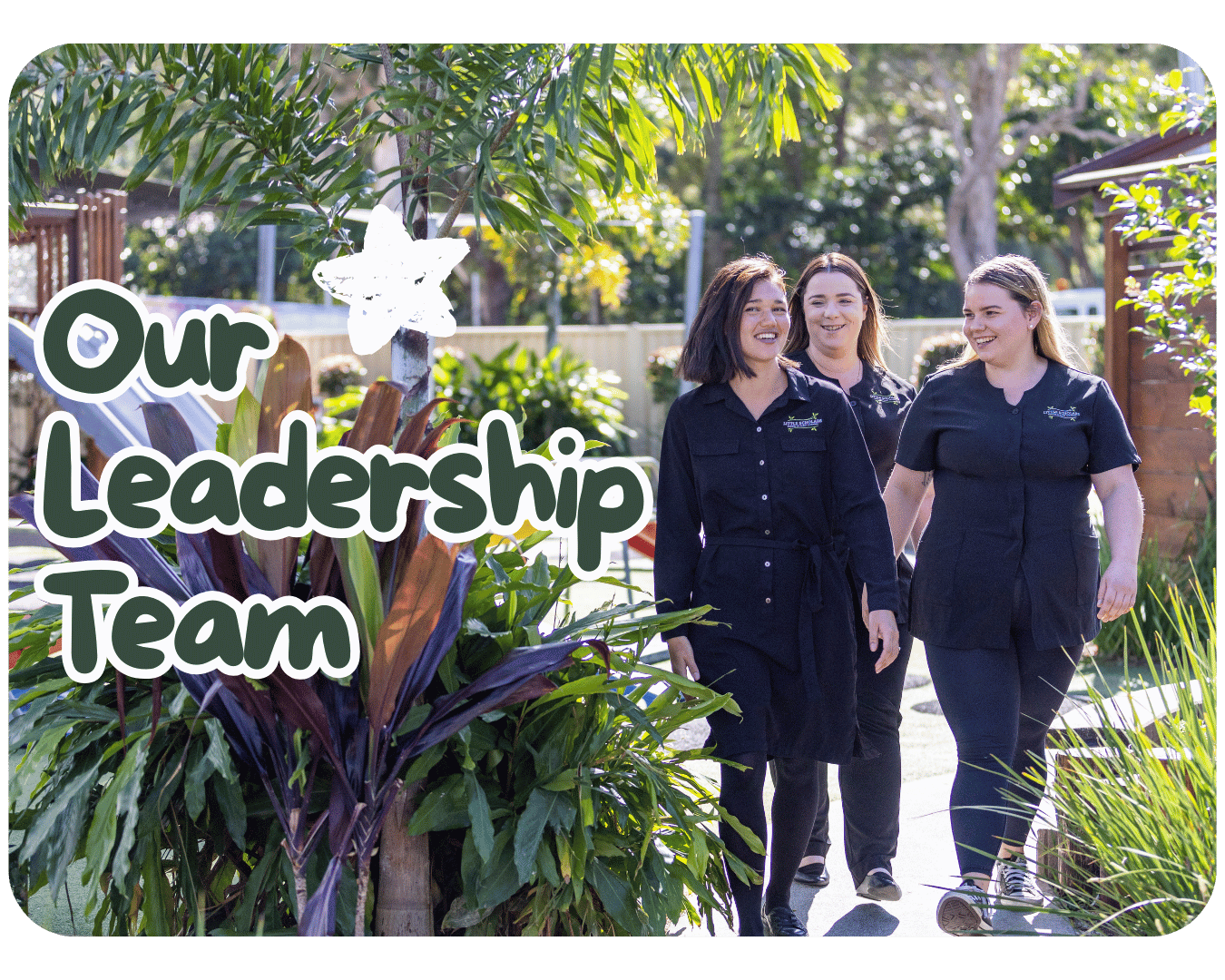
Our Operations Manager, Melanie Excell, is a recognised Children’s Rights Queensland Ambassador, working closely with the community to raise awareness and advocate for children’s rights across the state – reinforcing our commitment at every level of leadership.
We also empower children through programs like the Bravehearts Ditto’s Keep Safe Adventure Show, which teaches children personal safety skills in an age-appropriate, engaging way.
With so many childcare options across Southeast Queensland, why do parents choose Little Scholars? It’s our unwavering commitment to safety, combined with a nurturing environment that supports every child’s growth and development. We’ve earned the trust of countless families because we genuinely care about the safety and wellbeing of each child in our care.
At Little Scholars, we believe that a safe environment is one where children can grow, learn, and reach their full potential. By providing a secure, caring, and stimulating environment, we ensure that your child will thrive both physically and emotionally, giving you the peace of mind you deserve.
Your child’s safety and wellbeing are our top priority. To ensure that every parent feels confident in their decision, we’ve created a Child Safety Checklist that you can download for peace of mind, along with detailed information on our safeguarding policies. Download the checklist here.
For more information about how we keep your child safe, please visit our Child Safeguarding page. We look forward to welcoming you and your little one to Little Scholars, where safety and learning go hand in hand.
We live in a digital world, and for many of us, our small children are quicker to learn and use technology than we are. For a parent, letting your child use technology can be a bit of a break, so you can have a few minutes to work, cook, tidy up or even just have some peace. And increasingly, children are required to have their own devices for their education once they get to big school. Technology allows them to learn things in ways a book or even a television show can’t teach them, but it also comes with risk of which parents need to be aware.
Here are our top tips on how to keep your child safe while using devices.
Engage with your child on their digital experiences. Parents often talk about what a child does during their day – how school or daycare was, what they had for lunch, what they’re reading, but do you talk to them about what they’re doing online or on devices? We recommend being an active participant with your child while on the phone, iPad or computer and watch, read or do online activities with them. Be curious about what interests them and ask questions — at the same time, you can gently introduce online safety tips, such as not clicking on pop-ups, or question links coming from sources they don’t know before they click. Remind your child to always talk to you about anything, and to come to you if they find something online that makes them feel uncomfortable or if someone outside their immediate trust circle contacts them online. Make those conversations commonplace, because the more you interact with your children during and about screen time, the better.
Digital footprints can last for a long time. Talk with your children about what the internet is, and how (when they’re older) what they post can influence people’s opinions of them—good or bad. This is also a reminder to you about considering what you post, especially when it comes to your child. Asking them early if you may take their photo, and if you plan to share it on social media, let them know who will see it, why you want to share it, and respect their decision if they don’t want to share it. This shows respect for your child, models consent and respectful data sharing practices. The more they know about this, the better off they’ll be when it comes to making decisions about their online presence when they’re older.
Children under two years of age are not recommended to have any screen time outside of occasional video calls, according to national and international guidelines, such as from Early Childhood Australia and the American Academy of Pediatrics. Children younger than age two are more likely to learn when they interact and play with parents, siblings, and other children and adults. After age two and until at least age five, it’s suggested that little eyes only be exposed to one to two hours of high quality programming per day.
Too much screen time and regular exposure to poor-quality programming has been linked to:
Unstructured playtime is more valuable for a young child’s developing brain than is electronic media, but not all screen time is ‘bad’ and can even be beneficial.
Sites such as Children and Media Australia and Common Sense Media can help parents understand the quality of the media and apps that their children are using with programming ratings and reviews.
Parental controls are software tools that allow you to monitor and limit what your child sees and does online.
They can be set up to do things like:
The Australian government’s eSafety Commissioner is a great resource with important information on how to protect children of all ages when they spend time online.
Obviously, with the recommended screen time guidelines for small children to be somewhere between zero to two hours daily depending on age, your child’s time should be mostly device-free, but this is a great idea for all family members to carve out some time each day without devices to focus on other interests and each other. Your children are always watching what you’re doing, and seeing you keep the phone or iPad away so you can read or play with them, or even focus on other passions or hobbies of your own, models healthy behaviour when it comes to devices. As mentioned above, you can set time limits on devices, with both Apple and Android, and switch things up so that when the limit is up, go do something outside.
Maybe as a family everyone can agree to device-free time together, such as at meals or weekend mornings – whatever works for you. Research shows that devices shouldn’t be used for at least an hour before bedtime to ensure your child has the best quality sleep.
You could also agree to areas in which devices are to be used such as living rooms or the study. If you keep mobile phones and other devices out of your child’s bedroom at night, your child won’t be able to play games or potentially wander into online territory you don’t want them to see. This can also stop your child being disturbed in the night by messages and notifications. Reducing the areas in which devices may be used also allows other areas for connection – like car rides and restaurants, as a family.
Resources:
Let us hold your hand and help looking for a child care centre. Leave your details with us and we’ll be in contact to arrange a time for a ‘Campus Tour’ and we will answer any questions you might have!
"*" indicates required fields
Let us hold your hand and help looking for a child care centre. Leave your details with us and we’ll be in contact to arrange a time for a ‘Campus Tour’ and we will answer any questions you might have!
"*" indicates required fields