





As early childhood educators, we encounter a variety of situations on a daily basis, ranging from ordinary to interesting (to say the least!). Reflective practice in early learning is about taking a step back and critically examining these experiences to better understand what happened and why. By reflecting on our practice, we can learn from our experiences, improve our approach, and ultimately provide better care for the children in our campuses.
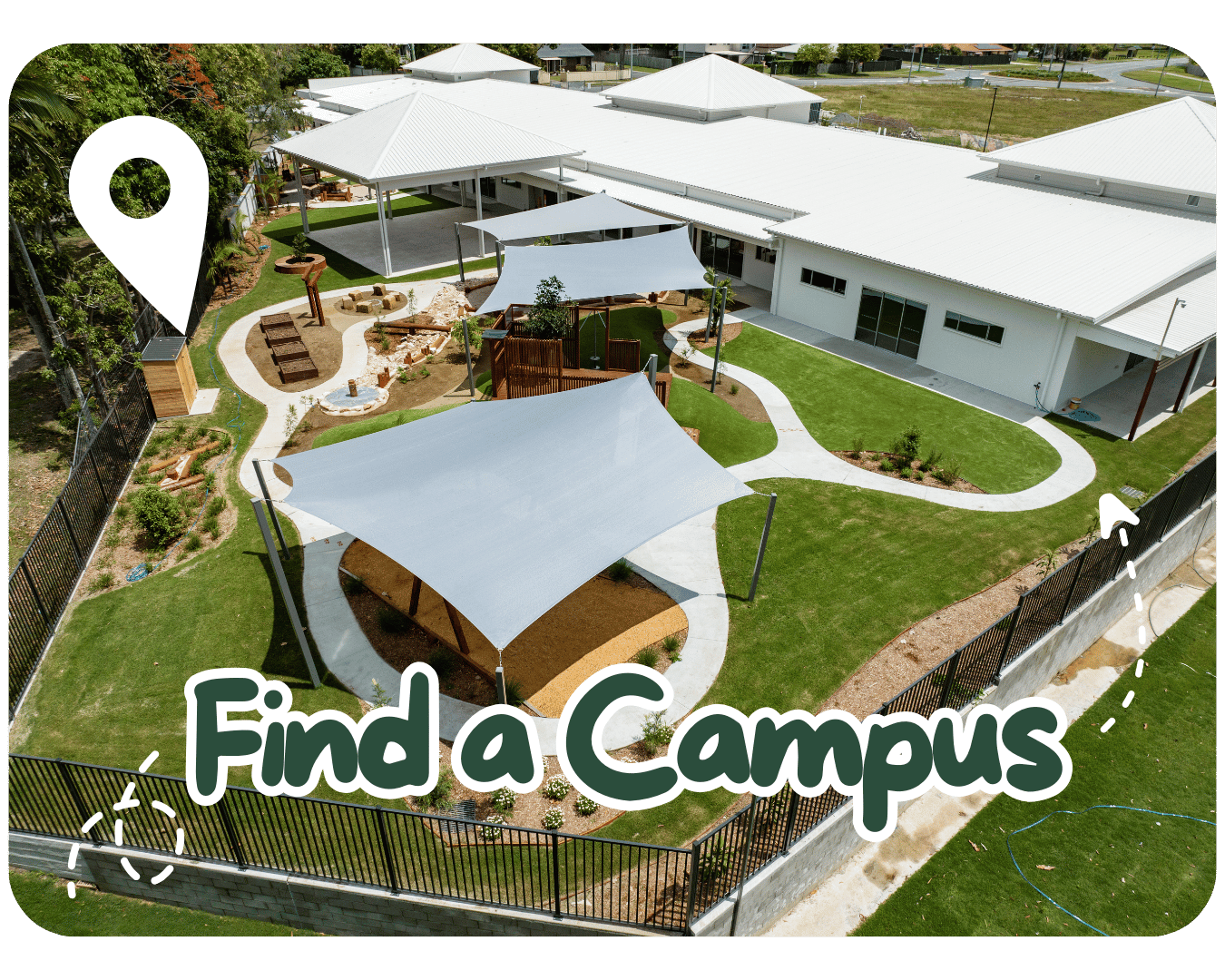
Little Scholars provides an attractive and safe environment to children on the Gold Coast while giving you total peace of mind while your children are in our care. Learning areas include well-equipped playrooms and landscaped outdoor spaces for maximum learning opportunities. Book a tour today if you are looking for an early learning campus in South East Queensland.
Reflective practice is a process of critical examination and evaluation of experiences, situations, and decisions to learn from them and improve future practice. It involves actively seeking out information, analysing and interpreting it, and using it to guide decision-making and improve outcomes. Reflective practice is not just about what happened, but also about why it happened and how it can be improved.
We apply reflective practice to various aspects of our work, such as planning, teaching, assessing, and communicating with children and families. It helps us identify the rationale behind our practices and evaluate whether they are consistent with our beliefs, values, and core philosophy.
Little Scholars School of Early Learning’s The Collective is a service-wide, multi-faceted educational initiative, designed to enhance each child’s learning and development and best support educators’ time spent with children.
There are different types of reflective practice, including reflection-in-action, reflection-on-action, and reflection-for-action.
Reflection-in-action occurs spontaneously as we make decisions in response to what is happening in the moment.
Reflection-on-action involves thinking about experiences after the event and questioning how and why a specific practice contributed to or detracted from a child’s learning or relationships with families.
Reflection-for-action is a proactive way of thinking about future action and involves considering different approaches and refining inclusive practices and communication strategies to improve outcomes.
We view reflective practice as an essential component of developing a culture of learning that drives continuous improvement and focuses attention on quality outcomes for children and families. It helps us to enrich children’s learning, build our own knowledge and skills, and affirm and challenge our colleagues.
To engage in reflective practice, we take time to observe children closely, foster relationships and gain insights into their thinking and learning. Here are some strategies we employ to engage in reflective practice in early learning:
Reflective practice in early childhood education is important as it ensures educators regularly reflect on what they do, why they do it, and how this knowledge can improve their practice.
Studies show that high-quality early childhood settings positively affect children’s development, and reflective practice is a feature of such environments. This practice allows early childhood professionals to develop a critical understanding of our own practice and continually develop the necessary skills, knowledge and approaches to achieve the best outcomes for children.
Reflective practice also helps us create real opportunities for children to express their own thoughts and feelings and actively influence what happens in their lives. In addition, reflective practice helps professionals to develop a deeper awareness of their own prejudices, beliefs, and values, and advance learning for vulnerable children.
At Little Scholars, we recognise the importance of reflective practice in providing high-quality early education to the children in our care. Our educators engage in regular reflection and are encouraged to share their insights and experiences with their colleagues.
We believe that by reflecting on our practice, we can continually improve and adapt to better meet the needs of the children and families we serve. The Collective allows for educators to have autonomy in how they document and plan for children. This supports a strength-based approach with our team.
If you live in South East Queensland, book a tour today to enrol your child in the best early learning campuses in the community.
At Little Scholars we are dedicated to creating a nurturing, stimulating, and safe educational setting for children. To accomplish this, we have integrated the Reggio Emilia approach into our curriculum. This powerful educational philosophy puts the child at the heart of their learning journey, aligning perfectly with our commitment to compassion, love, and preparing children for life.
This article explores what the Reggio Emilia approach is, how it originated, and how we integrate it into our teaching at Little Scholars.
Little Scholars provides an attractive and safe environment to children on the Gold Coast while giving you total peace of mind while your children are in our care. Learning areas include well-equipped playrooms and landscaped outdoor spaces for maximum learning opportunities. Book a tour today if you are looking for a childcare centre in SE Queensland.
The Reggio Emilia approach is an educational philosophy focused on early childhood education. Originating from the region of Reggio Emilia in Italy, this approach views young children as curious individuals who have the potential to learn from everything around them.
Essentially, the Reggio Emilia approach places significant emphasis on fostering a strong sense of self, creativity, and cognitive skills through a systematic learning process based on exploration and discovery. It recognises children as active participants in their learning, with their own unique interests, abilities, and the capability to construct their own understanding and knowledge of the world.
There are 11 key principles in the Reggio Emilia approach:
The Reggio Emilia approach to early childhood education originated after World War II, through collaboration between early childhood educator and psychologist Loris Malaguzzi and parents in the villages surrounding Reggio Emilia, Italy. They joined forces to create a new type of childcare education that would prioritise community involvement, instil a love for learning, and promote respect. Together, they established and managed preschools that emphasised the significance of community, democracy, and an active role in education. This shared mindset laid the foundation for what we now know as the Reggio Emilia approach.
Over time, the Reggio Emilia approach has evolved, incorporating influences from various sociological and academic ideas. Despite its humble beginnings, this philosophy has gained international recognition for its innovative and child-centred approach, making a profound impact on early childhood education. Today, thousands of schools inspired by the Reggio Emilia approach can be found worldwide, each adapting and implementing the philosophy in ways that resonate with their own specific cultural and community contexts.
In a world where traditional education can often be rigid and structured, the Reggio Emilia approach offers a refreshing child-centred approach, recognising and valuing children as strong, capable, and resilient individuals who possess innate wonder and knowledge.
At Little Scholars, we embrace the Reggio Emilia approach as it aligns with our philosophy.
We integrate this philosophy alongside Australia’s National Quality Standard for education and the Early Years Learning Framework, into our everyday practices, curriculum, and interactions. Our aim is to create environments that inspire children’s exploration, discovery, and active engagement. In our studios, we purposefully arrange the space to stimulate curiosity, problem-solving skills, and social interaction. Every nook and cranny of our campuses are designed to be a learning space where children can interact with materials, nature, and their peers.
The unique combination of our values and the Reggio Emilia approach not only nurtures cognitive and social skills but also fosters deeper growth. It equips children with a strong moral compass and a deeper understanding and respect for the world they live in.
Do your children play with dolls? There have been some fascinating research findings that highlight the advantages of dolls as a tool for nurturing social and emotional skills in children. Recent studies have shown that doll play provides children with opportunities to engage in imaginative role-playing, develop empathy, and enhance their communication about others’ thoughts and feelings. There’s also been some research that looks at traditional notions of gender preferences in toy choices, emphasising the importance of providing children with diverse play experiences, all of which we’ll explore here.
Research challenges the notion of innate gender preferences in toy choices. Studies have found that even baby boys can and will show a preference for dolls over trucks, indicating that toy preferences may be influenced by environmental factors rather than biological predispositions. By encouraging children to play with dolls, we can help them develop a broader understanding of the world, challenge gender stereotypes, and promote equality.
Doll play provides opportunities for children to practice social and emotional skills by creating imaginary worlds, taking others’ perspectives, and talking about others’ thoughts and feelings, according to 2020 research titled Exploring the Benefits of Doll Play Through Neuroscience. The study, conducted by researchers from Cardiff University and King’s College London, saw 33 children between the ages of four and eight freely play with Barbie dolls and accessories, or tablet games with a social partner or by themselves.
The children were left to play spontaneously, but their chat was monitored and they were also fitted with a specialised cap containing state-of-the-art, functional near-infrared spectroscopy equipment – a form of brain imaging technology, making it possible to track brain activity while the child freely moved around.
The study found that the children talked more about others’ thoughts and emotions when playing with the dolls, compared with playing creative games on a computer tablet, such as a hairdressing game or a city-building game with characters.
Social play also activated the right prefrontal regions in the brain more than solo play, researchers found. These areas of the brain are responsible for regulating thoughts, actions and emotions.
The children in the study were also more likely to talk to the dolls versus characters in the digital games, which showed they were developing important social and emotional skills, according to the lead researcher.
“When children create imaginary worlds and role play with dolls, they communicate at first out loud and then internalise the message about others’ thoughts, emotions and feelings,” says lead researcher Dr. Sarah Gerson in the university release. “This can have positive long-lasting effects on children, such as driving higher rates of social and emotional processing and building social skills like empathy that can become internalised to build and form lifelong habits.”
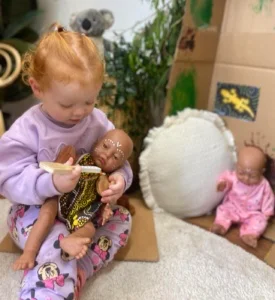
Closer to home, research conducted at the University of Western Sydney in 2013 found young baby boys seemed to prefer dolls to trucks, challenging the theory of an innate preference among babies for typical feminine or masculine toys. Researchers gauged the preferences of four and five-month-old babies by showing them pictures of male and female humans and dolls, as well as cars and other items.
Researchers then measured how long their gaze lingered on the objects, and calculated their preferences based on that length of time. Researchers found there was a general looking preference for dolls or doll faces over cars or trucks for both the male and female babies observed at five months old.
Other studies conducted at U of WS have found as babies age, there are sometimes preferences toward toys marketed at their own gender, but those preferences, researchers hypothesised, could be environmental or a result of nurturing, so if they’ve been given more opportunities to play with toy trucks than dolls, they may show a preference for toy trucks.
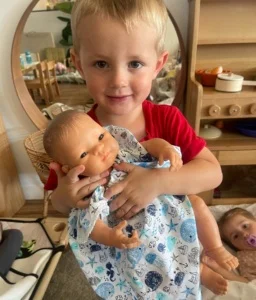
Babies don’t typically show gender preference until at least their second year, according to some studies, indicating that preference later may be the result of their physiological changes, cognitive development or social pressure.
Playing with dolls is a version of role-playing, and that’s a great thing in child development. Dolls are used to create narratives while playing. When children do this, they’re learning to make sense of the world and this kind of role-play helps them see things more broadly.
Other research has looked at how gendered toys are approached by each sex. One study in the 1980s had a few dozen girls and boys (aged four to nine years) presented with toys in three sex-labeled boxes and were given six minutes to explore the objects. The children’s memory for information about the toys was tested one week later. Results show that the children tactually explored toys labeled for their own sex more than similar objects labeled for the other sex, and remembered more detailed information about own-sex than other-sex objects. Between ages three to five, gender is very important to children, according to an an associate professor at the University of Kentucky. So when children are presented with very specifically-marketed gendered toys, they pay careful attention.
This is a time we should encourage children to play with all kinds of toys, as it sets the foundations for free thinking, creative play and removes the constraints of gender.
The benefits for children, regardless of their sex, of playing with dolls are numerous and supported by research. Doll play provides opportunities for children to practice social and emotional skills, develop empathy, and engage in imaginative play. Studies have shown that doll play leads to increased communication about others’ thoughts and emotions, activating important brain regions responsible for regulating thoughts, actions, and emotions.
At Little Scholars, we recognise the importance of supporting children’s interests and providing them with a diverse range of toys and play opportunities. Our home corner, which includes dolls and role-playing materials, encourages children to explore, imagine, and develop important skills and dispositions for learning. By embracing doll play and role-playing activities, we foster autonomy, creativity, problem-solving abilities, and a sense of agency in our children.
References:
Since nearly the beginning of Little Scholars, Little Scholars School of Early Learning has been proud to have special friendships in the community with people who live in aged care setting.
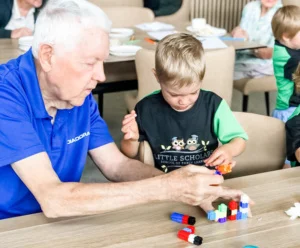
The premise of Little Scholars Intergenerational Program, dating back to 2015, is simple. It’s all about supporting connection between the young and the young at heart and bringing parts of our community together.
“It all began when our leadership team attended an intergenerational forum where we learnt that 16% of people in Australia are over 65 years of age and 45% of these people have reported feelings of loneliness. That’s a huge number and made us want to act,” says Jae Fraser, founder of Little Scholars.
“We also had some feedback from families who had moved here from interstate or internationally, and their children had no physical contact with their grandparents – so this was a wonderful opportunity for us to allow these children to have ‘Grandfriends’.”
Isolation and feelings of loneliness are a serious threat for older people, because they’re more likely to live alone, lose family members and friends, suffer from chronic illness and hearing loss. Statistically, one in four older (over 65) Australians live alone.* Of those who live alone, according to a 2015 Australian Bureau of Statistics survey, about 12% didn’t receive visitors in a three-month period, and older men were reported to be less likely to have been visited, at 17%.
In a 2020 Royal Commission report, of the Australians who reported knowing someone in aged care facilities, one third never contacted the people they know, and one in five never visited.
Social isolation has also been linked to mental illness, emotional distress, suicide, the development of dementia, premature death, physical inactivity, poor sleep, and biological effects, including high blood pressure and poorer immune function.
Little Scholars aims to fix this.
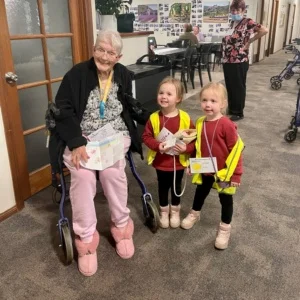
With our intergenerational program, the children visit with their grandfriends fortnightly. They do crafts, play games, sing songs, share morning teas and have meaningful chats. For their young-at-heart mates, the visits help alleviate challenges of isolation, and brings joy, feelings of self-worth, developing new friendships, silliness, and fun. For the children, the visits have a multitude of benefits, including:
So many of the residents just want or need one thing that they can look forward to, to keep them going.
Natalie Carey, Deception Bay campus manager
Our Redland Bay campus started its friendship with a nearby aged care home because a parent worked there. The parent mentioned how much the residents loved when her own children visited, so staff decided to reach out and begin planning an intergenerational program.
“We started with just the kindergarten class, and every time we went down there, we took a different age group with us,” says Jordie, now campus manager of Little Scholars Ormeau 2. “We went there to share high teas, we created hampers for the residents for Mother’s Day, Father’s Day and Christmas that were donated by our families.”
Our Deception Bay Little Scholars began its program in 2016, when campus manager Nat arranged for the kindergarten children to visit the aged care home Nat’s grandmother lived in.
“We connected with them to be able to give the elderly someone consistent who would come and visit them, as some of them received no visitors,” Nat says. “I learnt this when I spoke to one of my grandma’s carers and she said so many of the residents just want or need one thing that they can look forward to, to keep them going.”
Nat says they started taking the kindergarten children regularly, then extended it down to the younger studios to embed it across their service.
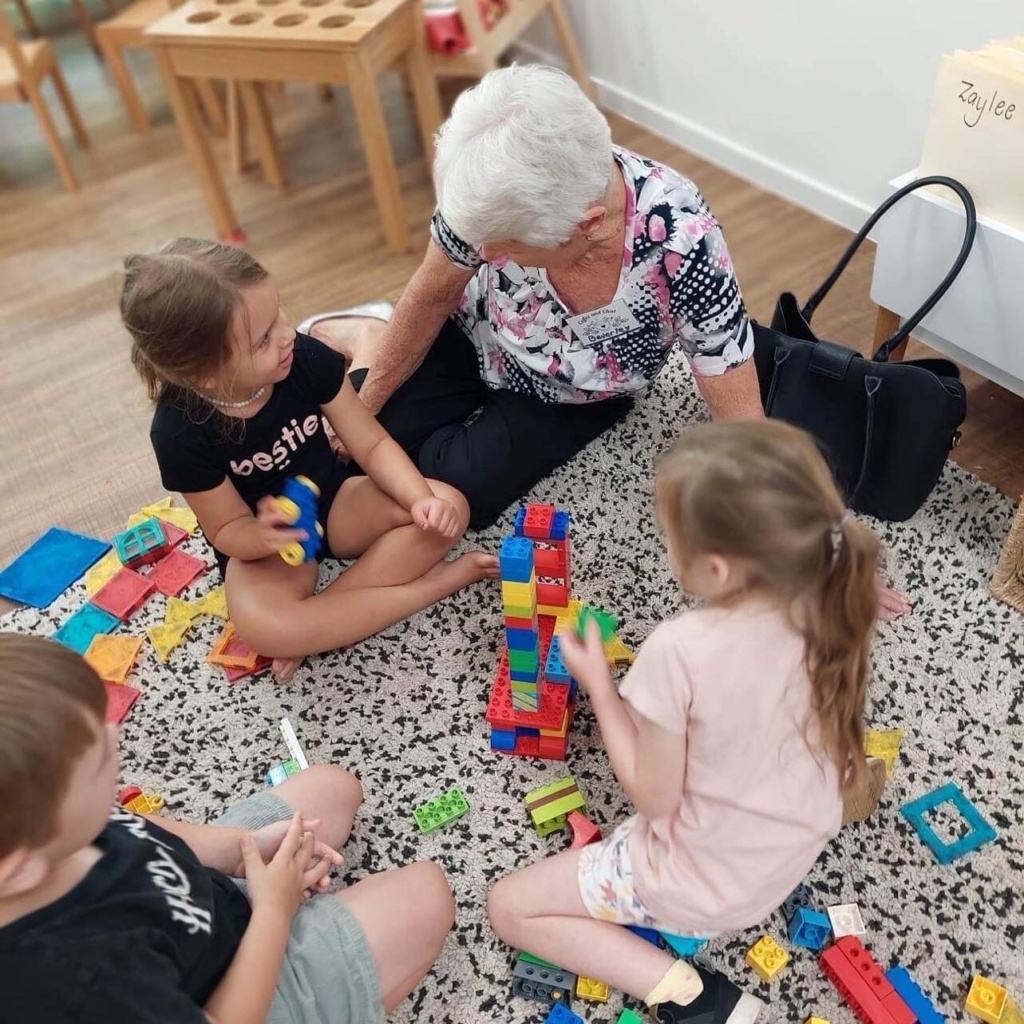
“We would always take five or six kindergarten children to allow the connections to continue between the children and their grandfriends. The dementia patients, in particular would love our babies, and together we got to create and witness some special moments.”
The Little Scholars Ashmore campus started its intergenerational program last year, after working with Griffith University’s Dr Jennifer Cartmel and PhD student, Jelisa Tan.
Jelisa did her placement at the campus and prepared resources for team members and families. She shared slideshows, floor books and fact sheets with an emphasis on the benefits of the intergenerational program and its progress.
While many of our services have had informal relationships with local aged care residences for many years, we believe the intergenerational program is more important than ever and will be incorporated in all 13 Little Scholars campuses by the end of 2023.
“Celebrating the role older community members play in the development of children is something to be fostered and celebrated. The program is one of the most popular aspects of our services, we’ve found our community loves finding occasions to see the different generations come together and share in a common experience,” Jae says.
Help your child grow physically, emotionally, socially. Our intergenerational program will be at all our campuses by end of 2023. Learn more about Little Scholars.
Related stories
In today’s fast-paced world, science, technology, engineering, and mathematics (STEM) are the driving forces behind innovation and progress. To equip the next generation with the skills they need to thrive in this exciting landscape, we have to recognise the incredible impact of early childhood education. A recent study conducted by researchers at the University of California Irvine has revealed the transformative power of high-quality early childhood education and care (ECEC) in nurturing children’s STEM achievements throughout their educational journey.
The study’s findings are both exhilarating and promising. They show that children who have access to top-notch ECEC before starting school are more likely to excel in STEM subjects as they progress into high school. This underscores the vital role of investing in early education and providing children with the necessary tools and support to build a strong educational foundation.
The researchers identified two key factors that contribute to the success of early childhood education in fostering STEM abilities. Firstly, igniting children’s curiosity through cognitive stimulation has a profound impact on their problem-solving skills and overall STEM performance. Early childhood educators who create engaging learning environments and incorporate hands-on experiences play a pivotal role in nurturing children’s passion for STEM. Secondly, the study emphasised the crucial role of educator sensitivity and responsiveness. When educators demonstrate empathy, attentiveness, and genuine care for children’s needs, it not only supports their overall development but also significantly influences their STEM achievements. The emotional connection established during these early years lays the foundation for children’s social-emotional skills, which are closely intertwined with cognitive development.
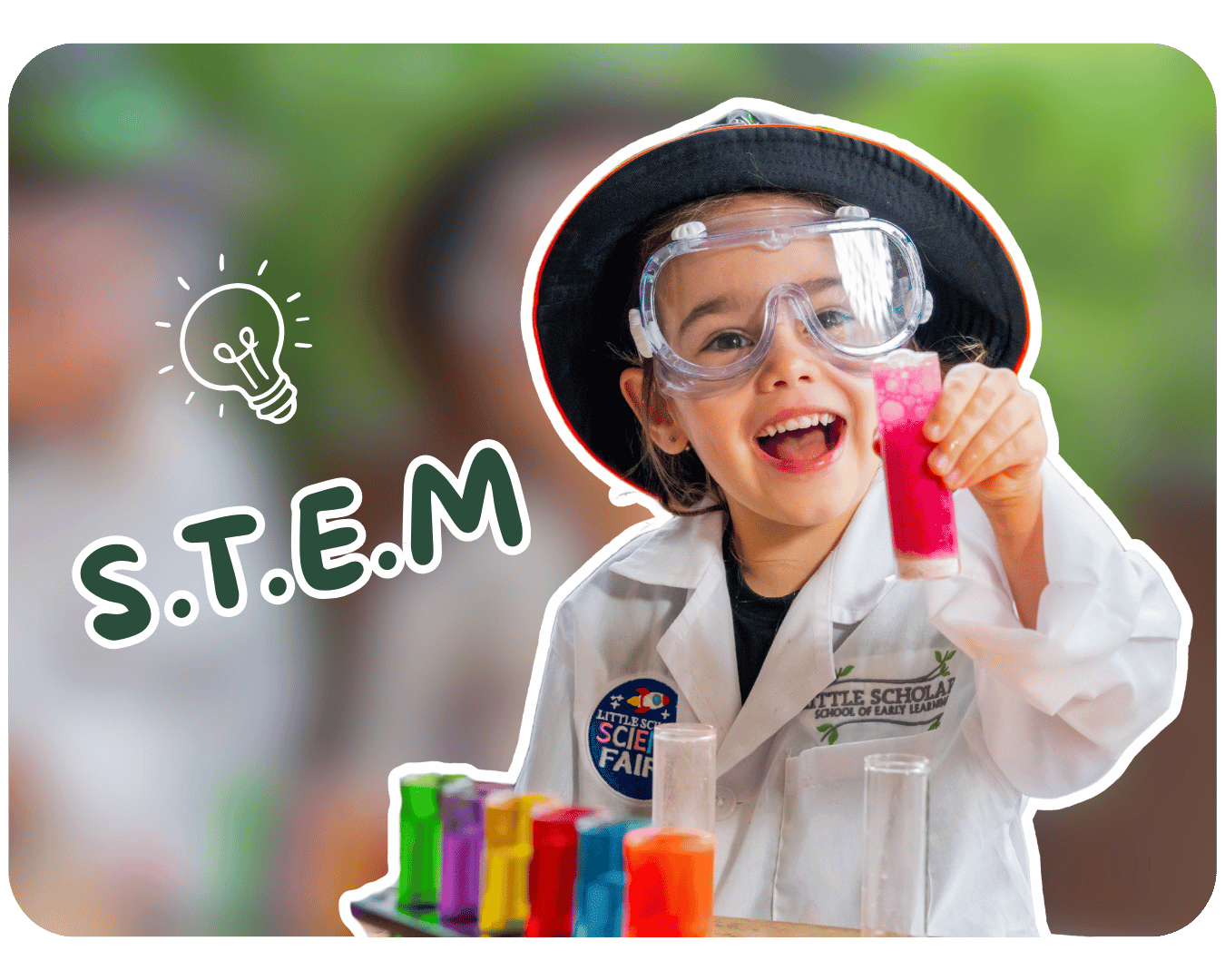
Interestingly, the study also revealed that sensitive and responsive caregiving in early childhood has an even greater impact on STEM performance for children from low-income families compared to their peers from higher-income backgrounds. This finding highlights the importance of addressing equity in early education and ensuring that all children, regardless of their socioeconomic status, have equal access to high-quality early learning that fosters STEM engagement. Speaking of STEM, did you know that Little Scholars offers an exciting STEM program for our kindergarten children? In collaboration with our friends at Lab Kids, we provide an incredible educational STEM program that aligns with the Early Years Learning Framework and the Australian National Curriculum. From exploring motion and states of matter to learning about light, sound, and chemical reactions, our curious little scholars embark on an exciting journey of STEM discovery!
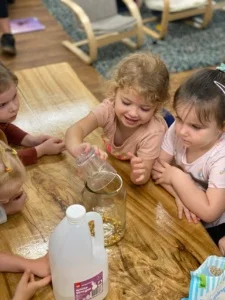
Finally, the University of California Irvine study reinforces the immense value of early childhood education in nurturing STEM success. By providing high-quality early learning that fosters curiosity, responsive caregiving, and an inclusive learning environment, we begin to realise the full potential of our Little Scholars. Book a tour at Little Scholars.
If you follow our social media posts, you know we’re passionate about getting our Little Scholars outside. Have you ever wondered why outdoor play is such a vital part of our early educational program?
Imagine the fresh air brushing against your face, the satisfying crunch of leaves under your feet, or the soothing sound of a nearby burbling stream. Picture the invigorating scent of freshly cut grass or the refreshing breeze of the salty sea air. Envision the tactile sensation of rough bark or smooth stones. And finally, visualise the breathtaking beauty of greenery, rivers, streams, and oceans.
In essence, being outdoors offers the ultimate sensory experience that simply cannot be replicated in a studio.
Many of us cherish childhood memories filled with boundless hours spent exploring the great outdoors. However, as life has grown busier for families, children today are spending less time engaging in unrestricted play outside. A recent study by Royal Children’s Hospital national child health poll found that 45% of Australian children play outdoors most days, and 80% of parents would like their children to spend more time outdoors. At Little Scholars, we want children to rediscover the joy of unstructured play in nature.
One study found that children who engage in just one third more outdoor activities than their peers grow up to be happier adults.
Outdoor learning should be an integral part of children’s everyday lives, providing fun and enjoyment while also serving as a stimulus and extension of their indoor learning. If your child attends Little Scholars, outdoor play is a key component of their daily experience on our campus.
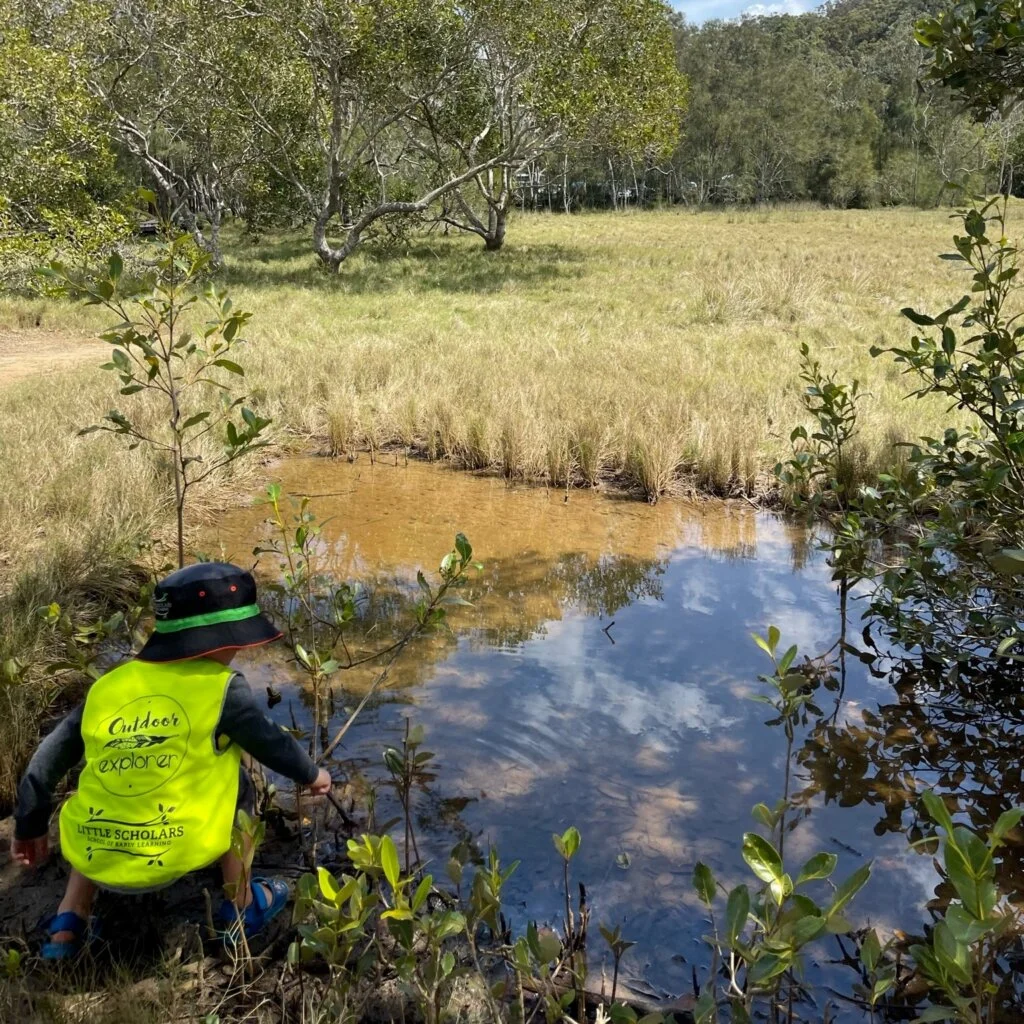
At Little Scholars, our educational programming places a strong emphasis on the natural environment. We have developed the Little Scholars’ Bush Kinder program, an innovative outdoor education experience for children of all ages, fostering exploration, discovery, and learning in nature.
During our Bush Kinder adventures, children engage in a range of activities, including nature walks, wildlife watching, building shelters, and learning about indigenous culture. They climb, scramble, jump, and fully immerse themselves in nature’s playground.
Our outdoor teachers are highly experienced and qualified in outdoor education and child development. They understand the significance of outdoor and nature play in fostering children’s development and well-being. By cultivating a love for nature and the environment, as well as a connection to all living things, they help fulfill children’s basic needs for freedom, adventure, experimentation, risk-taking, and simply being children.
At Little Scholars, the safety and security of our children are of utmost importance. Our Bush Kinder program is conducted in a safe and secure outdoor environment, with strict protocols in place to ensure the well-being of all participants. Our educators are passionate about providing children with meaningful learning experiences in a safe and supportive setting. Extensive risk assessments are conducted prior to excursions, but children are also advised and included in risk assessing while on their adventures so they can begin to think about safe risk taking while enjoying being outside. Our Bush Kinder program is designed to be fun, engaging, and educational, and there are plenty of benefits for children while they’re out on their adventures.
Children have the opportunity to explore and discover the wonders of the natural environment, learning about plants, animals, and ecosystems firsthand.
Through hands-on experiences, children develop critical thinking and problem-solving skills. They learn to navigate challenges and find creative solutions.
Outdoor play provides ample opportunities for children to interact with their peers, fostering the development of social skills and the formation of new friendships.
Engaging in outdoor activities helps children develop their physical skills, such as coordination, balance, and strength.
During bush kinder, we engage in Dadirri, an Aboriginal word meaning ‘inner deep listening and quiet still awareness and waiting’. So while out enjoying nature, the children and educators sit with a bit of space from each other and pay close attention to what they can hear, see, smell and feel. Bush kinder also provides an opportunity to learn, acknowledge, and celebrate the history and traditions of the people who were the traditional owners of the land they love to spend time exploring.
Finally, spending time in nature cultivates a sense of wonder and deepens children’s appreciation for the natural world around them.
While we take pride in our learning programs that prioritise outdoor play, it’s important to acknowledge the foundations upon which these programs were built. Our teams have conducted extensive research and drawn from the following theories:

Friedrich Froebel (1782-1852): Froebel’s approach emphasises holistic development and creativity in early childhood education. He recognised the importance of outdoor learning, nature walks, and gardening.
Jean Piaget (1896-1980): Piaget’s theory of cognitive development highlights the role of play in intelligence development. He believed that children’s play and environment should encourage cognitive and language growth.

Lev Vygotsky (1896-1934): Vygotsky emphasised the importance of children’s interaction with the environment and their peers. He believed that learning is enhanced through social interaction and scaffolding from a more knowledgeable other person.
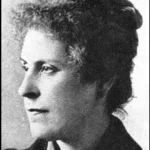
Margaret McMillan (1860-1931): McMillan, along with her sister Rachel, played a pivotal role in nursery education. They advocated for open-air nurseries and opened Britain’s first open-air nursery, and unlimited outdoor play, recognising the benefits of hands-on experience and active learning.
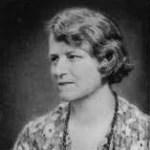
Susan Sutherland Isaacs (1885-1948): Isaacs, an educational psychologist, believed in the central role of play in a child’s education. She emphasised the importance of outdoor exploration and community engagement to support children’s emotional and cognitive needs.
While our Bush Kinder program is a significant aspect of Little Scholars, outdoor play doesn’t always require leaving the campus. Our yards are purposefully designed as extensions of our studios, providing space for learning, relaxation, and play. From play forts to bike tracks, gardens to sensory paths, and water play areas, our outdoor environments offer open and less structured spaces for children to explore, overcome challenges, and grow.
By encouraging children to spend time outdoors, whether through Bush Kinder or within our incredible yards, we aim to provide them with a well-rounded early education. Outdoor play nurtures essential skills such as resilience, teamwork, creativity, mindfulness, and risk assessment in a safe and supervised environment.
Now that you understand why outdoor play is such an integral part of the Little Scholars experience, it’s time to discover how nature play can bring out the best in your child. Find out more by booking a tour and seeing firsthand our commitment to supporting children’s growth and development.
For parents leaving their babies or young toddlers in care for the first time, it can be a stressful experience. When the paid maternity leave ends, parents must make the decision of whether or not both parents will work outside the home. The choice to leave their young child in early learning and care can create a number of concerns, one big one being how their relationship with their young child will be affected if the parent is not spending the majority of the child’s time with them. These are valid concerns, but research has suggested infant attachment to their parents is not generally affected by being in care, so long as the parents have a strong bond with the child when they are with them.
Understanding Attachment Theory
Attachment theory was first introduced by John Bowlby, a British psychoanalyst and psychiatrist in the 20th Century. Bowlby observed that early attachments could significantly affect a child’s emotional development and adult relationships in later life. He concluded that children between six and 30 months were very likely to form emotional attachments to familiar caregivers, especially if the adults are sensitive and responsive to child communications. This led him to propose the Attachment Theory after he studied the negative impact of maternal deprivation on young children.
Mary Ainsworth, an American psychologist who worked under Bowlby early in her career, later devised an assessment technique called the Strange Situation Classification (SSC) to investigate how attachments might vary between children. Her research in Uganda, then her well-known Baltimore Study in the 1960s, in which she noticed distinct individual differences in the quality of mother-infant interactions over time, led her to categorise these different attachment styles into three types: secure attachment styles, insecure attachment styles, and not-yet attached. She found a connection between maternal sensitivity and secure attachments. Sensitive mothers were familiar with their babies, provided spontaneous and specific detail about their children, and babies of sensitive mothers cried less and felt free to explore in the presence of their mother. Generally, she concluded that babies of sensitive mothers have secure attachments.
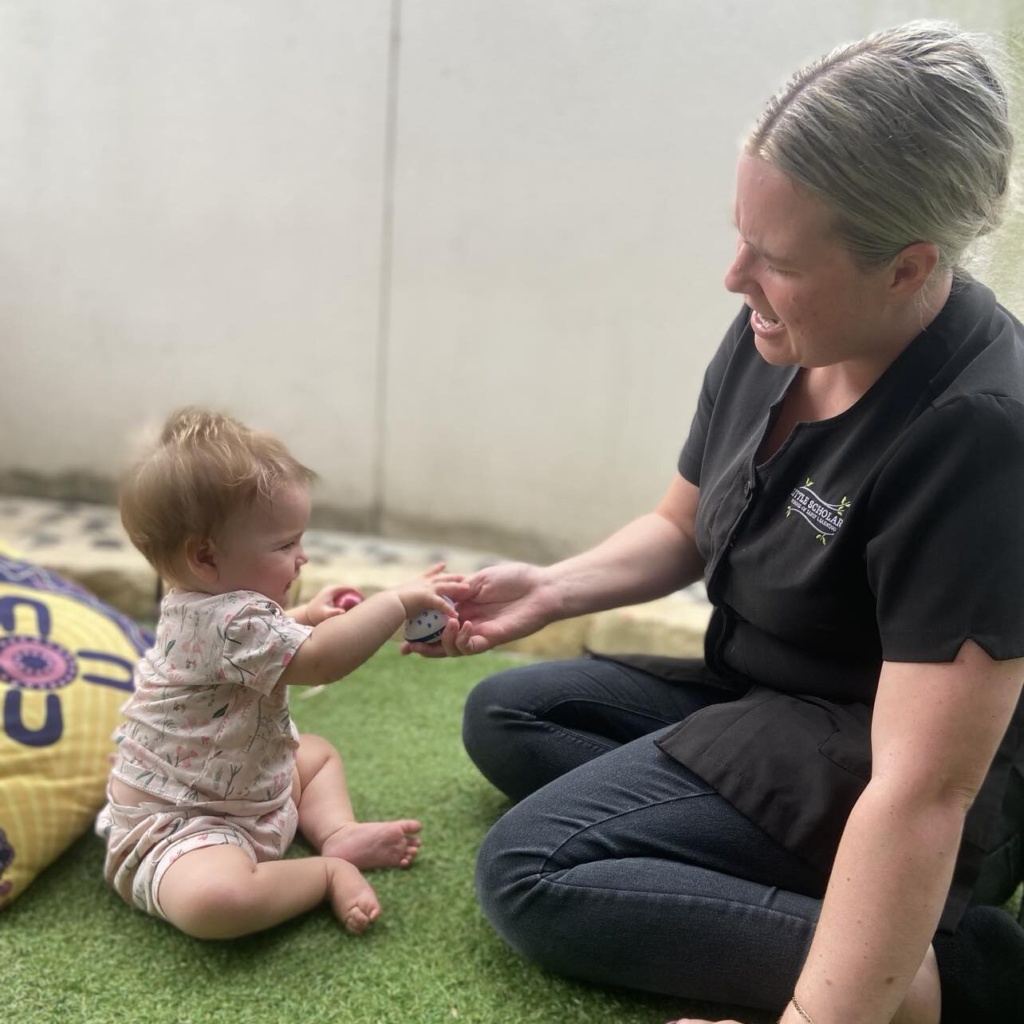
While Bowlby’s initial findings focused on maternal deprivation, later studies have contradicted his emphasis. Schaffer & Emerson (1964) found that specific attachments started at about eight months and shortly thereafter, the infants became attached to other people. By 18 months, very few (13%) were attached to only one person, and some had five or more attachments. Rutter (1972) noted that several indicators of attachment, such as protest or distress when an attached person leaves, have been shown for various attachment figures – fathers, siblings, peers, and even inanimate objects. Weisner, & Gallimore (1977) found that mothers are the exclusive carers in only a very small percentage of human societies, and often there are a number of people involved in the care of children, such as relations and friends. Van Ijzendoorn, & Tavecchio (1987) argue that a stable network of attachment figures is more important than the number of figures.

It’s no mystery that food plays a vital role in a child’s growth, and healthy eating makes a healthy child. While eating a small number of unhealthy foods like sugary sweets and processed snacks won’t cause much harm, a balanced diet filled with fruits and vegetables is best. The foundations of a healthy diet contain nutrient-rich foods that improve your child’s physical health and promote their mental capabilities, keeping them alert and energised throughout the day.
At Little Scholars, we understand the importance of a healthy diet in enabling a child to thrive and meet their fullest potential. We have a healthy four-week menu rotation made by our fabulous chefs who prepare fresh, nutritionally balanced meals for your children.
So if you want to guarantee the health and success of your child, be sure to book a tour today.


A key to healthy eating for children is ensuring they enjoy a wide variety of nutritious foods. The Australian Guide to Healthy Eating recognises five core food groups for complete nutrition. These groups are divided into proportions to help you understand how to help your child eat healthily throughout the day. Each food group in the correct amount gives your child an excellent chance to get the right amount of nutrients and vitamins their body needs to function well.
Based on the five food groups in the Australian Guide to Healthy Eating, let’s look at what food your child needs to stay healthy.
There are many benefits of healthy eating for children in early childhood, and they include:
Every child has a different natural body composition, but healthy eating helps keep your child’s weight within the appropriate range. However, you shouldn’t focus too much on your child’s weight as it might communicate unhealthy eating habits.
As your child grows, they will need the right amount of food and adequate nutrition to ensure normal growth and development. For example, sufficient calcium and vitamin D in their meals will give them strong and healthy bones. Children aged 4 to 8 need up to 700 milligrams of calcium for healthy bone development, according to the Queensland Government’s calcium for children’s guidelines.
One of the best ways to incorporate these nutrients into their diet is through foods such as low-fat dairy products. In addition, fortified cereals, salmon, and leafy greens are also excellent sources of calcium.
Children need to have robust immune systems to be able to fight off ailments like colds and the flu. The right proportion of fruits and vegetables helps boost their immune system.
Children need a healthy diet to optimise their brain activity as they grow, making them perform and focus well at school. Some essential foods that can help improve brain functioning include fish, eggs, nuts, and seeds, all great sources of vitamin E and healthy fats.
Here are 3 great ways to improve your children’s healthy eating habits:
Involving the little ones in the cooking process can be a fun way to help them learn about food. For example, you can get them to mix up a salad or help peel some vegetables, ensuring that everything is done safely and responsibly. Our staff regularly plan cooking activities such as making fruit sticks, fruit yoghurt iceblocks and other yummy healthy treats.
Another idea is to allow them to occasionally choose what the family will eat for dinner or lunch – although set some ground rules so you don’t end up having ice cream for dinner!
When you think of childcare, you might not necessarily think of early education, but that’s precisely what Little Scholars is doing; providing high calibre early education for the critical first five years of a child’s life, and at the same time, changing society’s perception of what childcare, or early education, is.
Little Scholars has always considered itself as a leader in the sector, but we elevated the quality of education with the addition of Susan Cooper, our group pedagogical leader one year ago.
Pedagogy is a form of teaching strategies in the practice of educating. It’s the techniques, strategies and approach taken by educators to let learning and development to take place. Pedagogy refers to the interactive process between the educator, the learner and the learning environment and provides reason to the design of learning spaces, materials, and resources on offer. Pedagogical leadership supports educators in relating their pedagogy to content knowledge and educational theories.
My aim is to support educators in entering the child’s world, enabling them to reflect on their practices and build capacity to support the child’s development.
– Susan Cooper, group pedagogical leader for Little Scholars
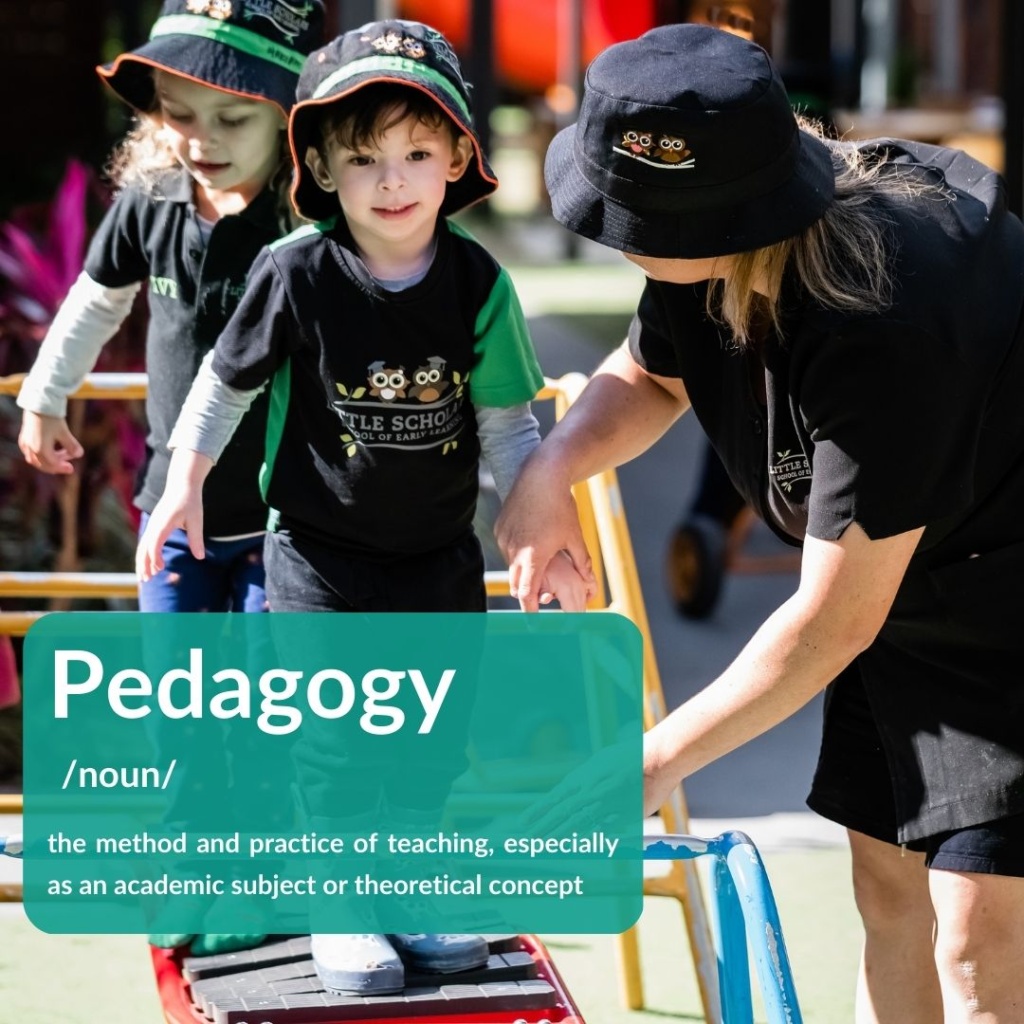
In the year since Susan joined us, she’s gone above and beyond to support our educators. Through her pedagogical leadership, Little Scholars has raised the benchmark of its overall quality of teaching, and recognises that providing children with strong foundations for ongoing learning and development is underpinned by a strong pedagogical practice. She inspires educators to employ new approaches to their teaching against up-to-date research, has helped translate the Little Scholars values and principles into practice and has without a doubt increased the quality of experiences and interactions across our campuses.
But the role was daunting at first, according to Susan.
“Having come with approximately 16 years’ experience in having been in varied roles across the sector within early childhood, my love of sharing knowledge and inspiring others drew me to apply to this role,” Susan says. “My experience in playwork allows me to see the true value in children’s play, the need to create spaces and support the learning and approach to working with children to support and facilitate play in its true essence. What really resonated with The Scholars Group and my own personal values and beliefs, was placing children as the core and central to all that we do.
“I see myself as an advocate for children’s rights, being the voice for many and striving to excel toward quality outcomes.”
The group pedagogical role is focused on mentoring and guiding teams in their practices and challenging new ways of working, to support innovative curriculum ideas, while supporting children’s learning across all Little Scholars campuses.
“I found the team to be so supportive and receptive to change, which has allowed me to share my vision, passion, and skillset,” Susan says.
With Susan’s support, our Deception Bay campus was rated exceeding against the National Quality Standards (NQS) in late 2022. A thrilling result, but not without a lot of preparation. Susan guided Nat, the campus manager, and her team, in the Assessment and Rating Process.
“It was critical that the team worked collaboratively toward a shared goal. This involved building strong relations with the team to build trust and mutual respect. This partnership saw me engage with all stakeholders, while we worked toward targeted goals and worked through evidence-based data to the exceeding themes,” Susan says.
Strong knowledge of theory and pedagogy underpinned the quality outcomes, according to Susan. Another great achievement Susan says, was the team being ranked 3rd out of 3,126 early learning centres across the state.
“My role is to take an active role in the development of pedagogy in the early childhood context. I primarily work alongside teams, across our 13 campuses to provide the opportunity to share pedagogical practice, leading knowledge to research and child development,” Susan says. “Not only does pedagogy inform direct work of teaching, but also the more indirect work of leadership. This develops a community of practice, where professional educators can share ideas and knowledge and engage in peer learning.”

“Little Scholars has always been a leader in our field, due to our commitment and passion to the early years. With the addition of our Group Pedagogical Leader, the effectiveness of our educational program and practice has been elevated to a level we didn’t think was possible,” says Jae Fraser, founder of Little Scholars.
“In Susan’s role she is supporting and mentoring the team to influence children’s learning by fostering family engagement, ensuring fidelity to the Little Scholars curricular philosophy, using data to evaluate the effectiveness of our learning program, and exceeding standards established to optimise learning effective environments,” says Jae. “We couldn’t be happier with the results of this new role just after one year, and we are so excited to see the future.”
Susan’s goals for her role are simple: to continue to strive toward excellence, raising the benchmark in early childhood and placing children at the forefront of everything Little Scholars does.
“I take great pride in the relationships I’ve developed, the partnerships I have established, creating a safe space for the children and educators I work with,” Susan says reflecting on the past year. “Our impact is significant, and I’m thrilled to witness the progress in both the children and educators. I feel grateful to be part of such meaningful work, knowing that we’re making a real difference in the lives of these children.”
When choosing a childcare centre for your little one, it can be exciting yet overwhelming at the same time. There are endless options out there, but the question we often hear is, where do I even begin? Well, at Little Scholars, we’re here to guide you through with our professional childcare expertise and we guarantee after this, you will feel at utmost ease when it comes to choosing the right childcare centre for your child.
We promise if you consider the below key points, it will make your decision process a whole lot simpler because once you know what it is you are looking for, you will start to get an understanding of which of your requirements each childcare centre tick off or perhaps ‘don’t’ tick off.
We would suggest thinking about the following key points when choosing a childcare centre:
1. Qualified and Trustworthy Staff
It’s essential to ensure that the childcare provider has a team of qualified and experienced staff who can provide a safe and nurturing environment for your child. Look for staff with relevant qualifications, certifications, and experience in early childhood education.
2. Focus on Education and Learning
A good childcare centre should offer a well-rounded curriculum that includes learning opportunities throughout the day. Look for a centre that offers a balance of academic and non-academic activities, such as art, music, and physical exercise, to promote cognitive, social, and emotional development.
3. Emphasis on Social Skills and Interaction
Social interaction is critical for children’s growth and development. Look for a childcare centre that promotes social skills development and offers opportunities for children to engage in group activities, such as circle time, story time, and free play.
4. Play and Exploration
Play is a crucial component of early childhood development. Look for a childcare centre that provides plenty of opportunities for children to play, explore, and have fun. The centre should offer age-appropriate games, toys, and learning tools that stimulate children’s creativity and imagination.
5. Philosophy on Education
Every childcare provider has its own philosophy on education. It’s important to find a centre that shares your values and beliefs on how children learn and develop. Look for a provider whose philosophy on education aligns with your own and offers an environment that supports your child’s learning and growth.
6. Age-Appropriate Resources
Children of different ages have different needs and interests. Look for a childcare centre that offers age-appropriate games, toys, and learning tools that cater to your child’s developmental stage and learning style.
7. Positive Atmosphere
A positive atmosphere is essential for a child’s emotional well-being. Look for a centre that feels warm, welcoming, and cheerful. The centre should be clean, well-maintained, and have a pleasant and safe environment for children to learn and play.
8. Safety and Security
Safety and security are paramount when it comes to selecting a childcare centre. Look for a centre that has adequate safety measures, such as a secure entrance, fenced outdoor play area, and policies for illness and emergencies.
9. Parental Involvement
Parental involvement is crucial in a child’s development. Look for a childcare centre that encourages parent-teacher collaboration and provides opportunities for parental involvement, such as parent-teacher conferences, family events, and volunteer opportunities.
10. Flexibility
Flexibility is another crucial factor to consider when selecting a childcare provider. Look for a centre that can accommodate your schedule and budget. The centre should offer flexible hours, payment plans, and holiday arrangements to suit your needs.
If we could give you some valuable (and helpful) advice when choosing a childcare provider, it would be to not just think about what is best for your child now – but think about the needs of your now AND the needs they will have in the future.
Do some research on the learning programs and extracurricular programs the childcare centres offer so you are totally aware of what learning opportunities your child is offered in order to learn and grow to their fullest potential. These programs will inspire and teach your child daily, so it is pivotal to find the best programs for your child.
At Little Scholars, we offer an early learning curriculum that allows every child to experience a world of creative engagement through movement, play and physical activities. Our extracurricular programs are a key focus, and all activities are conducted by expert teachers and educators children expect from childcare and early education.
One of our most adored programs by parents (and children) is Bush Kinder and you will find that most parents these days want their child to be outdoors in the natural environment. This, however, is only just a taste of what Little Scholars programs offers, but as childcare experts, we truly understand that each child is unique and thrives differently, so you need to ensure the programs really suit your child’s needs individually. We would really emphasise taking note of what programs these Early Learning Centres offer will really help shape your decision.
When interviewing potential childcare centres, it is important to ask how they meet the children’s changing developmental needs in their care or offer enrichment programs for different age groups. Ask how they create positive learning environments for the children and do they create positive social interactions between students.
You can never ask too many questions when it comes to interviewing your childcare providers because we know how IMPORTANT this decision is. This is the second place in which your child is going to spend a big majority of their time, apart from home, so there is a lot to ask in order to feel like you are making the ‘right’ decisions and feel secure.
Of course, when it comes to choosing an early learning centre, you want what is best for your child. You want them to be in an environment where they are comfortable, safe, and stimulated. You want them to be in an environment where they will learn and grow, and an environment where they will thrive and be inspired daily. So, one last piece of advice we could give you is to involve your child in the choosing process!
Seeing as they are going to be spending so much time with their childcare provider, it is important they meet the educators and explore the environment before you make your final decision so you can see your child is genuinely happy and comfortable in this environment. This will work out in the long run and will make choosing the right early learning centre journey a whole lot smoother for not just your child, but the family.
We hope our expert guide has helped give you some direction on what to consider when choosing the right early learning centre. We truly know how IMPORTANT it is to find the right environment for your child and hope to have given you comfort when making these final decisions. Get in touch to find out more about our programs and how they might be a fit for you and your family. We would love to learn more about your future Little Scholar.

Let us hold your hand and help looking for a child care centre. Leave your details with us and we’ll be in contact to arrange a time for a ‘Campus Tour’ and we will answer any questions you might have!
"*" indicates required fields
Let us hold your hand and help looking for a child care centre. Leave your details with us and we’ll be in contact to arrange a time for a ‘Campus Tour’ and we will answer any questions you might have!
"*" indicates required fields
Fill in the form to join your local Pram Pals mums and bubs walk