Locations


Child safety
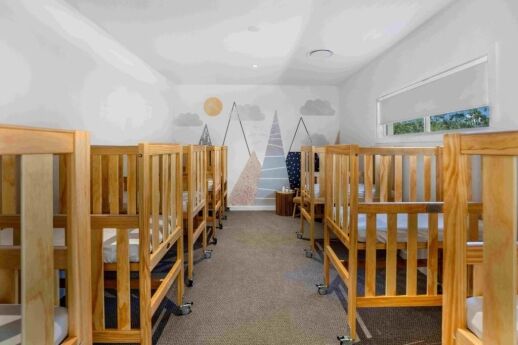
The National Regulations do not set a number of minutes for checking a sleeping baby. Each service must set out how often and how it checks, and how sleep and rest is documented. At Little Scholars, educators check sleeping children in person, at least every 10 minutes in sleep rooms.
Regulation 84B says every service’s sleep and rest policy must cover three things.
The method and frequency of checking the safety, health and wellbeing of children during sleep and rest.
How sleep and rest periods are documented.
How the sleep and rest policy and procedures are communicated to parents.
Regulation 84A adds that the provider must take reasonable steps to meet each child’s needs for sleep and rest, having regard to their age, development and individual needs. Neither regulation gives a number of minutes. That is why the frequency sits in each service’s own policy.
Source: Education and Care Services National Regulations, regulations 84A and 84B.
ACECQA’s guidance describes regular physical bedside checks, with a visual inspection of the child.
Our post on safe sleep at childcare covers how babies are put down to sleep in line with Red Nose Australia’s practices.
Source: ACECQA, Sleep and rest for children.

ACECQA’s guidance, which is not regulation, is to record all checks at the time they happen.
A sleep and rest time check chart, filled in at each check.
A digital device or app that records each check as it happens.
The Queensland Department of Education’s wording is the same idea: sleeping children are checked at regular intervals, and the checks are documented. In our nursery, educators document feeds, sleeps and nappy changes through the day and share them with you in the parent app.
Sources: ACECQA, Sleep and rest for children; Queensland Department of Education.
The Queensland Department of Education asks services to provide clear lines of sight to children under 18 months as they sleep, and to keep supervision windows in sleep rooms unobstructed.
Those help educators see the room between checks. They don’t replace going to the bedside.
Educators check sleeping children in person, at least every 10 minutes in sleep rooms, never through a window or monitor.
Source: Queensland Department of Education; our childcare FAQs.
Yes. ACECQA’s guidance for toddlers covers monitoring and recording sleep checks, and offering options for rest. If you are wondering whether your toddler has to sleep at all, read does my toddler have to nap at childcare.
Source: ACECQA, Sleep and rest for children.
Every service must share its sleep and rest policy with parents, so these are fair questions.
How often are sleeping children checked?
Are checks done at the bedside, or through a window or monitor?
How is each check recorded, and when?
Can I see my child’s sleeps, and can I read the sleep and rest policy?
See how we approach child safety.
At Little Scholars
Our educators check sleeping children in person, at least every 10 minutes in sleep rooms, never through a window or monitor.
Feeds, sleeps and nappy changes are documented through the day and shared with you in the parent app.

Book a tour, see where babies sleep and ask how checks are done.