

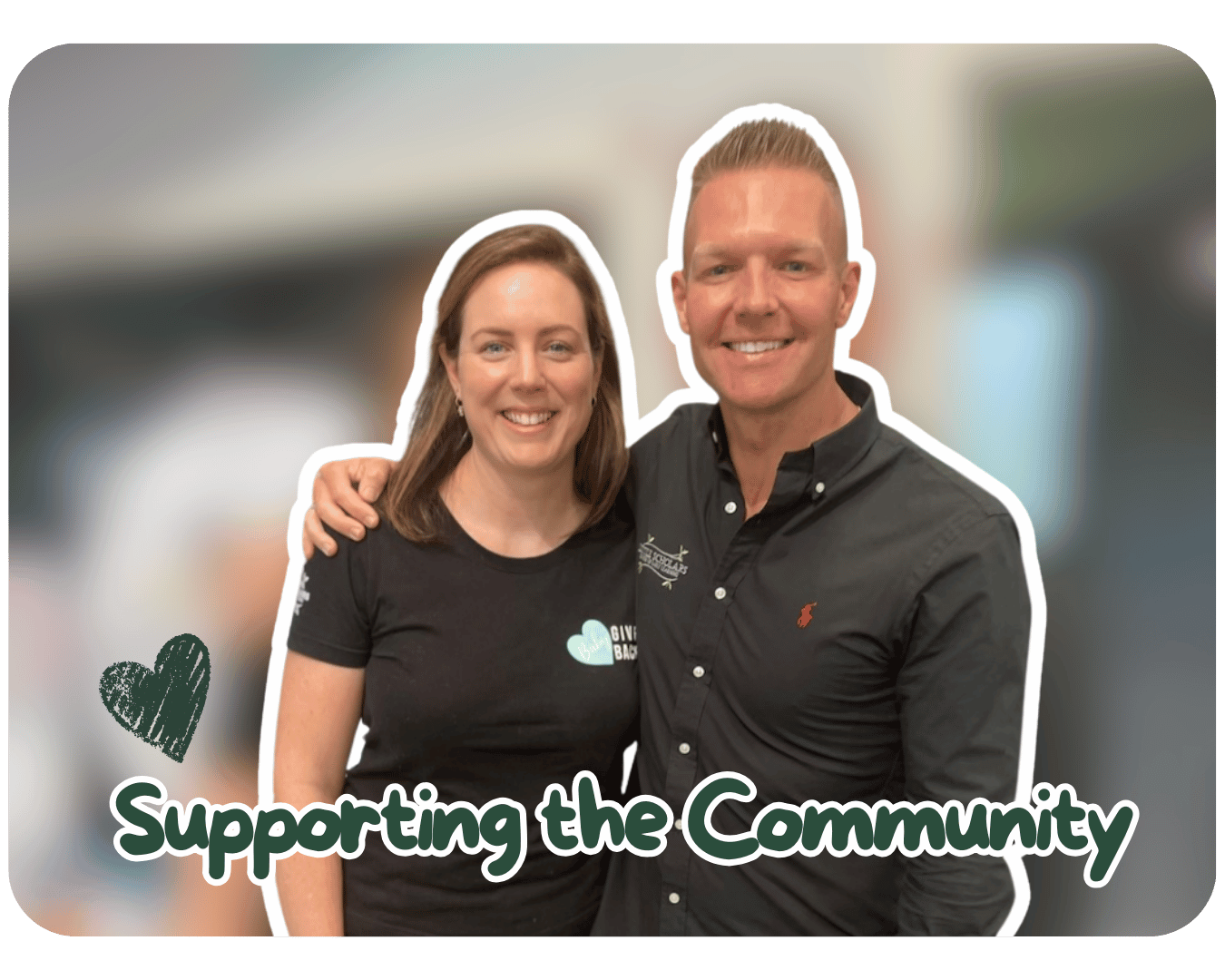

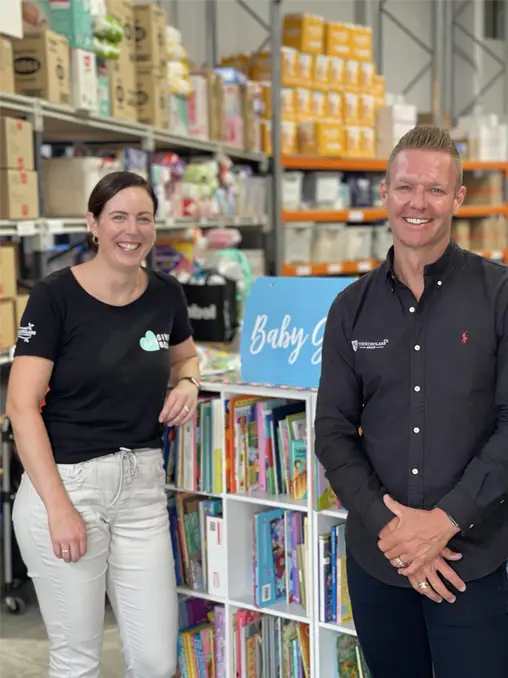
We are committed to helping change children’s lives, which is why we are so proud to support, and partner with Baby Give Back.
The volunteers that make up Baby Give Back are passionate about helping vulnerable babies, children, and families in our community. The charity works tirelessly to ensure that these families receive the best possible support and care when making sure these babies all have an equal chances in life.
At Little Scholars, we believe that babies and children deserve to be nurtured and provided with the utmost care, love, shelter, and support. The early years are so important in a child’s life that we feel privileged to be working with a charity that provides the tools and relief to help vulnerable families in our community.
We are thrilled to also include our Little Scholars families, knowing that we can spread the word and hope for more ongoing support within our community.

This community support aligns with our four pillars – grow, inspire, contribute, and learn. We feel so proud knowing our community will do everything in its power to ensure the Baby Give Back mission is continued.
To make a donation or to learn more about Baby Give Back click below.
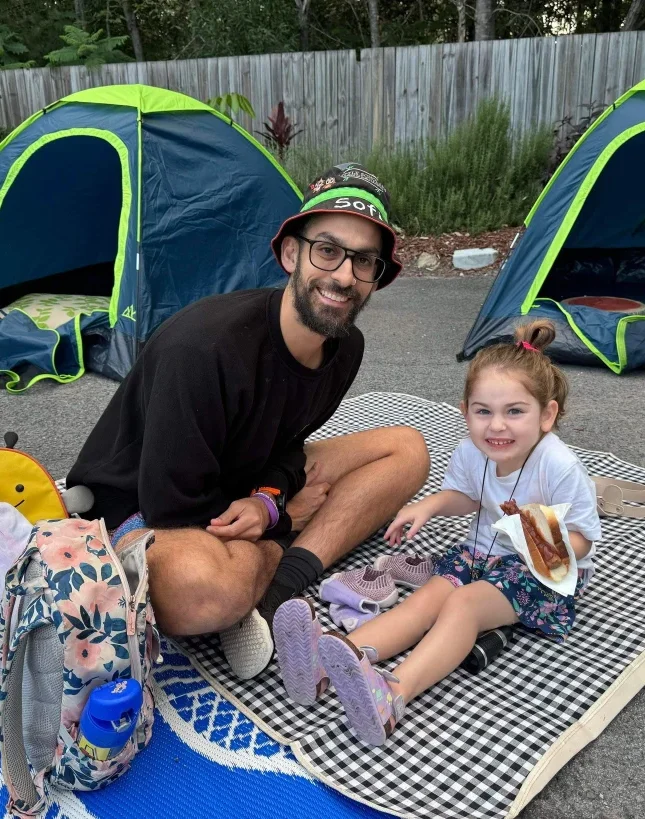
At Little Scholars, we place great importance on connecting with our community as we understand its significant impact on children’s development. Through community involvement, children have the opportunity to refine their communication skills, build confidence, nurture resilience, form friendships, and shape their identity.
Our campuses are dedicated to making a real difference in the lives of our little scholars, their families, and the broader local community. We’ve supported causes such as Epilepsy Queensland, the Luna Capri Foundation, Animal Welfare League Queensland, Nightlight, Gold Coast Hospital Foundation, and more through fundraising efforts.
Additionally, we actively engage our little scholars in community activities, such as our intergenerational grandfriends program at local aged care residences. We also encourage acts of kindness by delivering homemade gifts and treats to local businesses or community members. Our participation in events like ANZAC services further strengthens our community bonds.
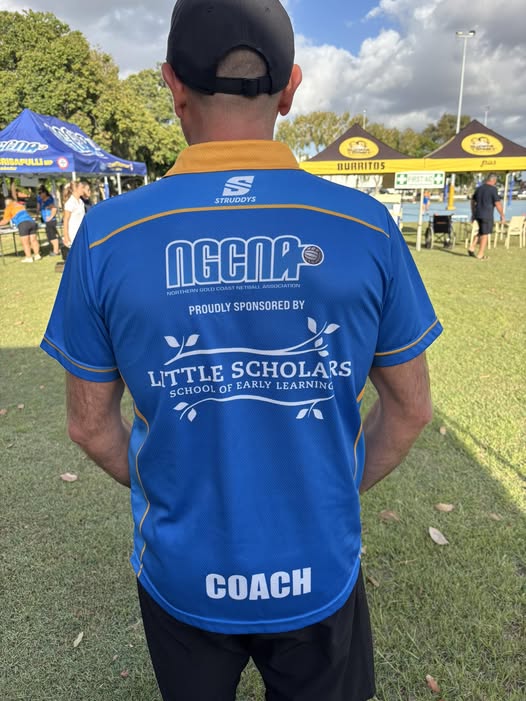
We’re also proud to support local sport! Currently, we are proud sponsors of the Northern Gold Coast Netball Association and Ormeau Bulldogs Australian Football Club. We share the belief of these two wonderful community-driven sporting organisations that involvement in sport does so much good for young people, besides encouraging a healthy lifestyle, but teaches a wide array of life skills, such as emotional regulation, the incredible value of teamwork, and the ability to show initiative, and these skills transfer to academics, family life, and all other aspects of a well-rounded life.
By making way for interactions with diverse community members, businesses, and charities, we ensure that our little scholars develop meaningful connections beyond their immediate family circle. These connections play a crucial role in shaping their sense of belonging, resilience, and overall well-being. Furthermore, encouraging secure relationships with adults in the community provides a supportive environment for healthy brain development and emotional growth.
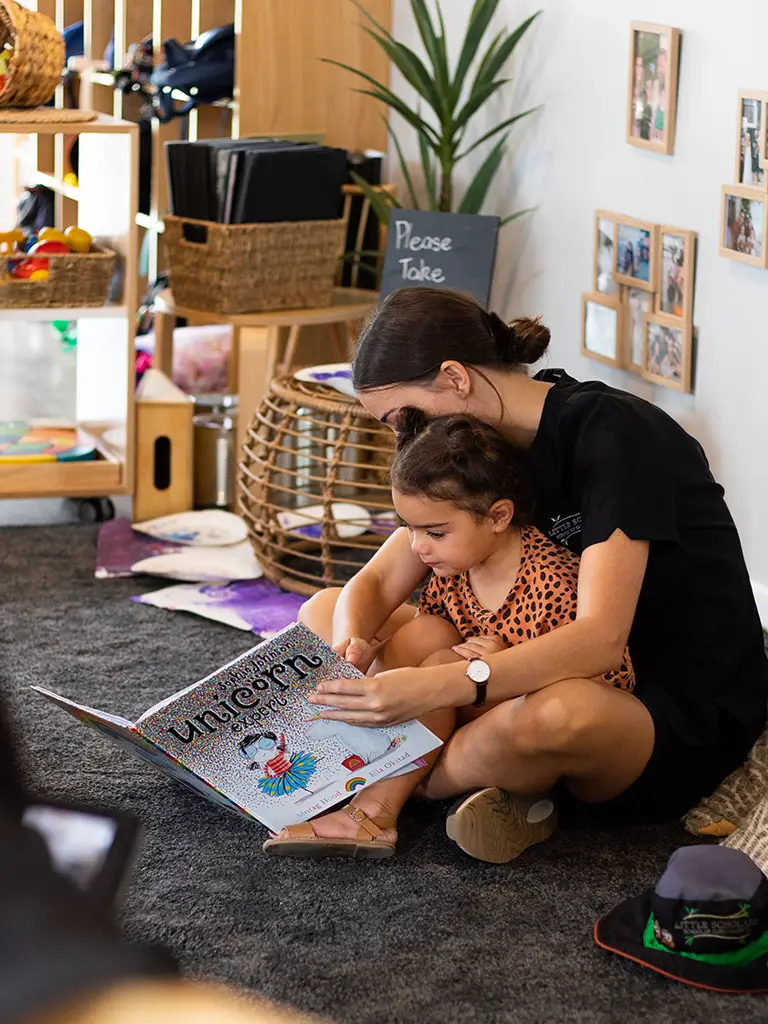
At Little Scholars, we are proud to incorporate the innovative 3a Abecedarian Approach Australia into our reading programs. This approach is more than just reading; it engages children in active, conversational reading, fostering early literacy and encouraging language development in a dynamic and enjoyable way.
The 3a Approach is unique in its emphasis on back-and-forth conversation between the adult and the child. This interactive method is designed to engage little minds at three progressive levels:
Each level is crafted to enhance understanding and connection with the reading material. For instance, instead of just following the words in a book, we make it a lively conversation.
We ask questions like, “Can you see an owl?”, “Can you say ‘owl’?” or “Can you show me an owl?”
This approach not only enhances vocabulary but also develops critical thinking and comprehension skills.
A cornerstone of the Abecedarian approach is its focus on family involvement. We believe that families play an integral role as a child’s first educator. Our program is designed to support and empower families, helping them grow in confidence as they guide their children’s early learning journey.
The 3a Abecedarian Approach Australia is grounded in the principles of a pioneering American study that spans over 30 years. This landmark research has played a crucial role in shaping our understanding of early childhood education and development.
The original Abecedarian Study began in the 1970s and was one of the first scientifically controlled studies to provide evidence of the long-term benefits of early childhood education. The study focused on children from low-income families and demonstrated that intensive early intervention, starting in infancy and continuing through preschool, had significant, lasting impacts on cognitive and academic development. Key findings included improved IQ scores, enhanced reading and math skills, and higher levels of educational attainment.
This research also highlighted the importance of language-rich interactions between educators and children. The study’s approach emphasised conversational reading, interactive teaching, and the development of critical thinking skills from a very young age.
At Little Scholars, we have embraced the insights from this extensive research to implement the 3a Abecedarian Approach. By integrating these time-tested strategies into our curriculum, we provide our little scholars with a strong foundation for lifelong learning. Our approach not only supports cognitive and academic skills but also nurtures social and emotional development, ensuring a well-rounded educational experience.
To extend this reading experience beyond our campuses, we offer a range of take-home Abecedarian reading resources. These materials are available for families to borrow, ensuring the continuation of interactive learning at home. For more information or to borrow these resources, please feel free to speak with your campus manager or educator.
At Little Scholars, we are committed to providing a rich and engaging learning environment. The 3a Abecedarian Approach is just one of the many ways we ensure our little scholars are on the path to becoming confident, curious, and capable learners.
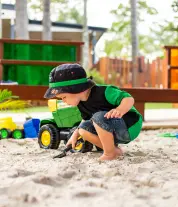
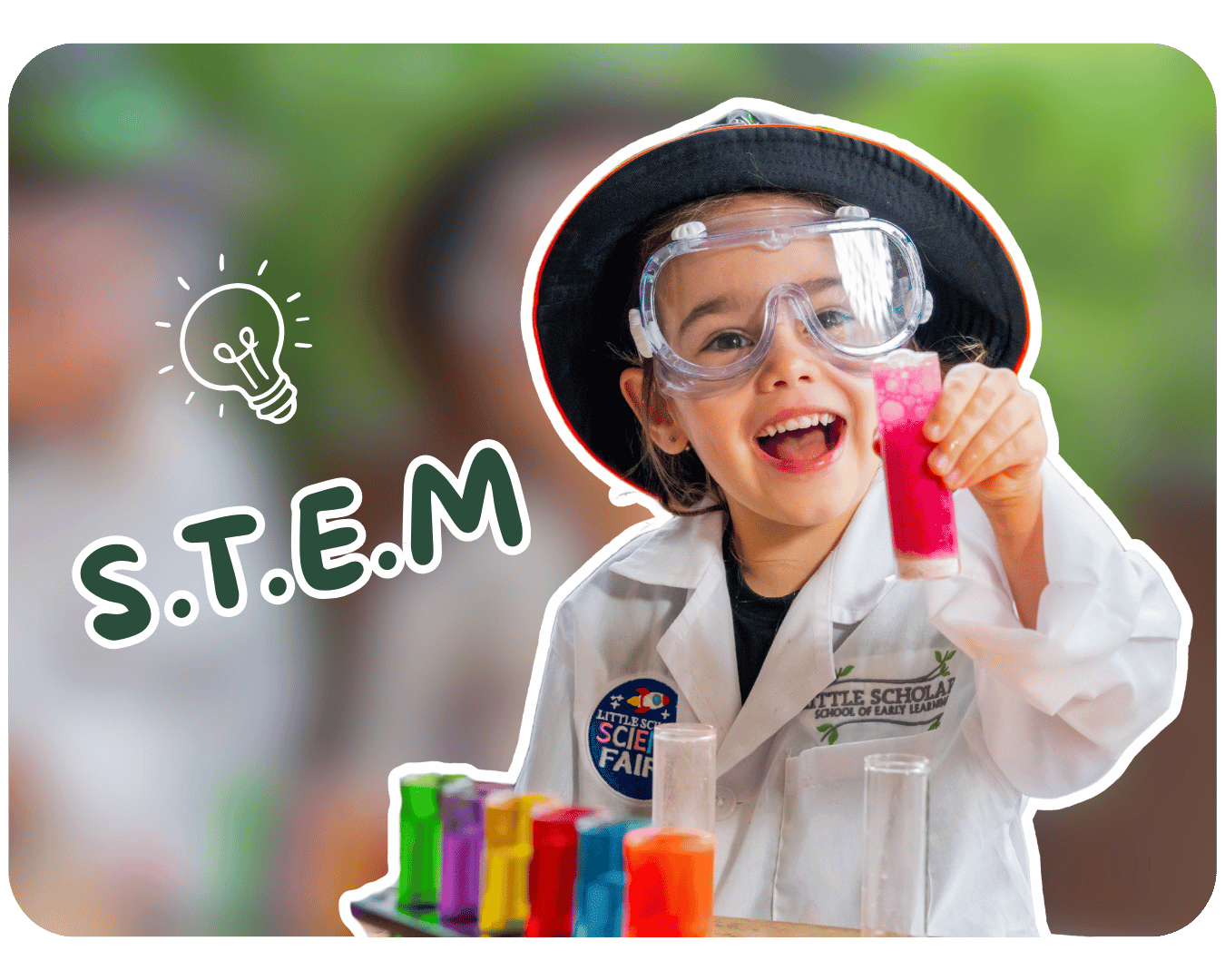
It’s never too early to get children interested in science and help build their curiosity about the world around us!
Starting children’s interests in STEM (science, technology, engineering and mathematics) subjects young gives them critical thinking and problem-solving skills that they can take with them into their future education and careers.
Little Scholars School of Early Learning offers STEM to our extracurricular program for our kindergarten children, making science accessible and fun for everyone with our friends at Lab Kids. The program follows the Early Years Learning Framework as well as the Australian National Curriculum, and tackles subjects such as motion, states of matter, light and sound, and chemical reactions to name a few!
We believe it’s a great introduction to an important set of topics our kindy children will take with them into their primary school education.
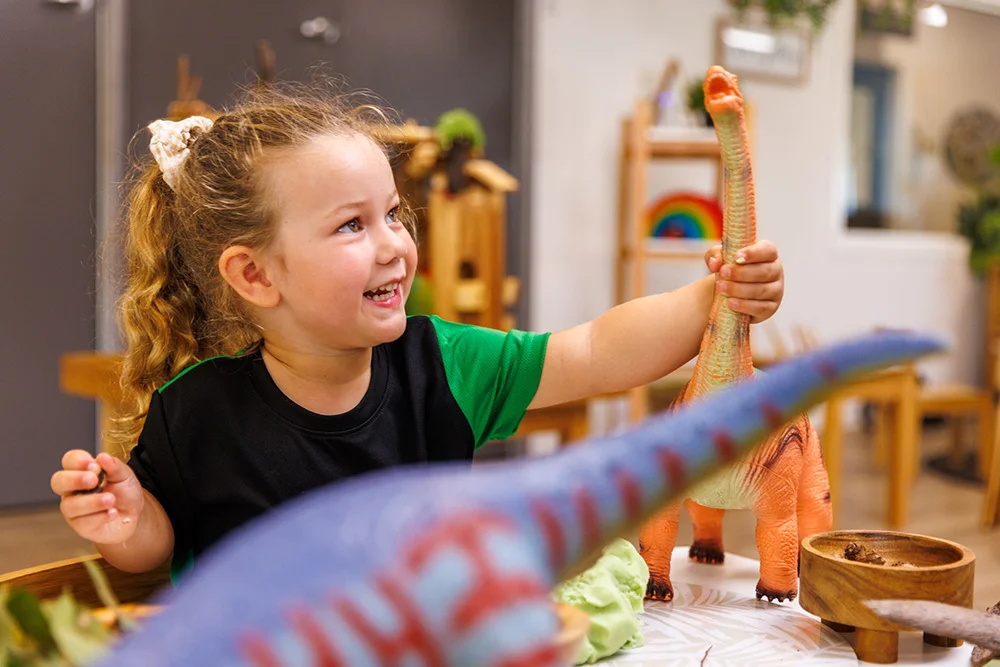
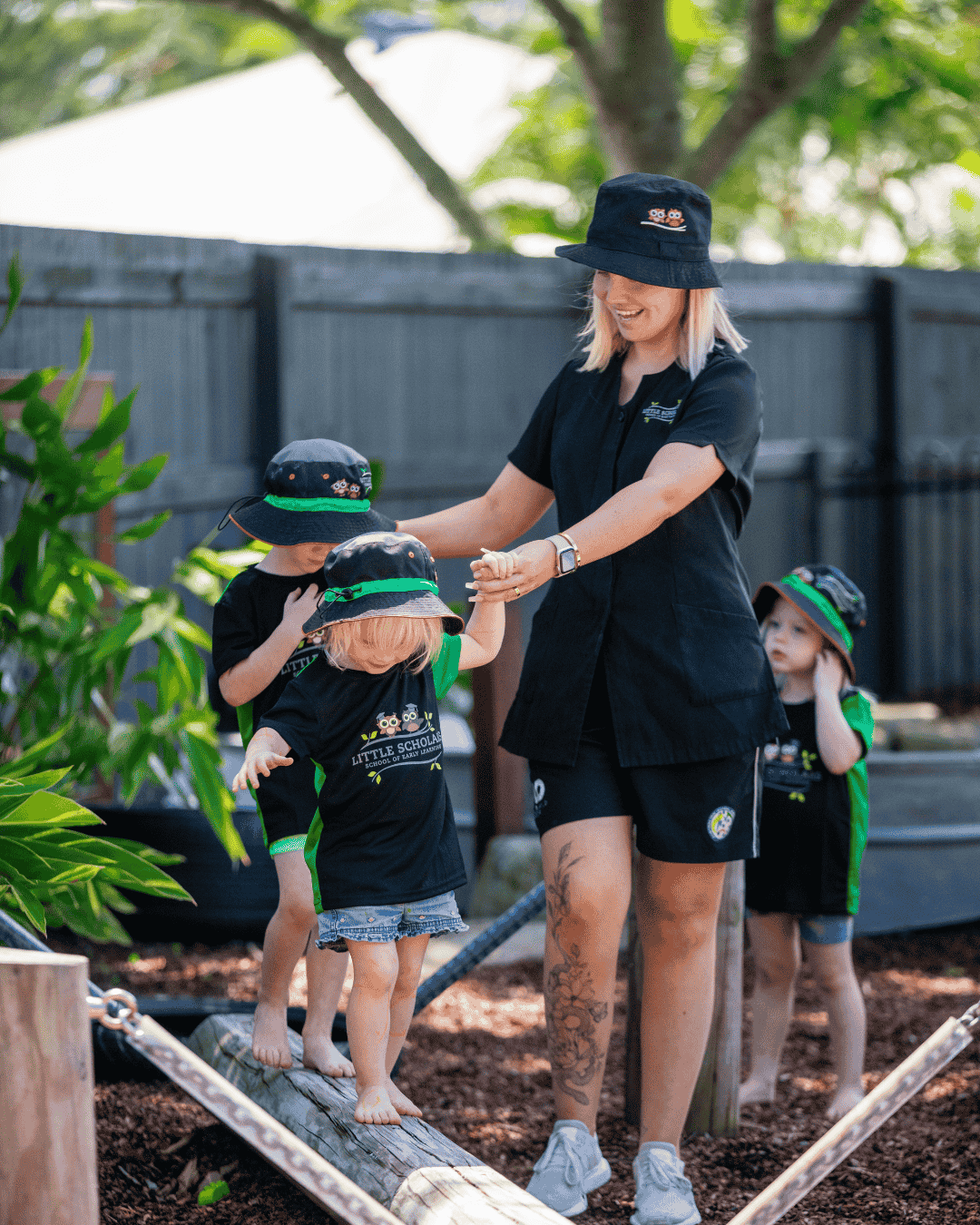
At Little Scholars we believe that ‘the environment is the third teacher’ (Reggio Emilia theory). The physical environment and the learning spaces that we set up for children contribute to children’s wellbeing, creativity and developing independence.
We believe we have a privilege of bringing magic to a child’s day by creating beautiful and inspiring learning spaces that will stir creativity, learning and exploration. Inside and outside we aim to set up inviting, interesting, and uncluttered spaces for children to explore. Our indoor environments are made up of a variety of areas including those for quiet and calm, building and construction, dining, creative expression and arts, dramatic play areas, and more. Our outdoor environments allow for sport, climbing, running, jumping, risk-taking, physical challenges, as well as sensory activities and quiet, cosy reading spaces in the fresh air. Our activities are thoughtfully and beautifully set up to encourage exploration and creativity.
Our learning environments are thoughtfully crafted to be visually alluring and inviting, with a focus on creating a warm, welcoming atmosphere that supports children’s learning and development.
We ensure studio spaces are inclusive, where all children feel supported, and give children a sense of belonging in the studio. We also love to celebrate culture and holidays with beauty and respect.
We provide spaces that calm little minds as much as invigorate, and they can influence behaviour and determine how children interact with them. We aim for our little scholars to enter their studios excited for the day just by looking around at all the learning and joyful spaces created just for them.
There is something magical about childhood. The simplicity of what it means to be a child, from running, climbing and laughing, to exploring the world through curious eyes.
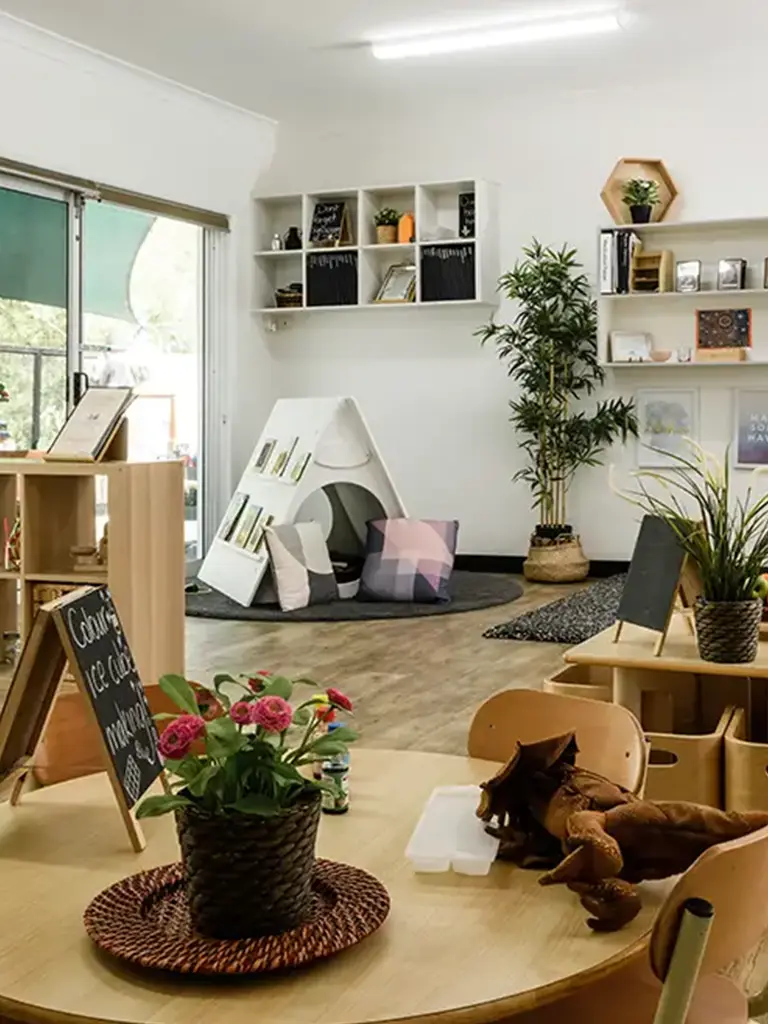
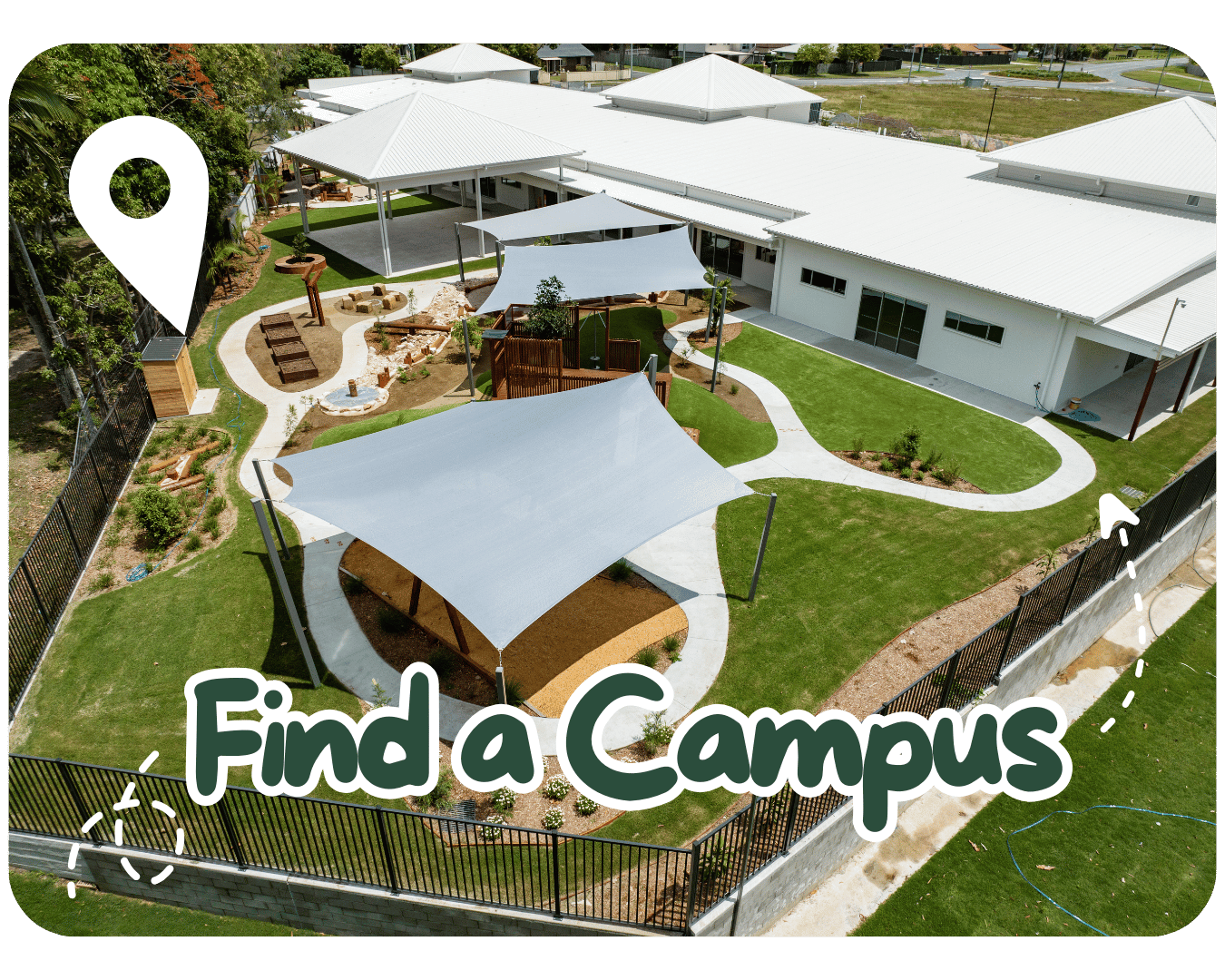
Let us show you around two of the studios at our Ormeau Campus. We have created beautiful engaging learning environments for children to explore and play.
At Little Scholars we believe that ‘the environment is the third teacher’ (Reggio Emilia theory). The physical environment and the learning spaces that we set up for children contribute to children’s wellbeing, creativity, and developing independence.
Inside we aim to set up inviting, interesting, and uncluttered spaces for children to explore. The indoor environment should be made up of a variety of areas include quiet areas, building and construction, dining area, creative expression and arts, dramatic play, and more.
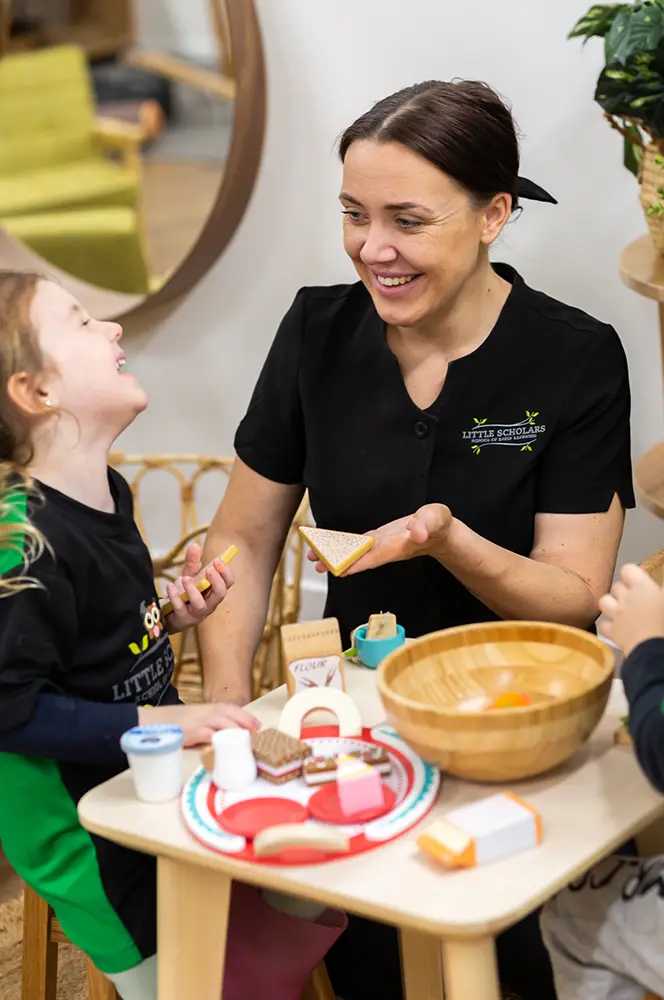
At Little Scholars, we understand the importance of equipping children with tools to manage stress and navigate their emotions. That’s why we’ve introduced our comprehensive Mindfulness Program across all our campuses.
This program is designed to help children understand and manage their emotions, cope with day-to-day challenges, and interact positively with others, including their peers and siblings. By incorporating mindfulness into their daily routine, our Little Scholars gain valuable skills that enhance their emotional and social development.
The program is developed in collaboration with Mindful & Co Kids, founded by Jacqueline Yeats, a Child Psychotherapist. Her scientifically-backed mindful exercises are tailored specifically for young children, making them both engaging and effective.
Research shows that mindfulness practices in early childhood can significantly improve a child’s ability to regulate cognitive processes and enhance overall wellbeing. Our little scholars engage in a variety of activities, such as the ABCs of Mindfulness, yoga flashcards, and memory cards, all designed to foster mindfulness in a fun and interactive way.
Yoga is a key component of our program, with children participating in weekly yoga sessions. These sessions, along with time spent outdoors in nature, contribute to a holistic approach to wellbeing. Our Mindfulness Program is a vital part of our holistic learning model, supporting the happy and healthy development of our little scholars.
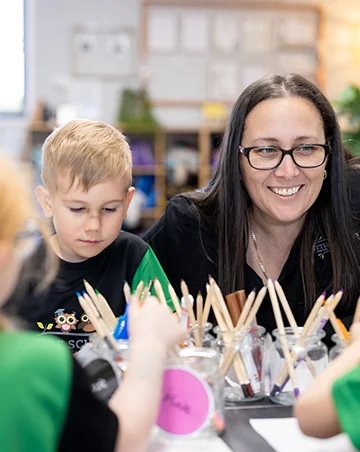
The Collective, our emergent educational curriculum, is aligned to our Little Scholars vision, mission statement, philosophy, and our play-based approach to children’s learning. This streamlined approach of an emergent curriculum supports educators to adopt child development theory and put into practice.
Our educational program is based on the premise that children are most successful at learning when curriculum experiences account for children’s interests, strengths, and individual needs. The Collective encompasses all aspects of Little Scholars, including a collaborative approach with our children, families, educators, and community.
Our weekly programs, which can be seen in our studios, are responsive to the evolving interests and needs of the children and allow for flexibility and extended periods of play and research to test theories. This enquiry-led teaching strengthens children to become competent and capable across their developmental domains. The Collective allows educators to follow the children’s lead and actively explore new concepts, ideas, or interest.
At the heart of The Collective is a commitment to nurturing the full potential of every child. Our approach is not just a curriculum; it’s a philosophy that permeates every aspect of Little Scholars, from our studios to our community engagements, and even our long-term projects like the 2036 initiative.
By adopting The Collective, we’re not just educating; we’re cultivating a community of lifelong learners. We’re not just preparing children for primary school; we’re laying the foundation for a lifetime of curiosity, resilience, and success.
So, when you step into a Little Scholars campus, you’re not just entering a childcare centre; you’re becoming part of a vibrant learning community where every child is a cherished member, every educator is a guide, and every day is a new opportunity for discovery.
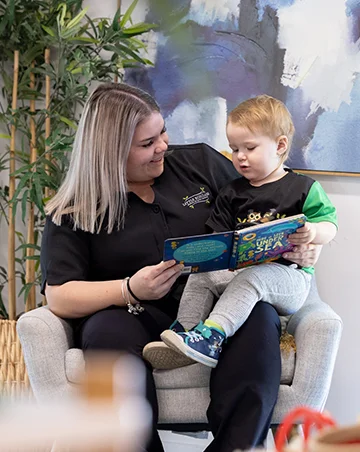
In 2036, the children enrolled in our campuses will be adults. Some will be graduating from university, while others will have started their careers, and perhaps those with an adventurous spirit may be travelling the world.
We acknowledge what we do today directly impacts our little scholars’ tomorrow and we recognise what an honour it is to be a part of their journey. Learn more about how we’re helping your child prepare for their bright future.
We launched our 2036 Project in 2020, with items from all of our Little Scholars campuses at the time adding to a time capsule that we buried at our Burleigh campus, with the intent for everyone to return to dig it up in, you guessed it, 2036!
At that time, we asked our Little Scholars families, what was the number one thing they wanted for their children when they grew up? Unanimously their child being happy was their biggest wish.
We take this wish seriously, and across all campuses, our teams are working tirelessly to create experiences for children that provide them the skills to grow up as happy, resilient and mindful contributors to society, which in turn will create a positive and successful future. All of this while playing and having fun!
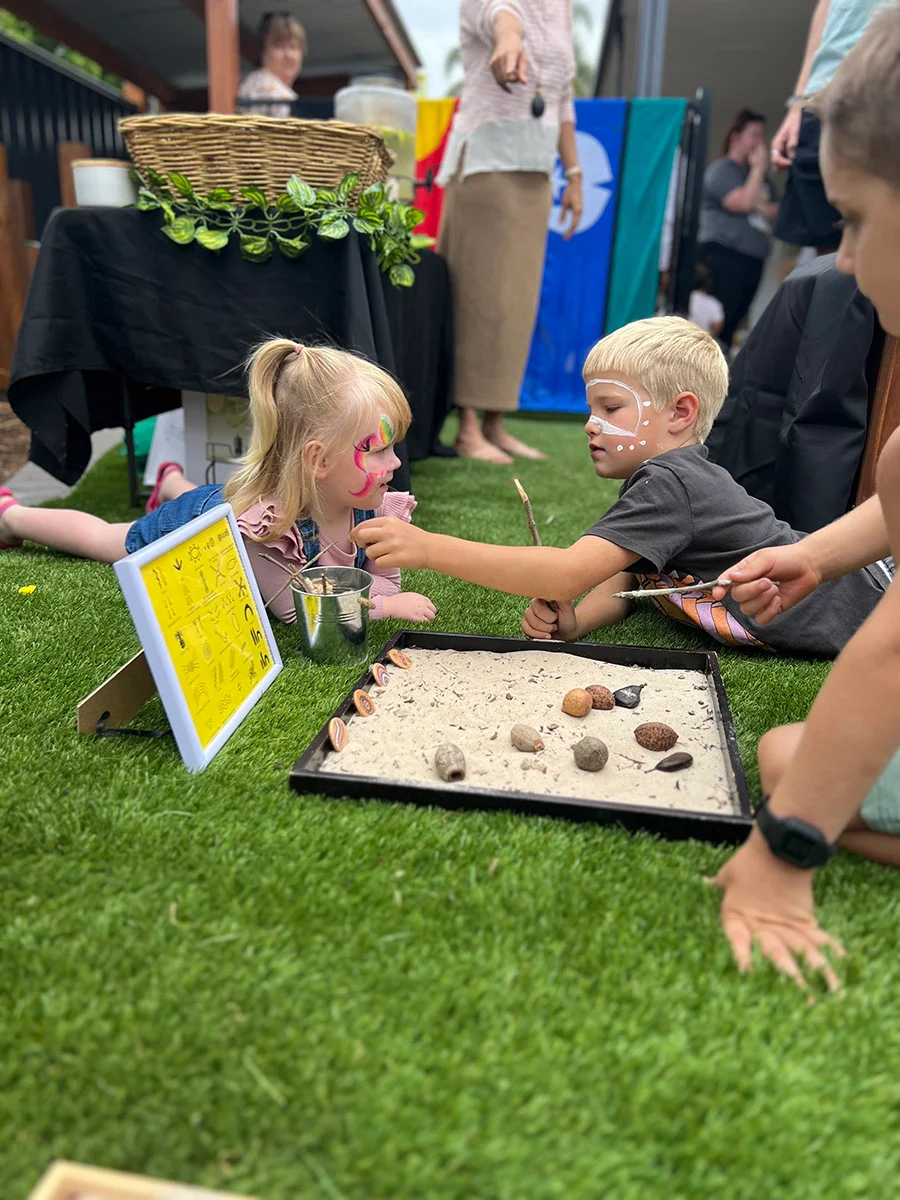
At Little Scholars School of Early Learning, we believe it’s vital that all Australians show support and learn about the crucial impact that culture, family, and community play in the life of every Aboriginal and Torres Strait Islander.
We embed these cultures into our everyday learning programs such as participating in experiences that celebrate the history, culture, and achievements of Aboriginal and Torres Strait Islander people.
Learning is supported through the pedagogy of the educators in embedding cultural competence, creating awareness, respect and understanding to diversity. We strive to ensure our campuses are inclusive and welcoming and our partnerships within our communities and our families are invited to become part of our learning programs.
Educators explore and foster storytelling, music, and creativity to engage children’s understanding to culture through our programs. Our campuses not only place emphasis to share cultural traditions to celebrate Indigenous culture but promote rich experiences to create awareness and understanding to our local Indigenous community.
We welcome Aboriginal and Torres Strait Islander peoples into our campuses, to help our Little Scholars and educators learn, acknowledge, and celebrate the history and traditions of the people who were the traditional owners of the land on which we play, learn, and grow.
Our Little Scholars learn about their Traditional Custodians of the land on a weekly and daily basis in a variety of different ways. They explore their first nations culture, engaging in traditional song and dance, and connect to their land in meaningful ways.
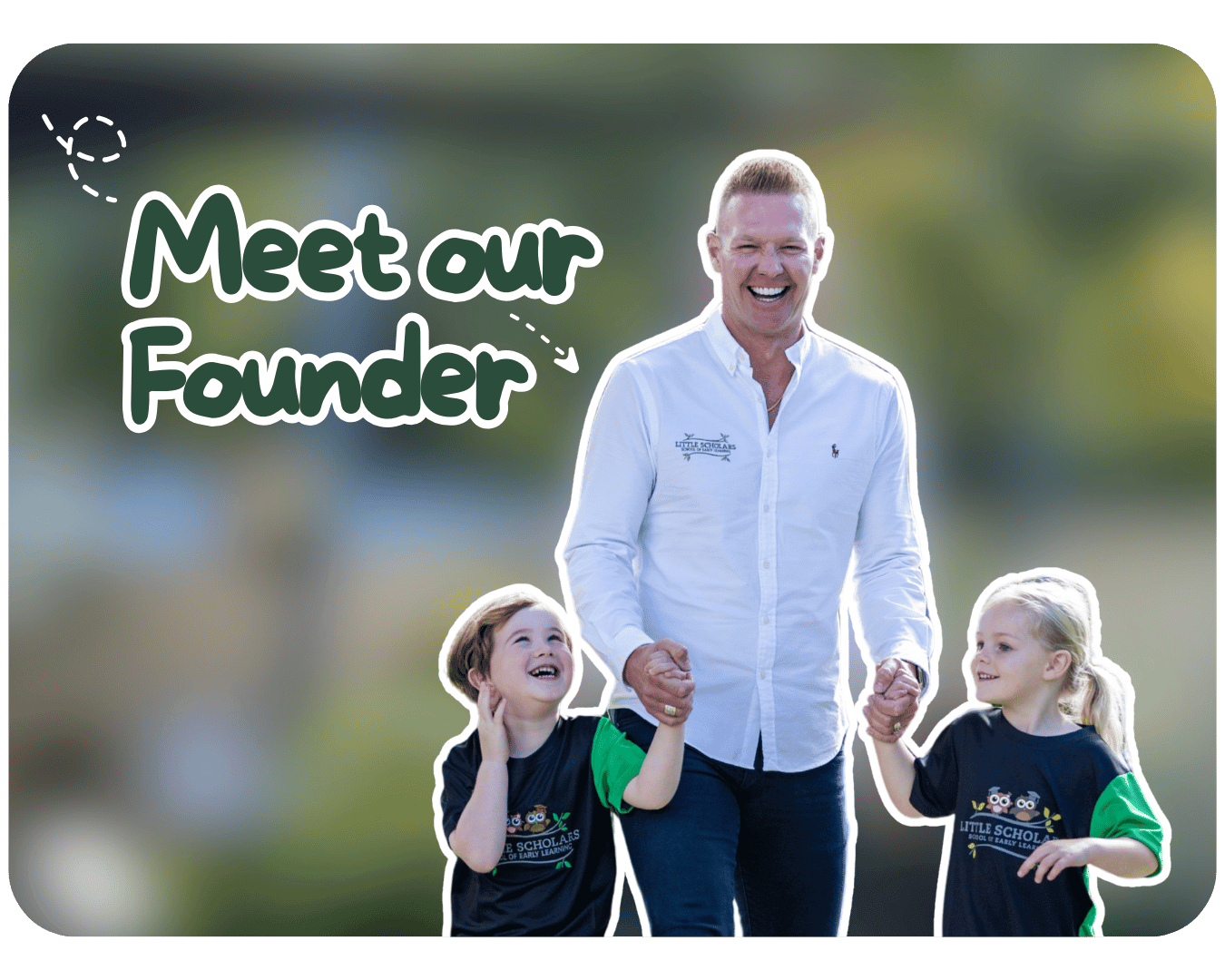
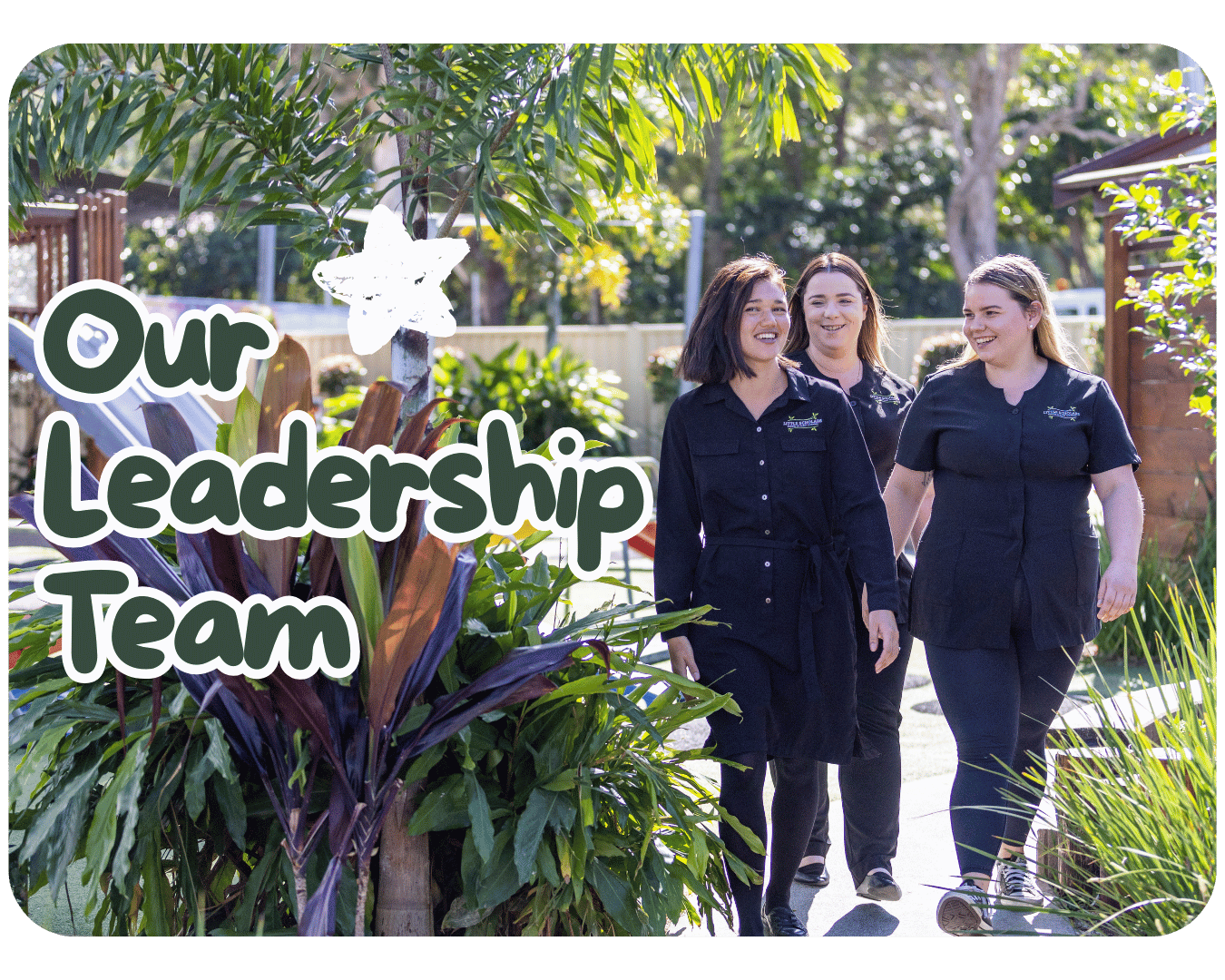
Jae, our founder, along with all members of our leadership team, support educators to embed Indigenous culture within our curriculum.
At Little Scholars, we constantly and continuously reflect on our cultural curriculum and programs, how to strengthen these opportunities and connections, and provide our educators and our children with a range of opportunities to build and extend their knowledge and understanding of Aboriginal and Torres Strait Islander cultures.
Our vision for reconciliation between Aboriginal and Torres Strait Islander peoples and the broader Australian community is about transformation – transformation that moves us from ignorance and racism to respect, from inequity and prejudice to justice, and from inaction and fear, to hope. It is in this transformation, both personal and organisational, that the promise of a strong future for every Little Scholar is realised.
Our Reconciliation Action Plan can be found in each of our campuses. Ask your campus manager.
We extend our knowledge on Indigenous Australian culture with Billie Musk, our Indigenous Education Consultant, who offers an exceptional Cultural Inclusion Program via her workshops and campus visits as a part of our curriculum at Little Scholars.
We also get regular visitors such as Miss Lalania from Paperbark Cultural Consultancy, who teaches children about Aboriginal and Torres Strait Islander culture by telling dreamtime stories.
All of our campuses have Indigenous dolls, so that our Little Scholars learn about Aboriginal culture and connect to it through play.
We welcome local elders to our campuses to engage in conversation with children and share their knowledge and experiences with our Little Scholars.
Educators complete professional development sessions on Embedding Aboriginal Perspectives in Early Childhood with Koori Curriculum. Some services also utilise their educators of Indigenous descent to educate and support embedment to culture within the curriculum.
Deception Bay, which has a larger Aboriginal population, also holds ‘Indigenous morning tea’ to invite families of indigenous culture to provide feedback to the programs.
Many of our campuses go on excursions to visit cultural and environmental centres such as The Jellurgal Aboriginal Cultural Centre on the Gold Coast and Redlands IndigiScapes Centre to learn more about the history, significant sites and environmental features that have played an important part in the lives of Aboriginal people for thousands of years.
During bush kinder, we engage in Dadirri, an Aboriginal word meaning ‘inner deep listening and quiet still awareness and waiting’. So while out enjoying nature, the children and educators sit with a bit of space from each other and pay close attention to what they can hear, see, smell and feel.
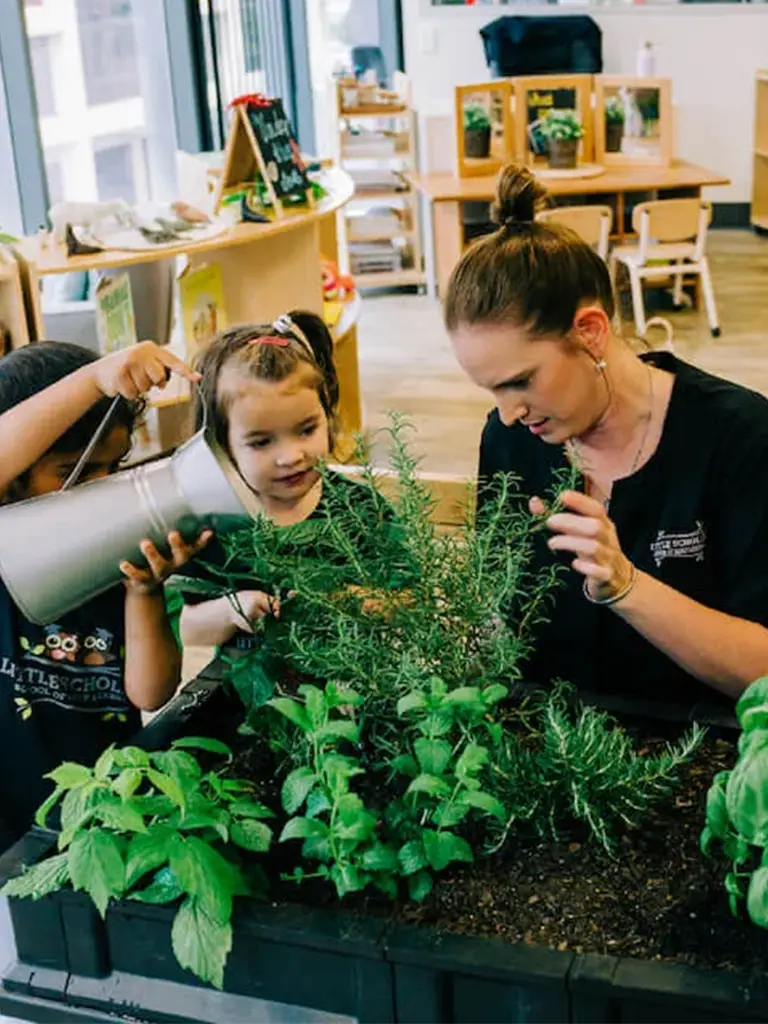
At Little Scholars we are committed to being environmentally responsible and teaching children to also learn about the part they play in looking after the environment and the effects we have on the future.
Each of our campuses has an environmentally-responsible plan and a delegated sustainability officer who is in charge of motivating and inspiring the team to action and achieve the campus’s goals. It’s our goal to continue a culture of sustainability within each campus, empowering children to become more environmentally conscious.
We embed our environment plan into our daily programs and practices, and some of the ways we achieve this include:
To help our littlest scholars understand and embrace sustainability, we engage them in simple yet impactful activities:
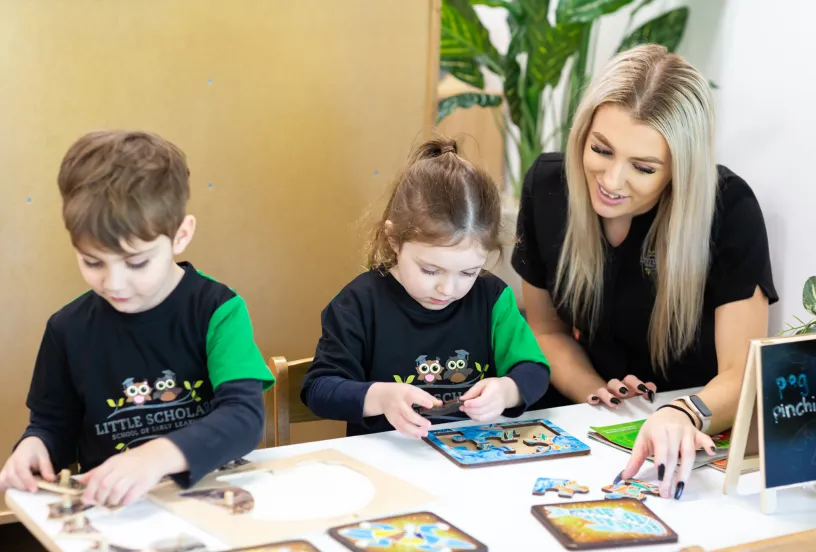
We are committed to your child’s care, education and development each and every day. We pride ourselves on the level of care we offer and the difference we are making in your child’s life for a better tomorrow.
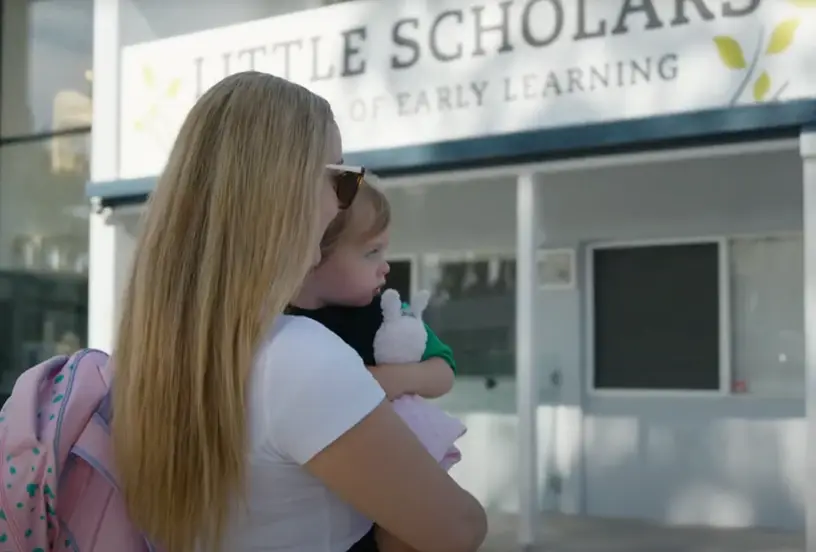
There's a reason nine out of 10 families who visit our campuses choose to enrol. Your child's journey to discover starts here.
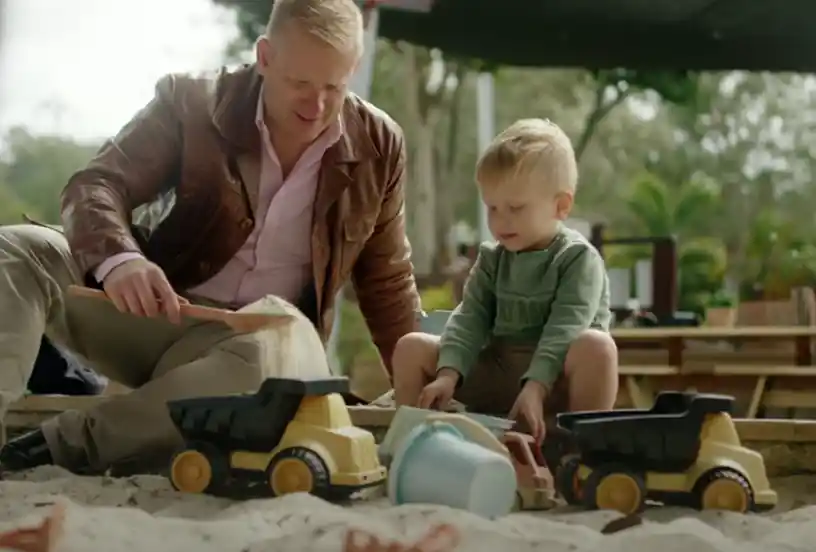
Shannon tells us how his son Charlie has built wonderful relationships with his educators, his friends and even his family during his time at Little Scholars.
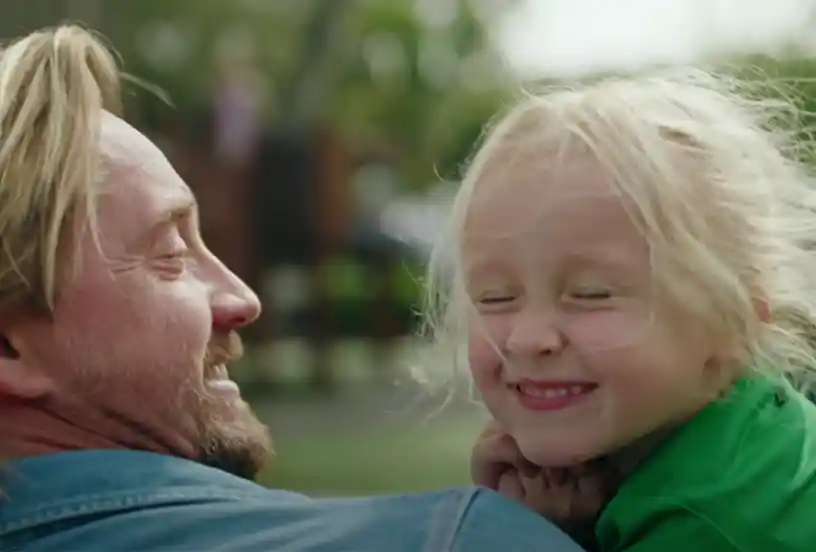
Matty tells us how Little Scholars has helped his children gain independence and allow his wife and him to maintain a balance with their professional lives!
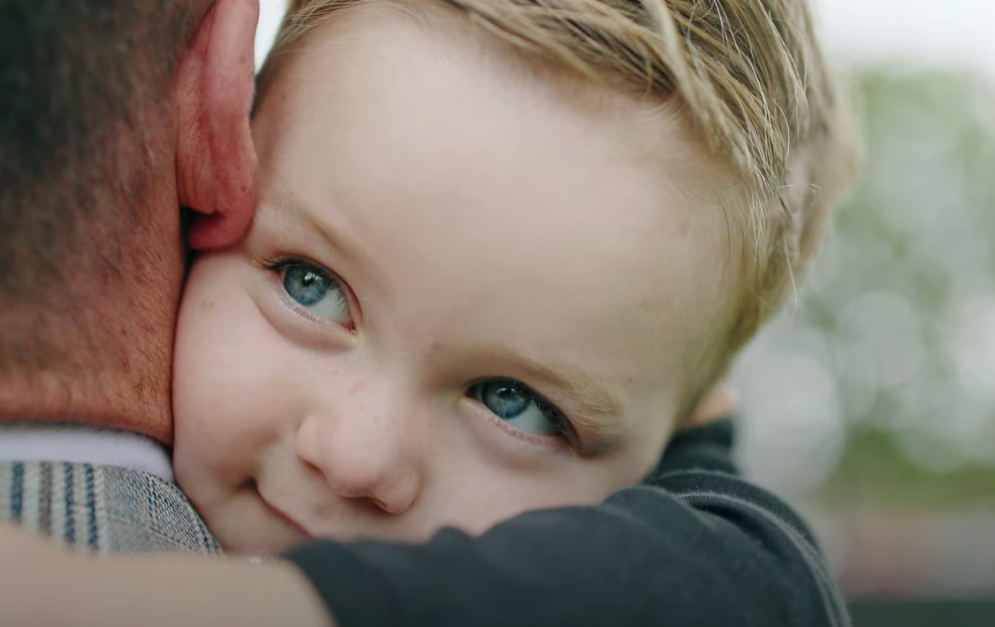
Our Little Scholars dads share how their children have blossomed in our care!

Let us hold your hand and help looking for a child care centre. Leave your details with us and we’ll be in contact to arrange a time for a ‘Campus Tour’ and we will answer any questions you might have!
"*" indicates required fields
Let us hold your hand and help looking for a child care centre. Leave your details with us and we’ll be in contact to arrange a time for a ‘Campus Tour’ and we will answer any questions you might have!
"*" indicates required fields
Fill in the form to join your local Pram Pals mums and bubs walk