If you have a child at Little Scholars, you’ve likely heard of ‘The Collective’ but do you know what it is? We thought it might be time for an explainer!
Little Scholars School of Early Learning’s The Collective is a service-wide, multi-faceted educational initiative, designed to enhance each child’s learning and development and best support educators’ time spent with children.
The development of The Collective is based upon early childhood pedagogy. Children are provided the time and space to explore, imagine, create, problem solve and develop social groups and guided to find their individual learning journey. The Collective allows for educators to have freedom in how they document and plan for children. This supports a strength-based approach with our team and highlights individual skillset of our educators and value the multiple voices being heard, embedding a collective response to children’s learning.
Understanding the demands of documenting processes, Little Scholars wanted to create a streamlined approach to the educational program across all our campuses. The intention was to demonstrate quality over quantity, foster children’s growth, and develop them to become successful citizens and critical thinkers. This curriculum approach also supports educators to adopt theory and put it into practice. Educators, through observations of children’s play, conversations and their interactions within their environment, explore what the child might be thinking. This is then the beginnings of the planning process within our collective curriculum.
Alice Micklewright, campus manager of Little Scholars Burleigh, with her team, came up with the idea of The Collective and led its early development.

Alice Micklewright, campus manager of Little Scholars Burleigh
“I wanted to look at curriculum for a while because there were a lot of things that we felt were just kind of there but didn’t feel like they had a place, so streamlining that focus was good.”
“We had a lead educator meeting one night and we talked about how the educators were feeling in general, and some of the comments were just like ‘I feel like I spend more time writing things down than I do with children.’ They are still with the children most of their time, but when you’re feeling like you’re trying to focus on something else and not giving the whole attention to something and being present, it can be really unsettling.”
That was at the peak of the pandemic crisis, according to Alice, and her team became cognisant that what they were doing in the moment was far more important than anything else.
“The first conversation we had, we looked at what we were doing and wrote down notes on the back of the pizza box – ideas about why we’re doing what we were doing, what the processes were and what we felt didn’t really fall within the planning cycle appropriately for it be conducive to having good outcomes for everybody involved.”
“We really started The Collective off the back of our Engagement Initiative – that’s the one day a month we have with no documentation of photos, no technology. It was purely based on educators getting back in touch with engaging with children and not focusing so much on some of the perceived pressures that have come about in the sector in terms of things like families’ expectations on photos being received, and the amount of documentation that sometimes can spiral. It is a regulation for services to demonstrate planning toward an educational program for children. We wanted a streamlined approach to guide our campuses to set the benchmark to support and engage.
“It’s really been child-driven on the focus of what we want to do,” she says.
Melanie Excell, Operations Manager for Little Scholars, agrees.
“When we started this process, we gathered information from a variety of different perspectives – including families and children, and professional training and resources,” Mel says.
There was a vast amount of training for educators to understand new processes.
“At its core, it’s really been just trying to pare back what we were doing to deliver quality curriculum for children, that supports their outcomes and their developmental needs, to generate a stronger culture of critical thinkers in terms of children and educators,” Alice adds.
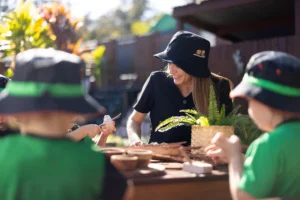
Weekly, rather than daily, detailed written updates are now sent to families, allowing educators to focus more on being with children. Families still get photos daily to see what their child has been learning and enjoying that day, but learning outcomes, routines, links to Early Years Learning Framework and research are saved for the end of the week, and individual child updates are sent out termly.
“Sometimes you find that services will continue to add a lot of documentation [about each child] and to try to meet the needs of the framework and the standards, when it can be a lot simpler and child focused,” Alice says.
The critical reflection component of the curriculum is most important, according to Alice.
“Everything we do really needs to have a purpose, a thought behind it and a reason why we want to engage in it that way, and then involving the children in that process and the families as well.
“If you look at the planning cycle in the National Quality Framework (NQF), you gather information from an idea or interest that children have, engage the children in what they’d like to do moving forward and analyse the information you’ve gathered, plan for it, then reflect and review is the whole cycle.”
For example, educators might look at children who are engaging in an activity and would consider it across developmental milestones and outcomes what they think the children are trying to achieve. In a nursery, where early learners can’t yet speak, educators might observe a child picking up resources and putting them into a basket and taking them back out, a learning behaviour known as a schema.
“Children are exploring all of these different concepts every day, even though you may not realise because they’re playing and it’s natural for them to do that,” says Alice.
The use of open-ended questioning with children supports the understanding of their play and helps gain a child’s perspective as opposed to an adult’s agenda.
The planning comes from what educators talk about in the moment, and educators act on what they’ve gathered, followed by a review at the end, where they decide if they activity worked well or didn’t, and if it didn’t, questioning why – were the children just not interested in that topic anymore, and is there a reason why?
Little Scholars produces individual learning journeys for each child that highlight significant milestones and achievements to their development whilst in our care. Various modes of documentation record the learning identified through the child’s participation in our program.
Little Scholars sends out the personalised mid-year assessments to the families and then the end of the year they’ll receive a transition letter which wraps up their child’s journey, acknowledging achievements and progress in their studio.
“One of the other points we highlighted when we started reviewing the curriculum, is that we wanted to educate our families that what we were doing. We know that there’s a lot of electronic information available as well, but the value of that face-to-face conversation and relationship with staff and families, is important too,” Alice says.
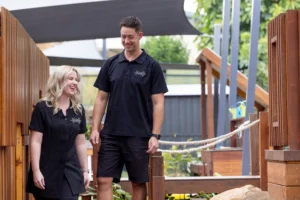
The Collective allows for educators to have autonomy in how they document and plan for children. This supports a strength-based approach with our team,” according to Susan Cooper, group pedagogical leader for Little Scholars. “It highlights individual skillset of our educators and value the multiple voices being heard, embedding a collective response to children’s learning.”
Alice says it’s still a process that Little Scholars is undergoing.
“Ultimately, it’s important that we have educators here who feel stable and like they want to contribute and that they are getting recognised for the things that they’re doing, and we believe The Collective does that.”
Jae Fraser, founder of Little Scholars agrees. Little Scholars wants to ensure educators feel seen, heard and valued, because our educators’ passion for our children and their education is why we’re delivering exceptional educational play-based programs.
“We really care about and listen to our teams, so when they are feeling pressured due to significant amount of paperwork, we act,” says Jae. “It’s all about the educators and the children, so if we can achieve amazing outcomes without all the unnecessary paperwork, and children and educators are interacting and engaging in really meaningful ways – this is what we need to focus on.”
More about Little Scholars:
Book a tour today!
At Little Scholars, the Early Childhood Australia Code of Ethics serves as one of the guideposts in our approach to education, informing our interactions with children, families, colleagues, and the wider community. Our dedicated educators embrace these ethical standards, continually striving to provide a caring, inclusive, and stimulating environment for every child in our care.
By taking on board the ECA Code of Ethics, you can rest assured that we are committed to providing a nurturing and enriching environment for your child. But what is the ECA Code of Ethics? Let’s take a closer look.
Book a personalised tour of one of our campuses today. We look forward to welcoming you and your child to our community.
The ECA Code of Ethics is a set of guiding principles designed to help early childhood professionals navigate the complex decision-making processes involved in their work. It is a living document developed by Early Childhood Australia, Australia’s leading advocacy organisation for children’s rights and education.
The importance of the ECA Code of Ethics in early childhood education cannot be overstated. It informs and guides educators on their ethical responsibilities, promoting integrity and professionalism. By committing to the Code, educators reaffirm their responsibility to children’s well-being, learning, and rights, thereby cultivating learning environments that are nurturing, inclusive, and respectful.
The ECA Code of Ethics also offers a common language for discussing ethical issues and dilemmas that may arise in early childhood settings. For example, it supports educators in making decisions that align with core ethical values, fostering trust and collaboration among colleagues, families, and communities.
At Little Scholars, we wholeheartedly embrace the ECA Code of Ethics, using it as a compass in our daily practices and interactions. Let’s take a closer look at the code’s core principles.
The ECA Code of Ethics rests on a set of deeply held values. These values are central to early childhood education and direct decision-making processes concerning ethical responsibilities. They emphasise respect and uphold the rights and dignity of all – children, families, colleagues, and communities. The ECA Code of Ethics principles are based on the United Nations Convention on the Rights of the Child, an international agreement on childhood developed in 1991.
One of the core principles emphasises the uniqueness of each child. This principle recognises that every child, with their individual interests and strengths, has the potential to contribute significantly to their communities.
They also acknowledge that children, from birth, are full-fledged citizens, deserving of civil, cultural, linguistic, social, and economic rights. This principle emphasises that children are not merely passive recipients but active participants in society.
Effective learning and teaching is seen as a professional undertaking that utilises specialised knowledge and incorporates diverse perspectives. This principle values informed decision-making in shaping learning environments and experiences.
The Code of Ethics also underscores the importance of partnerships with families and communities. These partnerships foster shared responsibility and collective effort in promoting children’s learning, development, and well-being.
Promoting democratic, fair, and inclusive practices is another core principle of the ECA Code of Ethics. It recognises the importance of equity and cultivates a strong sense of belonging among all participants.
At the heart of children’s education and care are respectful, responsive, and reciprocal relationships. This principle promotes a relationship-centred approach in all interactions involving children.
The importance of play and leisure in children’s learning, development, and well-being is also a key principle. This reflects the understanding that children’s engagement in play is not only natural but also essential for their holistic development.
Lastly, the Code of Ethics recognises that research, inquiry, and practice-based evidence are integral in informing quality education and care. This principle encourages a culture of continuous learning and evidence-based practice.
The ECA Code of Ethics outlines several significant commitments that educators make as they undertake their crucial role in the field of early childhood education. These commitments form the ethical backbone of the profession, providing guidance and norms to ensure the best possible care and education for all children.
Foremost in the Code of Ethics, educators pledge to act in the best interests of all children. They commit to creating safe, inclusive, and stimulating learning environments that respect children’s agency, balance child-led and educator-initiated experiences, and value the role of play in learning and development.
Educators also commit to maintaining strong, respectful, and cooperative relationships with families, recognising the vital role that family plays in a child’s life and learning. They promise to treat all families with respect, regardless of their composition, circumstances, or cultural background.
The Code encourages educators to cultivate supportive and respectful relationships with their professional peers. They commit to collaborate, share knowledge, and provide support to enhance the quality of care and education provided.
A pledge to uphold the reputation and standards of the early childhood education profession is also central to the Code of Ethics. Educators commit to engaging in continuous professional learning, and upholding ethical standards and policies in their practice.
Finally, the Code recognises educators’ role within larger communities and societies. They commit to promote the value of early childhood education, advocate for the rights and wellbeing of all children, and act as stewards of the environment for current and future generations.
For further information regarding the educators commitments outlined in the ECA Code of Ethics, visit the ECA website.
At Little Scholars we are dedicated to creating a nurturing, stimulating, and safe educational setting for children. To accomplish this, we have integrated the Reggio Emilia approach into our curriculum. This powerful educational philosophy puts the child at the heart of their learning journey, aligning perfectly with our commitment to compassion, love, and preparing children for life.
This article explores what the Reggio Emilia approach is, how it originated, and how we integrate it into our teaching at Little Scholars.
Little Scholars provides an attractive and safe environment to children on the Gold Coast while giving you total peace of mind while your children are in our care. Learning areas include well-equipped playrooms and landscaped outdoor spaces for maximum learning opportunities. Book a tour today if you are looking for a childcare centre in SE Queensland.
The Reggio Emilia approach is an educational philosophy focused on early childhood education. Originating from the region of Reggio Emilia in Italy, this approach views young children as curious individuals who have the potential to learn from everything around them.
Essentially, the Reggio Emilia approach places significant emphasis on fostering a strong sense of self, creativity, and cognitive skills through a systematic learning process based on exploration and discovery. It recognises children as active participants in their learning, with their own unique interests, abilities, and the capability to construct their own understanding and knowledge of the world.
There are 11 key principles in the Reggio Emilia approach:
The Reggio Emilia approach to early childhood education originated after World War II, through collaboration between early childhood educator and psychologist Loris Malaguzzi and parents in the villages surrounding Reggio Emilia, Italy. They joined forces to create a new type of childcare education that would prioritise community involvement, instil a love for learning, and promote respect. Together, they established and managed preschools that emphasised the significance of community, democracy, and an active role in education. This shared mindset laid the foundation for what we now know as the Reggio Emilia approach.
Over time, the Reggio Emilia approach has evolved, incorporating influences from various sociological and academic ideas. Despite its humble beginnings, this philosophy has gained international recognition for its innovative and child-centred approach, making a profound impact on early childhood education. Today, thousands of schools inspired by the Reggio Emilia approach can be found worldwide, each adapting and implementing the philosophy in ways that resonate with their own specific cultural and community contexts.
In a world where traditional education can often be rigid and structured, the Reggio Emilia approach offers a refreshing child-centred approach, recognising and valuing children as strong, capable, and resilient individuals who possess innate wonder and knowledge.
At Little Scholars, we embrace the Reggio Emilia approach as it aligns with our philosophy.
We integrate this philosophy alongside Australia’s National Quality Standard for education and the Early Years Learning Framework, into our everyday practices, curriculum, and interactions. Our aim is to create environments that inspire children’s exploration, discovery, and active engagement. In our studios, we purposefully arrange the space to stimulate curiosity, problem-solving skills, and social interaction. Every nook and cranny of our campuses are designed to be a learning space where children can interact with materials, nature, and their peers.
The unique combination of our values and the Reggio Emilia approach not only nurtures cognitive and social skills but also fosters deeper growth. It equips children with a strong moral compass and a deeper understanding and respect for the world they live in.
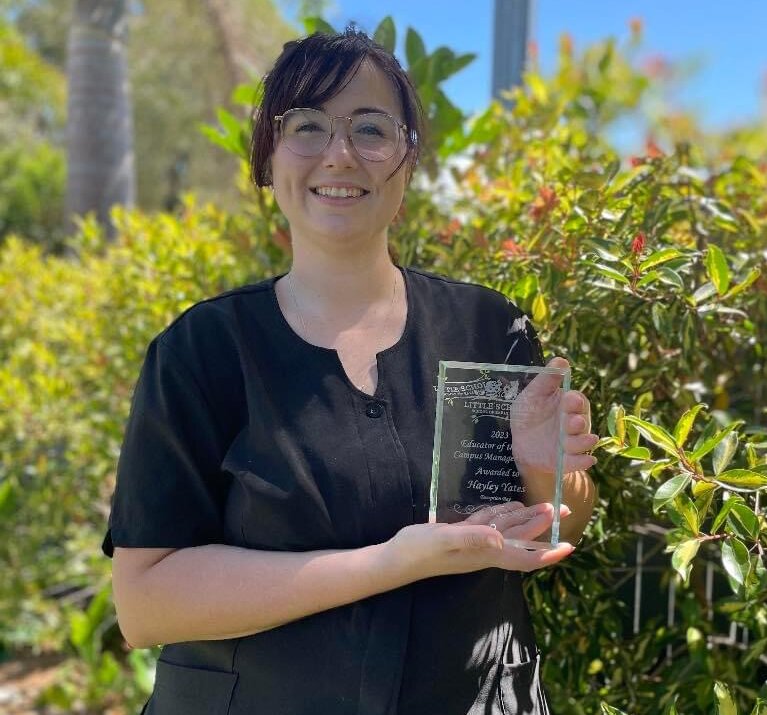
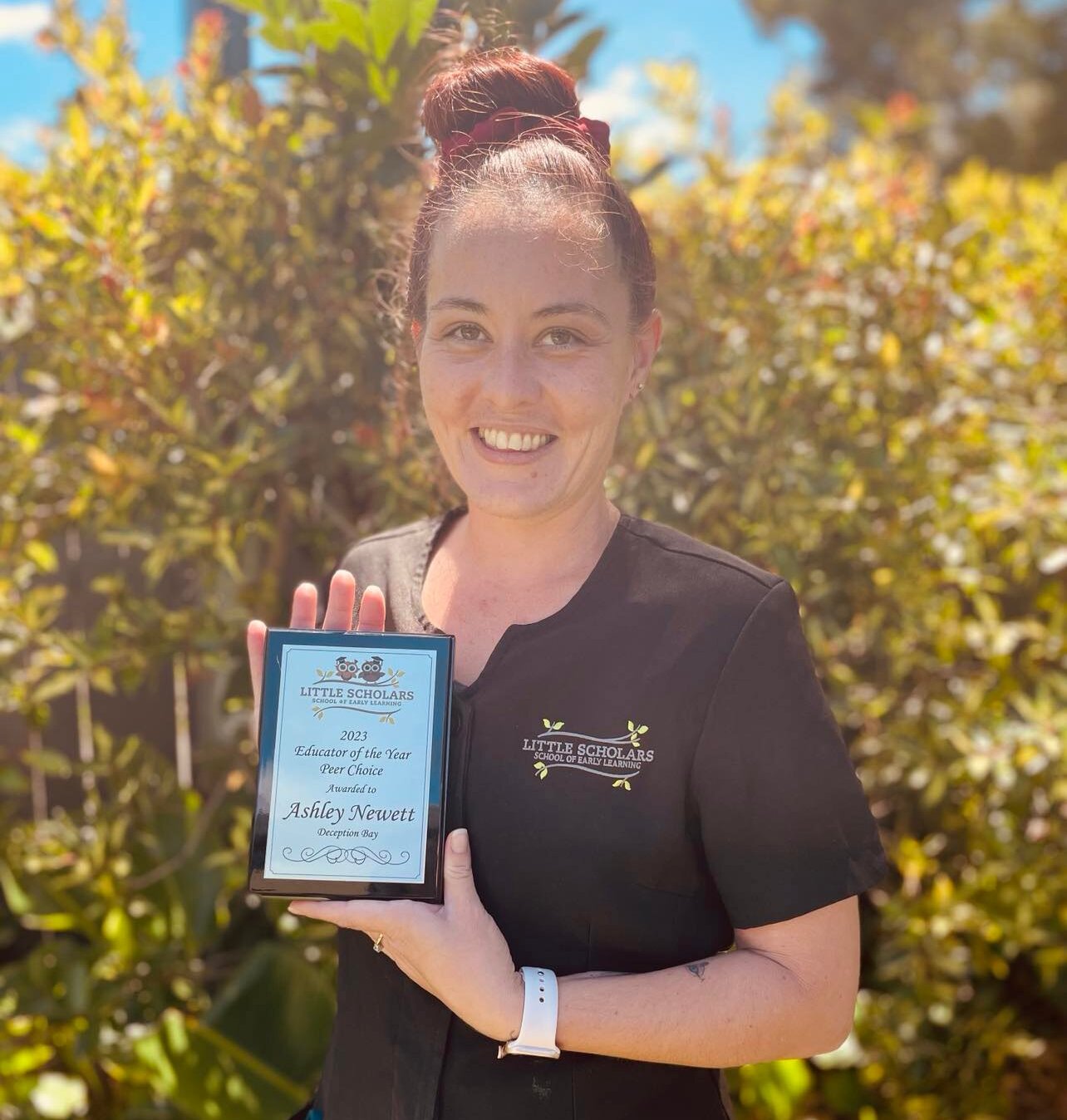
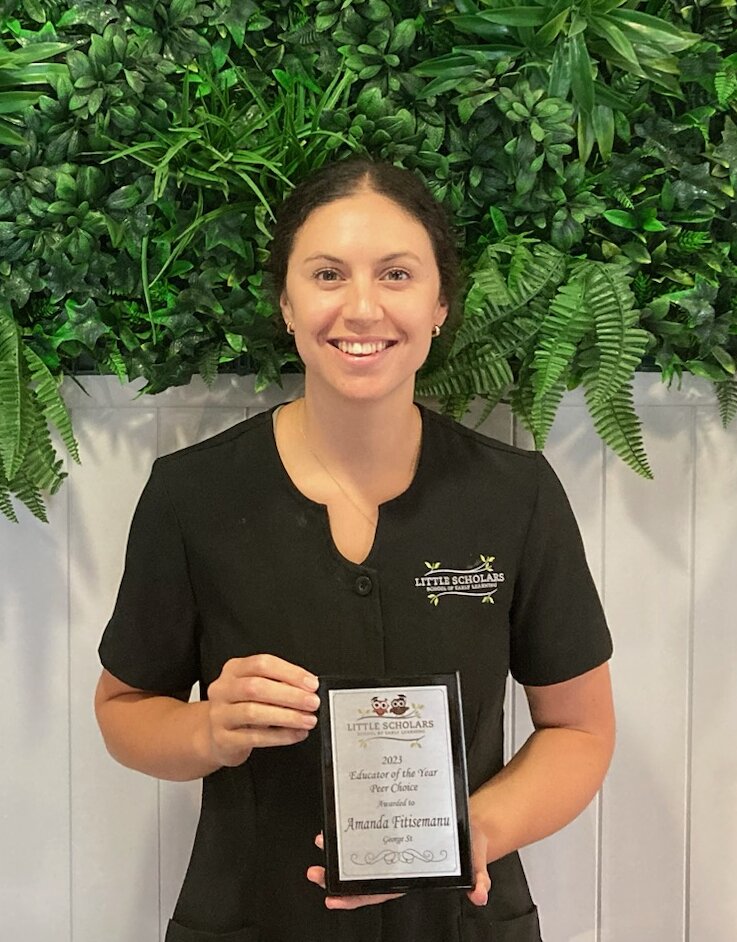
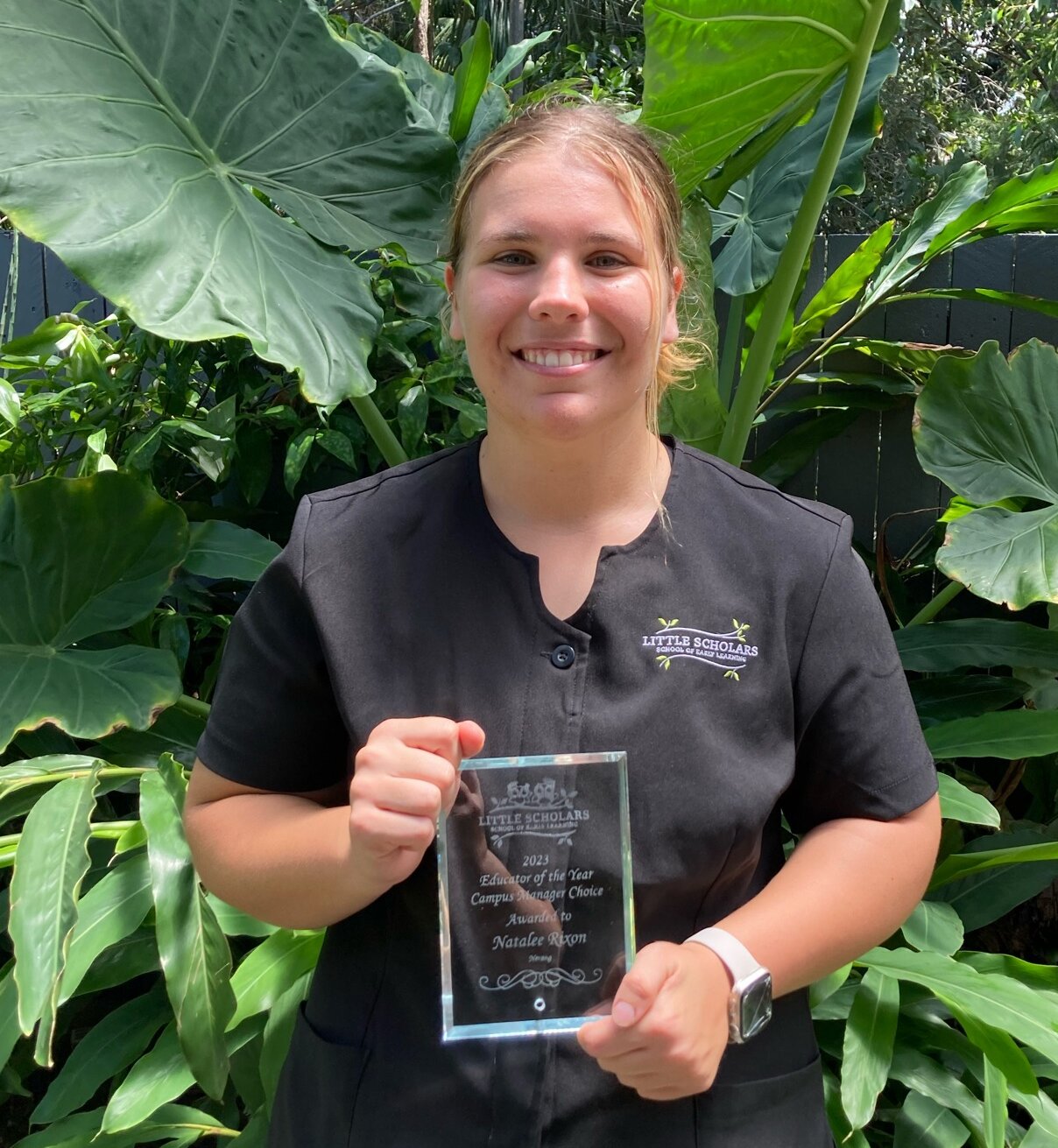
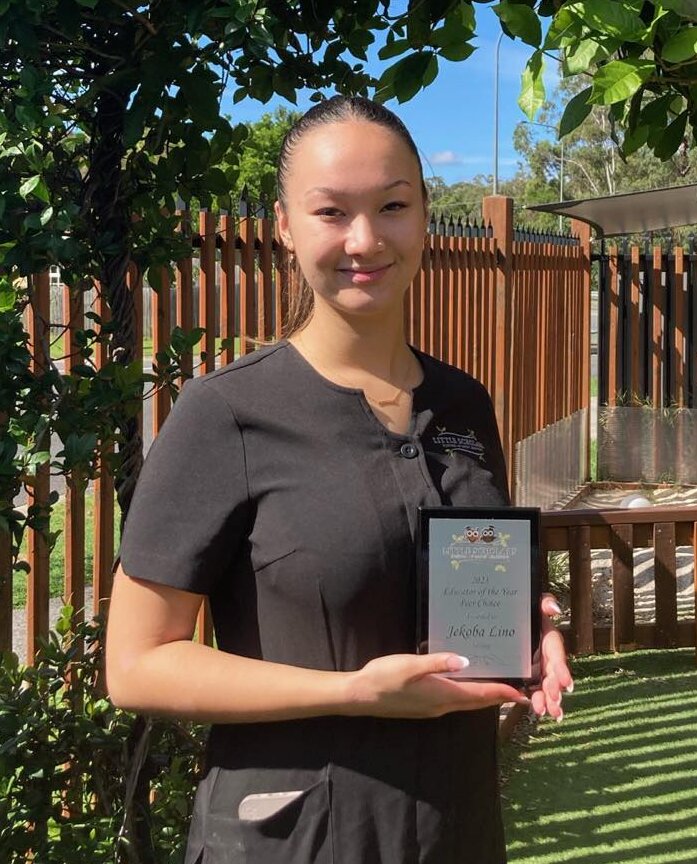
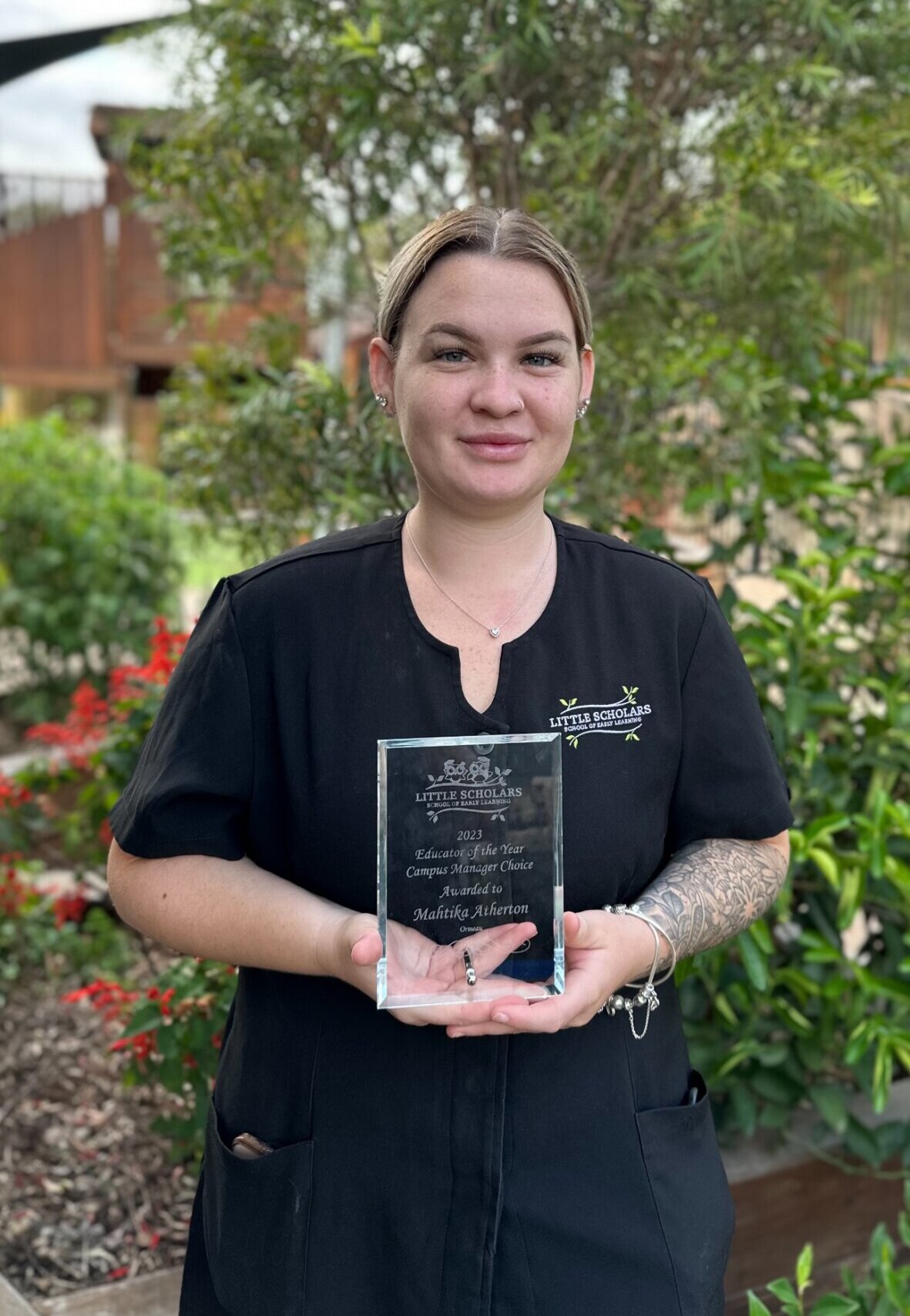
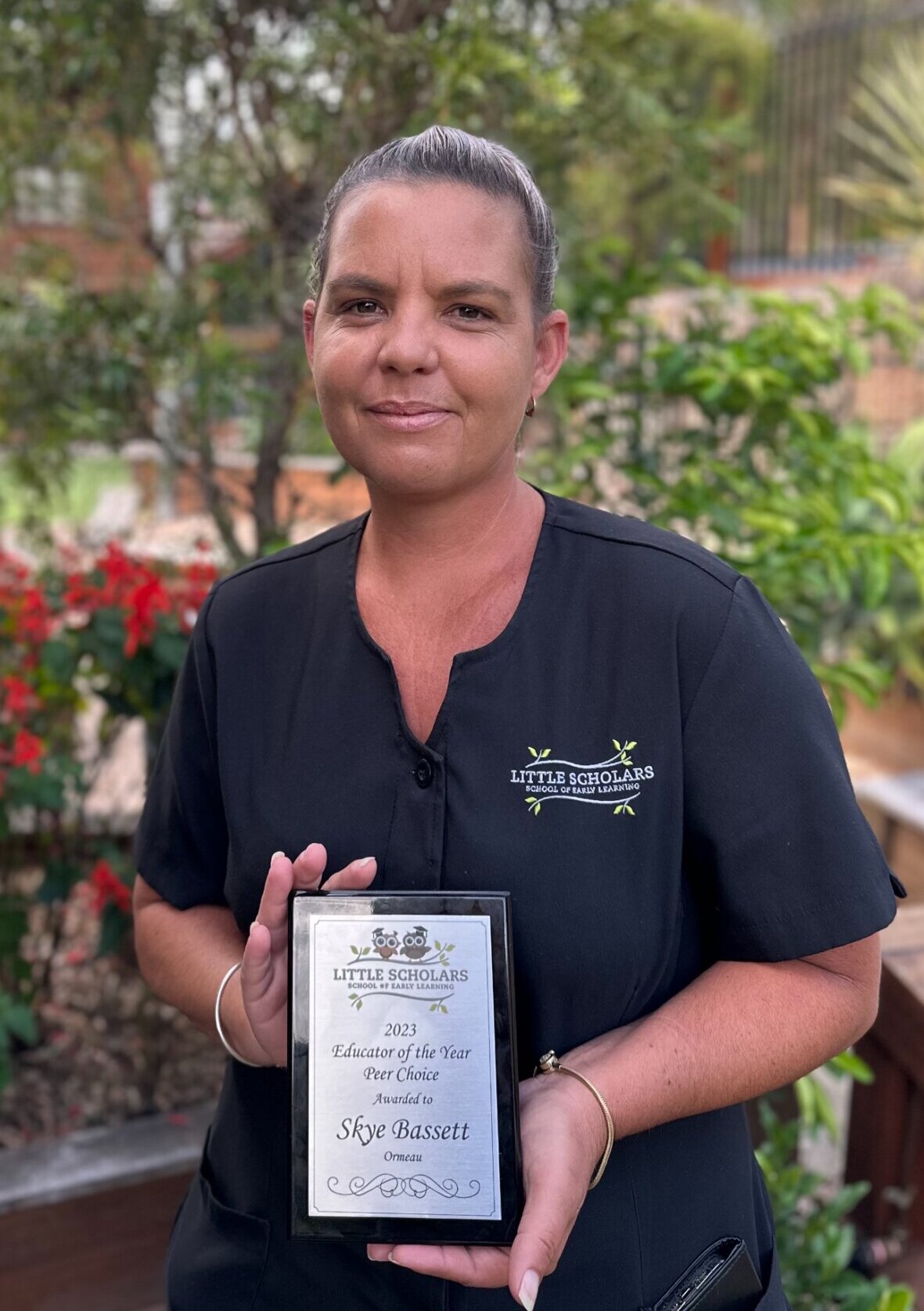
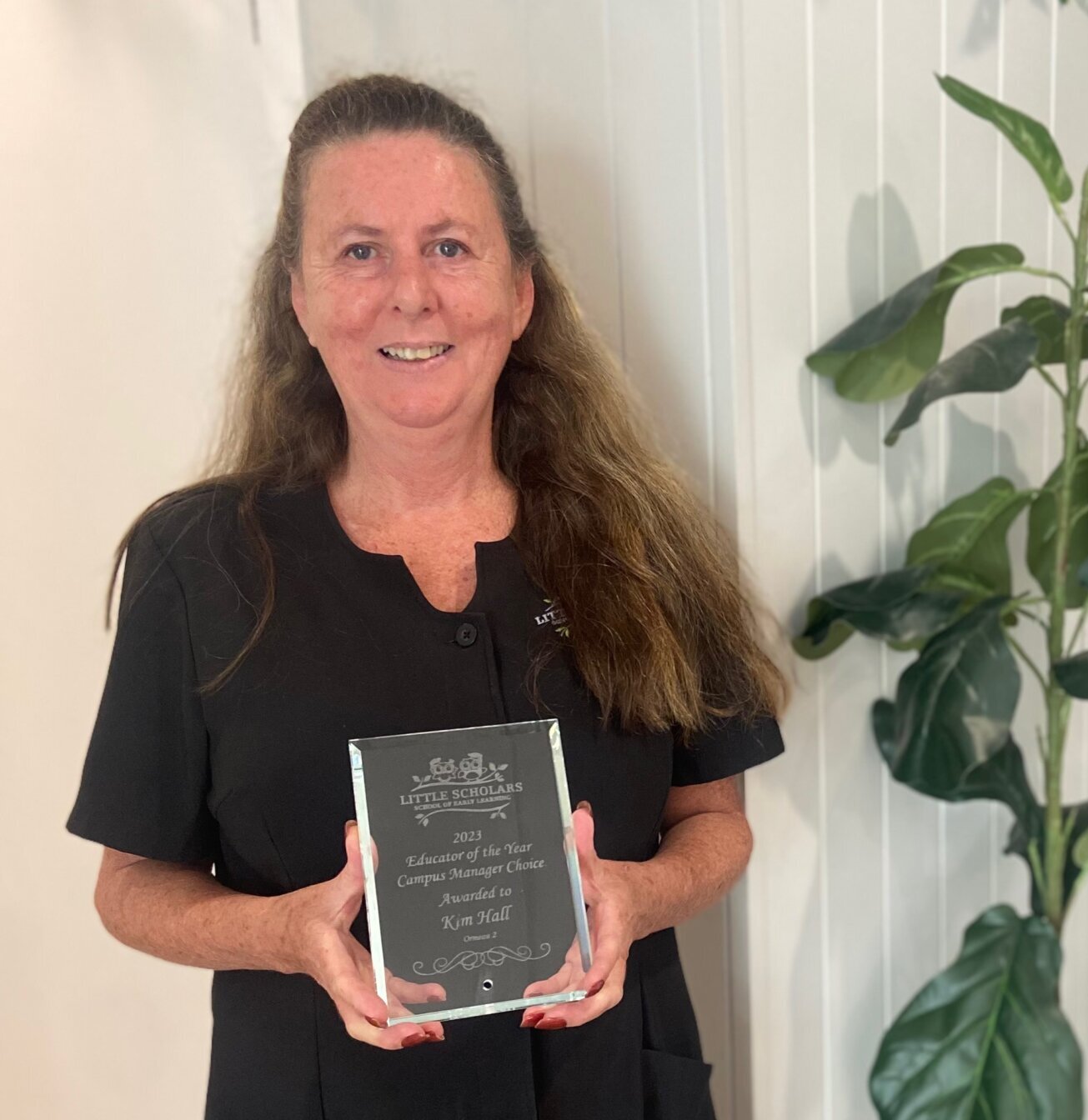
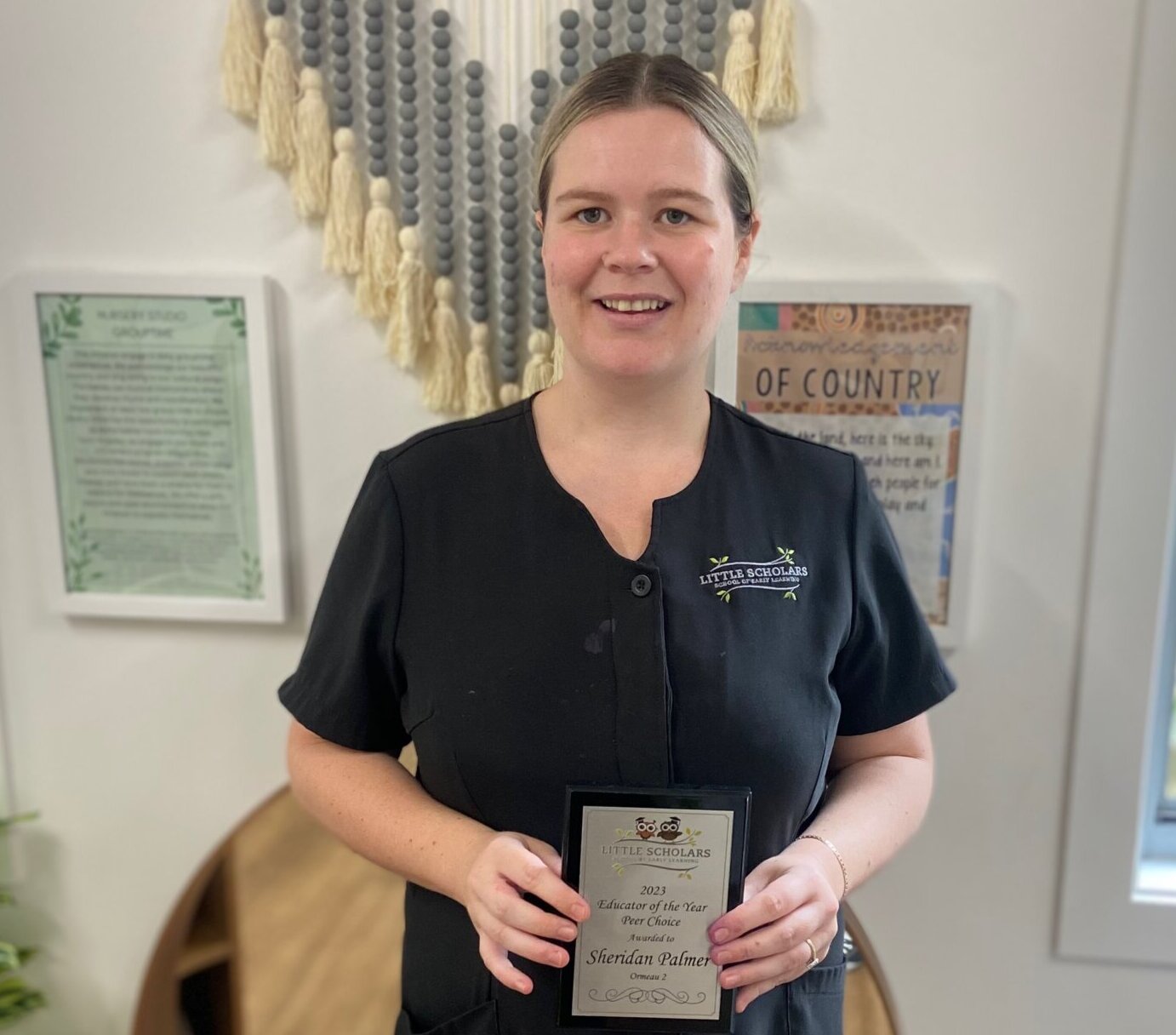
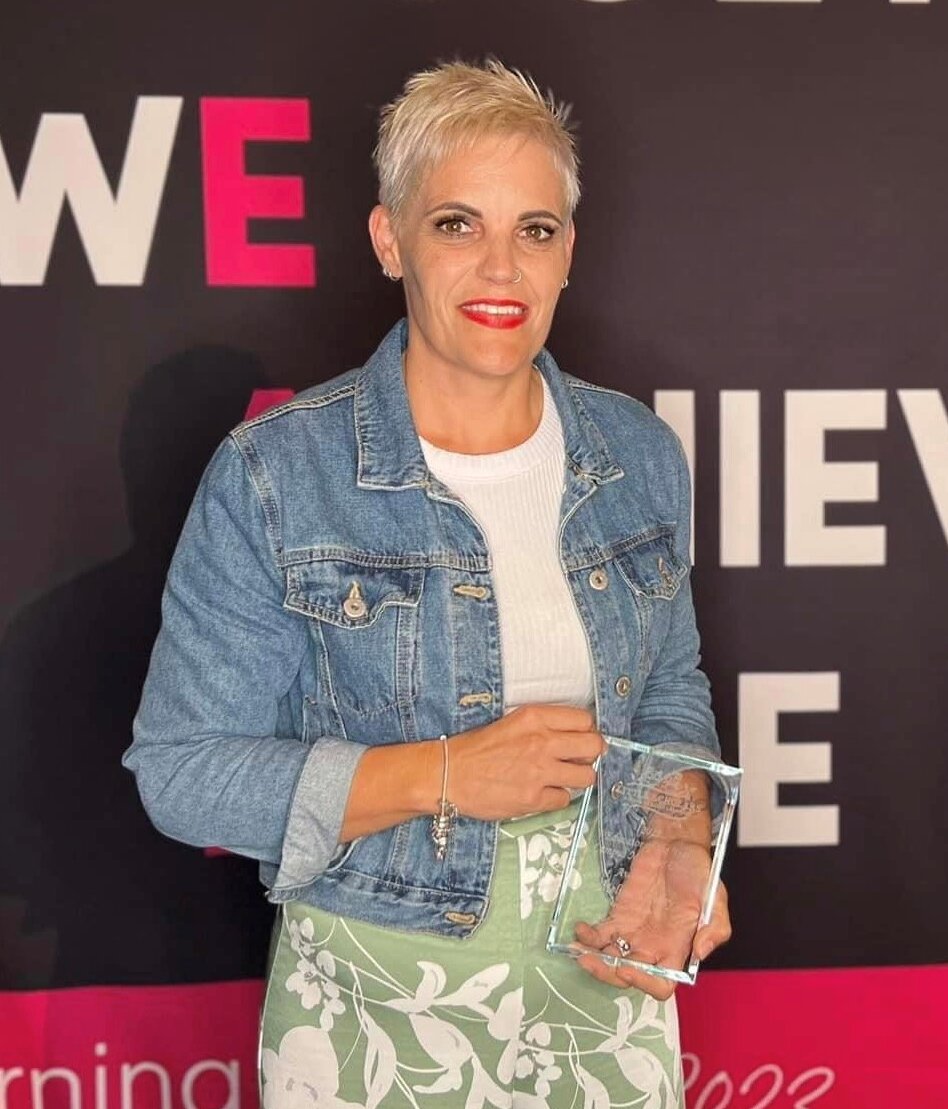
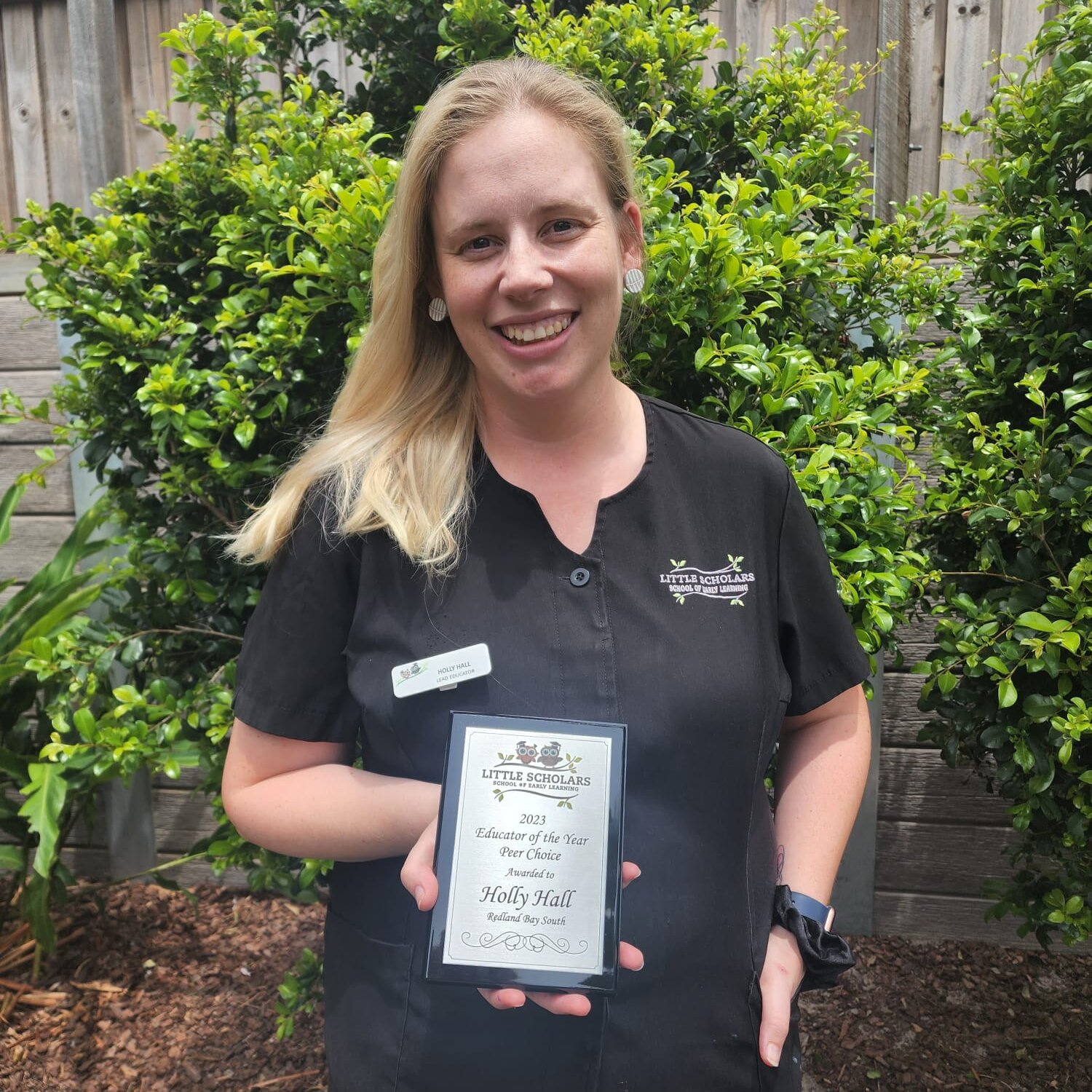
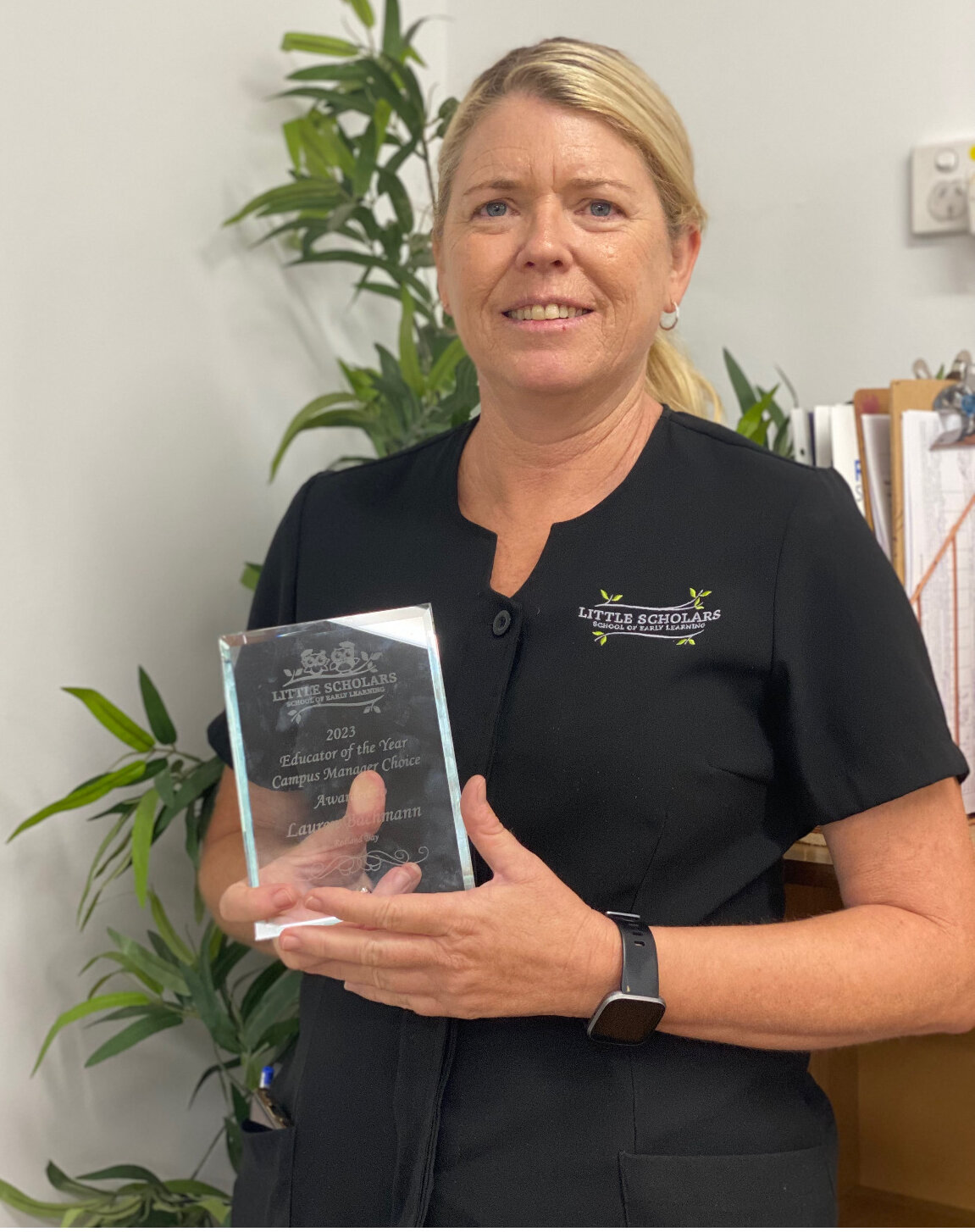
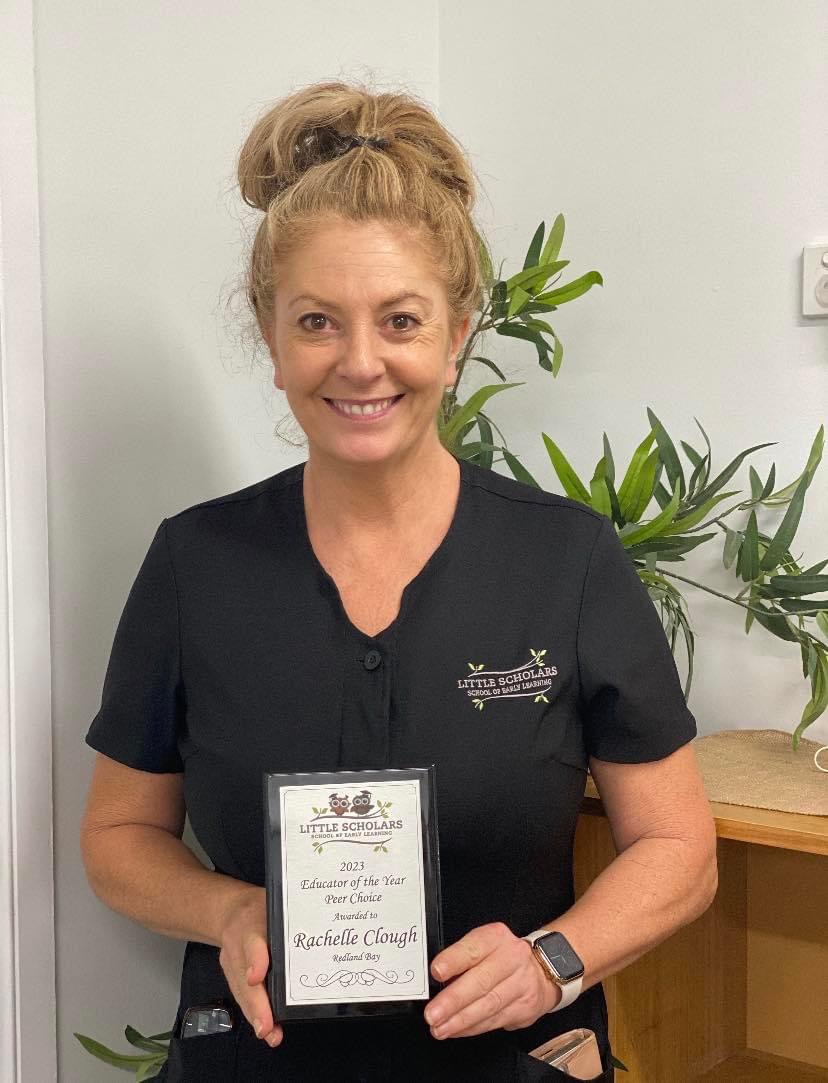
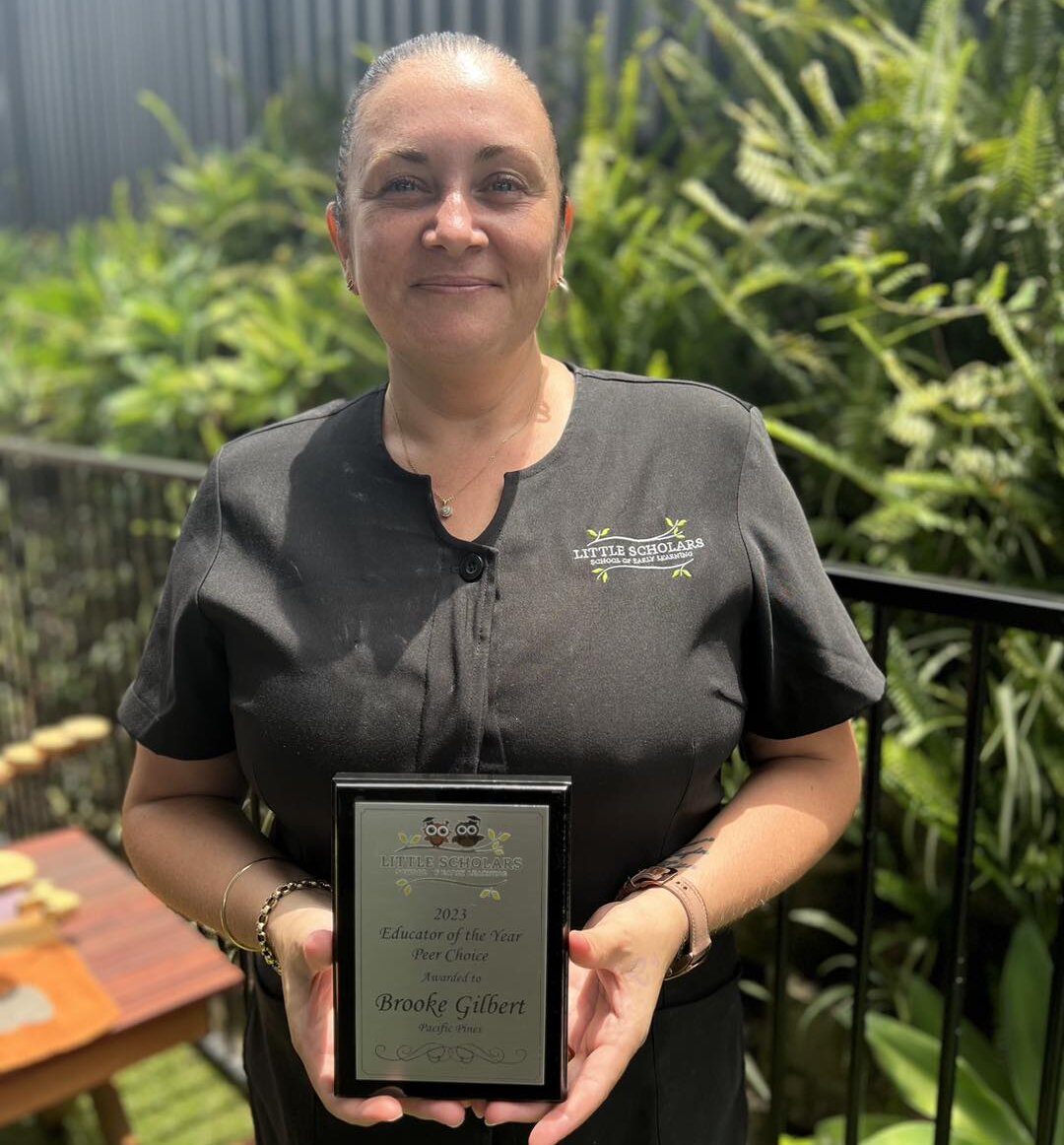
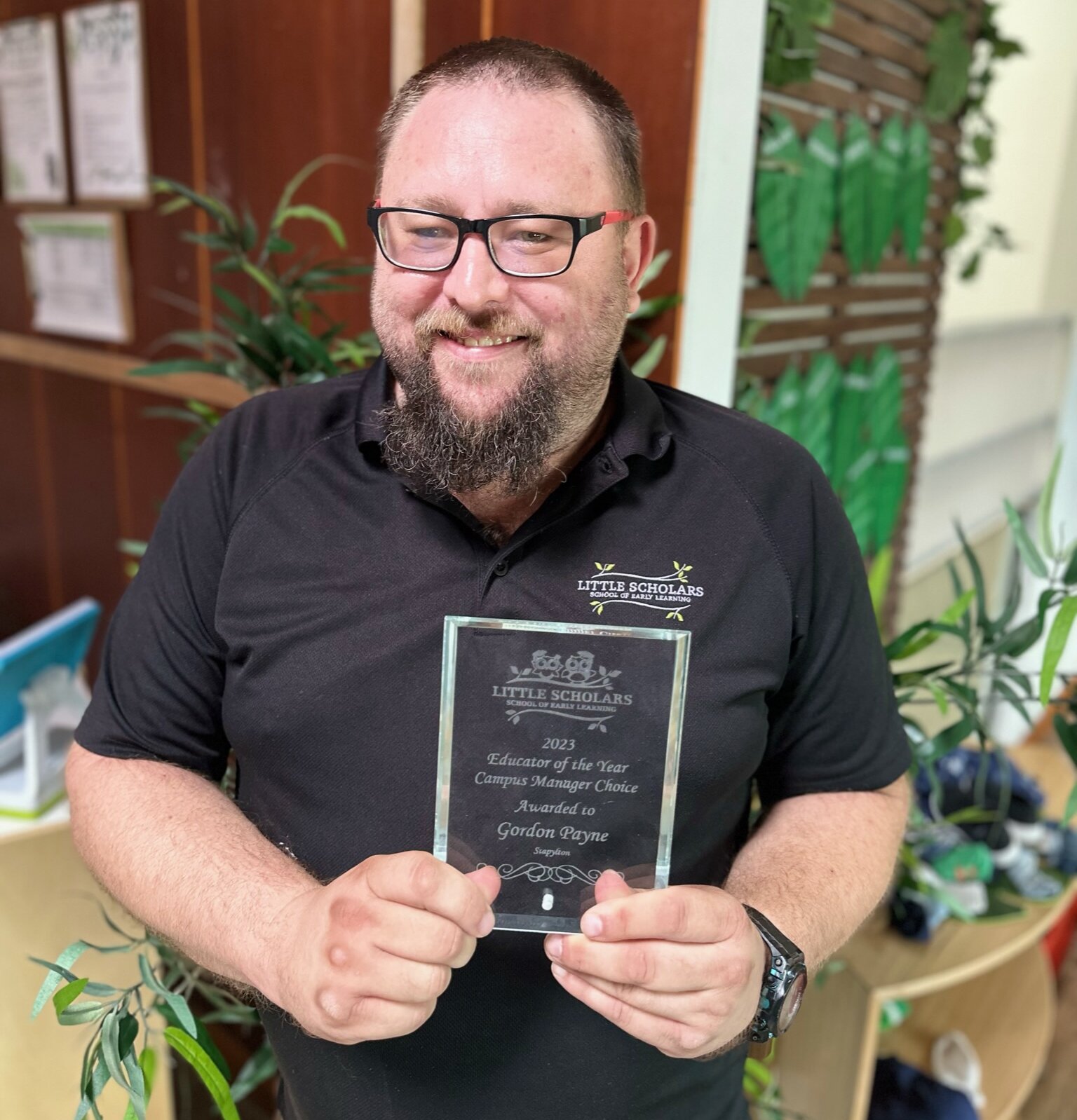
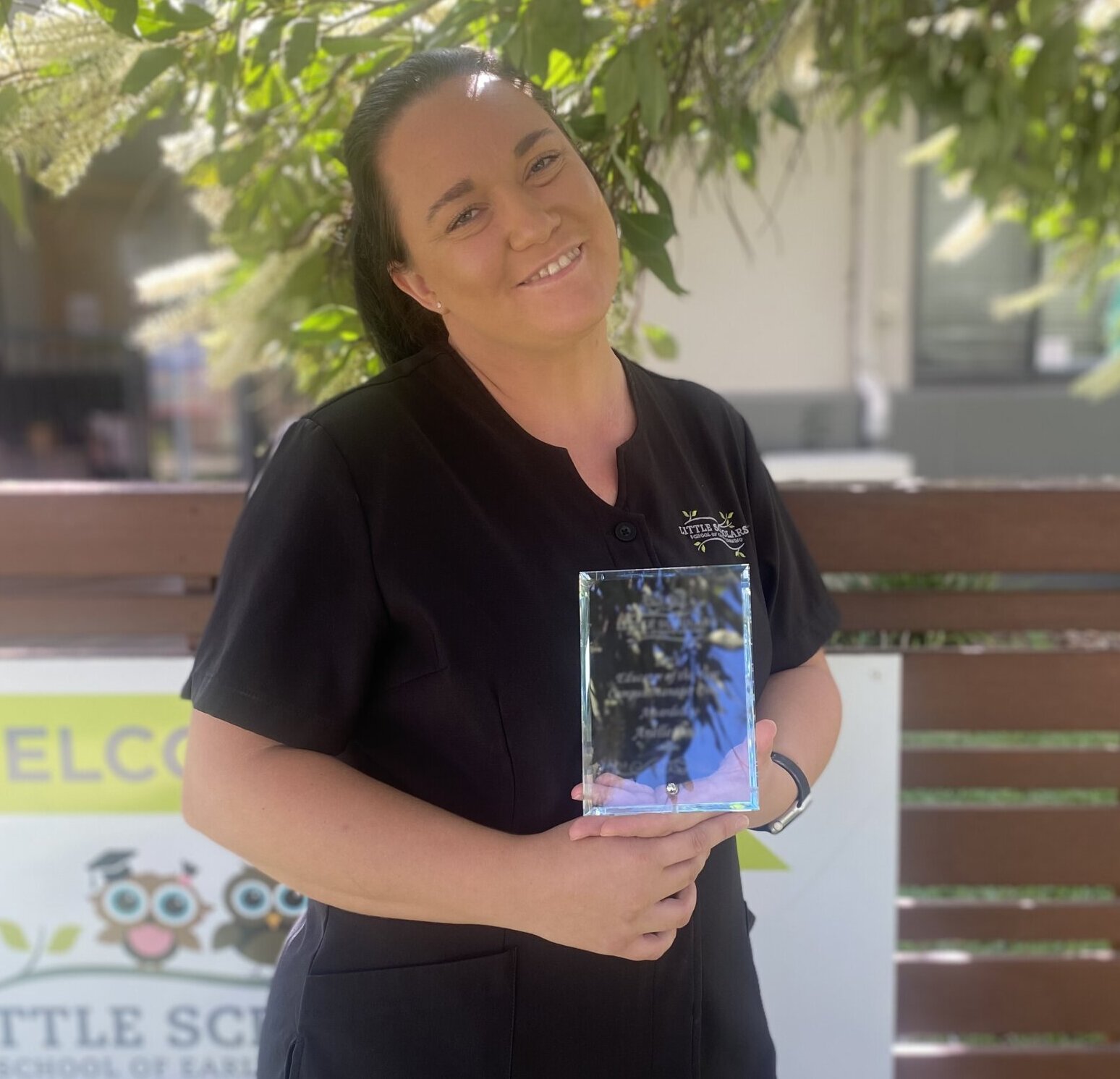
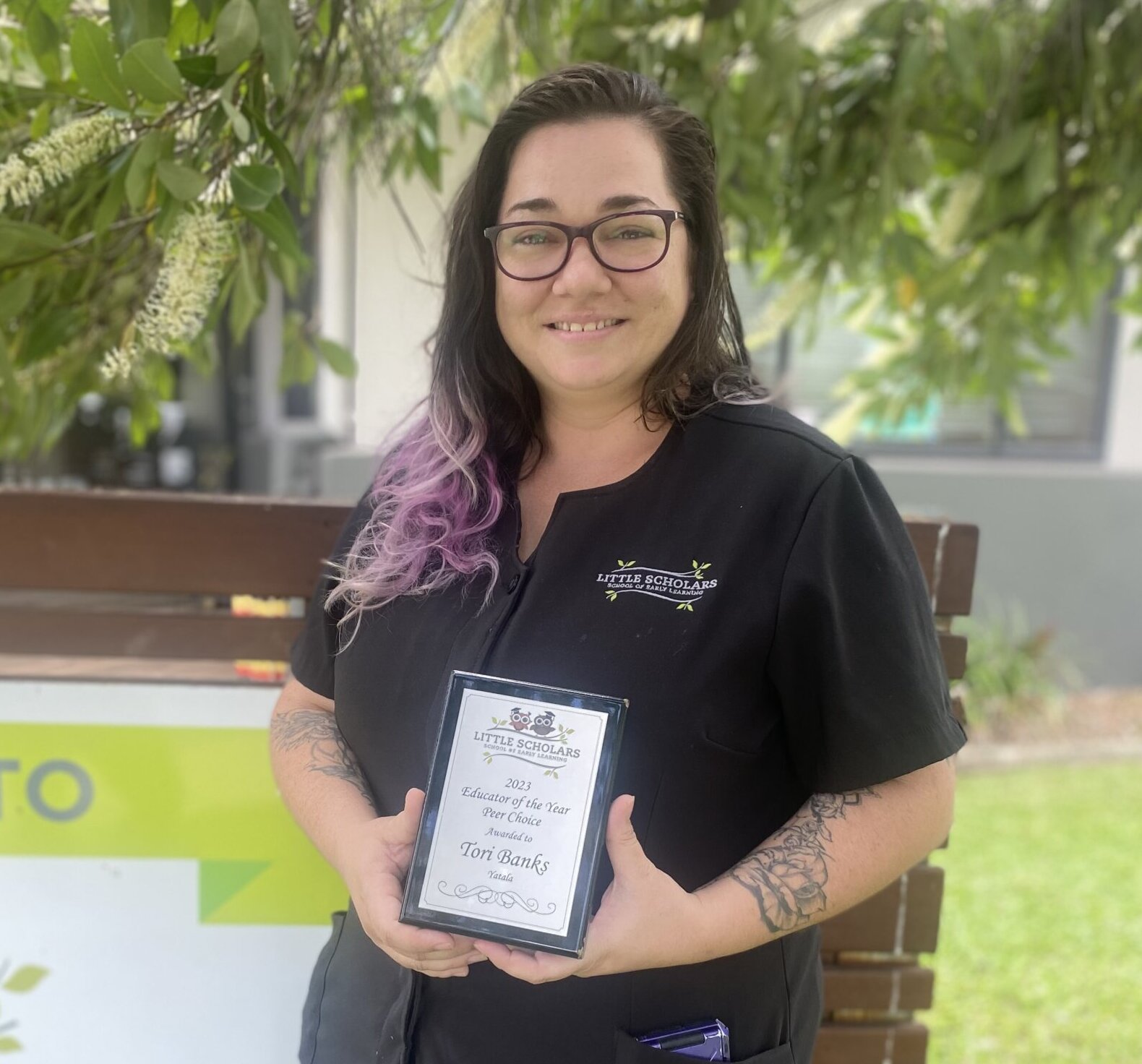
We have the very best early education educators at Little Scholars School of Early Learning. It’s our great honour to present our 2023 Little Scholars Employee Award winners. 🎖
These outstanding recipients, through some challenging times, have demonstrated their dedication, commitment and have gone above and beyond this year with fellow educators, children, and parents. Time and time again they show us, their peers and the families who they have the privilege of looking after their enthusiasm, their eagerness to learn and grow, and their unfaltering dedication to educating and developing small humans.
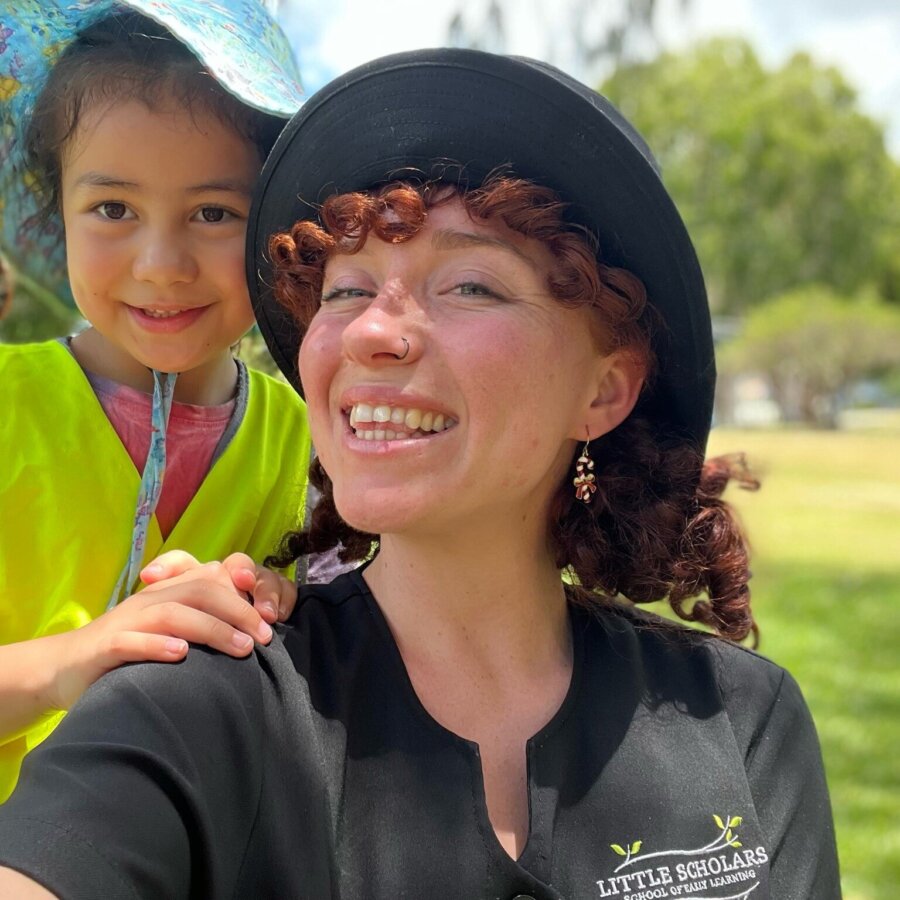
Inspire – Little Scholars Pillar Award 2023
Learn more about Ella
How long have you been an educator, Ella?
I have been an educator for four years now, and with Little Scholars since my placement when I began my certificate 3 at TAFE.
How did you start your career?
I had been looking at Little Scholars as a centre for my daughter since I was pregnant and fell in love with it from the get-go. Since beginning to have my daughter at the centre, I saw the love and care that the educators gave the children. Working with children had always been on my agenda as I used to study to be a music teacher and knew I could do so much more as an early childhood educator to assist the children in excelling in all areas before beginning “big school.”
What did being recognised for the inspire award mean to you?
The award completely blindsighted me as I turn up to work each day just to do my best for these little humans so to be recognised for my relationship with the children in my centre was so special to me and really instilled my role within the company and the importance I hold alongside my other educators in this industry.
Ella’s nomination
Ella is an educator with the Little Scholars Deception Bay campus, which recently was assessed Exceeding under the National Quality Framework for Early Childhood Education and Care.
In Ella’s nomination to us, it said, “Ella is an inspiration for all in the Deception Bay community. We had some outstanding feedback from the department through our assessment and rating process. Before the process even started, the assessor had mentioned the passion and authenticity observed in Ella’s interactions with our children, families and community. In the assessor’s words – ‘she could sit and watch Ella all day long.’ From one of Ella’s colleagues, ‘the educator she is, is who I aspire to be in my future teaching career. She is strong, but also so caring to each individual child.’
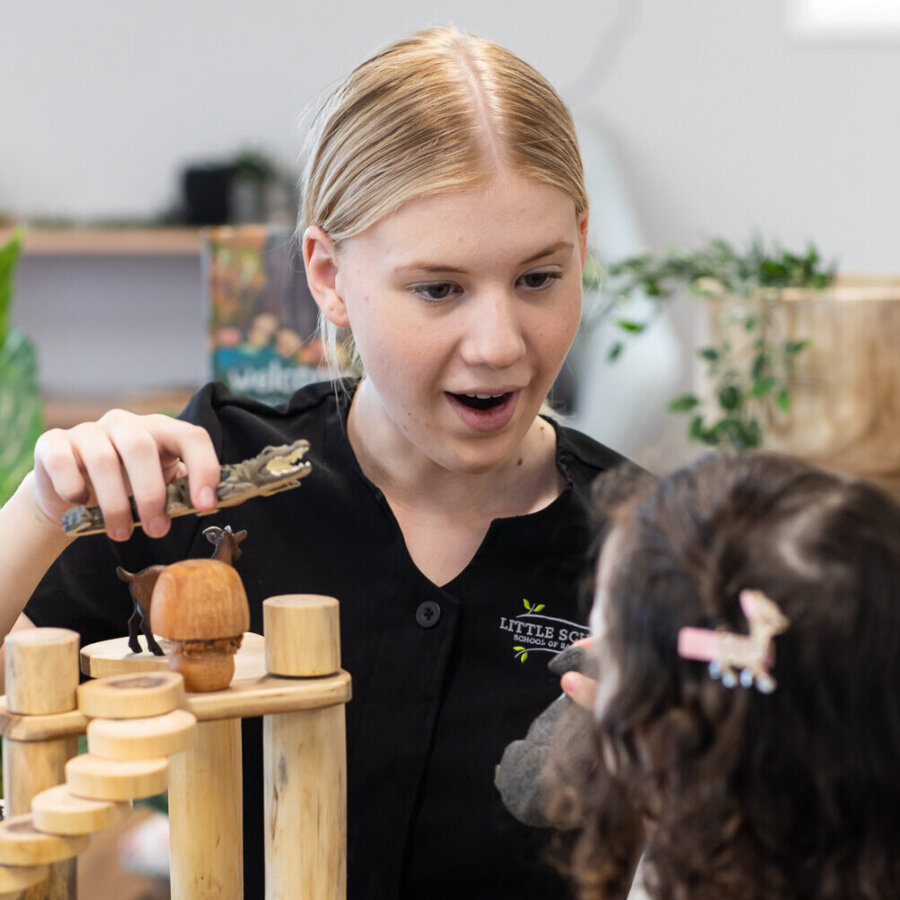
Learn – Little Scholars Pillar Award 2023
Learn more about Ellissa
Ellissa is a lead educator at our Ormeau Village campus. She was named winner of the Pillar Award in the Learn category because she stepped up to become a lead educator, and we’re told she is always happy to keep learning from her peers and further her education in the sector.
How long have you been an educator?
I’ve been an educator since I was 16, but even younger I was at my mum’s centre helping out wherever I could.
How long have you been with Little Scholars?
I’ve been with Little Scholars for about 18 months, since Ormeau Village opened.
What made you want to become an educator?
I think just having the inspiration of my mum being in that environment, seeing what she does, seeing how she helped shape the children, it made me want to do it as well. Just seeing how I could help children as well.
What did winning the award mean to you?
I’m always trying my absolute best to do the best possible work I can do, so it meant that someone else was seeing that, that it was appreciated. It’s made it feel worth it!
What do you like about working with Little Scholars?
Just the support and having the creative freedom to do things that I couldn’t do at other places. Like taking them on Bush Kinder adventures and all these other fun things they get to do that they may not have the opportunity to do anywhere else. And everyone at head office as well, like Susan, Mel and Jae-them being so active in our centre, that’s something I really appreciate as well.
On the quick move from an assistant educator to lead educator, Ellissa says:
The support I had helped me to grow so fast, because if I was somewhere else and didn’t have the support, I probably wouldn’t have become lead, but the support from everyone about what I could do, what I would have to do, really helped when I stepped up.
Ellissa is finishing up her studies with her Cert III, then she’ll be moving onto her Graduate Diploma.
From the award submission: Ellissa has stepped up into her Lead role during last year and we have watched her grow from assistant to well-deserved Lead and take charge in her space, leading her colleagues while taking feedback on board and striving to excel.
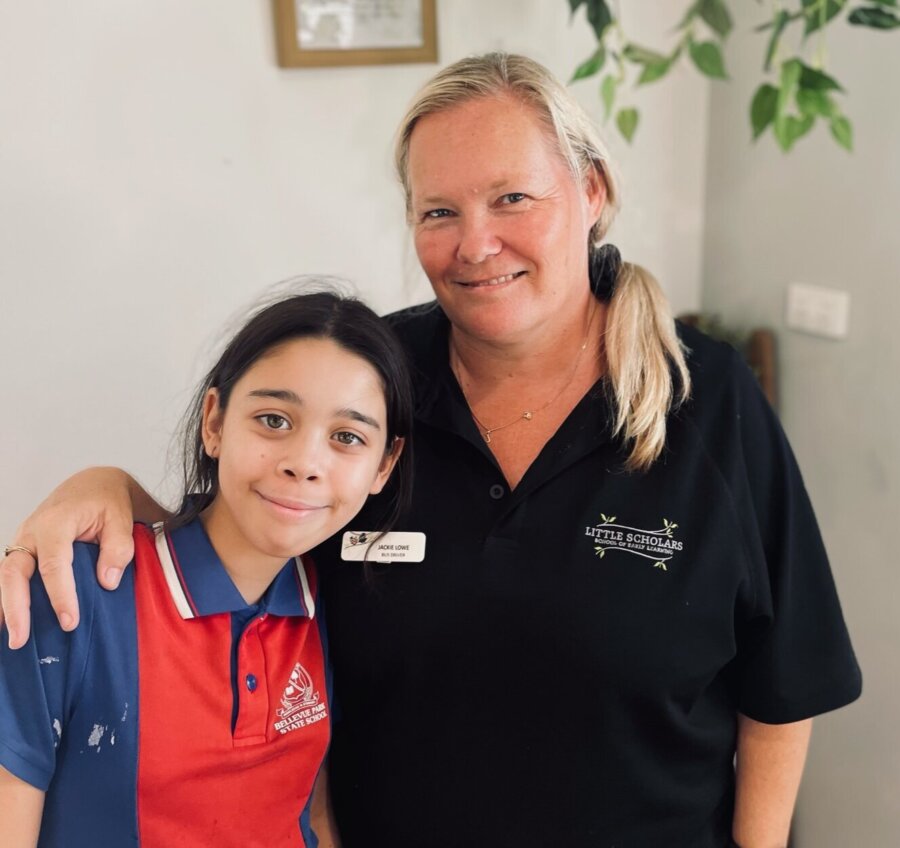
Contribute – Little Scholars Pillar Award 2023
Learn more about Jackie
How long have you been in educator?
I’ve been an educator on and off for about 20 years. I’ve been with Little Scholars for a year now.
Hey that’s pretty good to get recognised in your first year!
I know it was so good!
What’s made you want to become an educator?
Just from being young and starting off babysitting, which I loved, and then Year 12 back then we had work experience and that was just going to a centre and from that first day I knew what I wanted to do. I just fell in love with it, and from then it was my goal to finish school and become an early childhood teacher
What is it now, 20 years on, that you still love about working in this sector?
It’s just the love of being around children, i’m just being with a team of educators, and I missed that like when I went away from it and did my business, I just missed it so much. It’s just working children just gives me so much joy.
All my children are older, are grown up, and it was just not a grandmother yet or anything it was just that feeling, it just going back into a centre and it just makes me so happy.
You won the Pillar Award for ‘contribute’ and you’re known as a ‘jack of all trades’, what do you do?
No job is too big or too small! I do the bus, I’m the after-school care educator, I can work in the kitchen, I can listen to other team members, there’s nothing that I won’t try! That’s just who I am, when I’m needed, I’ll do anything to help the team out.
Especially your first year at Little Scholars, what did winning an award mean to you?
My goodness, it was just so good, firstly I was surprised, but it was then good to know that the little things that I’m doing are noticed, I felt like, ‘Wow I am noticed!’ It just made me feel so happy knowing that all the jobs that I am doing people have recognised it, so yeah so then makes you feel like you are doing a great job!
I love working for Little Scholars. It’s an amazing company, I’ve worked with the other centres before, Little Scholars is just amazing and I’m happy to be there and helping out.
In Jackie’s nomination, campus manager Elise said, ‘Jackie is our jack of all trades! Jackie fits many hats at our campus. From driving the bus to being in the studios to going on vacation care, she wears her many hats with a smile on her face. Her bubbly nature and willingness to help the team wherever needed is admirable. We appreciate her dedication and consistent contribution to the campus.
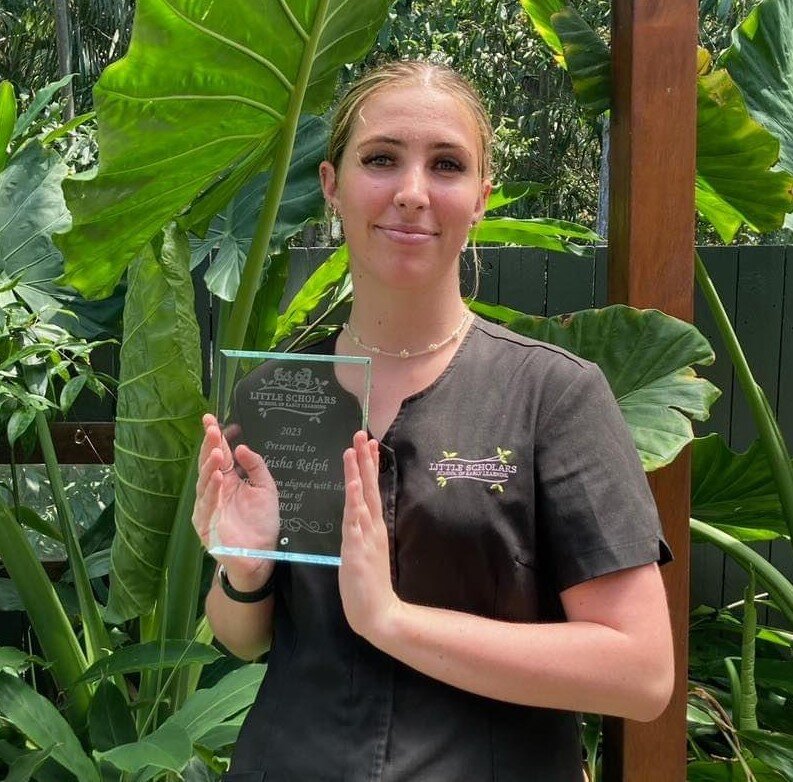
Grow – Little Scholars Pillar Award 2023
Learn more about Aleisha
Ellissa is a lead educator at our Ormeau Village campus. She was named winner of the Pillar Award in the Learn category because she stepped up to become a lead educator, and we’re told she is always happy to keep learning from her peers and further her education in the sector.
How long have you been an educator?
I’ve been an educator since I was 16, but even younger I was at my mum’s centre helping out wherever I could.
How long have you been with Little Scholars?
I’ve been with Little Scholars for about 18 months, since Ormeau Village opened.
What made you want to become an educator?
I think just having the inspiration of my mum being in that environment, seeing what she does, seeing how she helped shape the children, it made me want to do it as well. Just seeing how I could help children as well.
What did winning the award mean to you?
I’m always trying my absolute best to do the best possible work I can do, so it meant that someone else was seeing that, that it was appreciated. It’s made it feel worth it!
What do you like about working with Little Scholars?
Just the support and having the creative freedom to do things that I couldn’t do at other places. Like taking them on Bush Kinder adventures and all these other fun things they get to do that they may not have the opportunity to do anywhere else. And everyone at head office as well, like Susan, Mel and Jae-them being so active in our centre, that’s something I really appreciate as well.
On the quick move from an assistant educator to lead educator, Ellissa says:
The support I had helped me to grow so fast, because if I was somewhere else and didn’t have the support, I probably wouldn’t have become lead, but the support from everyone about what I could do, what I would have to do, really helped when I stepped up.
Ellissa is finishing up her studies with her Cert III, then she’ll be moving onto her Graduate Diploma.
From the award submission: Ellissa has stepped up into her Lead role during last year and we have watched her grow from assistant to well-deserved Lead and take charge in her space, leading her colleagues while taking feedback on board and striving to excel.
What an incredible asset online media has become when it comes to raising or educating children. From YouTube to Instagram, there’s a wealth of expert information at your fingertips that previous generations simply didn’t have. Thanks to online media, parents and educators can now access an array of information, tips, and tricks on child development, parenting, and education.
And of course, podcasts are an excellent way to learn while on the go. You can listen to them while commuting, during your daily walk, or even before bed. Here we have compiled a list of our favorite parenting and child development podcasts, divided into categories for parents and educators. Check them out!
A podcast about parenting, alternative education and stepping into the wilderness with children. Each week, Nicki Farrell and Vicci Oliver interview experts who inspire them to answer questions about parenting and education. They also share stories from families who took the leap, and are taking the road less travelled.
Maggie Dent, one of Australia’s favourite parenting authors and educators gives you practical tips and answers to your real-world parenting dilemmas.
Each episode of Unruffled addresses a reader’s parenting issue through the lens of Janet’s respectful parenting philosophy, consistently offering a perspective shift that ultimately frees parents of the need for scripts, strategies, tricks, and tactics.
Listen to conversations with experts on a variety of topics related to children’s mental health. Episodes offer practice wisdom from experts in the field and will give you an insight into the work and values of the National Workforce Centre for Child Mental Health.
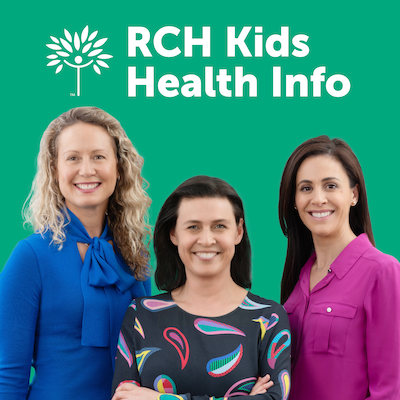
Based on the popular RCH Kids Health Info fact sheets, the Kids Health Info podcast explores common topics and concerns with experts in children’s health. Hosts Margie Danchin, Lexi Frydenberg and Anthea Rhodes are all paediatricians and mums, so they know first-hand what keeps parents up at night. Every episode features guest experts in a range of child and adolescent health specialties, and lots of practical tips and advice.
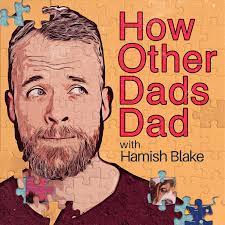
Hamish Blake chats with other dads he really admires about their approach to ‘dadding’, and in the process hopefully learn a little, steal some of their hard earned wisdom and help dads dad a tiny bit better.
All humans learn through play. Join Kristen RB Peterson of Learning Wild as she chats all things early childhood education, preschool, nature and forest school, homeschool and parenting.
Hosted by international keynote speaker, educator and founder of Wearthy; Lukas Ritson, Play it Forward is an educational podcast about the importance of play. With the increase of technological advancement, it has never been harder to get kids playing outside
Early Childhood perspectives is a fortnightly podcast devoted to exploring the often overlooked concepts and issues of the Australian Early Years Sector.
This podcast covers meaningful topics in early childhood education with some of the sector’s most experienced educators and subject matter experts. With each short episode, its aim is to provoke minds and inspire excellence in early childhood education.
Barbi Clendining from Firefly HR and Saurubh Malviya from We Belong Education have teamed up to bring to you a fun and informative conversation and talk about every aspect of the Out of School Hours profession.
OK, we fibbed. It’s not JUST Australian podcasts. Here’s a few international podcasts that are quite popular with the kids these days. (and by kids, we don’t mean baby goats, or children really, but we’re just trying to sound cool)
Building creativity one leaf and bolt at a time. Join Dr. Carla Gull, American educator and mother of four boys, as she talks about getting outside and exploring loose parts.

A funny take on parenting with UK hosts Rob & Josh as they share their tales of parenting woe and chat to celebrity parents about how they’re coping, or not coping.
Join American clinical psychologist and mother of three Dr. Becky Kennedy on her weekly podcast, as she takes on tough parenting questions and delivers actionable guidance—all in short episodes, because we know time is hard to find as a parent. Her breakthrough approach has enabled thousands of people to get more comfortable in discomfort, make repairs after mistakes, and always see the good inside.
Each episode discusses issues today’s fathers face navigating work, parenthood, relationships and play. We share stories of dads who are active and engaged in the decisions, the drudgery, and the pains and the joys of parenthood. Our parenting podcast not only brings modern dads into the conversation, but also – regardless of gender – our spouses and partners, friends and colleagues, and leaders in business, entertainment and media.
At Little Scholars, we have four pillars that underpin everything that we do at Little Scholars – for our children, families, educators, and our community.
As part of our annual awards, we have four awards dedicated to those Little Scholars’ values – learn, grow, inspire and contribute. This year, while our award-winning educators certainly personify all four pillars, but with their unique special skills and achievements, we’ve declared one clear winner for each pillar.
Ellissa at our Ormeau Village campus was named winner of the Pillar Award in the Learn category because she stepped up to become a lead educator, and she is happy to keep learning from her peers and further her education in the sector.
Ellissa is finishing up her studies with her Cert III, then she’ll be moving onto her Graduate Diploma.
From her submission: Ellissa has stepped up into her Lead role during last year and we have watched her grow from assistant to well-deserved Lead and take charge in her space, leading her colleagues while taking feedback on board and striving to excel.
Ella’s experience as a parent with a child at Little Scholars was actually the reason she became an educator herself! Ella is the recipient of an Inspire Little Scholars Pillar Award 2023.
Ella’s nomination
Ella is an educator with the Little Scholars Deception Bay campus, which recently was assessed Exceeding under the National Quality Framework for Early Childhood Education and Care.
In Ella’s nomination to us, it said, “Ella is an inspiration for all in the Deception Bay community. We had some outstanding feedback from the department through our assessment and rating process. Before the process even started, the assessor had mentioned the passion and authenticity observed in Ella’s interactions with our children, families and community. In the assessor’s words – ‘she could sit and watch Ella all day long.’ From one of Ella’s colleagues, ‘the educator she is, is who I aspire to be in my future teaching career. She is strong, but also so caring to each individual child.’
Jackie is an educator at Little Scholars Ashmore campus. In her first year working for us, she was nominated for a Pillar award!
Jackie’s nomination
Campus manager Elise said, ‘Jackie is our jack of all trades! Jackie fits many hats at our campus. From driving the bus to being in the studios to going on vacation care, she wears her many hats with a smile on her face. Her bubbly nature and willingness to help the team wherever needed is admirable. We appreciate her dedication and consistent contribution to the campus.
Aleisha has remarkable attributes and we’re told her growth as an educator has been propelled by her enthusiasm to contribute, learn and inspire her team and go above and beyond not only for children, but families as well.
I have been an educator since the end of January 2020. Prior to this, I was a trainee at Little Scholars Nerang since September of 2018 studying my Diploma.
Aleisha’s nomination
Aleisha at our Nerang campus was named winner of the Pillar Award in the Grow category because she’s grown from a trainee at the campus just a few years ago to now full time lead educator, her gentle touch, her willingness to inspire and help others, she was a clear choice for campus manager Renee.
Aleisha is no stranger to accolades, she won Educator of the Year – Peer Choice twice previously. Little Scholars was her first employer in her early childhood education career!
As Queensland, and Australia as a whole, takes baby steps to open to the world again after a challenging two years, Little Scholars School of Early Learning is taking big steps to ensure our children and our educators are as safe as possible as we navigate this new normal.
We want our families and our educators to rest easy that their health and safety are of the utmost importance to us, and we respect that our families and staff will have questions, especially as we see interstate and international visitors return to our cities. Here we want to answer your questions about how we navigate these next steps.
We have a detailed COVID-safe action plan that is continually reviewed as directed and advised by Queensland Health in the event a positive case is detected in one of our campuses.
We encourage all our staff to be fully vaccinated. It is mandated by 17 December that all Queensland early childhood educators and staff will have their first vaccination and are required to be fully vaccinated by 23 January. Currently, we have more than three-quarters of our team fully vaccinated, and we’ve always strongly encouraged all our teams to be vaccinated as soon as possible. We are offering support and help for those unsure to get the information they need so we can get 100% of our team vaccinated to ensure that everyone is safe, based on the health advice.
We’re now in the process of installing high-quality air purifiers in all our campuses, in line with our COVID-19 action plan and our commitment to the safety and well-being of all of our teams and children. Research published in The Journal of Infection Control and Hospital Epidemiology says the efficacy of portable air purifiers using HEPA filtration helped increase the clearance of aerosols. True HEPA filters remove 99.97% of ultra-fine dust and inhibit the spread of captured bacteria. These will be placed in our reception areas to assist in filtering air from external people entering campuses. In the event of illness or outbreak, these purifiers will be moved to studios affected.
During periods of outbreaks and suspected covid in the community, we limit the number of external visitors to our campuses. We offer foyer or car park drop-off and pick-up to prevent illness and outbreaks in the service and keep our children and educators safe.
Typically, any deliveries are dropped to the foyer/ front entrance as we are limiting the number of external people into our campuses. Trades and maintenance people are all required to attend out of hours. During periods of high risk or outbreaks, it is a requirement that external visitors are limited and if required to attend, must wear a mask.
Staff and children should not attend our campuses if unwell and we take illness very seriously. Of course, the way that children interact with each other and with adults in education and care services means that illnesses can quickly spread in a variety of ways. Children have close contact with other people through playing or cuddling, putting items in their mouths, and not covering faces when sneezing or coughing. We record the immunisation status of every child at our campuses and encourage staff to be up to date with all vaccinations. We also have the Public Health Unit attend our campuses each year to give flu shots to staff.
Our staff is trained to recognise signs of illness, but it’s a shared responsibility with our families to update each other if illness is detected. Whilst we are more alert to illnesses in children, we are seeing less illness currently and parents are being much more diligent with keeping children home if they are unwell which is a huge help in keeping our community well.
This has been an integral part of our learning program, including maintaining health and good hygiene habits, learning about viruses and disease, and what COVID actually is. We have needed to use real-life language and be frank with children as they try to understand the fear and uncertainty in the community, learning to communicate through masks and understanding the changes to “normal life” and how to process these changes.
Here are the main steps we take in the event of a positive case in one of our campuses.
If you have any questions that weren’t answered here, please contact your campus manager and they’ll provide those answers or find the required information for you.
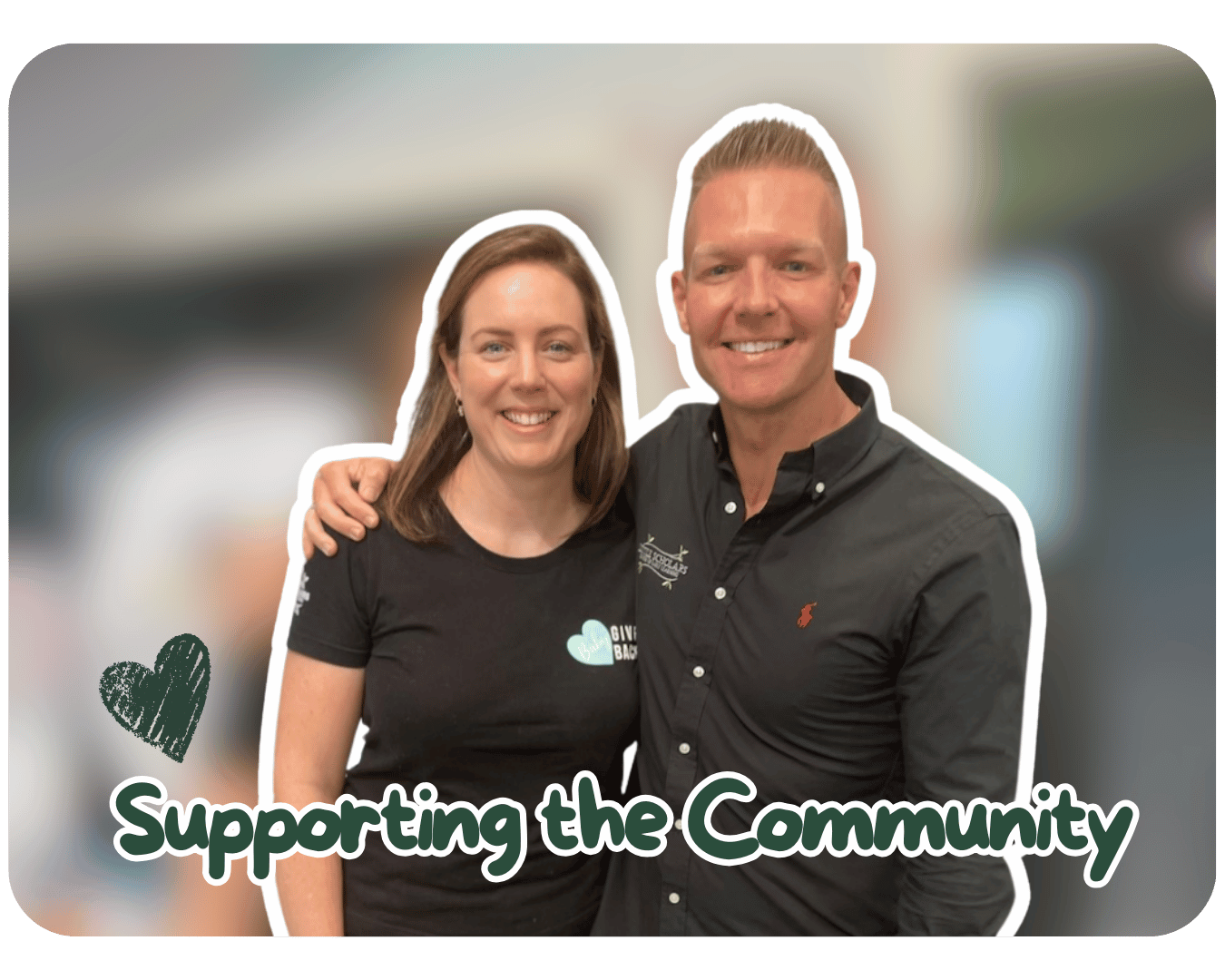
You can help bring Christmas joy to vulnerable families.
We are collecting new gifts for children (aged 0-17 years), parents and caregivers. The gifts will be distributed by Baby Give Back to families doing it tough via their network of caseworkers during December.
Only NEW Christmas gifts can be accepted.
We ask that all gift donations be made by 10th December 2021
For little humans, small changes can feel big. When it comes to transitioning rooms in childcare, some children will be excited to be more like the bigger children, but change can be more of a challenge to others.
Moving up at Little Scholars means changes to routines, new educators but also new opportunities to play and grow! We don’t move a child without thoughtful consideration from your child’s educators, and without preparing your child for changes to come.
So, how do we prepare your child for transition?
Carissa Haycock, Educational Leader at our Yatala campus, says this is something she’s very passionate about.
“Transitioning between rooms at our campus focuses more on a developmental/wellbeing factor than solely the children’s age,” Carissa says.
Some of the considerations taken whether to move a child or not include:
Educators do a lot behind the scenes, Carissa says, to make transitions or considerations of transitions smooth. Educators at her campus prepare ‘Transition Letters’ for the educators in the next studio so they are aware of the child’s strengths as well as any special requirements.
They also provide the child ‘play dates’ in the studio to introduce them to their new educators and children, but visits are staggered for different periods of the daily routine before spending a full day in the new studio.
She also says educators can go and visit them while they’re on their play dates to see how they are going. Being excited for them and getting them to show their current educators something they have done or ask them about what they like about it can go a long way.
But Carissa says they also need to be aware if the child becomes upset, to bring them back to their familiar studio. We want the transition to be a positive experience for them and it’s not worth them being overwhelmed and remembering that the next time you take them in there…and they will remember!
Educators will often send the families updates on Kindyhub during the day letting them know how the transition is going. She says it’s helpful to include other children’s names and as well as their new educators’ names so the parents can talk about it with their children.
What can parents do it make it a smoother transition? Here are Carissa’s top tips:
Carissa also recommends not projecting any hesitations you might have about transitioning rooms on your child.
“It’s understandable for you to be worried about the transition but try not to talk about it in front of your child,” Carissa says. “Even if you think children aren’t listening, they could be, and they will often play on your own insecurities/worries.”
Your child’s needs will always come first at Little Scholars. Our first priority is the growth and development of your child. We nurture, teach, and guide your child to developing all the skills that will allow them to succeed in life, and we will support them every step of the way so they will flourish while they’re in our care.
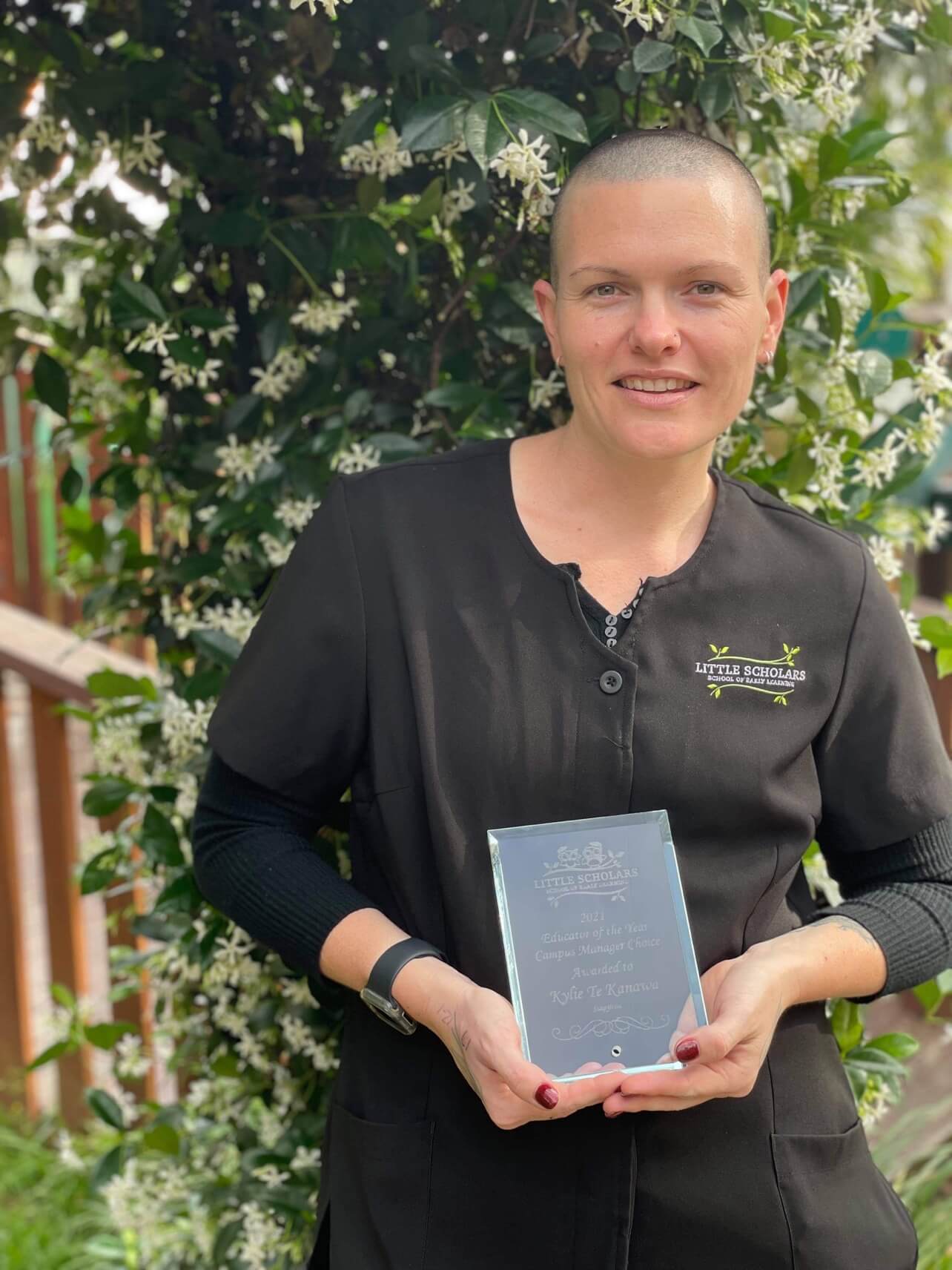
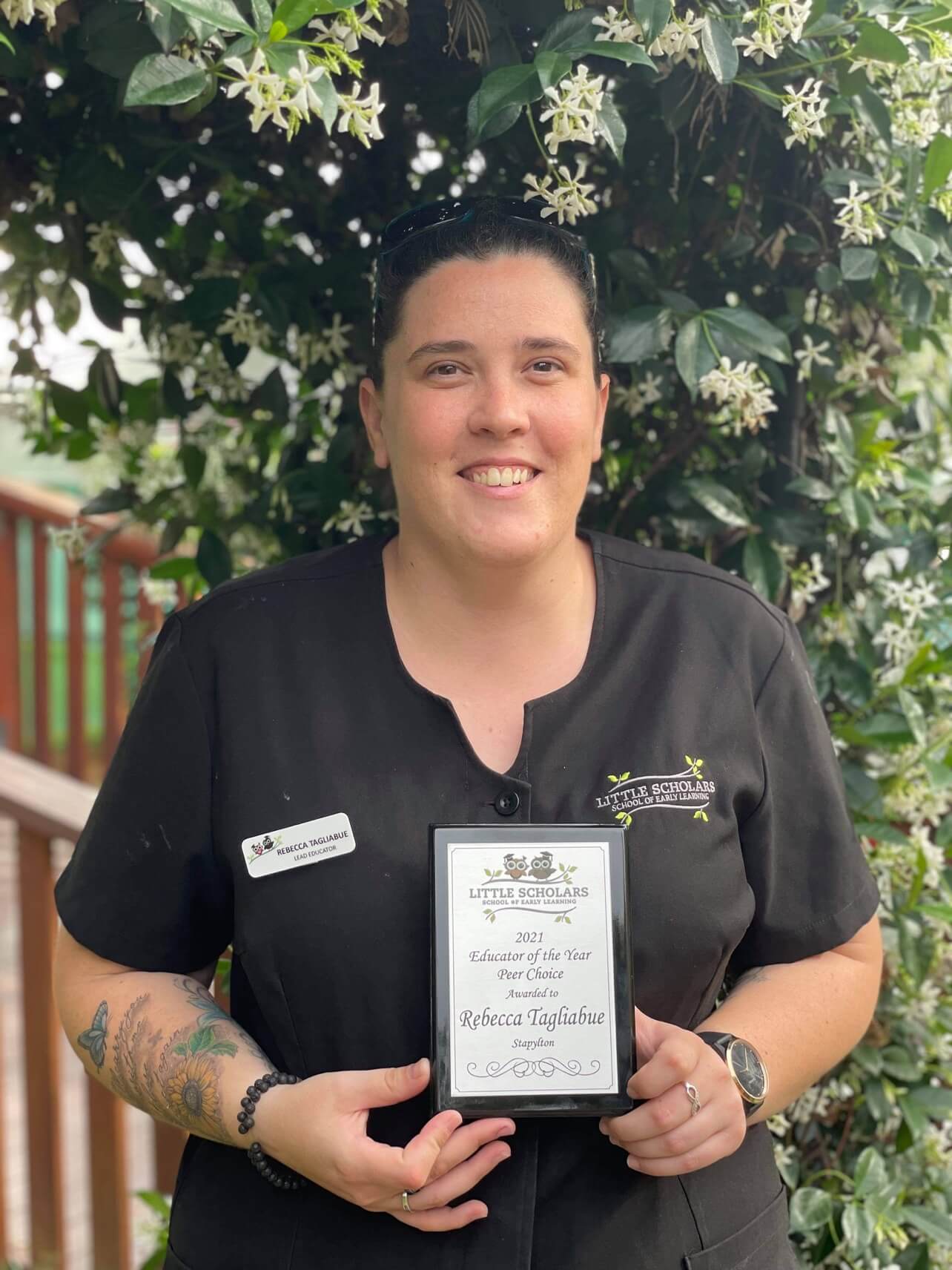
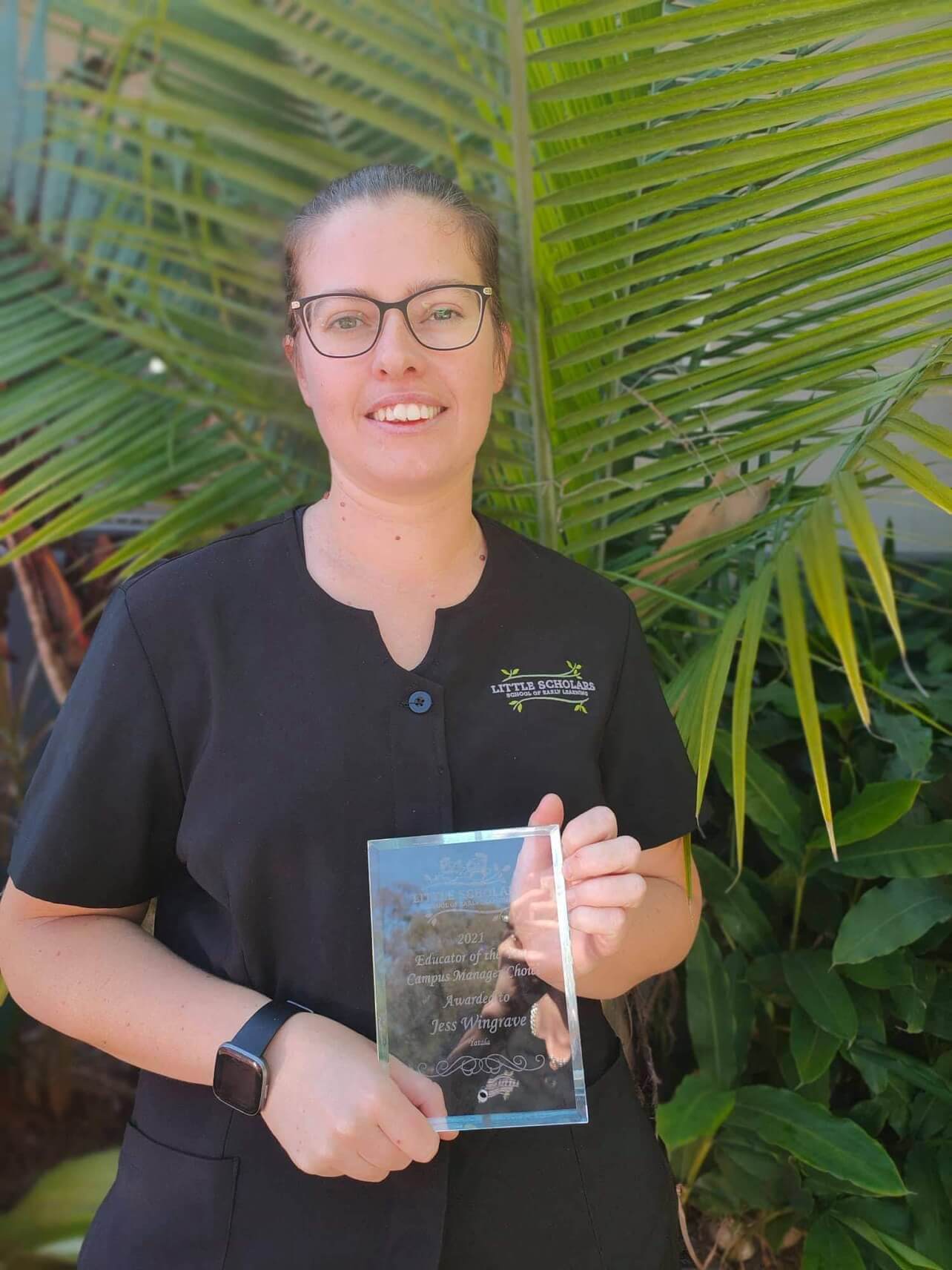
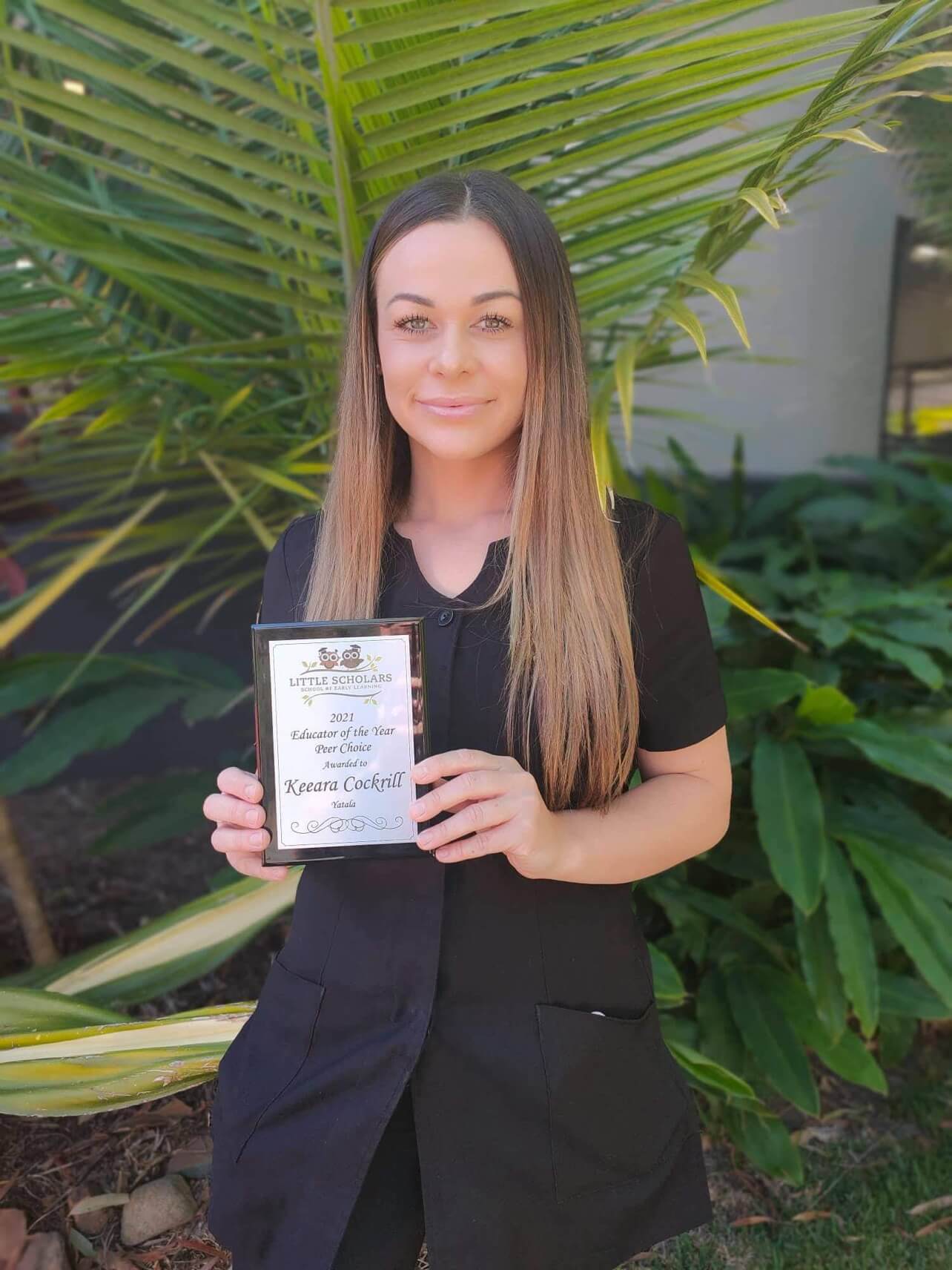
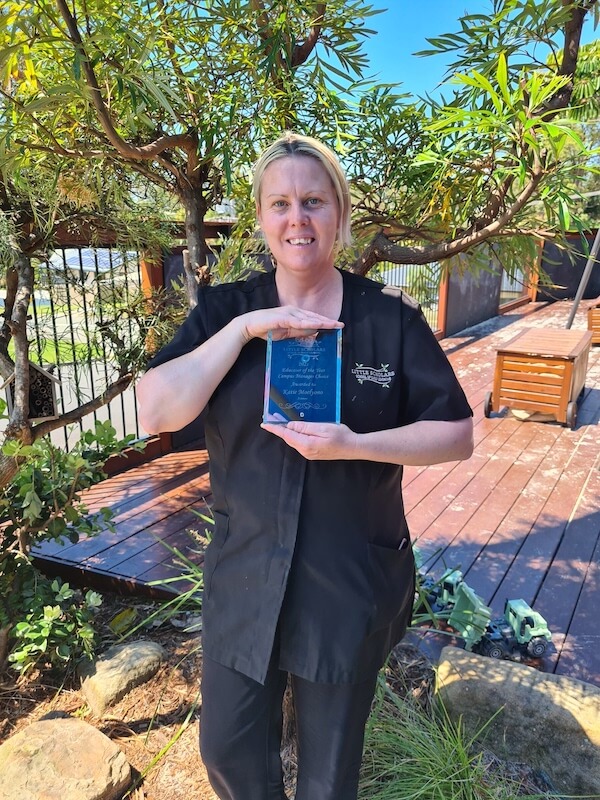
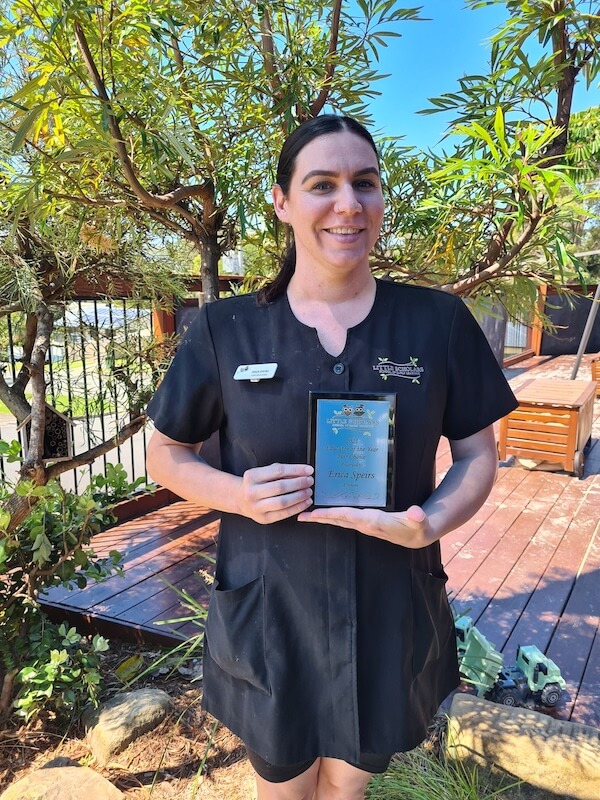
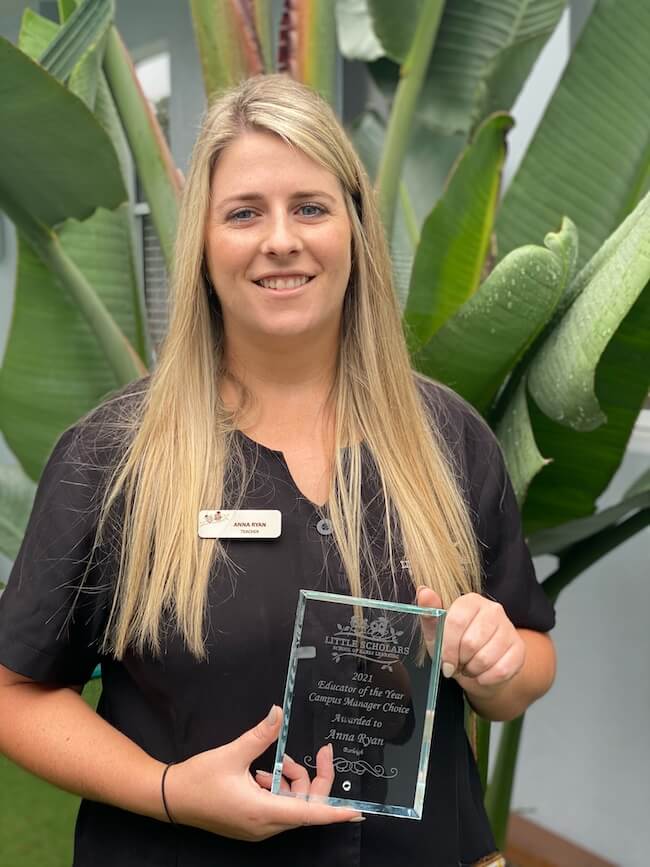
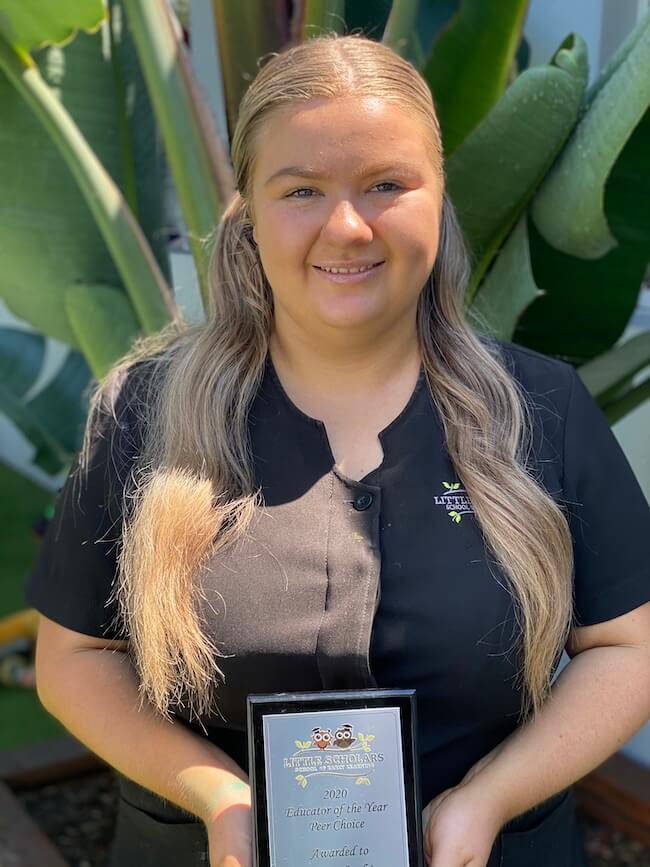
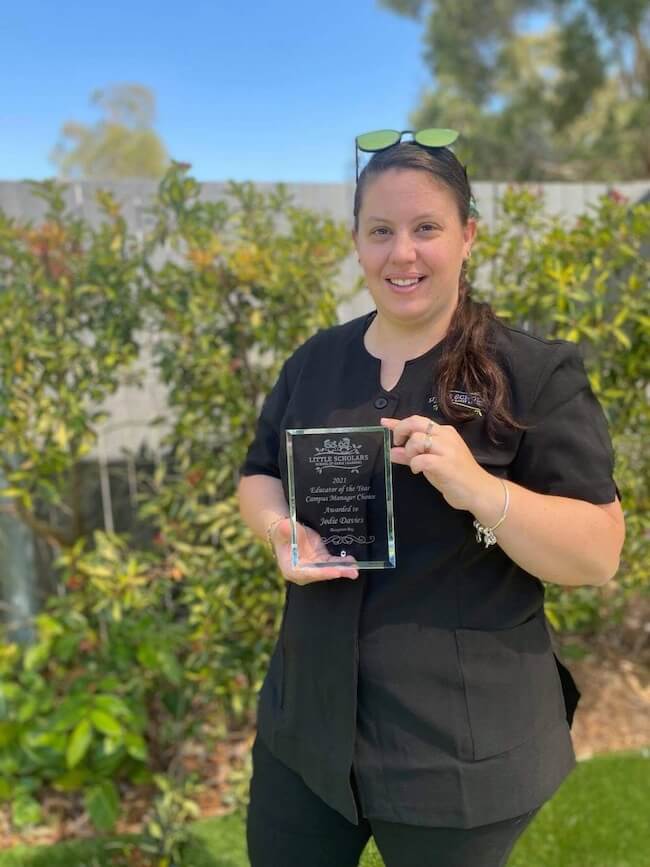
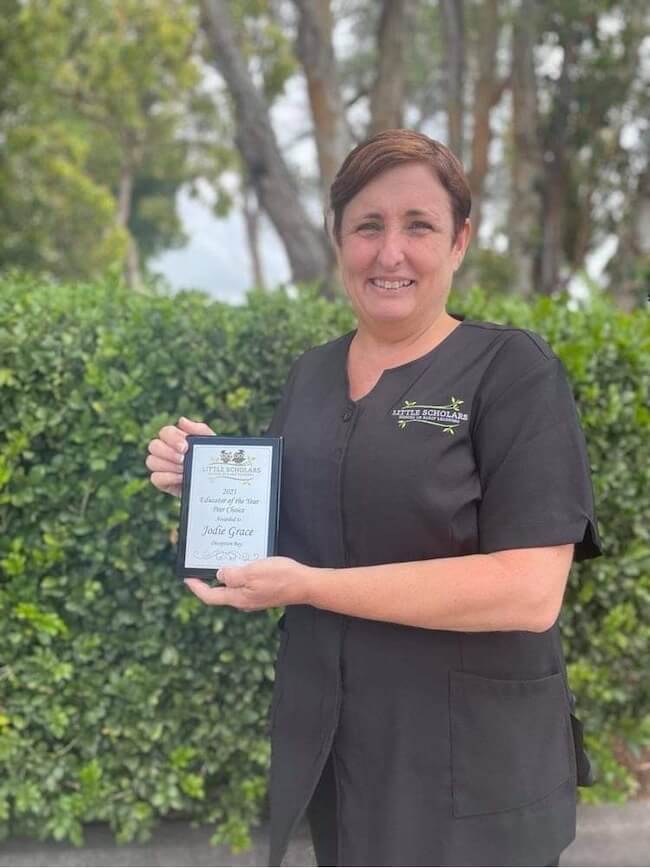
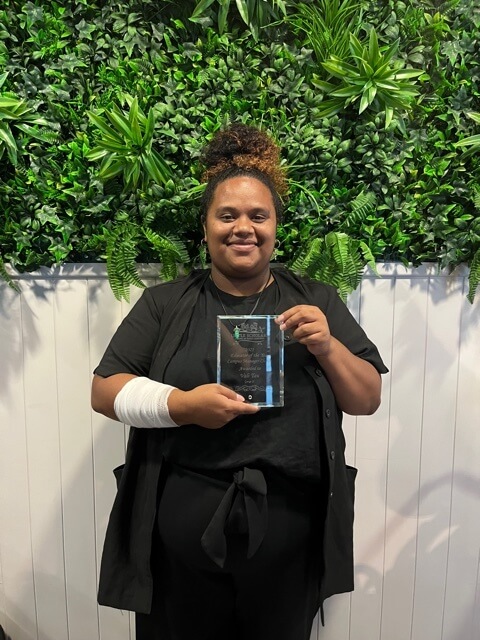
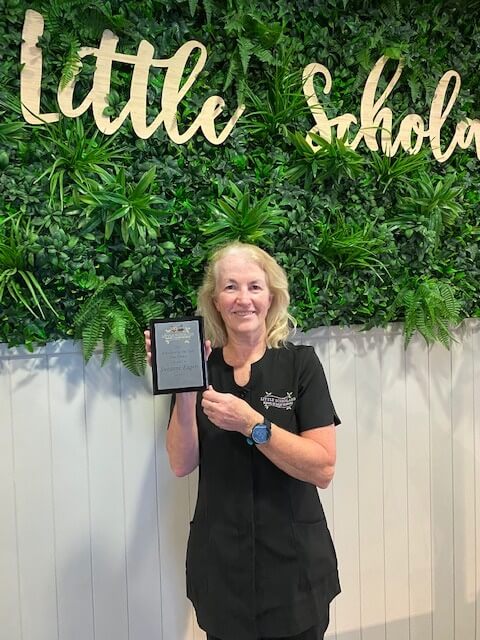
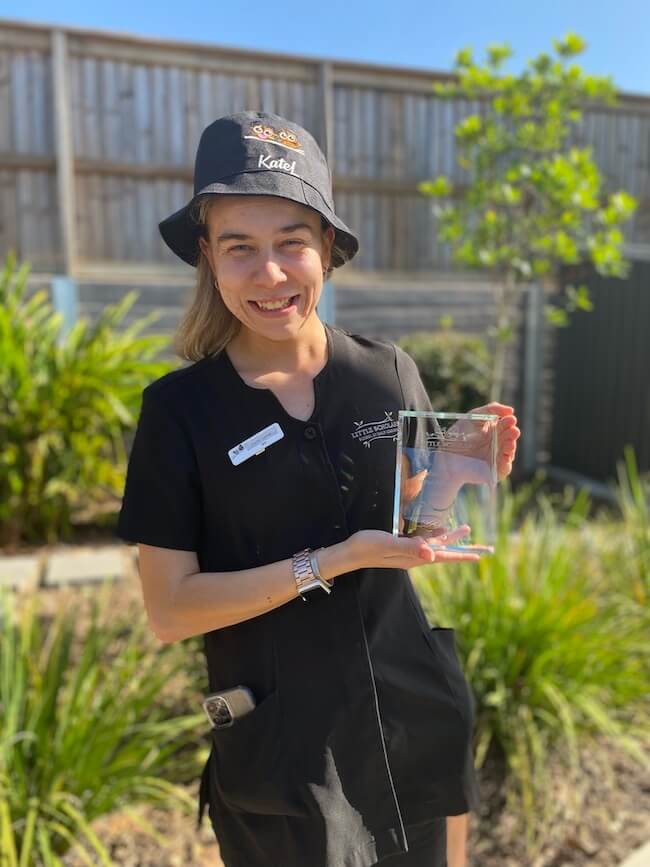
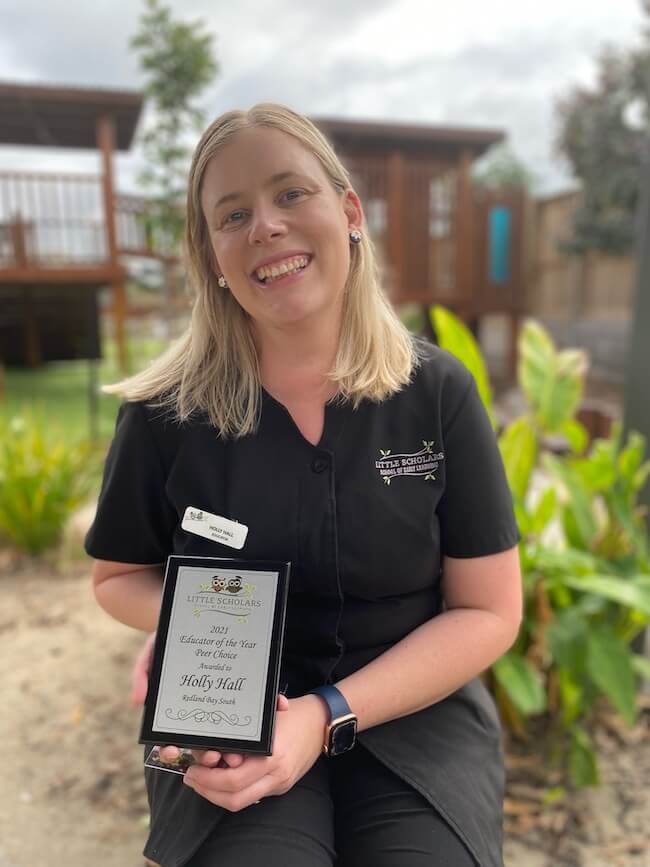
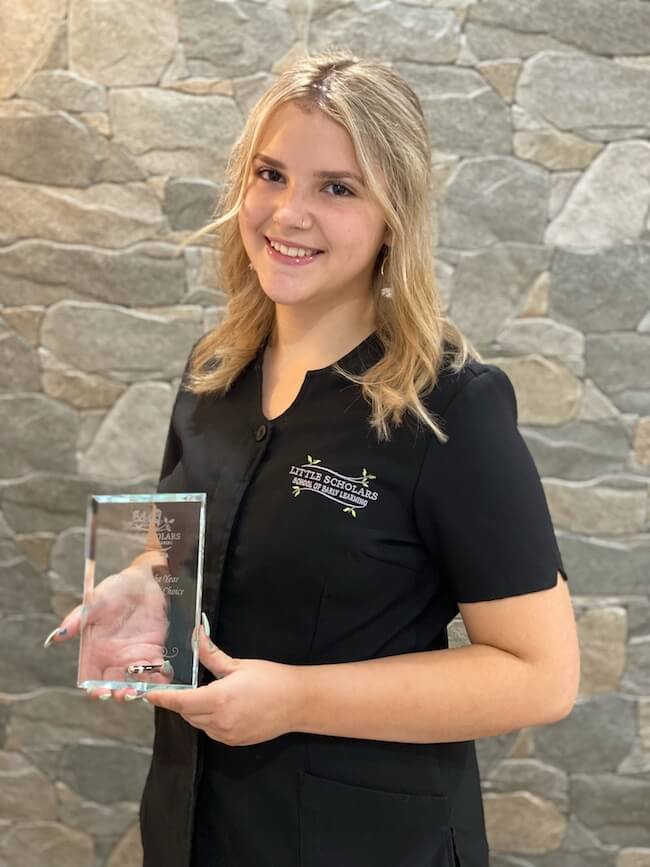
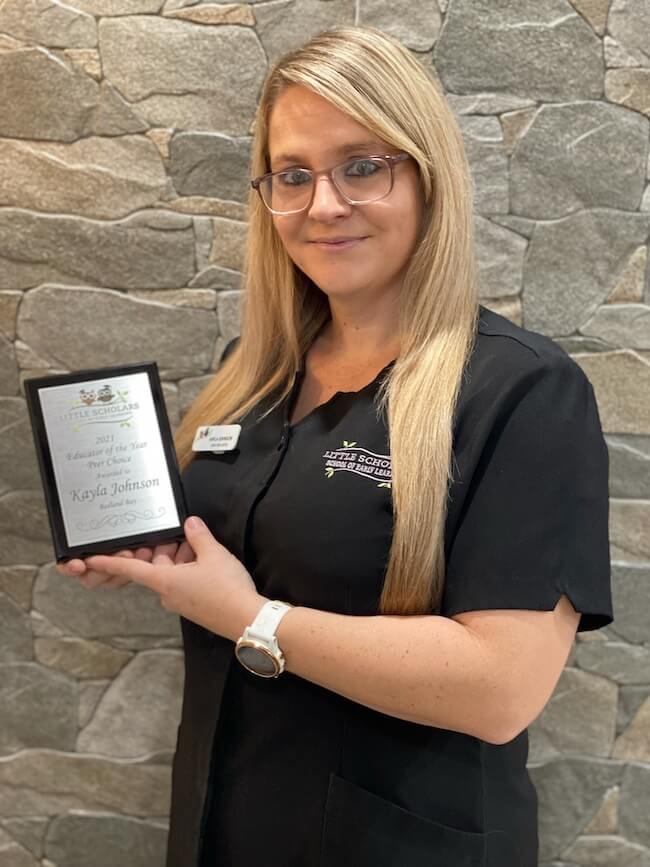
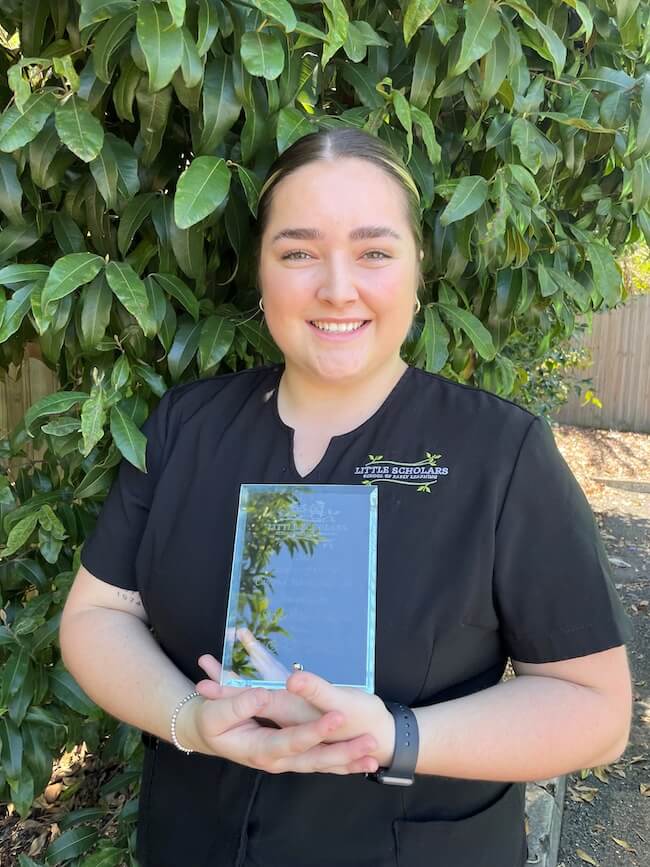
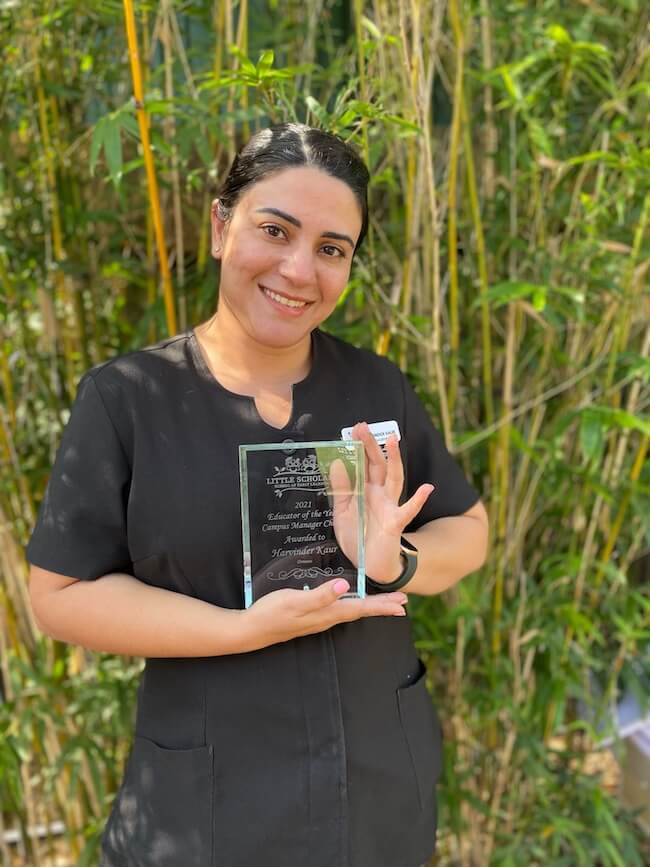
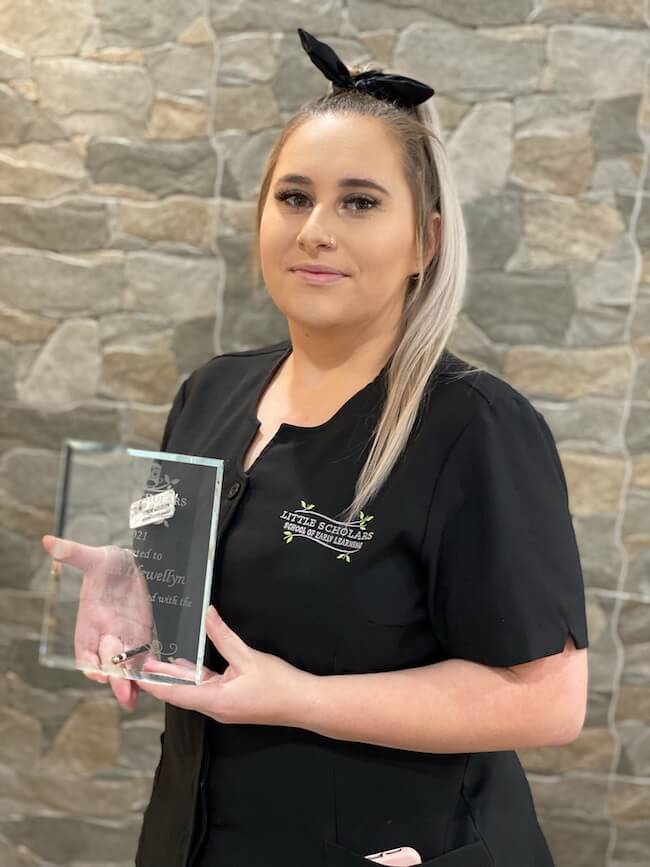
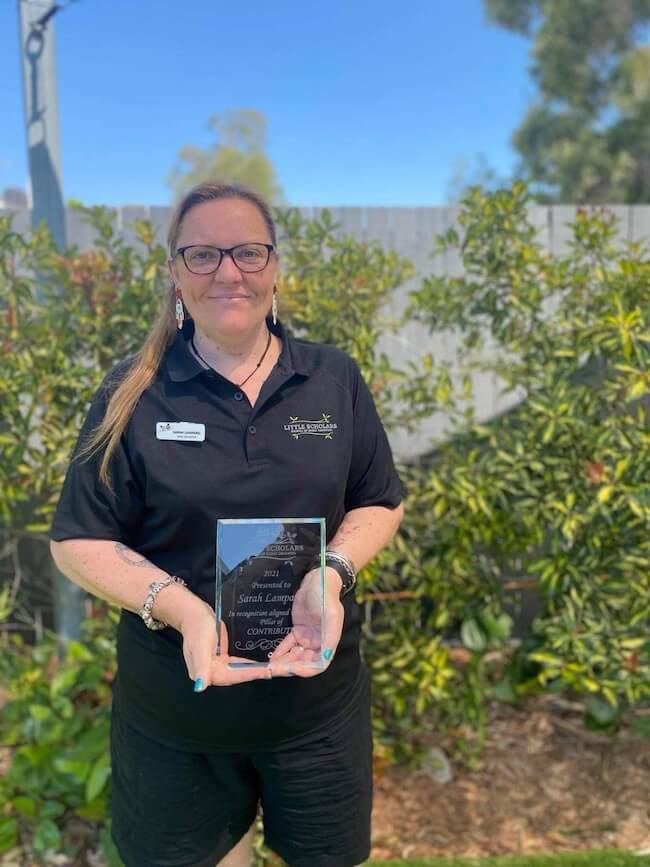
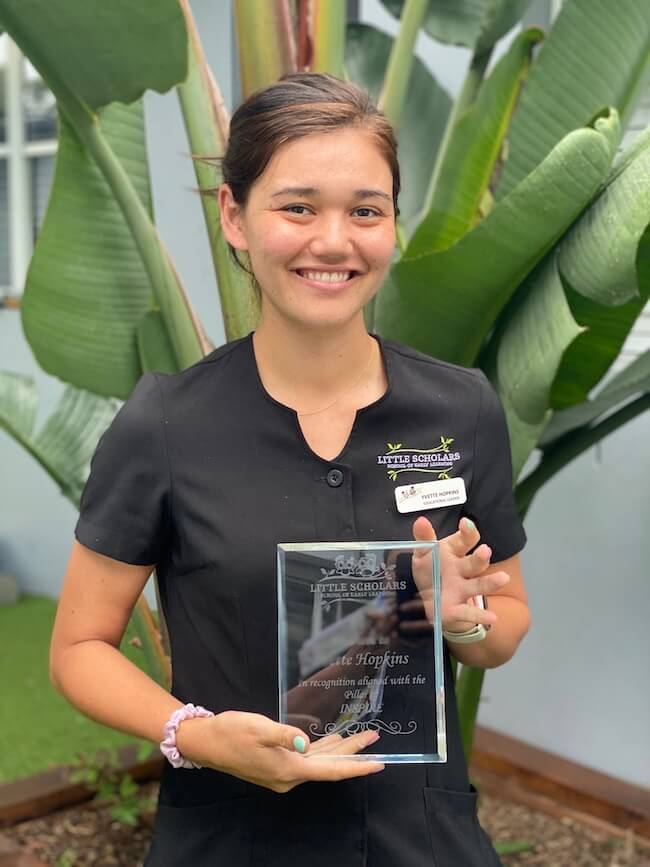
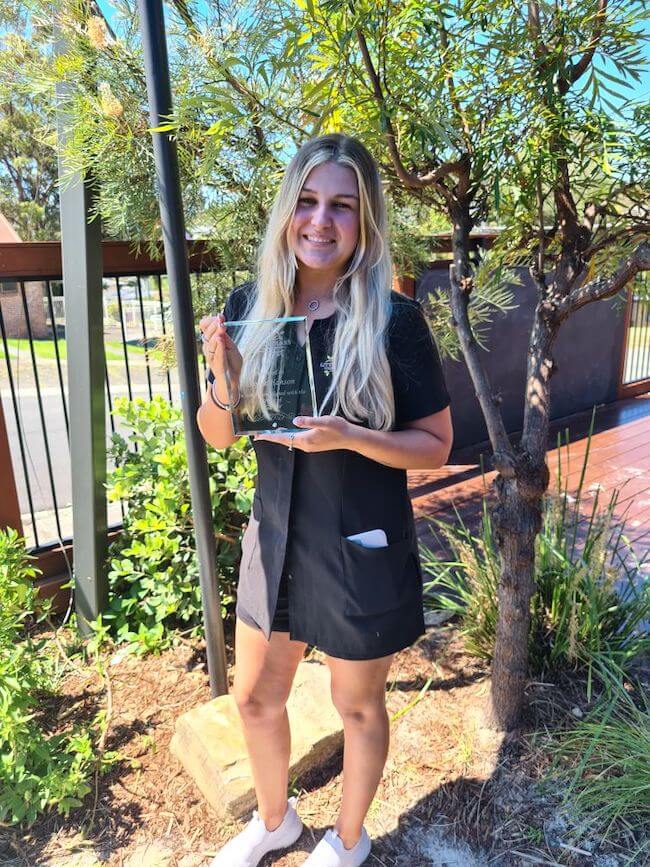
We have the very best early education educators at Little Scholars School of Early Learning. It’s our great honour to present our 2021 Little Scholars Employee Award winners. 🎖
These outstanding recipients have demonstrated their dedication, commitment and have gone above and beyond this year with fellow educators, children, and parents.
Let us hold your hand and help looking for a child care centre. Leave your details with us and we’ll be in contact to arrange a time for a ‘Campus Tour’ and we will answer any questions you might have!
"*" indicates required fields
Let us hold your hand and help looking for a child care centre. Leave your details with us and we’ll be in contact to arrange a time for a ‘Campus Tour’ and we will answer any questions you might have!
"*" indicates required fields
Fill in the form to join your local Pram Pals mums and bubs walk