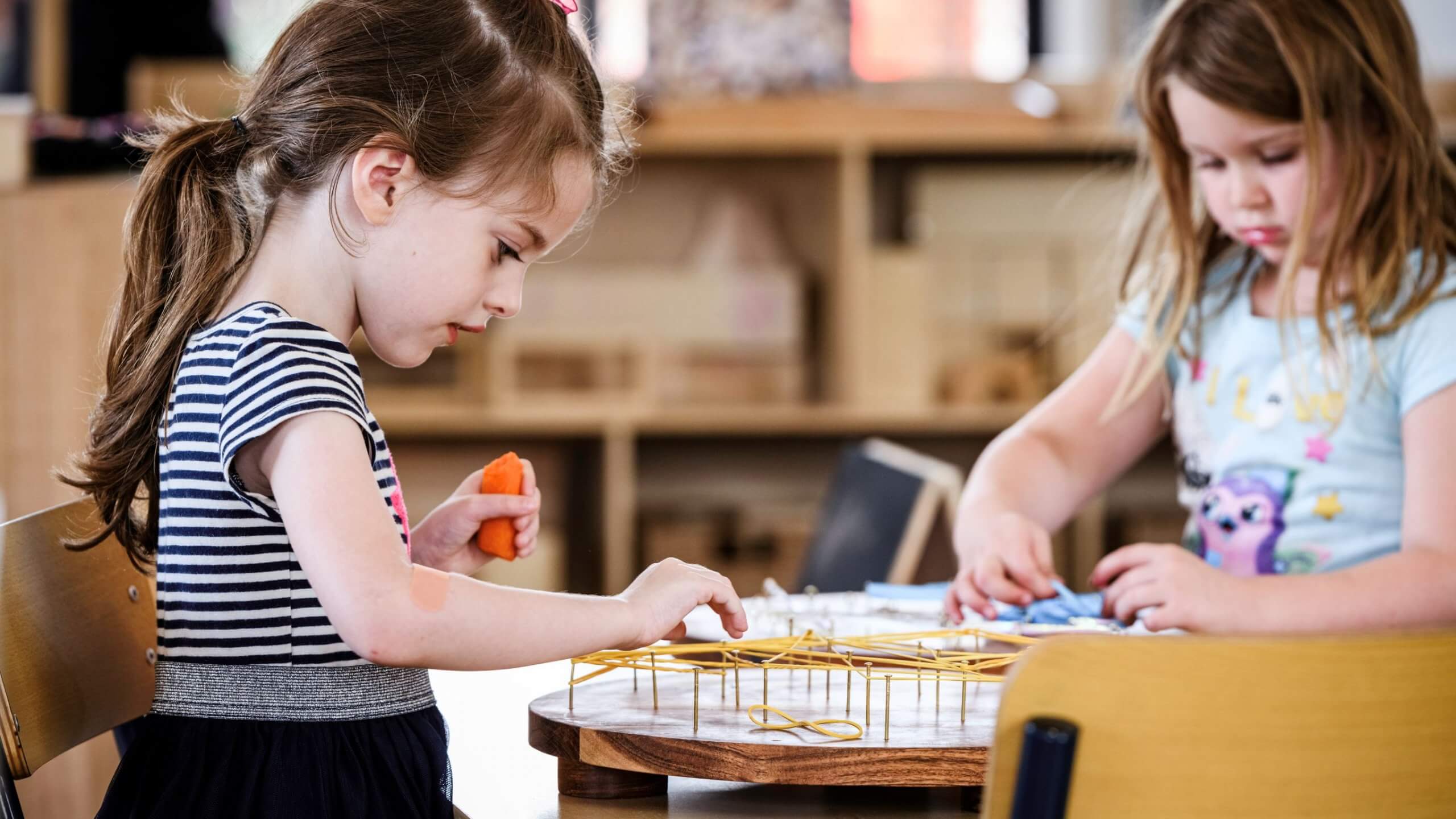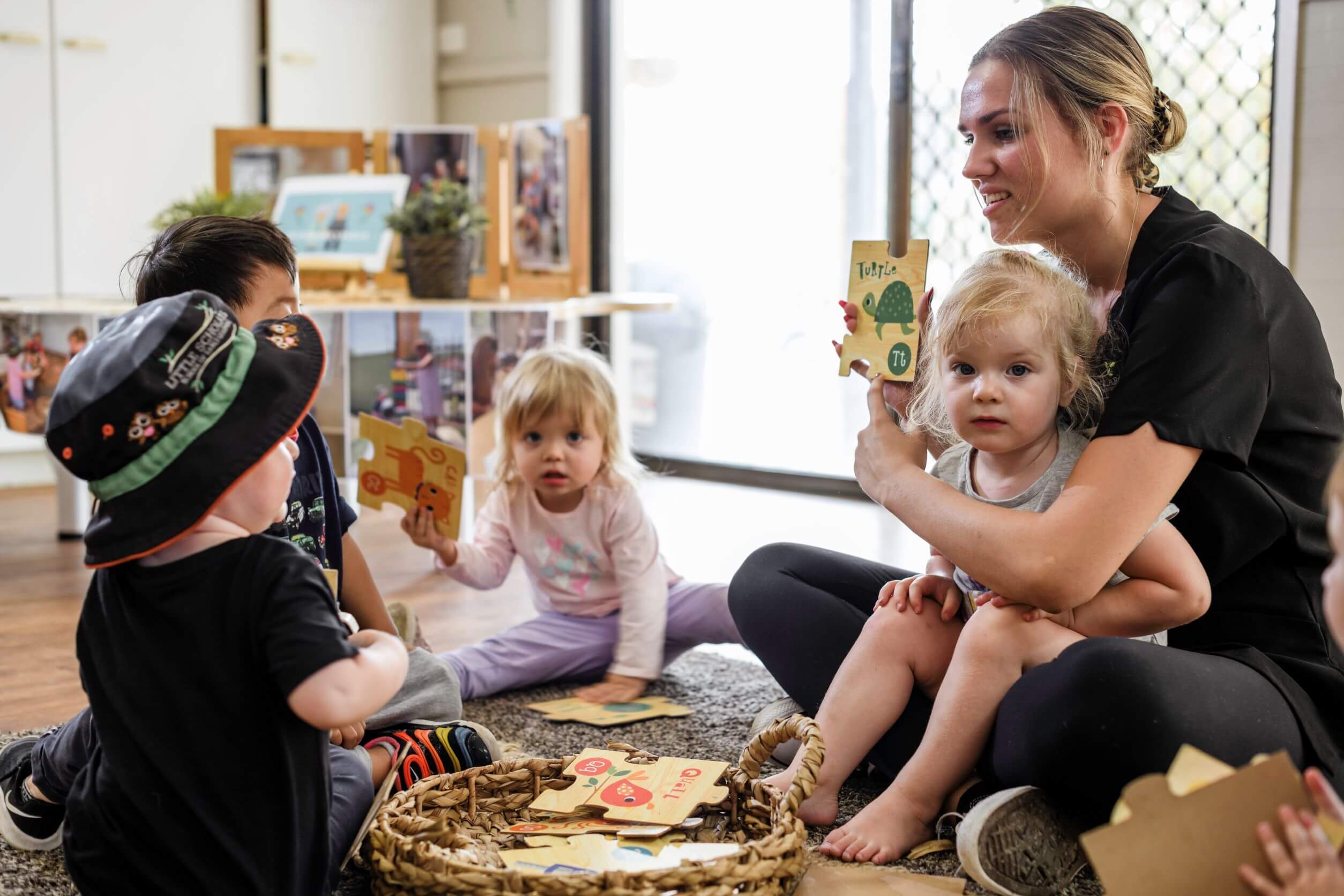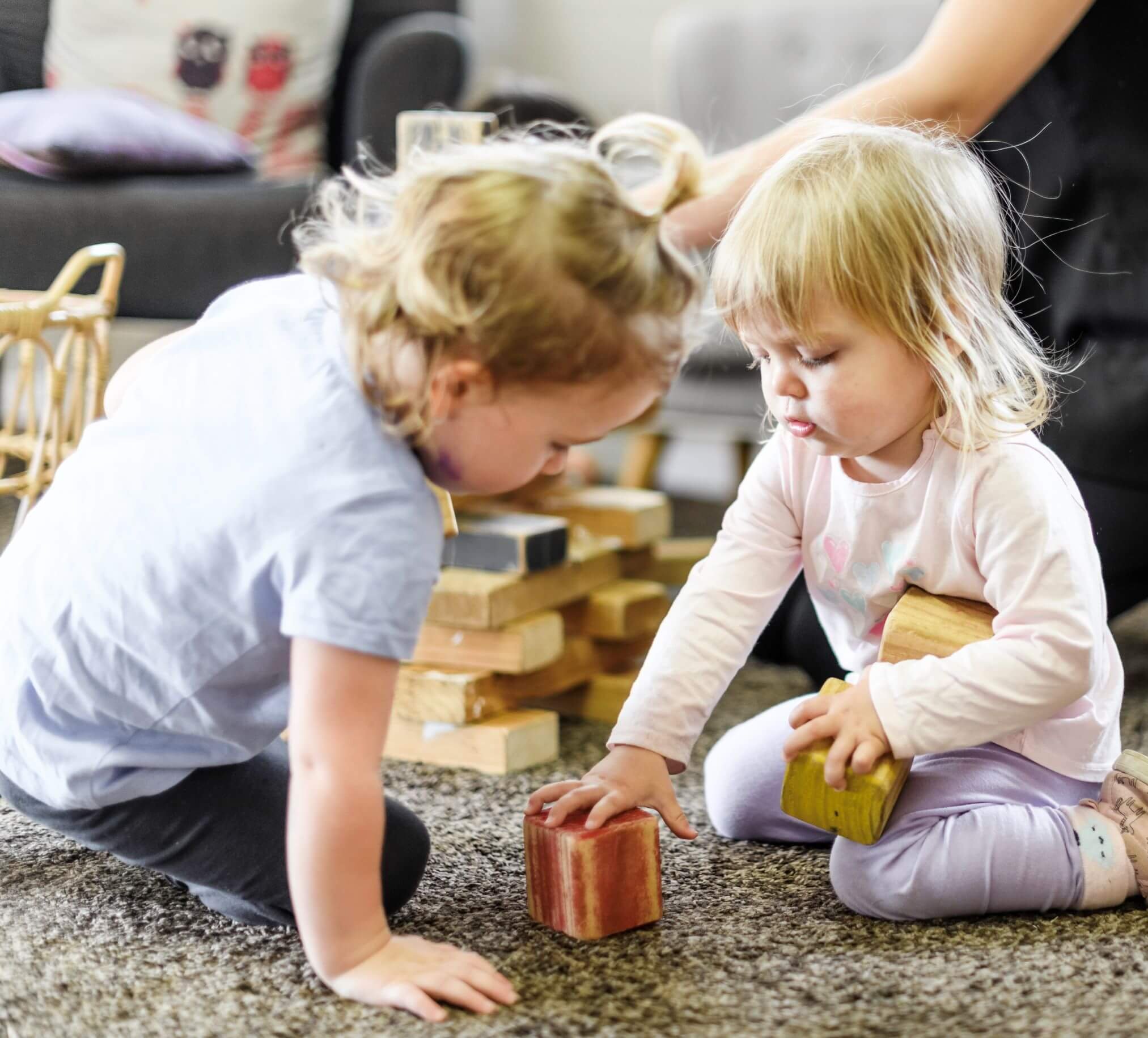

As parents and as educators, it’s our job to keep children safe. For children, it’s their job to explore, push limits, move their bodies, and happily tune out what they don’t want to hear.
So when a child is engaging in risky play – which is so important in a child’s development as it furthers their frustration tolerance, critical thinking skills, self-confidence, resilience and so much more – it can also put the watching adult into panic mode, often triggering the phrase ‘be careful!’
But, if that adult expects the child to immediately stop what they’re doing after uttering (or shouting) those two words, they probably have another reality coming. ‘Be careful’ isn’t terribly effective because it’s vague and lacks specificity for a toddler. Saying it on repeat will likely lose any small amount of effectiveness it did carry because, well, being told to be careful isn’t any fun. Or worse, hearing that phrase could create fear and dim a child’s curiosity and sense of adventure.
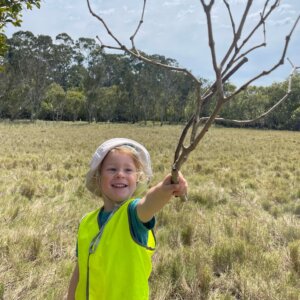
As adults, we also need to think about what we mean when we say ‘be careful’. Do we want the child to stop what they’re doing? Do something differently? Slow down? Do we think they will get hurt? Every situation is different, but it’s worth thinking about the intention behind the phrase. Is it possible the child could get seriously hurt? Is what the child is doing put another child at risk? Is there something valuable that you don’t want damaged?
Perhaps rather than ‘be careful’ you say:
‘Looks fun, just watch out for your little sister!’
‘Do you hear the cars? The road is close by.’
‘Before you throw that stick, just watch for the window over there.’
‘Do you feel safe?’
‘I’m here if you need me.’
‘Maybe just slow your body down a little bit.’
‘Focus on where your feet are.’
‘Using two hands might help you hold on tighter.’
‘What’s your plan for coming back down?’
Even just asking ‘does your body feel safe?’ may give your little one a second to pause and think about what they’re doing, and perhaps change course if needed.
For adults, when they observe children participating in risky play, if they approach it with curiosity and give specific feedback that focuses on creating awareness and problem-solving skills, it helps your toddler becomes more confident in their skills, abilities, problem-solving and learning.
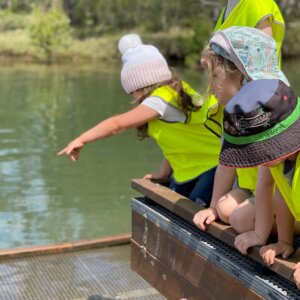
Risky play is something to be encouraged. Something happened between the time when many parents of small children were little ones themselves, to now. We may remember our parents letting us go play unsupervised, as long as we were back before dark. That play may be some of your best childhood memories. Society has become more risk-adverse in recent decades, from parents worries about kidnapping and injury, to the fear of judgement from others thinking they’re bad caregivers can drive many parents to intervene before their child can engage in risk during play. But those fears could actually be hurting children’s development by hovering over them constantly. Research shows that engaging in risky play can actually reduce the risk of injury, too. Something parents and educators can do is teach young children to risk-assess.
For example, rather than worrying about if your child is going to get a sharp bindi seed in his or her foot from running across grass barefoot, involve your child in the risk assessment. In this case, point out what a bindi weed looks like, and encourage your child to look for the weeds with shoes on before deciding if it’s a good idea to take shoes off. By assessing ‘risk’ situations together, your child will learn increased ability to hypothesize, predict, experiment and investigate, and your child will feel you trust their ability to make safe decisions. it’s all about balancing the risk with the benefits. Imagine if your child was running barefoot in the grass and you spotted bindis and yelled ‘Be careful!’ your child could be bewildered by your cry, ignore your yelling and keep going, or could possibly stop, landing perfectly on the sharp weed you want him or her to avoid.
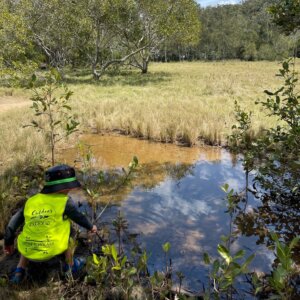
At Little Scholars, risk assessment is a part of our programming, such as bush/bush kindy or loose parts play, where children have the opportunity to guide and direct their own learning tying in with activities that are child-led and learning is a process of discovery. Sites are pre-risk assessed by educators, and children are involved in the risk management process, guided to look out for themselves and have a group discussion about it before play.
“It’s all about setting boundaries with the children and asking them about what risks they think may be involved before they go ahead,” says Melanie, operations manager for Little Scholars. “We wouldn’t use ‘risk’ with little ones, so it may look like ‘how can we be safe when we play in this area?'”
“Play is a powerful behaviour that is often a missed agenda for many early childhood professionals. Extrinsic agenda will often lead to children being told what they should experience, as opposed to living the experience, says Susan, Little Scholars’ pedagogical leader and practice manager.
Susan highlights Lev Vygotsky’s theory of play as a lived experience.
“Too often, adults feel the need to apply an adult agenda, often with good intention, however this often has the potential to limit the actual multifarious nature of what we call play.
“As adults, we need to trust in the play process and accept that children will create situations in which they can act out emotions in ways they feel they can. When given the freedom to do so, children will demonstrate ability for exploration, imagination, and decision-making.”
Related:
Take the time to tell them why they can’t. Statements such as “Because I said so” or “Because I told you so” are not efficient in this situation as you aren’t giving them an appropriate reason instead of just saying no to children. This is important as it lets them come to peace with your decision, but also acknowledge their feelings as well.
“It’s expected to be disappointed, I would feel disappointed too.”
If they are angry or frustrated, they might need to expel some energy outside for a few minutes, take some deep breaths, do some colouring in to calm down or maybe even have a rest.
Once the boundaries have been set and your child is aware of your feelings, we also want to offer choices. For example, if they aren’t wanting to get dressed for the day, give them a few options and ask them to choose what they would like to wear. This gives your child a sense of independence and control in the situation.
We want to remind our children of their choices when they are challenging your boundaries. It’s important to keep consistent and follow through with expectations that have been made clear to them. Follow through with your consequences and reinforce their behaviour when they do respect your choice.
Modelling an appropriate behaviour can also be effective. For example, if they are patting the dog a little too aggressively, show them what to do by patting the dog softly and telling them what the dog likes.
If you are stressed in the situation, let your child know. Tell them “I am going outside for some fresh air for a few minutes, I’ll be back when I’m feeling better.” This shows your child how to respect other people’s boundaries as well as their own.
Learn how our team at Little Scholars handles saying no the children and other areas of concern. Contact us today.
Little Scholars Educator Holly says “Instead of saying “no” to running inside, we often say “Stop. What feet do we use inside?” Or “Do you think what you’re doing is a good choice?”.
If a child is jumping off furniture we get down to their level and ask them “What is the chair used for?” “A chair is for sitting on.”
Sometimes we have children who want to keep the tap on in the bathroom just to experiment with the water and its cause and effect. During these times we ask the children “What are the taps used for? “They are for washing our hands.” “I understand you might want to play with water and feel different textures, so how about we set up a fun water experience instead?” Something more appropriate and positive to redirect.
Empathising with children during challenging behaviors is so important. Children want to be heard and understood like us adults do. Providing children with appropriate suggestions and redirection is more positive and beneficial than just saying “no” all the time. It doesn’t always allow the children to critically think as to why are they doing what they’re doing and what they can do instead.
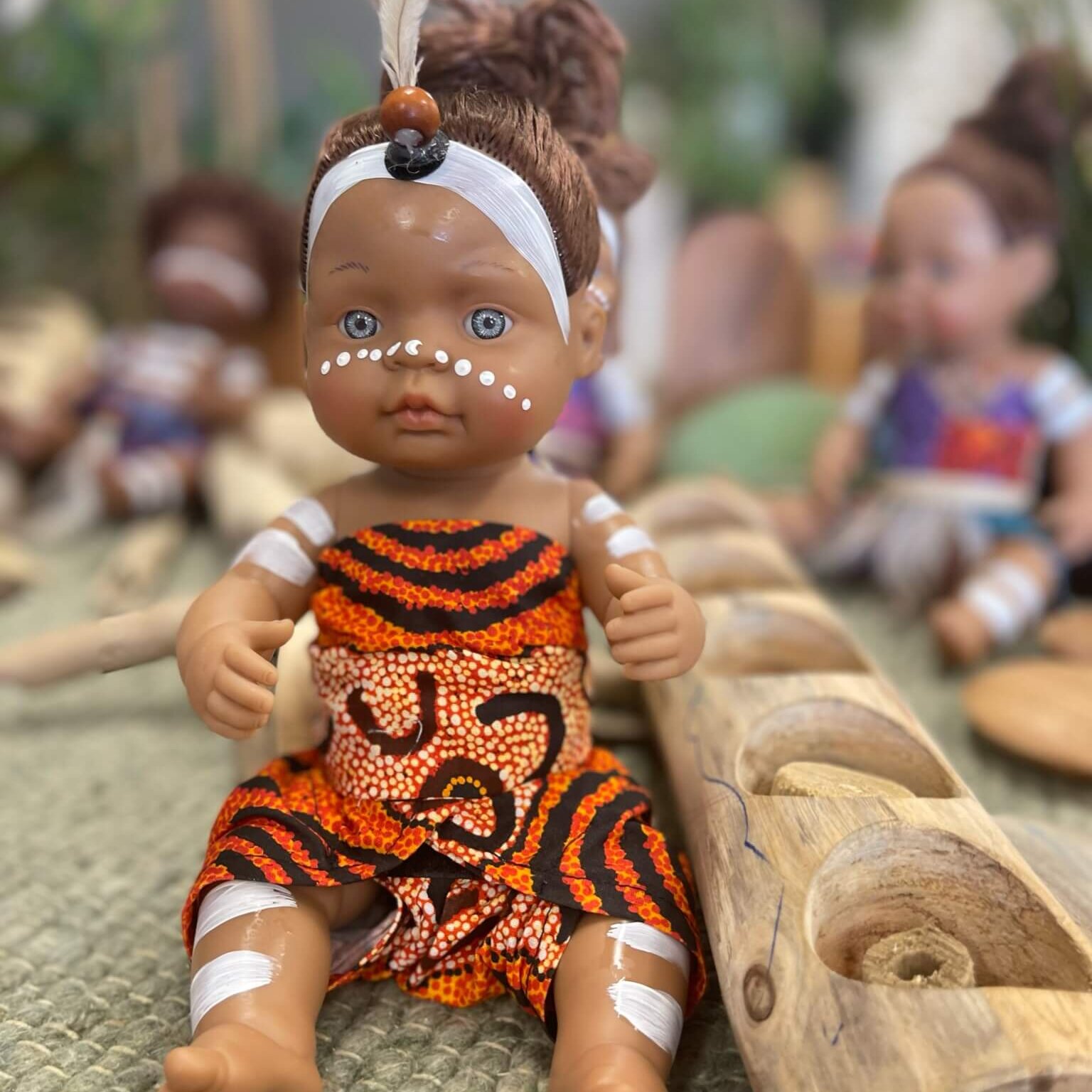
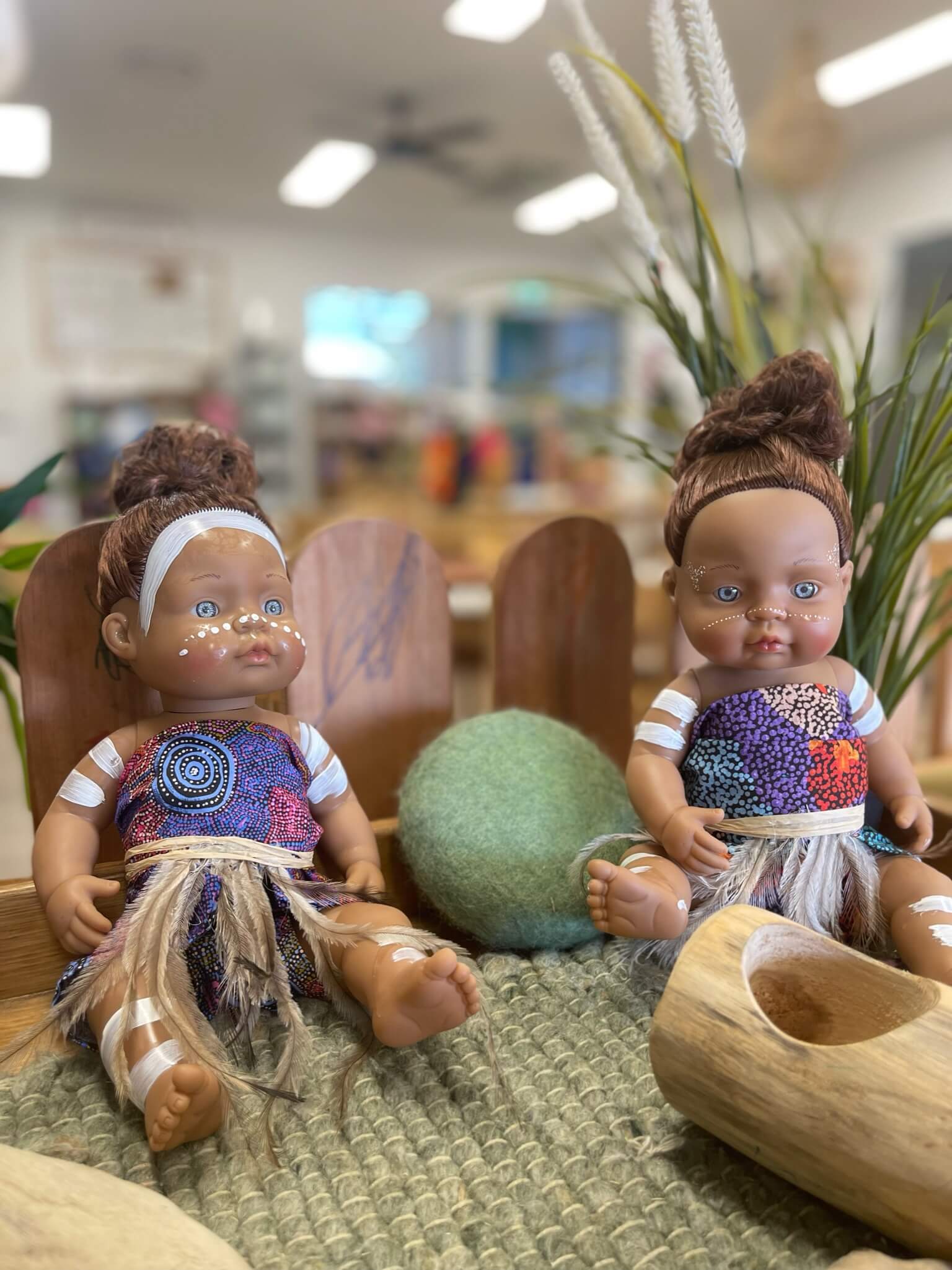
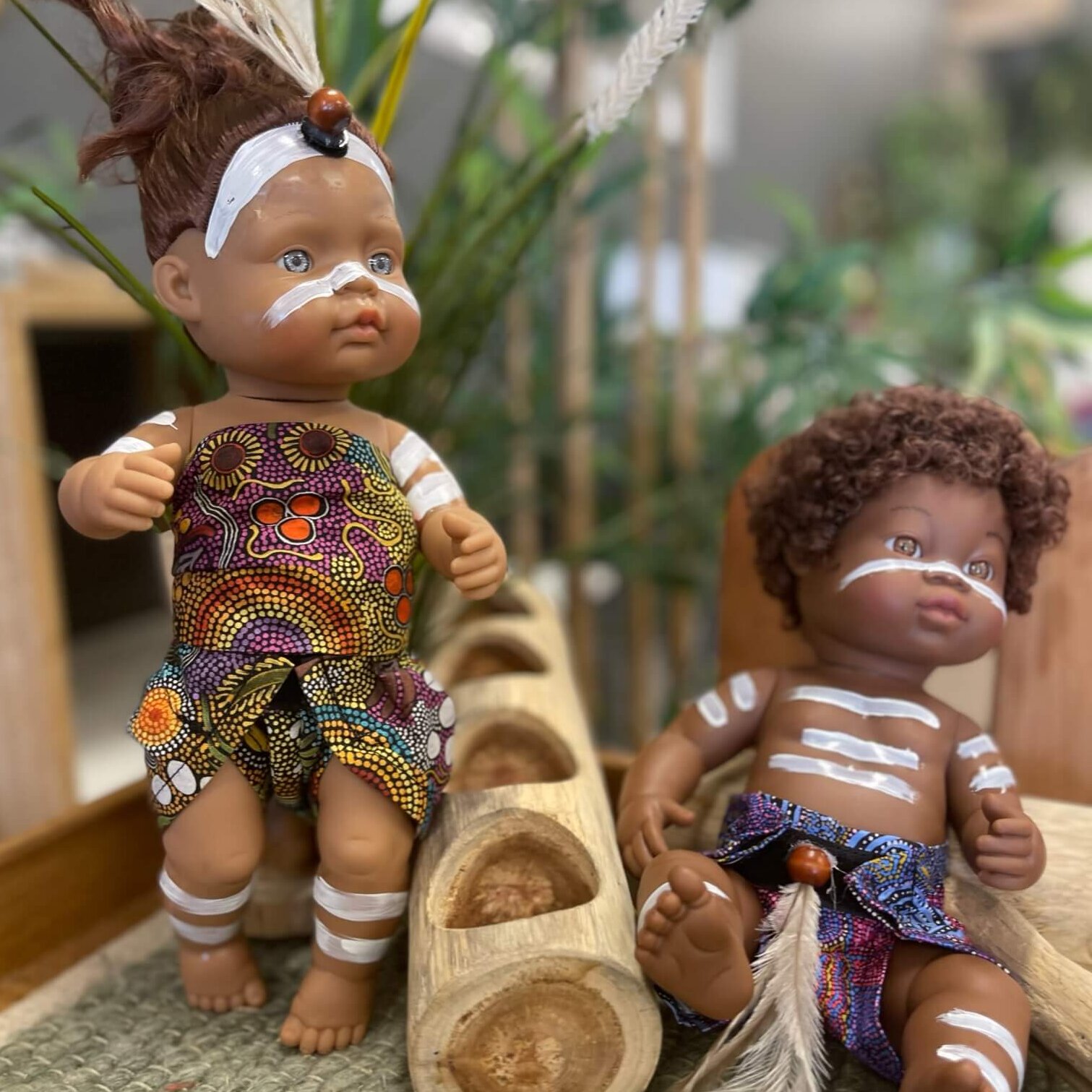
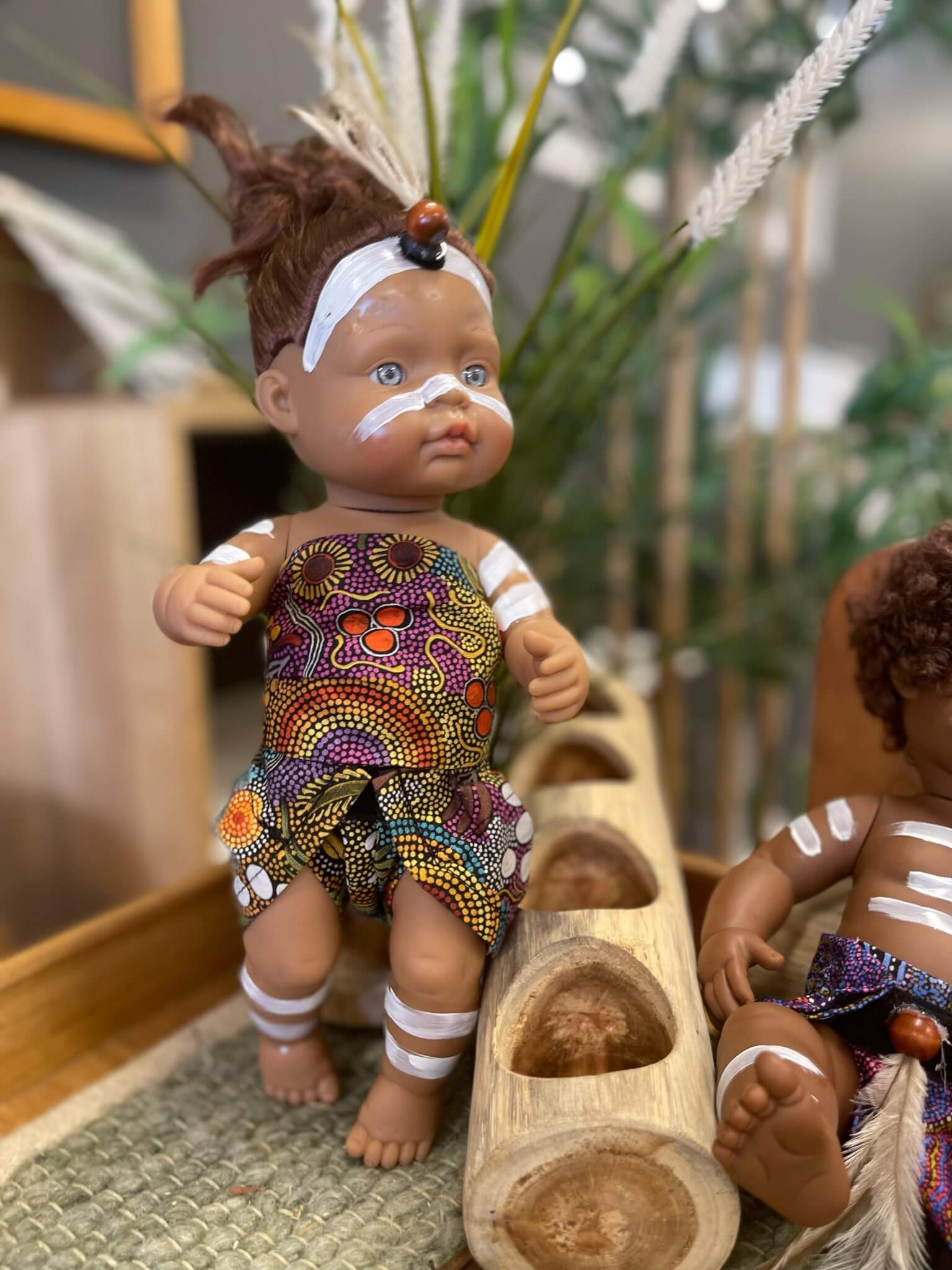
Little Jarjums is a Children’s Indigenous dolls and clothing line created and designed by Emily Rose, a proud Ngarabul woman born and raised on Quandamooka country (North Stradbroke Island) and mum of two.
Emily started making First Nations dolls to help her make an income to support her education studies and growing family. We believe these dolls are a perfect way to start teaching little ones about Australia’s First Nations history. Emily shares her background with us and the idea behind the creation of these beautiful dolls.
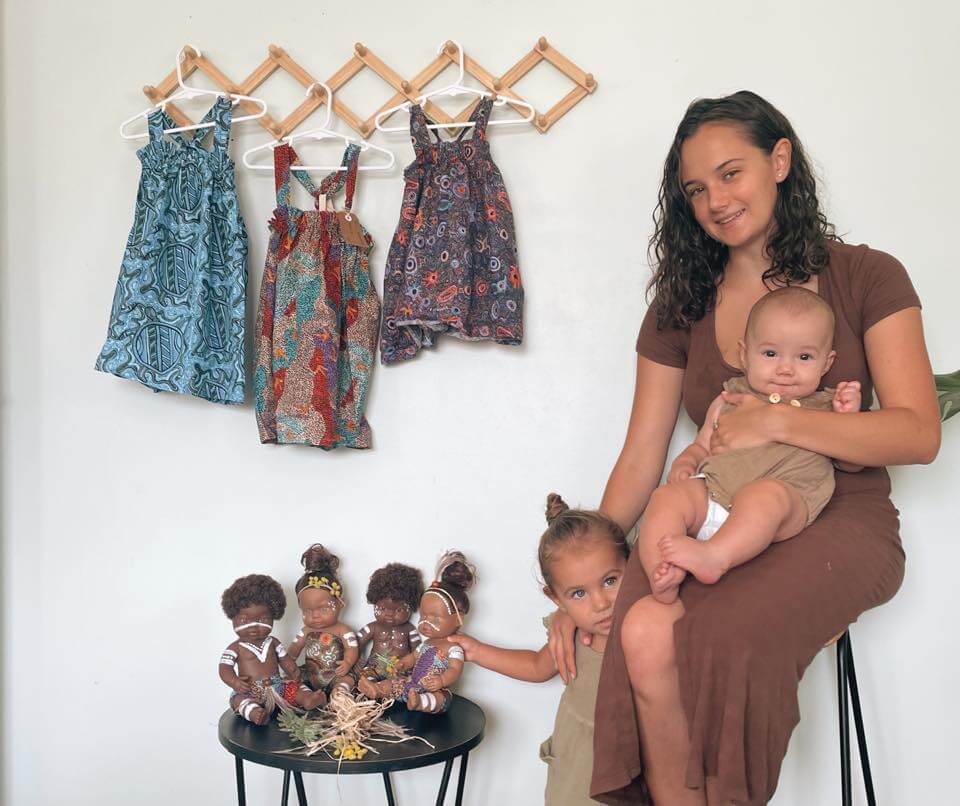
I’m a proud Korri Women from Jimiji/Ngarabul tribes. However a 4th Generation born and raised in Goompi – Dunwich on Minjerribah North Stradbroke Island, Qumdamooka country. Being the 4th Generation to grow up away from country, I longed to learn my own language dance, song and culture. I always felt that missing part in me, however I am very grateful to have grown up in a community where dance and culture is alive and feel honoured to be a part of it.
I fell pregnant with my daughter at 15 in 2019. My main goal and focus as a mum is to educate my daughter around her own culture. I started this by making her an aboriginal doll we named the doll “Capeembah” this is what the Nunukul people call the ‘fresh water spring’, that has been renamed to Myora. Connecting to my daughter’s name, Myora-Rose.
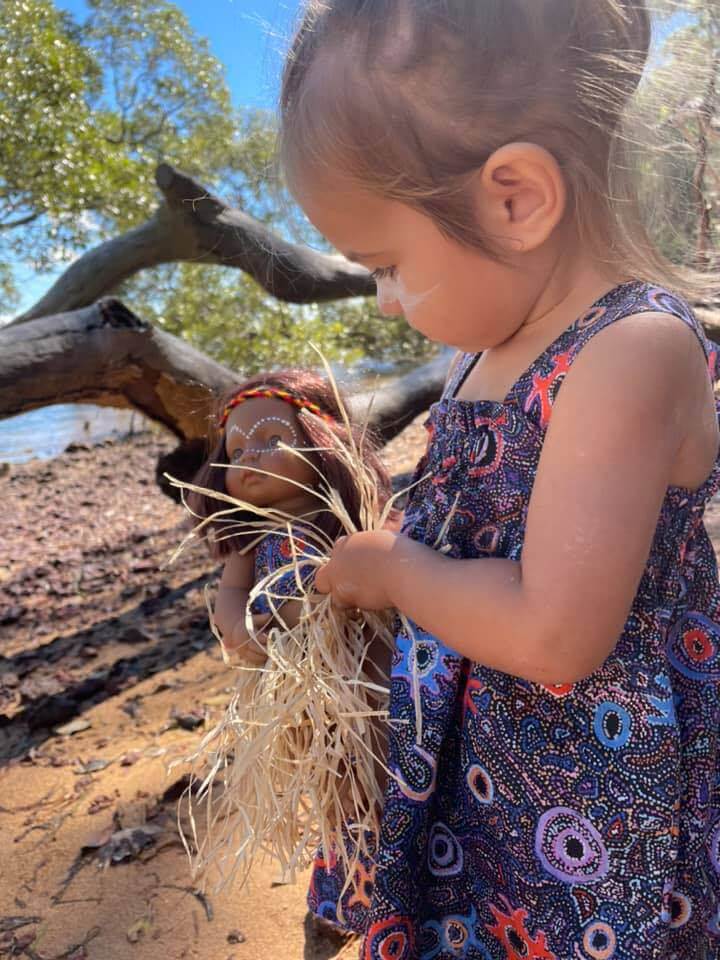
In 2021, I was meant to start my university journey into education. However, I fell pregnant again and felt the time wasn’t right to start. I was encouraged by my Aunty Delvene Cockatoo-Collins to start my own business. Making Indigenous dolls. Creating the dolls gave me something to do and was able to make a little side income to support my growing family. So ‘Little Jarjums’ was born.
Our goal is to help young children to identify culture and language through play. And I’m so grateful to now have my dolls in the Little Scholars Campuses, helping to educate all the little Jarjums-children on our First Nations people.
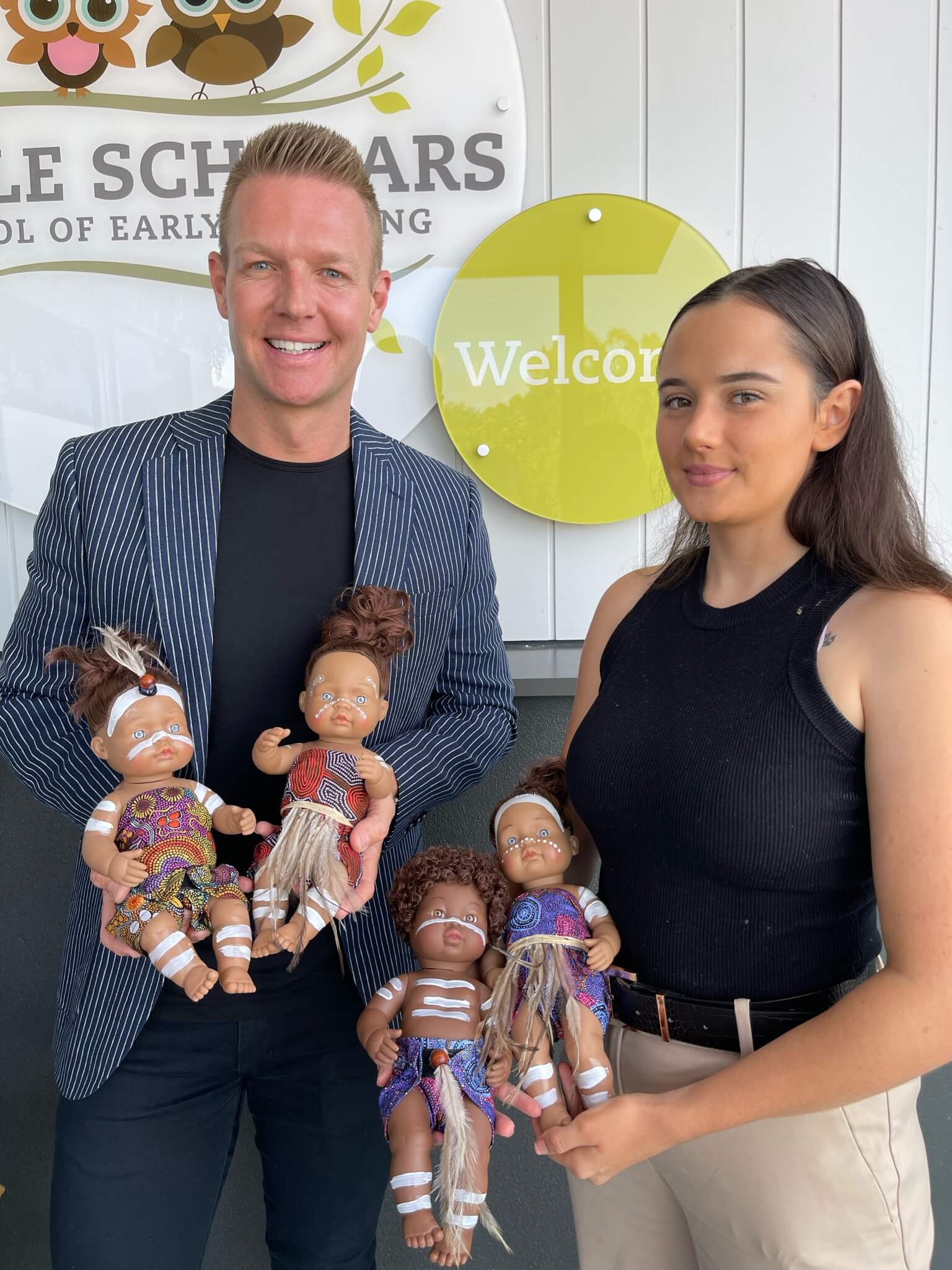
Emily’s dolls are being distributed to all Little Scholars campuses and will make for a beautiful addition to our rooms. The Little Jarjum’s dolls are an amazing way for children to learn about the culture, as well as a beautiful way for our educators to incorporate the Indigenous heritage into everyday learning.
Children learn a lot from their environment, which is why at Little Scholars we put effort into ensuring we offer toys, books, and music from around the world to reflect different cultures. We celebrate different cultural events, including making foods so the children can discover different flavours.
Engaging children in culturally-responsive experiences is a great way to build their self-confidence, increase their knowledge and teaches them to always accept others for who they are. Our educators play a vital role in acknowledging cultural differences and helping the children feel like they belong. If we encourage children’s understanding of differences and appreciation of diversity in all aspects of life, we set them on a path to become kind and compassionate people.
Jae, founder of Little Scholars said, “I was so excited when we found Emily-Rose to provide us with handmade local toys for our campuses. We are always looking for creative and meaningful ways to embed Indigenous culture into or curriculum and daily practise. We know the further implementation of Aboriginal and Torres Strait Islander cultures will enhance early learning educational outcomes. It will build on levels of cultural awareness, understanding and bring change for an education journey that children can thrive in, so these dolls are a perfect fit for our incredible educators to use for this purpose.”
We are excited to welcome Susan Cooper, our new group Pedagogical Leader for Little Scholars School of Early Learning.
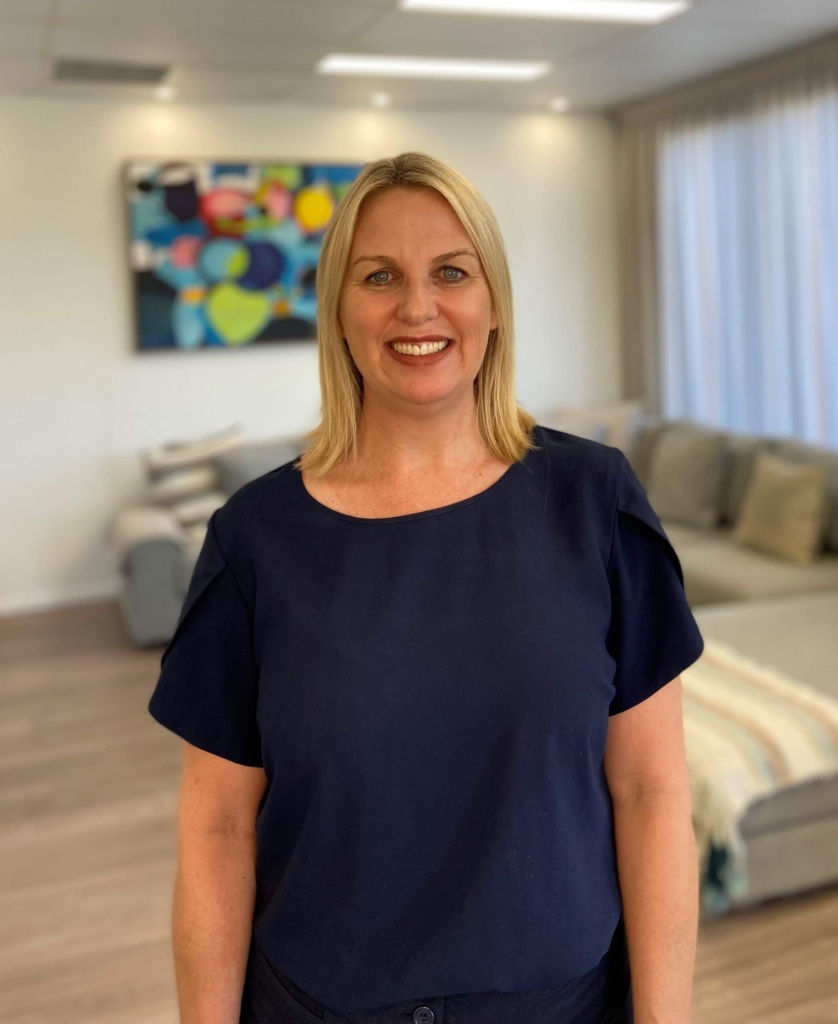
Susan will support educators to guide and influence children’s love of learning by fostering family engagement, ensuring fidelity to Little Scholars curricular philosophy, using data to evaluate the effectiveness of the learning program, and ensure we are exceeding standards to optimise learning environments and prepare children for successful futures.
Through pedagogical leadership, Susan hopes to raise the benchmark to overall quality of teaching and recognises that providing children with strong foundations for ongoing learning and development is underpinned by a strong pedagogical practice.
Pedagogy is a form of teaching strategies in the practice of educating. It is the techniques, strategies and approach taken by educators to let learning and development to take place. Pedagogy refers to the interactive process between the teacher, the learner and the learning environment and provides reason to the design of learning spaces, materials, and resources on offer. Pedagogical Leadership supports educators in relating their pedagogy to content knowledge and educational theories.
Susan’s primary role will be to provide leadership to pedagogy and support educators in relating their pedagogy to content knowledge and educational theories. Susan will be working across the 13 Little Scholars Early Learning Campuses mentoring and coaching our educational leaders to implement curriculum delivery. Susan will inspire educators to employ new approaches to their teaching against up-to-date research, which will shape the quality of experiences and interactions across our campuses.
Susan has worked in the Early Childhood Sector for more than 16 years and has extensive knowledge in the field of Pedagogical Practices. Having worked in many fields within the Education sector, from operating a family day care, to being an educator within long day care sector as well as outside school hour care services, through to management and leadership.
“To take on this role is exciting as I can share my passion, influencing pedagogy approaches and practices and place emphasis on children’s play to promote continuous child development and quality outcomes for children,” she says.
Susan is passionate about advocating for children’s rights and is a firm believer of a child-centred approach and that the quality of interactions between adults and children play a fundamental role in stimulating early learning.
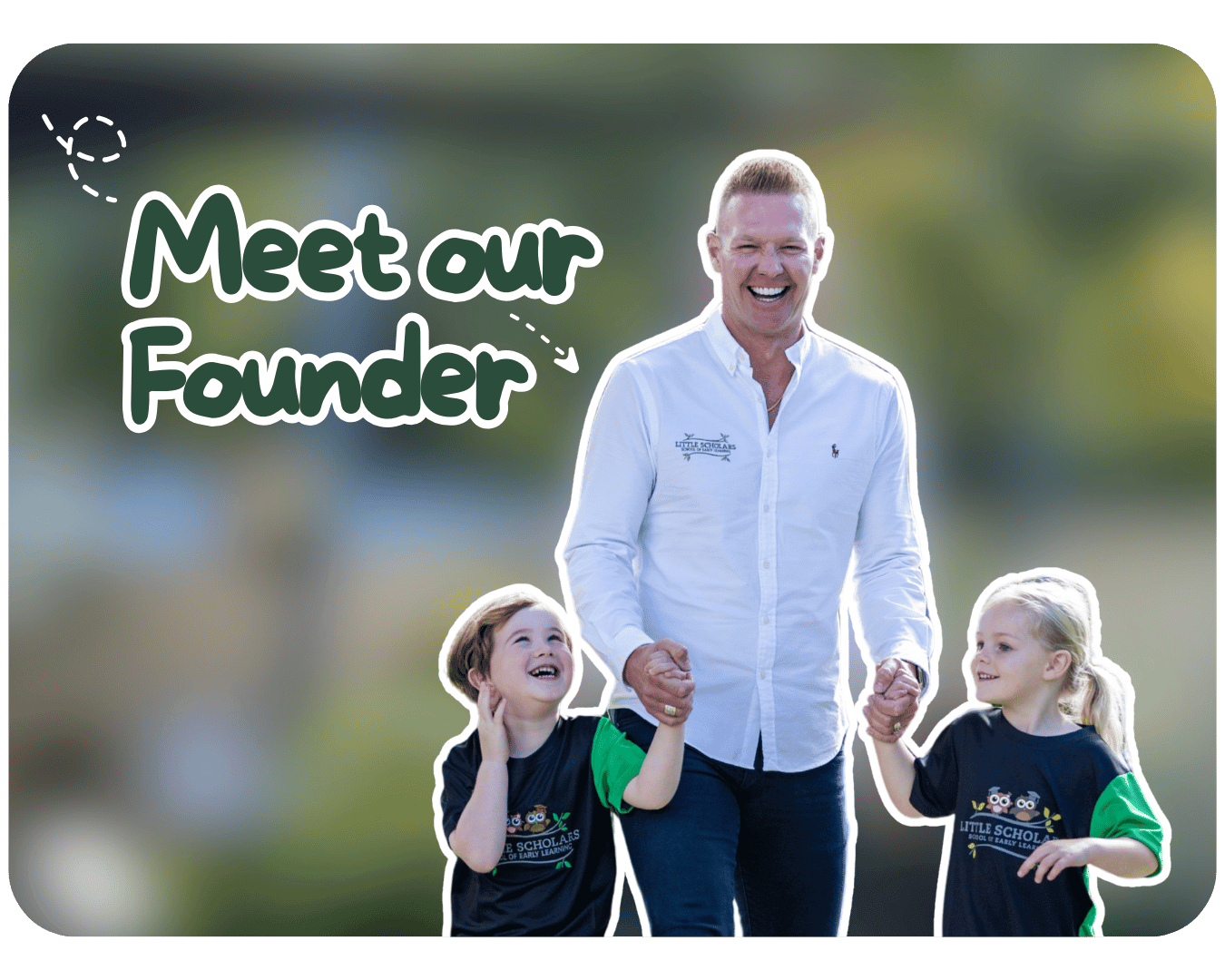
According to Jae Fraser, founder of Little Scholars School of Early Learning, pedagogical leadership is about leading or guiding pedagogical practice, supporting Little Scholars educators in their work with children and families, and translating the Little Scholars values and principles into practice.
We all know that the sky is blue, but many of us take this fact for granted. Have you ever wondered why the sky is blue? Well, you’re not alone! It’s a question that lots of children and adults have (and one that has left many a parent stumped…).
In this blog, we take a close look at one of the most fascinating and beautiful natural phenomena – the blue sky. Think of it as a cheat sheet for when your little one starts asking what is a difficult and somewhat scientific question! From the science behind its colour to the different ways it can change, we’ll explore the many mysteries of the sky and how it has captivated people for centuries. So why is the sky blue? How does it change colour? And is the sky the same colour everywhere in the world? Let’s find out!
Little Scholars provides an attractive and safe environment to children in South East Queensland while giving you total peace of mind while your children are in our care. Learning areas include well-equipped playrooms and landscaped outdoor spaces for maximum learning opportunities. Book a tour today if you are looking for a childcare centre in South East Queensland.
Have you ever heard of something called “Rayleigh scattering”? It’s a fancy scientific word, but it’s actually a really cool phenomenon that helps explain why the sky is blue!
Rayleigh scattering is a type of light scattering that happens when light waves hit very small particles, like the tiny particles in the Earth’s atmosphere. The Earth’s atmosphere is made up of different things, like water vapour and tiny dust particles and pollen. When sunlight hits these particles, the light is scattered, or spread out, in all directions.
What is a particle? Well, a particle is just a really, really small piece of something, like air, dust, or water. When light waves hit these particles, they can bounce off in different directions. This is called “scattering” – think of rolling a marble into a group of other marbles. They all bounce off of each other and go every which way.
Did you know that this is also similar to how blue eyes get their colour? That’s right, blue eyes don’t have any blue colour in them at all. Instead, they get their colour from the way they reflect light. Just like the sky and the ocean look blue because they reflect blue light!
So, as you can see, Rayleigh scattering is a really cool scientific phenomenon that helps explain why the sky is blue and why our eyes are blue. It’s just one of the many fascinating things about light and the world around us.
But the sky isn’t always blue! Sometimes, it can be other colours, like orange, pink, or red. This can happen at sunrise or sunset, or just when the sun is low in the sky. Depending on where the sun is in the sky its light might have to travel through more of the Earth’s atmosphere to get to us, which means it has more time to be scattered. This can make the sky look orange, pink, or red. Have you ever seen a beautiful sunrise or sunset? Those colours in the sky are caused by the same process that makes the sky blue.
The sky can also change colour because of things like clouds, pollution, and even the weather. Clouds can block the sunlight, making the sky look grey or white. Pollution can also make the sky look hazy or yellow. And different types of weather, like thunderstorms or dust storms, can change the colour of the sky too.
According to an article by National Geographic Kids, the sky was actually orange until about 2.5 billion years ago. This is because the Earth’s atmosphere was very different back then, and it was filled with a lot of methane and other gases that made the sky look orange.
But about 2.5 billion years ago, something called the “Great Oxygenation Event” happened. This was when the Earth’s atmosphere started to fill up with oxygen, which is a gas that most animals need to breathe. The oxygen in the atmosphere caused methane and other gases to disappear, and this made the sky start to look blue like it does today.
One interesting example to look at is the Northern Lights, also known as the Aurora Borealis. The Northern Lights are a beautiful light show that can be seen in the sky in the Northern Hemisphere, near the North Pole. They are caused by charged particles from the sun that enter the Earth’s atmosphere and collide with gases like oxygen and nitrogen. These collisions create colourful light displays in the sky. The Northern Lights can be different colours, like green, red, yellow, and even purple.
You can also see something similar right here in Australia! These are called the Southern Lights, or Aurora Australis, which can be seen in the sky near the South Pole in places like Tasmania. Just like the Northern Lights, the Southern Lights are caused by charged particles from the sun colliding with the Earth’s atmosphere.
So, as you can see, the sky can be different colours in different parts of the world because of the different gases and particles in the Earth’s atmosphere. But no matter where you are, the sky is always an amazing and beautiful thing to look at.
At Little Scholars, located on the Gold Coast, we prioritise creating a warm and welcoming environment for children to grow and thrive. Since opening in 2014, we have offered educational programs and activities in a fun and nurturing atmosphere, including access to a spacious outdoor play area.
Our early learning campuses are designed to be both attractive and safe, with well-equipped playrooms and landscaped outdoor areas that provide ample opportunities for learning and exploration. We aim to give parents peace of mind while their children are in our care. Book a tour today to find out more.
Sand Rainbows. Try this super simple Kinetic Sand recipe at home. You would be surprised, you probably already have all the ingredients in your pantry. This is a super fun, vibrant activity you can do at home at anytime!
Okay, make sure all of your dry ingredients are ready to go before you start your recipe, it will make the process a lot simpler. Firstly start by mixing all your dry ingredients together and then gradually mix in the coloured water bit by bit. You may not need to add in all the water, so have a look at the consistency and decide for yourself! Enjoy making rainbow mountains’ out of your very own taste safe kinetic sand.

Spoooky Slime. The easiest slime recipe you will ever read. Who loves Halloween?! We sure do! So, we thought it was only necessary to share our favourite Halloween inspired Hocus Pocus Slime! This is a super simple recipe to make and so much fun!!! Oh, and a handy tip! Don’t forget the Saline Solution must have Boric Acid in it otherwise it won’t work. (We are talking from experience.)
Simply follow these steps. Pour ½ Elmer’s washable glue into a bucket and add in the Baking Soda! Pour in White Vinegar and Saline Solution and with your spatula, give your recipe a good ol’ mix! Add in your desired food colouring and add in the rest of your White Vinegar and Saline Solution and mix your heart away!
The amount of sleep a child needs will depend on their age, with infants (4-12-month-olds) needing roughly 12-16 hours a day, toddlers (1-2-year-olds) requiring 11 to 14 hours a day, pre-schoolers (3-5-year-olds) needing 10 to 13 hours, grade schoolers (6-12-year-olds) needing 9 to 11 hours, and teens needing roughly 8 to 10 hours, on average, according to Queensland Health.
With that out the way, let’s look at this a little more closely as well as why sleep is so important to a child’s development, how to tell if your child isn’t getting enough sleep, and some tips and tricks to help your child fall asleep just that little bit easier.
Getting enough sleep is crucial for the overall health and well-being of children. It plays a fundamental role in many essential physiological and cognitive processes, including growth, immunity, learning, and memory. When children are sleeping, their bodies release growth hormones that help them develop and build the muscle mass they need. Additionally, sleep strengthens the immune system, which helps children fight off infections and diseases.
Furthermore, sleep has a critical impact on cognitive functioning, especially in the areas of learning and memory. During sleep, the brain processes and consolidates information learned during the day, which is important for memory formation and retention. Adequate sleep also enhances children’s ability to focus, pay attention, and regulate their emotions, leading to better academic performance and social interactions.
However, it is not just the quantity of sleep that matters, but also the quality. Good quality sleep means uninterrupted, restful sleep that allows the body to go through all the necessary sleep stages. These sleep stages include non-rapid eye movement (NREM) and rapid eye movement (REM) sleep, which are essential for physical and mental restoration. A regular sleep routine that allows children to go to bed and wake up at consistent times can help establish healthy sleep patterns.
Inadequate sleep can significantly impact a child’s physical and mental health. When a child doesn’t get enough sleep, they may exhibit a range of symptoms that can affect their daily life.
One of the most common signs of sleep deprivation in children is daytime sleepiness. The child may fall asleep at odd times, such as during class or while watching television. This could affect their ability to participate in activities, learn lessons, or complete tasks.
Additionally, and counter-intuitively, sleep-deprived children may also sometimes appear more hyperactive, especially in younger children. They may have difficulty sitting still, fidgeting, or constantly moving around. This hyperactivity can make it challenging for them to pay attention in class, affecting their learning and academic performance.
Sleep deprivation can also cause behavioural problems in children. They may become more irritable, moody, or cranky than usual. They may have a shorter temper and be more prone to outbursts or tantrums.
Moreover, the lack of sleep can impact their overall mood and ability to regulate their emotions. As a result, they may struggle with social interactions and have difficulty making friends. When a child is sleep-deprived, it can have a significant impact on their daily life, including their behaviour, academic performance, and overall well-being.
If you believe your child isn’t getting enough sleep, it’s important to garner a comprehensive understanding of the situation through careful observation. This helps to identify the various factors contributing to the problem. When trying to improve your child’s sleep, you should take into consideration the child’s age and what might be the underlying causes of their sleep difficulties. It’s also important to involve the child in the treatment process. This ensures that everyone is on the same page and working together towards a solution that works best for the child.
As we mentioned earlier the amount of sleep your child needs depends on their age, with infants needing roughly 12-16 hours a day, toddlers 11 to 14 hours a day, pre-schoolers 10 to 13, grade schoolers 9 to 11 hours, and teens needing roughly 8 to 10 hours, on average. But what other factors can affect how much and the quality of sleep your child gets?
There are various elements that impact the quality of sleep in children, including genetic factors, sleep habits, medical conditions, caregiver factors, screen time, and environmental factors. Be cautious of what might be going on both within your child and in their environment in order to optimise their sleep quality.
By implementing healthy sleep habits and addressing any potential sleep disorders, you can help your child get the restful and restorative sleep they need for optimal growth and development!
At Little Scholars, we ensure a calming routine to get children ready for rest time. That includes calm down activities, such as mindful breathing, quiet stories, relaxing music and more. If you’d like to learn more about how we introduce rest time activities, and how we can help by mirroring what you do in your family, please let us know.
The short answer is yes but more about that later.
I think it is fair to say that one of our jobs as parents is to raise children who bounce. And by bounce we mean have resilience – to be able to take some of the knocks and scrapes that happen in life.
Good food and nutrition is a pretty big part of being resilient. The food and eating habits that children develop in the first 1000 days of life are instrumental in their future health and well-being. What children eat in those early years can impact on the development of food allergies, gut health, immunity, taste preferences, adult weight, adult height, risk of chronic diseases, mood, brain development (IQ) and their relationship with food.
This is why Little Scholars have invited myself and our team of Dietitians at My Nutrition Clinic to update their menu to ensure that it provides at least 50% of your child’s daily nutrient requirements. This is the minimum amounts needed to ensure children have the opportunity to meet all of their nutrition requirements for optimum growth and development.
However, we know that making nutritious and wholesome food is only half the battle. We are only all too familiar with those sweet and high-pitched words ‘I don’t like it’. Which is why over the coming months, we will be providing lots of practical information through this blog on how to keep children eating healthy while keeping mealtimes stress free!
I believe there is a golden opportunity when children are toddlers to teach them all the good eating habits they will need to last them a lifetime. The power of peer learning and role modelling is extremely strong at this age and if we succumb to pester power and limit the variety of food in their diet early on then this will become the story of their lives. I see plenty of teenagers and adults in my line of work who hardly eat any vegetables and rely heavily on processed foods. It takes great will power to change these habits after 3-4 decades rather than change them when you are only 3 or 4 years of age.
There is lots of research to back up this claim, but I have also seen it first hand with my own children. It was only to be expected that a dietitian would have children who were fussy eaters. My son (first born) wouldn’t eat meat that wasn’t minced, didn’t like many vegetables and LOVED carbs. My daughter (2nd born) seemed to only eat meat, was fussy with vegetables and dislikes all carbs (except chips). They were sent to test me!!
I know first-hand how stressful it can be trying to give your children very carefully prepared meals for them only to be rejected. I remember the envy I felt watching my friend’s children happily munch on tomatoes and cucumber while mine did not. But there is a solution! Watch this space for tips, food ideas and guidance on this and a range of topics related to food and healthy little scholars!
Happy munching
Anna D’ArcyAccredited Practising Dietitian
www.mynutritionclinic.com.au
Dietitian for 20 years and mum for 8 years

Don’t do it alone. We are here to help.
Including us (the Little Scholars crew) in the toilet training process is invaluable because our Educators often are among the first to recognise when a child is developmentally ready to toilet train, we can communicate with you and provide appropriate and continuous toilet training methods and messages, and we can help teach your child proper toilet training practices.
Little Scholars believe It’s important that we work in partnerships with parents while the child is learning to use the toilet.
For a child, toilet training is a big milestone. It’s also a time for them to learn to attune to their bodily functions and to understand when it’s “time” to go to the toilet. During this time you need to be patient and encouraging – the child is learning a new skill and it’s often and a process of trial and error and accidents will take place
Parents, as well as the educators, need to be on the same page when it comes to supporting a child through toileting. We like to talk to parents to know what is happening at home in regards to toileting. A general rule is that toilet training should be started at home before toileting starts at the campus.
Toilet training trouble getting you down? Take comfort in knowing that you are not the first parent to experience this – and you won’t be the last! Learning new skills can be a challenge for toddlers but none are quite so fraught with worry – and the potential for mess! – than learning to use the toilet independently.
Don’t give up hope just yet! Read our five tips for an easier transition into successful toilet training.
One of the biggest mistakes parents can make is to begin toilet training before their child is truly ready. Pushing a child to learn a task they are not mentally and physically ready for is a recipe for tears – both yours and your little one’s. Most children become ready to toilet train between the ages of 2 -3 years old. Some require very little encouragement and others may need a gentle nudge in the right direction.
Look for the following signs to gauge readiness in your toddler.
You’ve seen some of the signs of readiness in your child so you want to begin toilet training right away. But wait? Is now the right time? Here are some things to consider.
You’re ready, your child is ready! Now what?
Toilet training at home is one thing but heading out with a newly trained toddler in nickers is quite another! If at all possible, it’s best to avoid long trips away from home until the training is well-established and your child can stay dry for extended periods of time. If this isn’t practical, the best plan is simply to be prepared.
For some children, toilet training is a cinch. Others take a little more time. Whatever you do, don’t bother with comparisons. Every child is beautifully unique and their journey is their own. If you meet with very strong resistance and absolutely no success initially, leave it for a little while. The greatest setback to toilet training success is when it becomes a huge and unpleasant battle. Take a breather and revisit again – in a week, in a month. If you tried repeatedly with no luck and your child is heading towards four years of age, it can be useful to see your family doctor for further advice and to rule out any other issues.
But remember, with loving support and encouragement, your child will eventually get there. You can do this!
Find out more about the premium facilities and unique learning opportunities at Little Scholars. Arrange your tour today.
Let us hold your hand and help looking for a child care centre. Leave your details with us and we’ll be in contact to arrange a time for a ‘Campus Tour’ and we will answer any questions you might have!
"*" indicates required fields
Let us hold your hand and help looking for a child care centre. Leave your details with us and we’ll be in contact to arrange a time for a ‘Campus Tour’ and we will answer any questions you might have!
"*" indicates required fields
Fill in the form to join your local Pram Pals mums and bubs walk