









The easiest slime recipe you will ever read. There is something so nostalgic about gummy bears as they’ve been around for years! I’m sure many of us older ‘kids’ can recall eating a gummy bear or five so it’s safe to say, making this slime will bring you back to your childhood. We had a blast making this slime but we must pre-warn you before you get to the slime makin‘ – be prepared to wash your hands multiple times because slime is seriously sticky.
Place the gummy bears in a microwave-safe bowl and heat for 30 seconds. Stir well and reheat as needed to make the mixture completely smooth. Once melted stir well to help the mixture cool down! Combine cornstarch and icing sugar together and place half on a cutting baked or clean surface. Pour the gummy mixture onto the cornstarch and when cool enough to touch, knead in the remaining cornstarch mixture.
TIME TO PLAY. WARNING ⚠️ THIS SLIME IS SO STICKY, YOU MAY HAVE TO WASH YOUR HANDS TWICE. 🤪

Becoming a foster parent is not all rainbows and butterflies, it is a wholehearted decision which requires dedication and effort. It is a commitment that you choose and one that can helps provide a safe and caring environment for children and young people in our community. As a foster parent there are incredible opportunities presented in so many different forms, however, it is vital you have an insight into what is involved in becoming a foster parent so that you feel totally equipped and prepared for your journey.
What we are going to share with you is all based from personal experiences from our regional manager, Skye Ible, and we know many of you who are looking to foster a child or are in the process currently will be able to relate to Skye’s experiences entirely.
If you are not aware, becoming a foster parent is a lengthy and complex process, but if you are aware of that before going into your application, it will take away the overwhelming feelings of wow, this is a lot to take in. Do not let the complex application haunt you, we have been told that once you find the right organisation that fits right with you, you will have endless support from the agency, and this will impact your fostering experience in a tremendously positive way.
It is helpful you know there are expectations that the agency will require of you when you start your application. You will be asked to attend an initial training – these are normally at night and then at nigh- time you are given workbooks to complete in the comfort of your home. There are also safety checklists you need to complete of your home environment, as well as making the necessary changes if needed. The support workers will visit your home for an assessment, and it is vital you are prepared to talk about everything from throughout your life which entails good and bad from childhood until present. It is super important to go through this assessment period as the agencies need to know if the children are going into a safe and supportive environment, and if you have children of your own or a partner, they will always assess whether your child can handle the fostering of other children.
The foster agency will always ask for at least two references to contact and if you are approved, they will call within 24 hours offering you a child. One piece of advice from talking with our own foster parent is, to be prepared and compile a list of questions ready to talk through with your support person just so you can decide if the child is a suitable match for your family. Do not be afraid to speak up if the placement isn’t working as it is about the foster child’s needs as well as your own, and most of the time there will always be another family out there suited to this child.
During the journey of being a new foster parent, keep in mind that some children crave love and attention but don’t always know how to ask for it. Some children may say ‘ I love you’ or call you ‘mum or dad’ within a few months and some might not feel comfortable letting another person in. All you can do is remind yourself that this child has gone through more than imaginable, and all you can do is open up your hearts and home to show them that they are loved and safe. If you have a strong family unit and strong support system in place, this will help you get through any hick ups that come up along the way.
Whether you are a single person, married, same sex or dating you are eligible to foster a child but remember you must have a spare room in your home to allow for privacy for the child, and everyone must attend a training session as a requirement of being a foster parent. Life is to be lived to the fullest and knowing that a child’s life can be lived to their fullest with another person’s love, devotion and care is nothing short of extraordinary, so we truly commend all the amazing families who do everything in their will to make sure these children are given a second chance at life.
Thank you so much to Skye for sharing such personal and incredible insights with us, you are an inspiration to us all. Every child deserves a chance at a better life.
If you want to find out more about becoming a foster parent within Queensland, please refer to the resources shared with us below.
Sand Rainbows. Try this super simple Kinetic Sand recipe at home. You would be surprised, you probably already have all the ingredients in your pantry. This is a super fun, vibrant activity you can do at home at anytime!
Okay, make sure all of your dry ingredients are ready to go before you start your recipe, it will make the process a lot simpler. Firstly start by mixing all your dry ingredients together and then gradually mix in the coloured water bit by bit. You may not need to add in all the water, so have a look at the consistency and decide for yourself! Enjoy making rainbow mountains’ out of your very own taste safe kinetic sand.
Spoooky Slime. The easiest slime recipe you will ever read. Who loves Halloween?! We sure do! So, we thought it was only necessary to share our favourite Halloween inspired Hocus Pocus Slime! This is a super simple recipe to make and so much fun!!! Oh, and a handy tip! Don’t forget the Saline Solution must have Boric Acid in it otherwise it won’t work. (We are talking from experience.)
Simply follow these steps. Pour ½ Elmer’s washable glue into a bucket and add in the Baking Soda! Pour in White Vinegar and Saline Solution and with your spatula, give your recipe a good ol’ mix! Add in your desired food colouring and add in the rest of your White Vinegar and Saline Solution and mix your heart away!
Before we get into your child’s healthy eating habits. Let’s reflect for a moment on your own relationship with food. Did you have to finish all the food on your plate when you were a child? Were sweets offered as a reward for good behaviour? Were there starving children in Africa always ready to take your left-over dinner when you were growing up? Do you give foods the title ‘good’ or ‘bad’? Have you ever felt ‘bad’ for eating a certain food? If you are human and living on planet Earth, then you will have most likely answered yes to at least one (if not all) of those questions.
Your relationship with food as an adult very much begins in childhood. So, as a parent you have an opportunity to shape how your children relate to food. No pressure then!
Here are some key tips that you can start using straight away at home to foster healthy eating habits:
There are no good or bad foods out there. Just food. One massive bowl of broccoli or a single bar of chocolate isn’t going to make you instantly healthy or unhealthy. Likewise, you are neither a better nor worse person for eating it (if only it were that easy!). For sure there are unhealthy eating patterns which, if you keep them up then over time leave you feeling a bit blah and may lead to looks of disappointment from your GP. This leads me to the next tip:
As a parent myself I know how very frustrating it is to use desserts and lollies as a bargaining tool. By using food as a reward, we are sending a very strong message to our children that these foods are more special than the rest. It teaches them to use food as a way of dealing with hurt or difficult feelings. And we all know where that leads! Instead look for non-food ways to feel better – sing, cuddle, talk about our feelings. Anything but food.
Children are born with a magical power called intuitive eating. This power allows them to eat when they are hungry and stop eating when they are not. Amazing huh! Most adults I see later in life with concerns about their weight have lost this skill and no longer trust in their own bodies natural hunger and fullness signals and find themselves overeating or feel a lack of control around certain foods. To foster your child’s natural gift, let them dictate when and how much to eat. Sounds scary I know. Giving gentle reminders to eat is ok (as we know children can get distracted) and let children tell you when they have had enough to eat. Their body clock may be on a slightly different time zone to yours. My daughter’s eating patterns were completely out of sync with the rest of the family and by the time dinner rolled around she was exhausted and had very little interest in food. Breakfast however was a completely different story!
These three tips are only the beginning of forming a healthy interdependent relationship with food but are a great foundation for many happy mealtimes ahead! Wanting to learn more about healthy eating habits? Contact us today and talk to our Little Scholars team.
Written by: Anna D’Arcy, Accredited Practising Dietitian at My Nutrition Clinic. Anna is a mum to two children under 10 years and has 20 years of experience working as a dietitian and helping families reach their health potential.
3 steps to telling the difference.
Everywhere you look these days there seems to be more and more ‘free’ foods. Dairy free, gluten free, egg free, nut free… So, it is any wonder that parents are considering food as the culprit if their child has developed unusual symptoms or behaviours.
When considering food as a potential cause, it is important to first understand the difference between a food allergy and a food intolerance.
A food allergy is when your immune system has a strong overreaction to that food. The reaction can cause things like swelling in the face, lips and eyes, hives, tummy pain, vomiting and in some cases, it can lead to difficulty breathing and swelling of the throat. In babies, other symptoms (but uncommon) include reflux, colic, diarrhoea and eczema
A food intolerance on the other hand doesn’t involve the immune system so the symptoms tend to be a little different. Firstly, the reactions can take days to appear after repeatedly eating certain foods. This delay can make it very difficult to find what is causing it. It is a bit like how some people will experience side effects from a medication and others don’t. To make things more confusing, the reactions can be similar to food allergies.
So what do you do if you suspect a food allergy or intolerance:
There is no shortcut or hack unfortunately when it comes to diagnosing food intolerances. Even a blood test can’t find the answer. Any tests you see advertised that say they can, will give you what is known as ‘false positives’. It will tell you have food intolerances that don’t exist. If there was a reliable test then allergy clinics run by medical doctors would offer them. But they don’t.
Now that you have the facts, I have a final word of caution. Don’t eliminate foods or food groups randomly in the hope of finding the culprit. This scattergun approach can do more harm than good and you could be wasting a lot of precious time looking in the wrong places. Unfortunately, we see this all too much in our clinic and it makes me so sad to see mums and dads at the end of their tether and children becoming more and more cautious and confused about food. The knowledge and experience of the right health professional can get you get to an answer quicker and with less disruption to family mealtimes, and as a parent, that’s gold dust!
Written by: Anna D’Arcy, Accredited Practising Dietitian at My Nutrition Clinic. Anna is a mum to two children under 10 years and has 20 years of experience working as a dietitian and helping families reach their health potential.
So how do you know if your child is getting enough iron in their diet? Well firstly it is important to explain that there are two types of iron in food. Iron in foods that come from animals is easily absorbed into the body when we eat it. And the darker the meat, the more iron in there. So, this means that beef and lamb have more iron than chicken – but the iron from both of these meats is easily absorbed by the body.

Iron found in plant foods such as broccoli and nuts is harder for the body to absorb. But help is at hand in the form of Iron’s sidekick, Vitamin C. Vitamin C increases the absorption of all iron in food that we eat. Fortunately for broccoli (and most fruits and vegetables), they contain a decent amount of Vitamin C to go with the iron.
Even if you are not intentionally vegetarian, many kids don’t like eating meat in the early years as it can be harder to chew. Although eating and chewing is second nature to us, for kids it can require some sophisticated co-ordination. So understandably it is easier to refuse it. So, if you have a reluctant meat eater – go for mince and soft meats like fish. And start using more legumes and lentils in dishes. I always wish I gave my kids legumes from 6 months of age.. I think I would have had less years of them meticulously picking them out!! But I eventually won that battle and they now happily shovel them in with the rest of the meal.
Written by: Anna D’Arcy, Accredited Practising Dietitian at My Nutrition Clinic. Anna is a mum to two children under 10 years and has 20 years of experience working as a dietitian and helping families reach their health potential.
The amount of sleep a child needs will depend on their age, with infants (4-12-month-olds) needing roughly 12-16 hours a day, toddlers (1-2-year-olds) requiring 11 to 14 hours a day, pre-schoolers (3-5-year-olds) needing 10 to 13 hours, grade schoolers (6-12-year-olds) needing 9 to 11 hours, and teens needing roughly 8 to 10 hours, on average, according to Queensland Health.
With that out the way, let’s look at this a little more closely as well as why sleep is so important to a child’s development, how to tell if your child isn’t getting enough sleep, and some tips and tricks to help your child fall asleep just that little bit easier.
Getting enough sleep is crucial for the overall health and well-being of children. It plays a fundamental role in many essential physiological and cognitive processes, including growth, immunity, learning, and memory. When children are sleeping, their bodies release growth hormones that help them develop and build the muscle mass they need. Additionally, sleep strengthens the immune system, which helps children fight off infections and diseases.
Furthermore, sleep has a critical impact on cognitive functioning, especially in the areas of learning and memory. During sleep, the brain processes and consolidates information learned during the day, which is important for memory formation and retention. Adequate sleep also enhances children’s ability to focus, pay attention, and regulate their emotions, leading to better academic performance and social interactions.
However, it is not just the quantity of sleep that matters, but also the quality. Good quality sleep means uninterrupted, restful sleep that allows the body to go through all the necessary sleep stages. These sleep stages include non-rapid eye movement (NREM) and rapid eye movement (REM) sleep, which are essential for physical and mental restoration. A regular sleep routine that allows children to go to bed and wake up at consistent times can help establish healthy sleep patterns.
Inadequate sleep can significantly impact a child’s physical and mental health. When a child doesn’t get enough sleep, they may exhibit a range of symptoms that can affect their daily life.
One of the most common signs of sleep deprivation in children is daytime sleepiness. The child may fall asleep at odd times, such as during class or while watching television. This could affect their ability to participate in activities, learn lessons, or complete tasks.
Additionally, and counter-intuitively, sleep-deprived children may also sometimes appear more hyperactive, especially in younger children. They may have difficulty sitting still, fidgeting, or constantly moving around. This hyperactivity can make it challenging for them to pay attention in class, affecting their learning and academic performance.
Sleep deprivation can also cause behavioural problems in children. They may become more irritable, moody, or cranky than usual. They may have a shorter temper and be more prone to outbursts or tantrums.
Moreover, the lack of sleep can impact their overall mood and ability to regulate their emotions. As a result, they may struggle with social interactions and have difficulty making friends. When a child is sleep-deprived, it can have a significant impact on their daily life, including their behaviour, academic performance, and overall well-being.
If you believe your child isn’t getting enough sleep, it’s important to garner a comprehensive understanding of the situation through careful observation. This helps to identify the various factors contributing to the problem. When trying to improve your child’s sleep, you should take into consideration the child’s age and what might be the underlying causes of their sleep difficulties. It’s also important to involve the child in the treatment process. This ensures that everyone is on the same page and working together towards a solution that works best for the child.
As we mentioned earlier the amount of sleep your child needs depends on their age, with infants needing roughly 12-16 hours a day, toddlers 11 to 14 hours a day, pre-schoolers 10 to 13, grade schoolers 9 to 11 hours, and teens needing roughly 8 to 10 hours, on average. But what other factors can affect how much and the quality of sleep your child gets?
There are various elements that impact the quality of sleep in children, including genetic factors, sleep habits, medical conditions, caregiver factors, screen time, and environmental factors. Be cautious of what might be going on both within your child and in their environment in order to optimise their sleep quality.
By implementing healthy sleep habits and addressing any potential sleep disorders, you can help your child get the restful and restorative sleep they need for optimal growth and development!
At Little Scholars, we ensure a calming routine to get children ready for rest time. That includes calm down activities, such as mindful breathing, quiet stories, relaxing music and more. If you’d like to learn more about how we introduce rest time activities, and how we can help by mirroring what you do in your family, please let us know.
If you’re a parent or caregiver to a young child, you have probably noticed that putting a screen in front of them at mealtimes keeps them sitting in their chair. But is it bad to eat while watching TV? Well, unfortunately, the disadvantages of watching TV while eating might outweigh the benefits.
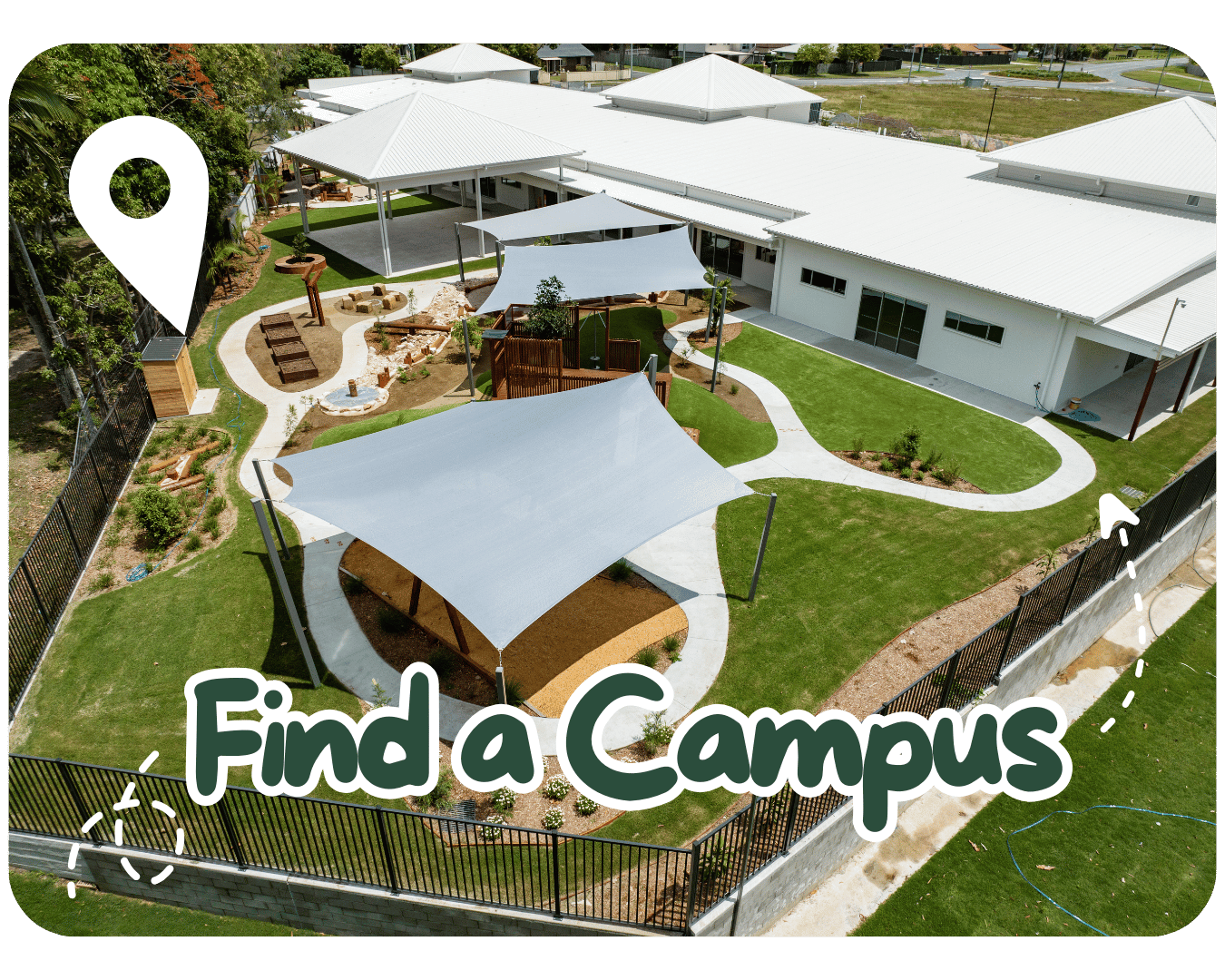
Little Scholars provides an attractive and safe environment to children on the Gold Coast while giving you total peace of mind while your children are in our care. Learning areas include well-equipped playrooms and landscaped outdoor spaces for maximum learning opportunities. Book a tour today if you are looking for a childcare centre in South East Queensland.
A 2019 study found that about 70% of children in the UK watch TV during at least one meal a day. And while the UK is not Australia, it’s safe to say that the same might be true here!
But what happens when you eat in front of a screen? There are several disadvantages to watching TV while eating. Starting this habit at an early age could set a child up for negative health effects in the future. The following side effects indicate why eating while watching television could be a bad idea.
Eating in front of the TV or tablet can make children eat more. Research shows that children and adults eat more than they usually would when distracted. This increases the risk of obesity because of the excess calories that are consumed.
But eating while distracted by screens also leads to obesity as it prevents children from listening to the signals that tell them when they’re full. Over time, mealtime distraction can reduce sensitivity to hunger and fullness cues. This often leads to emotional eating, consuming unhealthy foods and snacking out of boredom.
Eating while watching TV may cause your child to become so fixated on what they’re watching that they pay no attention to the food on their plate.
Moreover, the digestive system is stimulated by the routines surrounding mealtimes. As you prepare food, set the table and smell the meal’s aromas, your body gets into gear to digest what you’re about to eat. Encouraging children to experience all of the sensations that come with nourishing themselves will promote healthy digestion and help them absorb nutrients properly.
Mealtimes are important to a child’s development. While they eat, children work on their fine and gross motor skills, explore new textures and learn about social and interpersonal interactions. They tend to multitask throughout the day, so it’s important for children to quieten down and focus on the meal instead of a moving image on a screen.
Sitting on the sofa may burn fewer calories than sitting at a table. That’s right, watching TV may lower your metabolic rate more than simply resting without watching screens.
If children often eat in front of the TV, they’re spending less energy. Therefore, they will burn fewer calories than they might otherwise.
Have you ever felt the need to keep snacking while watching TV? You may feel full but wonder why you’re still rummaging through the fridge for a treat.
When children eat in front of a screen, they may not feel satisfied. The central nervous system needs to connect the dots between hunger, the desire to eat, the act of eating, the feeling of fullness and the satisfaction that comes from consuming good food. Screen distractions challenge the sensory system, putting obstacles in these pathways. If the act of eating is merely treated as an afterthought, children may continue to seek out snacks past the point of physical fullness.
It’s never too late to be more intentional about mealtimes. However, implementing changes surrounding screens and food can feel challenging if your child is addicted to gadgets, electronics or screens.
Start by setting up a communal mealtime. Eat with your child whenever possible. Children pick up on cues from their surroundings. Making mealtimes a pleasant, stress-free and interactive experience can help children create a healthy relationship with food. Creating this routine can lead to healthier eating habits for you and your child.
Involving your child in the process can also help them look forward to mealtimes without screens. Ask for help in age-appropriate ways. Younger children can attempt to feed themselves using a spoon. Toddlers can hand out napkins or lunch boxes. Older children can help with some of the preparation.
If you have trouble getting a child to eat without watching a screen, you may have to remove the distraction gradually. Wean children off of screens during meals by taking the following steps:
Not exactly. This habit doesn’t necessarily impair the health of the neurons. However, it does reinforce neural pathways that link eating with watching TV. This makes it harder to get through a meal without the distraction. It also promotes unhealthy eating patterns and habits throughout life.
At Little Scholars, we provide quality early learning and care services for children in South East Queensland in a warm and loving environment. We encourage healthy eating and provide freshly cooked, nutritious and allergen-aware meals for all of our children. We also sit together and talk while we eat, encouraging meaningful connections and conversation with children and educators while we sit down to a healthy meal.
We aim to be an extension of your family while fostering nurturing relationships between our educators and children, as well as the relationships between the children who attend our program. Valuing all our relationships is important to us – with you as the parent or guardian, your child, and other loved ones in your life. Book a tour today.
Wondering what to look for in an early learning campus? Finding the right one can be tricky and may even stir up anxiety in some parents. While this may come as no surprise to some, it does not have to be this way.
A childcare centre is a special place that should nurture and enhance your child’s development through play and socialisation. You will need to find one suitable for your child within your budget, and that can accommodate your working hours.
Little Scholars is a privately-owned and operated early learning provider with 14 campuses across South East Queensland. We offer you and your child the very best facilities, resources, and early educational play-based programs. Our curriculum is underpinned by a thorough and well tested early years learning framework. As a result, we believe that we can encourage, assist, and support the entire family through quality education and childcare.
Read on to find out some of the facets you should consider before enrolling your child in a childcare centre.
Every child needs a stimulating environment to interact and develop alongside other children. Try to assess whether there is extensive verbal and physical interaction between the kids and also the caregivers.
You should also check for age-appropriate toys that are in good condition. Finally, feel free to ask for a rundown of the daily activities, which might include talking, reading, dancing, singing, and more.
Most well-run childcare centres will spell out their health and safety rules for everyone to follow. Some to look out for are:
The childcare provider should seem genuinely interested in caring for children – pay close attention to how they interact with the other children when you visit. For example, you can ask whether they partake in sensory play.
The childcare centre needs to be a safe environment for your child. Here are some of the safety precautions they should be taking:
Many other safety measures can be taken to guarantee that your child is well looked after, so ask what specific steps each centre takes. If you’re looking for a childcare in Brisbane or the Gold Coast, at Little Scholars, your child’s safety and well-being are our utmost priority.
If you need to pick up your child but can not make it on time, try and call as soon as possible to inform the childcare providers that you will be running late or sending someone else. If you give them enough notice, they should try and accommodate you. However, it is essential to note that your childcare subsidy may be affected if your child stays past their allowable hours.
Having a good feeling about your childcare provider will add a layer of reassurance and peace to your day that you may not even have noticed missing prior. Being open and communicative with your chosen provider will allow you to guarantee the best possible experience for you and your child, and at Little Scholars, communication and relationship building is at the core of what we do.
It’s essential to pay attention whenever you visit a childcare centre, especially in regards to how the staff interact with the children. In an ideal situation, a childcare provider should be playing with the children on their level.
Young children are very receptive; they need affection, closeness, love, and interactive relationships with adults to thrive in later life. Therefore, you must pay close attention to ensure that your child’s caregivers are warm and responsive and can have healthy one-on-one interactions with children and others, allowing your child to become the best they can be.
A good childcare provider should have similar parenting philosophies as you on feeding, discipline, sleeping, and television watching. On top of this, they should have policies in place in case of an emergency, child safeguarding and more. The more info you can ascertain concerning these enquiries, the less likely you will be surprised later, and the more secure the childcare environment for your child.
Until your child comes to the age where they can talk, you will have to depend on what the childcare provider tells you about your child and their day. This is another reason why open and honest communication is critical.
Of course, you will want to know every detail of your child’s day, including the number of times their nappies were changed and if they took a proper nap (if only to know whether you are taking a happy or grumpy child back with you!). It’s best to communicate with the caregiver in person; however, you can always ask for a convenient time to call if this is not possible.
As a parent, it’s good to trust your instincts when something does seem quite right, and, sometimes, you may not be so pleased with a particular campus. In such cases, don’t lose hope; just look for other options. Your child deserves to grow under good and nurturing care, and there are plenty of great early learning centres out there!
As a busy parent with your child’s best interest at heart, finding a caregiver on the Gold Coast or Brisbane for your child’s overall growth is essential. Little Scholars provides parents with peace of mind by letting them know they’re leaving their children in safe hands. Our campuses are a home away from home where your child will grow and flourish. Contact us today.
Let us hold your hand and help looking for a child care centre. Leave your details with us and we’ll be in contact to arrange a time for a ‘Campus Tour’ and we will answer any questions you might have!
"*" indicates required fields
Let us hold your hand and help looking for a child care centre. Leave your details with us and we’ll be in contact to arrange a time for a ‘Campus Tour’ and we will answer any questions you might have!
"*" indicates required fields
Fill in the form to join your local Pram Pals mums and bubs walk
