

Child Safety & Wellbeing
Australia's childcare safety rules changed significantly in the past twelve months. Most parents haven't heard about any of it. Here's what's different — and the questions worth asking at your child's next centre visit.
If you're anything like most Queensland parents, you chose your childcare centre based on how it felt when you walked in. Did the educators look engaged? Did the space feel warm? Did your gut say yes?
That instinct matters. But behind it, there's a whole regulatory system most parents never see — and it just got a significant overhaul. Five major safety reforms came into effect between September 2025 and February 2026. They apply to every approved childcare centre in Queensland, including Little Scholars.
This isn't a horror story about what can go wrong. It's the opposite. These reforms give you better tools to ask good questions — and good centres better tools to prove they deserve your trust.
Think of it as a professional register for the early childhood sector. From 27 February 2026, every approved childcare provider in Australia is required to register their entire workforce on the National Early Childhood Worker Register — a centralised, government-managed database.
And when we say entire workforce, we mean it. Educators, yes. But also volunteers, students on placement, the person who cooks lunch, the cleaner, contractors who come through the door — everyone.
Why does this matter to you? Because if someone has ever been found unsuitable to work with children — anywhere in Australia — that information now follows them. It crosses state borders. It crosses employers. A person with a prohibition notice can't simply move to a new centre and start fresh without being flagged.
Providers must update the register within 14 days of any staffing change. Non-compliance carries fines of up to $34,200. This is the kind of national visibility that simply didn't exist before.
Ask your centre
For the first time ever, there's nationally consistent, mandatory child safety training for every single person working in early childhood — regardless of their role or how long they've been in the sector.
Here's something worth knowing: this training was developed by the Queensland Government and the Australian Centre for Child Protection. Queensland led this reform for the whole nation.
The training is free, delivered through the federal government's Geccko platform, and covers things like identifying grooming behaviours, understanding children's rights, building a child-safe culture, and knowing when and how to report concerns. It's not a tick-and-move-on online quiz. It's substantive.
All existing staff have until 27 August 2026 to complete the Foundation level. New staff from August 2026 must complete it within 14 days of starting. It needs to be renewed every two years. Advanced modules for leadership roles are coming in July 2026.
What this shifts is the focus — from responding to harm after it happens, to actively preventing it in the first place.
Ask your centre
This one is simple but significant. Before September 2025, childcare providers had up to seven days to notify the state regulator of a physical or sexual abuse incident or allegation. From 1 September 2025, that became 24 hours.
Seven days was always too long. A week is a long time when a child's safety is in question. The new 24-hour rule means regulators are notified while the situation is still fresh — faster investigation, faster support, faster action to protect others if needed.
This applies to every approved provider in Queensland, and it's not optional. It sits alongside a broader push from regulators to treat non-compliance as seriously as it deserves to be treated.
Ask your centre
A centre that welcomes these questions is the kind of centre worth trusting. Confident, safe services don't get defensive when parents ask how things work.
This is the reform that made the news. From 1 September 2025, every approved childcare service in Australia — including Queensland — is required to have a mandatory policy restricting personal device use by educators during contact hours.
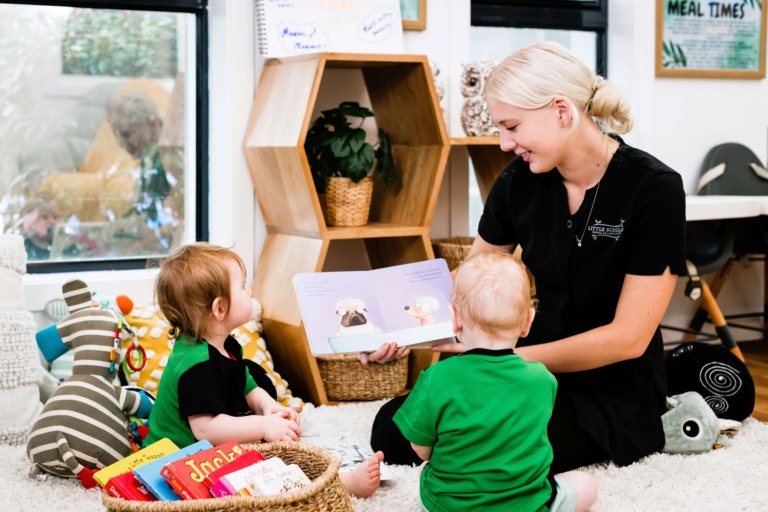
More specifically: personal phones and smartwatches cannot be used to photograph or record children. Only service-issued devices — ones the centre owns, controls and monitors — are allowed for taking images of children for learning portfolios, documentation, or family updates.
Some states, like South Australia and Victoria, went further with explicit total bans. In Queensland, the national regulation applies — mandatory policy with strict requirements. The practical effect during care hours is the same: personal phone away, full attention on the children.
This reform came in direct response to incidents where educator phone use put children at risk. The message from regulators was clear — and it's about time.
Good to know: Any photo of your child shared by their educators should come from a centre-issued device — not a personal phone. If you've ever wondered about this, it's completely reasonable to ask your centre what devices they use.
Ask your centre
From 2 January 2026, every maximum penalty under the Education and Care Services National Law was tripled. All of them. Across the board.
The rationale is straightforward: the previous penalties weren't stiff enough to deter providers who were genuinely cutting corners. Tripling them signals that governments and communities now treat childcare safety compliance as seriously as it deserves to be treated.
A new offence was also created: making a false or misleading statement to a recruitment agency about a prohibition notice. In plain language — if a provider tries to hide the fact that someone has been banned from working with children when referring them on to another employer, that's now a specific criminal offence. Maximum penalty: $20,400.
That gap — where a prohibited person could quietly move to a new centre without disclosure — is now closed.
For centres doing things right, this changes nothing day to day. For the ones who weren't — the stakes just went up significantly.
Ask your centre
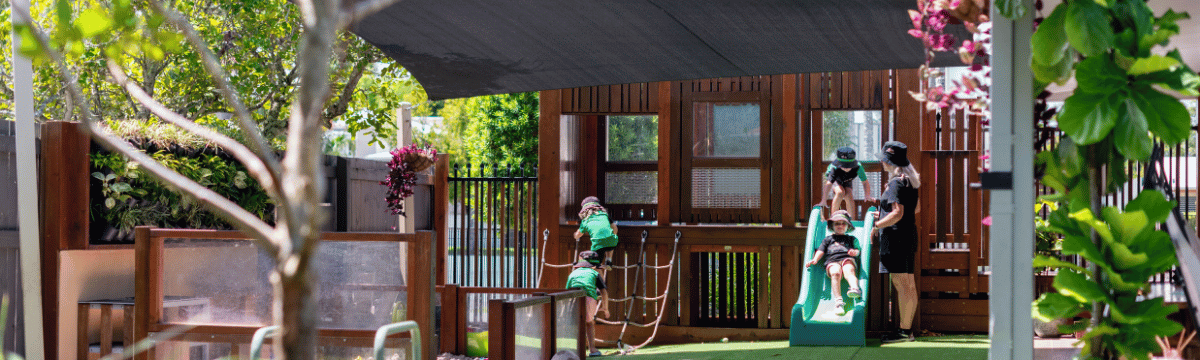
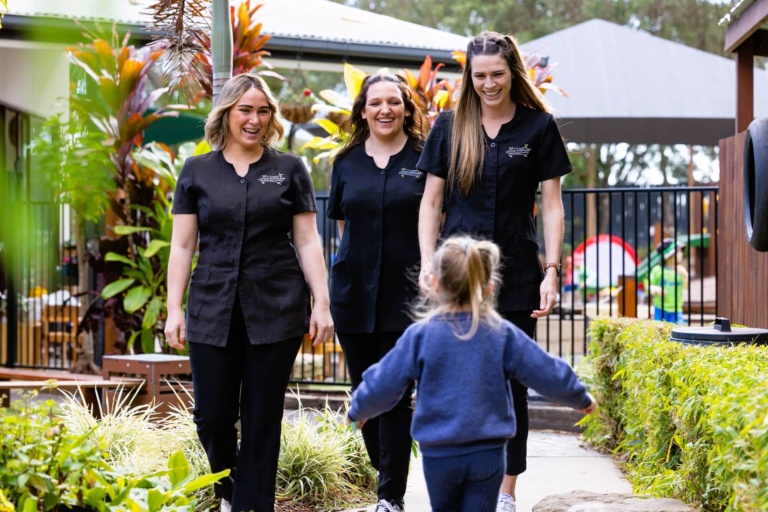
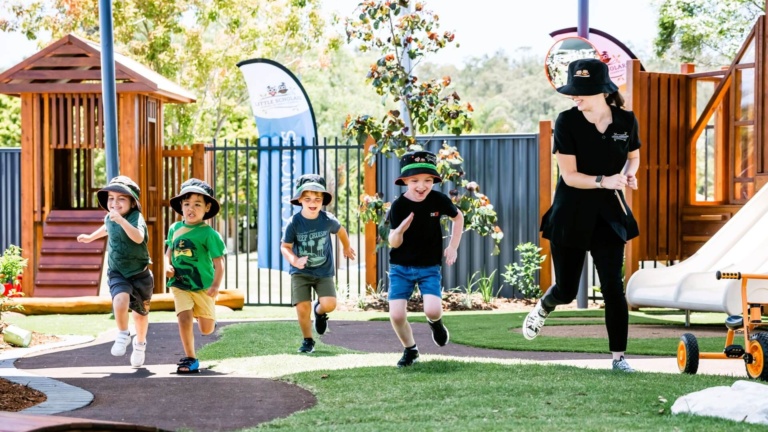
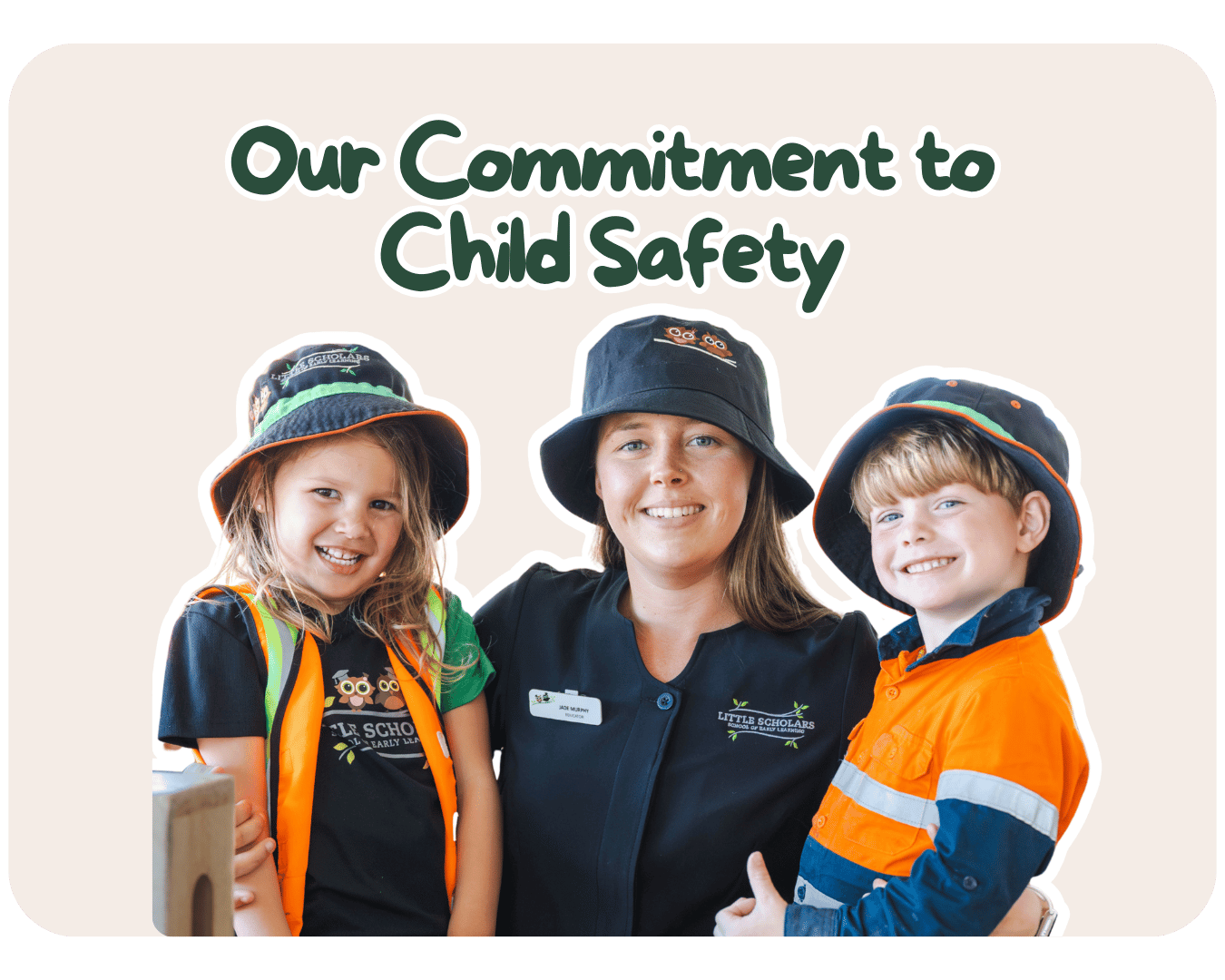
All 17 Little Scholars campuses across Queensland — on the Gold Coast, in Brisbane, Ipswich, and Redland Bay — are operating under the updated National Law and Regulations. Our workforce is on the National Early Childhood Worker Register, our team is completing the mandatory child safety training through Geccko, and our digital device policies are in place across every campus.
We're also proud that several of our campuses hold an Exceeding NQS rating — the highest rating available under the National Quality Standard. That includes Ashmore, Burleigh, Deception Bay, Parkwood, Nerang, and our George Street campus in Brisbane City. NQS ratings are publicly searchable at startingblocks.gov.au — and we'd encourage every family to look up any centre they're considering, not just ours.
We're a family-owned business, and that matters when it comes to this stuff. Safety isn't a compliance exercise for us — it's the foundation of everything else we offer, from our Nursery and Toddler rooms through to Junior and Senior Kindy and Kindergarten.
If you have questions about how any of these reforms apply at your specific campus, ask at the front desk. Or head to our Child Safety page, where you can also download our Child Safety and Wellbeing Guide.
How to check any centre's compliance record: Visit startingblocks.gov.au — the government's free family resource. Search any registered service to see its NQS rating, quality areas, and compliance history. Most parents have never opened it. It takes 30 seconds and it's worth it.
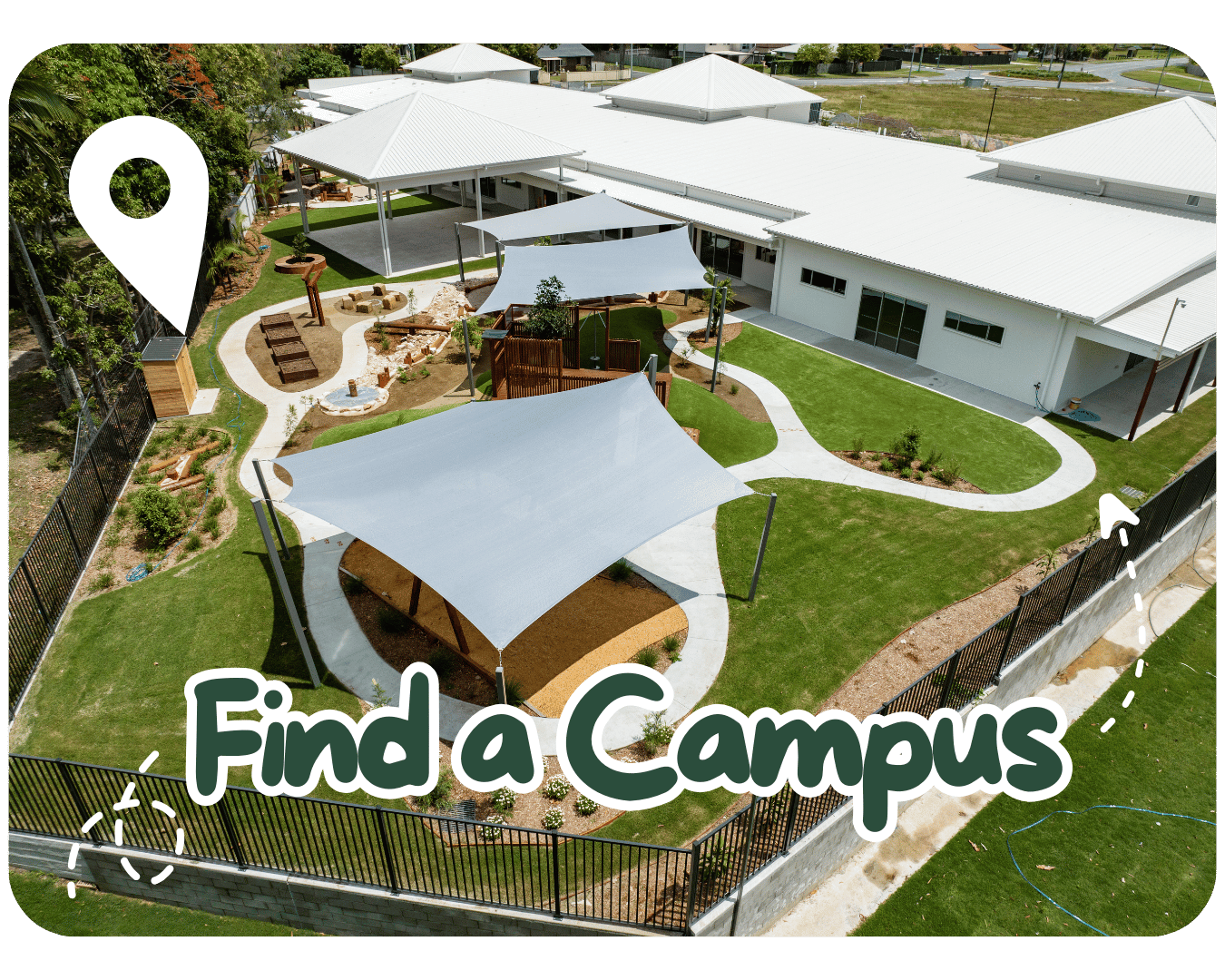
The best way to get a feel for how a centre operates is to visit. Book a tour at your nearest Little Scholars campus and ask the team anything — including every question from this post.
Little Scholars — 17 campuses across Gold Coast, Brisbane, Ipswich & Redland Bay
Reform details sourced from ACECQA, the Australian Government Department of Education, and Early Childhood Education and Care Queensland. Accurate as at April 2026. General information only — not legal advice.