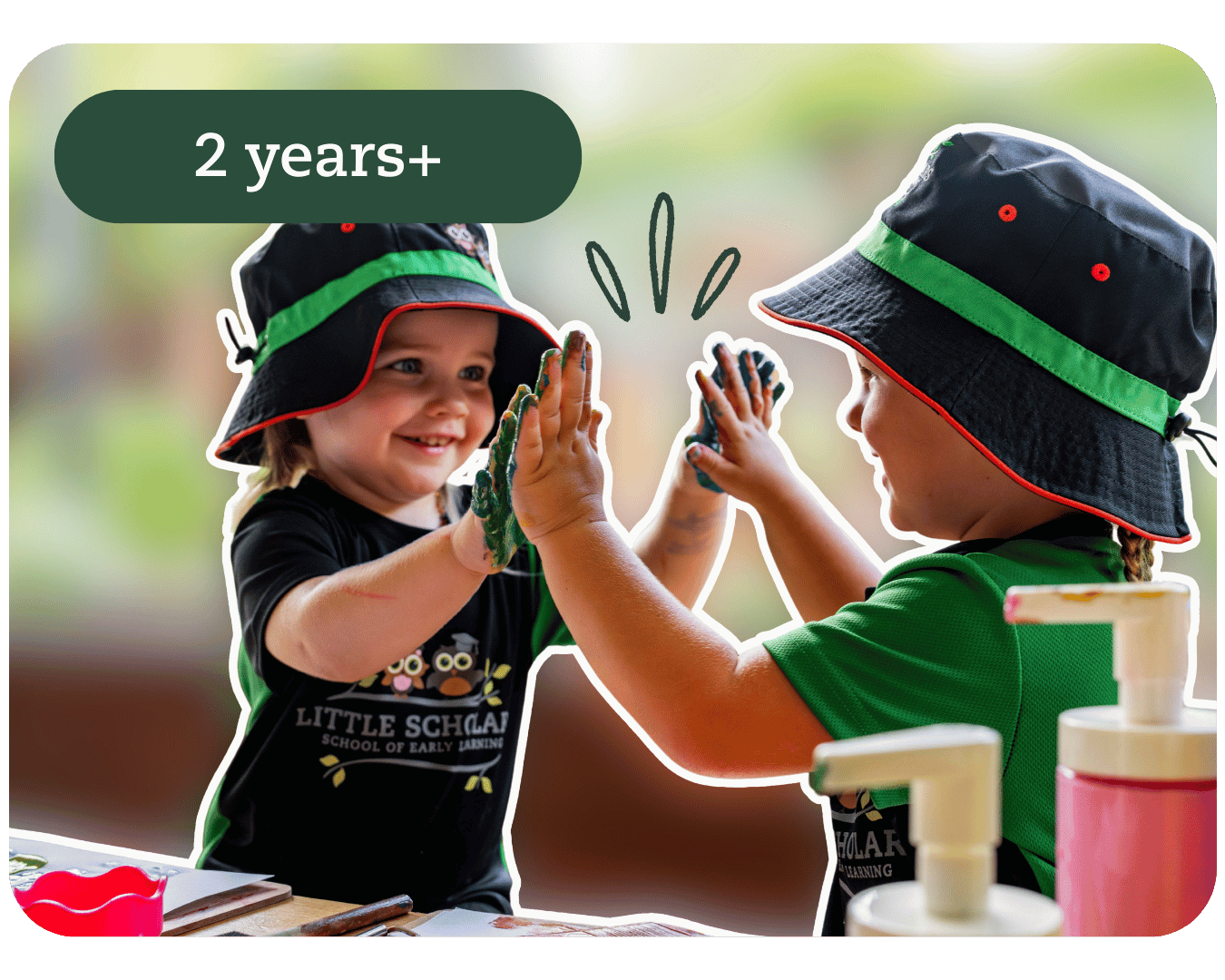
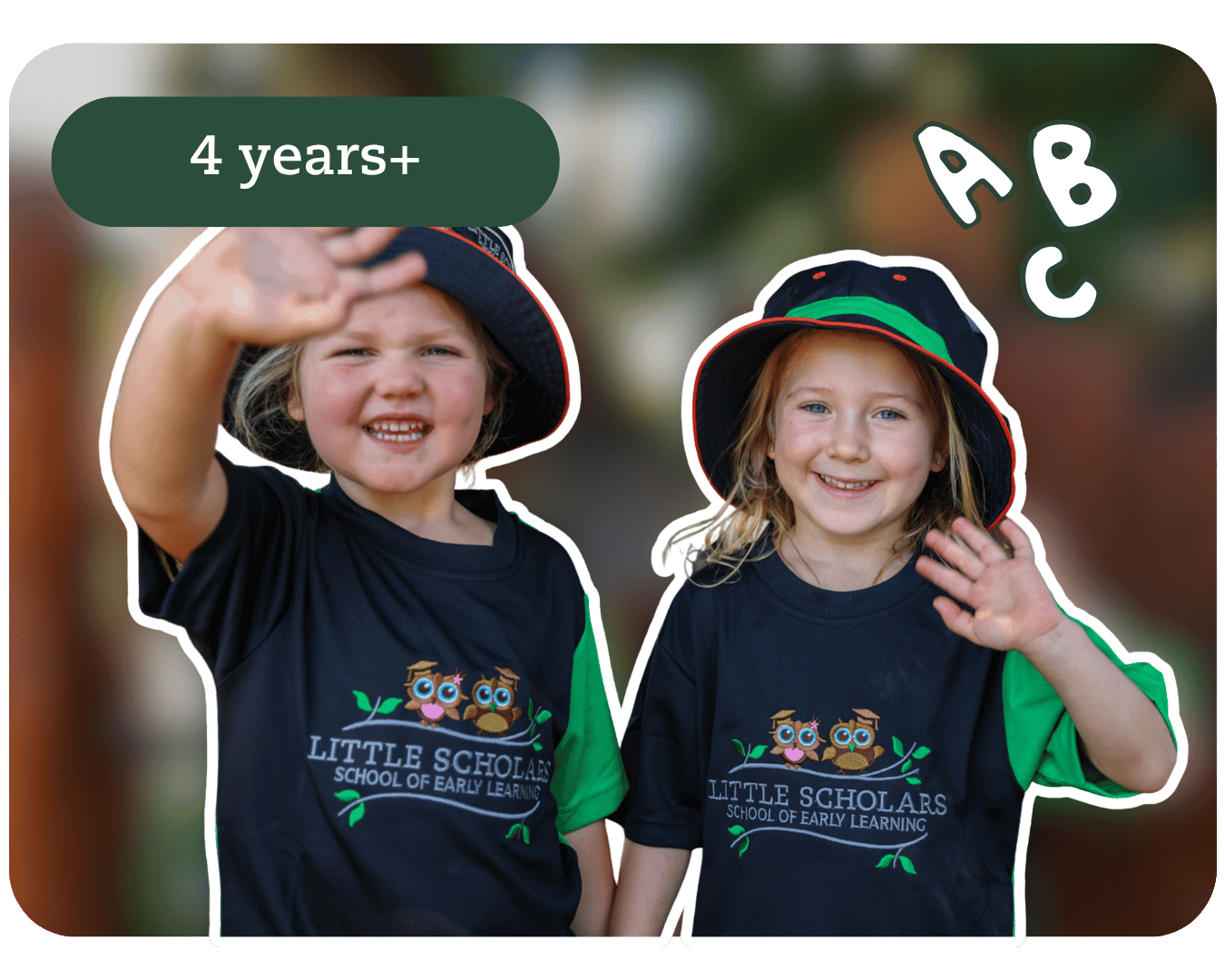
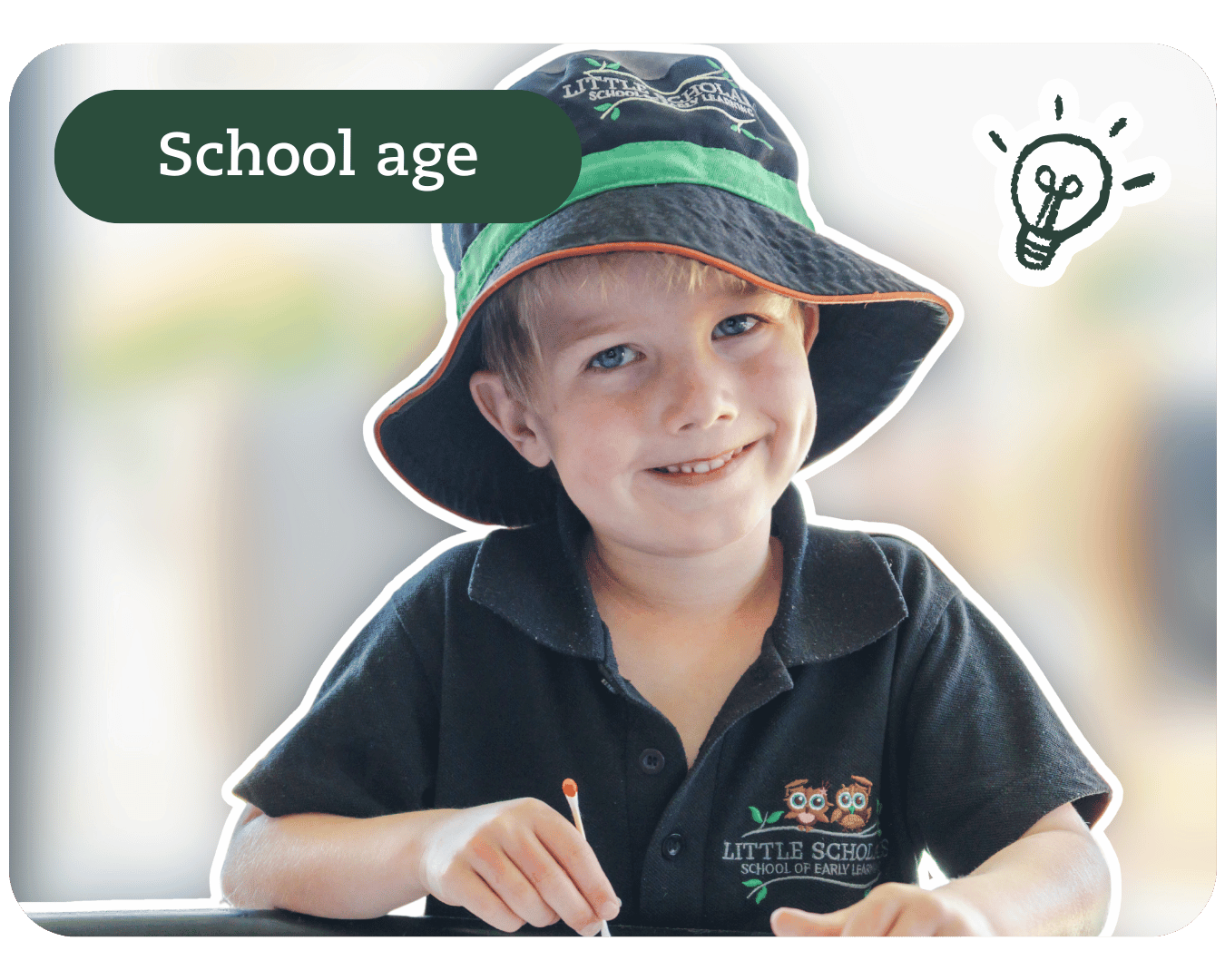
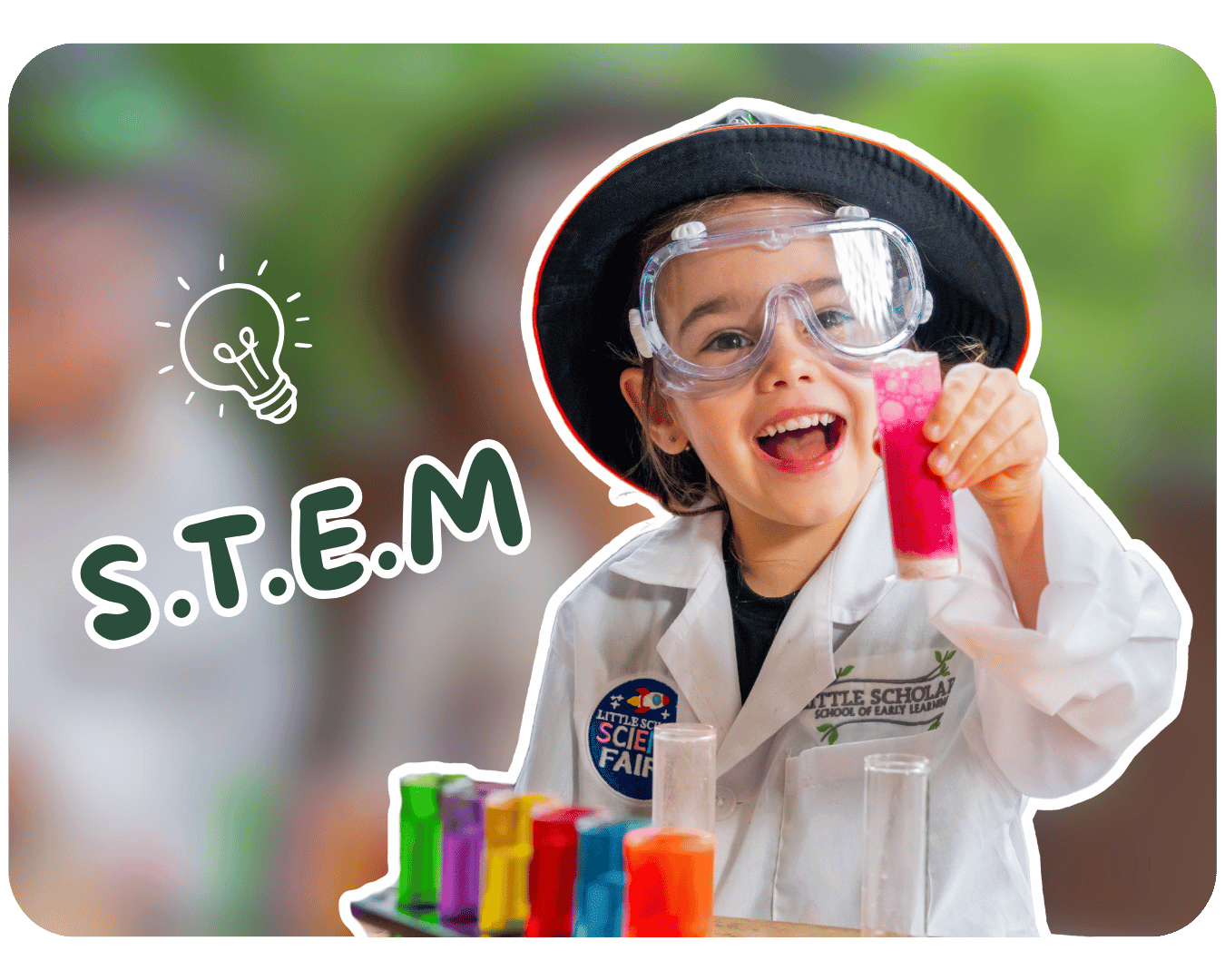
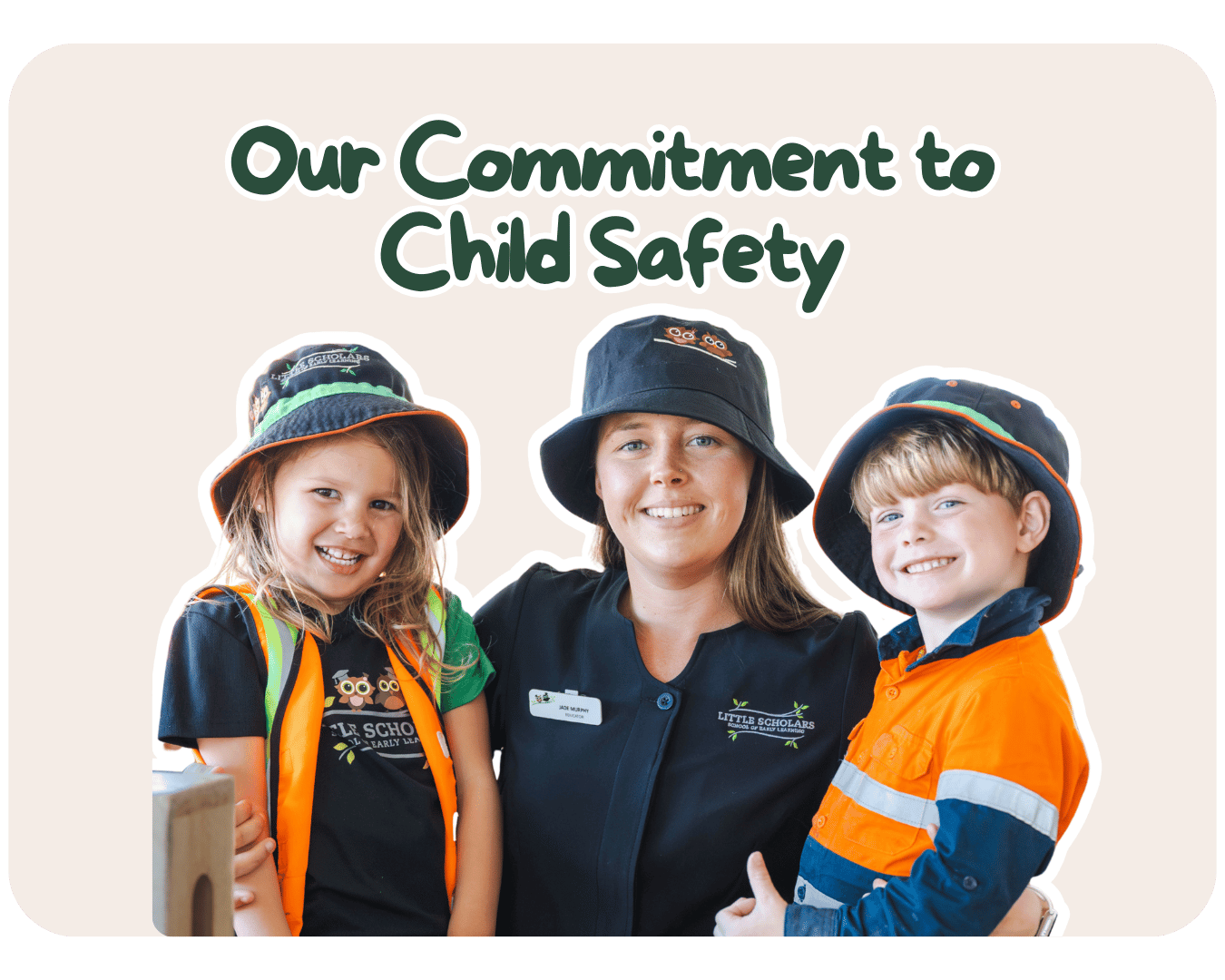
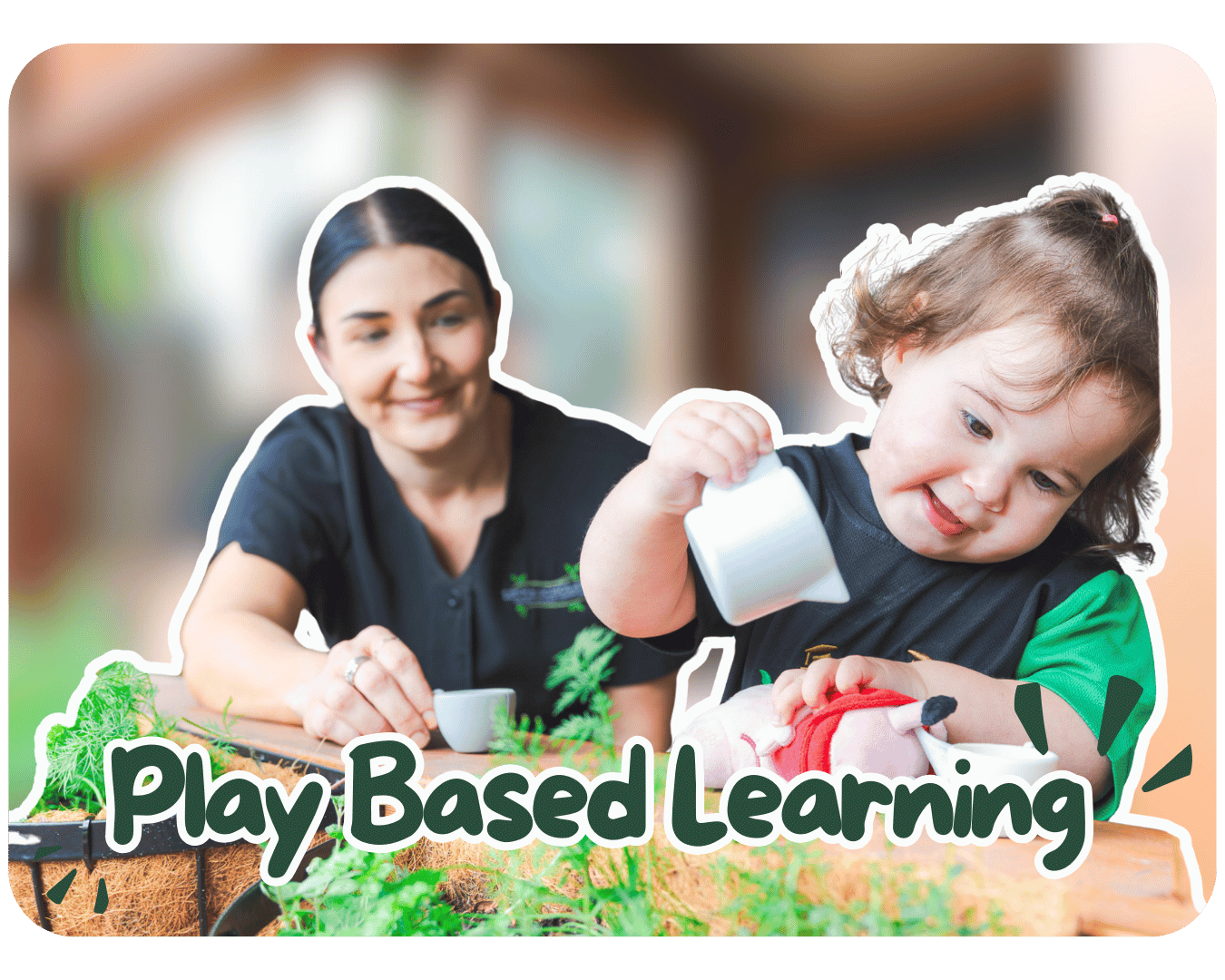
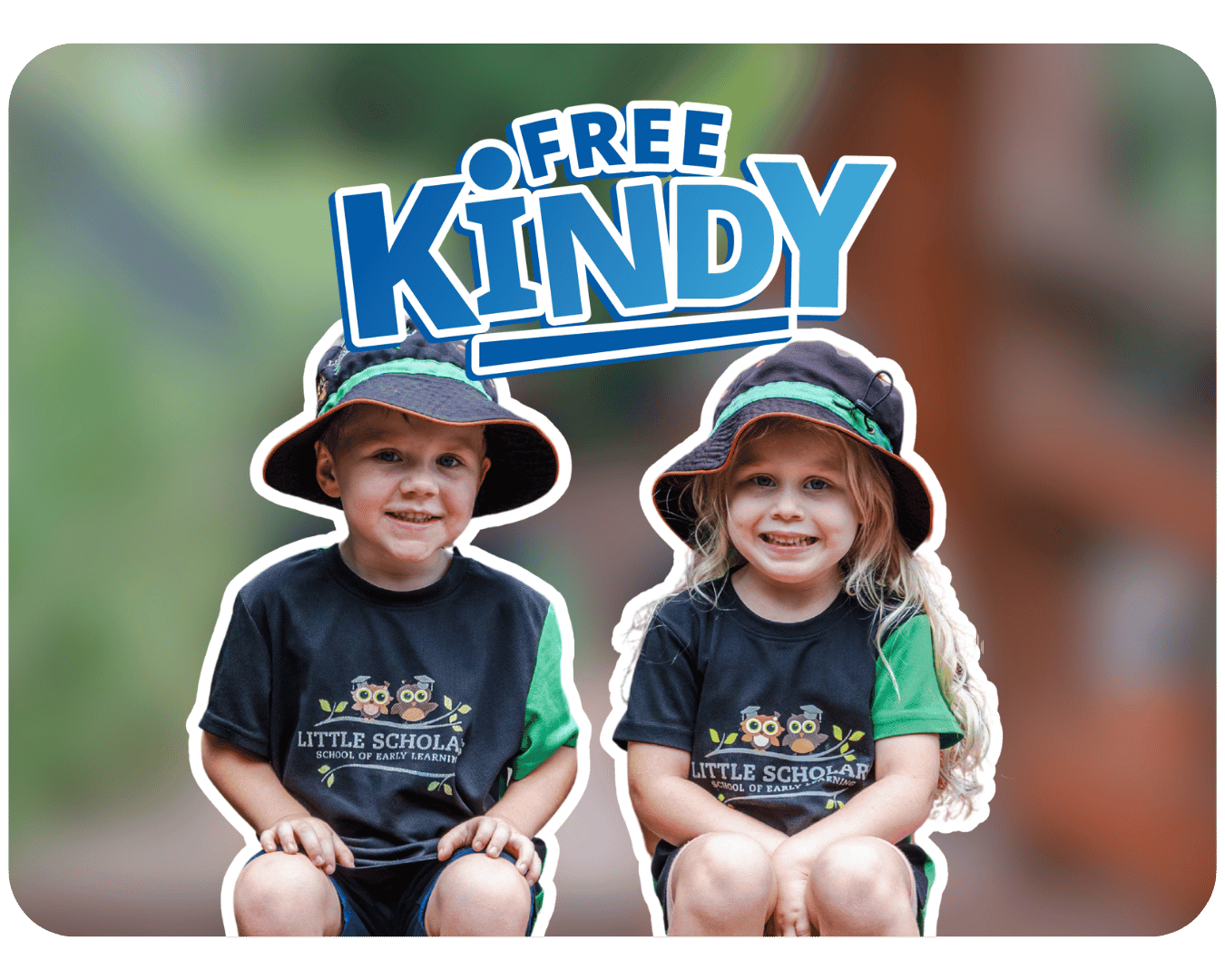
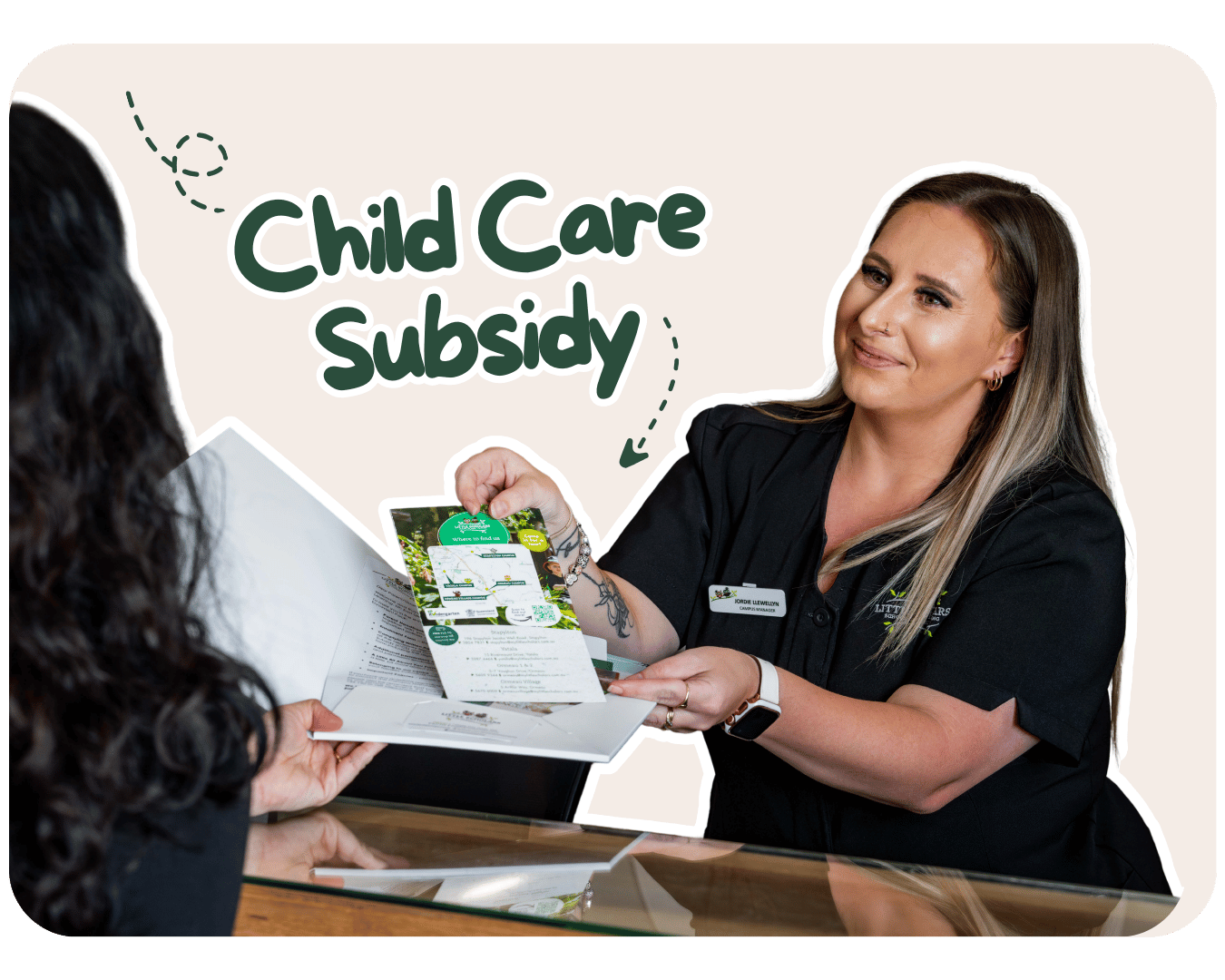
As a parent, you may be asking yourself, “Is my child ready to start school next year?” “Should I delay prep?” “How do I know if my child is ready for big school?”
Starting school is a big milestone — for children and families. While age often guides the conversation, true school readiness is about much more than a birthday.
In Queensland, families have flexibility when it comes to starting Prep, and understanding your child’s individual development can help you make the best decision for their learning journey.
In Queensland, children are eligible to start Prep in the year they turn five by 30 June. However, school doesn’t become compulsory until six years and six months, meaning families can choose to delay Prep if they feel their child would benefit from more time to grow and develop.
This flexibility recognises something important: every child develops at their own pace.
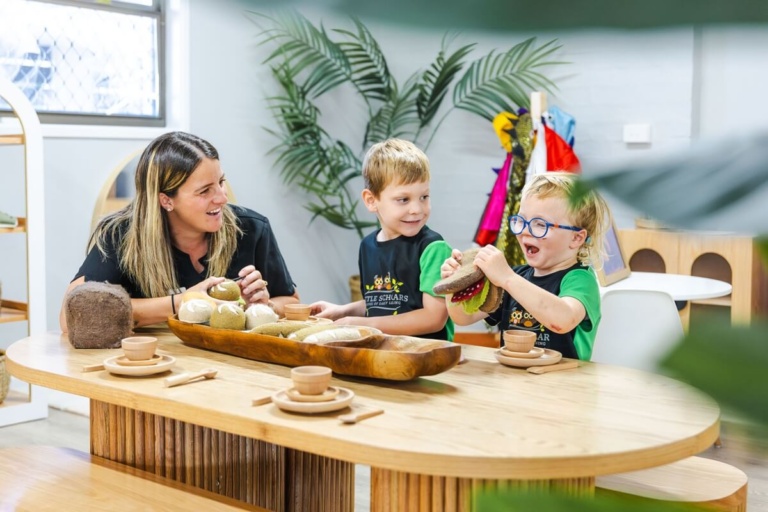
School readiness isn’t just about knowing letters, numbers or how to write their name. While early literacy and numeracy are valuable, research shows that a child’s ability to thrive at school depends largely on their social and emotional development.
Key school readiness skills include:
These skills help children feel secure, capable and ready to engage with learning once they begin school.
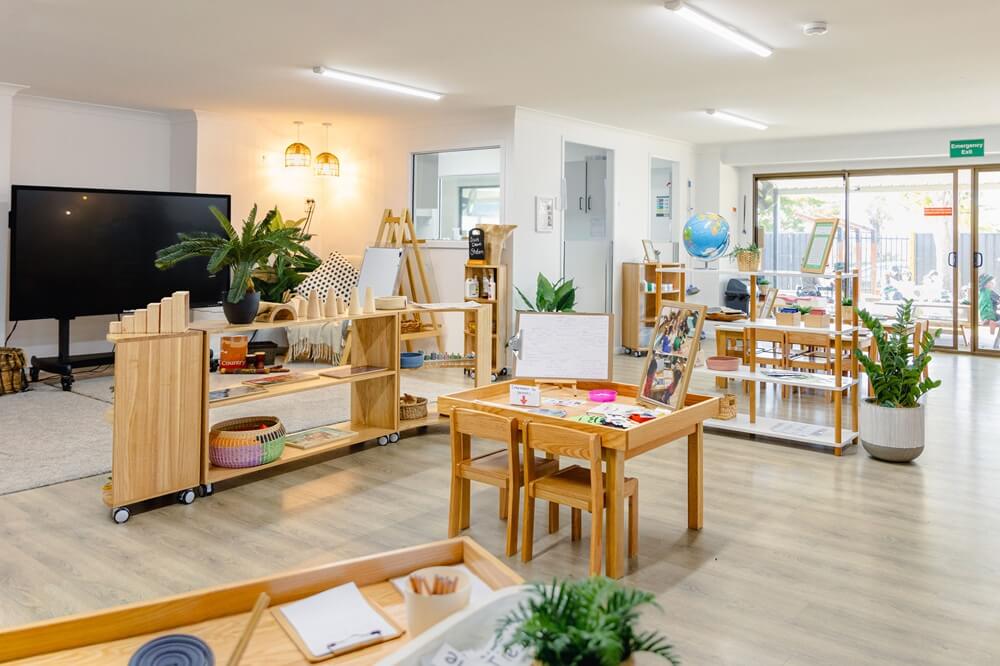
High-quality early learning plays a vital role in supporting school readiness. In a nurturing and structured environment, children develop essential skills gradually and naturally through play, relationships and meaningful experiences.
At Little Scholars School of Early Learning, our kindergarten programs are thoughtfully designed to support each child’s individual journey. We focus on:
Our qualified early childhood teachers (ECT’s) and educators work closely with families to ensure children feel supported, understood and prepared for their next step — whether that’s starting Prep soon or taking a little more time.
If you’re beginning to think about Prep or wondering whether your child is truly school-ready, you don’t have to navigate it alone. Little Scholars is here to support your family every step of the way.
Families may also be eligible for Free Kindy in Queensland, giving children the opportunity to participate in a high-quality kindergarten program while building the confidence, social skills and emotional readiness needed for a smooth transition to school.
Feel free to book a tour or chat with our team to learn more about our kindergarten programs and how we can support your child’s confidence, development and readiness for school.
For many parents, walking into a childcare centre for the first time comes with a mix of nerves, hope and a hundred questions. During a tour at Little Scholars, something important usually happens – families start to picture their child here, happy, settled and thriving. That is often the moment they understand why 9 out of 10 parents who visit our campuses decide to enrol.
Here’s what parents tell us makes all the difference.
One of the first things families notice is how personal the experience is.
During every tour, our educators ask about each child’s interests, comfort items, allergies, routines and quirks — not out of obligation, but because we want to understand who your little one is before they even start.
Little Scholars is intentionally built around a warm, community feel. Parents tell us it feels like an extension of their family: educators who remember children’s favourite stories, who celebrate milestones, and who build relationships with parents from day one.
It’s that sense of belonging that makes the very first drop-off a little easier.
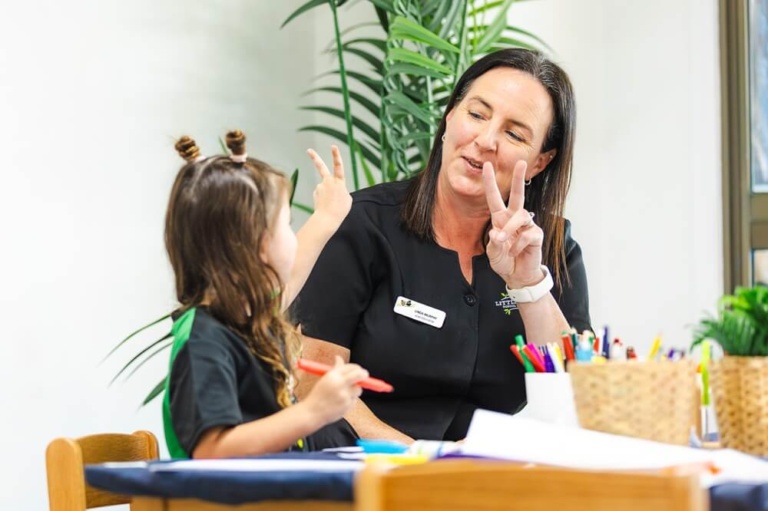
Our philosophy is simple: children learn best through play, exploration, imagination and real-world experiences.
Across our Gold Coast, Brisbane, Ipswich and Redland Bay campuses, children enjoy:
Parents consistently tell us these are the things that set Little Scholars apart and make early learning feel meaningful.
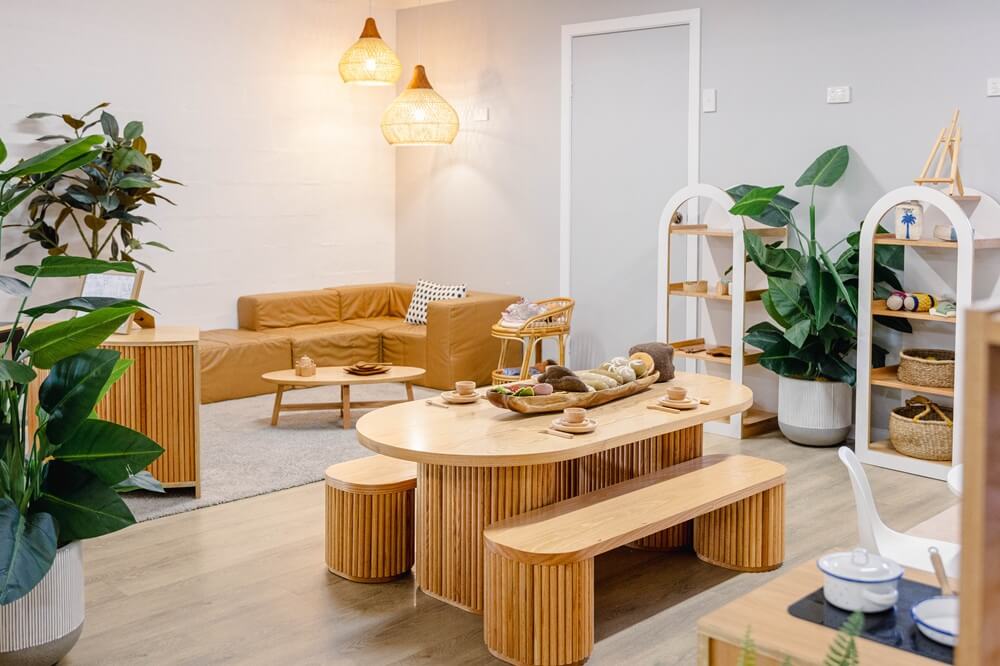
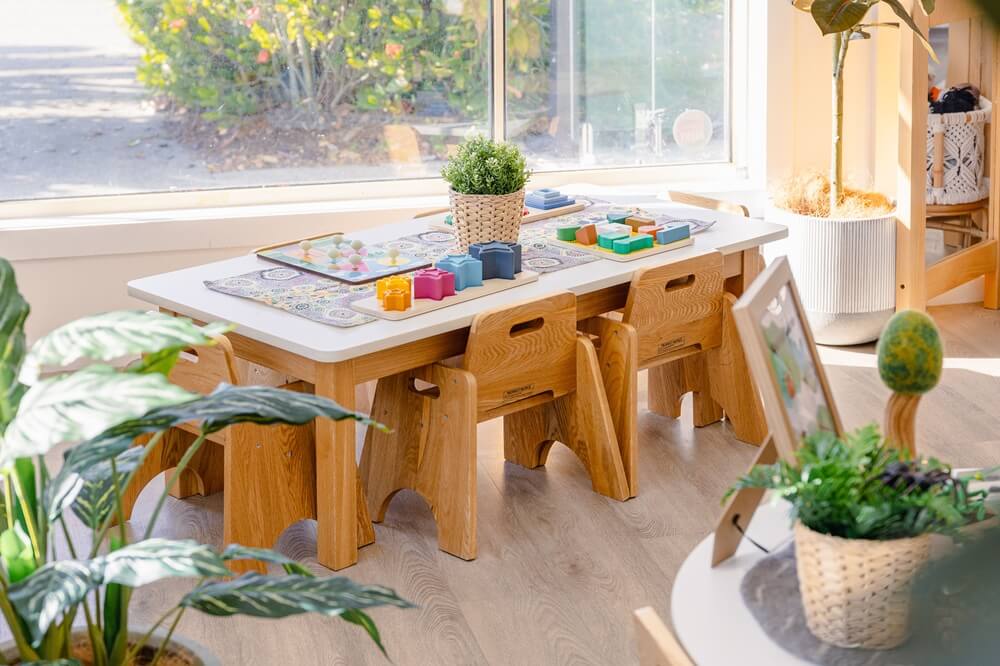
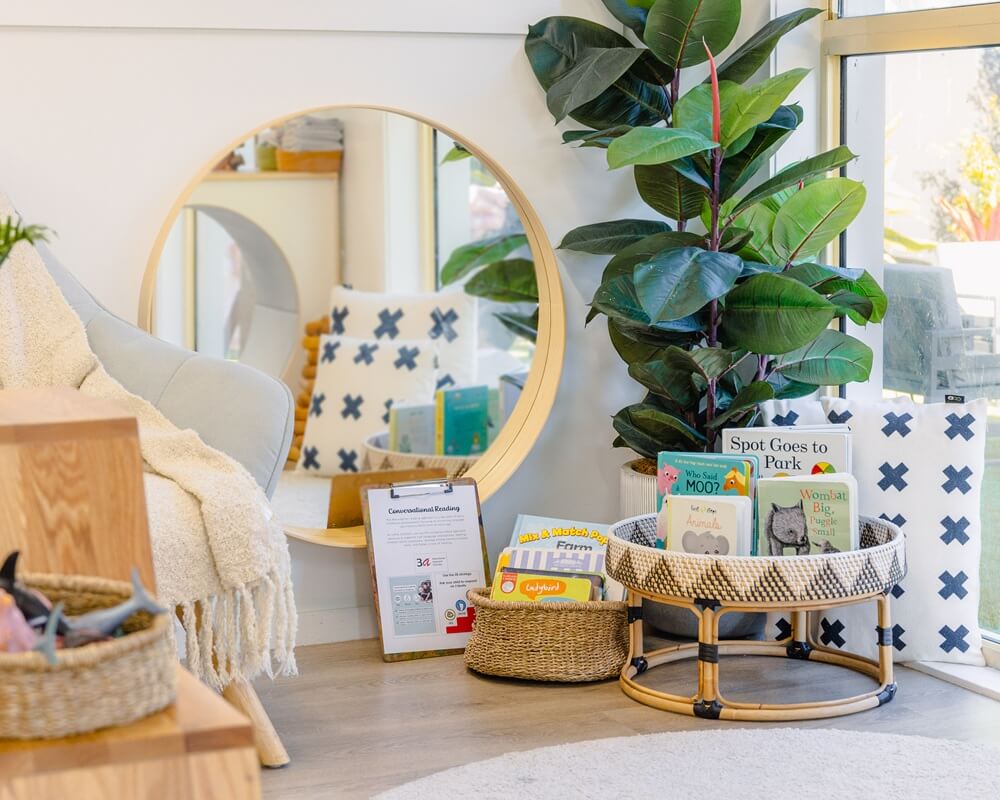
A tour gives families a true feel for our campuses: the learning environments, the natural materials, the artwork created by children, the soft lighting and the open-ended, nature-inspired play spaces.
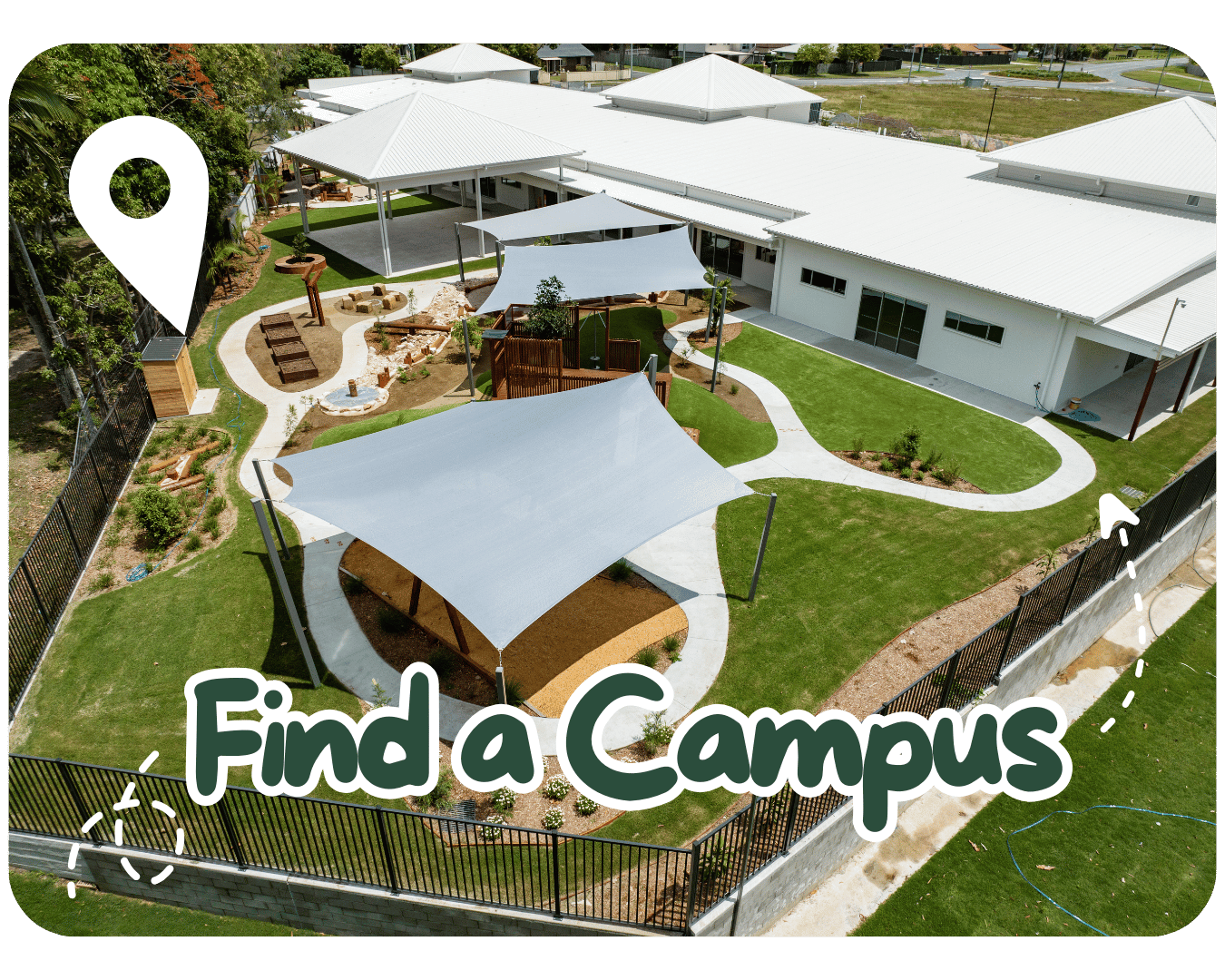
Outdoors, you’ll find large shaded areas, sand pits, climbing structures, gardens and spaces thoughtfully designed for curiosity and safe risk-taking.
Behind the scenes, we take safety seriously:
Parents consistently tell us our environments “just feel right” — clean, calm and full of possibility.
One of the biggest surprises for new families is how much is included in our daily nutrition program.
With seasonal meals prepared fresh by our in-house chefs, a typical day might include:
Parents love that Little Scholars removes the pressure of meal prep — and that their children are trying (and loving!) new foods every day.
We know parents are juggling a lot, so our support extends well beyond the classroom.
Across our campuses, families have access to a “village” of services and supports, including:
Families tell us this makes childcare feel easier, more connected, and more supportive of their lifestyle and work commitments.
One of the most common things we hear from our Kindergarten parents is “I can’t believe how ready they were.”
Our school readiness program builds independence, emotional resilience, social confidence and foundational literacy and numeracy skills — all embedded in hands-on, play-based experiences.
We’ve seen children who once struggled with separations now walking confidently into Prep with their friends. We’ve watched quieter children find their voice, and energetic children channel their curiosity into problem-solving and teamwork.
These are the moments families remember most.

Our educators support gentle, consistent routines and communicate closely with you. Most children adjust far more quickly than parents expect. We’ve written a blog on our tips and tricks for dealing with separation anxiety so be sure to check it out!
We encourage you to visit, ask questions, meet the educators and see the environment firsthand. Transparency and open communication are core to how we operate.
We offer a variety of options that can be tailored to meet the individual needs of every child, however you’ll find that within our relaxed, shared mealtimes, even the fussiest of eaters are often trying new foods!
We’d love to welcome you to your nearest Little Scholars campus.
Your child’s early years matter, and Little Scholars is here to make them extraordinary.
Preparing to welcome your baby is an exciting journey. While there’s so much to plan, joining a childcare waitlist early for premium centres like Little Scholars School of Early Learning is one important step many expectant mothers overlook. High-quality childcare spots fill up quickly, so registering your interest early for your baby’s place means peace of mind and may result in more choice when it comes time to start care.
With demand high for premium childcare centres, families often join waitlists during pregnancy to avoid long waits and limited options after birth. Getting on the waitlist early means you may have greater flexibility with start dates and days, helping you plan your return to work or lifestyle with confidence.
Important note: Joining a waitlist does not guarantee a childcare spot. It simply registers your interest and puts your child on a list to be considered when a position becomes available. The guarantee depends on factors such as the centre’s capacity, educator-to-child ratios, and demand in your area.
The safest time is as early as possible — for many families, this means during pregnancy or shortly after birth. Infant and toddler spaces are often the hardest to secure in high-demand locations. Here’s a general guide:
Wait times may depend on several factors, including:
At Little Scholars, our nursery program feels like a home away from home, offering:
At Little Scholars, we believe every child deserves the best start, and every parent deserves peace of mind. Registering your child on our waitlist early ensures your family is considered when a place becomes available, helping you plan with confidence.
As a parent, you want your child to love learning, feel confident, and explore the world safely. At Little Scholars School of Early Learning, we believe the best way to achieve this is through play-based learning, the heart of our philosophy that guides everything we do for children aged 0–5 years.
Play-based learning is more than just fun. It’s a research-backed approach where children learn by exploring, experimenting, and engaging with their environment. Through play, children develop essential skills that lay the foundation for lifelong learning, including:
Problem-solving, creativity, and curiosity
Communication, collaboration, and empathy
Self-regulation, confidence, and resilience
Fine and gross motor development
Play allows children to take charge of their learning, following their interests and building confidence as capable learners.
At Little Scholars, our educators create rich, stimulating environments that encourage exploration and discovery. Every activity is designed to connect with child development while keeping learning fun and hands-on.
Children can:
Our approach blends guided play with child-led discovery, allowing children to learn at their own pace while reaching developmental milestones.
Unlike traditional early learning settings, we view children as active contributors to their own learning. Instead of passive instruction, we encourage children to ask questions, experiment, and solve problems, fostering independence and curiosity from a young age.
Our educators act as partners in exploration, observing interests, asking open-ended questions, and providing materials that extend learning naturally. This ensures that every moment of play is also a meaningful learning experience.
Children who engage in play-based learning develop:
At Little Scholars, we’re proud to offer an environment where play and learning go hand in hand, shaping curious, capable, and joyful children.
Give your child the gift of exploration, curiosity, and confidence. Book a tour and visit your local Little Scholars School of Early Learning campus to see how our play-based philosophy helps children aged 0–5 grow, learn, and thrive.
At Little Scholars School of Early Learning, we believe sport in early childhood education plays a vital role in helping children thrive beyond the classroom. For children under five, movement, play, and physical activity aren’t just fun—they’re essential building blocks for healthy development, both physically and mentally.
Whether it’s running on the grass, kicking a ball, playing group games, or exploring the outdoors, physical activity lays the foundation for so many important life skills.
Here’s how sport and movement shape young learners:
For little ones, physical activity helps build essential gross motor skills like balance, coordination, and strength. These are the building blocks for everything from climbing and jumping to writing and self-care. Encouraging movement early on sets children up for physical confidence and lifelong health.
Sport is a powerful tool for brain development. Activities that involve movement also engage memory, attention, and cognitive flexibility. By learning to follow instructions, stay focused, and solve problems through play, children sharpen their thinking skills in natural, joyful ways.
Sport teaches children how to take turns, cooperate with others, and manage big emotions—like frustration, excitement, and even disappointment. Through group games and team play, young children learn empathy, communication, and how to build positive relationships.
Each little achievement—whether it’s catching a ball or trying something new—boosts a child’s self-esteem. Physical play provides ongoing opportunities to succeed, fail, try again, and grow. This builds resilience and a healthy mindset for the challenges ahead.
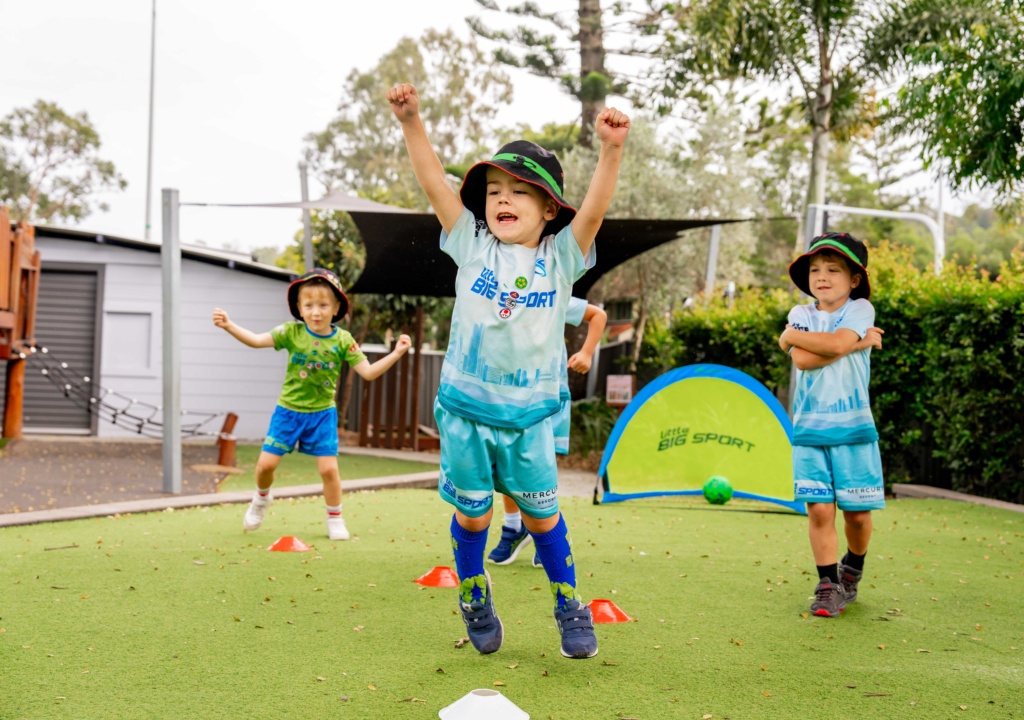
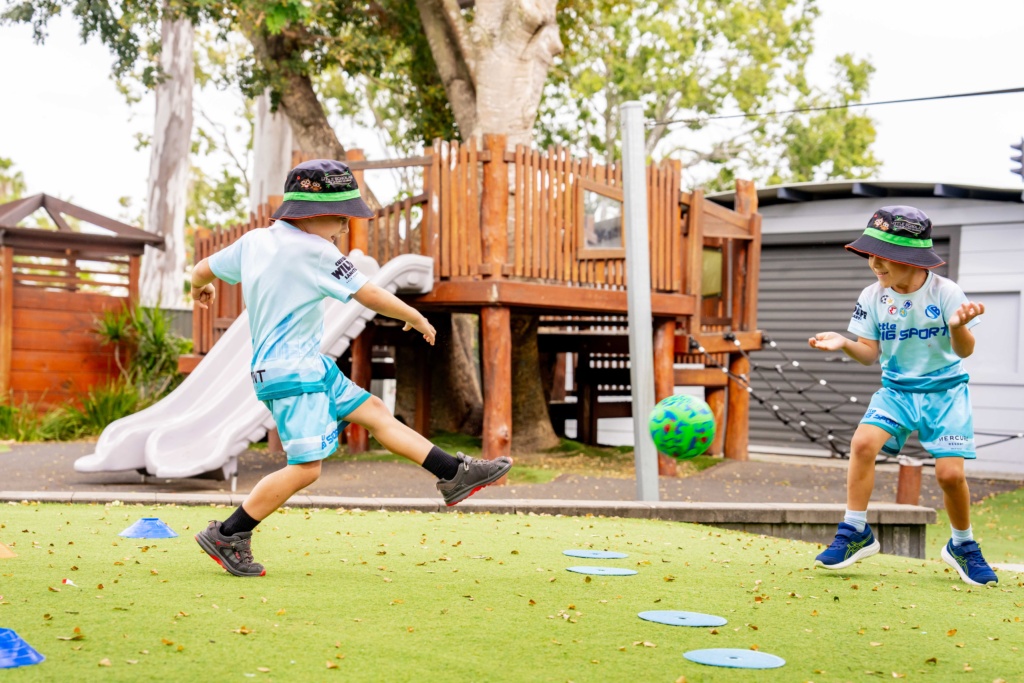
At Little Scholars, movement and sport are a vital part of our play-based curriculum. We also offer a diverse range of exciting extra-curricular activities that enhance learning, creativity, and physical development including dance, soccer, swimming, and more.
These programs are integrated into your child’s week, offering them diverse opportunities to explore their interests, stay active, and develop new skills—all while having fun.
At Little Scholars, our love for active learning goes beyond our centres. We’re proud sponsors of local sporting clubs including the Ormeau Bulldogs AFL and Gold Coast North Netball, supporting grassroots sport and the families in our communities.
With 17 purpose-built campuses across the Gold Coast, Brisbane, Redland Bay and Ipswich, Little Scholars offers environments designed to inspire curiosity, confidence, and growth – both in the classroom and on the playground.
Ready to learn more? Book a tour today and discover how our programs support whole-child development from the very beginning.
Everything you need to know about how Australia’s early childhood framework guides the way your child learns, grows, and thrives, explained in plain English.
The Early Years Learning Framework or EYLF is Australia’s national standard for early childhood education and care. Its full name is Belonging, Being and Becoming: The Early Years Learning Framework for Australia.
Developed by the Australian Government and released in 2009 (with a major update to V2.0 in 2022), the EYLF applies to all approved childcare and early education settings for children from birth to five years of age. It sits under Australia’s National Quality Framework (NQF) and is the foundation against which services are assessed by ACECQA.
The framework doesn’t dictate a specific program or curriculum. Instead, it gives educators a shared foundation of principles, practices, and learning outcomes to guide the experiences, environments, and relationships they create for children. The goal is a consistent, high-quality early education across every approved childcare centre in Australia.
The 2022 update expanded the EYLF's principles from 5 to 8, strengthened language around sustainability, critical reflection, and collaborative leadership, and updated practices to reflect contemporary research in early childhood pedagogy. If your child's centre was enrolled before 2023, their approach has been updated to reflect V2.0.
At the heart of the EYLF are three interconnected concepts that describe how children experience the world. These pillars aren’t stages, they exist simultaneously in every child’s life.
Children develop a sense of belonging through their relationships — with family, educators, peers, and the broader community. When children feel they belong, they feel secure, confident, and connected enough to learn and explore. Belonging is the foundation all other development is built on.
Being recognises that childhood is a valuable time in its own right — not just preparation for school. Children deserve time to simply be: to play, to wonder, to form friendships, and to experience the present moment fully. High-quality early childhood education honours this.
Becoming is about growth, change, and the development of identity over time. Every experience a child has — every relationship, challenge, and discovery — shapes who they are becoming. The EYLF asks educators to see and support each child’s unique developmental journey.
EYLF principles are the core beliefs that underpin everything educators do. They reflect contemporary research, ethical practice, and what we know about how children learn best. EYLF V2.0 expanded these from 5 to 8 principles.
Children learn best when they feel safe, valued, and emotionally connected. Warm, consistent relationships with educators are the single most important factor in quality early learning. This principle places relationship-building at the centre of every interaction.
Educators and families share responsibility for children’s learning and development. Genuine partnerships — built on communication, trust, and mutual respect — strengthen outcomes for children. Parents are considered the first and most important educators in a child’s life.
Every child has the capacity to succeed. This principle calls on educators to hold high expectations for all children regardless of background, ability, or circumstance, and to actively work to remove barriers to participation and achievement.
Australia’s children come from diverse families, cultures, and communities. Educators respect and value this diversity including Aboriginal and Torres Strait Islander ways of knowing and being, and reflect it in their programs and environments.
High-quality educators are always learning. This principle commits educators to continuous professional development, critical self-reflection, and staying current with early childhood research. It’s what separates good care from exceptional early education.
Added in EYLF V2.0, this principle encourages educators to examine their own assumptions, values, and practices with rigour. Critical reflection goes beyond routine self-assessment — it challenges educators to question why they do what they do and whether it truly serves every child.
Also new in V2.0, this principle recognises that children’s futures are shaped by the health of the planet and their communities. Educators integrate sustainability into everyday learning — helping children develop a sense of environmental responsibility from the earliest years.
Quality early education is a shared endeavour. This principle values leadership at every level — from the director to each educator — and recognises that when teams learn and grow together, children’s outcomes improve. A collaborative culture underpins a high-performing centre.
If principles describe what educators believe, practices describe what they do. These are the pedagogical strategies and teaching approaches that bring the EYLF to life in the learning environment every day.
Children’s development across physical, social, emotional, and cognitive domains can’t be separated. Educators take a whole-child approach — recognising that a child who feels loved and safe learns more than one who doesn’t, and that physical play builds cognitive skills as much as desk-based activities.
Skilled educators read children closely — their moods, interests, cues, and emerging ideas — and adapt in real time. Responsiveness builds trust, deepens engagement, and ensures each child’s experience is attuned to who they are right now, not a one-size-fits-all program.
Play is the primary vehicle for learning in the early years. Through play, children experiment, imagine, problem-solve, build social skills, and develop language. The EYLF recognises both structured and unstructured play as essential — leisure and downtime are as valuable as directed learning.
Great early childhood educators don’t just supervise — they teach with purpose. Intentional teaching means making deliberate decisions about experiences, language, questions, and provocations to extend children’s thinking and scaffold their development toward meaningful goals.
The physical and emotional environment of a centre is itself a teacher. Educators design spaces — indoors and outdoors — that invite curiosity, support risk-taking, reflect children’s identities, and promote independence. A well-designed learning environment makes quality learning happen more naturally
Educators actively incorporate children’s cultural backgrounds, languages, and family practices into their programs. Cultural responsiveness goes beyond celebrating events — it means genuinely embedding diverse ways of knowing, being, and doing into everyday learning experiences.
Transitions — between rooms, between services, and into school — can be unsettling for children. Educators work proactively to ensure these transitions are smooth, supported, and built on shared knowledge of each child’s learning journey, reducing disruption and building confidence.
Ongoing observation, documentation, and assessment help educators understand where each child is in their learning, what’s working, and where to go next. Assessment in the EYLF is not about testing, it’s a reflective practice that informs planning and celebrates children’s progress.
Learning outcomes are the broad goals that the EYLF guides educators toward for every child aged birth to 5. They’re not milestones or checklists — they’re holistic developmental destinations that shape how educators plan, observe, and document learning.
Children develop confidence in who they are their strengths, their feelings, their family, and their place in the world. This outcome includes developing resilience, a positive sense of self, and the ability to make choices and act with increasing independence.
Children develop a sense of connection to their communities, the natural environment, and the wider world. They learn about their rights and responsibilities, develop empathy, and begin to understand their role as active participants in society.
Physical health, emotional wellbeing, and a sense of safety and comfort all contribute to this outcome. Children who feel well are better equipped to learn, form relationships, and navigate challenge. Wellbeing is both an outcome and a precondition for all other learning.
Children develop dispositions for learning, curiosity, creativity, persistence, and enthusiasm. They become willing to take on challenges, try new things, and engage deeply with experiences. This outcome lays the cognitive and motivational foundations for lifelong learning.
Communication encompasses verbal language, non-verbal expression, literacy, numeracy, and digital literacy. Children learn to express themselves, listen and respond, engage with stories and symbols, and use a growing range of tools and technologies to communicate and create.
Common questions about the EYLF from parents, educators, and childcare students.
At Little Scholars, the EYLF isn’t just compliance — it’s the foundation of everything we do across our 17 South East Queensland campuses. Our educators are trained to bring all 8 principles and 8 practices to life every day, in environments designed for children to genuinely thrive.
Everything you need to know about how Australia's early childhood framework guides the way your child learns, grows, and thrives — explained in plain English.
Quick Reference
The Early Years Learning Framework — or EYLF — is Australia's national standard for early childhood education and care. Its full name is Belonging, Being and Becoming: The Early Years Learning Framework for Australia.
Developed by the Australian Government and released in 2009 (with a major update to V2.0 in 2022), the EYLF applies to all approved childcare and early education settings for children from birth to five years of age. It sits under Australia's National Quality Framework (NQF) and is the foundation against which services are assessed by ACECQA.
The framework doesn't dictate a specific program or curriculum. Instead, it gives educators a shared foundation of principles, practices, and learning outcomes to guide the experiences, environments, and relationships they create for children. The goal is a consistent, high-quality early education across every approved childcare centre in Australia.
At the heart of the EYLF are three interconnected concepts that describe how children experience the world. These pillars aren't stages — they exist simultaneously in every child's life.
Children develop a sense of belonging through their relationships — with family, educators, peers, and the broader community. When children feel they belong, they feel secure, confident, and connected enough to learn and explore. Belonging is the foundation all other development is built on.
Being recognises that childhood is a valuable time in its own right — not just preparation for school. Children deserve time to simply be: to play, to wonder, to form friendships, and to experience the present moment fully. High-quality early childhood education honours this.
Becoming is about growth, change, and the development of identity over time. Every experience a child has — every relationship, challenge, and discovery — shapes who they are becoming. The EYLF asks educators to see and support each child's unique developmental journey.
EYLF principles are the core beliefs that underpin everything educators do. They reflect contemporary research, ethical practice, and what we know about how children learn best. EYLF V2.0 expanded these from 5 to 8 principles.
Children learn best when they feel safe, valued, and emotionally connected. Warm, consistent relationships with educators are the single most important factor in quality early learning. This principle places relationship-building at the centre of every interaction.
Educators and families share responsibility for children's learning and development. Genuine partnerships — built on communication, trust, and mutual respect — strengthen outcomes for children. Parents are considered the first and most important educators in a child's life.
Every child has the capacity to succeed. This principle calls on educators to hold high expectations for all children — regardless of background, ability, or circumstance — and to actively work to remove barriers to participation and achievement.
Australia's children come from diverse families, cultures, and communities. Educators respect and value this diversity — including Aboriginal and Torres Strait Islander ways of knowing and being — and reflect it in their programs and environments.
High-quality educators are always learning. This principle commits educators to continuous professional development, critical self-reflection, and staying current with early childhood research. It's what separates good care from exceptional early education.
Added in EYLF V2.0, this principle encourages educators to examine their own assumptions, values, and practices with rigour. Critical reflection challenges educators to question why they do what they do and whether it truly serves every child.
Also new in V2.0, this principle recognises that children's futures are shaped by the health of the planet and their communities. Educators integrate sustainability into everyday learning — helping children develop environmental responsibility from the earliest years.
Quality early education is a shared endeavour. This principle values leadership at every level — from the director to each educator — and recognises that when teams learn and grow together, children's outcomes improve.
Want to see these principles in action? Visit one of our 17 South East Queensland campuses.
Book a tourIf principles describe what educators believe, practices describe what they do. These are the pedagogical strategies and teaching approaches that bring the EYLF to life in the learning environment every day.
Children's development across physical, social, emotional, and cognitive domains can't be separated. Educators take a whole-child approach — recognising that a child who feels loved and safe learns more, and that physical play builds cognitive skills as much as anything else.
Skilled educators read children closely — their moods, interests, cues, and emerging ideas — and adapt in real time. Responsiveness builds trust, deepens engagement, and ensures each child's experience is attuned to who they are right now.
Play is the primary vehicle for learning in the early years. Through play, children experiment, imagine, problem-solve, and build social skills. Both structured and unstructured play are essential — leisure and downtime are as valuable as directed learning.
Great early childhood educators teach with purpose. Intentional teaching means making deliberate decisions about experiences, language, questions, and provocations to extend children's thinking and scaffold development toward meaningful goals.
The physical and emotional environment of a centre is itself a teacher. Educators design spaces — indoors and outdoors — that invite curiosity, support risk-taking, reflect children's identities, and promote independence.
Educators actively incorporate children's cultural backgrounds, languages, and family practices into programs. This means genuinely embedding diverse ways of knowing, being, and doing into everyday learning experiences.
Transitions — between rooms, services, and into school — can unsettle children. Educators work proactively to ensure transitions are smooth and built on shared knowledge of each child's learning journey.
Ongoing observation, documentation, and assessment help educators understand where each child is and where to go next. Assessment in the EYLF is not about testing — it's a reflective practice that informs planning and celebrates children's progress.
Learning outcomes are the broad goals that the EYLF guides educators toward for every child aged birth to 5. They're not milestones or checklists — they're holistic developmental destinations that shape how educators plan, observe, and document learning.
Children develop confidence in who they are — their strengths, their feelings, their family, and their place in the world. This includes developing resilience, a positive sense of self, and the ability to make choices and act with increasing independence.
Children develop a sense of connection to their communities, the natural environment, and the wider world. They learn about their rights and responsibilities, develop empathy, and begin to understand their role as active participants in society.
Physical health, emotional wellbeing, and a sense of safety and comfort all contribute to this outcome. Children who feel well are better equipped to learn, form relationships, and navigate challenges. Wellbeing is both an outcome and a precondition for all other learning.
Children develop dispositions for learning — curiosity, creativity, persistence, and enthusiasm. They become willing to take on challenges, try new things, and engage deeply with experiences. This outcome lays the cognitive and motivational foundations for lifelong learning.
Communication encompasses verbal language, non-verbal expression, literacy, numeracy, and digital literacy. Children learn to express themselves, listen and respond, engage with stories and symbols, and use a growing range of tools to communicate and create.
Common questions about the EYLF from parents, educators, and childcare students.
At Little Scholars, the EYLF isn't just compliance — it's the foundation of everything we do across our 17 South East Queensland campuses. Our educators bring all 8 principles and 8 practices to life every day, in environments designed for children to genuinely thrive.
Parents spend countless hours trying to make sure their kids are behaving, eating their dinner, and doing their homework. But how often do we take the time to focus on how to boost your child’s confidence?
Yes, most kids are far more interested in the eating rather than the preparing of foods, but you’ll be surprised by how much one experience can turn things around. One morning we asked our son to be the “assistant chef” when we were preparing blueberry pancakes. Many mornings later, he now often insists on being involved in the kitchen, and he’s always incredibly proud of the end product.
Like adults, kids want to be taken seriously. When they get the sense they’re being mocked (or laughed at, to their face), their instinct is to get angry, shut down, and not share more ideas for fear of more of the same treatment. After all, kids naturally see the world through a different lens than we do. You might be surprised what you hear once you show your child that you’re listening and that you take their ideas seriously.
My 6-year-old expressed a legitimate interest in football, so I invited him to come with me to a friend’s Super Bowl party. No other children were coming, and I made him aware of that. He hesitated for a moment, but then agreed to join me. At the party, it was clear he wasn’t completely comfortable and was unsure how to act, especially since he only knew me and the host. But after a while, he was talking about “Star Wars” and lounging on the couch like one of the guys. The only way to establish a level of comfort is to first experience discomfort.
While I don’t believe in forcing your own personal interests or hobbies on your children, playing an instrument yields too many positive results for it to be ignored. Once they’ve reached an age where they’re dextrally and mentally capable, learning to play an instrument not only relieves stress (yes, kids have stress, too) but it can also boost self-esteem in a major way.
Yes, most kids are far more interested in the eating rather than the preparing of foods, but you’ll be surprised by how much one experience can turn things around. One morning we asked our son to be the “assistant chef” when we were preparing blueberry pancakes. Many mornings later, he now often insists on being involved in the kitchen, and he’s always incredibly proud of the end product
I’m not talking about giving them a gold star every time they eat a carrot. I’m not an “every kid gets a trophy” believer. But in my experience, children react favorably to receiving praise for going above and beyond—naturally, anyone does. However, it’s even more important to show children that extra effort will yield benefits in order to instill the idea within them that they’re capable of greatness and that hard work pays dividends.
Very little empowers a child more than having them believe they know something you don’t. A beginner’s card trick, a scale on the piano, or anything that positions them as the subject matter expert will work. Encourage them to share their knowledge (without bragging) with you and others. Odds are they’ll be brimming with confidence with their head held high.
I’ve found that most people don’t think they’re creative because they were never encouraged to be. I once overheard my wife reading to my son, and she stopped turning the pages and simply asked him, “What do you think should happen next?” His eyes lit up. Simple questions like this are what awaken a part of the brain that might otherwise sit dormant.
This one seems intuitive, but often gets overlooked. Whether we know it or not, we’re our child’s most pronounced role model. So, how can we expect our kids to have confidence when we’re the ones they look up to and we don’t even have it?
If you have a 7-year-old who recently started throwing a fit every time you make eye contact with her, odds are it’s for a reason. The easy, instinctive thing to do is to punish her and be done with it. The more forward-thinking approach also includes sitting down afterward to talk and figuring out the exact reason for the anger (or what I like to call “The Danny Tanner Method,” you know, from “Full House”?). It lets them know you’ll actually listen to them, which provides a certain stability within a household that children need in order to feel secure.
While success is pretty easy to deal with, learning to cope with failure is no easy task, especially when you’re not used to it. And in order to get used to it, you simply have to experience it, time and time again. It doesn’t come naturally to me, but I let my kids fail sometimes—while trying to build Legos or attempting to ride a bike without training wheels. It may anger them at first, but as Ann Landers said, “It’s not what you do for your children, but what you have taught them to do for themselves that will make them successful human beings.”
Wondering how Little Scholars can help boost your child’s confidence? Contact us today for more information.
Wondering how Little Scholars can help boost your child’s confidence? Contact us today for more information.
Did you know that Little Scholars School of Early Learning has over 900 square metres of real manicured grass for Children to enjoy?
Gross Motor development and engage with nature and the environment. Here are some pics without any equipment set up so you can see just how much space we have…
Not many centres on the Gold Coast offer this much natural play space. To book a Centre Tour call Tayla on 3287 4466.
Let us hold your hand and help looking for a child care centre. Leave your details with us and we’ll be in contact to arrange a time for a ‘Campus Tour’ and we will answer any questions you might have!
"*" indicates required fields
Let us hold your hand and help looking for a child care centre. Leave your details with us and we’ll be in contact to arrange a time for a ‘Campus Tour’ and we will answer any questions you might have!
"*" indicates required fields
Fill in the form to join your local Pram Pals mums and bubs walk