The Benefits of Sensory Play for Babies and Toddlers: Why It Matters More Than You Think
When you think of sensory play, you might picture messy playdough or rice bins — but there’s so much more to it! Contrary to popular belief, sensory play isn’t just for children who need extra support with development or social skills. In fact, all children benefit from sensory activities, no matter their age or abilities.
At Little Scholars, we believe sensory play is one of the best ways for children to learn, grow, and explore their world — all through touch, sound, smell, sight, and movement.
What is Sensory Play?
Sensory play refers to any activity that engages your child’s senses — touch, sight, smell, taste, hearing, and even their internal senses like balance and body awareness.
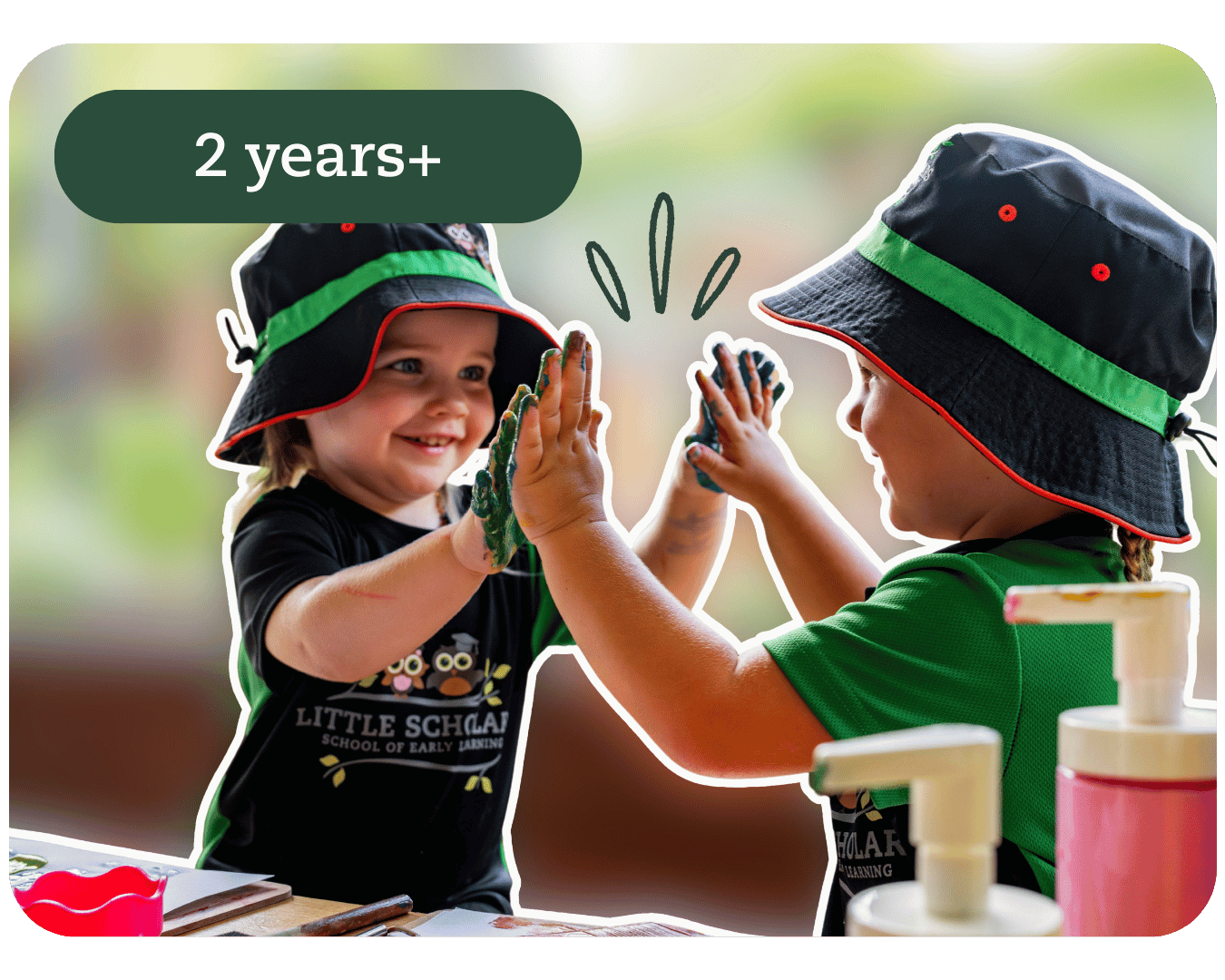
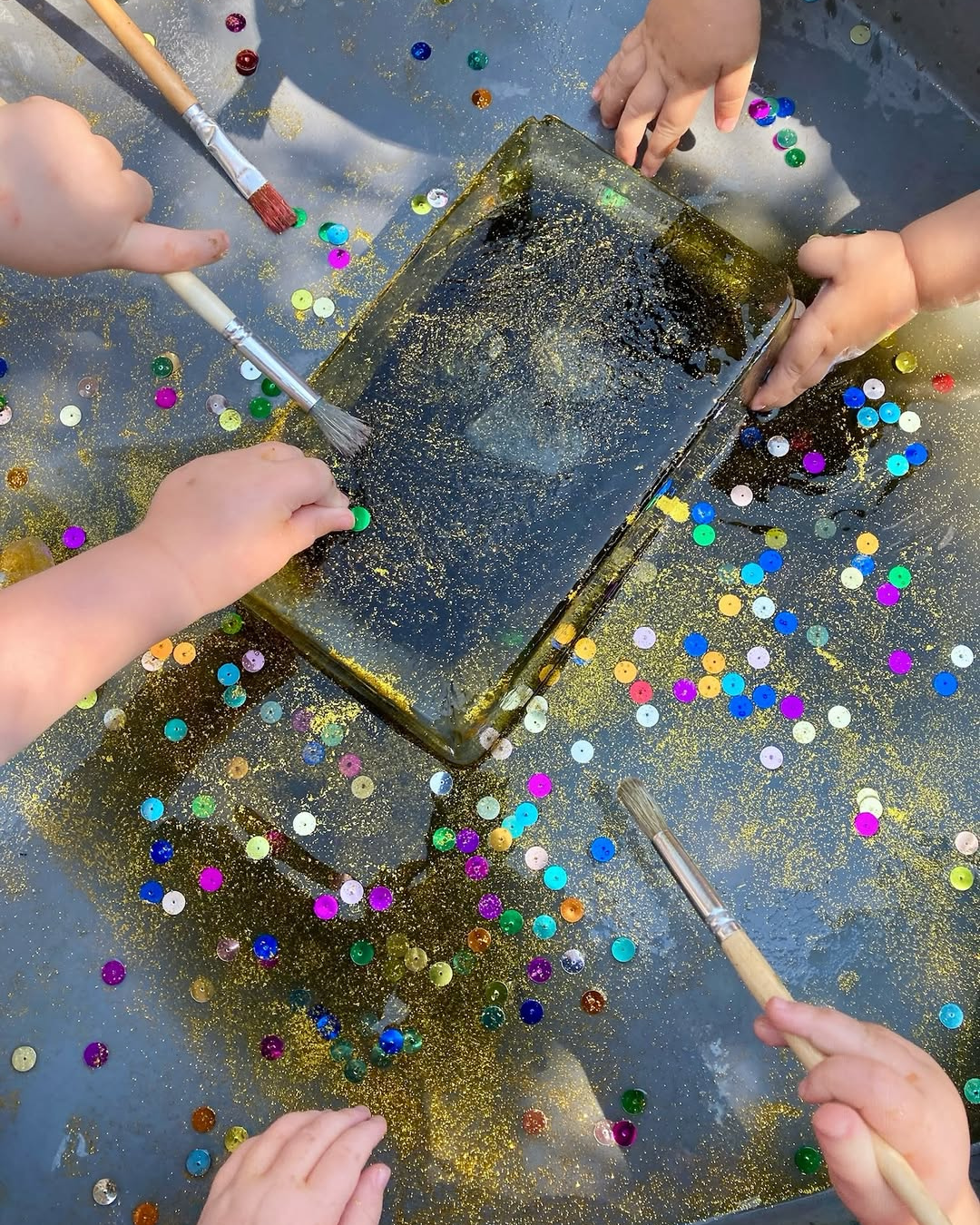
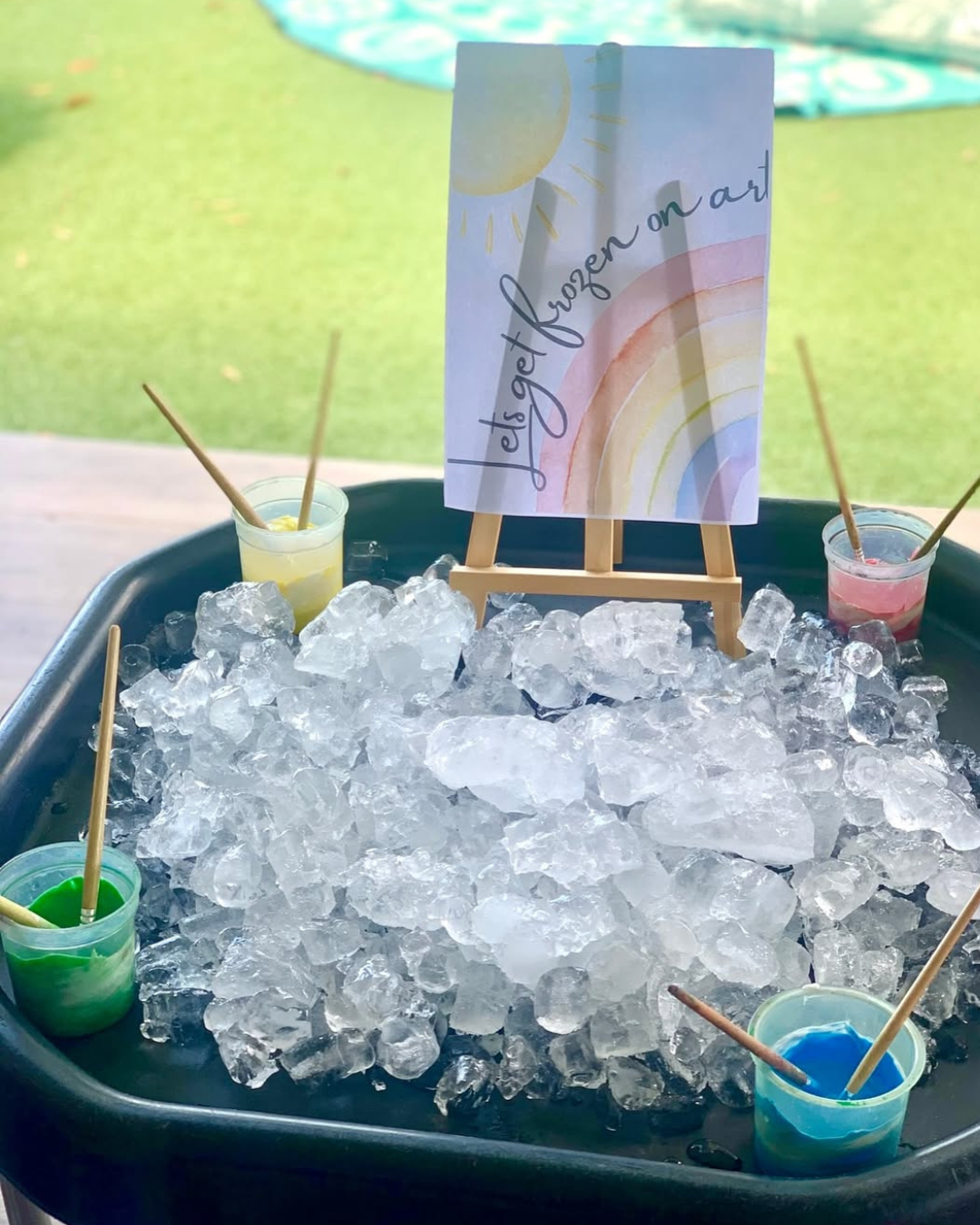
From squishing playdough and painting with fingers to listening to new sounds or jumping in piles of leaves, sensory play helps children make sense of the world around them through hands-on exploration.
It’s natural, instinctive, and incredibly beneficial — babies begin sensory exploration from the moment they’re born! As parents and educators, we simply guide and encourage this curiosity in fun and creative ways.
Easy Sensory Play Ideas for Babies and Toddlers
You don’t need fancy toys or expensive materials to provide amazing sensory experiences at home. Here are a few fun, budget-friendly ways to get started:
1. Create a Sensory Bin
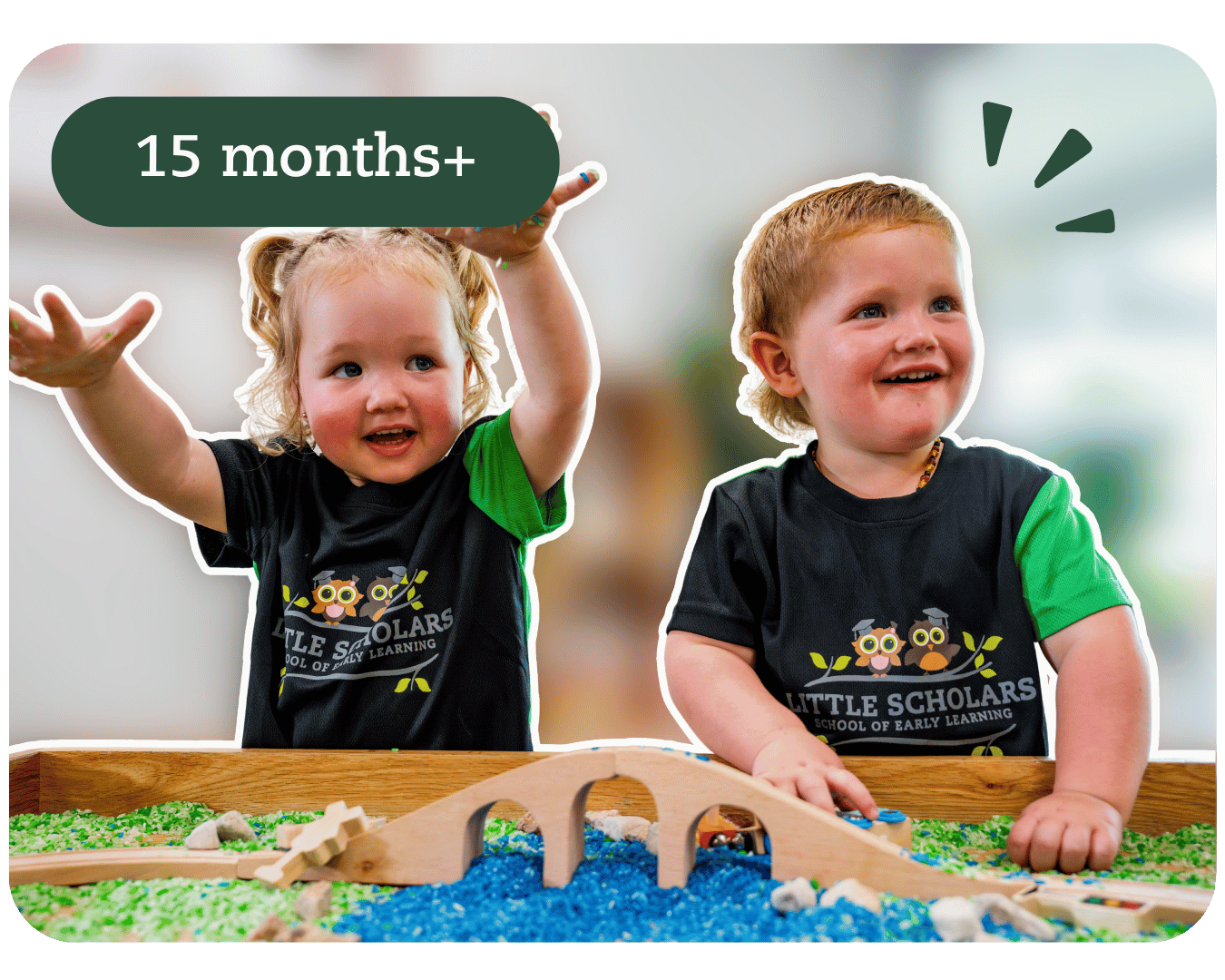
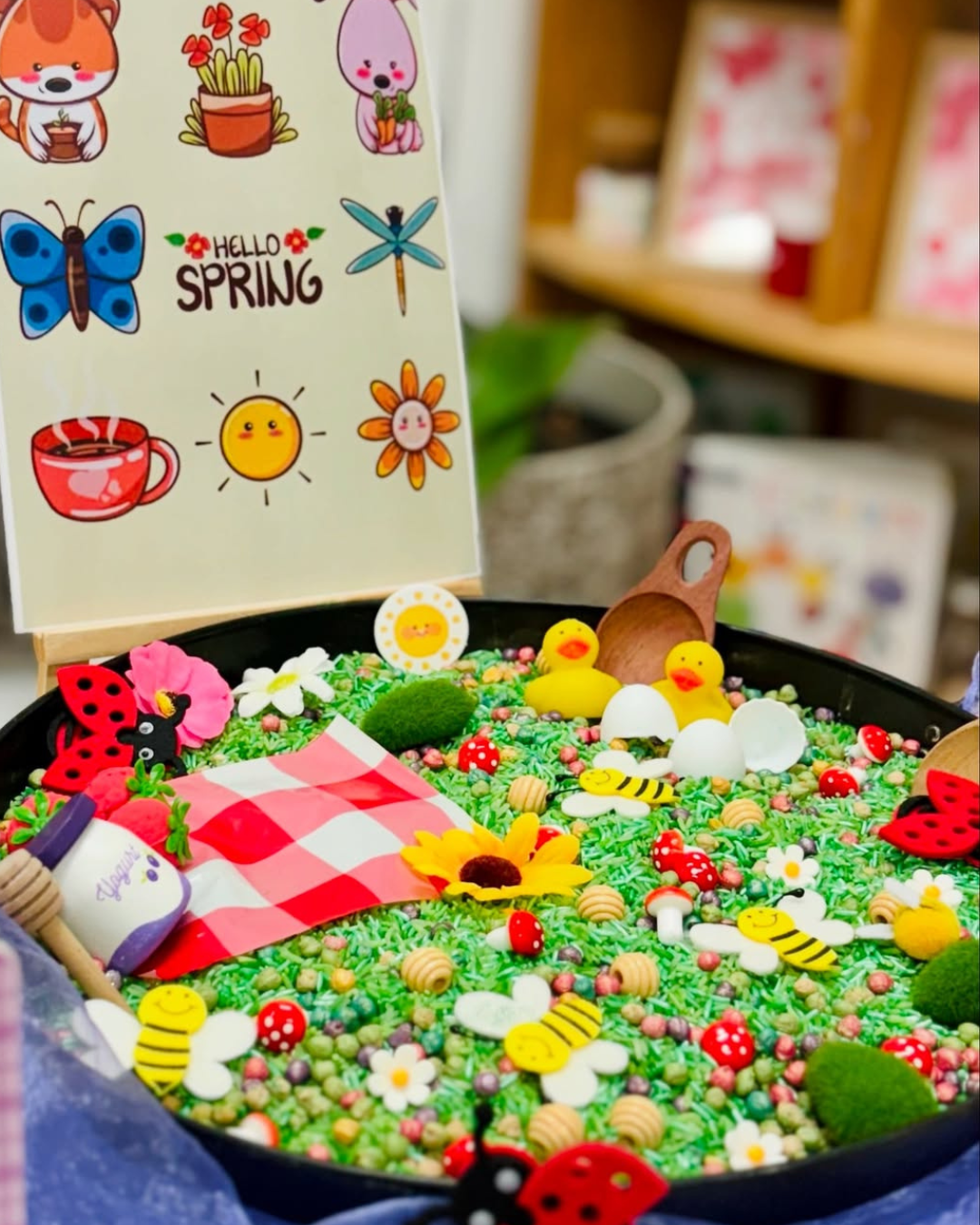
A sensory bin is a simple container filled with materials that feel, sound, or look interesting — think leaves, sand, rice, shredded paper, or water beads.
Here’s an easy-to-follow recipe on one off our favourite sensory bin activities, moon sand!
Tip: Always supervise young children during sensory play, especially if they like to explore with their mouths. Avoid small items that could pose a choking hazard.
2. Sensory Play with Food
Yes, playing with food can be encouraged! Sensory food play helps children explore textures and smells, which can even reduce picky eating over time.
Remember: sensory food play is different from mealtime — it’s about exploration, not eating dinner with their hands!
3. Make Sound Tubes
Turn everyday items into sensory toys!
To create a sound tube:
Save empty paper towel rolls.
Seal one end with tape.
Add materials like uncooked rice, pasta, or dried beans.
Seal the other end and shake away!
This simple DIY helps develop auditory awareness and fine motor control.
6 Key Benefits of Sensory Play for Toddlers
Sensory play might look simple, but its benefits for development are enormous. Here’s how it supports your child’s growth:
1. Boosts Brain Development and Learning
When babies and toddlers play with different textures, sounds, and materials, they form new neural connections in their brain. These experiences lay the foundation for lifelong learning and problem-solving.
Pouring, pinching, scooping, and stirring all strengthen fine and gross motor skills, improving coordination and hand-eye control — essential for writing, dressing, and self-feeding later on.
5. Encourages Cognitive Growth
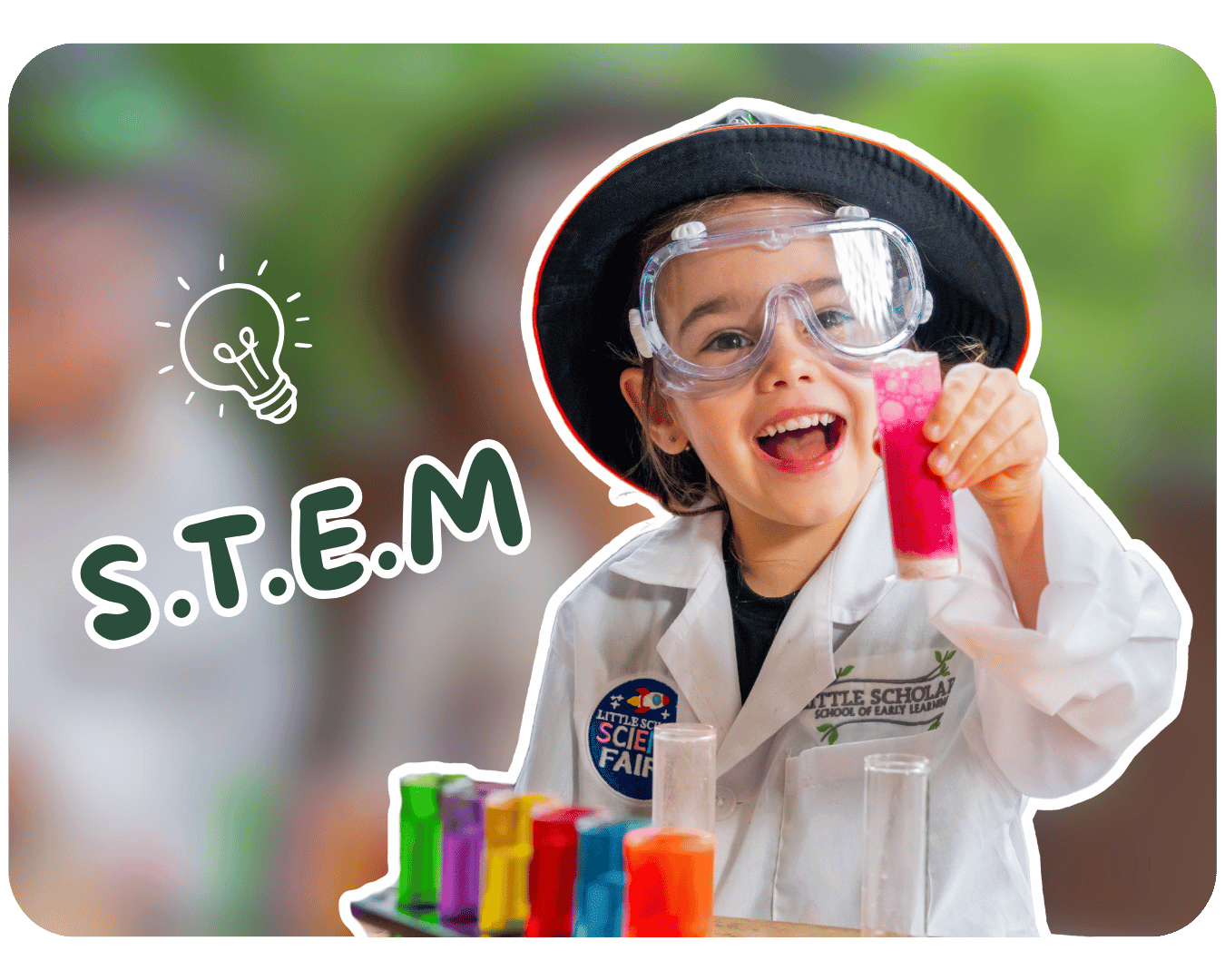
Sensory play helps children become little scientists — testing, observing, and learning how things work through trial and error. This kind of hands-on experimentation fuels curiosity and independent thinking.
6. Encourages Healthy Eating Habits
Surprisingly, sensory play can even make your child more open to trying new foods! Research shows that when children physically play with vegetables or unfamiliar foods, they’re more likely to eat them later.
How Little Scholars Encourages Sensory Play Every Day
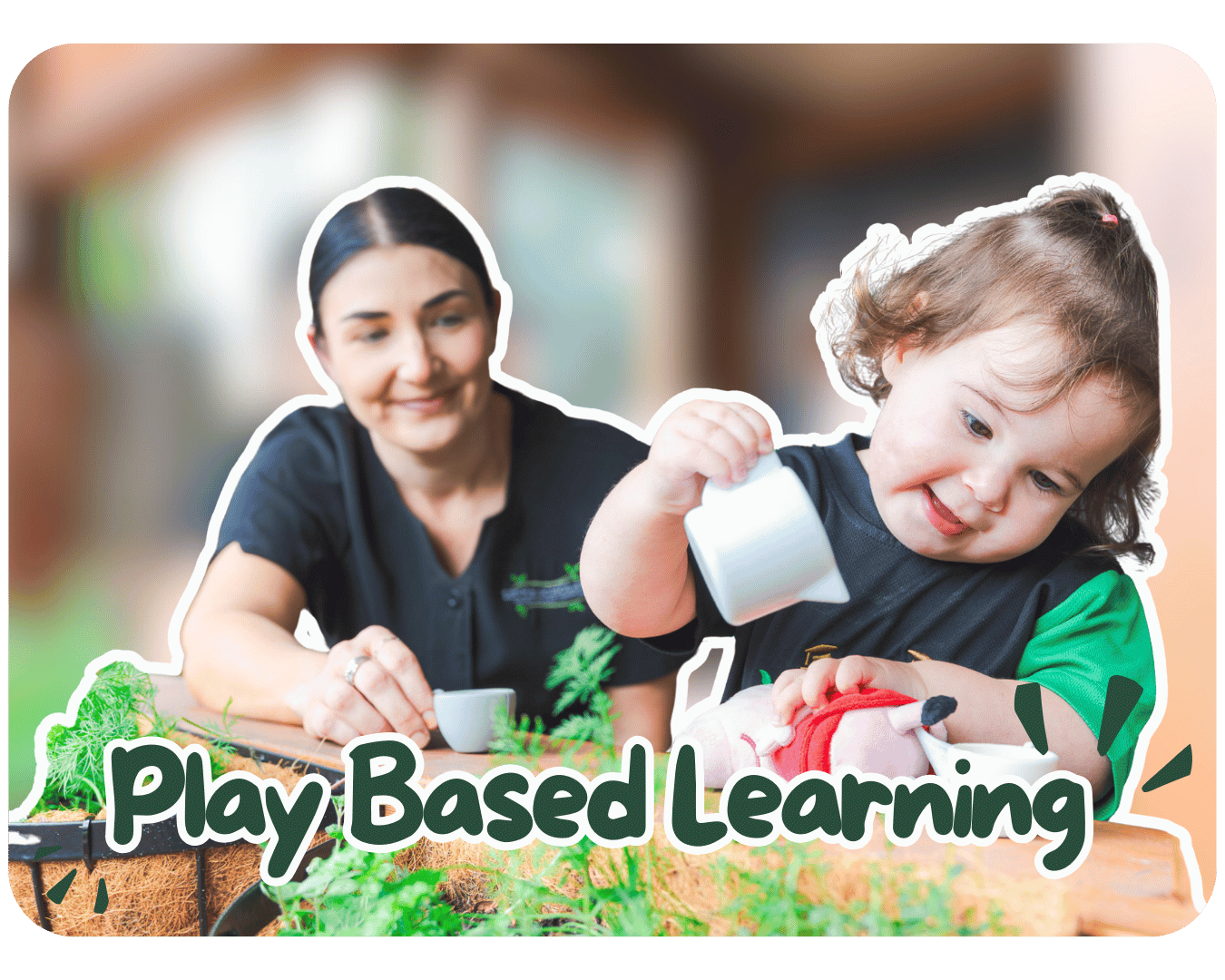
Our educators design daily activities that stimulate the senses — from messy art and outdoor discovery to music, movement, and water play.
We believe:
Sensory exploration fuels curiosity and creativity.
Play-based learning helps children grow emotionally, socially, and cognitively.
Families play a key role in their child’s development, and we value your input every step of the way.
We aim to be an extension of your family — nurturing relationships, celebrating milestones, and helping every child thrive.
Book a Tour Today
Want to see sensory play in action? Come visit your nearest Little Scholars campus and discover how our hands-on, play-based approach helps children learn through joy, exploration, and discovery.
Book a tour today and see why families love being part of the Little Scholars community!
Let us hold your hand and help looking for a child care centre. Leave your details with us and we’ll be in contact to arrange a time for a ‘Campus Tour’ and we will answer any questions you might have!
"*" indicates required fields
Come and see the Little Scholars difference
Let us hold your hand and help looking for a child care centre. Leave your details with us and we’ll be in contact to arrange a time for a ‘Campus Tour’ and we will answer any questions you might have!
"*" indicates required fields
Pram Pals
Fill in the form to join your local Pram Pals mums and bubs walk