The Benefits of Sensory Play for Babies and Toddlers: Why It Matters More Than You Think

When you think of sensory play, you might picture messy playdough or rice bins — but there’s so much more to it! Contrary to popular belief, sensory play isn’t just for children who need extra support with development or social skills. In fact, all children benefit from sensory activities, no matter their age or abilities.

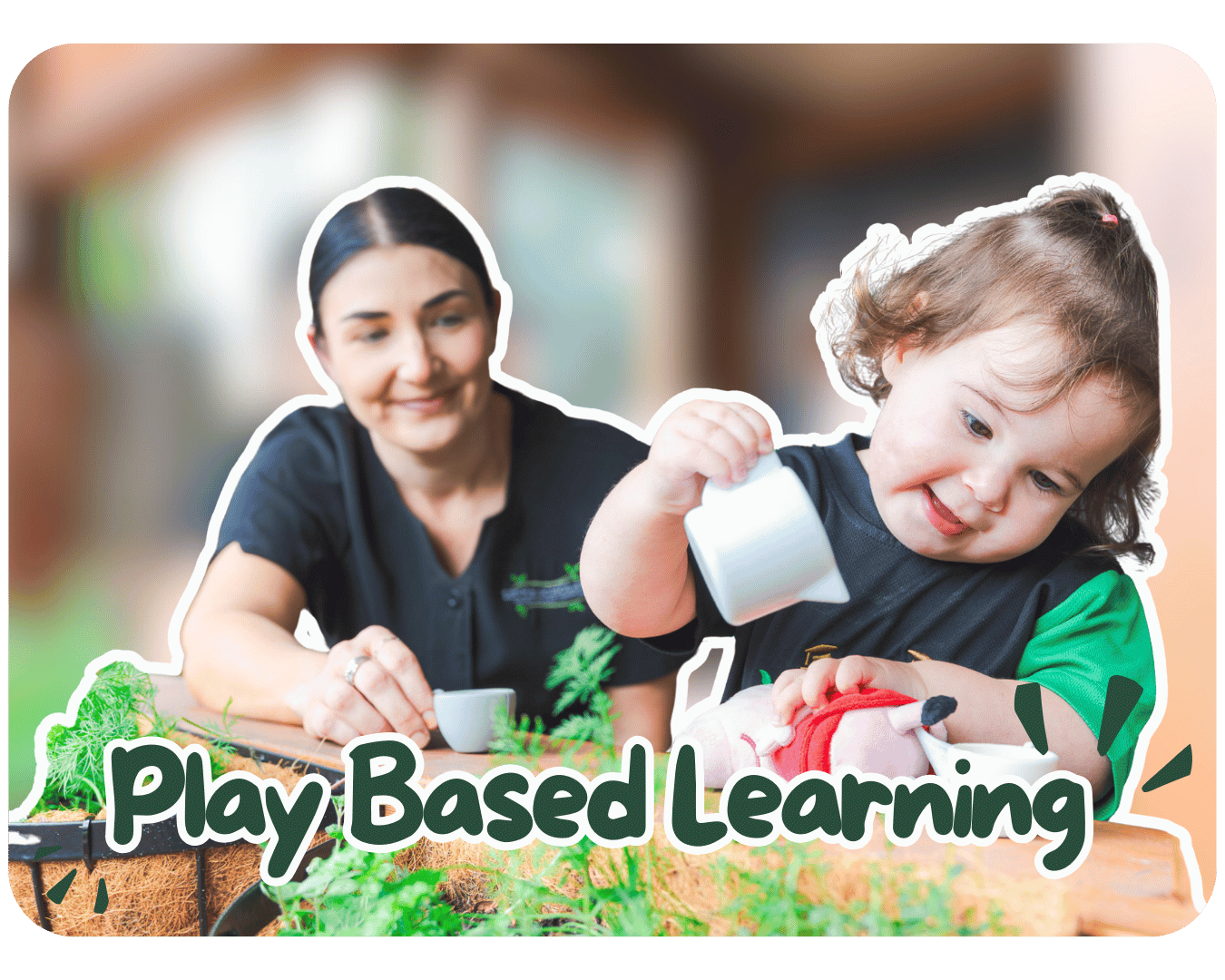
At Little Scholars, we believe sensory play is one of the best ways for children to learn, grow, and explore their world — all through touch, sound, smell, sight, and movement.

What is Sensory Play?

Sensory play refers to any activity that engages your child’s senses — touch, sight, smell, taste, hearing, and even their internal senses like balance and body awareness.

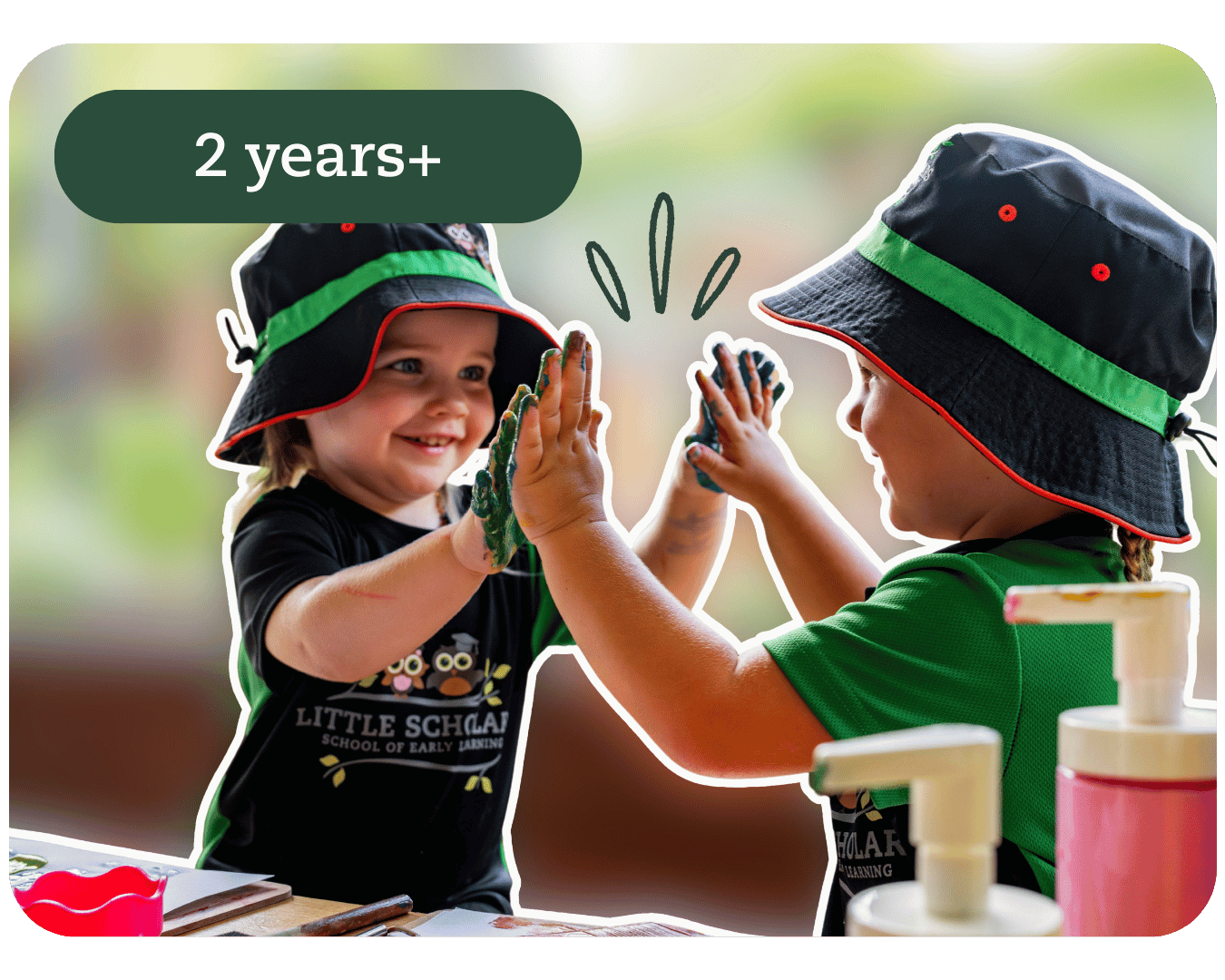
From squishing playdough and painting with fingers to listening to new sounds or jumping in piles of leaves, sensory play helps children make sense of the world around them through hands-on exploration.

It’s natural, instinctive, and incredibly beneficial — babies begin sensory exploration from the moment they’re born! As parents and educators, we simply guide and encourage this curiosity in fun and creative ways.

Easy Sensory Play Ideas for Babies and Toddlers

You don’t need fancy toys or expensive materials to provide amazing sensory experiences at home. Here are a few fun, budget-friendly ways to get started:

1. Create a Sensory Bin

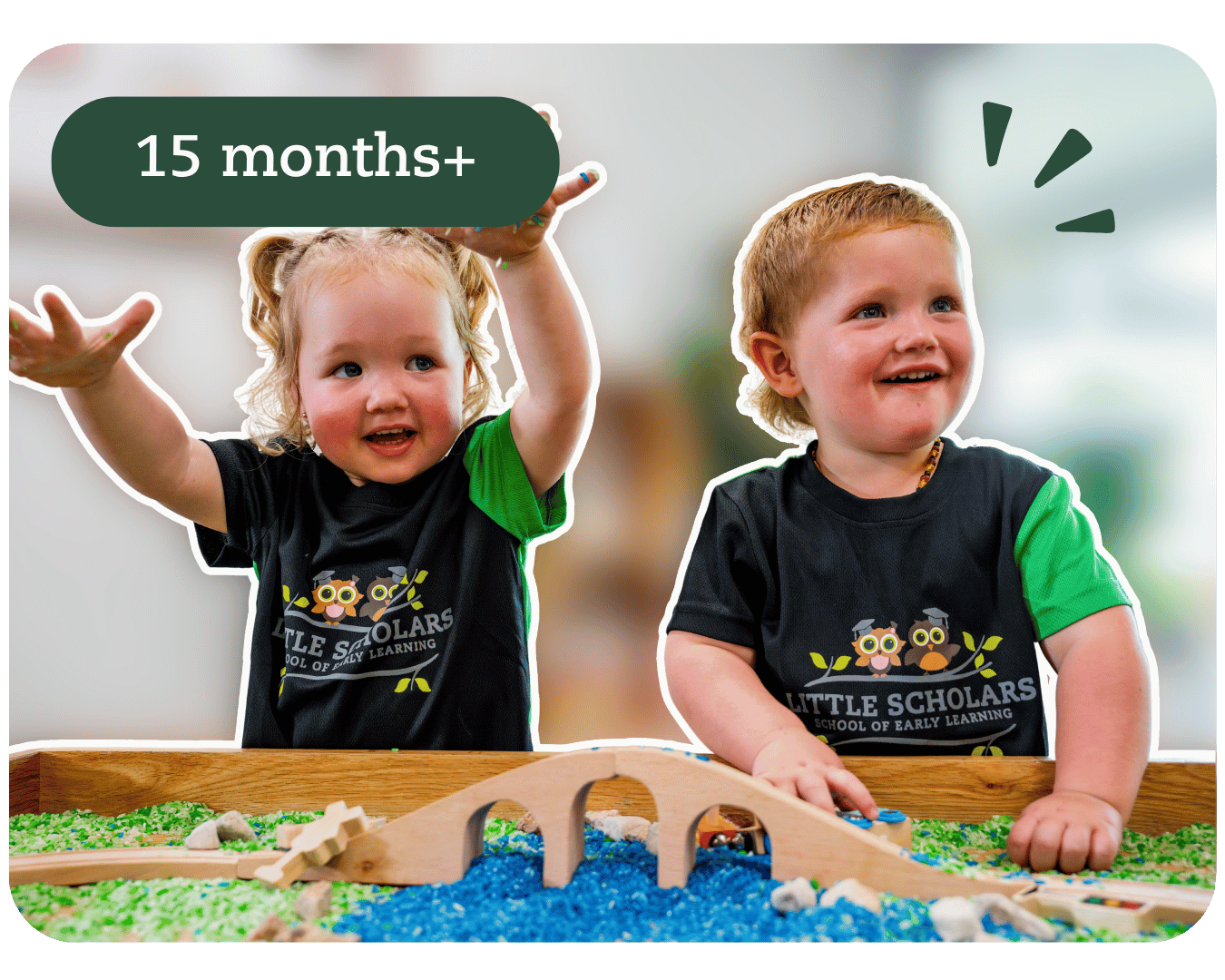
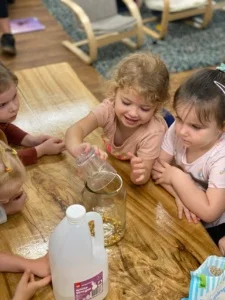
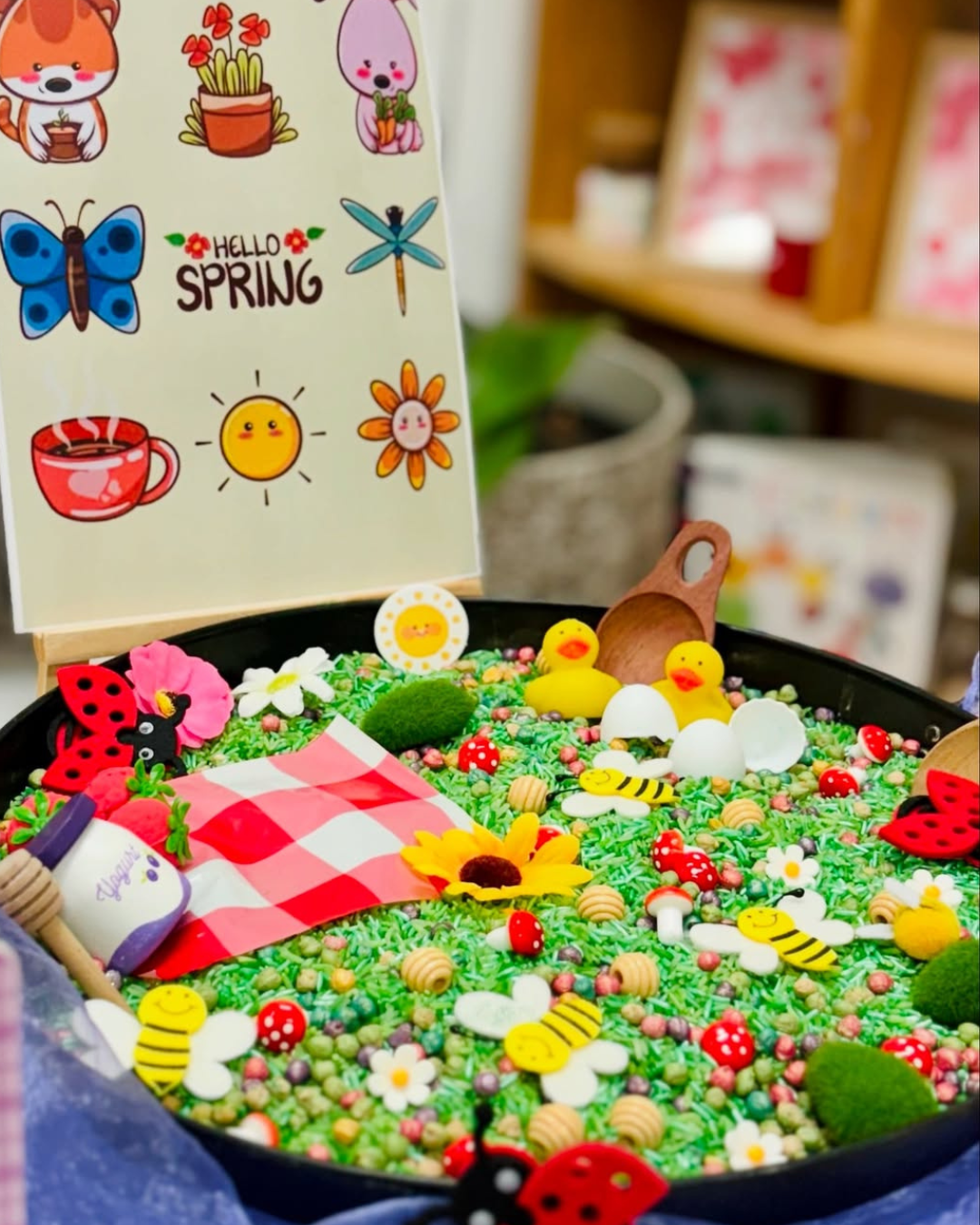
A sensory bin is a simple container filled with materials that feel, sound, or look interesting — think leaves, sand, rice, shredded paper, or water beads.

Here’s an easy-to-follow recipe on one off our favourite sensory bin activities, moon sand!

Tip:
Always supervise young children during sensory play, especially if they like to explore with their mouths. Avoid small items that could pose a choking hazard.

2. Sensory Play with Food

Yes, playing with food can be encouraged! Sensory food play helps children explore textures and smells, which can even reduce picky eating over time.

Try:

Remember: sensory food play is different from mealtime — it’s about exploration, not eating dinner with their hands!

3. Make Sound Tubes

Turn everyday items into sensory toys!

To create a sound tube:

  1. Save empty paper towel rolls.
  2. Seal one end with tape.
  3. Add materials like uncooked rice, pasta, or dried beans.
  4. Seal the other end and shake away!

This simple DIY helps develop auditory awareness and fine motor control.

6 Key Benefits of Sensory Play for Toddlers

Sensory play might look simple, but its benefits for development are enormous. Here’s how it supports your child’s growth:

1. Boosts Brain Development and Learning

When babies and toddlers play with different textures, sounds, and materials, they form new neural connections in their brain. These experiences lay the foundation for lifelong learning and problem-solving.

2. Strengthens Memory and Focus

Exploring new sensations stimulates brain areas related to memory and attention. Activities like sorting, scooping, and identifying objects help toddlers remember patterns and details.

3. Teaches Life and Social Skills

Through sensory play, children learn how to share, cooperate, plan, and problem-solve. These experiences build confidence, resilience, and social awareness.

4. Develops Motor Skills

Pouring, pinching, scooping, and stirring all strengthen fine and gross motor skills, improving coordination and hand-eye control — essential for writing, dressing, and self-feeding later on.

5. Encourages Cognitive Growth

Sensory play helps children become little scientists — testing, observing, and learning how things work through trial and error. This kind of hands-on experimentation fuels curiosity and independent thinking.

6. Encourages Healthy Eating Habits

Surprisingly, sensory play can even make your child more open to trying new foods! Research shows that when children physically play with vegetables or unfamiliar foods, they’re more likely to eat them later.

How Little Scholars Encourages Sensory Play Every Day

At Little Scholars Early Learning, sensory play is at the heart of everything we do.

We’re a privately owned early learning service providing quality education and care across South East Queensland, guided by the Early Years Learning Framework.

Our educators design daily activities that stimulate the senses — from messy art and outdoor discovery to music, movement, and water play.

We believe:

  • Sensory exploration fuels curiosity and creativity.
  • Play-based learning helps children grow emotionally, socially, and cognitively.
  • Families play a key role in their child’s development, and we value your input every step of the way.

We aim to be an extension of your family — nurturing relationships, celebrating milestones, and helping every child thrive.

Book a Tour Today

Want to see sensory play in action?
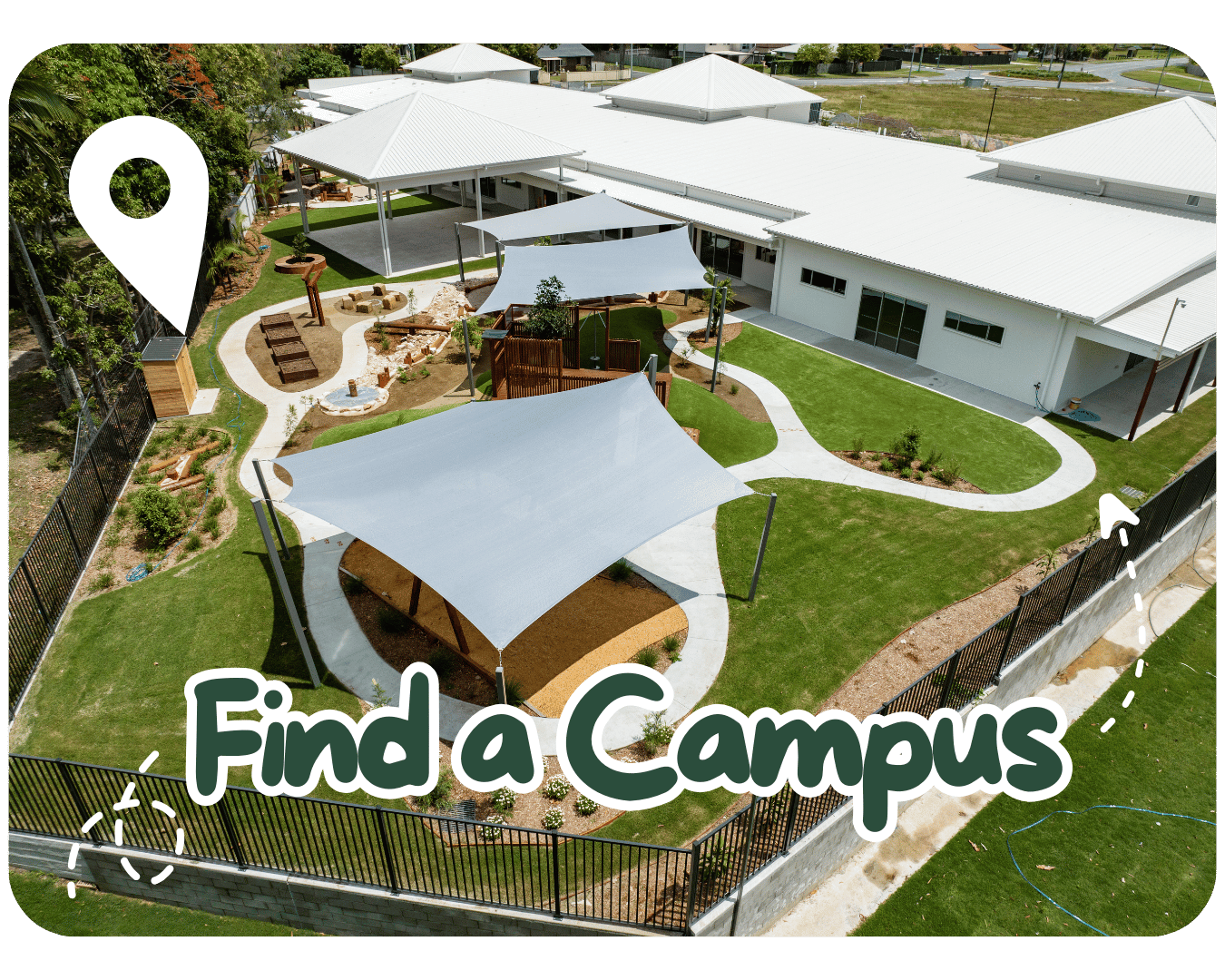
Come visit your nearest Little Scholars campus and discover how our hands-on, play-based approach helps children learn through joy, exploration, and discovery.

Book a tour today and see why families love being part of the Little Scholars community!

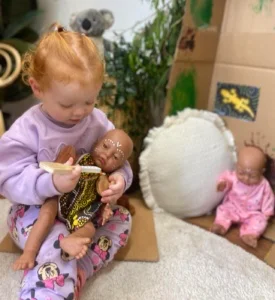
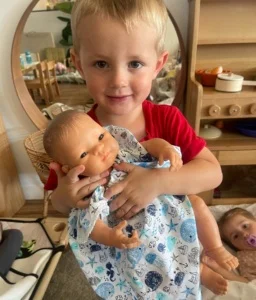
Do your children play with dolls? There have been some fascinating research findings that highlight the advantages of dolls as a tool for nurturing social and emotional skills in children. Recent studies have shown that doll play provides children with opportunities to engage in imaginative role-playing, develop empathy, and enhance their communication about others’ thoughts and feelings. There’s also been some research that looks at traditional notions of gender preferences in toy choices, emphasising the importance of providing children with diverse play experiences, all of which we’ll explore here.

Research challenges the notion of innate gender preferences in toy choices. Studies have found that even baby boys can and will show a preference for dolls over trucks, indicating that toy preferences may be influenced by environmental factors rather than biological predispositions. By encouraging children to play with dolls, we can help them develop a broader understanding of the world, challenge gender stereotypes, and promote equality.

Doll play provides opportunities for children to practice social and emotional skills by creating imaginary worlds, taking others’ perspectives, and talking about others’ thoughts and feelings, according to 2020 research titled Exploring the Benefits of Doll Play Through Neuroscience. The study, conducted by researchers from Cardiff University and King’s College London, saw 33 children between the ages of four and eight freely play with Barbie dolls and accessories, or tablet games with a social partner or by themselves.

The children were left to play spontaneously, but their chat was monitored and they were also fitted with a specialised cap containing state-of-the-art, functional near-infrared spectroscopy equipment – a form of brain imaging technology, making it possible to track brain activity while the child freely moved around.

The study found that the children talked more about others’ thoughts and emotions when playing with the dolls, compared with playing creative games on a computer tablet, such as a hairdressing game or a city-building game with characters.

Social play also activated the right prefrontal regions in the brain more than solo play, researchers found. These areas of the brain are responsible for regulating thoughts, actions and emotions.

The children in the study were also more likely to talk to the dolls versus characters in the digital games, which showed they were developing important social and emotional skills, according to the lead researcher.

“When children create imaginary worlds and role play with dolls, they communicate at first out loud and then internalise the message about others’ thoughts, emotions and feelings,” says lead researcher Dr. Sarah Gerson in the university release. “This can have positive long-lasting effects on children, such as driving higher rates of social and emotional processing and building social skills like empathy that can become internalised to build and form lifelong habits.”

343287416 283802440637715 3263136742193202938 N E1682991249621 275x300

Boys and dolls

Closer to home, research conducted at the University of Western Sydney in 2013 found young baby boys seemed to prefer dolls to trucks, challenging the theory of an innate preference among babies for typical feminine or masculine toys. Researchers gauged the preferences of four and five-month-old babies by showing them pictures of male and female humans and dolls, as well as cars and other items.

Researchers then measured how long their gaze lingered on the objects, and calculated their preferences based on that length of time. Researchers found there was a general looking preference for dolls or doll faces over cars or trucks for both the male and female babies observed at five months old.

Other studies conducted at U of WS have found as babies age, there are sometimes preferences toward toys marketed at their own gender, but those preferences, researchers hypothesised,  could be environmental or a result of nurturing, so if they’ve been given more opportunities to play with toy trucks than dolls, they may show a preference for toy trucks.

Dolls1 E1683596482356 256x300

Babies don’t typically show gender preference until at least their second year, according to some studies, indicating that preference later may be the result of their physiological changes, cognitive development or social pressure.

Making sense of the world through play

Playing with dolls is a version of role-playing, and that’s a great thing in child development. Dolls are used to create narratives while playing. When children do this, they’re learning to make sense of the world and this kind of role-play helps them see things more broadly.

Other research has looked at how gendered toys are approached by each sex. One study in the 1980s had a few dozen girls and boys (aged four to nine years) presented with toys in three sex-labeled boxes and were given six minutes to explore the objects. The children’s memory for information about the toys was tested one week later. Results show that the children tactually explored toys labeled for their own sex more than similar objects labeled for the other sex, and remembered more detailed information about own-sex than other-sex objects. Between ages three to five, gender is very important to children, according to an an associate professor at the University of Kentucky. So when children are presented with very specifically-marketed gendered toys, they pay careful attention.

This is a time we should encourage children to play with all kinds of toys, as it sets the foundations for free thinking, creative play and removes the constraints of gender.

The benefits for children, regardless of their sex, of playing with dolls are numerous and supported by research. Doll play provides opportunities for children to practice social and emotional skills, develop empathy, and engage in imaginative play. Studies have shown that doll play leads to increased communication about others’ thoughts and emotions, activating important brain regions responsible for regulating thoughts, actions, and emotions.

At Little Scholars, we recognise the importance of supporting children’s interests and providing them with a diverse range of toys and play opportunities. Our home corner, which includes dolls and role-playing materials, encourages children to explore, imagine, and develop important skills and dispositions for learning. By embracing doll play and role-playing activities, we foster autonomy, creativity, problem-solving abilities, and a sense of agency in our children.

References:

  • Exploring the Benefits of Doll Play Through Neuroscience (2020). Cardiff University and King’s College London.
  • Study on baby boys’ preferences for dolls (2013). University of Western Sydney.
  • Gendered toy exploration and play: Sequelae of the gender identity interview (1986). University of Kentucky.

In today’s fast-paced world, science, technology, engineering, and mathematics (STEM) are the driving forces behind innovation and progress. To equip the next generation with the skills they need to thrive in this exciting landscape, we have to recognise the incredible impact of early childhood education. A recent study conducted by researchers at the University of California Irvine has revealed the transformative power of high-quality early childhood education and care (ECEC) in nurturing children’s STEM achievements throughout their educational journey.

The study’s findings are both exhilarating and promising. They show that children who have access to top-notch ECEC before starting school are more likely to excel in STEM subjects as they progress into high school. This underscores the vital role of investing in early education and providing children with the necessary tools and support to build a strong educational foundation.

The Secret Ingredients: Curiosity and Care

The researchers identified two key factors that contribute to the success of early childhood education in fostering STEM abilities. Firstly, igniting children’s curiosity through cognitive stimulation has a profound impact on their problem-solving skills and overall STEM performance. Early childhood educators who create engaging learning environments and incorporate hands-on experiences play a pivotal role in nurturing children’s passion for STEM. Secondly, the study emphasised the crucial role of educator sensitivity and responsiveness. When educators demonstrate empathy, attentiveness, and genuine care for children’s needs, it not only supports their overall development but also significantly influences their STEM achievements. The emotional connection established during these early years lays the foundation for children’s social-emotional skills, which are closely intertwined with cognitive development.

Promoting STEM Equity and Inclusion

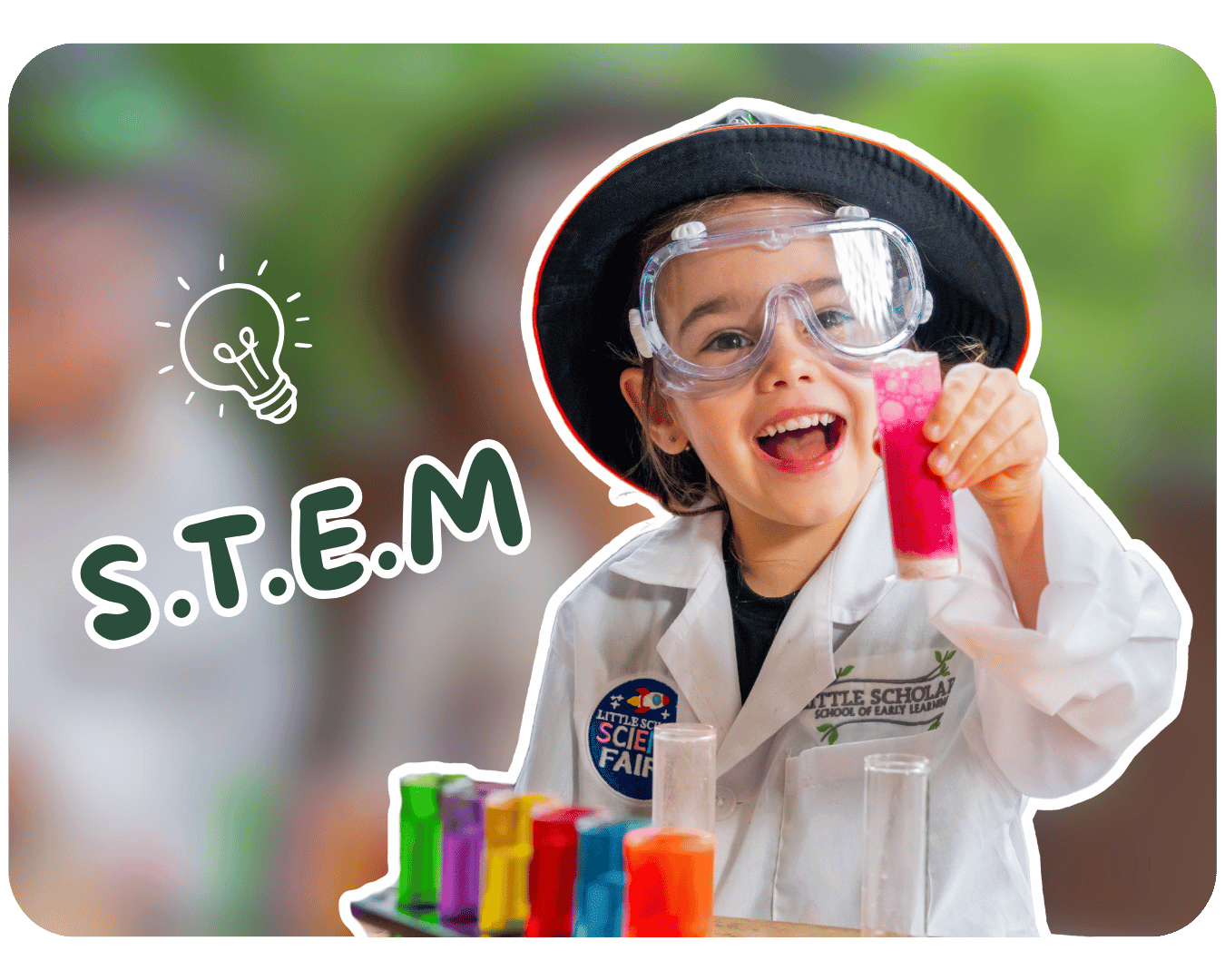
Interestingly, the study also revealed that sensitive and responsive caregiving in early childhood has an even greater impact on STEM performance for children from low-income families compared to their peers from higher-income backgrounds. This finding highlights the importance of addressing equity in early education and ensuring that all children, regardless of their socioeconomic status, have equal access to high-quality early learning that fosters STEM engagement. Speaking of STEM, did you know that Little Scholars offers an exciting STEM program for our kindergarten children? In collaboration with our friends at Lab Kids, we provide an incredible educational STEM program that aligns with the Early Years Learning Framework and the Australian National Curriculum. From exploring motion and states of matter to learning about light, sound, and chemical reactions, our curious little scholars embark on an exciting journey of STEM discovery!

353857679 282057504202504 9148982461303956586 N 225x300

Finally, the University of California Irvine study reinforces the immense value of early childhood education in nurturing STEM success. By providing high-quality early learning that fosters curiosity, responsive caregiving, and an inclusive learning environment, we begin to realise the full potential of our Little Scholars.  Book a tour at Little Scholars.

Reading with children is transformational – it helps with communication and language development, cognitive skills, inspires imagination and creativity, serve as conversation starters, we could go on and on. It’s also fantastic bonding time that will create memories to last a lifetime. You probably know all about Little Scholars approach to reading, and that it’s a big part of our educational programming. Lately, we’ve been thinking about books that have really stuck with families and educators and of course, children! We thought we’d share some of our favourites, and they’re linked to Gold Coast and/or Brisbane libraries so you don’t have to spend a dime if you need some new reads!

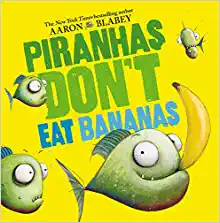
Piranhas don’t eat bananas

This is one of my favourite books to read with children. It’s great for when you have a picky eater or when trying to introduce new foods that children are hesitant to try. – Claire, lead educator, Little Scholars Nerang

By Aaron Blabey, published 2017

Reading ages: ‎ 3 – 6 years

Synopsis: ‘Hey there, guys. Would you like a banana?’ ‘What’s wrong with you. Brian? You’re a piranha.’ Brian loves bananas. Trouble is, Brian’s a piranha. And his friends aren’t happy about his fondness for fruit. No, they’re not happy at all

City of Gold Coast Libraries

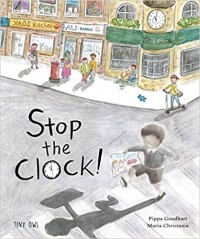
Stop the Clock

I recently checked this book out of my local library and read it with my three-year-old daughter. It resonated with me as mornings to get ready with drop-off at Little Scholars Burleigh and get to myself work are so rushed. In this story, I got a better understanding of what that constant hurrying might be like for my toddler, who just wants to start her day by enjoying some time at home, and with her parents.

Since we read this book, I’ve intentionally slowed down, calmed my typical encouragements to move faster and try to find time ways for more connection, with a quick story before we leave or we make up stories in the car. The point in the book of slowing down has even helped with hard moments my daughter might be having by stopping together, going or looking outside and starting to point out all the things we see. – Christina, social media and marketing specialist.

Author: Pippa Goodhart, published 2022

Reading ages: 4-7

Synopsis: Life is so busy! On his way to school, Joe is missing all the exciting things happening around him – he is in such a rush, he doesn’t even notice his little sister crying! Given a task to draw what he saw on his way to school, Joe decides to stop time to appreciate all the little details that make life meaningful, and find out why Poppy was crying.

City of Gold Coast Libraries & Brisbane Library

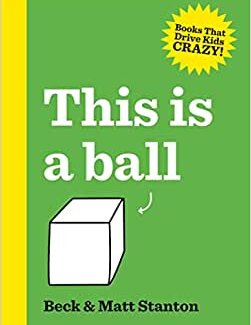
This is a ball

My favourite book to read to the children is This is a Ball. I recommend it for the kindergarten-aged children. It’s a crowd favourite and allows everyone to be a little bit silly! – Hayley, lead educator, Little Scholars Yatala

Author: Beck and Matt Stanton, published 2017
Reading ages: 4-8

Synopsis: For the Grown-Ups: You know how you’re right all the time? All. The. Time. Yes, well, it’s time to give the kids a turn. Which is why everything you read in this book is going to be wrong. But that’s ok, because the kids are going to correct you. And they’re going to love it!

City of Gold Coast Libraries & Brisbane Library

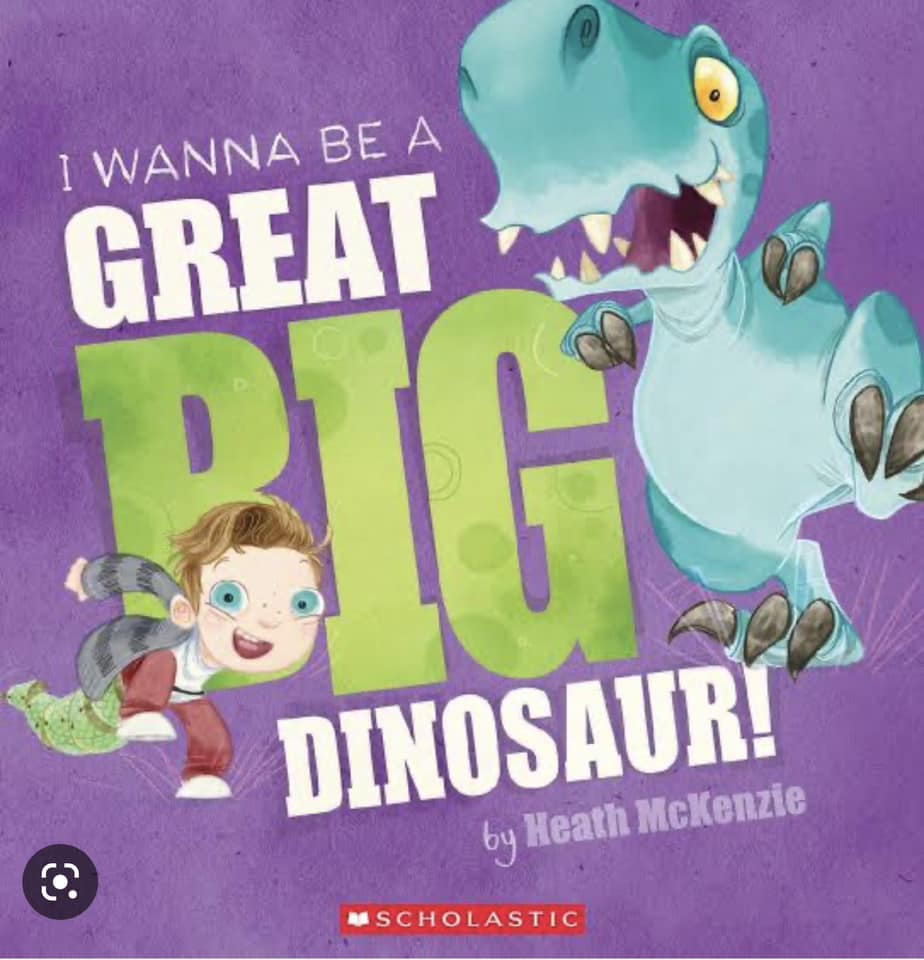
I wanna be a Great Big Dinosaur

This is one of my favourites from a while ago. It’s really fun to read and get children involved in, as you can make actions to the words and change your tone to match the images. It’s light reading and a feel good ending. – Yvette, educational lead, Little Scholars Burleigh

By Heath McKenzie, published 2016

Reading ages:4-8

Synopsis: More than anything in the world, one little boy wants to be a great big dinosaur. And he’s in luck! A great big T. Rex shows up to teach him how to stomp and roar just like a dinosaur. But dinosaurs aren’t so great at soccer or video games… Maybe being a little boy isn’t all bad? A story about being whoever (or whatever) you want!

City of Gold Coast Libraries

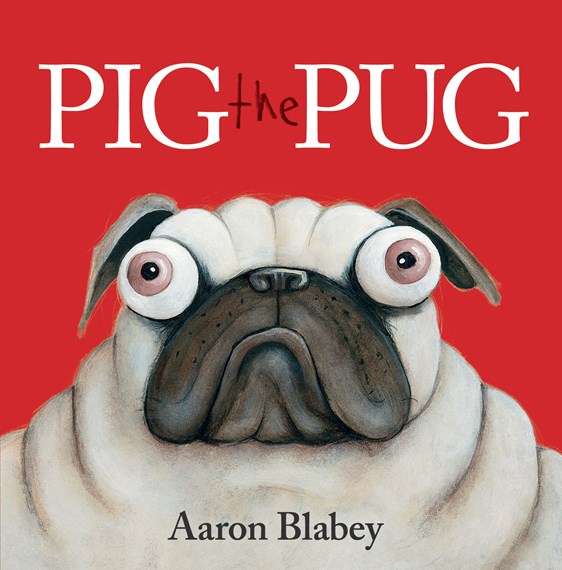
Pig the Pug

I love reading the Pig the Pug series. All the different stories are such a fun, playful rhyming with lively pictures that always capture the children’s eyes and thoughts leading to conversations and their interpretations of the pictures/story.  I also love that in every book, Pig the Pug comes to see the value of honesty, friendship, sportsmanship and gratitude. -Skye, lead educator, Little Scholars Pacific Pines

By Aaron Blabey, published 2014
Reading ages: 3-5

Synopsis: Pig is a greedy and selfish Pug. He has all the bouncy balls, bones, and chew toys a dog could ever want, yet he refuses to share with his poor friend, Trevor.

City of Gold Coast Libraries & Brisbane Library 

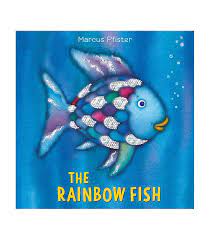
Rainbow Fish

In our kindergarten room we absolutely love to read the Rainbow Fish, it is an important story to us as it shows the importance of friendships and how to make friendships, which as we enter our final year of pre schooling before big school is so important and timely! As well as this we love learning and reading The Colour Monster daily, this book teaches us to identify our emotions and how each one may make us feel. – Ella, educator, Little Scholars Deception Bay

By Marcus Pfister, published 1995
Reading ages: 4-8

Synopsis: The Rainbow Fish learns that being the most beautiful fish in the sea can be lonely. Ultimately he learns that there is more to be gained by sharing his special qualities than by keeping them all to himself.

City of Gold Coast Libraries & Brisbane Library

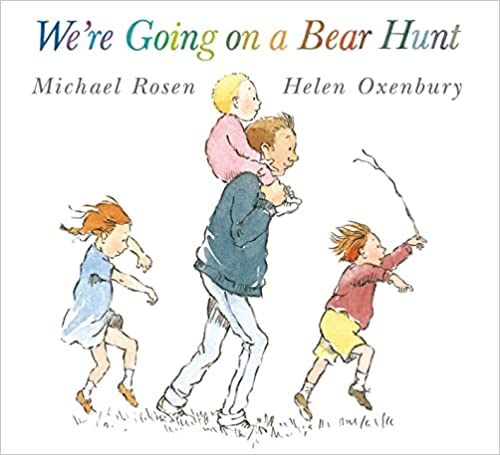
Going on a Bear Hunt

I love Going on a Bear Hunt (and even better, Going on a Croc Hunt) because it’s predictable and repetitive, which supports the children in recounting the story and their comprehension skills. It’s also super fun because it can be used in combination with actions to make it a physical retelling! – Jaidyn, lead educator, Little Scholars Ormeau 2

By Michael Rosen and Helen Oxenbury, published 1993

Reading ages: 3-7

Synopsis: For brave hunters and bear-lovers, the classic chant-aloud by Michael Rosen and Helen Oxenbury.Follow and join in the family’s excitement as they wade through the grass, splash through the river and squelch through the mud in search of a bear. What a surprise awaits them in the cave on the other side of the dark forest!

City of Gold Coast Libraries & Brisbane Library

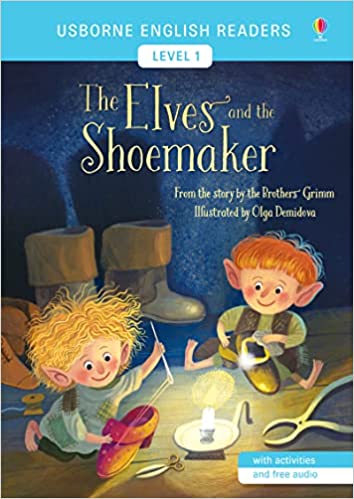
The Elves and the Shoemaker

One I always remember! As a child my Nanna would read this to me when we visited, and I loved the magic it brought to my imagination. As a adult I love the storyline behind it and how amazing the message is, how important it is for children to learn. Helping others in need also looks at if you help someone, the good karma will always come back to you. – Sarah, educator at Little Scholars Deception Bay.

Retold by various authors
Reading ages: 2-5
 
Synopsis: A classic fairy tale about two selfless shoemaking elves shows the joy that comes from giving–and receiving–generosity and kindness.


Do you have a little one who is eager to learn and likes technology? Apps can improve skills in fine motor skills, reading, phonics, maths, problem-solving and more. Research suggests that after age two, children may benefit from some types of screen time, such as programming with music, movement and stories. We’ve compiled a list of what we think are some of the best educational apps for children aged three to five years.

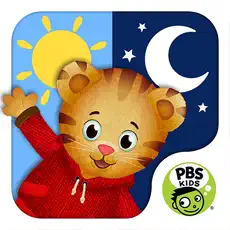
Daniel Tiger's Day & Night

230x0w

Pre-school aged children can learn about morning and bedtime routines with PBS KIDS’ Daniel Tiger. Help Daniel Tiger get ready for school in the morning and for bed at night through imaginative play and songs.

We like it because there are sing-along songs that make routines fun and a musical timer to keep routines such as teeth-brushing on track.

Pros: Simple, age-appropriate for toddlers.

Cons: There’s no order required for following the routines, and it’s limited to morning and evening routines only.

Available on the App store and Google Play

Hopster Coding Safari for Kids

230x0w

Pre-coding logic game for kids

Why? We think introducing children to coding early is gives children a head start in learning how to code with Hopster Coding Safari. This animal themed pre-coding logic game to help little ones learn the fundamentals of coding. Children are presented with a series of logic problems to solve, getting different animals to where they need to be.

Children learn: The fundamentals of computational thinking

  • Foundations of coding
  • Problem solving
  • Planning

This game will engage young children in computational thinking – the fundamental techniques needed to understand coding – without them realising they are learning!

Pros: Wide range of activities, links to early years learning objectives.

Cons: Paid subscription based and not a lot offered without paying.

Available on the App store

Busy Shapes

230x0w

Shape-sorting puzzles great for fine motor skill development

What makes Busy Shapes so clever is the way the puzzles gently gets more challenging, motivating little ones to find solutions to each puzzle through experimentation. From shape-changing to colour-mixing to hidden holes, we’re impressed with how the game spurs out-of-the-box thinking, stimulating curious young minds. The app’s designers say it’s inspired by the pioneering works of child theorist Jean Piaget (1896-1980), who believed that “children are little scientists” and that a child’s thoughts are built through experiences that encourage him or her to engage in the reasoning process.

Pros: Free version includes a lot of activities. The challenge increases, with multiple objects and holes of different shapes, moving objects, obstacles to get around or to move, and finally the need to use tools to move the objects. There’s no direction and no help. Children must explore and discover on their own how to get the objects into the holes.

Cons: Doesn’t seem to be a way to get to earlier levels.

Available on the App store and Google Play

Khan Academy Kids

230x0w

Khan Academy Kids is a free, fun, educational program with thousands of activities and books that will inspire a lifetime of learning and discovery for children ages two+.

The app is designed by experts in early childhood education to guide young learners on a delightful journey through key skills in maths, reading, phonics, writing, social-emotional development, and more. It includes thousands of lessons, activities, books, and games that are age-appropriate for preschool through year two. With catchy songs and yoga videos, little ones will also have fun moving, dancing, and getting the wiggles out.

Pros: The variety of learning topics and the creative approach to activities offer breadth and depth without it feeling overwhelming.

Cons: Animations could use more captioning; written instruction and language options.

Available on the App store and Google Play

ABC Animal Toddler Adventures

230x0w (1)

This app aims to strengthen children’s cognitive skills, concentration and memory with activities such as tracing letters, spelling with an A-Z of animals, counting, jigsaw puzzles, spot the difference, pet salon, feed the animals and more. Your toddler will really enjoy playing this game as every little action has been thoughtfully designed for an effortless gameplay.

Pros: Fun cheerful characters, good for young learners working on fine motor skills, problem-solving skills, spelling, and language acquisition.

Cons: Limited activities and full screen ads in free version, some complaints about price of full version.

Available on the App Store

Zoolingo

230x0w (1)

This app for toddlers has more than 1000+ fun and educational activities and games! This delightfully interactive smart app helps children learn ABCs, numbers, colours, shapes, and more. Children can skip, sing, and dance to popular nursery rhymes with Moolingo the monkey.

Pros: The amount of activities.

Cons: Paid subscription service.

Available on the App Store and Google Play

Homer

Unnamed

Thoughtfully-made educational games for children aged two to eight, including early literacy skills using a comprehensive program full of interesting activities, building blocks for maths confidence, and tools for navigating social skills, empathy, and confidence.

Pros: Personalised to children’s interests across subjects, learning grows with child.

Cons: Paid subscription service.

Available on the App Store and Google Play

ABC Preschool Kids Tracing

230x0w (1)

Features letters and word learning games to help children learn basic tracing of alphabet, letters, words and numbers one to 10.

Pros: Full app is free.

Cons: Some complaints on sound issues.

Available on the App Store and Google Play

Toca Boca

230x0w (3)

The Toca Boca suite of apps for children is an interactive way to explore the world by cooking, cutting hair, building a neighborhood, and taking care of pets.  For the youngest users, try a role-playing app like Toca Doctor or a simple app like hairstyling (children love the hairdryer!). And as they grow, children can design and build their own city with the Toca Life apps.

Pros: Dozens of games to choose, including some free, and ome games can be purchased as a bundle for discounted pricing. Variety of games for beginners, animal lovers, budding engineers, and more.

Cons: Not all apps will be of interest to all.

Available on the App Store and Google Play

Related:

Our top 5 tips for safe screen time for small children

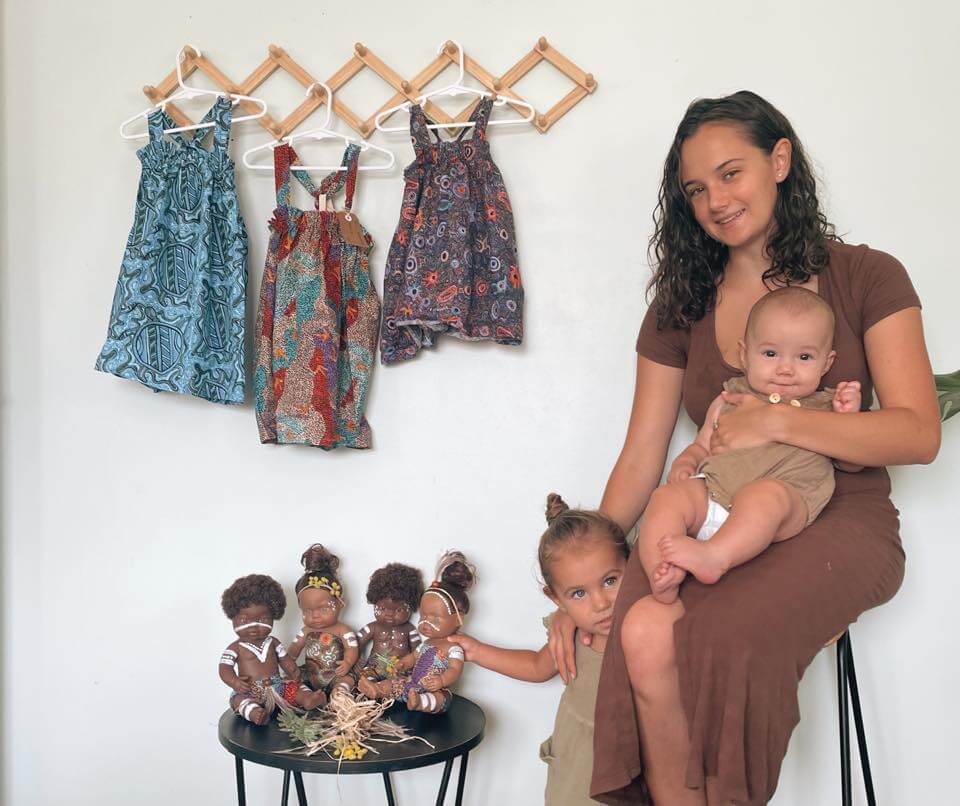
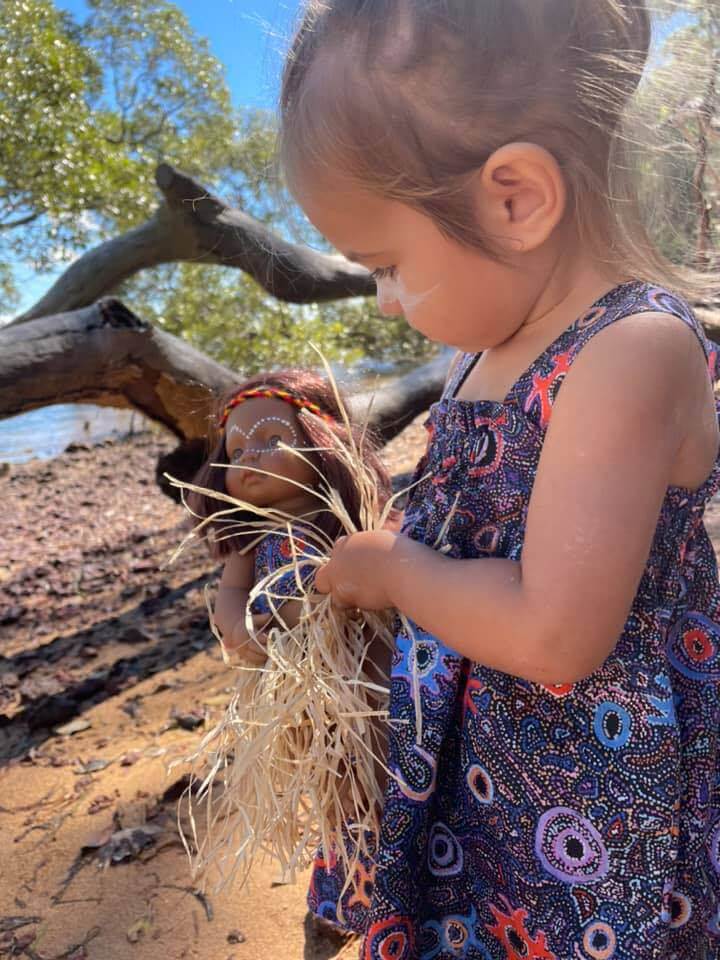
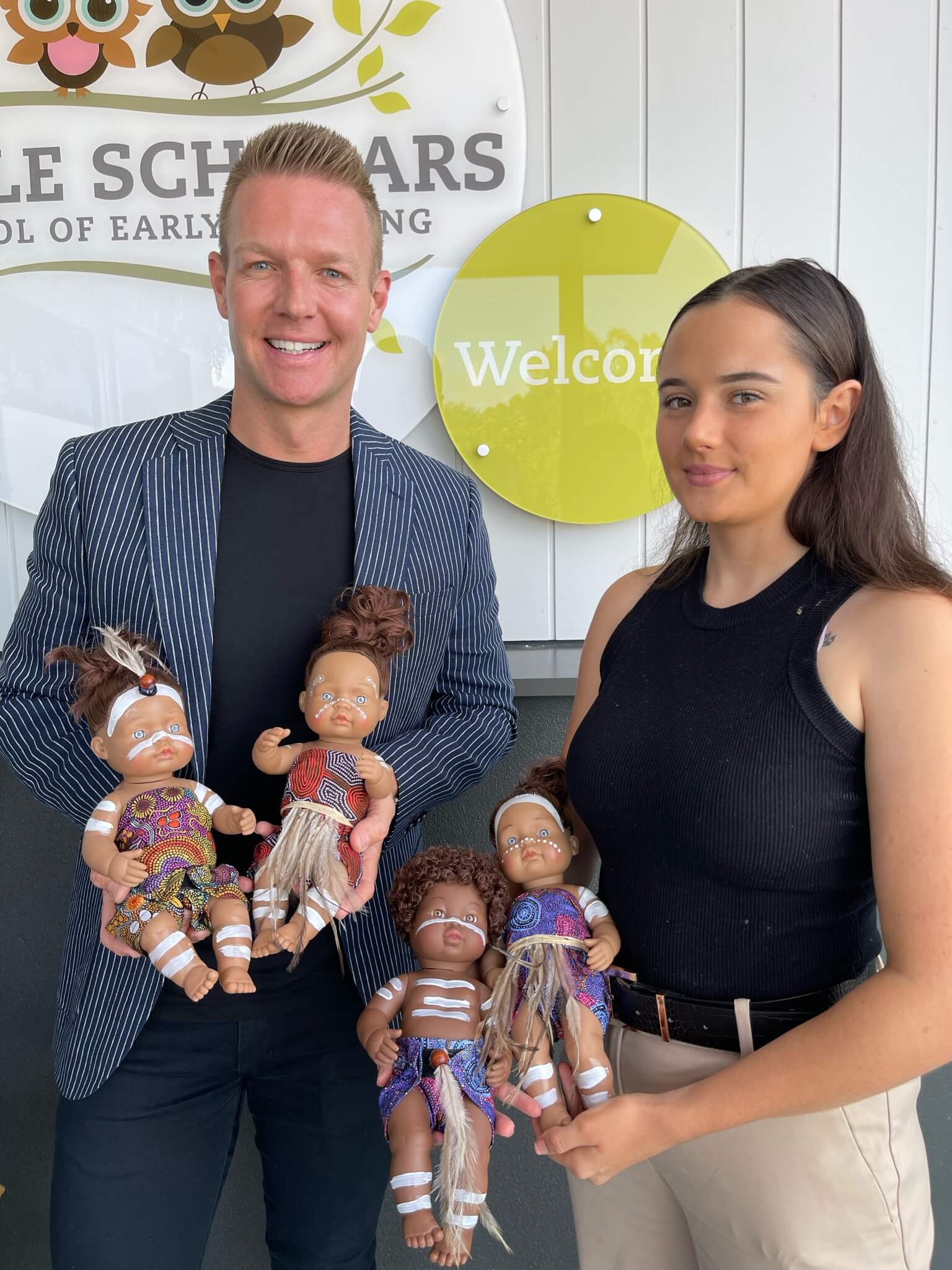
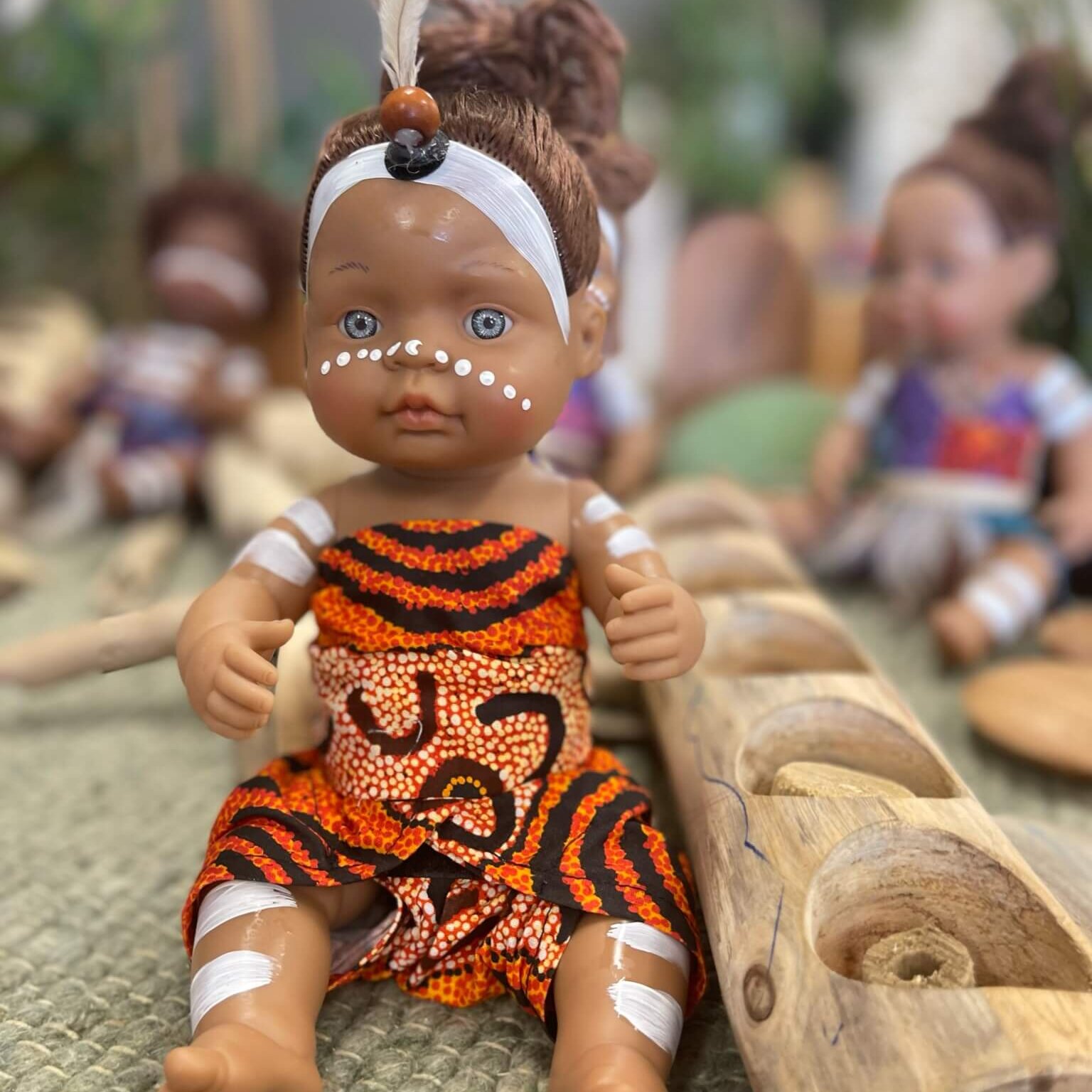
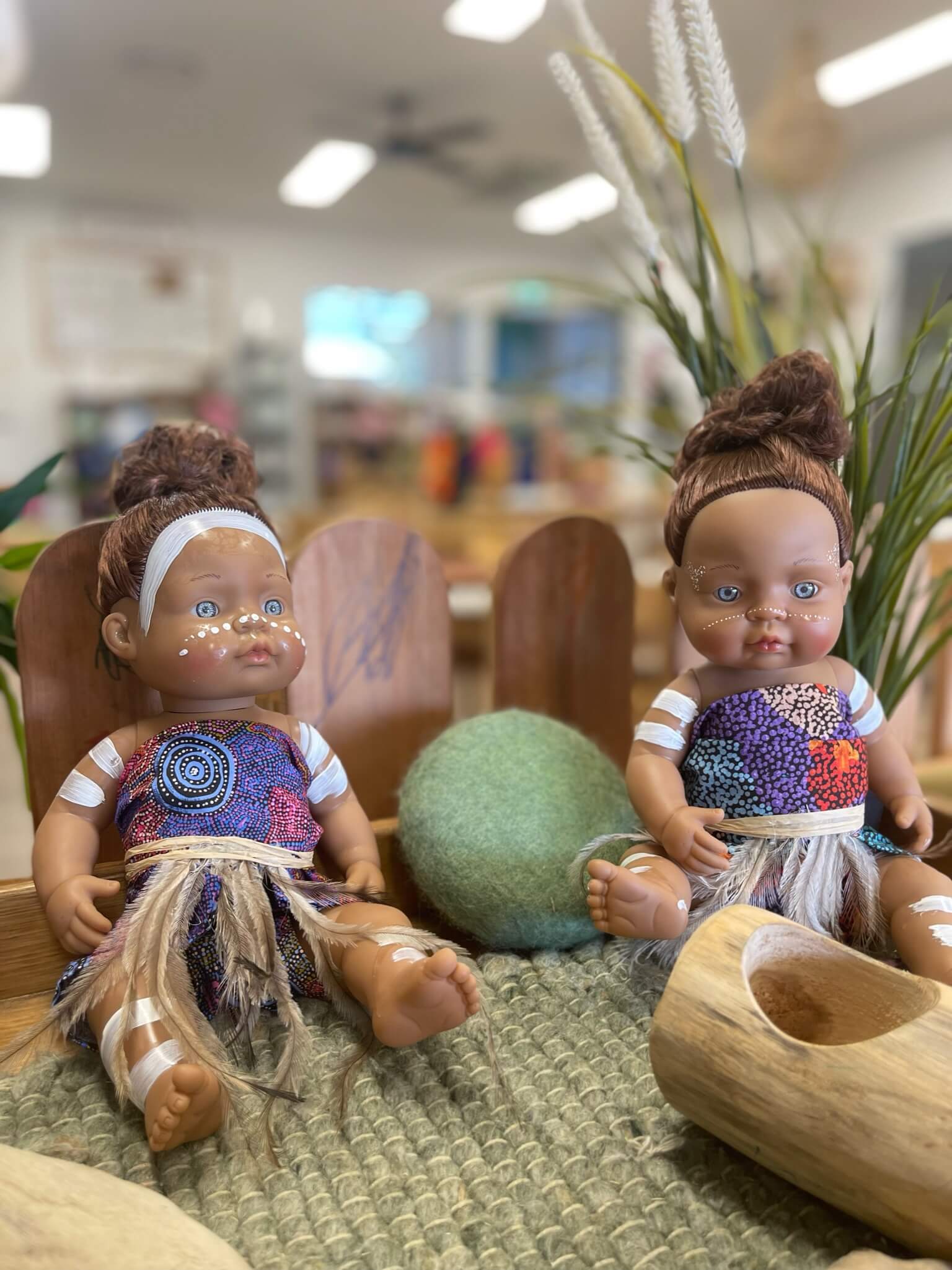
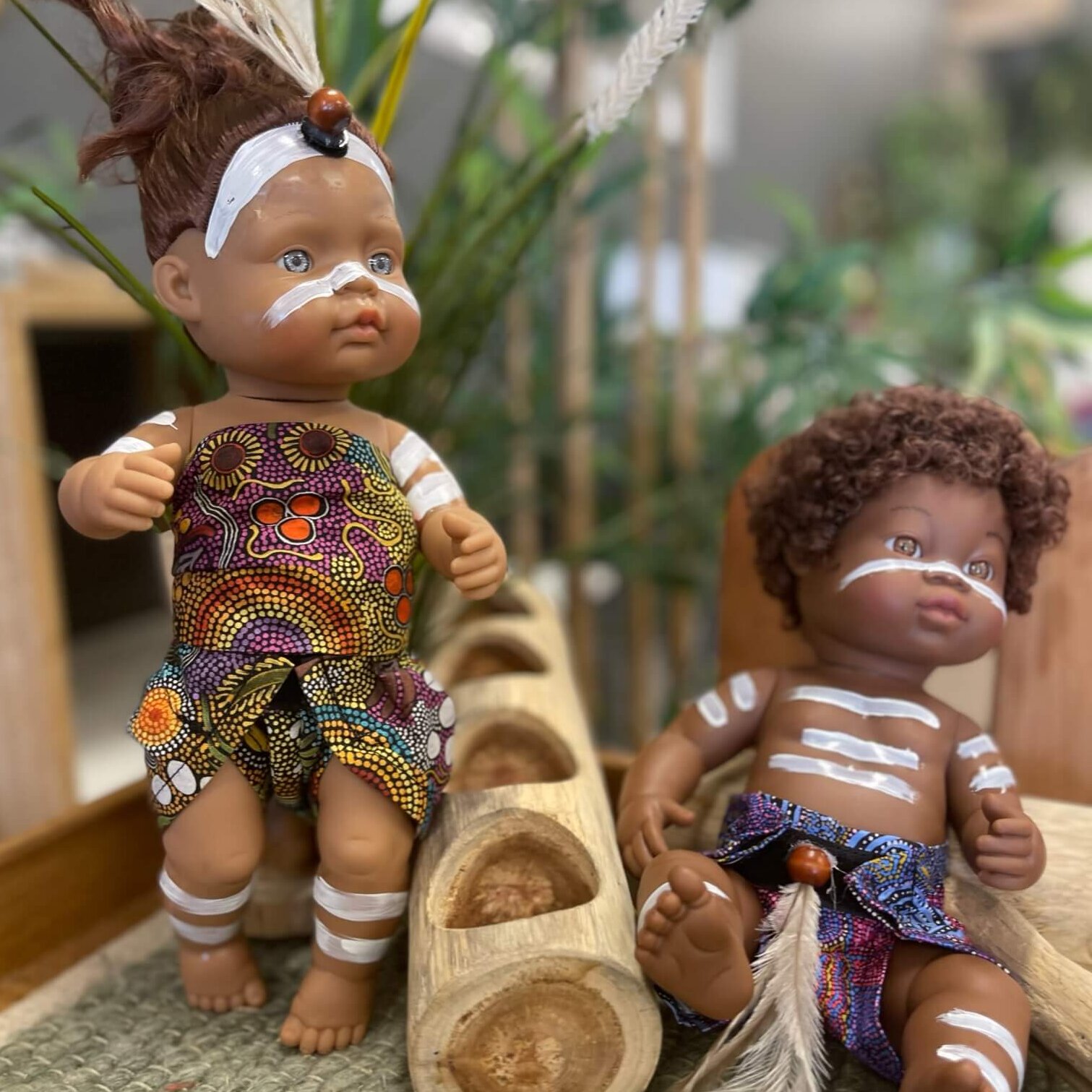
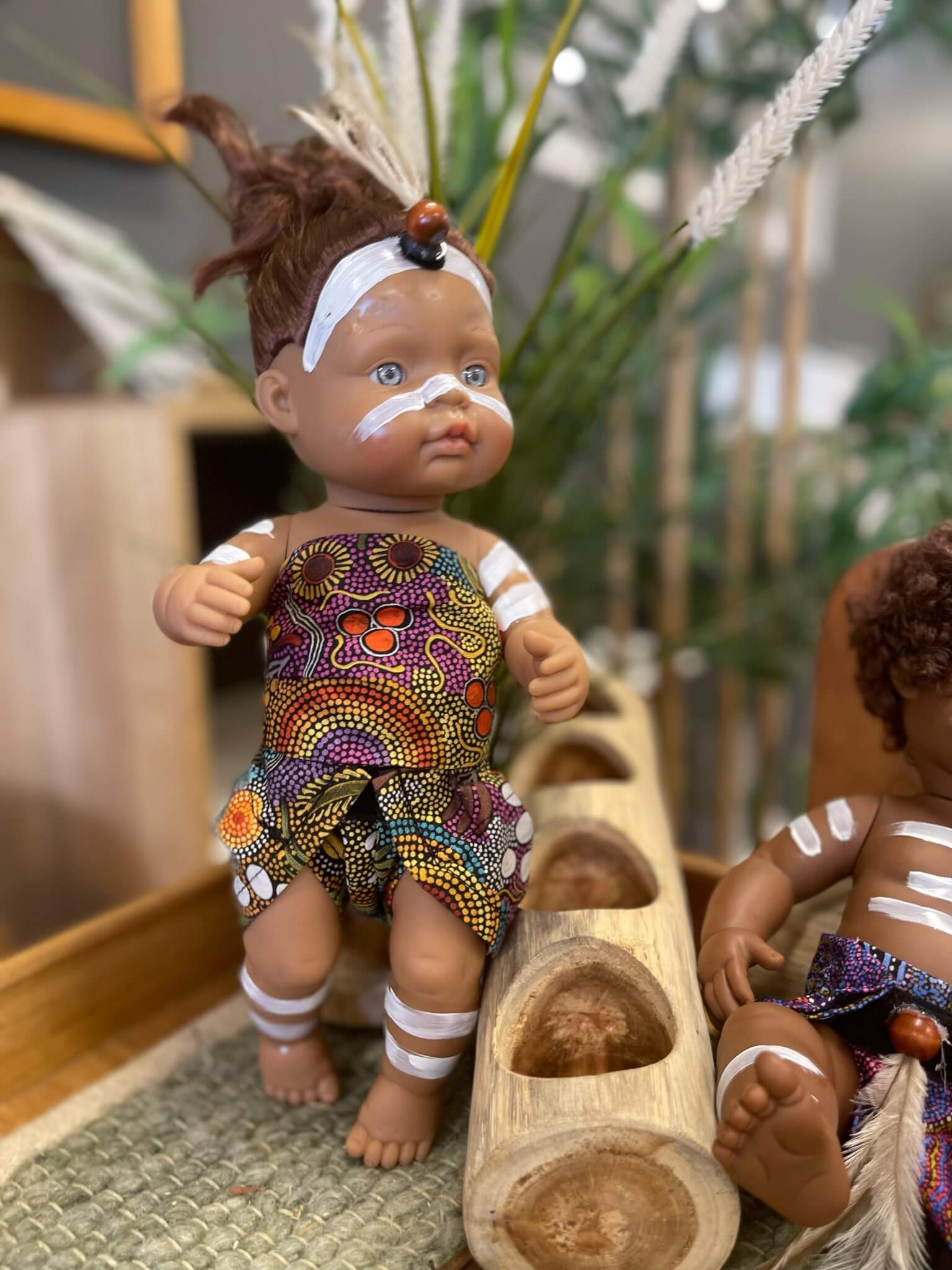
Little Jarjums is a Children’s Indigenous dolls and clothing line created and designed by Emily Rose, a proud Ngarabul woman born and raised on Quandamooka country (North Stradbroke Island) and mum of two.

Emily started making First Nations dolls to help her make an income to support her education studies and growing family. We believe these dolls are a perfect way to start teaching little ones about Australia’s First Nations history. Emily shares her background with us and the idea behind the creation of these beautiful dolls.

Emily’s Story

I’m a proud Korri Women from Jimiji/Ngarabul tribes. However a 4th Generation born and raised in Goompi – Dunwich on Minjerribah North Stradbroke Island, Qumdamooka country. Being the 4th Generation to grow up away from country, I longed to learn my own language dance, song and culture. I always felt that missing part in me, however I am very grateful to have grown up in a community where dance and culture is alive and feel honoured to be a part of it.

I fell pregnant with my daughter at 15 in 2019. My main goal and focus as a mum is to educate my daughter around her own culture. I started this by making her an aboriginal doll we named the doll “Capeembah” this is what the Nunukul people call the ‘fresh water spring’, that has been renamed to Myora. Connecting to my daughter’s name, Myora-Rose.

How ‘Little Jarjums’ Started

In 2021, I was meant to start my university journey into education. However, I fell pregnant again and felt the time wasn’t right to start. I was encouraged by my Aunty Delvene Cockatoo-Collins to start my own business. Making Indigenous dolls. Creating the dolls gave me something to do and was able to make a little side income to support my growing family. So ‘Little Jarjums’ was born.

Emily’s Vision

Our goal is to help young children to identify culture and language through play. And I’m so grateful to now have my dolls in the Little Scholars Campuses, helping to educate all the little Jarjums-children on our First Nations people.

Emily’s dolls are being distributed to all Little Scholars campuses and will make for a beautiful addition to our rooms. The Little Jarjum’s dolls are an amazing way for children to learn about the culture, as well as a beautiful way for our educators to incorporate the Indigenous heritage into everyday learning.

Children learn a lot from their environment, which is why at Little Scholars we put effort into ensuring we offer toys, books, and music from around the world to reflect different cultures. We celebrate different cultural events, including making foods so the children can discover different flavours.

Engaging children in culturally-responsive experiences is a great way to build their self-confidence, increase their knowledge and teaches them to always accept others for who they are. Our educators play a vital role in acknowledging cultural differences and helping the children feel like they belong. If we encourage children’s understanding of differences and appreciation of diversity in all aspects of life, we set them on a path to become kind and compassionate people.

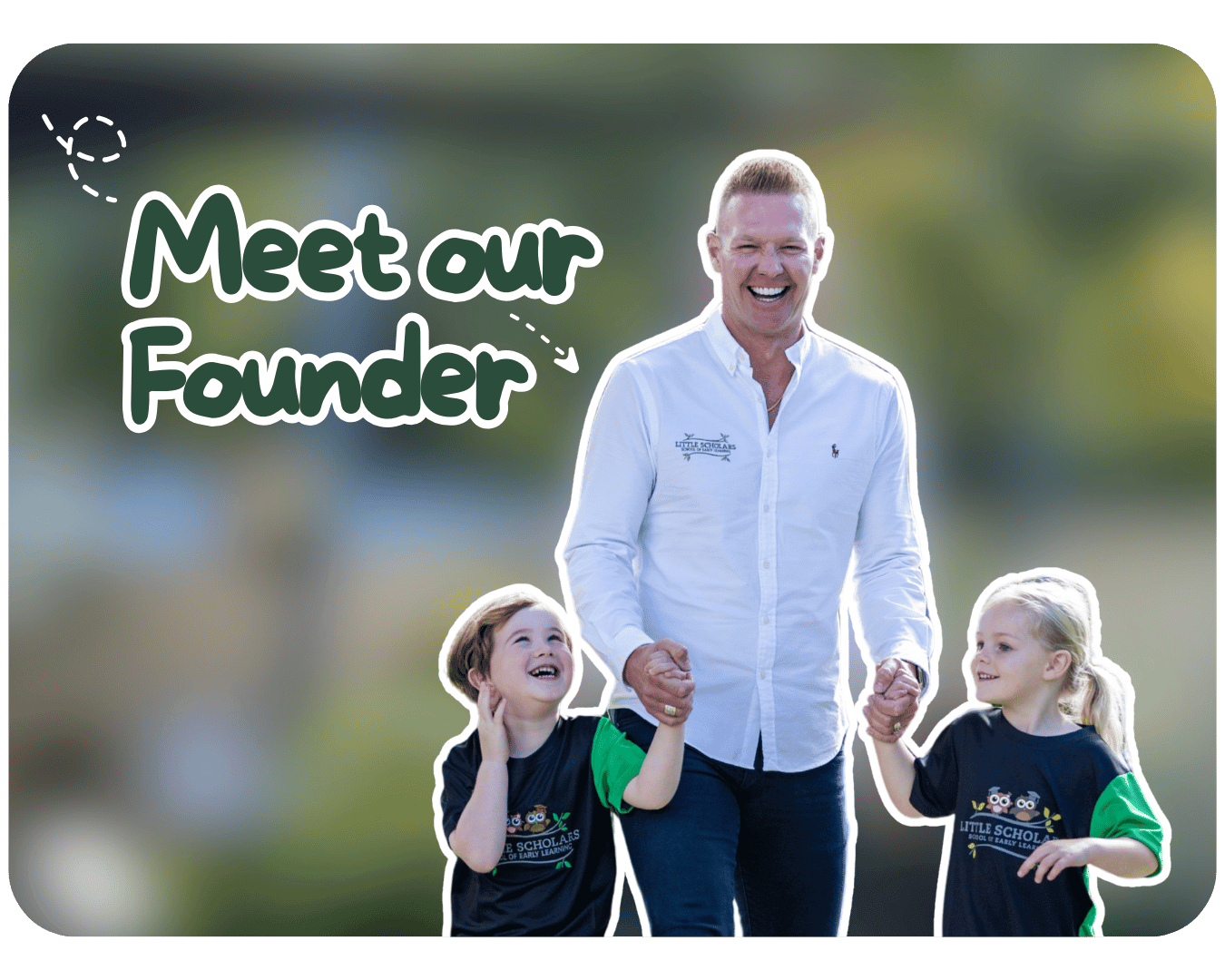
Jae, founder of Little Scholars said, “I was so excited when we found Emily-Rose to provide us with handmade local toys for our campuses. We are always looking for creative and meaningful ways to embed Indigenous culture into or curriculum and daily practise. We know the further implementation of Aboriginal and Torres Strait Islander cultures will enhance early learning educational outcomes. It will build on levels of cultural awareness, understanding and bring change for an education journey that children can thrive in, so these dolls are a perfect fit for our incredible educators to use for this purpose.”
The easiest slime recipe you will ever read. There is something so nostalgic about gummy bears as they’ve been around for years! I’m sure many of us older ‘kids’ can recall eating a gummy bear or five so it’s safe to say, making this slime will bring you back to your childhood. We had a blast making this slime but we must pre-warn you before you get to the slime makin‘ – be prepared to wash your hands multiple times because slime is seriously sticky.

WHAT DO I NEED

  • 1 cup of Gummy Bears
  • 2 tbsp of Corn Starch
  • 1 tbsp of Icing Sugar
  • 1 – 3 tbsp of Cooking Oil
  • Medium bowl (microwave friendly)
  • Mixing spoon or spatula
  • Microwave

Instructions: HOW TO DO IT

Place the gummy bears in a microwave-safe bowl and heat for 30 seconds. Stir well and reheat as needed to make the mixture completely smooth. Once melted stir well to help the mixture cool down! Combine cornstarch and icing sugar together and place half on a cutting baked or clean surface. Pour the gummy mixture onto the cornstarch and when cool enough to touch, knead in the remaining cornstarch mixture.

TIME TO PLAY. WARNING ⚠️ THIS SLIME IS SO STICKY, YOU MAY HAVE TO WASH YOUR HANDS TWICE. 🤪

Sand Rainbows. Try this super simple Kinetic Sand recipe at home. You would be surprised, you probably already have all the ingredients in your pantry. This is a super fun, vibrant activity you can do at home at anytime!

WHAT DO I NEED

  • 1 cup Baking Soda
  • 1/2 cup Sugar
  • 1/2 cup Corn Starch
  • 1 tbsp cream of Tartar
  • 3 tbsp of water, separated
  • Food colouring
  • Medium bowl

HOW TO DO IT

Okay, make sure all of your dry ingredients are ready to go before you start your recipe, it will make the process a lot simpler. Firstly start by mixing all your dry ingredients together and then gradually mix in the coloured water bit by bit. You may not need to add in all the water, so have a look at the consistency and decide for yourself! Enjoy making rainbow mountains’ out of your very own taste safe kinetic sand.

Spoooky Slime. The easiest slime recipe you will ever read. Who loves Halloween?! We sure do! So, we thought it was only necessary to share our favourite Halloween inspired Hocus Pocus Slime! This is a super simple recipe to make and so much fun!!! Oh, and a handy tip! Don’t forget the Saline Solution must have Boric Acid in it otherwise it won’t work. (We are talking from experience.)

WHAT DO I NEED

  • 1/2 cup Elmer’s Washable White School Glue
  • 1 tbs Baking Soda
  • 1/4 cup White Vinegar
  • Food Colouring (green or any Halloween colours you want)
  • Small Cauldron or Container (for mixing slime)
  • Small Cup (for mixing vinegar and saline)
  • Cookie or Craft Tray
  • Creepy Crawlies

HOW TO DO IT

Simply follow these steps. Pour ½ Elmer’s washable glue into a bucket and add in the Baking Soda! Pour in White Vinegar and Saline Solution and with your spatula, give your recipe a good ol’ mix! Add in your desired food colouring and add in the rest of your White Vinegar and Saline Solution and mix your heart away!

Frozen Dreams. The easiest slime recipe you will ever read. We have a fun activity for you to try at home, particularly for all the Elsa fans! Dreams really do come true with this Frozen-inspired homemade playdough.

Simply add them all together, and remember go to town with the blue food colouring as this is when the Frozen dreams come to life.

WHAT DO I NEED

  • 1 cup of flour
  • 2 tsp cream of tartar
  • 1/2 cup of salt
  • 1 tbsp of vegetable cooking oil
  • 1 cup of boiling water
  • Blue food colouring

HOW TO DO IT

Simply follow these steps! Pour 1 cup of water in a large bowl and then add in 1 teaspoon of blue colouring and mix it together. Add in 1 tablespoon of cream tartar, then add in 1 cup of flour along with the 1/2 cup of salt. Mix together all the ingredients and start kneading! You will then have the consistency of playdough, if you want to loosen the texture, add in a little oil. Feel free to add sparkle!

Logo
Come and see the Little Scholars difference

Let us hold your hand and help looking for a child care centre. Leave your details with us and we’ll be in contact to arrange a time for a ‘Campus Tour’ and we will answer any questions you might have!

"*" indicates required fields

This field is for validation purposes and should be left unchanged.
Children(s) Age*
Looking to start care...*
Come and see the Little Scholars difference

Let us hold your hand and help looking for a child care centre. Leave your details with us and we’ll be in contact to arrange a time for a ‘Campus Tour’ and we will answer any questions you might have!

"*" indicates required fields

This field is for validation purposes and should be left unchanged.
Children(s) Age*
Looking to start care...*
Pram Pals

Fill in the form to join your local Pram Pals mums and bubs walk

Pram Pals Registration

This field is for validation purposes and should be left unchanged.