


Did you know that clay is not only a fun material for children to play with but also incredibly beneficial for their development?
What’s fantastic about clay is its open-ended nature. There’s no right or wrong way to play with it, giving children the freedom to explore and express themselves. Whether they’re rolling it into balls, flattening it into pancakes, or creating intricate sculptures, each action reveals something unique about them. It could be their level of focus, their creativity, or even how they approach problem-solving.
Benefits include:
These are all important skills for children, especially as they prepare to move into formal education. The benefit of using clay is that it’s a natural, moldable medium that can be used as a cement, an adhesive and even a paint.
Paul R White, an American clinical social worker, has been using clay as a therapeutic tool for over 30 years. In his book, CLAYtherapy, he talks about how clay play can naturally facilitate meaningful conversations between children and adults. He developed numerous unique aids and techniques that have assisted him in teaching children to cope with stress, express feelings and to solve problems, including through the use and manipulation of clay. White also presented a paper on clay therapy to the World Congress of Child Play Therapy and Child Psychotherapy in London, England.
He has used clay in his practice as an ice breaker, as an aggression reliever and as a primary tool in treatment.
In his book, White says “Through mutual clay play, a conversation between child and counselor automatically emerges. Dialogue doesn’t have to be forced or fabricated, but happens naturally when the counselor is revealing, demonstrating and teaching this dynamic and engaging clay process and the child is asking, learning and experiencing his or her own trial and error. This manner of interaction links the adult with the child through a hands-on, verbal, nonintrusive, problem-solving counselling process.”
Lisa Terreni, a senior lecturer in early childhood education, also champions the use of clay. She believes it gives children another language for expressing their thoughts and ideas.
“From many anecdotal observations of children using clay I feel strongly that, apart from teaching young children the physical skills required to use the medium successfully to create three dimensional artworks, using clay gives children another language for expressing their thoughts, ideas and emerging working theories about their world,” she said in a blog post for Early Arts.
Marvin Bartel, a professor of art at Goshen College in the United States, says in a blog post on his website that ‘clay is so fascinating that some children work for long periods without any adult motivation to maintain their interest. It can be a great way to extend the attention span of some children.’
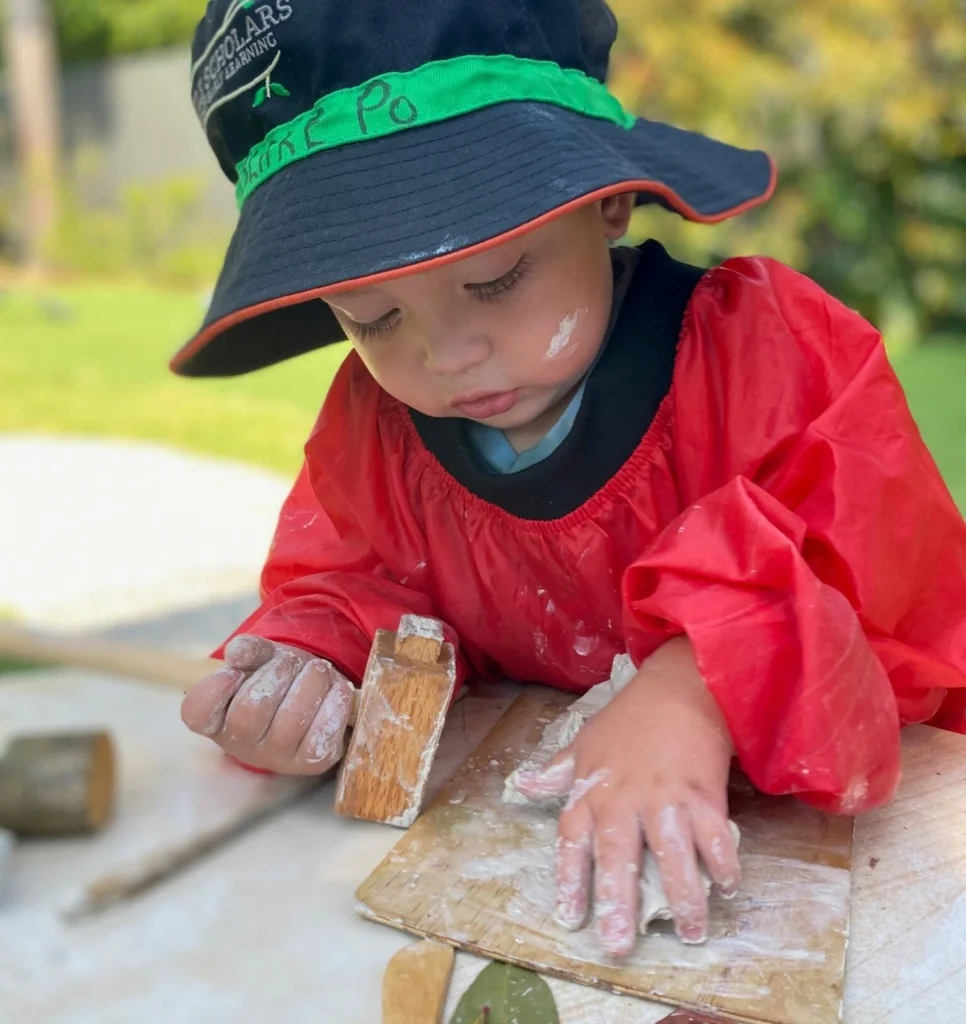
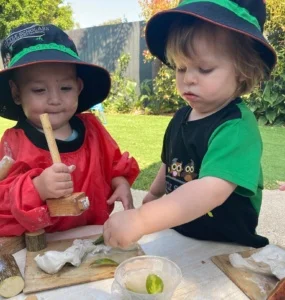
According to experts from Pennsylvania State University, children will show many parts of themselves through clay experiences:
One of the lesser-known but incredibly important benefits of clay play is muscle development. When children manipulate clay, they’re actually engaging both fine and large muscles, which is crucial for their physical development.
Anxiety
One study in Iran aimed to examine the impact of clay therapy and narrative therapy on reducing anxiety levels in pre-school children. The study involved 30 kindergarten children who were divided into three groups: 10 in the clay therapy group, 10 in the narrative therapy group, and 10 in the control group. The study found significant differences in anxiety levels among the groups. Both the clay therapy and narrative therapy groups showed a reduction in anxiety compared to the control group. The clay therapy group had a mean score of 3.63, and the narrative therapy group had a mean score of 2.83, both of which were significantly different from the control group’s mean score of -0.71. However, there was no significant difference between the clay therapy and narrative therapy groups in terms of anxiety reduction.
The study concludes that both clay and narrative therapies are effective in improving self-esteem, school performance, and sociability of the children, as reported by the parents.
Psychosocial Wellbeing
Another study out of Kenya, looked at how clay play supported children who lost access to schools during the pandemic, affecting children’s right to education and their psychosocial wellbeing.
The study, published in the East African Journal of Arts and Social Sciences, looked into the psychosocial effects of the COVID-19 pandemic on children and how play, particularly with painting and clay modelling, can be a therapeutic and educational tool. The paper argues that these forms of play can help children cope with the stresses and traumas induced by the pandemic, while also promoting cognitive and social learning.
The study argues that play with art forms like painting and clay modelling can be powerful tools for cognitive and social learning. They can also serve as therapeutic activities to counter depression and violent behaviour. Activities such as clay modelling and painting are described as non-serious activities that free the mind and are excellent for expression. Clay is described as a malleable material that can be easily manipulated, while painting offers a colourful medium for expression.
The study suggests that these art-based activities should be integrated into the curriculum, especially for children aged four to six, to enhance their psycho-motor and creativity development.
Fine Motor Skills
An Indonesian study investigated the impact of constructive play with clay on children’s fine motor skills. The small study by researchers from STKIP Kusuma Negara included two groups of 11 children each, one as the experimental group and the other as the control group. The study used test observation techniques for data collection and employs both descriptive and nonparametric statistical analysis. The results indicated a significant difference between the two groups, suggesting that constructive play with clay positively impacts children’s fine motor skills.
In the study, the authors highlight the physical aspects of working with clay.
“Working with clay fosters large muscle and fine motor control. Clay is fairly resistant and will need to be kneaded and worked to make it pliable. Children can stand or sit while using clay. Standing provides the advantage of a whole-body muscular reaction to the clay. Hard clay provides solid resistance the child must overcome. This will involve using the shoulders, arms, hands, and fingers. Playing with clay develops large muscles and fine motor control because the clay is quite resistant and kneaded to make it soft.”
The benefits of clay play in early childhood development are supported not only by expert opinions but also by a growing body of scientific research. From fostering creativity and social skills to enhancing both fine and large muscle development, clay play serves as a multifaceted educational tool.
References:
Have you ever wondered how the books your children read can influence their growth and development? If not, you’re not alone, and it’s never too late to start paying attention. As parents, we all wish for our children to grow up as thoughtful, intelligent, resilient, and kind individuals. Regardless of their gender, we want to create equal opportunities and experiences that will shape their future through formal education and into adulthood. At Little Scholars, we understand that our actions today in educating and caring for children have a profound impact on the future, no matter how big or small they may seem, and that includes the books we share.
There’s been a lot of research looking at how children’s books portray gender identity and equality. For example, a recent 2021 study titled “Gender equity in early childhood picture books: a cross-cultural study of frequently read picture books in early childhood classrooms in Australia and the United States” dug deep into the representation of gender in commonly-read picture books across eight early learning centres in both countries. The study involved 44 educators and 271 children, and its findings shed light on the impact of gender bias in literature on young children.
The research revealed that gender bias in literature such as picture books can have significant effects on children’s beliefs and attitudes. Boys may develop a sense of entitlement, while girls’ self-esteem and occupational aspirations may suffer. As well, these books can inadvertently teach children that girls are of lesser value than boys. Even a 2016 report by UNESCO found persistent gender bias in textbooks, which can negatively affect girls’ motivation, self-esteem, and participation in school, possibly limiting their career expectations.
The study carefully examined the themes and messages conveyed by the books (not named), both overt and subtle, in relation to gender and gender roles. It considered language, illustrations, emotions, attitudes, needs of characters, as well as activities, roles, and relationships portrayed in the stories.
The researchers looked at the use of gender-specific or neutral names, pronouns, and labels, along with language related to characters’ roles, appearance, occupations, and personality traits. For instance, females may be described or portrayed as beautiful, nurturing, or dependent, while males are shown as powerful, clever, or independent. They also considered the clothing worn by characters, their positioning on the page, and the activities they engage in were also analysed. These aspects contribute to shaping the image of gender roles in children’s minds. The study examined how female characters are often portrayed as passive, emotional, and dependent on males to solve problems, while male characters are shown as strong and competent. The portrayal of characters within a family dynamic was examined, including the division of household and career responsibilities between genders.
Another study, Children’s Book Illustrations: Visual Language in Picture Books, includes a section that discusses character development through illustration, and touched on character’s gender preference. While one study referenced from 2011 revealed male characters outnumbering female in picture books, some illustrators who were interviewed stated that about 20 years ago, the situation was reversed and there was a significant push for including more male characters into picture books to encourage boys to read more.
If this has you thinking about some of the books, often classics, that you have in your home and that you’ve read with your child, we don’t want you to feel guilty as you view them with a new lens! The next time you read them, it’s an opportunity to have a discussion about the book – why you love it, perhaps what might be outdated thinking, and that can spur on some wonderful conversations about gender equality that would serve boys and girls well.
It’s not all doom when it comes to children’s literature and the effect they can have on children! In recent years, there has been significant research and evidence that shows how children’s books that empower young girls can have a positive impact on their development and self-esteem as they grow. Here are some key points supported by research:
By bringing empowering children’s books into their ‘reading diet’, parents, educators, and caregivers can play a huge role in shaping the confidence, aspirations, and character of young girls. These books have the potential to leave a lasting impact, contributing to a more empowered and equitable generation of women in the future.
There are so many wonderful books that do support female positivity, gender equality and encourage young girls to break any glass ceilings that get in their way. But, we encourage young boys to enjoy these books, and parents to have similar conversations with all children – we can’t change the future without acknowledging the past and making change now. Here’s 10 empowering books we’ve chosen, but please let us know if there are more you think we should have in our campuses! (and where we could, we’ve linked to Gold Coast and Brisbane Libraries!)

Cloudette by Tom Lichtenheld
Sometimes being small can have its advantages. But what about when you want to do something big, like help a giant garden grow, or make a brook babble? This charming book gets at the heart of what it means to make a difference no matter your size. Young children will find much to relate to as they follow Cloudette on her pursuit for greatness.
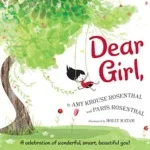
Dear Girl by Amy Krouse Rosenthal and Paris Rosenthal
This book serves as a love letter written for the special girl in your life; offering a gentle reminder that she’s powerful, strong, and holds a valuable place in the world.

Ada Twist, Scientist by Andrea Beaty
Ada Twist is a story about the power of curiosity in the hands of a child who is on a mission to use science to understand her world. This book is a celebration of STEM, curiosity, perseverance, and passion.
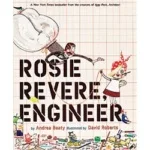
Rosie Revere, Engineer by Andrea Beaty
Ok, we couldn’t choose between these two Beaty books. Both scream ‘you can do anything’ which is exactly what we want our children to believe after reading books. These books, besides their important messages, also have great flow, rhyming and expressions, making them fun for parents to read out loud (over and over)
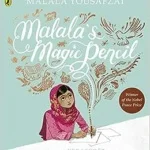
Malala’s Magic Pencil by Malala Yousafzai
Malala Yousafzai, the youngest recipient of the Nobel Peace Prize shares a story from her childhood in Pakistan that shows younger readers the world view that allowed her to hold on to hope even in the most difficult of times

Mae Among the Stars by Roda Ahmed
Inspired by the life of Mae Jemison, the first Black woman to travel in space, this beautiful picture book will encourage young girls to reach for the stars, to aspire for the impossible, and to persist with childlike inspiration
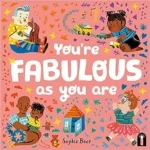
You’re Fabulous As You Are by Sophie Beer
This new book celebrates gender expression in all forms, whether it’s wearing sparkly tutus or stomping around in big black boots, to having messy fun or needing quiet time.
You’re Fabulous As You Are tells children it’s okay to choose any colour or change your mind, and encourages them to be completely and unashamedly their fabulous selves.

Her Body Can by Kate Crenshaw
Her Body Can is a book of self-love and body positivity declarations for all young girls. Its aim is to encourage our young girls to love themselves and their bodies for exactly who and what they are.
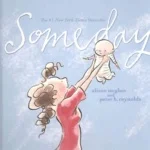
Someday by Alison McGhee
Someday is the story of what every mother wishes for her child: a chance to live life at its fullest to experience great joys, to stretch, to grow, to understand sorrow, to have a future to have a someday.

The Wonderful Things You Will Be by Emily Winfield Martin
From brave and bold to creative and clever, this book celebrates all personalities and their potential.
As parents, educators, and caregivers, we can choose books that promote equality and challenge gender stereotypes. By offering children a diverse range of literature, we can empower and encourage them to become open-minded, respectful, and compassionate individuals. At Little Scholars, we are committed to fostering an inclusive environment and nurturing a generation that values equality and embraces each person’s unique potential.
Further research
If you have a child at Little Scholars, you’ve likely heard of ‘The Collective’ but do you know what it is? We thought it might be time for an explainer!
Little Scholars School of Early Learning’s The Collective is a service-wide, multi-faceted educational initiative, designed to enhance each child’s learning and development and best support educators’ time spent with children.
The development of The Collective is based upon early childhood pedagogy. Children are provided the time and space to explore, imagine, create, problem solve and develop social groups and guided to find their individual learning journey. The Collective allows for educators to have freedom in how they document and plan for children. This supports a strength-based approach with our team and highlights individual skillset of our educators and value the multiple voices being heard, embedding a collective response to children’s learning.
Understanding the demands of documenting processes, Little Scholars wanted to create a streamlined approach to the educational program across all our campuses. The intention was to demonstrate quality over quantity, foster children’s growth, and develop them to become successful citizens and critical thinkers. This curriculum approach also supports educators to adopt theory and put it into practice. Educators, through observations of children’s play, conversations and their interactions within their environment, explore what the child might be thinking. This is then the beginnings of the planning process within our collective curriculum.
Alice Micklewright, campus manager of Little Scholars Burleigh, with her team, came up with the idea of The Collective and led its early development.

Alice Micklewright, campus manager of Little Scholars Burleigh
“I wanted to look at curriculum for a while because there were a lot of things that we felt were just kind of there but didn’t feel like they had a place, so streamlining that focus was good.”
“We had a lead educator meeting one night and we talked about how the educators were feeling in general, and some of the comments were just like ‘I feel like I spend more time writing things down than I do with children.’ They are still with the children most of their time, but when you’re feeling like you’re trying to focus on something else and not giving the whole attention to something and being present, it can be really unsettling.”
That was at the peak of the pandemic crisis, according to Alice, and her team became cognisant that what they were doing in the moment was far more important than anything else.
“The first conversation we had, we looked at what we were doing and wrote down notes on the back of the pizza box – ideas about why we’re doing what we were doing, what the processes were and what we felt didn’t really fall within the planning cycle appropriately for it be conducive to having good outcomes for everybody involved.”
“We really started The Collective off the back of our Engagement Initiative – that’s the one day a month we have with no documentation of photos, no technology. It was purely based on educators getting back in touch with engaging with children and not focusing so much on some of the perceived pressures that have come about in the sector in terms of things like families’ expectations on photos being received, and the amount of documentation that sometimes can spiral. It is a regulation for services to demonstrate planning toward an educational program for children. We wanted a streamlined approach to guide our campuses to set the benchmark to support and engage.
“It’s really been child-driven on the focus of what we want to do,” she says.
Melanie Excell, Operations Manager for Little Scholars, agrees.
“When we started this process, we gathered information from a variety of different perspectives – including families and children, and professional training and resources,” Mel says.
There was a vast amount of training for educators to understand new processes.
“At its core, it’s really been just trying to pare back what we were doing to deliver quality curriculum for children, that supports their outcomes and their developmental needs, to generate a stronger culture of critical thinkers in terms of children and educators,” Alice adds.
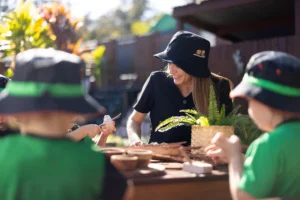
Weekly, rather than daily, detailed written updates are now sent to families, allowing educators to focus more on being with children. Families still get photos daily to see what their child has been learning and enjoying that day, but learning outcomes, routines, links to Early Years Learning Framework and research are saved for the end of the week, and individual child updates are sent out termly.
“Sometimes you find that services will continue to add a lot of documentation [about each child] and to try to meet the needs of the framework and the standards, when it can be a lot simpler and child focused,” Alice says.
The critical reflection component of the curriculum is most important, according to Alice.
“Everything we do really needs to have a purpose, a thought behind it and a reason why we want to engage in it that way, and then involving the children in that process and the families as well.
“If you look at the planning cycle in the National Quality Framework (NQF), you gather information from an idea or interest that children have, engage the children in what they’d like to do moving forward and analyse the information you’ve gathered, plan for it, then reflect and review is the whole cycle.”
For example, educators might look at children who are engaging in an activity and would consider it across developmental milestones and outcomes what they think the children are trying to achieve. In a nursery, where early learners can’t yet speak, educators might observe a child picking up resources and putting them into a basket and taking them back out, a learning behaviour known as a schema.
“Children are exploring all of these different concepts every day, even though you may not realise because they’re playing and it’s natural for them to do that,” says Alice.
The use of open-ended questioning with children supports the understanding of their play and helps gain a child’s perspective as opposed to an adult’s agenda.
The planning comes from what educators talk about in the moment, and educators act on what they’ve gathered, followed by a review at the end, where they decide if they activity worked well or didn’t, and if it didn’t, questioning why – were the children just not interested in that topic anymore, and is there a reason why?
Little Scholars produces individual learning journeys for each child that highlight significant milestones and achievements to their development whilst in our care. Various modes of documentation record the learning identified through the child’s participation in our program.
Little Scholars sends out the personalised mid-year assessments to the families and then the end of the year they’ll receive a transition letter which wraps up their child’s journey, acknowledging achievements and progress in their studio.
“One of the other points we highlighted when we started reviewing the curriculum, is that we wanted to educate our families that what we were doing. We know that there’s a lot of electronic information available as well, but the value of that face-to-face conversation and relationship with staff and families, is important too,” Alice says.
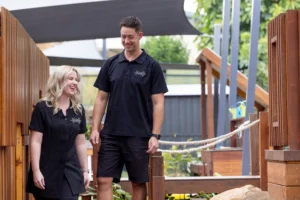
The Collective allows for educators to have autonomy in how they document and plan for children. This supports a strength-based approach with our team,” according to Susan Cooper, group pedagogical leader for Little Scholars. “It highlights individual skillset of our educators and value the multiple voices being heard, embedding a collective response to children’s learning.”
Alice says it’s still a process that Little Scholars is undergoing.
“Ultimately, it’s important that we have educators here who feel stable and like they want to contribute and that they are getting recognised for the things that they’re doing, and we believe The Collective does that.”
Jae Fraser, founder of Little Scholars agrees. Little Scholars wants to ensure educators feel seen, heard and valued, because our educators’ passion for our children and their education is why we’re delivering exceptional educational play-based programs.
“We really care about and listen to our teams, so when they are feeling pressured due to significant amount of paperwork, we act,” says Jae. “It’s all about the educators and the children, so if we can achieve amazing outcomes without all the unnecessary paperwork, and children and educators are interacting and engaging in really meaningful ways – this is what we need to focus on.”
More about Little Scholars:
Book a tour today!
When you think of sensory play, you might picture messy playdough or rice bins — but there’s so much more to it! Contrary to popular belief, sensory play isn’t just for children who need extra support with development or social skills. In fact, all children benefit from sensory activities, no matter their age or abilities.
At Little Scholars, we believe sensory play is one of the best ways for children to learn, grow, and explore their world — all through touch, sound, smell, sight, and movement.
Sensory play refers to any activity that engages your child’s senses — touch, sight, smell, taste, hearing, and even their internal senses like balance and body awareness.
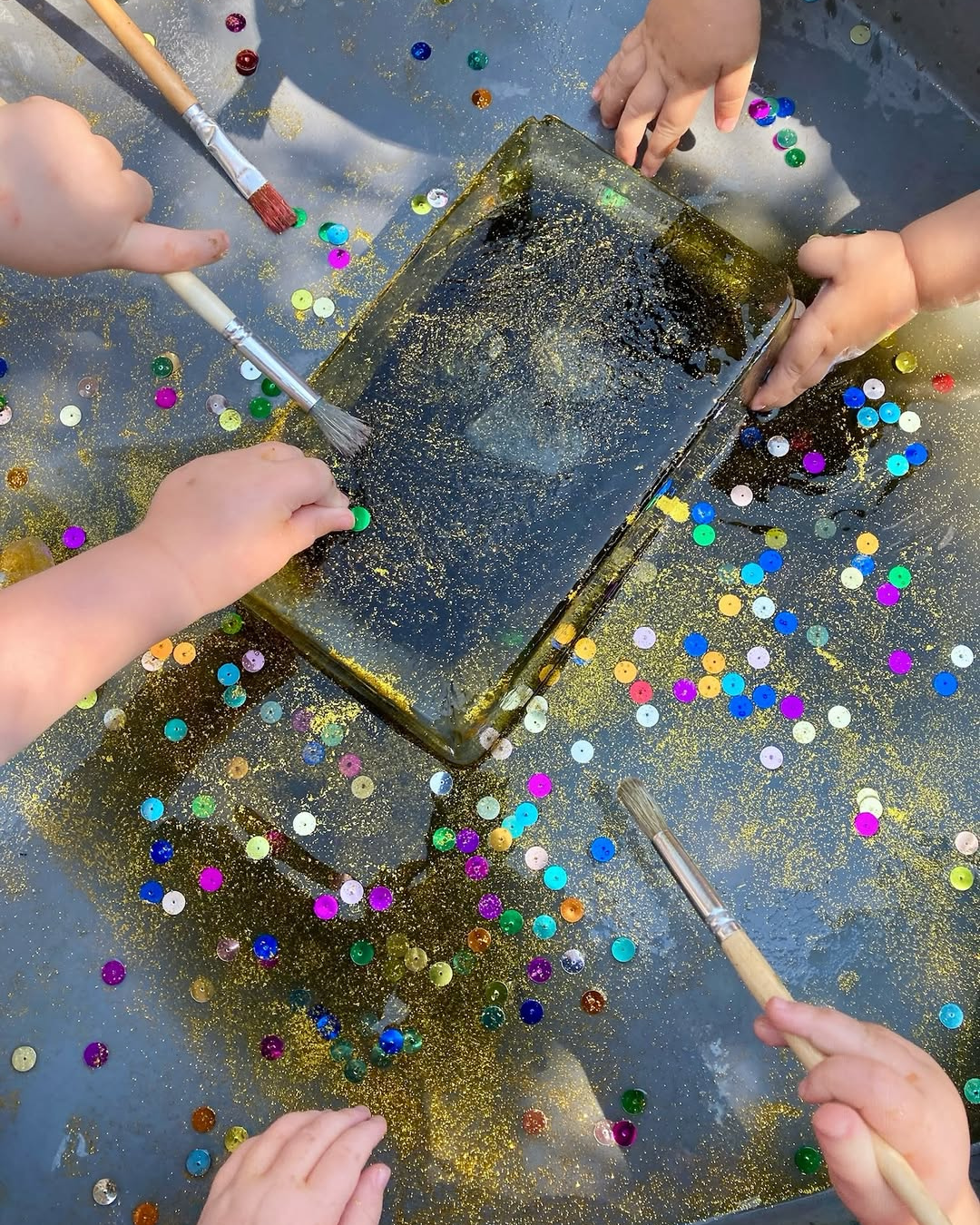
From squishing playdough and painting with fingers to listening to new sounds or jumping in piles of leaves, sensory play helps children make sense of the world around them through hands-on exploration.
It’s natural, instinctive, and incredibly beneficial — babies begin sensory exploration from the moment they’re born! As parents and educators, we simply guide and encourage this curiosity in fun and creative ways.
You don’t need fancy toys or expensive materials to provide amazing sensory experiences at home. Here are a few fun, budget-friendly ways to get started:
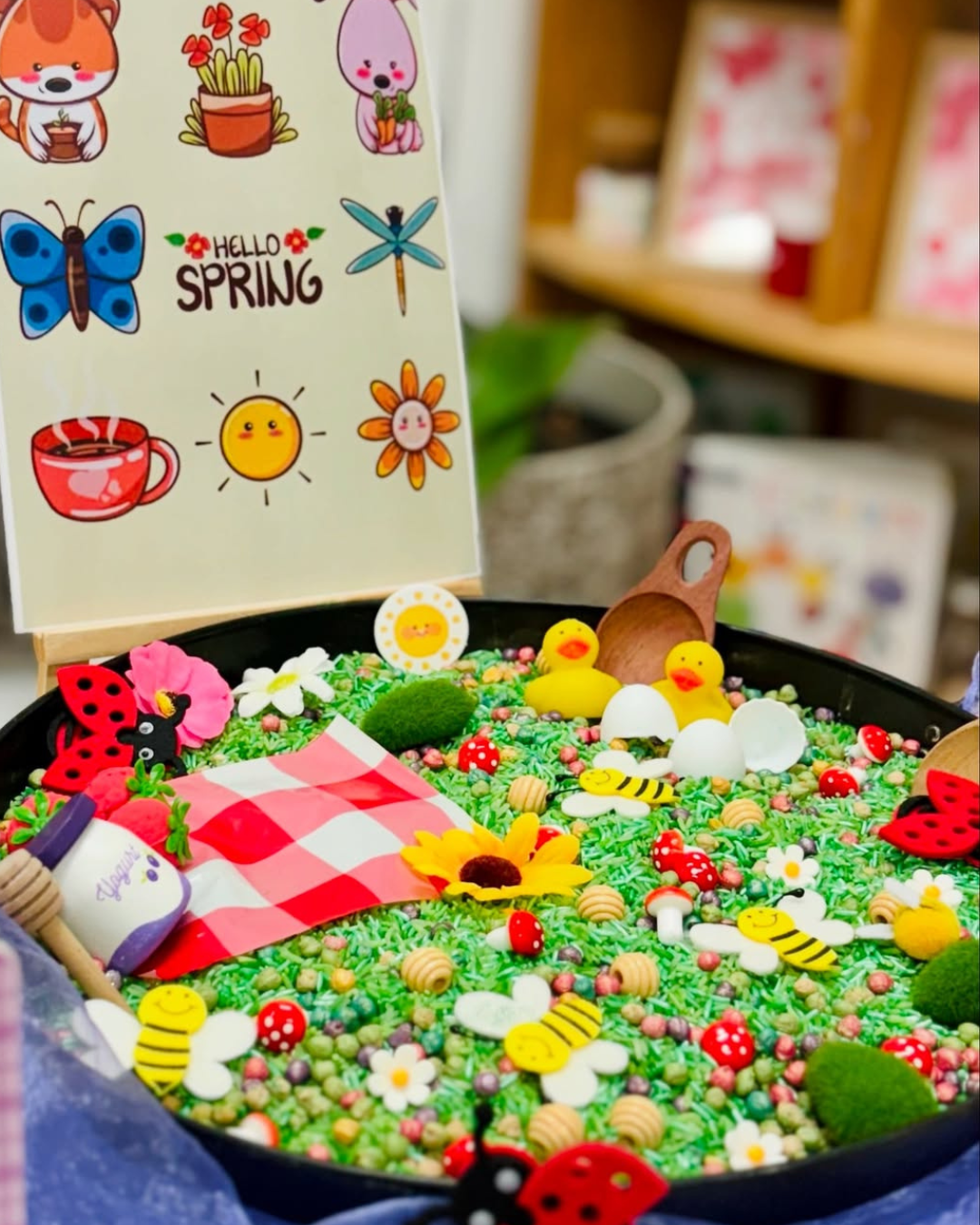
A sensory bin is a simple container filled with materials that feel, sound, or look interesting — think leaves, sand, rice, shredded paper, or water beads.
Here’s an easy-to-follow recipe on one off our favourite sensory bin activities, moon sand!
Tip:
Always supervise young children during sensory play, especially if they like to explore with their mouths. Avoid small items that could pose a choking hazard.
Yes, playing with food can be encouraged! Sensory food play helps children explore textures and smells, which can even reduce picky eating over time.
Try:
Remember: sensory food play is different from mealtime — it’s about exploration, not eating dinner with their hands!
Turn everyday items into sensory toys!
To create a sound tube:
This simple DIY helps develop auditory awareness and fine motor control.
Sensory play might look simple, but its benefits for development are enormous. Here’s how it supports your child’s growth:
When babies and toddlers play with different textures, sounds, and materials, they form new neural connections in their brain. These experiences lay the foundation for lifelong learning and problem-solving.
Exploring new sensations stimulates brain areas related to memory and attention. Activities like sorting, scooping, and identifying objects help toddlers remember patterns and details.
Through sensory play, children learn how to share, cooperate, plan, and problem-solve. These experiences build confidence, resilience, and social awareness.
Pouring, pinching, scooping, and stirring all strengthen fine and gross motor skills, improving coordination and hand-eye control — essential for writing, dressing, and self-feeding later on.
Sensory play helps children become little scientists — testing, observing, and learning how things work through trial and error. This kind of hands-on experimentation fuels curiosity and independent thinking.
Surprisingly, sensory play can even make your child more open to trying new foods! Research shows that when children physically play with vegetables or unfamiliar foods, they’re more likely to eat them later.
At Little Scholars Early Learning, sensory play is at the heart of everything we do.
We’re a privately owned early learning service providing quality education and care across South East Queensland, guided by the Early Years Learning Framework.
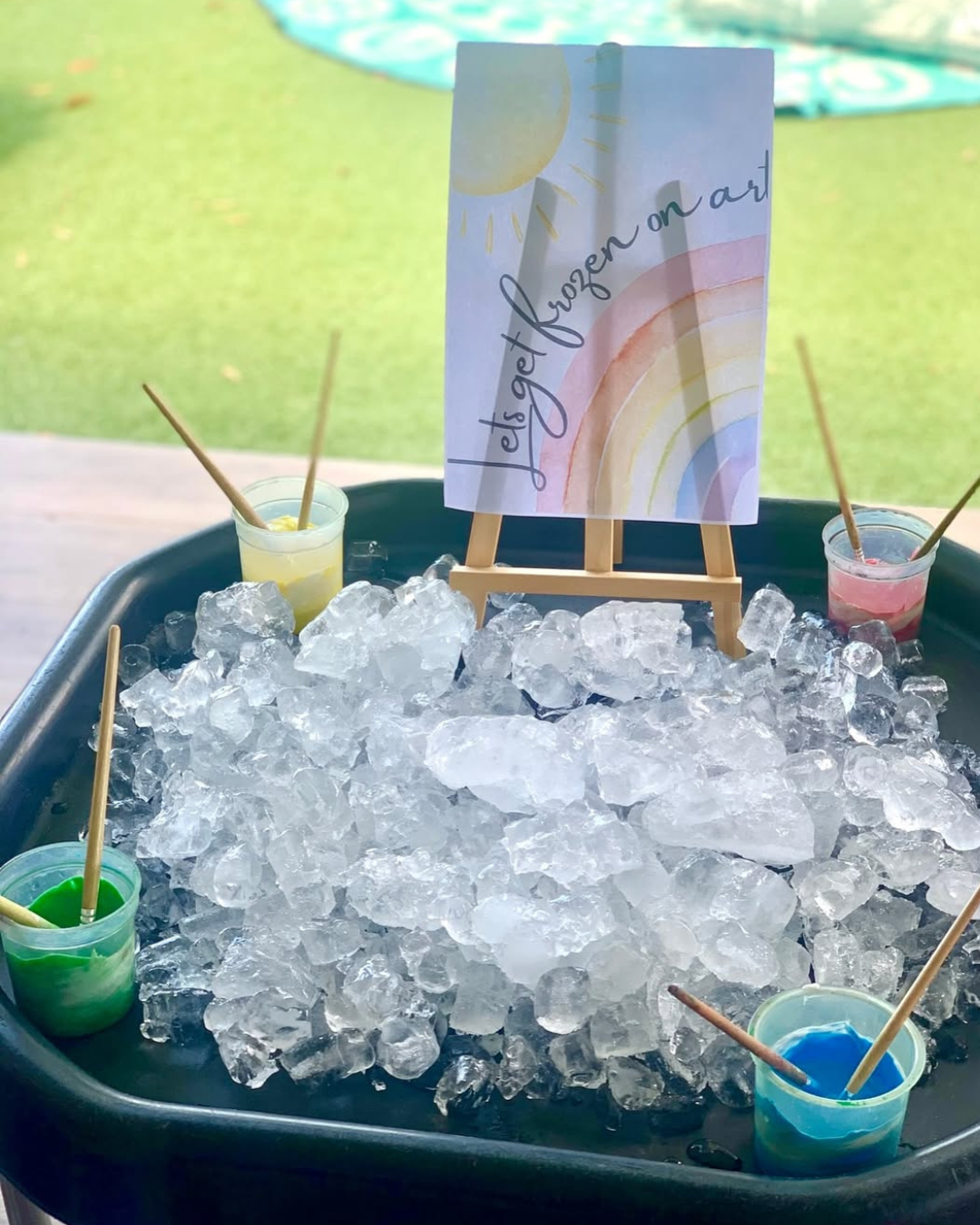
Our educators design daily activities that stimulate the senses — from messy art and outdoor discovery to music, movement, and water play.
We believe:
We aim to be an extension of your family — nurturing relationships, celebrating milestones, and helping every child thrive.
Want to see sensory play in action?
Come visit your nearest Little Scholars campus and discover how our hands-on, play-based approach helps children learn through joy, exploration, and discovery.
Book a tour today and see why families love being part of the Little Scholars community!
As early childhood educators, we encounter a variety of situations on a daily basis, ranging from ordinary to interesting (to say the least!). Reflective practice in early learning is about taking a step back and critically examining these experiences to better understand what happened and why. By reflecting on our practice, we can learn from our experiences, improve our approach, and ultimately provide better care for the children in our campuses.
Little Scholars provides an attractive and safe environment to children on the Gold Coast while giving you total peace of mind while your children are in our care. Learning areas include well-equipped playrooms and landscaped outdoor spaces for maximum learning opportunities. Book a tour today if you are looking for an early learning campus in South East Queensland.
Reflective practice is a process of critical examination and evaluation of experiences, situations, and decisions to learn from them and improve future practice. It involves actively seeking out information, analysing and interpreting it, and using it to guide decision-making and improve outcomes. Reflective practice is not just about what happened, but also about why it happened and how it can be improved.
We apply reflective practice to various aspects of our work, such as planning, teaching, assessing, and communicating with children and families. It helps us identify the rationale behind our practices and evaluate whether they are consistent with our beliefs, values, and core philosophy.
Little Scholars School of Early Learning’s The Collective is a service-wide, multi-faceted educational initiative, designed to enhance each child’s learning and development and best support educators’ time spent with children.
There are different types of reflective practice, including reflection-in-action, reflection-on-action, and reflection-for-action.
Reflection-in-action occurs spontaneously as we make decisions in response to what is happening in the moment.
Reflection-on-action involves thinking about experiences after the event and questioning how and why a specific practice contributed to or detracted from a child’s learning or relationships with families.
Reflection-for-action is a proactive way of thinking about future action and involves considering different approaches and refining inclusive practices and communication strategies to improve outcomes.
We view reflective practice as an essential component of developing a culture of learning that drives continuous improvement and focuses attention on quality outcomes for children and families. It helps us to enrich children’s learning, build our own knowledge and skills, and affirm and challenge our colleagues.
To engage in reflective practice, we take time to observe children closely, foster relationships and gain insights into their thinking and learning. Here are some strategies we employ to engage in reflective practice in early learning:
Reflective practice in early childhood education is important as it ensures educators regularly reflect on what they do, why they do it, and how this knowledge can improve their practice.
Studies show that high-quality early childhood settings positively affect children’s development, and reflective practice is a feature of such environments. This practice allows early childhood professionals to develop a critical understanding of our own practice and continually develop the necessary skills, knowledge and approaches to achieve the best outcomes for children.
Reflective practice also helps us create real opportunities for children to express their own thoughts and feelings and actively influence what happens in their lives. In addition, reflective practice helps professionals to develop a deeper awareness of their own prejudices, beliefs, and values, and advance learning for vulnerable children.
At Little Scholars, we recognise the importance of reflective practice in providing high-quality early education to the children in our care. Our educators engage in regular reflection and are encouraged to share their insights and experiences with their colleagues.
We believe that by reflecting on our practice, we can continually improve and adapt to better meet the needs of the children and families we serve. The Collective allows for educators to have autonomy in how they document and plan for children. This supports a strength-based approach with our team.
If you live in South East Queensland, book a tour today to enrol your child in the best early learning campuses in the community.
At Little Scholars, the Early Childhood Australia Code of Ethics serves as one of the guideposts in our approach to education, informing our interactions with children, families, colleagues, and the wider community. Our dedicated educators embrace these ethical standards, continually striving to provide a caring, inclusive, and stimulating environment for every child in our care.
By taking on board the ECA Code of Ethics, you can rest assured that we are committed to providing a nurturing and enriching environment for your child. But what is the ECA Code of Ethics? Let’s take a closer look.
Book a personalised tour of one of our campuses today. We look forward to welcoming you and your child to our community.
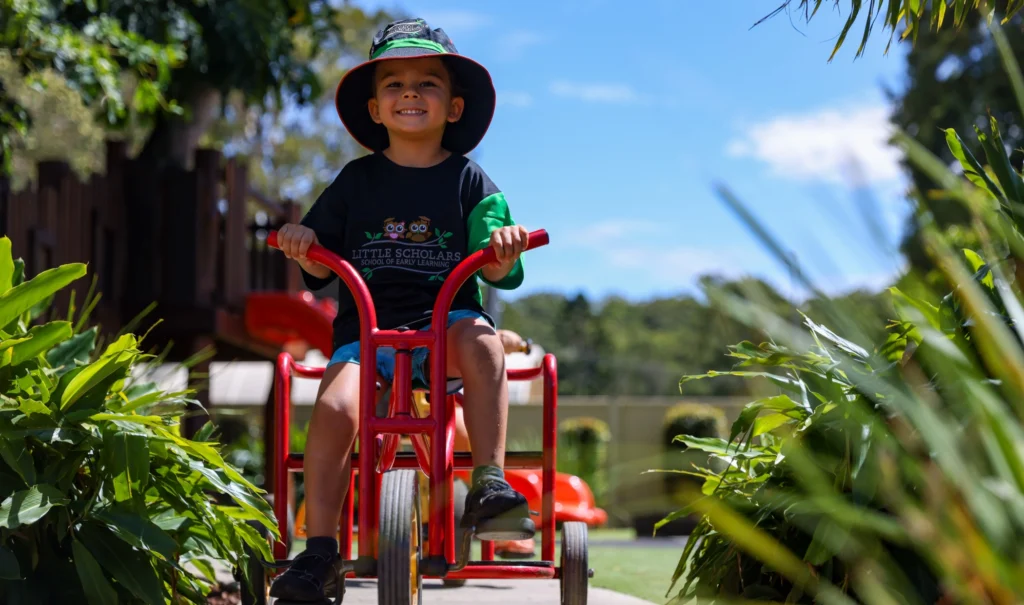
The ECA Code of Ethics is a set of guiding principles designed to help early childhood professionals navigate the complex decision-making processes involved in their work. It is a living document developed by Early Childhood Australia, Australia’s leading advocacy organisation for children’s rights and education.
The importance of the ECA Code of Ethics in early childhood education cannot be overstated. It informs and guides educators on their ethical responsibilities, promoting integrity and professionalism. By committing to the Code, educators reaffirm their responsibility to children’s well-being, learning, and rights, thereby cultivating learning environments that are nurturing, inclusive, and respectful.
The ECA Code of Ethics also offers a common language for discussing ethical issues and dilemmas that may arise in early childhood settings. For example, it supports educators in making decisions that align with core ethical values, fostering trust and collaboration among colleagues, families, and communities.
At Little Scholars, we wholeheartedly embrace the ECA Code of Ethics, using it as a compass in our daily practices and interactions. Let’s take a closer look at the code’s core principles.
The ECA Code of Ethics rests on a set of deeply held values. These values are central to early childhood education and direct decision-making processes concerning ethical responsibilities. They emphasise respect and uphold the rights and dignity of all – children, families, colleagues, and communities. The ECA Code of Ethics principles are based on the United Nations Convention on the Rights of the Child, an international agreement on childhood developed in 1991.
One of the core principles emphasises the uniqueness of each child. This principle recognises that every child, with their individual interests and strengths, has the potential to contribute significantly to their communities.
They also acknowledge that children, from birth, are full-fledged citizens, deserving of civil, cultural, linguistic, social, and economic rights. This principle emphasises that children are not merely passive recipients but active participants in society.
Effective learning and teaching is seen as a professional undertaking that utilises specialised knowledge and incorporates diverse perspectives. This principle values informed decision-making in shaping learning environments and experiences.
The Code of Ethics also underscores the importance of partnerships with families and communities. These partnerships foster shared responsibility and collective effort in promoting children’s learning, development, and well-being.
Promoting democratic, fair, and inclusive practices is another core principle of the ECA Code of Ethics. It recognises the importance of equity and cultivates a strong sense of belonging among all participants.
At the heart of children’s education and care are respectful, responsive, and reciprocal relationships. This principle promotes a relationship-centred approach in all interactions involving children.
The importance of play and leisure in children’s learning, development, and well-being is also a key principle. This reflects the understanding that children’s engagement in play is not only natural but also essential for their holistic development.
Lastly, the Code of Ethics recognises that research, inquiry, and practice-based evidence are integral in informing quality education and care. This principle encourages a culture of continuous learning and evidence-based practice.
The ECA Code of Ethics outlines several significant commitments that educators make as they undertake their crucial role in the field of early childhood education. These commitments form the ethical backbone of the profession, providing guidance and norms to ensure the best possible care and education for all children.
Foremost in the Code of Ethics, educators pledge to act in the best interests of all children. They commit to creating safe, inclusive, and stimulating learning environments that respect children’s agency, balance child-led and educator-initiated experiences, and value the role of play in learning and development.
Educators also commit to maintaining strong, respectful, and cooperative relationships with families, recognising the vital role that family plays in a child’s life and learning. They promise to treat all families with respect, regardless of their composition, circumstances, or cultural background.
The Code encourages educators to cultivate supportive and respectful relationships with their professional peers. They commit to collaborate, share knowledge, and provide support to enhance the quality of care and education provided.
A pledge to uphold the reputation and standards of the early childhood education profession is also central to the Code of Ethics. Educators commit to engaging in continuous professional learning, and upholding ethical standards and policies in their practice.
Finally, the Code recognises educators’ role within larger communities and societies. They commit to promote the value of early childhood education, advocate for the rights and wellbeing of all children, and act as stewards of the environment for current and future generations.
For further information regarding the educators commitments outlined in the ECA Code of Ethics, visit the ECA website.
At Little Scholars we are dedicated to creating a nurturing, stimulating, and safe educational setting for children. To accomplish this, we have integrated the Reggio Emilia approach into our curriculum. This powerful educational philosophy puts the child at the heart of their learning journey, aligning perfectly with our commitment to compassion, love, and preparing children for life.
This article explores what the Reggio Emilia approach is, how it originated, and how we integrate it into our teaching at Little Scholars.
Little Scholars provides an attractive and safe environment to children on the Gold Coast while giving you total peace of mind while your children are in our care. Learning areas include well-equipped playrooms and landscaped outdoor spaces for maximum learning opportunities. Book a tour today if you are looking for a childcare centre in SE Queensland.
The Reggio Emilia approach is an educational philosophy focused on early childhood education. Originating from the region of Reggio Emilia in Italy, this approach views young children as curious individuals who have the potential to learn from everything around them.
Essentially, the Reggio Emilia approach places significant emphasis on fostering a strong sense of self, creativity, and cognitive skills through a systematic learning process based on exploration and discovery. It recognises children as active participants in their learning, with their own unique interests, abilities, and the capability to construct their own understanding and knowledge of the world.
There are 11 key principles in the Reggio Emilia approach:
The Reggio Emilia approach to early childhood education originated after World War II, through collaboration between early childhood educator and psychologist Loris Malaguzzi and parents in the villages surrounding Reggio Emilia, Italy. They joined forces to create a new type of childcare education that would prioritise community involvement, instil a love for learning, and promote respect. Together, they established and managed preschools that emphasised the significance of community, democracy, and an active role in education. This shared mindset laid the foundation for what we now know as the Reggio Emilia approach.
Over time, the Reggio Emilia approach has evolved, incorporating influences from various sociological and academic ideas. Despite its humble beginnings, this philosophy has gained international recognition for its innovative and child-centred approach, making a profound impact on early childhood education. Today, thousands of schools inspired by the Reggio Emilia approach can be found worldwide, each adapting and implementing the philosophy in ways that resonate with their own specific cultural and community contexts.
In a world where traditional education can often be rigid and structured, the Reggio Emilia approach offers a refreshing child-centred approach, recognising and valuing children as strong, capable, and resilient individuals who possess innate wonder and knowledge.
At Little Scholars, we embrace the Reggio Emilia approach as it aligns with our philosophy.
We integrate this philosophy alongside Australia’s National Quality Standard for education and the Early Years Learning Framework, into our everyday practices, curriculum, and interactions. Our aim is to create environments that inspire children’s exploration, discovery, and active engagement. In our studios, we purposefully arrange the space to stimulate curiosity, problem-solving skills, and social interaction. Every nook and cranny of our campuses are designed to be a learning space where children can interact with materials, nature, and their peers.
The unique combination of our values and the Reggio Emilia approach not only nurtures cognitive and social skills but also fosters deeper growth. It equips children with a strong moral compass and a deeper understanding and respect for the world they live in.
Since nearly the beginning of Little Scholars, Little Scholars School of Early Learning has been proud to have special friendships in the community with people who live in aged care setting.
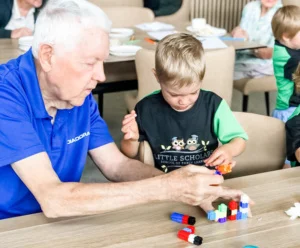
The premise of Little Scholars Intergenerational Program, dating back to 2015, is simple. It’s all about supporting connection between the young and the young at heart and bringing parts of our community together.
“It all began when our leadership team attended an intergenerational forum where we learnt that 16% of people in Australia are over 65 years of age and 45% of these people have reported feelings of loneliness. That’s a huge number and made us want to act,” says Jae Fraser, founder of Little Scholars.
“We also had some feedback from families who had moved here from interstate or internationally, and their children had no physical contact with their grandparents – so this was a wonderful opportunity for us to allow these children to have ‘Grandfriends’.”
Isolation and feelings of loneliness are a serious threat for older people, because they’re more likely to live alone, lose family members and friends, suffer from chronic illness and hearing loss. Statistically, one in four older (over 65) Australians live alone.* Of those who live alone, according to a 2015 Australian Bureau of Statistics survey, about 12% didn’t receive visitors in a three-month period, and older men were reported to be less likely to have been visited, at 17%.
In a 2020 Royal Commission report, of the Australians who reported knowing someone in aged care facilities, one third never contacted the people they know, and one in five never visited.
Social isolation has also been linked to mental illness, emotional distress, suicide, the development of dementia, premature death, physical inactivity, poor sleep, and biological effects, including high blood pressure and poorer immune function.
Little Scholars aims to fix this.
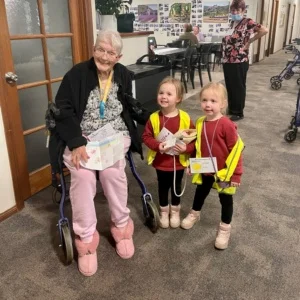
With our intergenerational program, the children visit with their grandfriends fortnightly. They do crafts, play games, sing songs, share morning teas and have meaningful chats. For their young-at-heart mates, the visits help alleviate challenges of isolation, and brings joy, feelings of self-worth, developing new friendships, silliness, and fun. For the children, the visits have a multitude of benefits, including:
So many of the residents just want or need one thing that they can look forward to, to keep them going.
Natalie Carey, Deception Bay campus manager
Our Redland Bay campus started its friendship with a nearby aged care home because a parent worked there. The parent mentioned how much the residents loved when her own children visited, so staff decided to reach out and begin planning an intergenerational program.
“We started with just the kindergarten class, and every time we went down there, we took a different age group with us,” says Jordie, now campus manager of Little Scholars Ormeau 2. “We went there to share high teas, we created hampers for the residents for Mother’s Day, Father’s Day and Christmas that were donated by our families.”
Our Deception Bay Little Scholars began its program in 2016, when campus manager Nat arranged for the kindergarten children to visit the aged care home Nat’s grandmother lived in.
“We connected with them to be able to give the elderly someone consistent who would come and visit them, as some of them received no visitors,” Nat says. “I learnt this when I spoke to one of my grandma’s carers and she said so many of the residents just want or need one thing that they can look forward to, to keep them going.”
Nat says they started taking the kindergarten children regularly, then extended it down to the younger studios to embed it across their service.
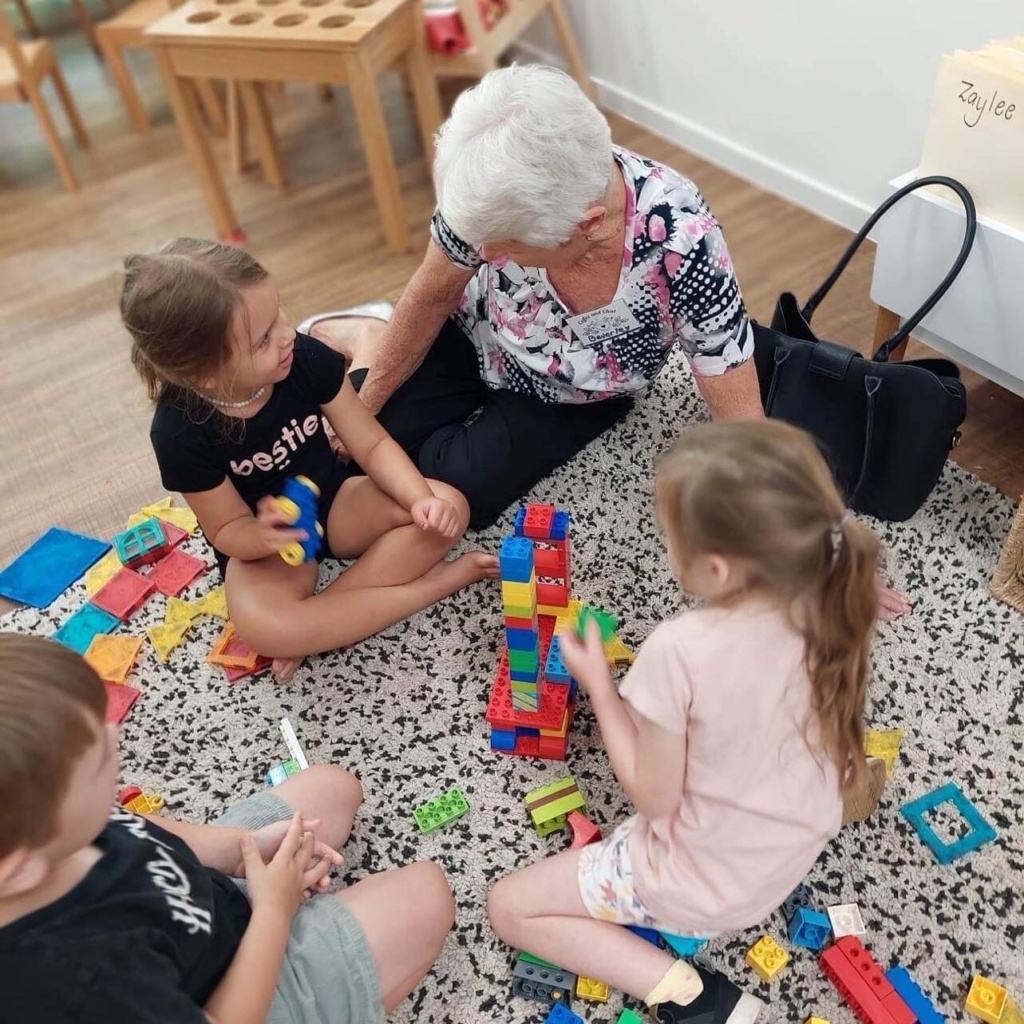
“We would always take five or six kindergarten children to allow the connections to continue between the children and their grandfriends. The dementia patients, in particular would love our babies, and together we got to create and witness some special moments.”
The Little Scholars Ashmore campus started its intergenerational program last year, after working with Griffith University’s Dr Jennifer Cartmel and PhD student, Jelisa Tan.
Jelisa did her placement at the campus and prepared resources for team members and families. She shared slideshows, floor books and fact sheets with an emphasis on the benefits of the intergenerational program and its progress.
While many of our services have had informal relationships with local aged care residences for many years, we believe the intergenerational program is more important than ever and will be incorporated in all 13 Little Scholars campuses by the end of 2023.
“Celebrating the role older community members play in the development of children is something to be fostered and celebrated. The program is one of the most popular aspects of our services, we’ve found our community loves finding occasions to see the different generations come together and share in a common experience,” Jae says.
Help your child grow physically, emotionally, socially. Our intergenerational program will be at all our campuses by end of 2023. Learn more about Little Scholars.
Related stories
In today’s fast-paced world, science, technology, engineering, and mathematics (STEM) are the driving forces behind innovation and progress. To equip the next generation with the skills they need to thrive in this exciting landscape, we have to recognise the incredible impact of early childhood education. A recent study conducted by researchers at the University of California Irvine has revealed the transformative power of high-quality early childhood education and care (ECEC) in nurturing children’s STEM achievements throughout their educational journey.
The study’s findings are both exhilarating and promising. They show that children who have access to top-notch ECEC before starting school are more likely to excel in STEM subjects as they progress into high school. This underscores the vital role of investing in early education and providing children with the necessary tools and support to build a strong educational foundation.
The researchers identified two key factors that contribute to the success of early childhood education in fostering STEM abilities. Firstly, igniting children’s curiosity through cognitive stimulation has a profound impact on their problem-solving skills and overall STEM performance. Early childhood educators who create engaging learning environments and incorporate hands-on experiences play a pivotal role in nurturing children’s passion for STEM. Secondly, the study emphasised the crucial role of educator sensitivity and responsiveness. When educators demonstrate empathy, attentiveness, and genuine care for children’s needs, it not only supports their overall development but also significantly influences their STEM achievements. The emotional connection established during these early years lays the foundation for children’s social-emotional skills, which are closely intertwined with cognitive development.
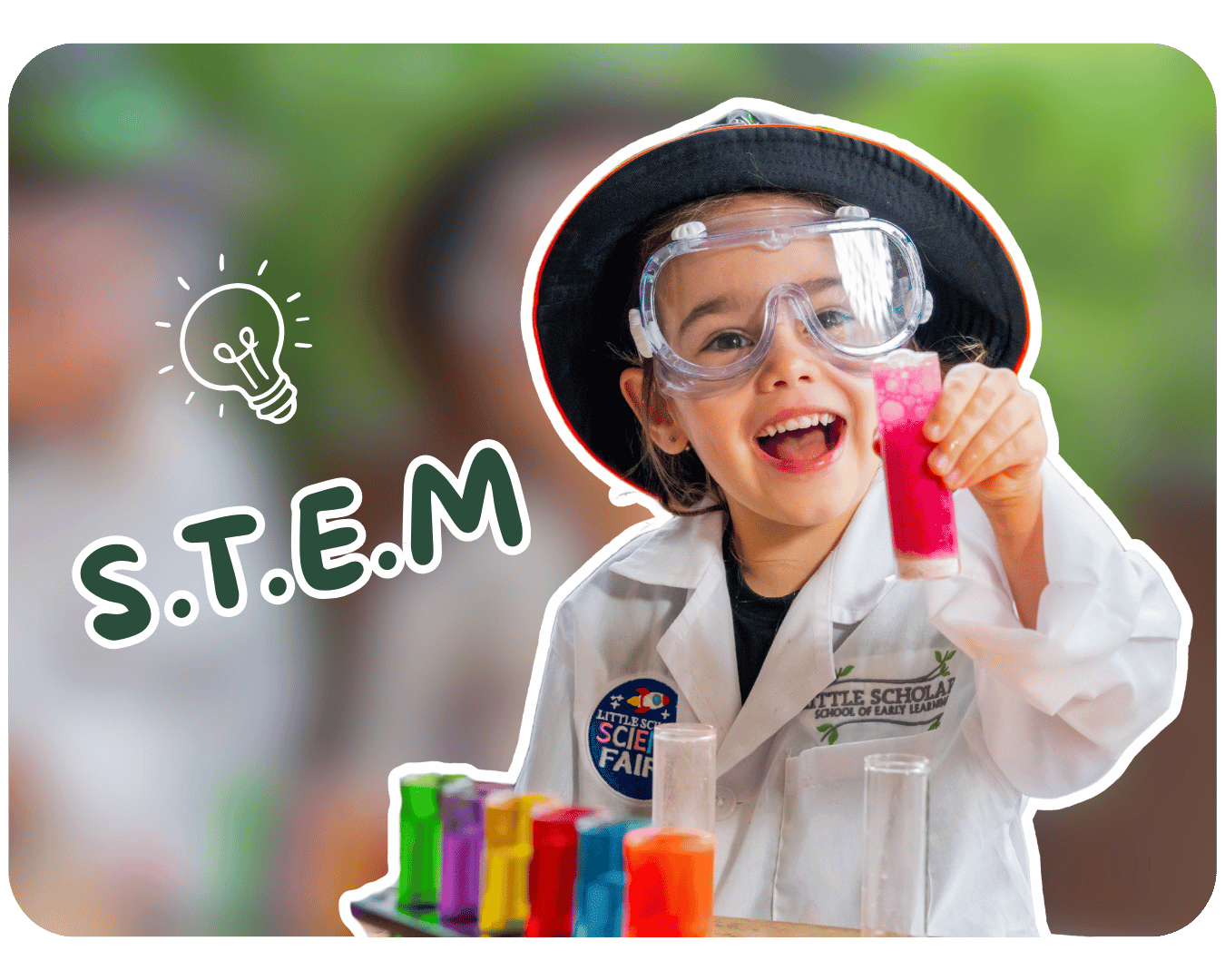
Interestingly, the study also revealed that sensitive and responsive caregiving in early childhood has an even greater impact on STEM performance for children from low-income families compared to their peers from higher-income backgrounds. This finding highlights the importance of addressing equity in early education and ensuring that all children, regardless of their socioeconomic status, have equal access to high-quality early learning that fosters STEM engagement. Speaking of STEM, did you know that Little Scholars offers an exciting STEM program for our kindergarten children? In collaboration with our friends at Lab Kids, we provide an incredible educational STEM program that aligns with the Early Years Learning Framework and the Australian National Curriculum. From exploring motion and states of matter to learning about light, sound, and chemical reactions, our curious little scholars embark on an exciting journey of STEM discovery!
Finally, the University of California Irvine study reinforces the immense value of early childhood education in nurturing STEM success. By providing high-quality early learning that fosters curiosity, responsive caregiving, and an inclusive learning environment, we begin to realise the full potential of our Little Scholars. Book a tour at Little Scholars.
If you follow our social media posts, you know we’re passionate about getting our Little Scholars outside. Have you ever wondered why outdoor play is such a vital part of our early educational program?
Imagine the fresh air brushing against your face, the satisfying crunch of leaves under your feet, or the soothing sound of a nearby burbling stream. Picture the invigorating scent of freshly cut grass or the refreshing breeze of the salty sea air. Envision the tactile sensation of rough bark or smooth stones. And finally, visualise the breathtaking beauty of greenery, rivers, streams, and oceans.
In essence, being outdoors offers the ultimate sensory experience that simply cannot be replicated in a studio.
Many of us cherish childhood memories filled with boundless hours spent exploring the great outdoors. However, as life has grown busier for families, children today are spending less time engaging in unrestricted play outside. A recent study by Royal Children’s Hospital national child health poll found that 45% of Australian children play outdoors most days, and 80% of parents would like their children to spend more time outdoors. At Little Scholars, we want children to rediscover the joy of unstructured play in nature.
One study found that children who engage in just one third more outdoor activities than their peers grow up to be happier adults.
Outdoor learning should be an integral part of children’s everyday lives, providing fun and enjoyment while also serving as a stimulus and extension of their indoor learning. If your child attends Little Scholars, outdoor play is a key component of their daily experience on our campus.
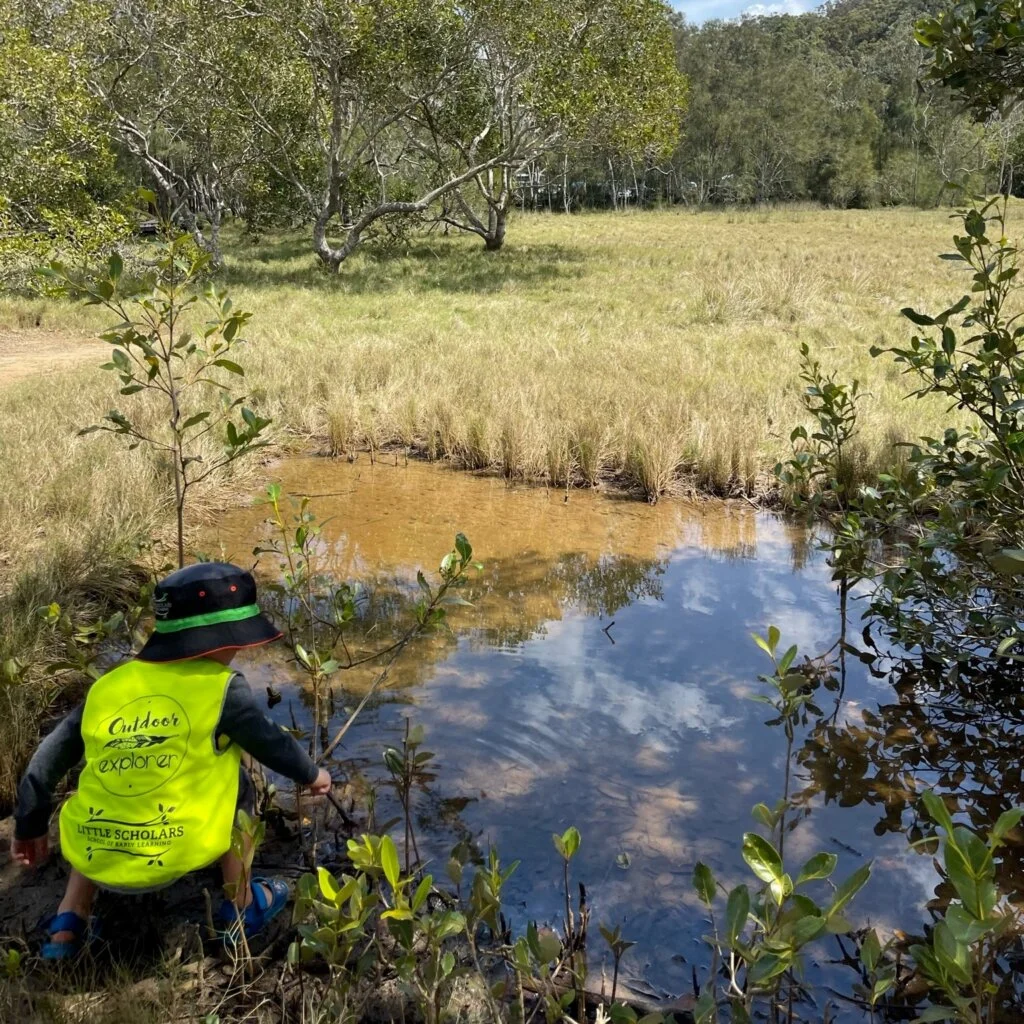
At Little Scholars, our educational programming places a strong emphasis on the natural environment. We have developed the Little Scholars’ Bush Kinder program, an innovative outdoor education experience for children of all ages, fostering exploration, discovery, and learning in nature.
During our Bush Kinder adventures, children engage in a range of activities, including nature walks, wildlife watching, building shelters, and learning about indigenous culture. They climb, scramble, jump, and fully immerse themselves in nature’s playground.
Our outdoor teachers are highly experienced and qualified in outdoor education and child development. They understand the significance of outdoor and nature play in fostering children’s development and well-being. By cultivating a love for nature and the environment, as well as a connection to all living things, they help fulfill children’s basic needs for freedom, adventure, experimentation, risk-taking, and simply being children.
At Little Scholars, the safety and security of our children are of utmost importance. Our Bush Kinder program is conducted in a safe and secure outdoor environment, with strict protocols in place to ensure the well-being of all participants. Our educators are passionate about providing children with meaningful learning experiences in a safe and supportive setting. Extensive risk assessments are conducted prior to excursions, but children are also advised and included in risk assessing while on their adventures so they can begin to think about safe risk taking while enjoying being outside. Our Bush Kinder program is designed to be fun, engaging, and educational, and there are plenty of benefits for children while they’re out on their adventures.
Children have the opportunity to explore and discover the wonders of the natural environment, learning about plants, animals, and ecosystems firsthand.
Through hands-on experiences, children develop critical thinking and problem-solving skills. They learn to navigate challenges and find creative solutions.
Outdoor play provides ample opportunities for children to interact with their peers, fostering the development of social skills and the formation of new friendships.
Engaging in outdoor activities helps children develop their physical skills, such as coordination, balance, and strength.
During bush kinder, we engage in Dadirri, an Aboriginal word meaning ‘inner deep listening and quiet still awareness and waiting’. So while out enjoying nature, the children and educators sit with a bit of space from each other and pay close attention to what they can hear, see, smell and feel. Bush kinder also provides an opportunity to learn, acknowledge, and celebrate the history and traditions of the people who were the traditional owners of the land they love to spend time exploring.
Finally, spending time in nature cultivates a sense of wonder and deepens children’s appreciation for the natural world around them.
While we take pride in our learning programs that prioritise outdoor play, it’s important to acknowledge the foundations upon which these programs were built. Our teams have conducted extensive research and drawn from the following theories:

Friedrich Froebel (1782-1852): Froebel’s approach emphasises holistic development and creativity in early childhood education. He recognised the importance of outdoor learning, nature walks, and gardening.
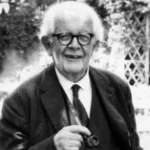
Jean Piaget (1896-1980): Piaget’s theory of cognitive development highlights the role of play in intelligence development. He believed that children’s play and environment should encourage cognitive and language growth.

Lev Vygotsky (1896-1934): Vygotsky emphasised the importance of children’s interaction with the environment and their peers. He believed that learning is enhanced through social interaction and scaffolding from a more knowledgeable other person.
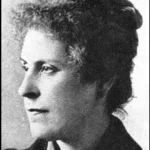
Margaret McMillan (1860-1931): McMillan, along with her sister Rachel, played a pivotal role in nursery education. They advocated for open-air nurseries and opened Britain’s first open-air nursery, and unlimited outdoor play, recognising the benefits of hands-on experience and active learning.
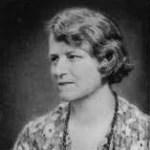
Susan Sutherland Isaacs (1885-1948): Isaacs, an educational psychologist, believed in the central role of play in a child’s education. She emphasised the importance of outdoor exploration and community engagement to support children’s emotional and cognitive needs.
While our Bush Kinder program is a significant aspect of Little Scholars, outdoor play doesn’t always require leaving the campus. Our yards are purposefully designed as extensions of our studios, providing space for learning, relaxation, and play. From play forts to bike tracks, gardens to sensory paths, and water play areas, our outdoor environments offer open and less structured spaces for children to explore, overcome challenges, and grow.
By encouraging children to spend time outdoors, whether through Bush Kinder or within our incredible yards, we aim to provide them with a well-rounded early education. Outdoor play nurtures essential skills such as resilience, teamwork, creativity, mindfulness, and risk assessment in a safe and supervised environment.
Now that you understand why outdoor play is such an integral part of the Little Scholars experience, it’s time to discover how nature play can bring out the best in your child. Find out more by booking a tour and seeing firsthand our commitment to supporting children’s growth and development.
Let us hold your hand and help looking for a child care centre. Leave your details with us and we’ll be in contact to arrange a time for a ‘Campus Tour’ and we will answer any questions you might have!
"*" indicates required fields
Let us hold your hand and help looking for a child care centre. Leave your details with us and we’ll be in contact to arrange a time for a ‘Campus Tour’ and we will answer any questions you might have!
"*" indicates required fields
Fill in the form to join your local Pram Pals mums and bubs walk