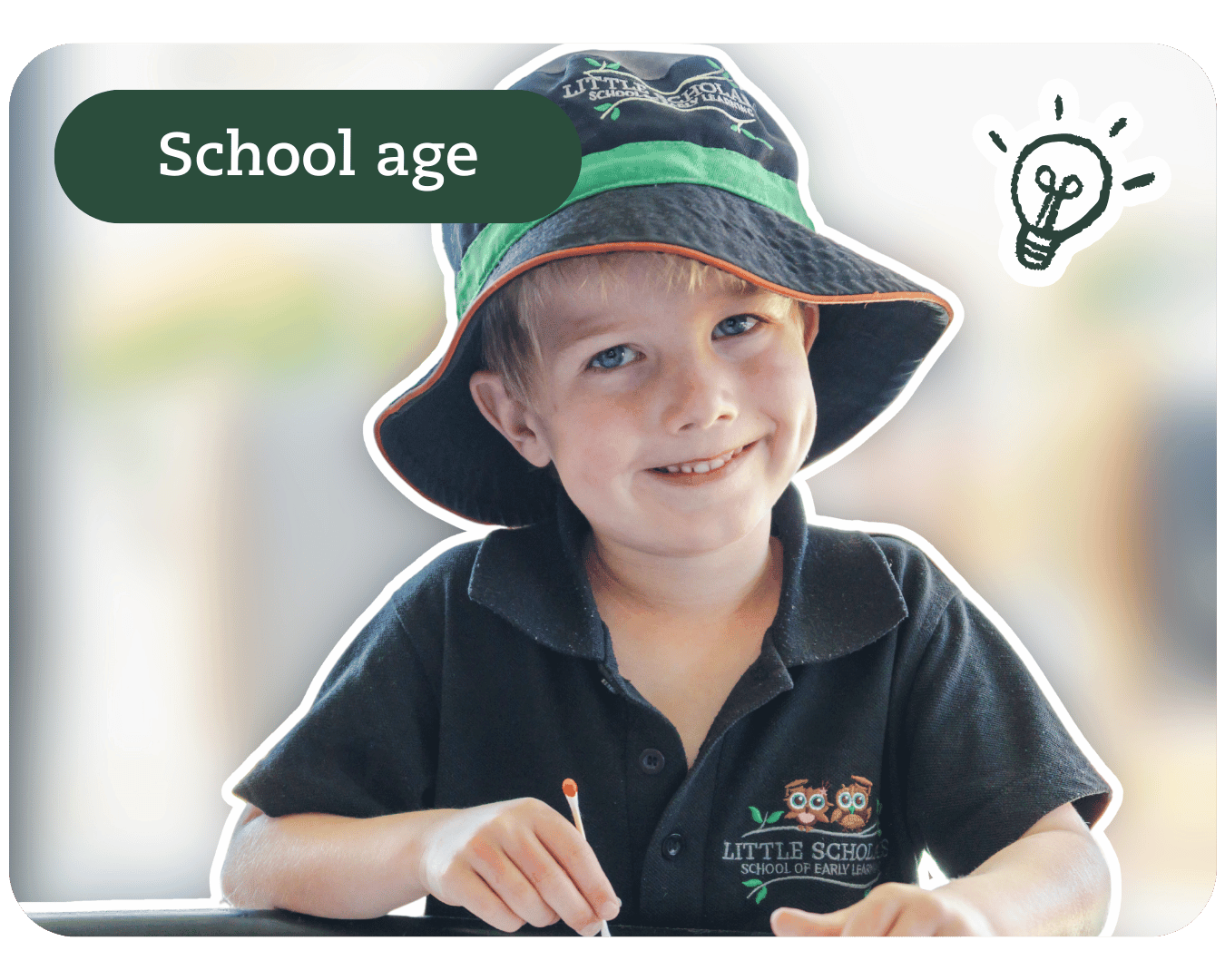


As a parent, you may be asking yourself, “Is my child ready to start school next year?” “Should I delay prep?” “How do I know if my child is ready for big school?”
Starting school is a big milestone — for children and families. While age often guides the conversation, true school readiness is about much more than a birthday.
In Queensland, families have flexibility when it comes to starting Prep, and understanding your child’s individual development can help you make the best decision for their learning journey.
In Queensland, children are eligible to start Prep in the year they turn five by 30 June. However, school doesn’t become compulsory until six years and six months, meaning families can choose to delay Prep if they feel their child would benefit from more time to grow and develop.
This flexibility recognises something important: every child develops at their own pace.
School readiness isn’t just about knowing letters, numbers or how to write their name. While early literacy and numeracy are valuable, research shows that a child’s ability to thrive at school depends largely on their social and emotional development.
Key school readiness skills include:
These skills help children feel secure, capable and ready to engage with learning once they begin school.
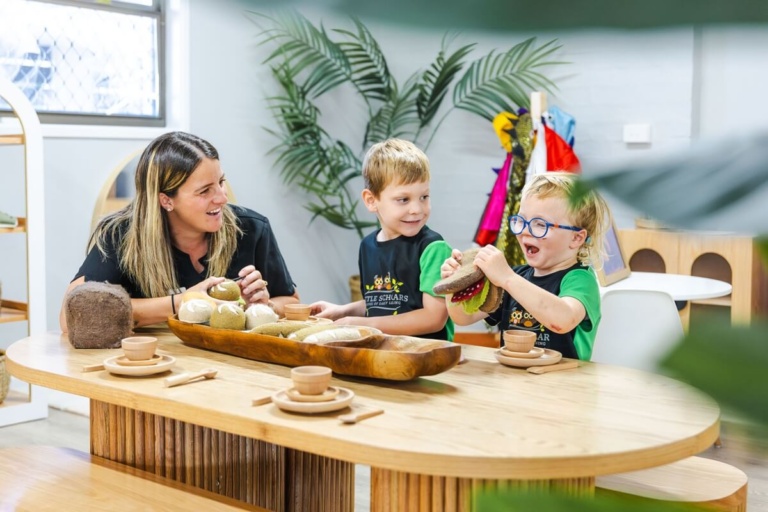
High-quality early learning plays a vital role in supporting school readiness. In a nurturing and structured environment, children develop essential skills gradually and naturally through play, relationships and meaningful experiences.
At Little Scholars School of Early Learning, our kindergarten programs are thoughtfully designed to support each child’s individual journey. We focus on:
Our qualified early childhood teachers (ECT’s) and educators work closely with families to ensure children feel supported, understood and prepared for their next step — whether that’s starting Prep soon or taking a little more time.
If you’re beginning to think about Prep or wondering whether your child is truly school-ready, you don’t have to navigate it alone. Little Scholars is here to support your family every step of the way.
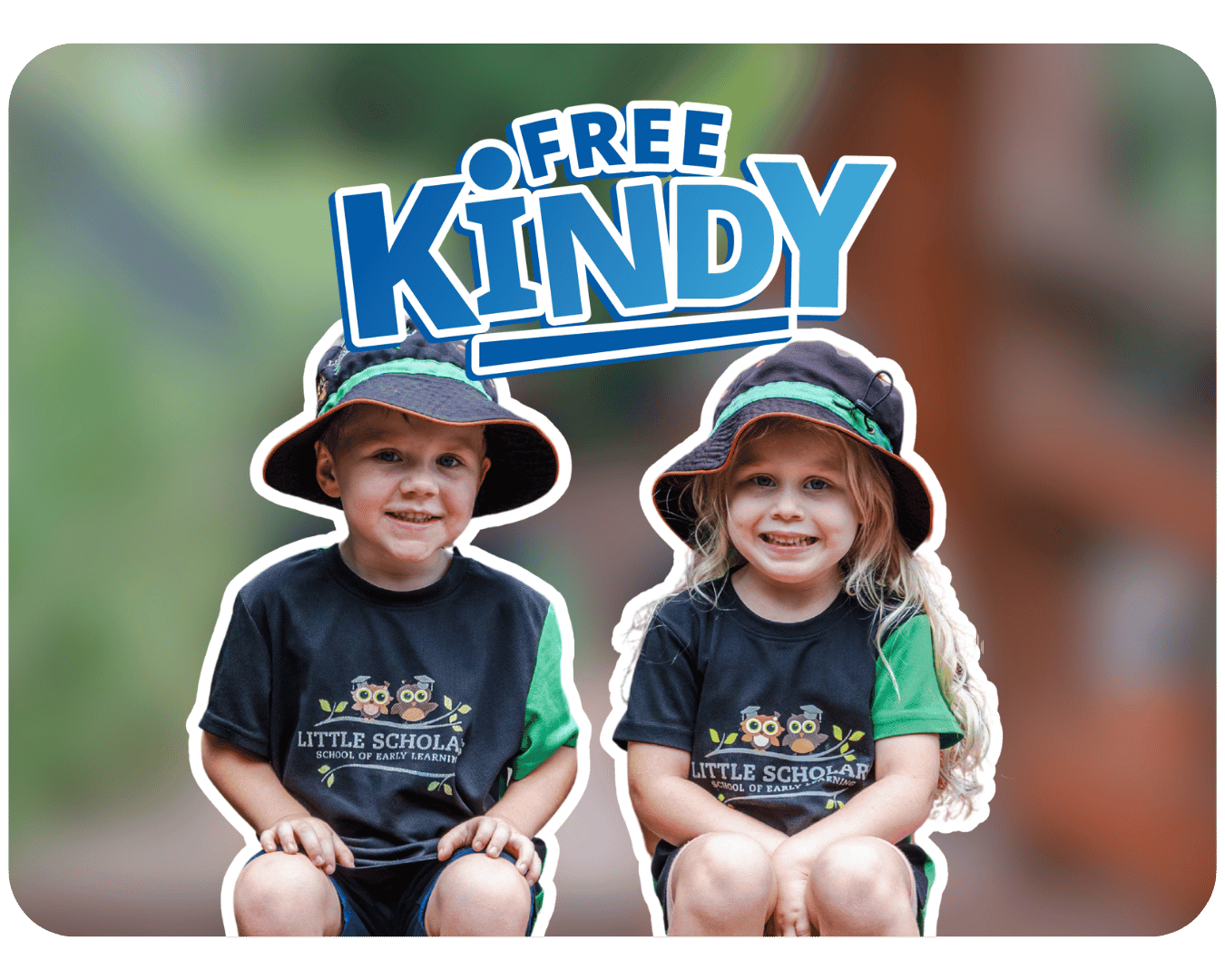
Families may also be eligible for Free Kindy in Queensland, giving children the opportunity to participate in a high-quality kindergarten program while building the confidence, social skills and emotional readiness needed for a smooth transition to school.
Feel free to book a tour or chat with our team to learn more about our kindergarten programs and how we can support your child’s confidence, development and readiness for school.
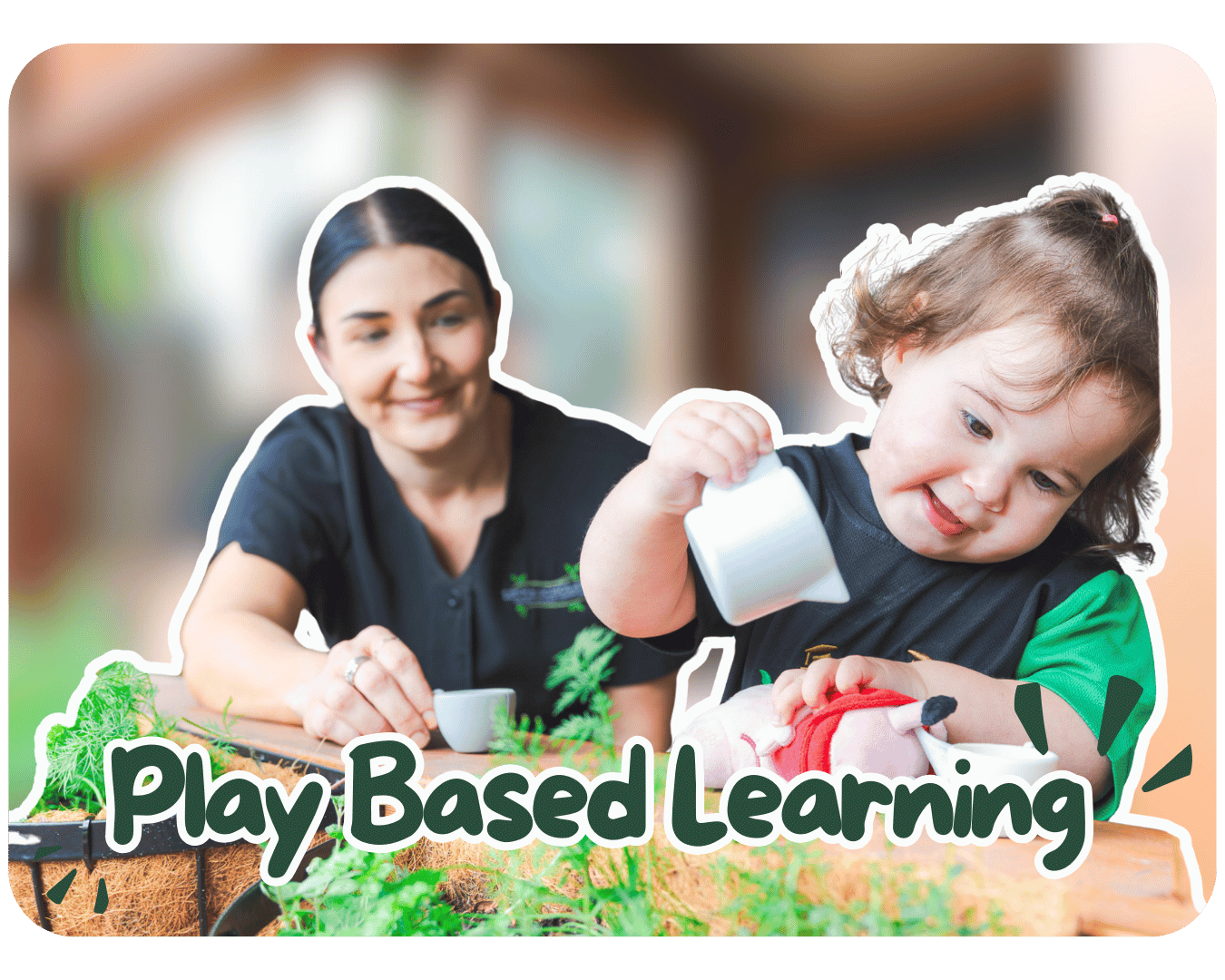
As a parent, you want your child to love learning, feel confident, and explore the world safely. At Little Scholars School of Early Learning, we believe the best way to achieve this is through play-based learning, the heart of our philosophy that guides everything we do for children aged 0–5 years.
Play-based learning is more than just fun. It’s a research-backed approach where children learn by exploring, experimenting, and engaging with their environment. Through play, children develop essential skills that lay the foundation for lifelong learning, including:
Problem-solving, creativity, and curiosity
Communication, collaboration, and empathy
Self-regulation, confidence, and resilience
Fine and gross motor development
Play allows children to take charge of their learning, following their interests and building confidence as capable learners.
At Little Scholars, our educators create rich, stimulating environments that encourage exploration and discovery. Every activity is designed to connect with child development while keeping learning fun and hands-on.
Children can:
Our approach blends guided play with child-led discovery, allowing children to learn at their own pace while reaching developmental milestones.
Unlike traditional early learning settings, we view children as active contributors to their own learning. Instead of passive instruction, we encourage children to ask questions, experiment, and solve problems, fostering independence and curiosity from a young age.
Our educators act as partners in exploration, observing interests, asking open-ended questions, and providing materials that extend learning naturally. This ensures that every moment of play is also a meaningful learning experience.
Children who engage in play-based learning develop:
At Little Scholars, we’re proud to offer an environment where play and learning go hand in hand, shaping curious, capable, and joyful children.
Give your child the gift of exploration, curiosity, and confidence. Book a tour and visit your local Little Scholars School of Early Learning campus to see how our play-based philosophy helps children aged 0–5 grow, learn, and thrive.
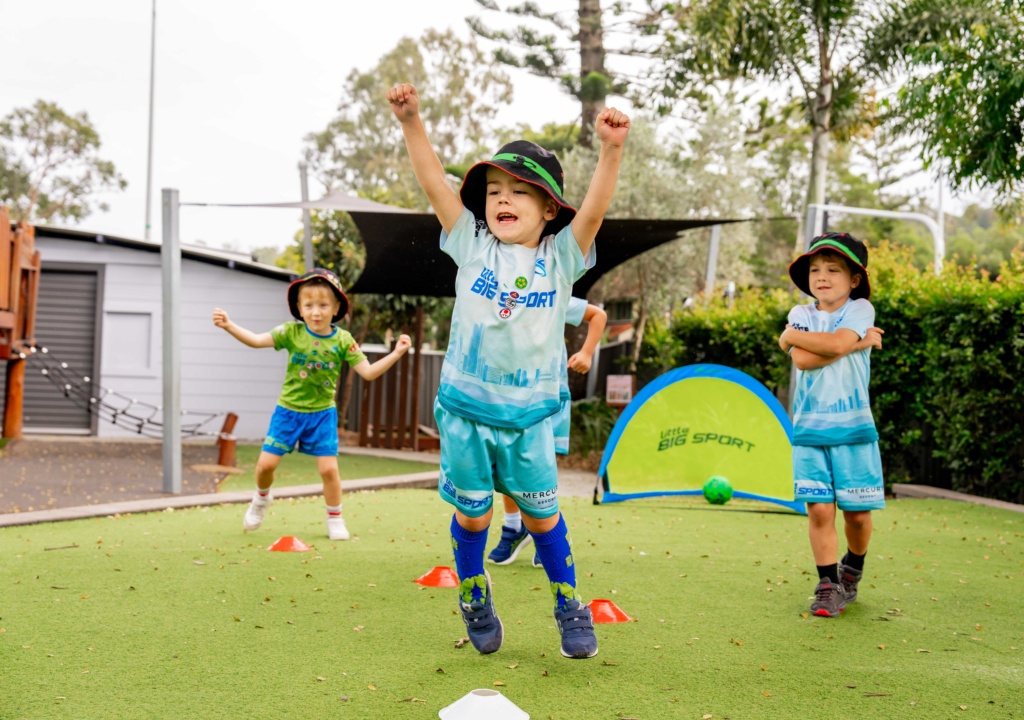
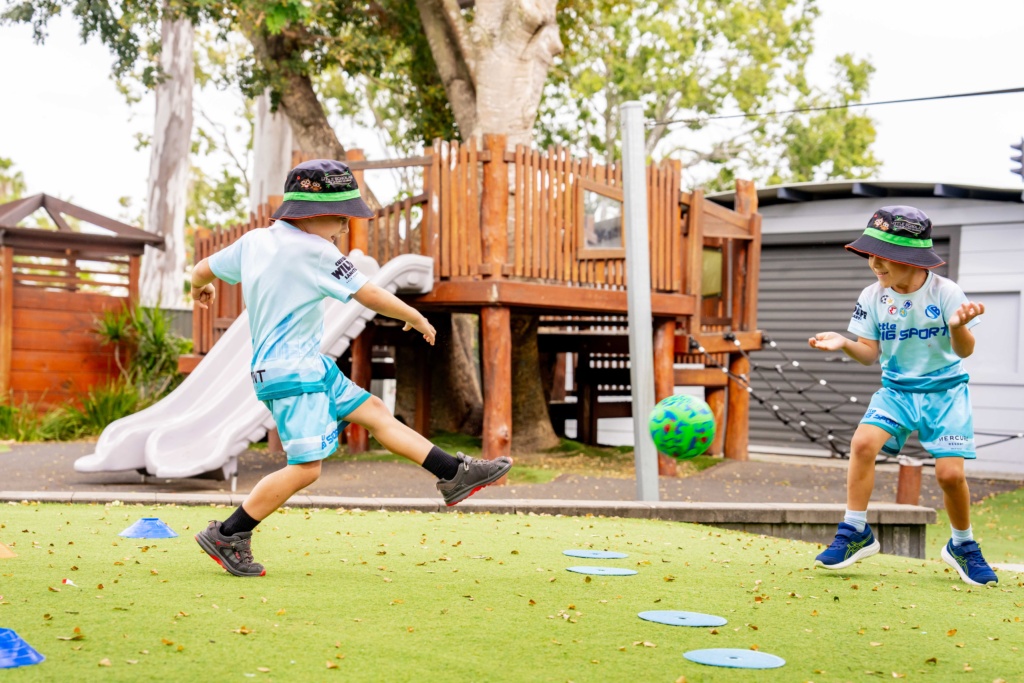
At Little Scholars School of Early Learning, we believe sport in early childhood education plays a vital role in helping children thrive beyond the classroom. For children under five, movement, play, and physical activity aren’t just fun—they’re essential building blocks for healthy development, both physically and mentally.
Whether it’s running on the grass, kicking a ball, playing group games, or exploring the outdoors, physical activity lays the foundation for so many important life skills.
Here’s how sport and movement shape young learners:
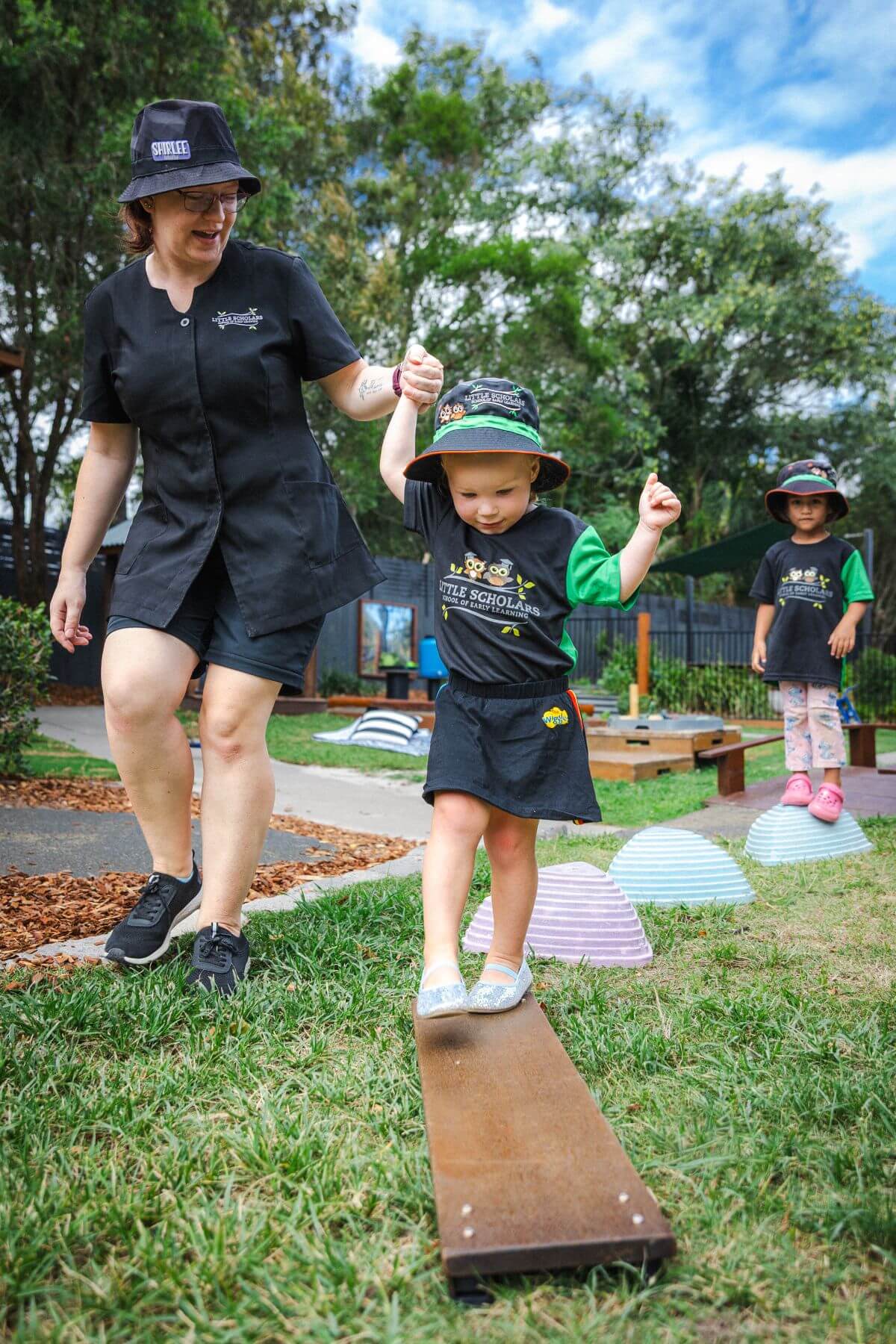
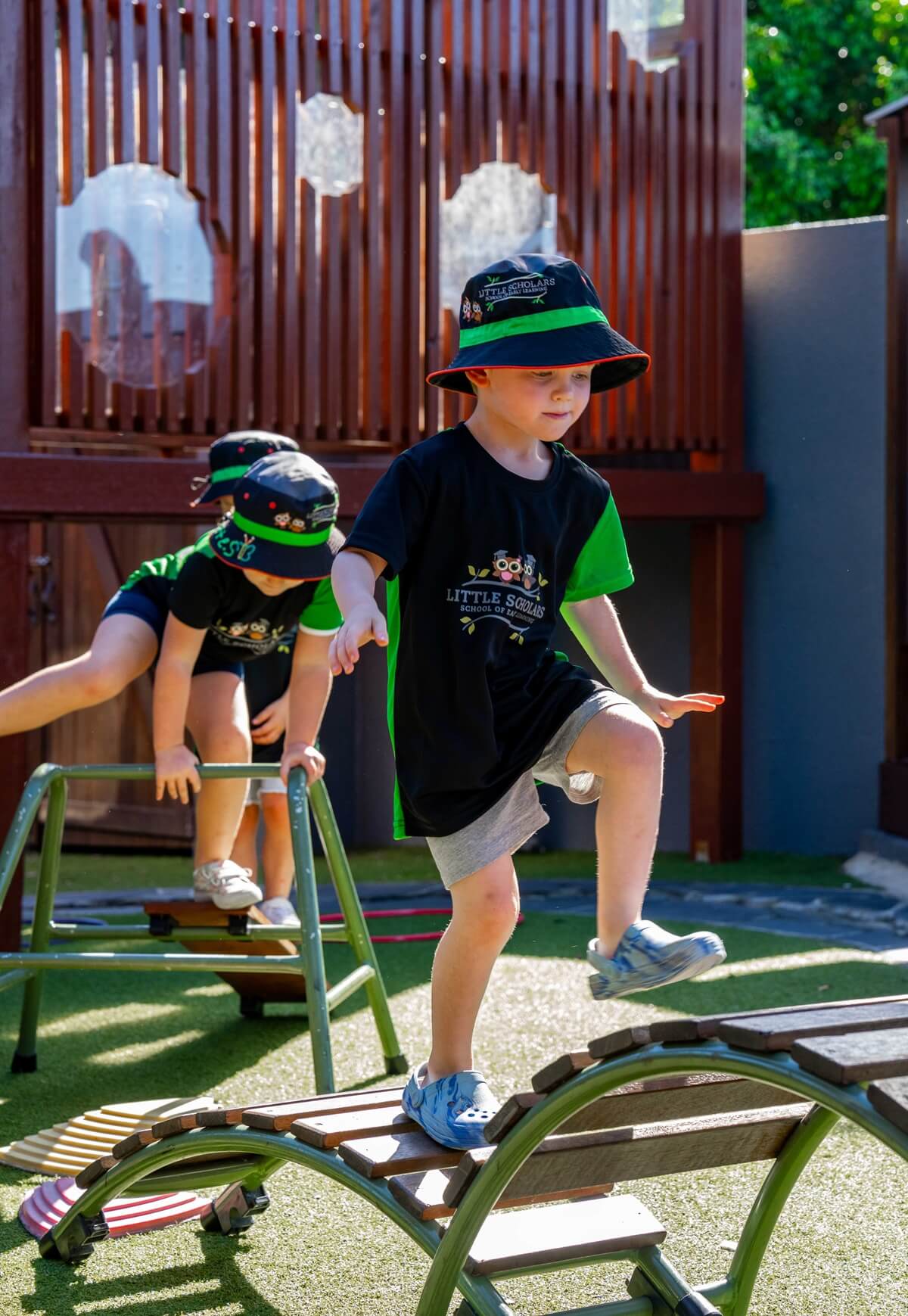
For little ones, physical activity helps build essential gross motor skills like balance, coordination, and strength. These are the building blocks for everything from climbing and jumping to writing and self-care. Encouraging movement early on sets children up for physical confidence and lifelong health.
Sport is a powerful tool for brain development. Activities that involve movement also engage memory, attention, and cognitive flexibility. By learning to follow instructions, stay focused, and solve problems through play, children sharpen their thinking skills in natural, joyful ways.
Sport teaches children how to take turns, cooperate with others, and manage big emotions—like frustration, excitement, and even disappointment. Through group games and team play, young children learn empathy, communication, and how to build positive relationships.
Each little achievement—whether it’s catching a ball or trying something new—boosts a child’s self-esteem. Physical play provides ongoing opportunities to succeed, fail, try again, and grow. This builds resilience and a healthy mindset for the challenges ahead.
At Little Scholars, movement and sport are a vital part of our play-based curriculum. We also offer a diverse range of exciting extra-curricular activities that enhance learning, creativity, and physical development including dance, soccer, swimming, and more.
These programs are integrated into your child’s week, offering them diverse opportunities to explore their interests, stay active, and develop new skills—all while having fun.
At Little Scholars, our love for active learning goes beyond our centres. We’re proud sponsors of local sporting clubs including the Ormeau Bulldogs AFL and Gold Coast North Netball, supporting grassroots sport and the families in our communities.
With 17 purpose-built campuses across the Gold Coast, Brisbane, Redland Bay and Ipswich, Little Scholars offers environments designed to inspire curiosity, confidence, and growth – both in the classroom and on the playground.
Ready to learn more? Book a tour today and discover how our programs support whole-child development from the very beginning.
Wondering what an Educational Leader at Little Scholars does and why it’s important for your child’s early learning? This key role shapes the high-quality education your child receives. It’s one of those behind-the-scenes roles that plays a huge part in your child’s day-to-day experience.
So let’s break it down in parent terms.
At Little Scholars, every campus has an Educational Leader – someone whose main job is to support our amazing educators and make sure the programs we run are the best they can be. They guide the team, introduce new ideas, help with planning and problem-solving, and basically make sure everything we do is helping your child learn, grow, and thrive.
They’re not counted in educator-to-child ratios, so they have time and space to really focus on quality. That means they’re free to mentor educators, work on exciting learning projects, and stay up-to-date with the latest in early childhood education.
Because when educators are well-supported, children benefit… big time.
Educational Leaders help make sure every learning experience is thoughtful, engaging, and tailored to children’s needs. They’re constantly reflecting on what’s working, what could be better, and how we can keep improving. That means your child is part of a program that’s always growing and evolving, just like them.
At Little Scholars, we do more than just tick the boxes. Our Educational Leaders:
In simple terms: they help make Little Scholars the best it can be — for our team, and most importantly, for your child.
Our Educational Leaders might not be in every photo or pickup conversation, but their impact is felt in every room, every interaction, and every learning moment. They’re here to support our team so your child can have the rich, high-quality early learning experience they deserve.
Because when our educators thrive, your little scholar does too.
At Little Scholars, we believe that the magic of science starts early – and for good reason. From bubbling volcanoes to magnetic wonders and curious critters, science sparks a unique kind of joy in children: the joy of discovery.
But beyond the “oohs” and “aahs,” there is a deeper purpose behind these moments. Science isn’t just fun; it’s foundational.
STEM – short for Science, Technology, Engineering and Mathematics – is more than a buzzword. It’s a gateway to essential skills that prepare children for a fast-changing world. Here’s why STEM education for early childhood is crucial:
We don’t save science for special occasions – it’s woven into everyday learning, and we enhance it further through our extracurricular program. Here’s how we bring STEM education to life:
Extra Curricular Program with Lab Kids
Did you know that Little Scholars offers an exciting STEM program for our kindergarten children? In collaboration with our friends at Lab Kids, we provide an incredible educational STEM program that aligns with the Early Years Learning Framework and the Australian National Curriculum. Through hands-on activities and age-appropriate scientific exploration, our Little Scholars explore topics like motion and states of matter, to learning about light, sound and chemical reactions.
Excursions and Events:
This August, Little Scholars are excited to host our biggest celebration of curiosity yet, our much-anticipated Little Scholars Science Fair! Children, parents, and curious souls in between from all 17 campuses across South East Queensland are coming together for a day jam-packed with serious fun.
Expect hands-on experiments, whizz-bang demonstrations, and STEM games and challenges (your little scholars won’t even realise they’re learning!) It’s science, play, and community all rolled into one unforgettable event.
Everyday Learning!
As part of our everyday curriculum, children are regularly invited to participate in science-based activities, such as:
Our role as early childhood educators is to lay the foundation for a lifetime of curiosity. By embracing STEM from the start, we’re not just teaching science – we’re raising confident, capable, and inquisitive young minds. To learn more about our extracurricular programs at Little Scholars or to book at tour at your local campus, call our team on 1800 732 926 visit https://mylittlescholars.com.au/book-a-tour/.
Did you know only about a quarter of Australian children aged 0-4 years regularly participate in organised sport and physical activity?
At Little Scholars, we know physical activity for children is vital — not just for health today, but for optimal physical, emotional, and brain development. Early movement builds strong bodies, confident minds, and lifelong healthy habits. The daily recommendation for children each day for physical activity ranges, so here we’ll break it down by age:
Even before they start moving, babies should be active multiple times a day.
This can include:
Once they become mobile, activities like crawling, pulling up on furniture, and eventually walking (if ready) help build strength and coordination. Creating simple obstacle courses can encourage movement in a fun way.
Toddlers thrive on active play and should have at least three hours of physical activity each day, spread throughout the day. This should include energetic movement like running, jumping, twirling, skipping, and dancing. Playing tips, ball games, or setting up fun obstacle courses at home or in the park are great ways to keep them moving. The focus should be on making activity fun and encouraging exploration.
Preschoolers also need at least three hours of activity daily, with at least one hour of energetic play. Running, jumping, throwing, kicking, skipping, and dancing all help develop coordination and strength. Activities should be spread across the day and designed to be enjoyable, encouraging curiosity and movement through play.
At Little Scholars, we’re focused on the holistic growth of the whole child, not just building those rapidly developing brains, but ensuring we’re helping these little bodies grow strong and capable, all while learning valuable skills through play. By encouraging regular movement and active play, we’re helping children develop lifelong healthy habits. Whether it’s running, jumping, climbing, or dancing, every movement helps children grow in confidence and ability. We believe in creating an environment where children can thrive physically, mentally, and emotionally through play and learning.
Book a tour at one of our 17 locations across the Gold Coast, Redlands, Brisbane and soon Ipswich to see how we incorporate physical activity into our learning curriculum!
Why we should encourage risky play in early childhood
The importance of outdoor play for children’s development
How mindfulness enhances child development
The best playgrounds on the Gold Coast, Redlands, Logan and Brisbane
Wondering how to start your baby on solids? Introducing solids is an exciting milestone for you and your baby! Around six months of age, most babies are ready to explore new tastes and textures alongside breastmilk or formula. At Little Scholars, we support families through this journey, whether you choose purees or baby-led weaning with soft whole foods.
Most babies show signs of readiness for solids around six months. Look for these cues:
Sitting up with minimal support
Showing interest in your food
Opening their mouth for a spoon or reaching for food
Losing the tongue-thrust reflex (pushing food out of their mouth automatically) Though as babies begin to take in food, this instinct may remain until they get used to it.
Whatever way you approach the first tastes, go slow and offer just a couple of teaspoon-sized portions at first. Hand them a spoon to let them hold, though they’ll likely just eat (squish) with their fingers
You can start by offering food once a day alongside their normal amount of breast milk or formula, then work your way up over the coming weeks to three or more feedings a day.
To help babies adjust to the unique tastes of foods, one approach we like starting with vegetables for the first 14 days, one new, iron-rich vegetable each day. This helps develop a taste for nutritious foods before introducing fruit or other sweet flavours, as they’re already accustomed to sweet flavours through formula or breast milk.
Queensland Health recommends including iron-rich foods every day to help baby grow well, such as lean meat and legumes, baby cereal with iron, and green leafy vegetables. Of course, you’ll need to work up to these denser foods. It’s also recommended to introduce nuts into diets soon, as this can help reduce allergies. However please note we do not offer nut products at our campuses.
We support both traditional purees and baby-led weaning (BLW). Here’s how they differ:
Purees: Smooth textures, spoon-fed by a parent or educator, with gradually thicker consistencies over time.
Baby-led weaning: Soft, whole foods in safe shapes that babies can pick up and feed themselves, encouraging independence and coordination.
Regardless of your approach, always supervise your baby while they eat and offer soft, easy-to-swallow foods. At our campuses, babies are closely supervised during meals and snacks, but we also use these as opportunities to bond, having lots of fun interactions and conversations with our little ones while they eat!
Offer solids when your baby is alert and in a good mood
Start with small amounts. A teaspoon or two is plenty at first
Encourage exploration. Expect mess, it’s part of the learning process!
Be patient. Some babies take time to adjust to new textures
Watch for allergies. Introduce new foods one at a time, leaving a few days in between common allergens like eggs, dairy, or nuts.
At Little Scholars, we help families introduce solids in a way that works for them. Our educators can support your baby with purees or baby-led weaning while ensuring meals are safe, nutritious, and enjoyable. We work closely with families to understand preferences and keep you informed about your baby’s progress.
Starting solids is an exciting step in your baby’s development. With patience, variety, and support, mealtimes can be a wonderful experience for both of you!
We aim to be an extension of your family and are here to support you and your child during those important childhood milestones. If you’re in need of high quality early childhood education for your little ones in South East Queensland, book a tour today.
Babies are a mysterious bunch. For many months, their main forms of communication are cries, squeaks, gestures and coos. Parents fall madly in love with these little humans without knowing what they’re thinking and feeling, often just guessing at best.
How babies play, how and what they’re learning, and what they’re interested in can be a mystery to many. Many parents have seen their baby pull out every book off a shelf, for example, watch it fall, then grab another, while that parent scratches his or her head and says ‘why?’
There’s an answer. It’s a schema. A schema is both a category of knowledge as well as the process of acquiring that knowledge. In play, babies are often involved in repeated actions or certain behaviours as they explore the world around them and try to find out how things work. Those repetitive actions, such as a baby pulling out book after book, allows a child to practice and construct meaning to something, until they’ve understood that schema. Then they find something else to focus on and lather, rinse, repeat!
As Yvette, educational lead from our Burleigh campus says, it’s children’s development making sense.
“All of those little things that you see children do that seem a bit cute, or frustrating even, like throwing, it’s a schema, a child’s pathway of development for making sense of the world,” Yvette says.
The repetitive action of a schema allows a child to practice and construct meaning until they have mastered the understanding of the schema. Being aware of play schemas helps in two ways:
There are a number of types of schemas when it comes to babies.
Trajectory schema – The trajectory schema is one of the earliest schemas observed in babies. They are fascinated with how they, and objects move. Children will often throw objects or food from their pram or highchair. They climb and jump in puddles and enjoy exploring running water.
Transporting schema – Little ones enjoy repeatedly moving resources around, from one place to another. They will carry many items at a time using their hands, pockets, containers,
baskets, bags, or anything else that will hold their newfound treasures.
Enclosing schema – Children show an interest in enclosed spaces. They may want to sit (and hide in) boxes or laundry baskets. Or they may show interest constructing fences and barricades to enclose toy animals or themselves.
Rotational schema – Children showing a rotational schema may display a preference for turning taps on and off, winding and unwinding string, and playing with
hoops. They may also be fascinated with the physical experience of twirling and twisting their body, spinning around on the spot, or rolling themselves down a hill. They have an interest in things that turn, such as wheels and windmills. They enjoy rolling tyres around, turning lids and watching the washing machine on a spin cycle.
Enveloping schema – Children with an enveloping schema are interested in covering and hiding items, including themselves. They will enjoy dressing up, and filling and emptying bags and containers with different objects.
Connecting schema – Children displaying the connecting schema want to join items together. They find resources like string to tie things. They connect and disconnect toys such as rail tracks.
They enjoy construction toys, and doing arts and crafts where they can glue and stick pieces together.
Orientation schema – Children like to turn objects and themselves around and upside down, to get a view from under the table or from the branch of a tree. They may bend over and look at the world backwards through their legs. They enjoy seeing things from a different view when exploring using cardboard tubes, binoculars or a magnifying glass.
By adapting this theory, we have been able to slow down and become more in tune to the children and noticing their behaviour patterns in play. It is now so important to us that we allow our babies and young children the time to explore the repetitive actions of schematic play.
-Jodie, lead educator
Jean Piaget was one of the first to use the term “schema” back in 1923. Piaget was an important child development theorist and his Theory of Cognitive Development was and still is read and followed today by early childhood specialists. He was one of the first who believed children think differently than adults and that they have an innate desire to learn and actively build up their knowledge about the world. They are not passive creatures waiting for someone to teach them.
Susan, our group pedagogical leader, is bringing her schema knowledge across our campuses to the lead educators in the nursery and toddler studios in 2023. Learn a bit more below about how we use schema theory, and how one educator has taken it on in her nursery.
Schematic Pedagogy
Through our collective curriculum, our educators are guided through a ‘schematic lens’, meaning they can plan for children’s thinking, not just activities. This has a strong link to our Collective Curriculum, our educational program for children.
The learning environment
Our educators apply teaching methodologies to design their play spaces and are intentional in the resources offered.
Observing and planning for children’s thinking
Through our collective curriculum, our educators observe the children through their play, to determine schemas explored through the children’s engagement to an activity or resource. Through observing patterns of learning, our trained educators can plan forward to scaffold their cognitive capabilities.
Partnering with children in play
Through ongoing mentoring and coaching, our educators are able use their knowledge of schemas and plan effectively. Our educators are encouraged to partner with children in their play and observe behaviours explored through schemas.
“Schemas are an intrinsic part of child development, knowledge to schemas provide our team of educators an opportunity to identify and encourage independence in children as they explore patterns of movement, often related to schemas,” Susan says. “Supporting assessing through a schematic lens, provides our educators with a framework which can be used to analyse children’s learning, supporting the planning process within our curriculum.”
You may be wondering if you have a baby or a small toddler in one of our campuses, how we use schemas to help their development. We talked to one of the educators at our Deception Bay campus about using schemas for educational programming. Deception Bay Little Scholars was recently rated as Exceeding the National Quality Standard (NQS) after it was assessed by the Department of Education. The NQS sets a high national benchmark for early childhood education and care in Australia. Jodie, lead educator in the nursery studio, says learning about schemas was a game-changer.
Both our younger babies and older babies really enjoy dropping objects or putting things in and out of containers (vertical trajectory). Using old formula tins and cutting an opening in the top with lids from jar foods a milk bottle lids, is a big favourite.
Our older babies are seen continuing with trajectory and begin to start exploring other forms of schematic play like, transporting, rotation, connecting and this can lead to a disconnecting schema where the child builds something that they can demolish or through [activities like] untying knots, as well as enclosing, positioning, enveloping and orientation, such as looking at things from different viewpoints like hanging upside down, looking through their legs, looking at things upside down. No wonder our little people are so busy and on the go all the time!
Thanks, Jodie!
Related:
Pedagogical Practices: Bringing new learning techniques to Little Scholars
When a baby or toddler is ready to reduce the number of naps they have each day, or even drop naps altogether, this can be an equally challenging transition for parents!
Daytime naps naturally lessen in length and frequency as a child gets older because they can tolerate more awake time, from both a physiological and neurological perspective as they grow. Circadian rhythms – your 24-hour body clock that helps control your daily schedule for sleep and wakefulness – also mature as sleep begins to consolidate, particularly at night.
Especially for new parents, you may be wondering what some of the signs are that your child is ready to drop a nap. Dropping a nap is a transition that happens over time. Babies need to decrease their number of naps incrementally, but that won’t happen on its own, babies and toddlers still need your guidance to help ease these changes. And our educators are here to help.
Since our educators spend a few days a week with your little one, they have the knowledge of what to look for in signs of tiredness, or readiness to stay awake just a little longer! It’s important to remember that each child is different. What works for one, won’t work for another exactly the same age or way, and this is not a process to rush, small people need their rest!
Here are some signs that may show your little one is ready to drop a nap:
“For some children, cutting down their bottles or altering their times they have bottles (obviously age-appropriate) may help with stretching wake windows,” says Hayley, an educator with our Deception Bay campus.
“We aim to wake the child through gentle means, such as hustle and bustle around them to help them wake more naturally, which can help too.”
Hayley says looking at wake windows as a guide for your child can help and you can find free resources and blogs by sleep experts online. But she says keep in mind small children going through leaps and teething may have more difficulty with their sleep, but these adjustments are usually temporary.
Keeara, an educator in the nursery at our Yatala campus says they’ve had some parents request help in stretching their child’s nap to one sleep to transition in the toddler room.
They find play in an outdoor environment during the morning keeps little ones occupied enough to stay awake – but says if their children did fall asleep, it was obviously needed, and educators will try for a short afternoon nap to make up for it.
Fresh air and active fun like sensory activities are a great way to stretch that wake time out a little longer for little ones. Maybe for your child, it’s making music or playing with different textures that will keep him or her engaged and interested just a little longer.
Our Facebook and Instagram channels offer ideas on creative activities our educators do across our campuses to entertain little ones, which can really help stretch out those wake windows.
Like Hayley, Keeara and her fellow educators have also found works is having lunch around 11:30 and putting bottles on the warmer at the same time so they’re ready to go when lunch is finished.
“We’ve found most of the children would have their bottle then self-settle in their cots as they were so exhausted at this point,” Keeara says. “Surprisingly, it worked really well and made the transition smoother, they even slept for a longer period of time having just the one sleep.”
Then comes the (often dreaded by parents) time when children are ready to drop naps completely.
“We have a fair few two-three-year-olds in our room who have dropped sleep,” says Skye, an educator at our Yatala campus. “The most common sign for them was becoming upset at rest time, moving around a lot and getting up for drinks, toilet and to just tell us something.”
She says even if educators suspect a child is ready to drop naps, they start off with still giving the child a bed, but giving them a quiet activity like books, puzzles, or drawing supplies.
“That way they still have the option to fall asleep if they want to, if they haven’t slept the whole week, we then move them to an activity mat that we keep clear of beds, again for quiet activities while their peers sleep,” Skye says.
Independent play is also important for your child’s development, and it’s central to effective quiet time, so it’s worthwhile implementing it into your older toddler’s daily routine. Quiet time is a time during the day where your child has an opportunity to rest their busy little bodies and minds. The length of quiet time can range anywhere from 45 minutes to 2 hours, depending upon the child, but consistency in this new quiet time will work wonders for the whole family.
Skye says dropping naps is something they talk to parents about, and from those discussions, they work together on a plan to help the child adjust.
Elizabeth Stone, an award-winning essayist and journalist, once captured the essence of parenthood with a poignant quote, ‘Making the decision to have a child – it is momentous. It is to decide forever to have your heart go walking around outside your body.’ This statement resonates deeply with many parents, astutely capturing the feelings of boundless love and the inevitable vulnerability that comes with bringing a child into the world.
This overwhelming surge of emotion is particularly intense during those initial moments and first days of separation from your child, often experienced when that child is entrusted to the care of someone else for the first time. It’s a milestone filled with mixed emotions for parents – pride in their growing independence, yet a deep longing to keep them close forever.
While the focus in the first few weeks at early learning facilities is generally on the children and how they’re settling in, an often-forgotten topic is the separation anxiety parents also can feel when they drop their little ones in care for the first time.
In childcare, we offer families tips on how to help children settle in, from suggestions such as: ‘don’t sneak away’, ‘keep goodbyes short’, and ‘maintain calm and confidence’, but what if the child is just fine, but the parents are struggling from the separation?
It’s understandable. If you’re coming off maternity or paternity leave, or perhaps you’ve been the primary parent at home for the last few years, change can be profoundly hard.
What we’re talking about is parental separation anxiety, and it’s more common than you think.
“I experienced separation anxiety with both my children when I dropped them into care for the first time, but I was much more surprised with my feelings the second time around,” says Christina, a communications professional who has two children. “I had to go back to work much earlier the second time around, and I felt a lot of grief for not getting to continue to bond with my son the way I had been, knowing he was my last baby. I also experienced some fears around him attaching to his educators more than me.”
A 2016 study by Pacey UK (the professional association for childcare and early years) reported that out of 1,000 mothers, 70% of mums said they worried about the extent they would miss their children, 90% reported feeling anxious about returning to work after having a child, while nearly half of mums admitted being very anxious.
How can parental separation anxiety manifest itself? Some of the more obvious signs are tears. Anxious feelings. Moodiness. While others you may not notice until they start affecting your life and mental health.
Here are some common indicators of more serious separation anxiety to be aware of:
Ask yourself, what is your biggest fear or worry in separating from your child? The initial step in overcoming these feelings is to acknowledge and understand them. If you’re experiencing heightened anxiety about being apart from your child, it’s important to explore the origins of these feelings. Perhaps they stem from experiences in your life in childhood, or birth trauma, the loss of pregnancy or another child, perinatal or postnatal anxiety/depression and existing anxiety issues, or it may simply be triggered by the act of becoming a parent.
“How does a parent reconcile these feelings of separating from their child? I think what’s important about that one is that often it’s around guilt,” says Sarah Bergman, a clinical psychotherapist at Counselling on the Coast who has more than three decades of experience in emotionally-focused therapy.
“Guilt is really an emotion that comes up when we have like an idealised sense of a situation or who we are. So we feel guilty when we don’t feel we’ve reached what we want to be reaching or we haven’t done what we want to do. I would say to explore those feelings of guilt, what they are, what you feel like you’re not doing for your child or getting right for your child.”
Sarah says those guilty feelings in parents often link back to situations in their own childhood where they felt like their own parents let them down. But the concern is also passing down those guilty or anxious feelings to your child.
“Their own wounds start to muddy the waters of the child’s experience. So the child’s just going to school, but then they feel their parents anxiety and then they also think that something’s wrong then too, which can make them anxious. So if the parents have a good look at themselves around, ‘what was it that my parents got wrong for me? or what was it that wounded me? and how does that now play across on my child?’ So the parents will often work hard to do the things that they don’t want that their children to experience themselves.”
While Sarah says often the guilty feelings stem from what they missed in their own childhood, the opposite could be true.
“Maybe [parents feel they’re] not meeting the ideals of what your parent did for you or what things that you really loved about your parent and now you feel like you’re not getting that right.”
Wherever the feelings stem from, Sarah says, parents may be trying to heal themselves through their relationship with their child. But, she says, a child doesn’t have those wounds. They don’t experience their parents in that same way that perhaps you did. So she surmises parents could be overcompensating for their own childhood pain.
“Those kind of parents are very anxious at feeling like they have to attend to everything with their children because they don’t ever want their children to feel the way that they did,” Sarah summarises.
Consider jotting down your feelings or discussing them with a sympathetic friend or even a colleague who could relate with what you’re currently experiencing. Regardless of how trivial or illogical they might seem, allowing yourself to express and discuss these fears can aid in releasing them.
Making the decision to have a child – it is momentous. It is to decide forever to have your heart go walking around outside your body.
Elizabeth Stone
Sarah also suggests parents educate themselves on secure attachment, a theory first proposed by the British psychologist, psychiatrist, and psychoanalyst John Bowlby. For children, secure attachment to someone like a mum or dad allows them the secure base necessary to explore, learn and relate, and the well-being, motivation, and opportunity to do so. It’s important for safety, stress regulation, adaptability, and resilience and ultimately can help produce a happy, healthy well-adjusted child.
“If you are securely attached, you will feel less anxious because you will feel comfortable that you can trust, you have a positive view of other people and a positive view of self,” Sarah says. “So you think to yourself, ‘it’s okay. My child is in safe hands. They will let me know. I trust the daycare centre. And I trust myself that I’m doing the right thing by my child and it’s going to be okay and I need to go to work and this is just the way it is.’ Whereas someone who is more anxiously attached sometimes have a bit of a negative view of themself and possibly a bit of negative view of others so they don’t totally trust others, so it’s about trying to move into being more securely attached.”
She also says to have an honest conversation with educators or your campus manager.
“You know, that is actually good secure relating as well, that a parent can actually say, ‘I’m feeling a bit nervous’, or ‘I’m a bit worried about that,’ because they’re asking then, they’re not coping alone.”
Sarah recommends in that conversation, have a chat with educators or your campus manager about what might help to alleviate those anxious feelings, whether it’s a phone call or a text, a few extra pictures – whatever it is, having clear communication can help everyone.
“What helped me was an honest discussion with my son’s lead educator during a playdate. She asked me thoughtful questions about why I was having a hard time, asked how she could help alleviate those feelings for me, and was very mindful to update with lots of pictures, and even checked in on me at pick-up over the next few weeks. It was really helpful, and gave me feelings of trust in leaving my baby with her and her team,” Christina adds.
Those secure attachments we want children to have means we also want them to have bonds with others, such as loving educators.
A child who has had a secure attachment with her parent or another safe adult is more likely to be able to develop lasting successful relationships as an adult. In fact, a New York University study recently found positive, warm relationships between caregivers and children were associated with higher odds of attaining ideal heart health at multiple points across a 20-year span of adulthood, so developing these bonds is good for their health!
Part of early childhood training for educators is understand various child development theories such as attachment theory, so trust that your educators understand what secure attachments – both to parents and others children can trust – mean for children’s development and they work hard to ensure these bonds with your child.
Research has found our adult relationships are shaped by our early patterns of attachment and the ways we learn to deal with closeness and separation.
“Children are very attached to their parents and they love their parents very much. And that is who they want to be with. And if they create an attachment with someone else, that’s lovely. However, ultimately it’s important to keep in mind they will want to be with their parents,” Sarah says.
Sarah also says some of these feelings may be pressure we put on ourselves as parents.
“We don’t actually have to be perfect parents and I think a lot of people are really trying to be perfect parents and wrapping their children in bubble wrap. You just have to be good enough. I think from memory it’s only like around 60 or 70 per cent strike rate of meeting the child’s needs.”
Sarah is referring to the Winnicott theory.
“The good-enough mother is one who makes active adaptation to the infant’s needs, an active adaptation that gradually lessens, according to the infant’s growing ability to account for failure of adaptation and to tolerate the results of frustration.” – D. W. Winnicott, paediatrician and parent-infant therapist.
“We all have to learn that sometimes our needs aren’t going to be met. And that’s actually where we build resilience and we build understanding around that other people have things they need to do as well,” Sarah says. “You don’t have to drop everything to be there for your kids. It’s okay to have ruptures with your children. It’s actually okay because that is a realistic expectation on relationships. We all have ruptures and then we get to learn how to repair those ruptures. But of course, if the child’s fallen over or they’ve hurt themselves or they’re scared at night, you want your strike rate on those things needs to be closer to 100 per cent.
“But otherwise, we don’t have to be so hard on ourselves, we can get it wrong sometimes. We just go back and say, ‘Hey, I’m sorry I got that wrong.’ And then the child also learns that they’re going to get things wrong sometimes, too. They can come to their parent and say, ‘Hey, Mum, sorry about that.’”
If we can offer some advice, it’s what we also suggest to parents when children are having a hard time with separating. Find an activity you can do together outside of care hours that you can look forward to, so you can cherish your time together. Maybe after pick-up, you take your child for a walk or to the park, maybe it’s grabbing a sneaky ice cream after dinner, maybe it’s a game night or story time when you get home. Find ways to really connect with your child in the time you’re together may make the time you’re apart easier to deal with.
Sarah says mindful activities can help in easing anxious feelings. But, she says, if these feelings are taking over, it might be worth talking to a professional as soon as possible. You can talk to your GP about a referral to see a psychologist, or you can book in to a specialist practice such as Sarah’s Counselling on the Coast to have a chat with a psychotherapist.
Please remember, if Little Scholars can help in any way, we will, from offering a listening ear, to phone calls to whatever would help your family, we will. We’re not just here for children, we’re here for the whole family.
Let us hold your hand and help looking for a child care centre. Leave your details with us and we’ll be in contact to arrange a time for a ‘Campus Tour’ and we will answer any questions you might have!
"*" indicates required fields
Let us hold your hand and help looking for a child care centre. Leave your details with us and we’ll be in contact to arrange a time for a ‘Campus Tour’ and we will answer any questions you might have!
"*" indicates required fields
Fill in the form to join your local Pram Pals mums and bubs walk