



For anyone who’s ever tried to learn a new language, you can probably attest to the fact it’s challenging. You think in one language and translate into another. There are new tenses, jargon, sentence structures, plurals versus singular words, never mind having the muscular movement necessary to form words with your mouth, the confidence to speak – we could go on and on. Now imagine what it could be like for a baby or small toddler?
There are benefits of course for children learning their mother tongue, or even a second language compared to adults learning language. According to German researchers, the melody of newborn babies’ cries is shaped by the sounds of their native language, which they hear in utero. Babies even babble in their first language. Wait, what? Meaning, from a very young age, they start copying the sounds and rhythms of the language they hear around them. This means they begin to use the same ups and downs in their voice (intonation) and the same timing as the language spoken at home. Plus, when babies babble, they often use the most common sounds (like consonants and vowels) from their family’s language. As babies continue to develop, their babbling starts to sound more like conversation, referred to as jargon, with a rhythm and tone resembling adult speech.
Fascinating, isn’t it?
So, how can you help your baby learn to speak? First, remember babies all develop at different ages and stages, so while some of their peers may be speaking, others may be more focused on movement, fine motor skills or something completely different.
Babies learn to communicate by listening to the people around them, especially their parents. They will:
Chatting with your baby is important, and it’s even better when it’s just the two of you. When it’s just parent and baby, without other adults or children around, baby talk can really work its magic. And when your little one tries to chat back, give them your full attention – it shows them you’re interested in what they have to say, and they’ll be encouraged to keep going.
It’s important to note that too much screen time isn’t great for babies’ language development. Australian and international guidelines suggest that children under two should ideally have no screen time, except maybe for a bit of video chatting. After all, your baby will find you way more interesting than any screen!
It’s great to use that sing-song baby talk voice, as babies love it. But don’t forget to mix in some regular, adult conversation too. Hearing how words are used in everyday talk is a big part of how your baby learns language.
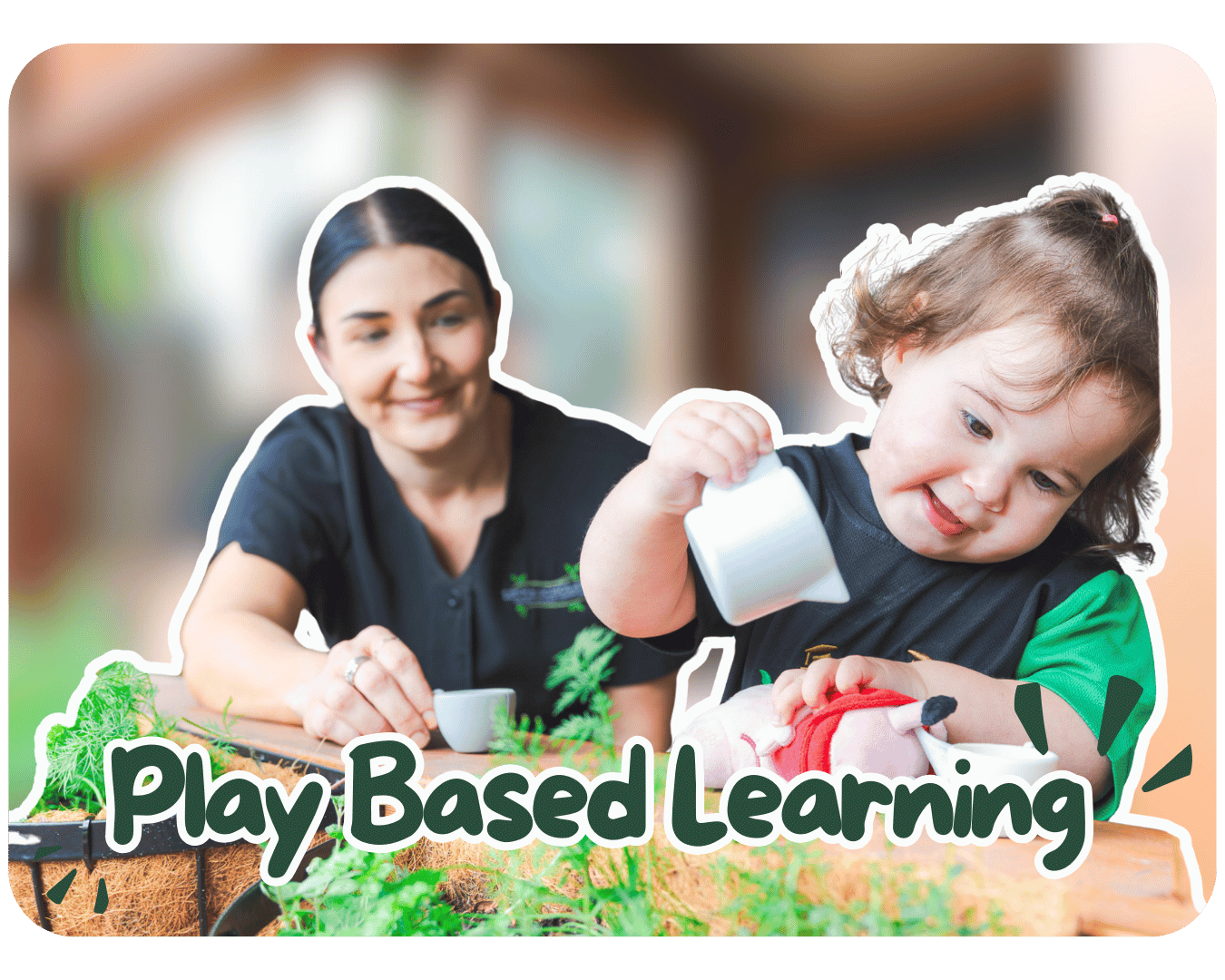
You might know by now that it’s Little Scholars philosophy that children learn best through play. So with that in mind, we had some ideas about how you can play with your baby and help him or her learn to speak at the same time.

Sasha is a lead educator in one of the toddler studios at Little Scholars Burleigh. She says the Abecedarian Approach is one of her favourite tactics for supporting language development, especially when she’s reading with just one or two children.
“It’s a great way to have back and fourth conversation, for example ‘I can see a horse, can you show me where the horse is?’ or ‘I can see you’re pointing to a monkey, can you find anymore monkeys?’ another one could be ‘I can see you’re point to a dog, what noise does a dog make?’
“It’s not only conversational reading,” Sasha continues. “But also just communicating throughout experiences, if a child is stacking a block on top of another block communicating that action that the child is doing.”
Nikki, the lead educator in the nursery also at our Burleigh campus, says utilising one-on-one periods during routines and rituals, such as nappy changes, washing hands and faces, sunscreen times, are a great time to be talking to the children about what they have been and are doing, ‘we are putting our sunscreen and hats on so we are sun-safe to go outside,’ for example. They also name body parts during the process.
“We always warn the children if we are about to touch their bodies in order to help them, like for nappy changes or sunscreen application, and dictate what is happening to them, so we are verbalising every step,” Nikki says.
“We also talk through the steps at rest times as we place the children in their cots or walk into the cot room, saying ‘we are going to rest our bodies and have some sleep now, I will see you when we wake up and we will do ___’. Basically, we are constantly narrating to the children their every move,” Nikki says.
At our Deception campus, Hayley, lead educator of the toddler studio, does the same thing, but adds a little twist.
“I do a lot of singing, and turning things into songs!” says Hayley. We think that’s a great idea, research shows that singing can help with language development, memory, and even emotional regulation. Singing also has many physical benefits, like improving breathing and posture, and help with early literacy.
“I also think it’s important to be at the child’s level. Talking clearly, and using simple sentences, as well as showing interest when they are speaking to you,” Hayley adds.
Social media can be a great source for parents, so when it comes to baby speech, we’ve got a few we recommend.
Firstly, for all things child-development and early learning, @littlescholarsearlylearning
Then specific for children’s speech development tips, tricks and support, we like these Instagram accounts:
Remember, if you’re worried about your child’s speech development, talk to your GP who can advise or help you with next steps to support your child.
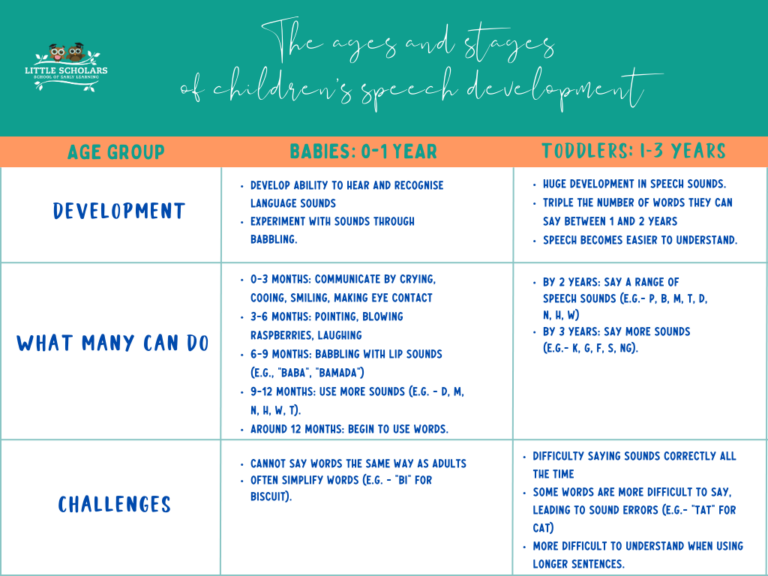
Speech development chart information from Speech Pathology Australia
If you’re a parent of more than one child, or spend time with children of varying ages, you may already see the benefits of those children interacting with each other. In early learning, while we arrange for children of similar ages or development together most of the time, we do make time and space for children to spend time with older and younger children. Why? There’s a lot of research supporting children of various ages and abilities spending time together. We’ll look at a few of these studies and hear from some of our Little Scholars educators who can attest to the advantages of mixing things up!
As an early education provider, we tend to group children together who share similar abilities, who are at similar stages of development or of similar ages. The benefits of this include:
Keeping children together of similar also means they’re stimulated appropriately at each age. Educators can tailor the curriculum to meet the specific developmental needs and milestones common to that age group, making learning more targeted.
As well, being with peers at the same developmental stage allows for more accurate assessment of a child’s progress and needs, aiding in early identification of any learning or developmental challenges, and children of the same age often share similar interests and play preferences, making it easier to form friendships and social bonds.
With a narrower age range, the skill gap between the most and least advanced children in the class is reduced, making group activities more cohesive, and children may feel more at ease and less intimidated when surrounded by peers who are at the same developmental stage, boosting their confidence in social and learning situations.
It also allows educators to be able to use age-appropriate language and teaching methods that resonate with the entire room, making instructions and lessons more effective.
It’s of course true that within ages of studios, for example the nursery, the milestone range can be large – a six month old infant isn’t at the same place a 12-month-old is, and even a 15 month old, but they’re similar enough in their needs that it makes sense to group them together. Our educators plan experiences that focus on movement skills, language development, fine motor development, and strengthening of developmental milestones based on the interests of the babies and research.
For toddlers, who are roughly 18 months to three years old, most are walking by this stage, some of them are learning to speak, sharing with other children and becoming potty trained. For toddlers, the curriculum includes a lot of opportunities for little ones to move their bodies and expel some of that endless energy, but a big focus is on communication and language development, which is why we help your child get to know sounds, words and language, including early literacy and numeracy and social and emotional development.
Then of course, there are our three to five-year-olds, who are further developing their language and literacy skills, fine and gross motor development and more. They are learning to work together in groups as well as individually, all in the build-up to formal schooling.
This is all to say there’s important reasons why our little scholars generally are grouped within similar ages and abilities in their studios. But this does not mean we don’t want them interacting with other children! The opposite, in fact.
The idea to mix aged groups in early learning is of course not a new concept. Here’s two of many theorists of early childhood who supported the idea of bringing children together of mixed age and abilities.
Maria Montessori, the founder of the Montessori method, was a strong advocate for mixed-age classrooms. She believed that older children could serve as role models for younger ones, fostering a sense of community and collaborative learning.
“One of the most important aspects of our education system is the use of the mixed age group which allows all the children to find what is suitable for them, irrespective of their age, and which allows the younger children a graded series of models for imitation, and the older ones the opportunity to reinforce their own knowledge by teaching what they know.”
Now, Montessori classrooms often have children of varying ages working together, which she believed promoted social and emotional development.
Lev Vygotsky, a Russian psychologist, also supported the idea of mixed-age play through his theory of the Zone of Proximal Development (ZPD). According to Vygotsky, children can learn more when they interact with peers who are slightly more advanced than they are. This aligns well with the concept of mixed-age play, where older children can guide younger ones, helping them to reach higher levels of understanding and skill.
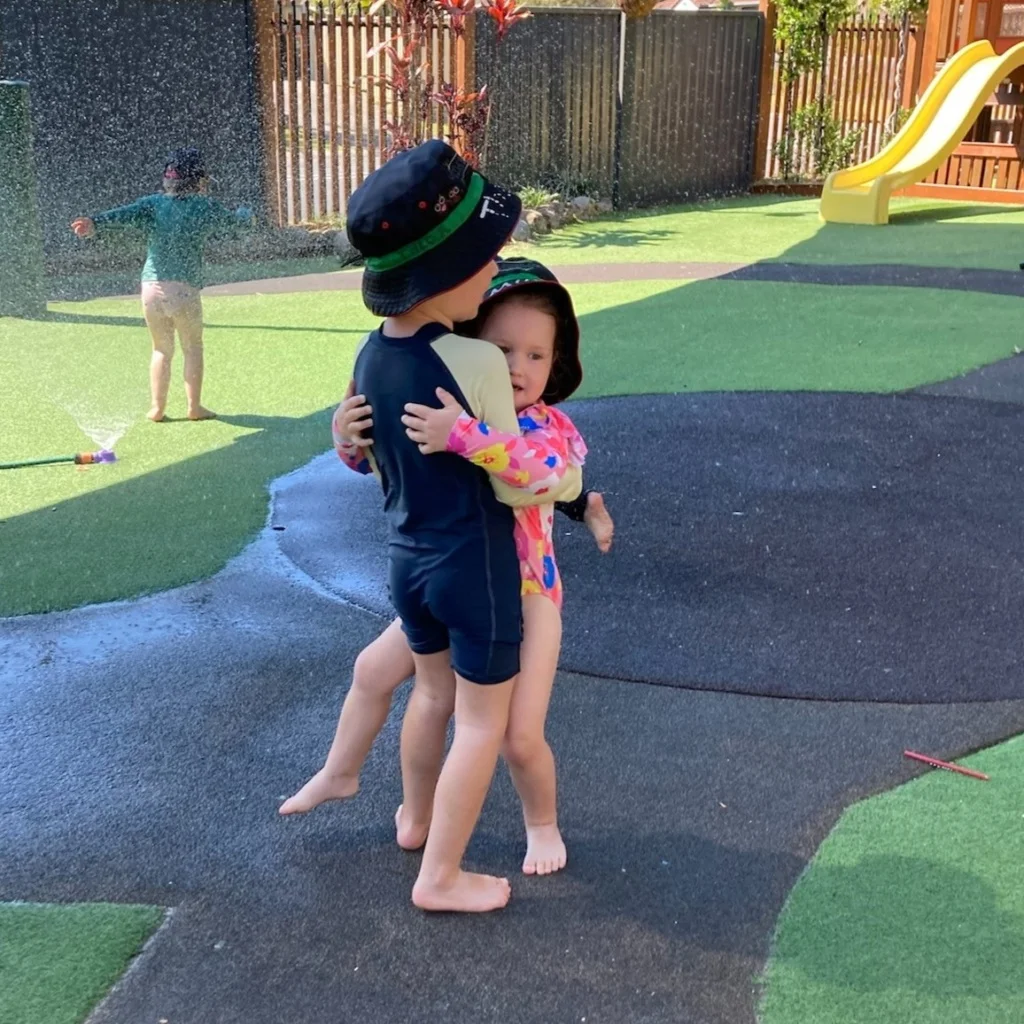
Theo (5) and little sister Mila (3) often get to spend time with each other at our Nerang campus, despite their age difference!
The benefits to having children visit with different age groups are plentiful.
Older children provide leadership and support to younger ones, enhancing skills and confidence for both.
At all of our campuses, there are several sets of siblings. By allowing siblings to interact, it can help younger ones adjust to the care environment.
Even if children don’t have siblings at their campus, mixing with younger children gives them the chance to take on ‘big sibling’ roles.
The benefits also include:
Fosters tolerance and diversity, benefiting children with developmental delays as well.
“I believe that children should have the ability to socialise with children of various age groups,” says Claire, the educational leader at Little Scholars Nerang. “Allowing opportunities for siblings to group together while at the service can assist children to feel a sense of belonging and ease separation anxiety throughout the day.”
For younger children, they can learn from a peer more knowledgeable than themselves, it teaches them problem solving skills and more, says Claire. For the older children, it teaches them nurturing, patience and understanding.
Claire shared a story of one mixed age grouping of two children who weren’t related.
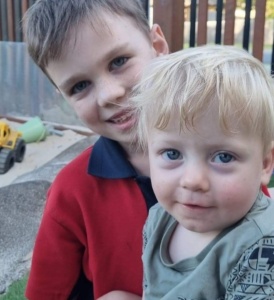
Jacob and Finn are six years apart, share a birthday and have a unique bond at Little Scholars Nerang
“Jacob and Finn are six years apart. Finn began his Little Scholars journey at four months old and took an immediate liking to Jacob aged six at the time. Throughout their friendship, Jacob has assisted Finn to learn how to talk, build and walk. Finn shows great excitement to see Jacob each day by looking for him and can now ask where he is. Finn and Jacob spend time reading and playing together. Jacob uses the abecedarian approach of see, show, say when reading to Finn to build his cognitive skills more specifically language. Each morning and afternoon they spend time together and Finn continues to develop his skill set.
Mixed age grouping for children struggling socially
In 1990, a study in the United States looked at how being in a group with children of different ages could help preschoolers who were having a hard time making friends. The study had 24 children who were either acting out or keeping to themselves. These little ones were put into one of three groups:
The results showed that the children who played with younger, socially skilled children improved the most. They were more likely to make friends and were less likely to act out or keep to themselves.
So, this study tells us that mixing children of different ages can really help those who are struggling to make friends. It can boost their social skills and help them get along better with others.
Complex play in mixed age groups
Another American study found that children in mixed-age classrooms were more likely to engage in complex play modes than children in same-age classrooms.
Over a course of 18 months, there were 47 children who participated. The researchers, from George Mason University, used a variety of methods to collect data, including direct observation, parent questionnaires, and teacher reports.
One of the key findings of the study was that children in mixed-age classrooms interacted more with their same-age peers over time. The researchers suggest that this is because children learn from each other. For example, older children may teach younger children new skills, and younger children may help older children to develop their social skills.
The study also found that older children in mixed-age classrooms became more like younger children, and younger children became more like older children. This is known as bidirectional socialisation. The researchers suggest that bidirectional socialisation may benefit both older and younger children. For example, older children may learn to be more patient and nurturing, and younger children may learn to be more independent and self-reliant.
Overall, the study provides evidence that mixed-age classrooms can have a positive impact on children’s social and behavioral development.
Vocabulary growth in mixed-age groups
A Danish study found that children in mixed-age classrooms had greater gains in vocabulary growth than children in same-age classrooms.
The researchers followed the same group of children over time. The study began when the children were two years and nine months old and ended when they were six years and 11 months old.
The researchers didn’t specify how many trials they conducted, but they did report that the study included 2,743 children. The minimum age difference between children in the same classroom was six months, and the maximum age difference was 24 months. The researchers found classrooms with a maximum age range of 24 months were associated with the greatest gains in vocabulary growth.
To measure children’s vocabulary development, the researchers used a standardised vocabulary test. They gave this test to the children at the beginning of the study and again at the end of the study.
The researchers did not directly observe how the children interacted with each other. However, they did collect data on children’s social interactions through teacher reports and parent questionnaires.
Overall, the study provides evidence that mixed-age classrooms can support children’s language development. However, more research is needed to understand the specific mechanisms through which mixed-age grouping benefits children.
How teachers support mixed age groups
Another study, this time from Sweden in 2022, focused on how preschool teachers implement curricula in different age group settings. The study involved 3,340 children between the ages of two years and nine months and six years and eleven months, from multiple preschools and was based on interviews with teachers.
The study aimed to answer two main questions:
In age-homogeneous groups, teachers felt they could focus on specific age-related goals, whereas in mixed-age groups, the curriculum was more flexible, allowing children to learn at their own pace. The study concluded that both age-homogeneous and mixed-age groups have their own sets of advantages and challenges when it comes to implementing the curriculum.
Researchers focused on the impact of mixed-age groups on children’s development, particularly in vocabulary. The study found that mixed-age groups could be positively linked to individual children’s development, especially in vocabulary.
Advantages of mixed-age groups:
Disadvantages or challenges:
The study suggests that mixed-age groups can be beneficial for children’s development, but they require a specific type of teaching approach.
As you have now read, the benefits of mixed-age play in early learning are plentiful and supported by a wealth of research and educational theories. While it’s common to group children by age or developmental stage, there’s undeniable value in allowing children of different ages to interact. Studies have shown that this kind of grouping can enhance social skills, encourage more complex play, and even boost vocabulary development. Our educators at Little Scholars witness these benefits daily and incorporate mixed-age interactions into our curriculum.
However, it’s not just about mixing ages for the sake of it; it’s about creating a dynamic learning environment that caters to the individual needs of each child. Whether it’s older children mentoring the younger ones or everyone learning to communicate at different levels, the advantages are clear. But it’s not without its challenges; it requires a nuanced approach from educators to ensure that each child’s developmental needs are met. So, while there’s no one-size-fits-all approach to early education, the evidence points towards the value of a mixed-age setting in helping our little scholars grow into well-rounded individuals.
The Case for Mixed-Age Grouping in Early Education (1990) by Lilian G. Katz, Demetra Evangelou, and Jeanette Allison Hartman
The social and behavioral ecology of mixed-age and same-age preschool classrooms: A natural experiment (2002) by Sarah Caverly and Adam Winsler.
Does mixing age groups in early childhood education settings support children’s language development? (2017) by Nina S. Mounts, Jaipaul L. Roopnarine, and Peter B. Smith.
Teaching and learning in age-homogeneous groups versus mixed-age groups in the preschool (2022) by Lena O Magnusson and Kerstin Bäckman
Everyday life is full of risks and challenges, and at Little Scholars, we believe children need opportunities to develop the skills associated with managing risk and making informed judgements about risks from a very young age. Risky play helps to develop important life skill learnings such as; building resilience and persistence, critical-thinking skills, self-confidence and even extends their frustration tolerance.
We get it—no one wants to see little ones get hurt. It’s almost instinctual to hover nearby in case they stumble or to call out ‘be careful!’ when they’re taking risks. But could this actually be sending the message that we don’t trust their capabilities or instincts? Historical trends show that since the 1960s, there’s been a shift in how we view children. Once considered competent, responsible, and resilient, the modern perspective leans more towards constant supervision and protection. What used to be unrestricted and often unsupervised outdoor play has transitioned to structured, closely watched, and frequently indoor activities.
A lot of research has been devoted around the world to risky or adventurous play, and how parental attitudes as well as other factors played a part in children’s activities.
By participating in adventurous play, children are more likely to engage in activities that elevate their heart rate and breathing, leading to increased energy expenditure. This can help children meet the recommended guidelines for MVPA, which is at least 60 minutes of moderate-to-vigorous physical activity daily.
‘Educators facilitate gradual exposure to controlled risks, allowing children to develop confidence and judgment, ultimately empowering them to make informed decisions when navigating different situations.’
-Kristen Guymer
Adventurous play also offers opportunities for children to develop and enhance their motor skills, coordination, balance, and strength. These physical skills are essential for overall physical development and can contribute to improved physical fitness.
Furthermore, adventurous play provides children with opportunities to explore their environment, take risks, and challenge themselves. This type of play promotes creativity, problem-solving, and decision-making skills, as children navigate and overcome obstacles. It also fosters a sense of adventure, independence, and self-confidence.
Overall, adventurous play can be a fun and engaging way for children to meet their daily MVPA requirements while promoting physical fitness, skill development, and personal growth.
“We emphasise the importance of careful observation, encouraging children to identify potential hazards by looking, listening, and even touching when safe,” she says. “Educators also foster critical thinking by asking questions that prompt risk assessment, such as, ‘What could go wrong if…?’ We promote collaboration and communication, allowing children to discuss and share their perceptions of risk.”
Furthermore, Kristen shares, educators facilitate gradual exposure to controlled risks, allowing children to develop confidence and judgment, ultimately empowering them to make informed decisions when navigating different situations.
Before embarking on Bush Kinder experiences or similar activities, educators guide children through risk assessments:
Hayley Yates, a lead educator at our Yatala campus agrees that discussions with children previously help prepare for and mitigate risk.
“We support risky play through our discussions with the children,” Hayley says. “If it’s something that has a big risk, example climbing trees, we talk about what we should look out for when climbing, how big the branches need to be to be safe and things of that nature. For both the younger and older children we use language like ‘Notice how this is this? Another example would be walking on slippery rocks, I would say ‘notice how that rock is wet? That might be slippery’, then giving them the option to continue to that rock or a different one.”
Hayley says through important discussions educators are guiding children by asking questions and role modelling safe behaviours.
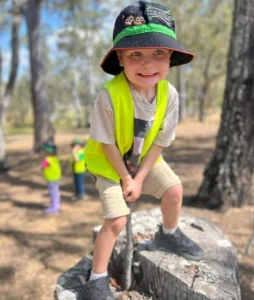
At Little Scholars, we believe that spending time in nature has numerous benefits for children, including improved physical health and strength, enhanced cognitive development, and better emotional regulation. Through our Bush Kinder program, children have the opportunity to connect with nature on a deep level, learn about the environment, be challenged beyond the classroom, and engage in meaningful, hands-on experiences.
During our Bush Kinder sessions, children have the opportunity to engage in a range of activities, from nature walks and bird watching to building shelters and learning about indigenous culture. Children climb, scramble, jump and more in nature’s playground.
In this natural environment, children encounter diversity, novelty, challenges, and even some calculated risks. Their senses come alive as they engage with sticks, tree holes, water, rocks, sand, and dirt—nature’s abundant toys.
Our Bush Kinder educators are highly experienced and qualified in outdoor education and child development. They are passionate about providing children with meaningful learning experiences in a safe and supportive environment. We take the safety and security of our children very seriously. Our Bush Kinder program is conducted in a safe and secure outdoor environment, with strict protocols in place to ensure the well-being of all children.
But risky play is not limited to bush kinder.
Our outdoor areas are thoughtfully designed, including forts and equipment, all with intention of helping children navigate risk, endure challenges and build motor and fine motor skills.
Helena Vairy, an educator at our Ormeau Village campus, shares an example of how she helps children assess risk and how to complete ‘risky’ tasks safely.
“The way I like to teach children to access risk are by providing them with the materials which are needed and seeing how the children act on these,” Helena says. “
“The other week myself and a couple of the Kindergarten children set up the sandpit I placed the crates in a line and stacked one on top of the other. One child Mahli said ‘this looks like a runway maybe we can walk and then jump off the crates.’ What a great idea this was, the children were nervous at first but I stood right next to them to help. I asked the children, ‘do you think you can jump off the crated and land with your feet flat?’ I then demonstrated and the children too were off jumping.

We love this story because it shares how children lead their own learning experience, consider risks, and support and encourage each other.
All of our campuses have recently introduced woodworking stations, designed to help children exercise their creative and critical thinking skills. It allows them to express their ideas and figure out solutions to their projects. It’s also a great way to introduce risky play, as the risks are managed and educators are actively supervising, but woodworking teaches children about safety and understanding risk.
“As they pick up their hammers, they’re getting ready to work on their pincer grip,” says Katie, educational leader at our Parkwood campus. “Things like that prepare them for school. In order to prepare to help the children use these safely, we’ve been having group discussions and asking them different questions about how to use the tools, what they think the tools do and what they can make in the future.”
It’s clear that risky play isn’t just about letting children run wild; it’s a calculated approach to help them develop essential life skills. At Little Scholars, we’re not just about keeping your little ones safe; we’re about preparing them for life. Our educators are trained to guide children in assessing risks, making it a learning experience that builds confidence and safe judgment. So, parents, it might be time to loosen the reins a bit. Let’s trust our children to make informed decisions, even if it means resisting the urge to shout, ‘Be careful!’ every so often. After all, life is full of risks and challenges, and what better time to learn how to navigate them than in the formative early years? You’ll be amazed at what they can achieve when given the freedom to explore, assess, and conquer.
We know you want to give your child the best possible start in life. We foster nurturing relationships between our educators and your child, building and gaining their trust so we can support your child as they take on risks and challenges safely and confidently. Book a tour today to get started!
Further reading:
Did you know that clay is not only a fun material for children to play with but also incredibly beneficial for their development?
What’s fantastic about clay is its open-ended nature. There’s no right or wrong way to play with it, giving children the freedom to explore and express themselves. Whether they’re rolling it into balls, flattening it into pancakes, or creating intricate sculptures, each action reveals something unique about them. It could be their level of focus, their creativity, or even how they approach problem-solving.
Benefits include:
These are all important skills for children, especially as they prepare to move into formal education. The benefit of using clay is that it’s a natural, moldable medium that can be used as a cement, an adhesive and even a paint.
Paul R White, an American clinical social worker, has been using clay as a therapeutic tool for over 30 years. In his book, CLAYtherapy, he talks about how clay play can naturally facilitate meaningful conversations between children and adults. He developed numerous unique aids and techniques that have assisted him in teaching children to cope with stress, express feelings and to solve problems, including through the use and manipulation of clay. White also presented a paper on clay therapy to the World Congress of Child Play Therapy and Child Psychotherapy in London, England.
He has used clay in his practice as an ice breaker, as an aggression reliever and as a primary tool in treatment.
In his book, White says “Through mutual clay play, a conversation between child and counselor automatically emerges. Dialogue doesn’t have to be forced or fabricated, but happens naturally when the counselor is revealing, demonstrating and teaching this dynamic and engaging clay process and the child is asking, learning and experiencing his or her own trial and error. This manner of interaction links the adult with the child through a hands-on, verbal, nonintrusive, problem-solving counselling process.”
Lisa Terreni, a senior lecturer in early childhood education, also champions the use of clay. She believes it gives children another language for expressing their thoughts and ideas.
“From many anecdotal observations of children using clay I feel strongly that, apart from teaching young children the physical skills required to use the medium successfully to create three dimensional artworks, using clay gives children another language for expressing their thoughts, ideas and emerging working theories about their world,” she said in a blog post for Early Arts.
Marvin Bartel, a professor of art at Goshen College in the United States, says in a blog post on his website that ‘clay is so fascinating that some children work for long periods without any adult motivation to maintain their interest. It can be a great way to extend the attention span of some children.’
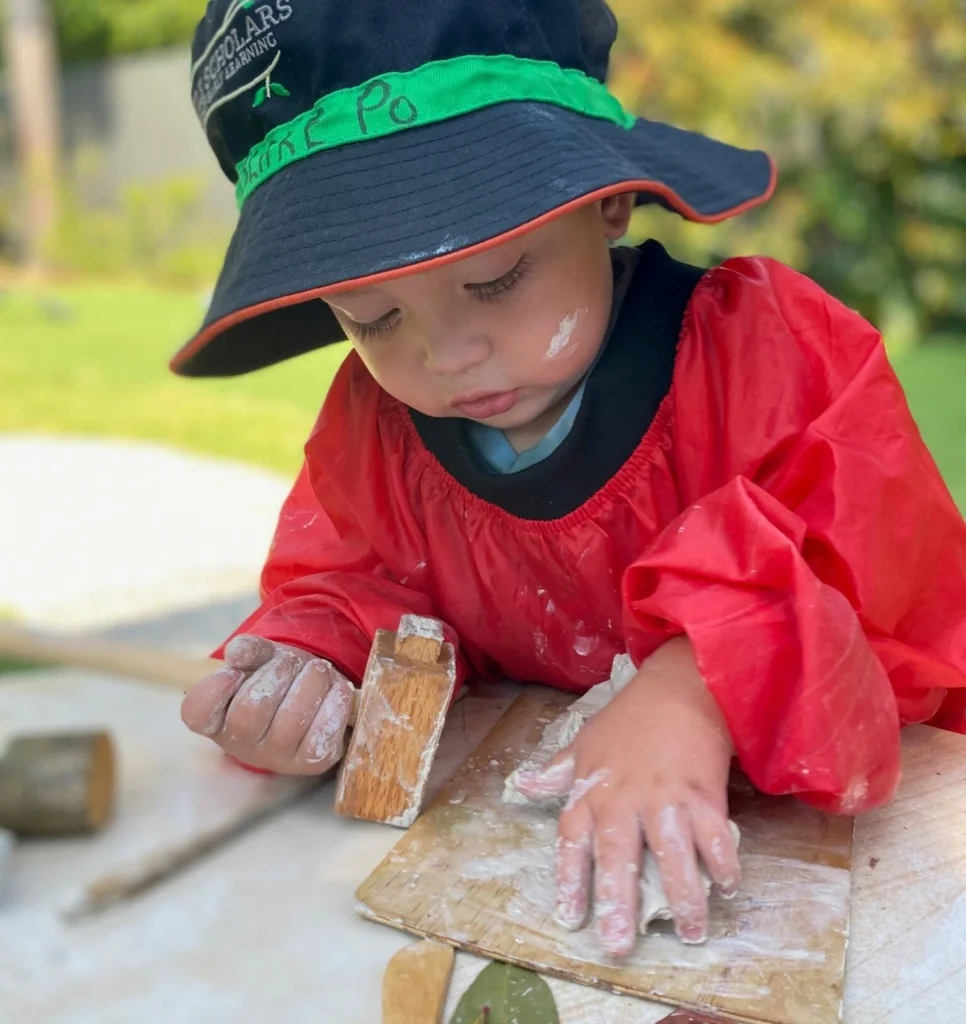
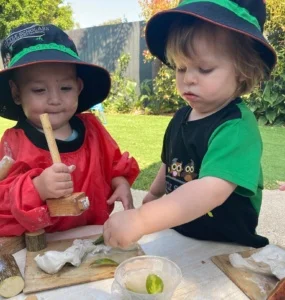
According to experts from Pennsylvania State University, children will show many parts of themselves through clay experiences:
One of the lesser-known but incredibly important benefits of clay play is muscle development. When children manipulate clay, they’re actually engaging both fine and large muscles, which is crucial for their physical development.
Anxiety
One study in Iran aimed to examine the impact of clay therapy and narrative therapy on reducing anxiety levels in pre-school children. The study involved 30 kindergarten children who were divided into three groups: 10 in the clay therapy group, 10 in the narrative therapy group, and 10 in the control group. The study found significant differences in anxiety levels among the groups. Both the clay therapy and narrative therapy groups showed a reduction in anxiety compared to the control group. The clay therapy group had a mean score of 3.63, and the narrative therapy group had a mean score of 2.83, both of which were significantly different from the control group’s mean score of -0.71. However, there was no significant difference between the clay therapy and narrative therapy groups in terms of anxiety reduction.
The study concludes that both clay and narrative therapies are effective in improving self-esteem, school performance, and sociability of the children, as reported by the parents.
Psychosocial Wellbeing
Another study out of Kenya, looked at how clay play supported children who lost access to schools during the pandemic, affecting children’s right to education and their psychosocial wellbeing.
The study, published in the East African Journal of Arts and Social Sciences, looked into the psychosocial effects of the COVID-19 pandemic on children and how play, particularly with painting and clay modelling, can be a therapeutic and educational tool. The paper argues that these forms of play can help children cope with the stresses and traumas induced by the pandemic, while also promoting cognitive and social learning.
The study argues that play with art forms like painting and clay modelling can be powerful tools for cognitive and social learning. They can also serve as therapeutic activities to counter depression and violent behaviour. Activities such as clay modelling and painting are described as non-serious activities that free the mind and are excellent for expression. Clay is described as a malleable material that can be easily manipulated, while painting offers a colourful medium for expression.
The study suggests that these art-based activities should be integrated into the curriculum, especially for children aged four to six, to enhance their psycho-motor and creativity development.
Fine Motor Skills
An Indonesian study investigated the impact of constructive play with clay on children’s fine motor skills. The small study by researchers from STKIP Kusuma Negara included two groups of 11 children each, one as the experimental group and the other as the control group. The study used test observation techniques for data collection and employs both descriptive and nonparametric statistical analysis. The results indicated a significant difference between the two groups, suggesting that constructive play with clay positively impacts children’s fine motor skills.
In the study, the authors highlight the physical aspects of working with clay.
“Working with clay fosters large muscle and fine motor control. Clay is fairly resistant and will need to be kneaded and worked to make it pliable. Children can stand or sit while using clay. Standing provides the advantage of a whole-body muscular reaction to the clay. Hard clay provides solid resistance the child must overcome. This will involve using the shoulders, arms, hands, and fingers. Playing with clay develops large muscles and fine motor control because the clay is quite resistant and kneaded to make it soft.”
The benefits of clay play in early childhood development are supported not only by expert opinions but also by a growing body of scientific research. From fostering creativity and social skills to enhancing both fine and large muscle development, clay play serves as a multifaceted educational tool.
References:
Have you ever wondered how the books your children read can influence their growth and development? If not, you’re not alone, and it’s never too late to start paying attention. As parents, we all wish for our children to grow up as thoughtful, intelligent, resilient, and kind individuals. Regardless of their gender, we want to create equal opportunities and experiences that will shape their future through formal education and into adulthood. At Little Scholars, we understand that our actions today in educating and caring for children have a profound impact on the future, no matter how big or small they may seem, and that includes the books we share.
There’s been a lot of research looking at how children’s books portray gender identity and equality. For example, a recent 2021 study titled “Gender equity in early childhood picture books: a cross-cultural study of frequently read picture books in early childhood classrooms in Australia and the United States” dug deep into the representation of gender in commonly-read picture books across eight early learning centres in both countries. The study involved 44 educators and 271 children, and its findings shed light on the impact of gender bias in literature on young children.
The research revealed that gender bias in literature such as picture books can have significant effects on children’s beliefs and attitudes. Boys may develop a sense of entitlement, while girls’ self-esteem and occupational aspirations may suffer. As well, these books can inadvertently teach children that girls are of lesser value than boys. Even a 2016 report by UNESCO found persistent gender bias in textbooks, which can negatively affect girls’ motivation, self-esteem, and participation in school, possibly limiting their career expectations.
The study carefully examined the themes and messages conveyed by the books (not named), both overt and subtle, in relation to gender and gender roles. It considered language, illustrations, emotions, attitudes, needs of characters, as well as activities, roles, and relationships portrayed in the stories.
The researchers looked at the use of gender-specific or neutral names, pronouns, and labels, along with language related to characters’ roles, appearance, occupations, and personality traits. For instance, females may be described or portrayed as beautiful, nurturing, or dependent, while males are shown as powerful, clever, or independent. They also considered the clothing worn by characters, their positioning on the page, and the activities they engage in were also analysed. These aspects contribute to shaping the image of gender roles in children’s minds. The study examined how female characters are often portrayed as passive, emotional, and dependent on males to solve problems, while male characters are shown as strong and competent. The portrayal of characters within a family dynamic was examined, including the division of household and career responsibilities between genders.
Another study, Children’s Book Illustrations: Visual Language in Picture Books, includes a section that discusses character development through illustration, and touched on character’s gender preference. While one study referenced from 2011 revealed male characters outnumbering female in picture books, some illustrators who were interviewed stated that about 20 years ago, the situation was reversed and there was a significant push for including more male characters into picture books to encourage boys to read more.
If this has you thinking about some of the books, often classics, that you have in your home and that you’ve read with your child, we don’t want you to feel guilty as you view them with a new lens! The next time you read them, it’s an opportunity to have a discussion about the book – why you love it, perhaps what might be outdated thinking, and that can spur on some wonderful conversations about gender equality that would serve boys and girls well.
It’s not all doom when it comes to children’s literature and the effect they can have on children! In recent years, there has been significant research and evidence that shows how children’s books that empower young girls can have a positive impact on their development and self-esteem as they grow. Here are some key points supported by research:
By bringing empowering children’s books into their ‘reading diet’, parents, educators, and caregivers can play a huge role in shaping the confidence, aspirations, and character of young girls. These books have the potential to leave a lasting impact, contributing to a more empowered and equitable generation of women in the future.
There are so many wonderful books that do support female positivity, gender equality and encourage young girls to break any glass ceilings that get in their way. But, we encourage young boys to enjoy these books, and parents to have similar conversations with all children – we can’t change the future without acknowledging the past and making change now. Here’s 10 empowering books we’ve chosen, but please let us know if there are more you think we should have in our campuses! (and where we could, we’ve linked to Gold Coast and Brisbane Libraries!)

Cloudette by Tom Lichtenheld
Sometimes being small can have its advantages. But what about when you want to do something big, like help a giant garden grow, or make a brook babble? This charming book gets at the heart of what it means to make a difference no matter your size. Young children will find much to relate to as they follow Cloudette on her pursuit for greatness.
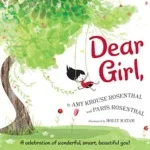
Dear Girl by Amy Krouse Rosenthal and Paris Rosenthal
This book serves as a love letter written for the special girl in your life; offering a gentle reminder that she’s powerful, strong, and holds a valuable place in the world.

Ada Twist, Scientist by Andrea Beaty
Ada Twist is a story about the power of curiosity in the hands of a child who is on a mission to use science to understand her world. This book is a celebration of STEM, curiosity, perseverance, and passion.

Rosie Revere, Engineer by Andrea Beaty
Ok, we couldn’t choose between these two Beaty books. Both scream ‘you can do anything’ which is exactly what we want our children to believe after reading books. These books, besides their important messages, also have great flow, rhyming and expressions, making them fun for parents to read out loud (over and over)

Malala’s Magic Pencil by Malala Yousafzai
Malala Yousafzai, the youngest recipient of the Nobel Peace Prize shares a story from her childhood in Pakistan that shows younger readers the world view that allowed her to hold on to hope even in the most difficult of times

Mae Among the Stars by Roda Ahmed
Inspired by the life of Mae Jemison, the first Black woman to travel in space, this beautiful picture book will encourage young girls to reach for the stars, to aspire for the impossible, and to persist with childlike inspiration
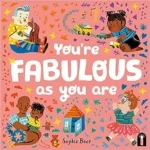
You’re Fabulous As You Are by Sophie Beer
This new book celebrates gender expression in all forms, whether it’s wearing sparkly tutus or stomping around in big black boots, to having messy fun or needing quiet time.
You’re Fabulous As You Are tells children it’s okay to choose any colour or change your mind, and encourages them to be completely and unashamedly their fabulous selves.

Her Body Can by Kate Crenshaw
Her Body Can is a book of self-love and body positivity declarations for all young girls. Its aim is to encourage our young girls to love themselves and their bodies for exactly who and what they are.

Someday by Alison McGhee
Someday is the story of what every mother wishes for her child: a chance to live life at its fullest to experience great joys, to stretch, to grow, to understand sorrow, to have a future to have a someday.

The Wonderful Things You Will Be by Emily Winfield Martin
From brave and bold to creative and clever, this book celebrates all personalities and their potential.
As parents, educators, and caregivers, we can choose books that promote equality and challenge gender stereotypes. By offering children a diverse range of literature, we can empower and encourage them to become open-minded, respectful, and compassionate individuals. At Little Scholars, we are committed to fostering an inclusive environment and nurturing a generation that values equality and embraces each person’s unique potential.
Further research
Learning to write. Learning to read. Learning to count. There is a certain set of expectations of things children are expected to learn around the time they are about to start school, but what about other equally important things, things that will give children just as many future benefits, but make parents cringe? What are we talking about?
Getting messy.
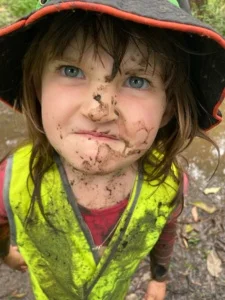
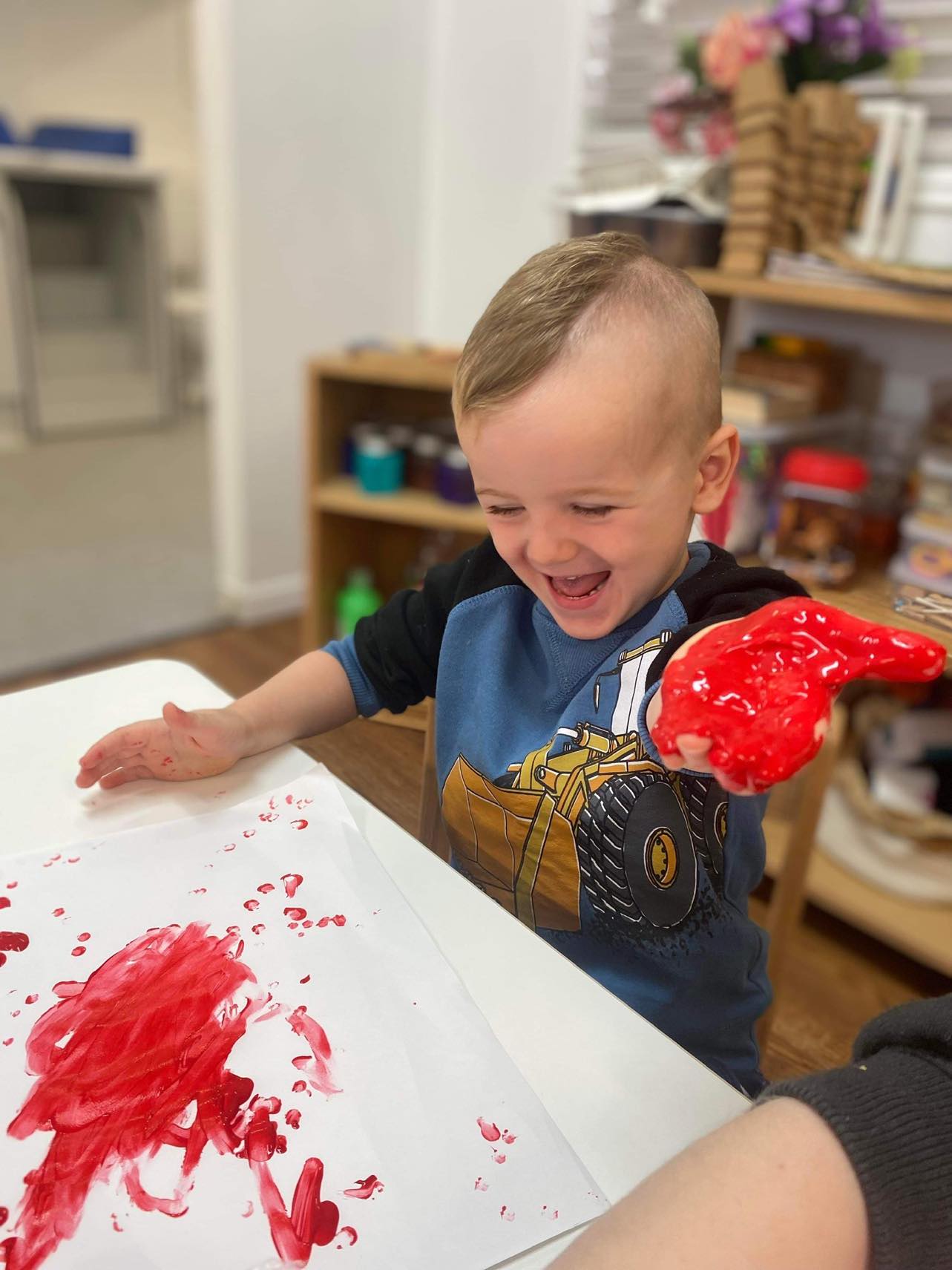
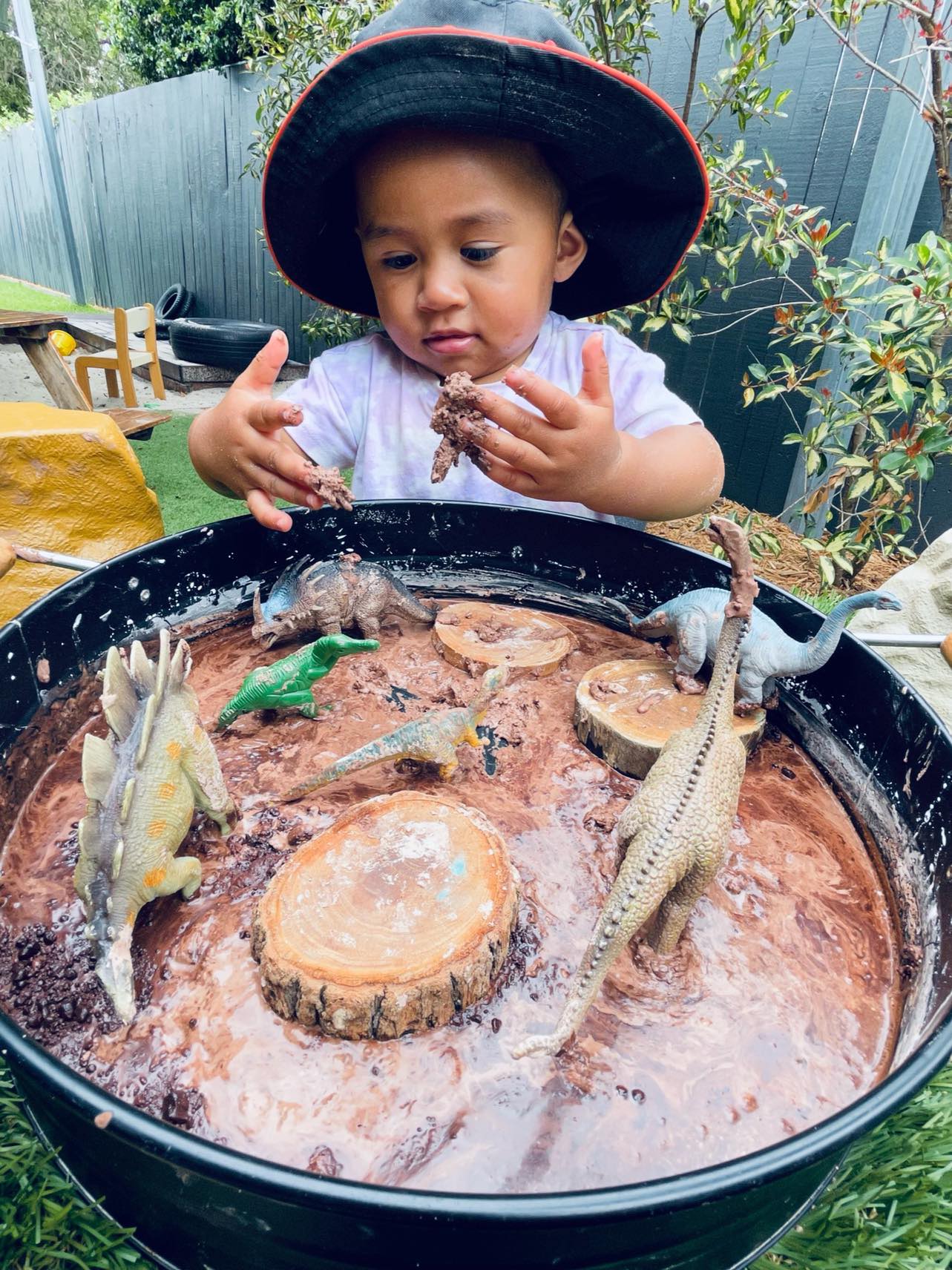
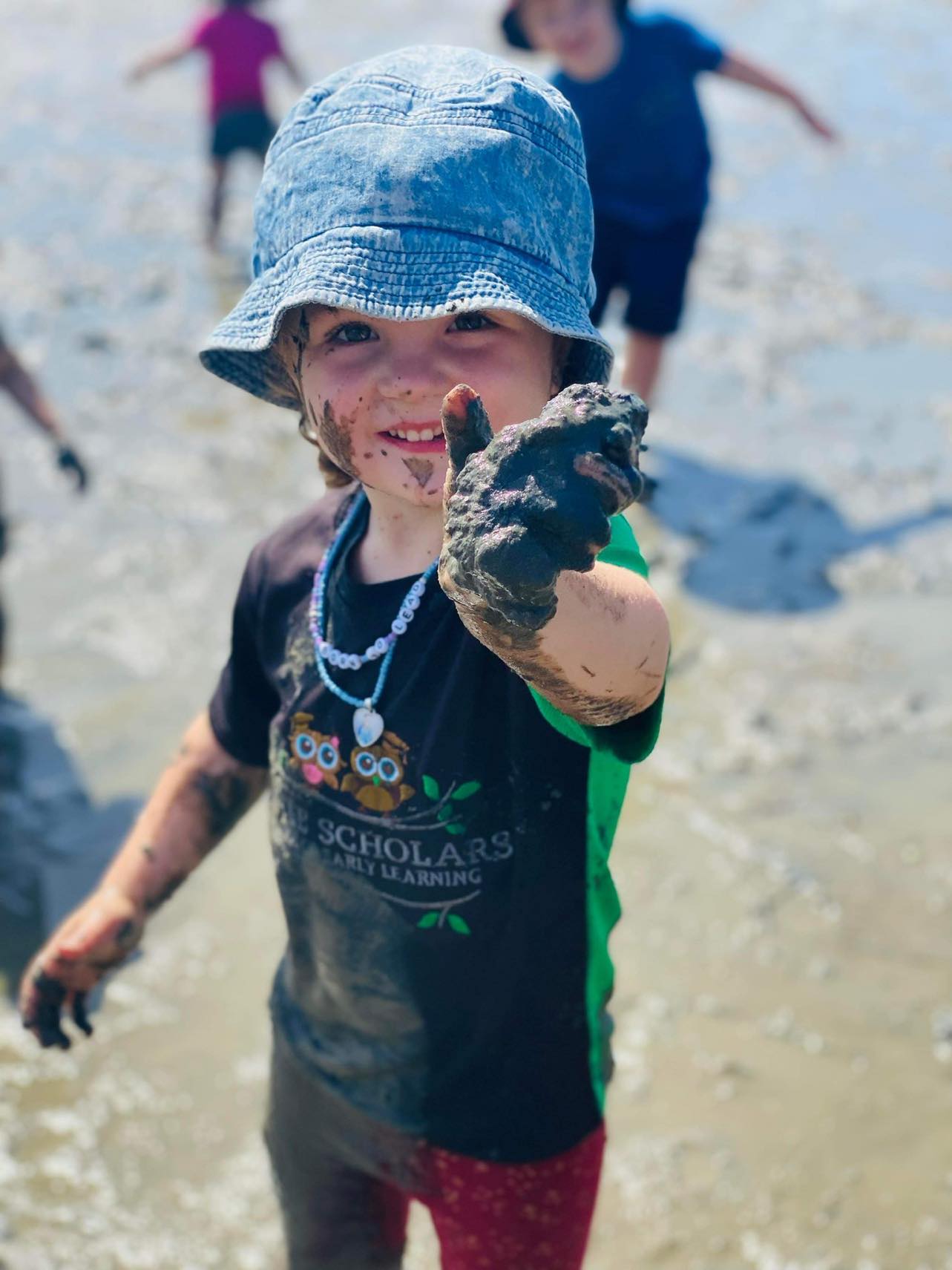
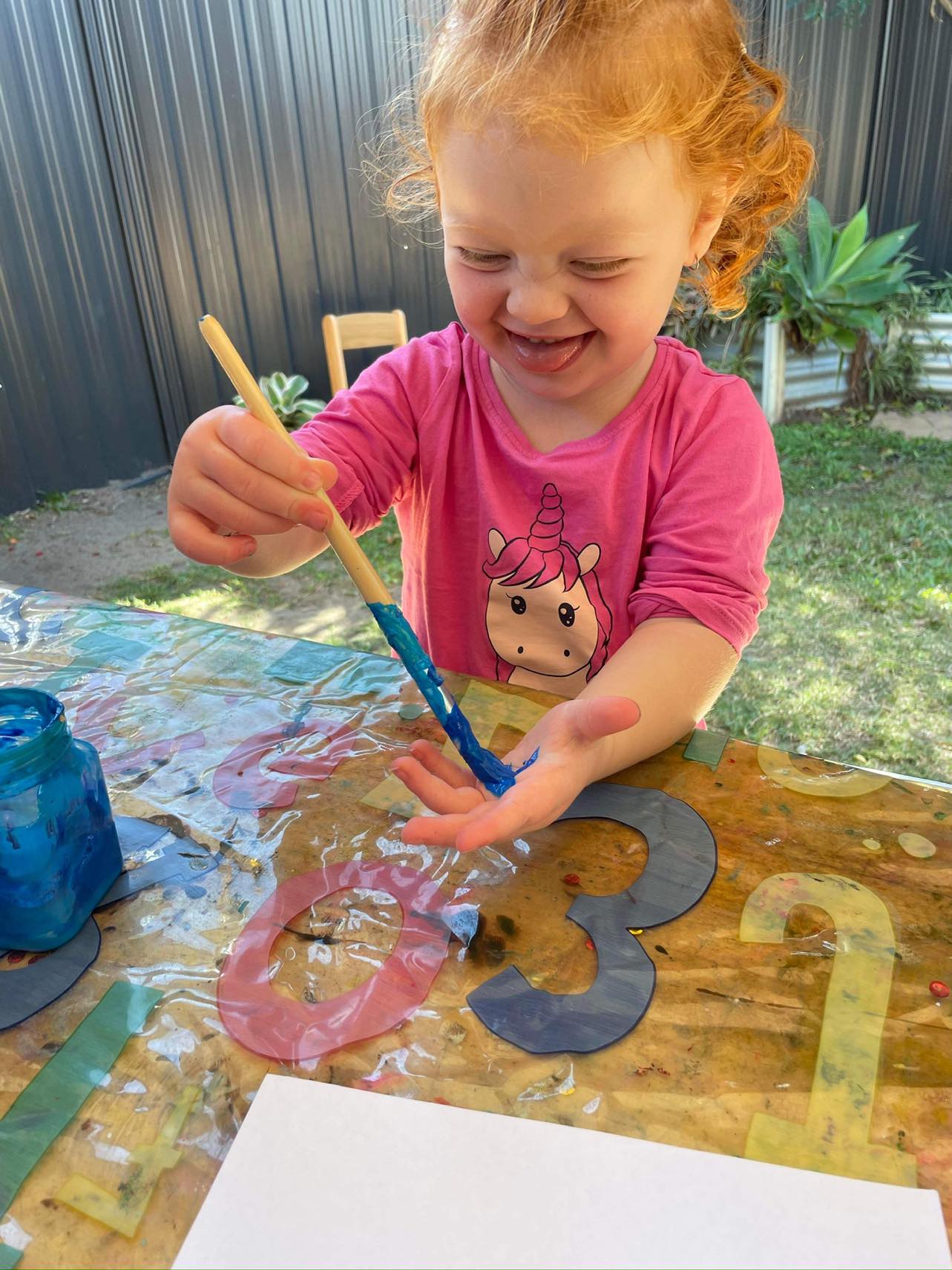
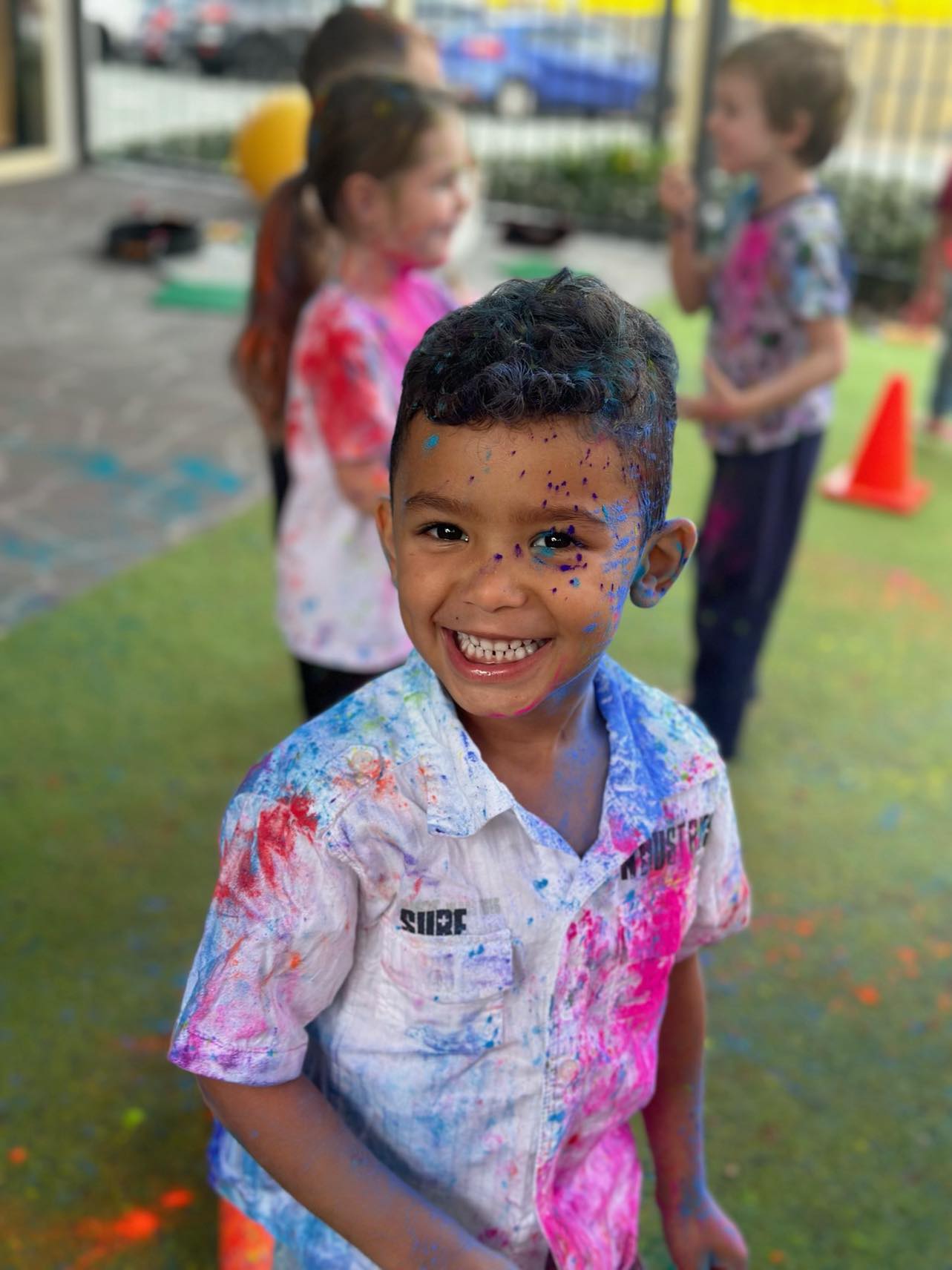
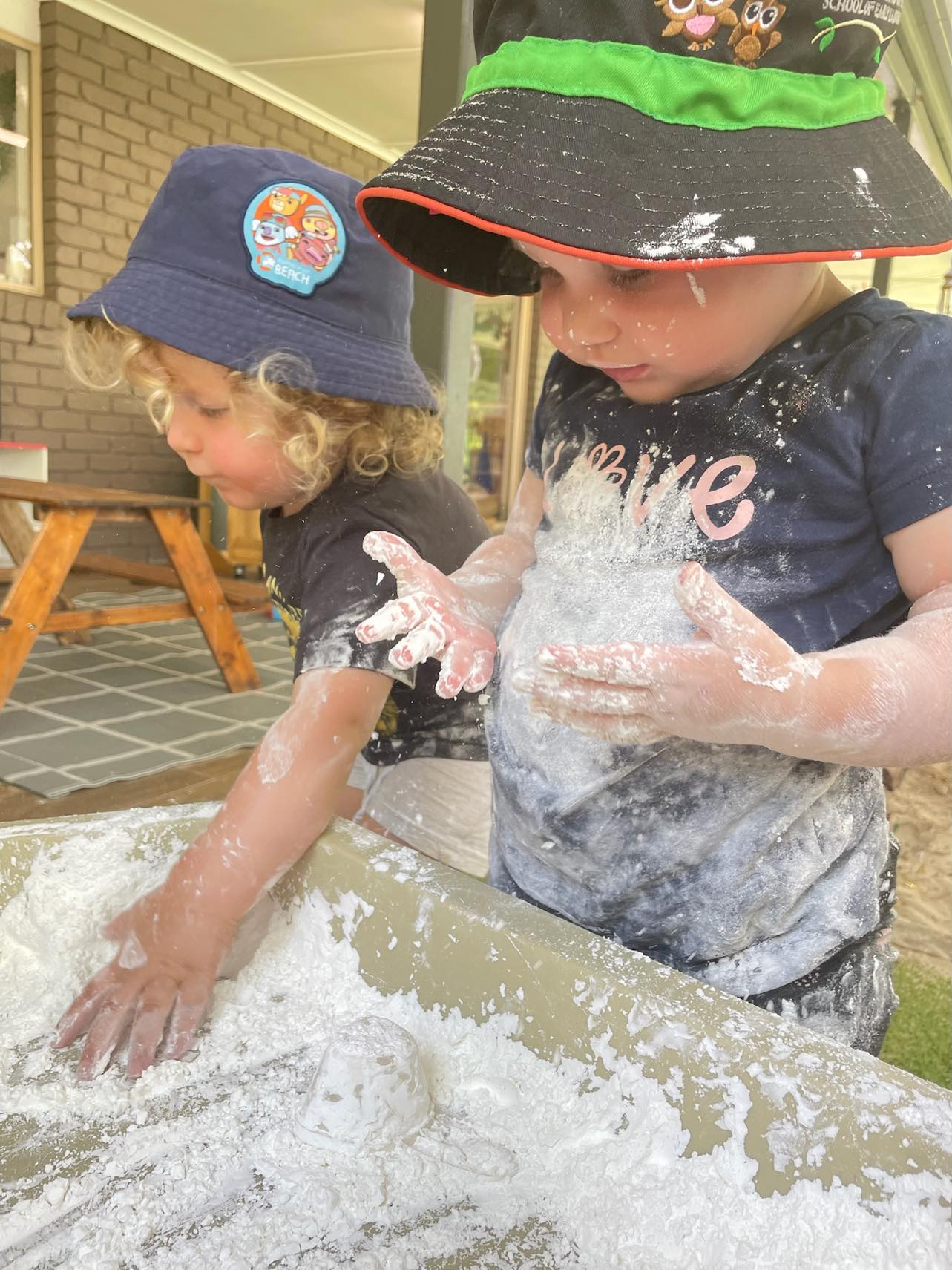
For a number of reasons, getting messy is an important part of childhood learning and development. While many parents understand the benefits of being out in nature, they may be less comfortable with the idea of getting messy while outside. Or inside, for that matter! Some of the reasons for parental discomfort in messy play could include:
Messy play can help children develop their fine motor skills, problem-solving skills, creativity and sensory awareness. It can also help them learn about cause and effect, and even how to manage their emotions.
A recent study by the University of South Australia (UniSA) looked at comfort of parents and early educator when it comes to messy and risky play in early education. Dr Margarita Tsiros, Senior Lecturer in Paediatric Physiotherapy at UNISA, said that given that nearly half of all Australian children ages 0-5 are in some sort of early education setting, further education and training for both early childhood educators and parents could help overcome some of the challenges that might be linked with nature play, which often involves both getting messy and taking risks.
This study explored the perspectives of parents and early childhood educators on unstructured nature play for young children. Participants were interviewed about their views on the benefits, barriers, and facilitators of nature play, and the researchers’ findings suggest that parents and educators value the benefits of nature play for children’s physical, social, emotional, and cognitive development. However, participants also identified a number of barriers to nature play, including time constraints, lack of access to nature play spaces, and concerns about safety and mess. The study also found that adults can play a gatekeeper role in nature play, by either facilitating or restricting children’s access to nature.
The findings of this study suggest that parents and educators need additional resources and guidance on how to engage with nature play and how to overcome barriers within early childhood settings and the home environment.
Messy play is of course, not limited to playing in nature, though there are plenty of opportunities outside to get a little dirty. But messy play is everywhere, from when a baby is exploring food in those early days, learning to feed herself, learning cause and effect when dropping food, that’s just one aspect.
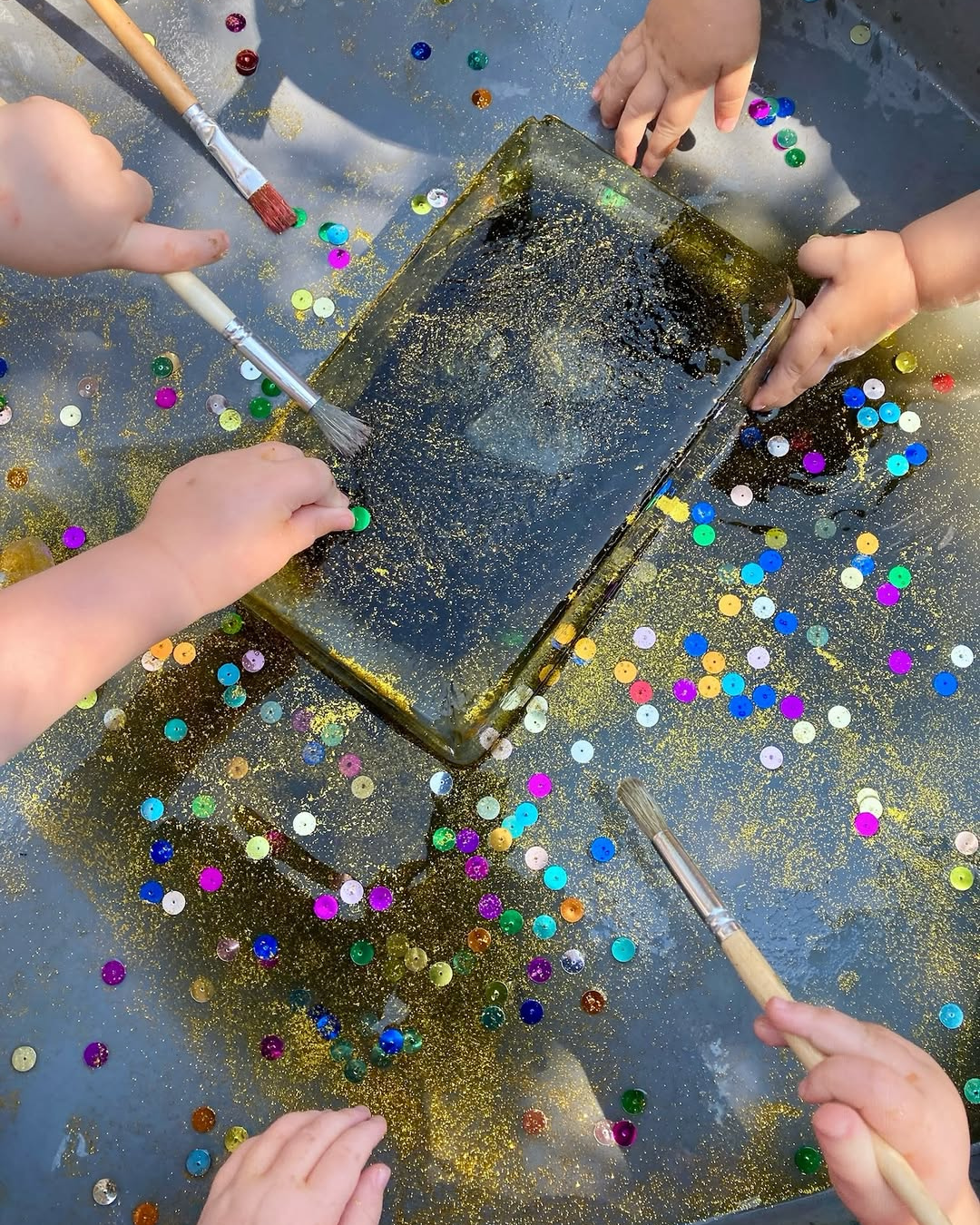
As well, children are creative beings, and parents can attest to the fact that their little ones are directly drawn to arts and crafts that include glitter. OK, we kid a little, but art and creativity are a large part of the childhood experience, and will likely require sweeping, wiping and washing in the end.
Messy play is of course, not limited to playing in nature, though there are plenty of opportunities outside to get a little dirty. But messy play is everywhere, from when a baby is exploring food in those early days, learning to feed herself, learning cause and effect when dropping food, that’s just one aspect.
As well, children are creative beings, and parents can attest to the fact that their little ones are directly drawn to arts and crafts that include glitter. OK, we kid a little, but art and creativity are a large part of the childhood experience, and will likely require sweeping, wiping and washing in the end.
Specifically about messy outdoor play, a 2021 study by Melike Kandemir and Serap Sevimli-Celik, from the Department of Elementary & Early Childhood Education, Middle East Technical University, Ankara, Turkey, found that parents and educators believe that it can provide a number of benefits for children, including:
The study found that teachers and parents value the benefits of outdoor play for children’s development, but that they also have concerns about safety, messiness, and lack of resources.
The study also found that teachers and parents have different views on the role of outdoor play in children’s learning. Teachers were more likely to see outdoor play as a way for children to learn about the natural world, while parents were more likely to see outdoor play as a way for children to burn off energy.
The study also found that teachers and parents are concerned about the messiness of outdoor play. They worry about children getting dirty, tracking mud into the house, or ruining their clothes.
The study concludes by arguing that there is a need to better support teachers and parents in providing opportunities for children to engage in outdoor play.
Another study looked explicitly at vulnerable children and getting messy in play.
The study, “Patterns and attributes in vulnerable children’s messy play” by Sue Gascoyne, et al., explores the patterns and attributes of messy play in vulnerable children.
The study defines vulnerable children as “children who are at risk of social, emotional, and/or developmental difficulties.” It used a mixed-methods approach, including interviews with parents and practitioners, and observations of children’s messy play.
Researchers found that vulnerable children engage in messy play in a variety of ways, but that there are some common patterns. For example, vulnerable children often use messy play to explore their emotions, to develop their relationships with others, and to learn about the world around them.
The study also found that there are some specific attributes of messy play that are particularly beneficial for vulnerable children, such as, messy play can help children to develop their sensory awareness, their problem-solving skills, and their self-confidence.
But researchers also found that vulnerable children often use messy play to express their emotions. For example, children might use messy play to express anger, sadness, or joy. As often vulnerable children are facing hardship other children might not be, this was important.
The study also found that messy play can help children to develop their relationships with others. For example, children might play together with messy materials, or they might help each other to clean up after messy play.
The study concludes by arguing that messy play is an important part of the development of vulnerable children, and that it should be encouraged.
Observing the babies experience this source of joy, excitement, relaxation and total presence, I can’t help but feel a sense of wonder and awe.
-Jodie, lead educator
Jodie Dzarir is the lead educator in the nursery studio at Little Scholars Burleigh campus. She agrees there’s a multitude of benefits when it comes to allowing children to get messy while they explore their world.
“My favourite would have to be the social and emotional development encountered, and the creative/imaginative stimulation it provides,” she says.
“Messy play allows babies the freedom to convey their emotions, experimenting different forms of self-expression. It stimulates their imagination and creativity as they engage in open-ended activities with no predetermined outcomes.
Observing the babies experience this source of joy, excitement, relaxation and total presence, I can’t help but feel a sense of wonder and awe. Witnessing their endless curiosity, laughter and the genuine connections they form with one another is heart warming,” Jodie continues.
For parents who cringe at the idea of their young child coming home filthy, she encourages an open mind and a trust in the process.
“For parents, messy play is an important part of your child’s development and can be vastly beneficial to their learning journey, as it allows them to explore, learn and develop essential skills. Rest assured, we prioritise safety and hygiene during these activities to provide a controlled and enriching experience for your child,” Jodie adds. “Investing in a few basic outfits for messy play could be one of the best purchases you make.”
Susan Cooper, group pedagogical leader for Little Scholars, agrees that messy play is an important vessel for play for young children.
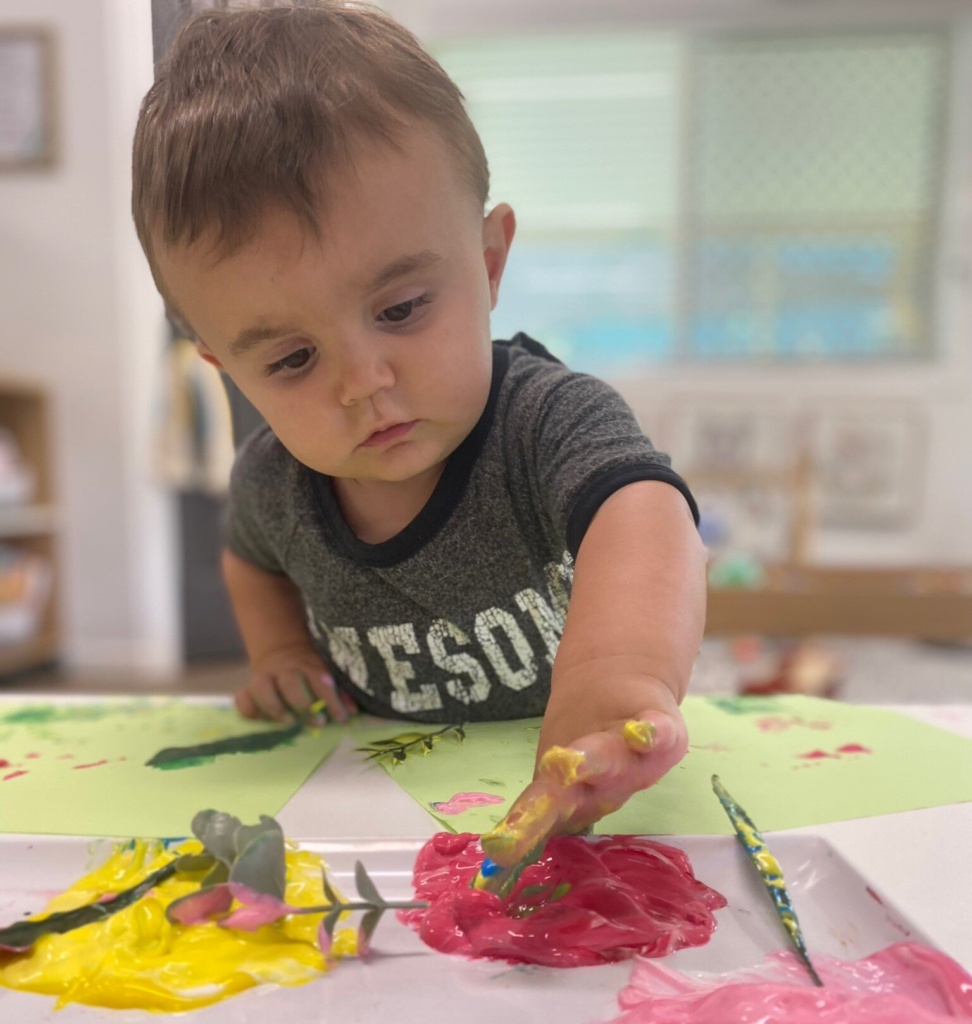
I have seen through my travels how messy play can act as an emotional outlet for many children, they’re able to verbally express themselves, it’s engaging, enjoyable and most importantly fun, interactive, hands-on learning, ultimately encouraging the love for learning, says Susan.
“While we provide these experiences within our curriculum, there is an element to planning around messy play experiences, planning for management to risk, management to supervision and ensuring that children are able to engage within the experiences that is developmentally age-appropriate, meeting their needs and supporting an inclusive environment for all children.”
Although some parents may initially hesitate at the prospect of cleaning up after a lively outdoor romp or an exuberant indoor painting session, (we understand, you’re busy enough!) the abundant benefits of messy play far outweigh any temporary inconveniences. As both parents and educators, we should actively seek out opportunities to provide children with the enriching sensory experiences and learning opportunities that messy play offers.
Yes, messy play might require a deep breath followed by the use of brooms, vacuums, and mops, but let’s not forget to focus on the incredible outcomes that emerge from these seemingly chaotic moments. We wholeheartedly encourage parents and educators to embrace the magic of messy play. It’s in these moments that we witness the spark of imagination ignite, where education and career trajectories may take shape, and lifelong passions may be kindled.
Remember, every single fun and messy experience can pave the way for a world of endless possibilities. The memories created through messy play will remain etched in the hearts of children, shaping their growth and development in ways that extend far beyond the spills and splatters. Join us at Little Scholars, embrace the mess and the extraordinary potential it holds blossom before our very eyes.
References:
Teaching a small child self-respect, to find and use his or her own voice can be one of the most valuable lessons you share as a parent or special adult in that child’s life. When children can speak up for themselves, this will help them in every aspect of their lives, for the rest of their lives. Having the ability to use their voices, they’re able to command respect, protect their feelings and their bodies, and increase their confidence in their ideas, their relationships and in various social settings. There are several facets to teaching a child to use his or her voice.
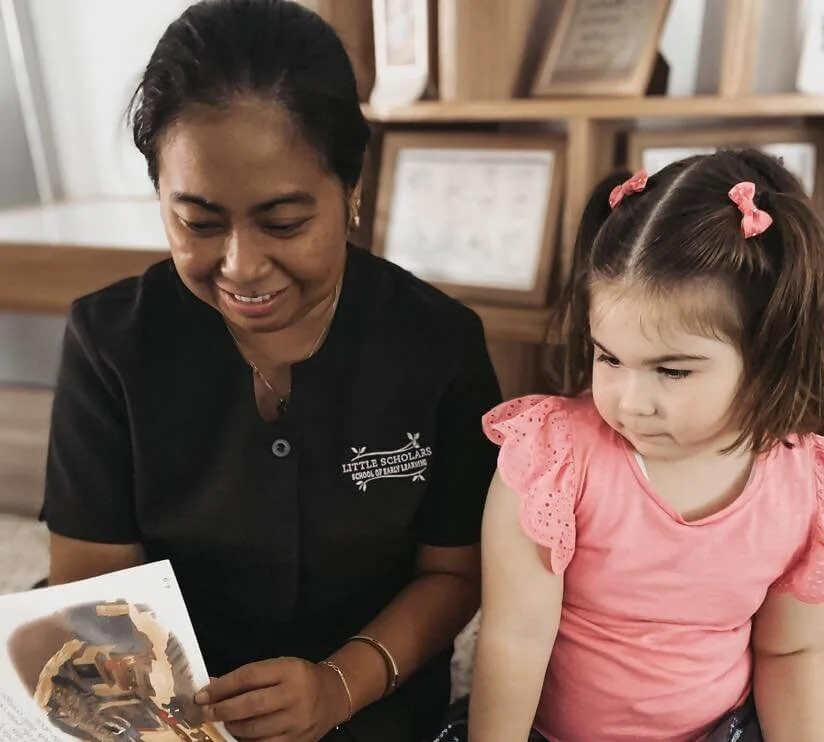
Allow your child to make choices about his or her body. You can start by allowing them choices on what to wear, and checking with them if it’s ok to help them dress or undress. This is the beginning of teaching your child about consent, even if he or she is a baby. Loved ones can also model consent by asking, ‘May I pick you up?’ or ‘May I give you a hug?’ and in the bath or nappy changes, asking permission before you clean or wipe your child in private places. Those conversations can lead to discussions about appropriate versus inappropriate touching, and even little children should expect to be asked permission from anyone who comes into contact with them. Even if they’re your children and you’ve been looking after them literally since day one, you’re showing them you respect their body by asking first.
This is the same in our campuses. It’s our policy to maintain the rights and dignity of the children, that includes in terms of nappy changing and toileting, so we try to provide privacy where possible from everyone in our campuses. Our educators are all trained in respectful care, and host not-for-profit visitors such as Bravehearts, who teach children about advocating for body safety, yes and no feelings, the difference between parents, trusted adults like doctors or educators looking after their bodies, versus strangers and unsafe adults.
We recommend teaching children young the proper names for their body parts and use them any time you are talking about them. When they’re first learning to speak, this can be a great bathtime conversation as you point out the names of various body parts. Keep any cringing when talking about body parts to yourself. The sexualised nature of private body parts — giggling or shame when talking about them — that’s adult stuff that we don’t need to put onto children.
“I teach my children “Your body belongs to you and you only” as well as naming their correct private parts which are theirs only,” says Holly, a lead educator in the Senior Kindy studio at our Staplyton campus. “Children really need to be educated about body awareness/safety.”
Why is teaching them proper names so important? Getting used to these conversations young can reduce embarrassment, something unnecessarily expressed by many adults and in previous generations, and establish ongoing communications with children about sex/sexuality. But most importantly, this educates and empowers little ones about their body safety, and research shows this could protect them from predators.
Explain to your child that nobody is allowed to touch our private parts unless it’s for hygiene or medical reasons and that people who have to come in contact with your child’s private areas have to ask permission first. But while there’s no shame in their bodies, they should also know there are parts of the body that are private and have it explained to them those parts are just for them.
Holly says additionally, they have conversations with the children with scenarios about stranger danger and the steps they need to remember in case anything like that happens. They also have conversations about who the children name as their ‘safe people’.
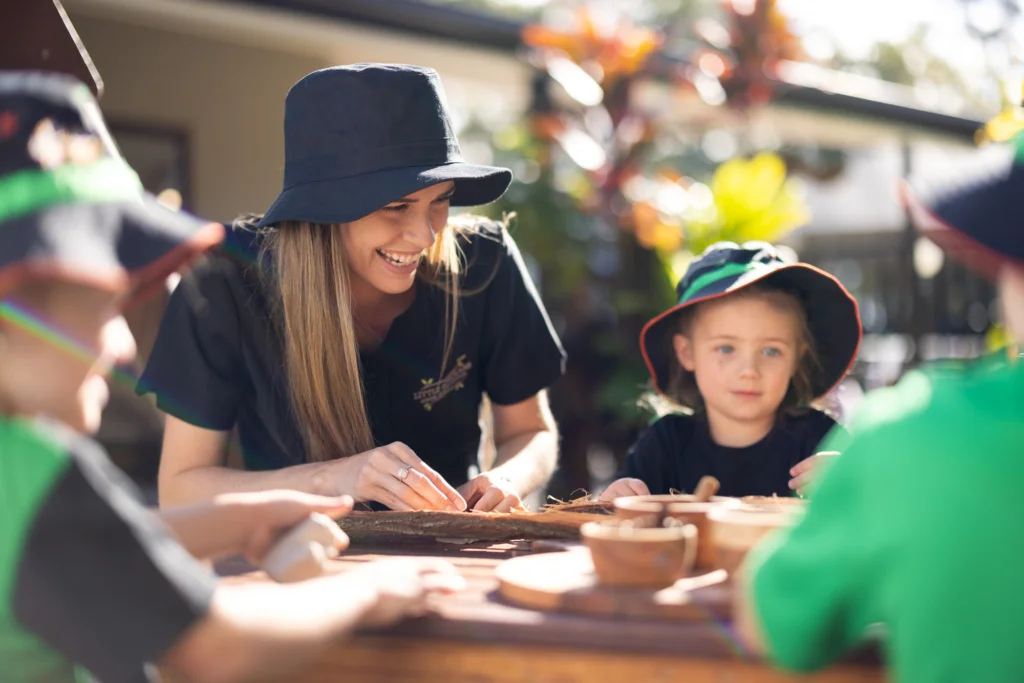
There are lots of ways to show children respect, and it’s important when you expect them to respect others. Try to refrain from talking about your child, especially in front of them, to others, or be mindful of what you do share. This shows your child you respect his or her privacy. You may remember a time when you were younger when a parent or someone you loved shared a story that embarrassed you – even as an adult, you remember. Your child could too. Before you tell a story, ask yourself how they’d feel about you telling it.
In our increasingly digital world, this also goes for sharing everything about them on social media. Once it’s online, it’s there forever. Even if it in theory disappears after 24 hours, screenshots can be taken. That also goes for other people’s children – other parents may not want them on social media, so keep online sharing to your own children. Consider what you are posting, would your child want to have a picture for the world to see of themselves on the potty or with a bare bottom when they’re older? Keep in mind others may Google them in the future; potential and current employers, associates, and most scarily, predators.
Another way you can show your child respect is by discussing inappropriate behaviour away from public settings. Keep important conversations for a time when you can discuss them privately. You may think embarrassing them by calling their actions out in public might stop them from doing it again, but this will likely backfire. You can say in public something like ‘We will have an important talk about this later.’ and stick to that. But highlighting negative behaviours in public only causes humiliation and shame, and no one needs to feel that way.
Don’t force children to hug or kiss anyone, even family. You could ask, for example, how they’d like to say greet people in each social situation.
“I offer children the choice of a hug, holding hands or sitting together as an alternative to allow them to make the choice. When saying hello or goodbye they can say just the words, high five, fist bump or hug, but it is always up to them,” says Claire, an educator from our Nerang campus. These options still teach them to be polite if that’s important to you, but shows them how they can do it within their comfort level and respects their physical boundaries.
Parents often focus on teaching children to be respectful, such as learning to apologise when in the wrong, but teaching children to just say ‘sorry’ versus understanding how their actions actually affect others and learning to own their actions is a better way to develop their emotional maturity. By asking the children questions such as ‘how do you think your sister felt when you hit her?’ or ‘how were you feeling when you broke that toy?’ and ‘what would you like people to do if they recognise they made you feel sad?’ will get them to begin to understand owning up to their mistakes and learning to say sorry meaningfully.
This is also where modelling comes in. It’s important to apologise to your child when you make a mistake. They learn from you, and by saying you’re sorry sincerely shows children that no one is perfect, that everyone makes mistakes, but it’s how we respond to them that counts. This could be done in other ways, rather than an adult yelling when angry, but by speaking kindly and respectfully to them, even when it’s difficult to, or if you’re setting a limit, children begin to understand their actions have consequences and can respond to situations differently in future.
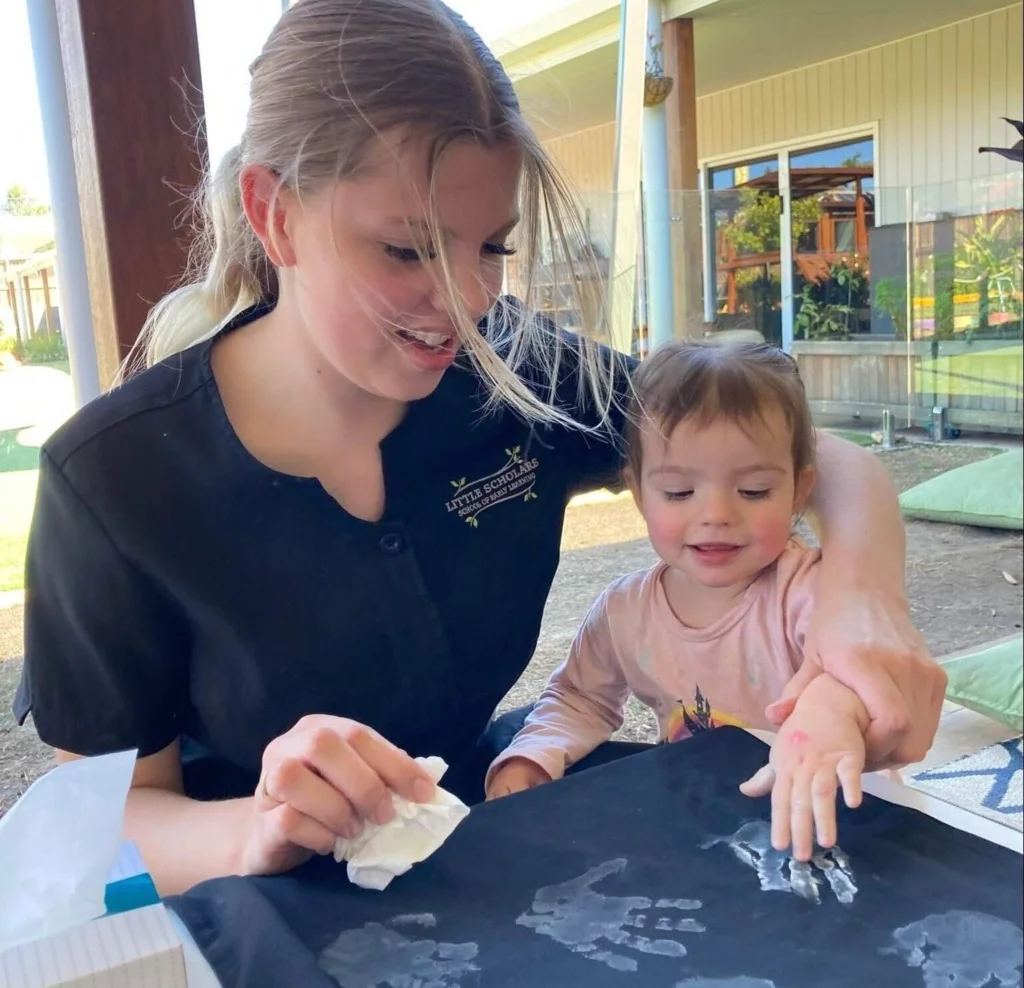
Let your child answer for themselves. Refrain from answering questions directed at them. If they don’t want to answer, don’t make a big deal about it.
“We use language to acknowledge how children feel for example, ‘I can see that you are upset, how can I help you?’” says Claire. “We use this language to help children to speak for themselves every day so it becomes second nature to them.”
We guide our educators to tune in to the behaviours, actions and emotions of the child to identify what they may be trying to communicate.
“Through listening to gestures cues, along with words, shows respect and ensures we are responsive to children and value their rights,” says Susan Cooper, group pedagogical leader for Little Scholars. “It is important for early childhood educators to validate what the children may be feeling and this is done by our educators asking the child about their emotions and setting spaces and environments where the children feel safe and secure to express their feelings comfortably.”
Tell them it’s OK to say ‘no’ if they feel unsafe or unsure. This teaches children and young people that it is OK to stand up for themselves and to be assertive if something doesn’t feel right. Following this, they should know that nothing is so ‘yucky’ that they can’t tell someone they trust about it. Hopefully, this is something your child never has to deal with, but if they’re asked to keep something secret that hurts them or makes them uncomfortable, then by talking to them about situations like this, they’ll speak up straight away and not worry about getting in trouble by breaking a ‘secret’. Teach them the difference between secrets, privacy, and surprises.
Here’s an explanation of the differences. A surprise is something that should be fun, happy, and temporary. Secrets that are meant to be kept for a long time are usually meant to protect someone or keep someone from getting in trouble. Although we want children to be wary of secrets (therefore, keep language in mind) —and especially to come to us when they have an unsafe secret—they also need to learn that some things should be kept private. Privacy isn’t about keeping someone from getting in trouble; it’s about respecting a person’s personal information.
Finally, please feel free to talk to your educators or campus managers about how they manage any of these conversations and talk to them about how you prefer it handled. We want your children and your family to feel respected and heard, safe and happy in our care, and if we can help with those conversations, we’d like to. These are also conversations you should have with extended family or people who will be in your child’s life.
Most importantly, model the person you want them to become. Children will remember their biggest role models their entire lives, so being a respectful, caring, supportive, confident adult influence will teach children the best person he or she can become. By showing them the respect they deserve and teaching them about self-respect, we’re setting them up for their future. Self-respecting and resilient children who spend time in positive, affectionate and supportive environments, led by clear and reasonable guidelines, and have healthy connections to parents and other adults, grow to be adults with the ability to bounce back from challenging situations their entire lives. And, all of the ways you show respect for children teaches them how they should show respect for others.
When you think of sensory play, you might picture messy playdough or rice bins — but there’s so much more to it! Contrary to popular belief, sensory play isn’t just for children who need extra support with development or social skills. In fact, all children benefit from sensory activities, no matter their age or abilities.
At Little Scholars, we believe sensory play is one of the best ways for children to learn, grow, and explore their world — all through touch, sound, smell, sight, and movement.
Sensory play refers to any activity that engages your child’s senses — touch, sight, smell, taste, hearing, and even their internal senses like balance and body awareness.
From squishing playdough and painting with fingers to listening to new sounds or jumping in piles of leaves, sensory play helps children make sense of the world around them through hands-on exploration.
It’s natural, instinctive, and incredibly beneficial — babies begin sensory exploration from the moment they’re born! As parents and educators, we simply guide and encourage this curiosity in fun and creative ways.
You don’t need fancy toys or expensive materials to provide amazing sensory experiences at home. Here are a few fun, budget-friendly ways to get started:
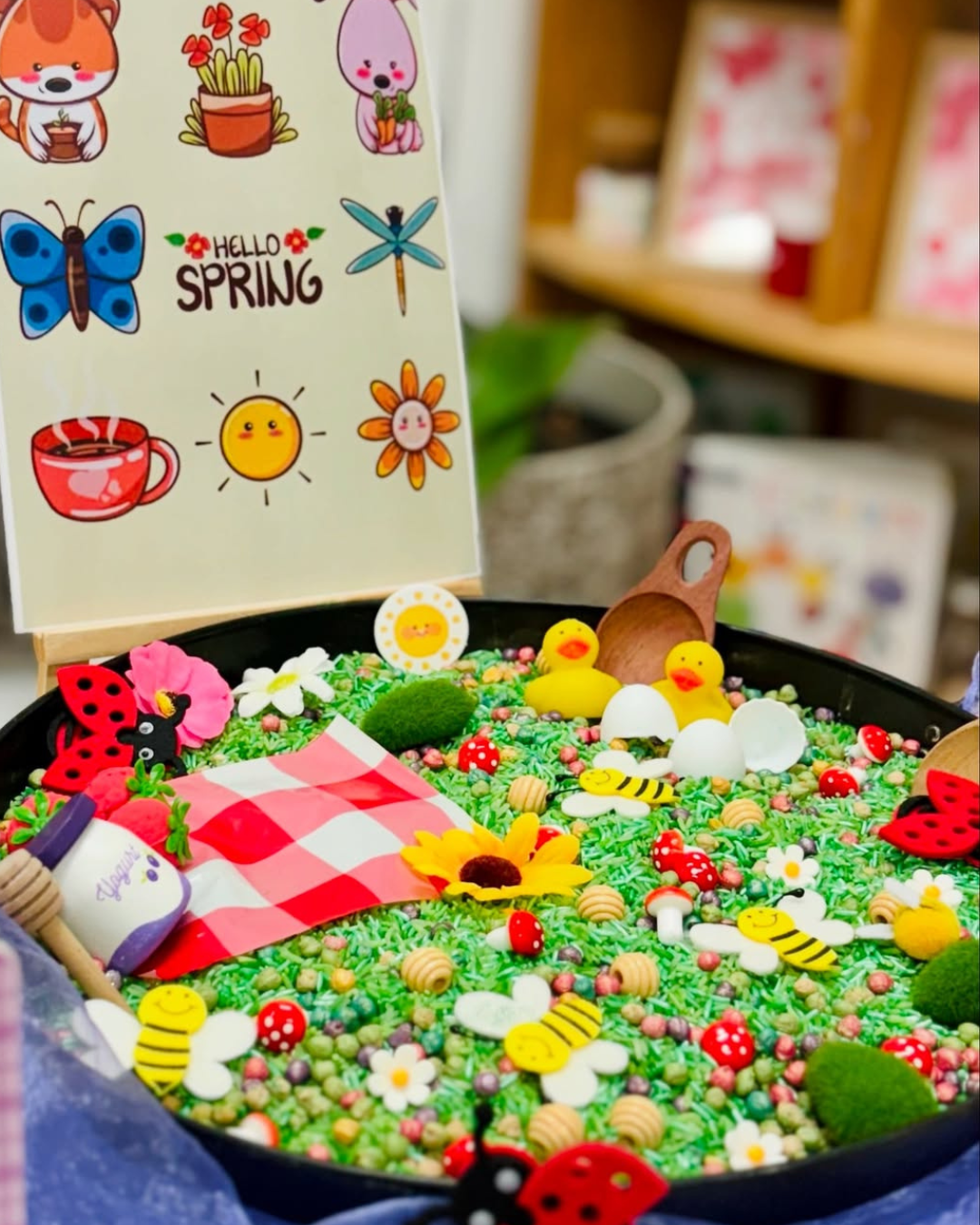
A sensory bin is a simple container filled with materials that feel, sound, or look interesting — think leaves, sand, rice, shredded paper, or water beads.
Here’s an easy-to-follow recipe on one off our favourite sensory bin activities, moon sand!
Tip:
Always supervise young children during sensory play, especially if they like to explore with their mouths. Avoid small items that could pose a choking hazard.
Yes, playing with food can be encouraged! Sensory food play helps children explore textures and smells, which can even reduce picky eating over time.
Try:
Remember: sensory food play is different from mealtime — it’s about exploration, not eating dinner with their hands!
Turn everyday items into sensory toys!
To create a sound tube:
This simple DIY helps develop auditory awareness and fine motor control.
Sensory play might look simple, but its benefits for development are enormous. Here’s how it supports your child’s growth:
When babies and toddlers play with different textures, sounds, and materials, they form new neural connections in their brain. These experiences lay the foundation for lifelong learning and problem-solving.
Exploring new sensations stimulates brain areas related to memory and attention. Activities like sorting, scooping, and identifying objects help toddlers remember patterns and details.
Through sensory play, children learn how to share, cooperate, plan, and problem-solve. These experiences build confidence, resilience, and social awareness.
Pouring, pinching, scooping, and stirring all strengthen fine and gross motor skills, improving coordination and hand-eye control — essential for writing, dressing, and self-feeding later on.
Sensory play helps children become little scientists — testing, observing, and learning how things work through trial and error. This kind of hands-on experimentation fuels curiosity and independent thinking.
Surprisingly, sensory play can even make your child more open to trying new foods! Research shows that when children physically play with vegetables or unfamiliar foods, they’re more likely to eat them later.
At Little Scholars Early Learning, sensory play is at the heart of everything we do.
We’re a privately owned early learning service providing quality education and care across South East Queensland, guided by the Early Years Learning Framework.
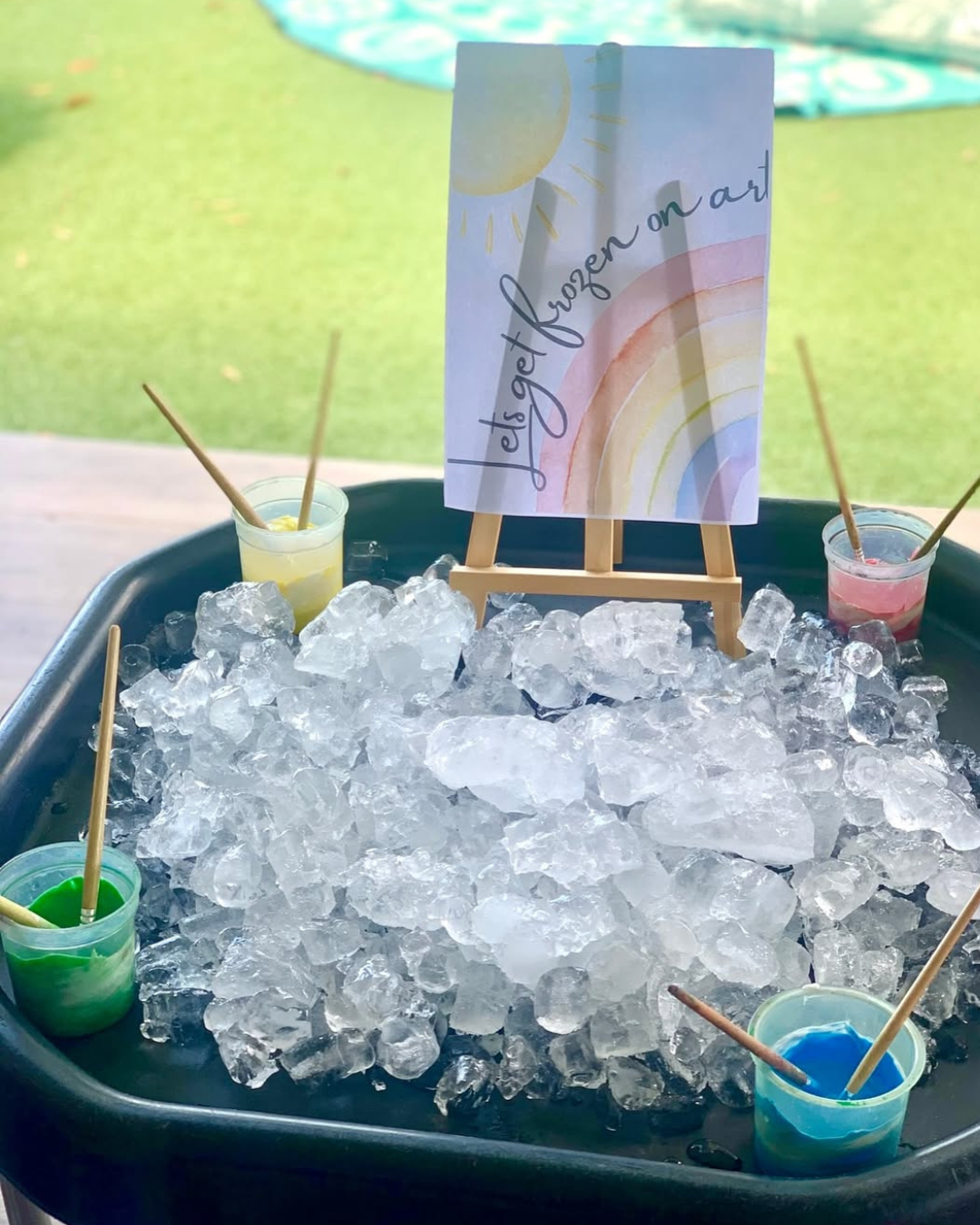
Our educators design daily activities that stimulate the senses — from messy art and outdoor discovery to music, movement, and water play.
We believe:
We aim to be an extension of your family — nurturing relationships, celebrating milestones, and helping every child thrive.
Want to see sensory play in action?
Come visit your nearest Little Scholars campus and discover how our hands-on, play-based approach helps children learn through joy, exploration, and discovery.
Book a tour today and see why families love being part of the Little Scholars community!
The importance of routines for children is often overlooked. Life moves with different patterns each day, and habits can help children make sense of it all. As parents or carers, it’s crucial to be aware of this and implement healthy structures in your child’s life. Following these routines makes it easy for your child to transition through the different stages of life, whatever happens.
At Little Scholars, we understand the importance of routine and make sure to help all children in our care develop healthy habits. To share this knowledge, we collated eight of our top tips to help you implement routines for your child that will help them flourish.
One core benefit of a well-structured routine is that it can help the child feel safe and manage any changes that come their way. These challenging periods may include moving home, changing school, etc.
Maintaining a routine during these trying times can help them find some comfort and stability, allowing them to adapt in a healthy manner.
Many daily routines such as taking baths, mealtime, story time, bedtime, or setting the table, can be seen as simple and taken for granted. However, each has the opportunity to teach valuable life lessons about responsibility, time management, and more that will stay with them until adulthood. Whatever the routine may be, it’s an excellent opportunity to support your child’s learning and development, even while having fun.
A routine can help your child build their curiosity, self-confidence, and self-control, all things they will require while growing up.
Love them or not, routines are a fact of life. They encompass almost everything we do as adults, from work to socialising. This is why accustoming your child to routines at a young age can help develop their social skills.
Routines around playtime and mealtime are the best to develop these skills fully. As they communicate, share toys, help others, share food, and take turns in different activities, children start to develop excellent social skills. In addition, with a routine in place surrounding these activities, they begin to understand whether it’s time to play or not.
If you’re based in South East Queensland and want the best environment for your child to develop their social skills, then book a tour with us today.
Routines perform a vital role in the home environment as they can help your child feel more secure and cared for. So try and build practices centred around having fun or around family time as they can instil a sense of belonging and strengthen family bonds.
It’s easy to understand this if you imagine your child had a tough day at school, yet they know they can look forward to story time when they get home. In addition, activities like reading together, sharing conversations over a meal (meals could be a no-technology time), or playing sports can foster healthy habits in your child – which brings us to our next point …
Another relevant facet of routines for young children is that they can establish healthy habits that can sometimes be hard to implement. These habits include brushing teeth, washing hands, using the toilet, exercising, etc.
Eventually, these routines can also reduce your stress as your child begins performing these necessary habits by themself. Daily routines also help set the child’s body clock. For instance, bedtime routines can help program the child’s body to know when it’s time to sleep.
Routines are in place for your child, but they also make your life easier. Parenthood can be pretty overwhelming, and having a pattern to work around is a huge bonus. On top of this, a predictable routine helps free up spare time that you might not have had, as there is less time wasted on figuring out what you or your child need to do next.
They can also take some stress out of decision making – if Tuesday night is taco night, then there’s no room for arguments!
Most of all, they teach children skills and responsibility.
Chores may well be chores, but they are an essential aspect of every person’s life, and developing good habits and routines around them from a young age can help guarantee success for your child.
For example, if you set your child the task of setting and clearing the table, they may not know which side to put the forks on the first time they do it. However, as they perform the task more often, they will get comfortable doing it and learn to appreciate the importance of the job and how it is a help to you.
While routines are helpful in many ways, and some structure is good, it’s vital to note that they’re not the be-all and end-all of raising a child. There should still be free time to relax, play, or pursue creative activities. This free time might even lead to spontaneous ideas, which can be the highlight of not just a child’s week, but of their early life. Routines should also be flexible, adapting to the child as they grow, or under certain special circumstances.
Little Scholars is a privately-owned and operated early learning campus providing quality early education and care for children across South East Queensland.
We offer you and your child the very best facilities, resources and early educational, play-based programs available, which are underpinned by the early years learning framework. We believe that through quality education and care for children, we can also encourage, assist, and support the entire family.
Our dedicated team of educators are committed to the individual needs and interests of children and their families, and thus we encourage and welcome family input and involvement.
So if you’re looking for an early learning company that can fit in with your daily routine, contact Little Scholars today. Want to keep reading? Check out our blog on Getting Messy in Childhood now!
As early childhood educators, we encounter a variety of situations on a daily basis, ranging from ordinary to interesting (to say the least!). Reflective practice in early learning is about taking a step back and critically examining these experiences to better understand what happened and why. By reflecting on our practice, we can learn from our experiences, improve our approach, and ultimately provide better care for the children in our campuses.
Little Scholars provides an attractive and safe environment to children on the Gold Coast while giving you total peace of mind while your children are in our care. Learning areas include well-equipped playrooms and landscaped outdoor spaces for maximum learning opportunities. Book a tour today if you are looking for an early learning campus in South East Queensland.
Reflective practice is a process of critical examination and evaluation of experiences, situations, and decisions to learn from them and improve future practice. It involves actively seeking out information, analysing and interpreting it, and using it to guide decision-making and improve outcomes. Reflective practice is not just about what happened, but also about why it happened and how it can be improved.
We apply reflective practice to various aspects of our work, such as planning, teaching, assessing, and communicating with children and families. It helps us identify the rationale behind our practices and evaluate whether they are consistent with our beliefs, values, and core philosophy.
Little Scholars School of Early Learning’s The Collective is a service-wide, multi-faceted educational initiative, designed to enhance each child’s learning and development and best support educators’ time spent with children.
There are different types of reflective practice, including reflection-in-action, reflection-on-action, and reflection-for-action.
Reflection-in-action occurs spontaneously as we make decisions in response to what is happening in the moment.
Reflection-on-action involves thinking about experiences after the event and questioning how and why a specific practice contributed to or detracted from a child’s learning or relationships with families.
Reflection-for-action is a proactive way of thinking about future action and involves considering different approaches and refining inclusive practices and communication strategies to improve outcomes.
We view reflective practice as an essential component of developing a culture of learning that drives continuous improvement and focuses attention on quality outcomes for children and families. It helps us to enrich children’s learning, build our own knowledge and skills, and affirm and challenge our colleagues.
To engage in reflective practice, we take time to observe children closely, foster relationships and gain insights into their thinking and learning. Here are some strategies we employ to engage in reflective practice in early learning:
Reflective practice in early childhood education is important as it ensures educators regularly reflect on what they do, why they do it, and how this knowledge can improve their practice.
Studies show that high-quality early childhood settings positively affect children’s development, and reflective practice is a feature of such environments. This practice allows early childhood professionals to develop a critical understanding of our own practice and continually develop the necessary skills, knowledge and approaches to achieve the best outcomes for children.
Reflective practice also helps us create real opportunities for children to express their own thoughts and feelings and actively influence what happens in their lives. In addition, reflective practice helps professionals to develop a deeper awareness of their own prejudices, beliefs, and values, and advance learning for vulnerable children.
At Little Scholars, we recognise the importance of reflective practice in providing high-quality early education to the children in our care. Our educators engage in regular reflection and are encouraged to share their insights and experiences with their colleagues.
We believe that by reflecting on our practice, we can continually improve and adapt to better meet the needs of the children and families we serve. The Collective allows for educators to have autonomy in how they document and plan for children. This supports a strength-based approach with our team.
If you live in South East Queensland, book a tour today to enrol your child in the best early learning campuses in the community.
Let us hold your hand and help looking for a child care centre. Leave your details with us and we’ll be in contact to arrange a time for a ‘Campus Tour’ and we will answer any questions you might have!
"*" indicates required fields
Let us hold your hand and help looking for a child care centre. Leave your details with us and we’ll be in contact to arrange a time for a ‘Campus Tour’ and we will answer any questions you might have!
"*" indicates required fields
Fill in the form to join your local Pram Pals mums and bubs walk