


Why do our children sometimes express some big bursts of negative moods after they come home from a seemingly fun day at childcare? This could be due to after school restraint collapse. Meanwhile, you expect them to come home happy and excited to tell you all about their day of crafts, books, playtime and outings, after all, you often get reports that your child was an angel all day. But when he or she comes home, that angel seems to have taken those wings and flown away, being replaced with something not so angelic.
Some child experts call it ‘after school restraint collapse’, and it seems to happen because children hold it together all day in childcare. Children use a lot of energy being well-behaved, following direction, sitting still, retaining information, and all of this without their primary attachment figures, their parents/caregivers. It can also simply be that some children meltdown because they are tired or overstimulated. Wanting to learn more about Little Scholars and how we deal with these big emotions? Contact us today.
This leaves your child’s best opportunity to release their emotions when they get to a safe place, their home. Those emotions can take the shape of crying fits, whining, screaming, disrespect or physically acting out to parents or siblings.
“I always say to parents, ‘do you have a best friend, someone you let all your emotions out when you see them? You are this to your child and when they see you after a big, busy day at Kindy, it all comes out,’” says Libby Kissell, a lead educator with our Redland Bay South campus.
“Rest assured they had an amazing day, but they let it all out when they see you because YOU are their person, their safe zone.”
Young children haven’t yet developed the essential brain wiring or had the necessary life experience to be able to calm themselves down from big feeling states, which is why they experience such frequent meltdowns. They know they can do this at home because they’re in a place where they’re loved and supported.
Your child is loved and supported by our team at Little Scholars, talk to us if you’re struggling and we can think and discuss how to make things easier for your little one.
“As an adult, we come home from a big day at work and we just want time to ourselves to zone out and not have to think,” says Holly Medbury, an educator from our Stapylton campus.
“We might even get annoyed if people want our attention, kids feel the same, but often have difficulty expressing it. Children are little people with big emotions, they too need some time to ‘chill out’ or a friend to be there and hug, with no expectations. It’s just reassurance for parents out there that they are doing an amazing job and providing useful strategies to help children cope with their big emotions.”
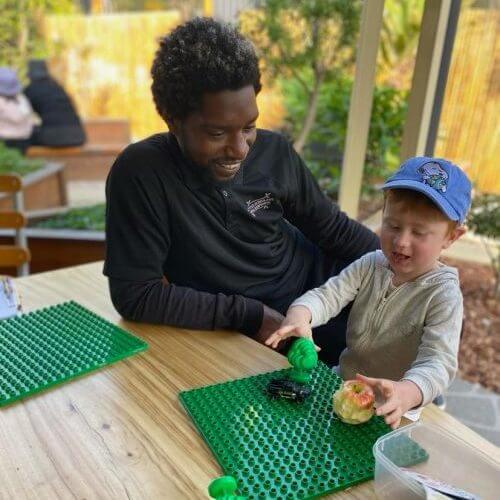
You can send them to their centre with a comfort toy or blanket that they can reach for when they need it. You could also send them with a picture of their family, or a note in their bag telling them how proud you are of them and how much you love them
Spend an extra five to 10 minutes with them before they start their day at Little Scholars. Just a few connected minutes with your child can make a significant difference in their day
Have a conversation with them on the way to childcare or when you get to their centre that focuses on what they can look forward to after you pick them up later, maybe that conversation looks like, ‘When I come to get you, would you like to go to the park or go pick out some new books to read at the library?’
Bring a snack for the trip home, sometimes hunger can be distracting for them and can stir up emotions.
When you pick them up, maybe all they need is a big reassuring hug. Maybe they need quiet. Maybe they’d like to tune out to some music they enjoy for a few minutes. Maybe they need to relax on a park bench or burn some energy at the playground. Follow their lead and take some time before asking questions about their day.
Again, feel free to talk to your educators about what’s happening at home. We have an open-door policy and we’re here for you. Your child’s educators, after spending time with your little one, may have specific ideas on how to help your child or can try to dedicate some quality time with your child to help them relax and feel cared for.
By understanding a little better why there are strong feelings coming from your child after a day of childcare, you are better armed to handle after school restraint collapse or even moderate reactions before their start.
For more information:
Are you a parent racking your brain trying to figure out how to get your little one to stop hitting, biting, or pushing other people?
The good news is, it’s really common. The bad news for you is, it’s still your child doing it and you have to deal with it.
For babies, this is a way to explore the world through cause and effect. Besides teething, babies bite to see what you’ll do. If you laugh, they might try it again to get the same reaction. If you get mad, that baby might be fascinated by your reaction, not quite understanding facial reactions and meaning.
For toddlers, they may have seen other children do it. They might do it because they’re angry, upset, hurt or excited and don’t have the means to express it differently.
Both babies and toddlers could be pushing, biting or hitting because they feel overwhelmed, bored, overtired or hungry.
No matter why your child is doing it, it can be frustrating and embarrassing for parents. But know that it’s not about you. It’s not your failure as a parent. When we think our child’s behaviour with us is a reflection on ourselves, we bring a lot of baggage with our response.
Now’s the time to manage it calmly.
“I like to explain to parents that these kinds of behaviours aren’t usually appropriate, but are age-appropriate and can come from a place of frustration in children,’ says Claire, an educator at our Nerang Campus.
“Biting is common around the age where children are beginning to learn how to talk and can’t quite get the words out and are frustrated.”
It is important to ensure when you are guiding a child’s behaviour to label the behaviour and not the child, Claire says. Telling them they’re being bad or naughty isn’t effective, and it isn’t likely to change the behaviour. Remember, every child is good. They are learning everything, including regulating and dealing with emotions and impulse control.
Claire also recommends not projecting your own feelings about your child’s negative behaviour. For example, try not to make statements like ‘Stop it, you’re making Mummy sad’ or ‘Look what you did!’ Try to remember that your child is learning empathy, so putting shame or guilt on their actions won’t fix the negative actions.
So how do you respond?
Stay calm. Your emotions can set the tone for how to bring down a heightened moment. By yelling or immediately punishing, you’re giving that undesirable behaviour attention. It’s also modelling explosive reactions, like what you as a parent are trying to adjust.
A calm, firm response could look like ‘Hitting/Biting/Pushing is never OK. I won’t let you hurt your brother.’ If the behaviour continues, a follow-up ‘I’ll move your brother over here to keep everyone safe.’
This sets and actions the boundary for behaviour. Once everyone is calmed down, that’s a better opportunity to teach coping skills, according to Sarah, an educator in our Senior Kindy studio from Deception Bay.
“Calm approach, sometimes for the older children, they need that time to themselves let them have their rage in a safe way, of course. There is no point in trying to get them to calm down when they are in the state they are in. It’s best to wait and then talk to them once they are ready,” she says.
If you feel your child is old enough to have a conversation about what happened, you could follow with, ‘You seem to have a hard time not pushing, I wonder why that is?’ If they tell you what/who is bothering them, you could tell/make up a similar story and tell them how you handled it. By modelling a response to a negative feeling, parents can help children understand and regulate their emotions.
Brooke, a Schoolies educator also at our Deception Bay campus also suggests asking the child what they need in that time can help.
“Every child is different and an approach that will work with one might not necessarily work for another or might not work every time which makes things difficult,” Brooke says. “I feel like asking the children what they need in that time is a big thing in diffusing a situation, because some children could want the space, where others may need a hug to feel safe and secure.”
Hayley, an educator also at Deception Bay in our toddler studio, agrees how the situation is dealt with is not a one-size-fits-all approach.
“I would say it would depend on the situation, age group and other factors,” Hayley says. “If it’s a child that’s not going to stop, I would then definitely redirect either to a different activity or to someone that they feel more comfortable with. For example, say it’s a child from the Senior Kindy room who’s just moved up to the Kindergarten room, you could ask them, ‘hey would you like to go see (previous educator)?’ if they say yes, it removes them from the situation, and it’s the child’s choice too.”
“I also like to give them a choice when redirecting so, ‘hey I know you’re frustrated, would you like to go run outside or do you want to do some painting?”
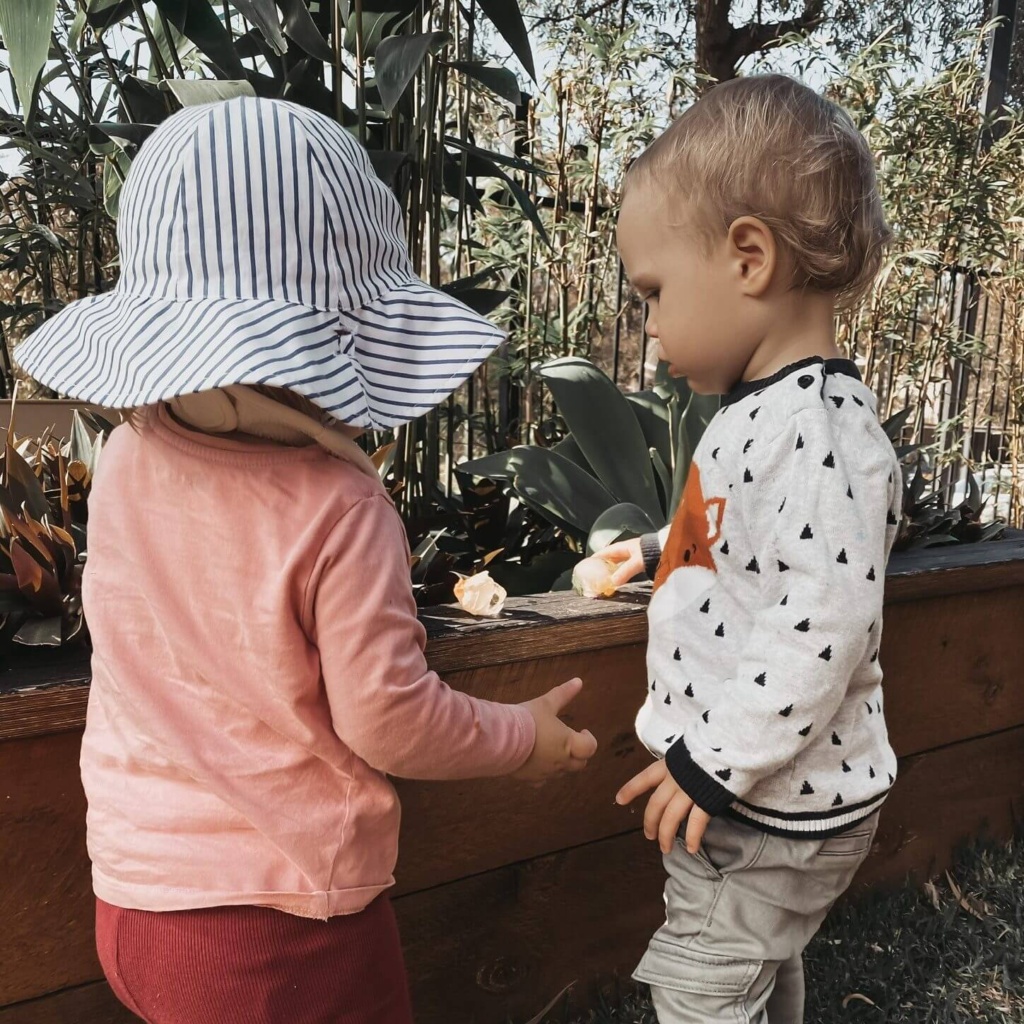
Some experts also recommend trying to fight the impulse to force your child to apologise. Children need to focus on learning to regulate those emotions, if you’re asking more of the child by forcing an apology, it’s likely to make them more frustrated or ashamed, and they won’t do what you’re asking, and certainly won’t feel like they’re being seen. They will learn apologies in time, but we don’t want them to think ‘when I’m sad I should say sorry’ but rather ‘when I’m sad I should think about what made me sad, take deep breaths, count to 10.’
However, it’s still important for your child to understand that other people have feelings too, so you could say, rather than forcing an apology, ‘Let’s see how we can make him feel better.” By involving your child in the resolution rather than ordering them to do something, you’ll likely see better results.
“Praise your children when they are doing something positive, even on the days it feels like all they have done is bite or hit,” Claire adds. “Soon enough they will be chasing the positive reinforcement and be replacing the negative behaviours with more positives.”
Guiding positive behaviour is a goal of Little Scholars by creating a safe environment for the children within our studios.
“This is guided by John Bowlby’s attachment theory,” explains Chloe, an educational lead at our Redland Bay South campus. Bowlby believed that the earliest bonds formed by children with their caregivers have a tremendous impact that continues throughout life.
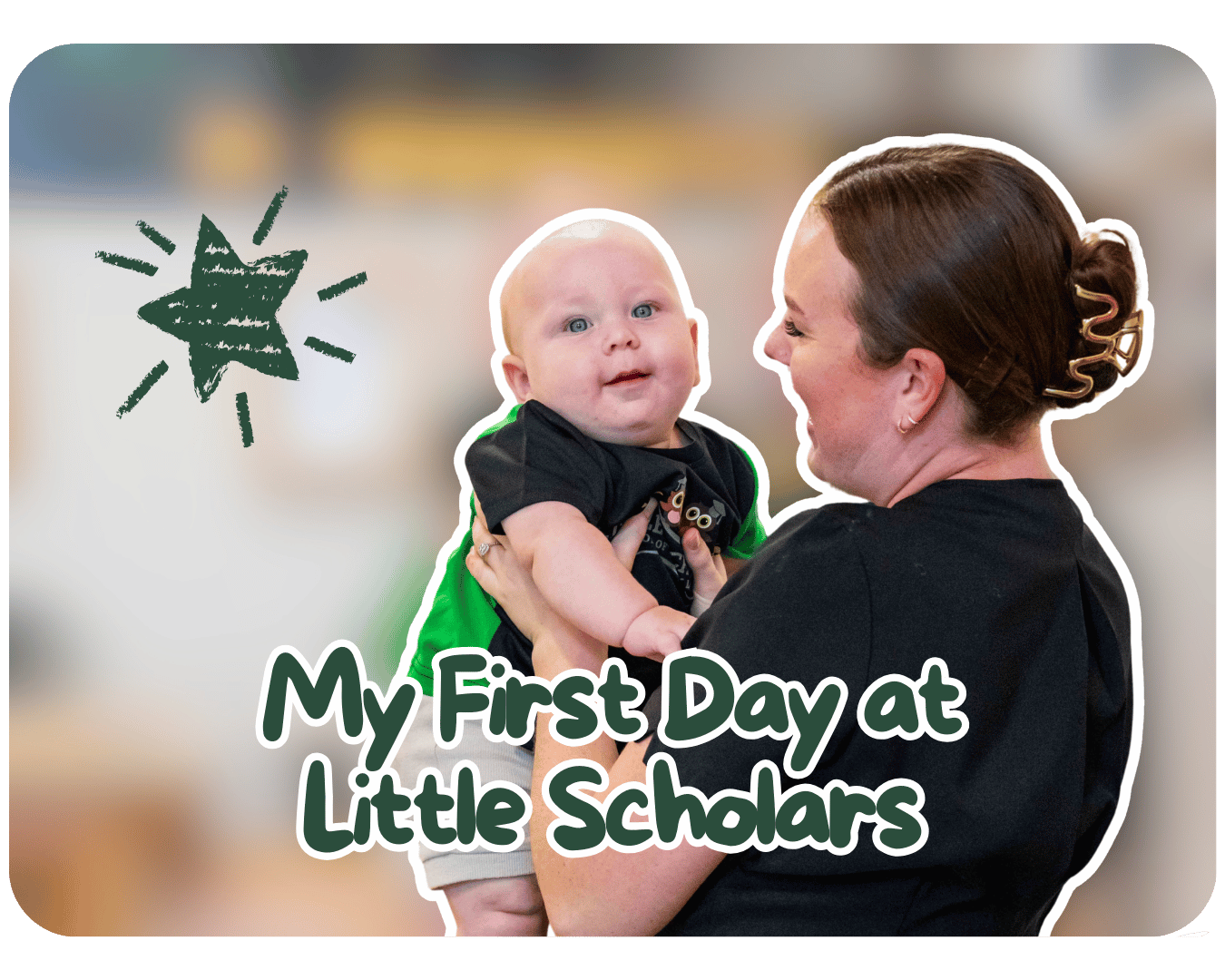
“Every morning upon arrival, we create a warm welcome space for the children to be dropped off to. Once the children feel a sense of belonging within their learning environment, they are able to venture off and participate in the day’s learning.
“Respect and care are important parts of our day-to-day curriculum and is embedded in our learning by educating the children on their emotions identifying how they feel through use of conversation and cues, and guiding them in strategies that can assist with the way they are feeling,” she continues. “With these embedded practices, it helps to eliminate those rough behaviours.”
For more information:
Related topics
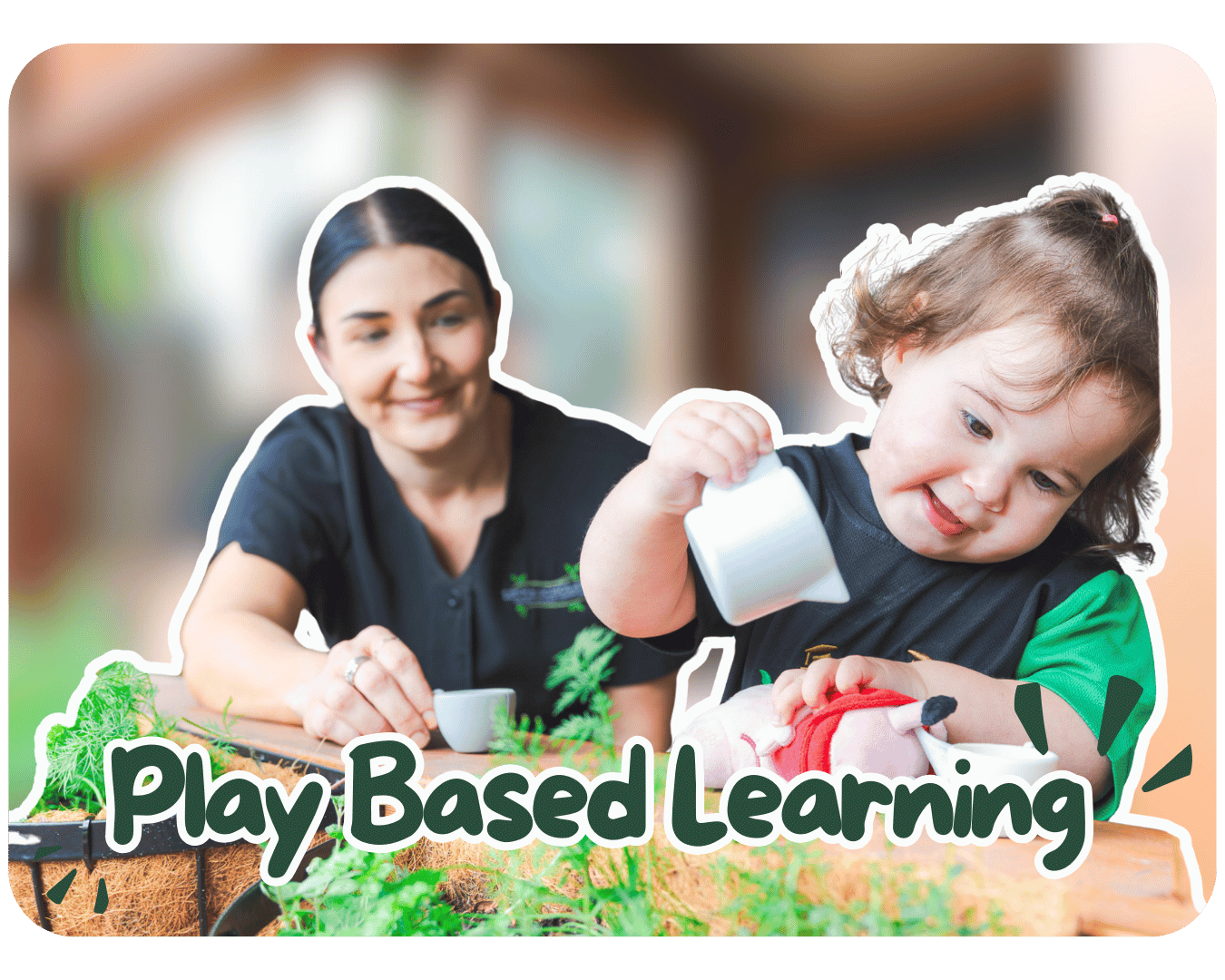
“ Loose parts play ” is an architectural concept from the 1970’s currently enjoying a resurgence in popularity in the early years learning curriculum framework. This development is enjoying burgeoning popularity in childcare centres and kindergartens across Australia. Early educator are choosing to embrace ideas of empowerment, creativity and self-directed learning. We believe that children are never too young to engage their minds through play, and we love seeing little people imagining big ideas!
Loose parts play is effectively ‘junk drawer play’ but on a much larger scale. It involves all the bits and bobs and odds and ends of life that adults struggle to find multiple purposes for.Children, however, are the masters of imagination and creativity. With supervision and the slightest adult facilitation, they can turn what we would see as a pile of rubbish into a wonderland. Secret tunnels, magic portals, precious gemstones and buried treasure take their place alongside makeshift transportation, musical instruments and construction vehicles.No idea is wrong. No idea is too big or too small or out of place. Everything can shift and change and flow with the reversal of expectations and the removal of ‘rules’. It’s this very concept of a positive sense of self that links loose parts play directly to the Little Scholars philosophy of learning.
Loose parts play is a revolution for the burgeoning development of a child’s thinking processes. Our educators do not tell children ‘how’ to do things, only that they may do what they like. This means that sometimes materials are used in ways that adults would not have expected. This subversion of expectation creates a dynamic in which the children are in charge and they are permitted to let their imaginations run wild, forming a vital part of their early learning curriculum.
Learn more about Loose Parts Play by downloading this guide by the Australian Children’s Education and Care Quality Authority.
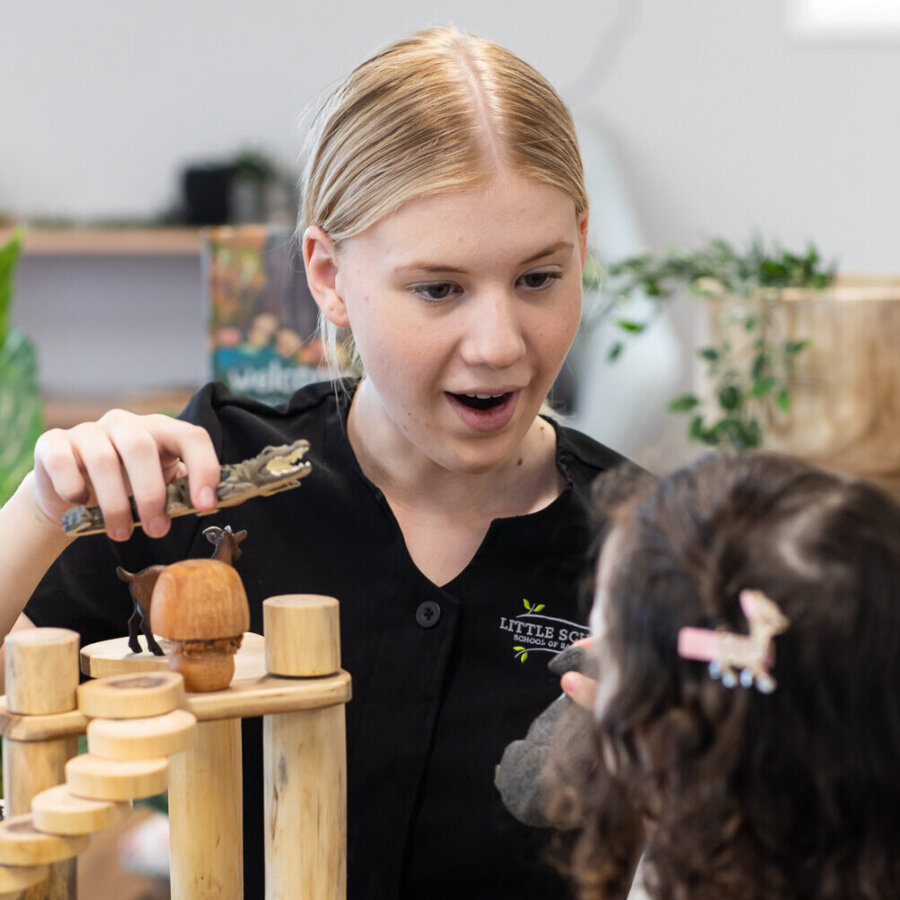
Our centres provide a wide variety of materials for loose play learning. We check every item for safety (no loose nails or splinters etc). From there, the learning is at the direction of the child. You might find the following items in a loose parts play environment. We encourage parents and carers to add anything they feel might be suitable for this wonderful explosion of delight and design.
Little Scholars are an innovative educational experience for children in their early years.
Contact us today to discuss your child’s enrolment. We give your child more than just supervision.
Our centres provide creative and intellectually stimulating activities for early learners of all ages. Give your child the very best during this important developmental stage.
The decision to enrol children in a reputable, high-quality childcare environment is no longer just to do with the working life of their parents. Increasingly, it’s become an active choice for fostering child development, socialisation and the gathering of real-world practical skills that will positively impact a child’s future academic pathways.
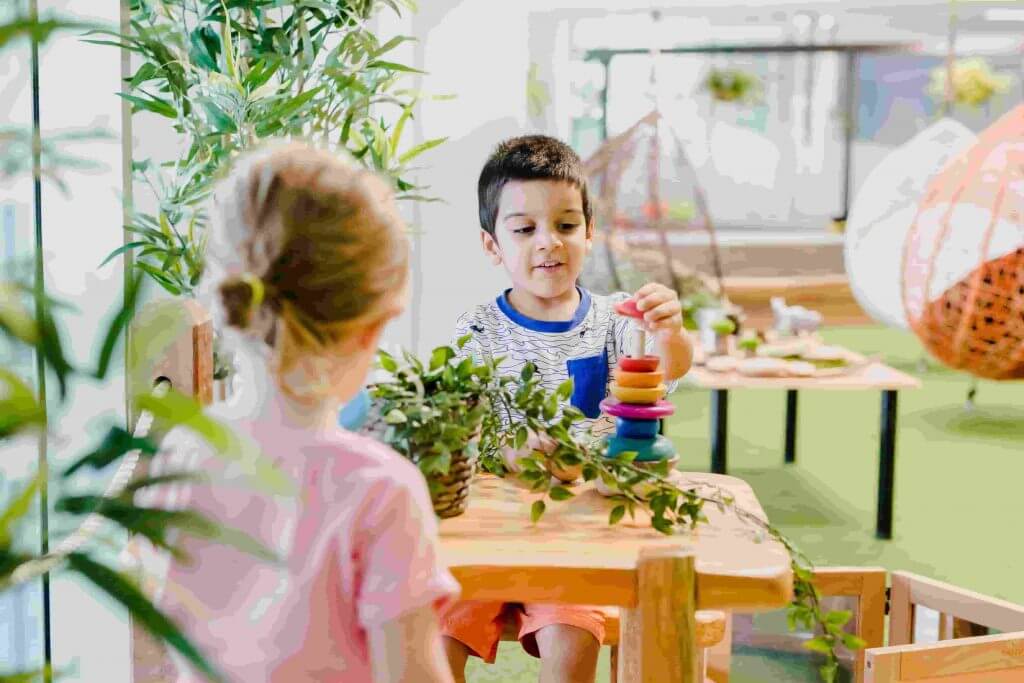
Good early learning and pre-school programs encourage babies and toddlers to become active participants in the world around them. A kindergarten program school transition that follows a set of academic standards, supported by carefully chosen resources and highly-trained staff, has statistically demonstrated increased levels of numeracy and literacy by the time children reach formal schooling. Early childhood care that is lovingly and thoughtfully crafted to ensure best possible outcomes for children provides them with a stepping stone into their primary school education (and beyond) that may not be possible if they were taught purely in a home environment.
”{Childcare} offers long-lasting social, economic and academic benefits for kids and their parents. Studies have shown that children, including babies and infants from the ages of 6 months to 4 years, benefit from the {childcare} environment, including its quality instruction, structure and social lessons.”
– 6 Benefits of Daycare for Young Children, The Childcare Advantage.
Not only is child development enhanced by attending childcare but securing children into an excellent childcare and kindergarten environment can also increase the social support network for parents themselves. The ability to speak to, empathise and make connections with like-minded parents not only provides children with weekend play-date opportunities but the parents themselves are given a much-needed social lifeline.
The Raising Children Network offers parents a glimpse at typical child development milestones. As with any resource, these should be read as a guide instead of a prescriptive map of behaviour.
Many of these milestones can be developed at a greater rate by engagement with highly trained childcare professional educators supported by an innovative and exciting early years learning program. Little Scholars prides itself on delivering the utmost care to the young people who attend its centres across South-East Queensland.
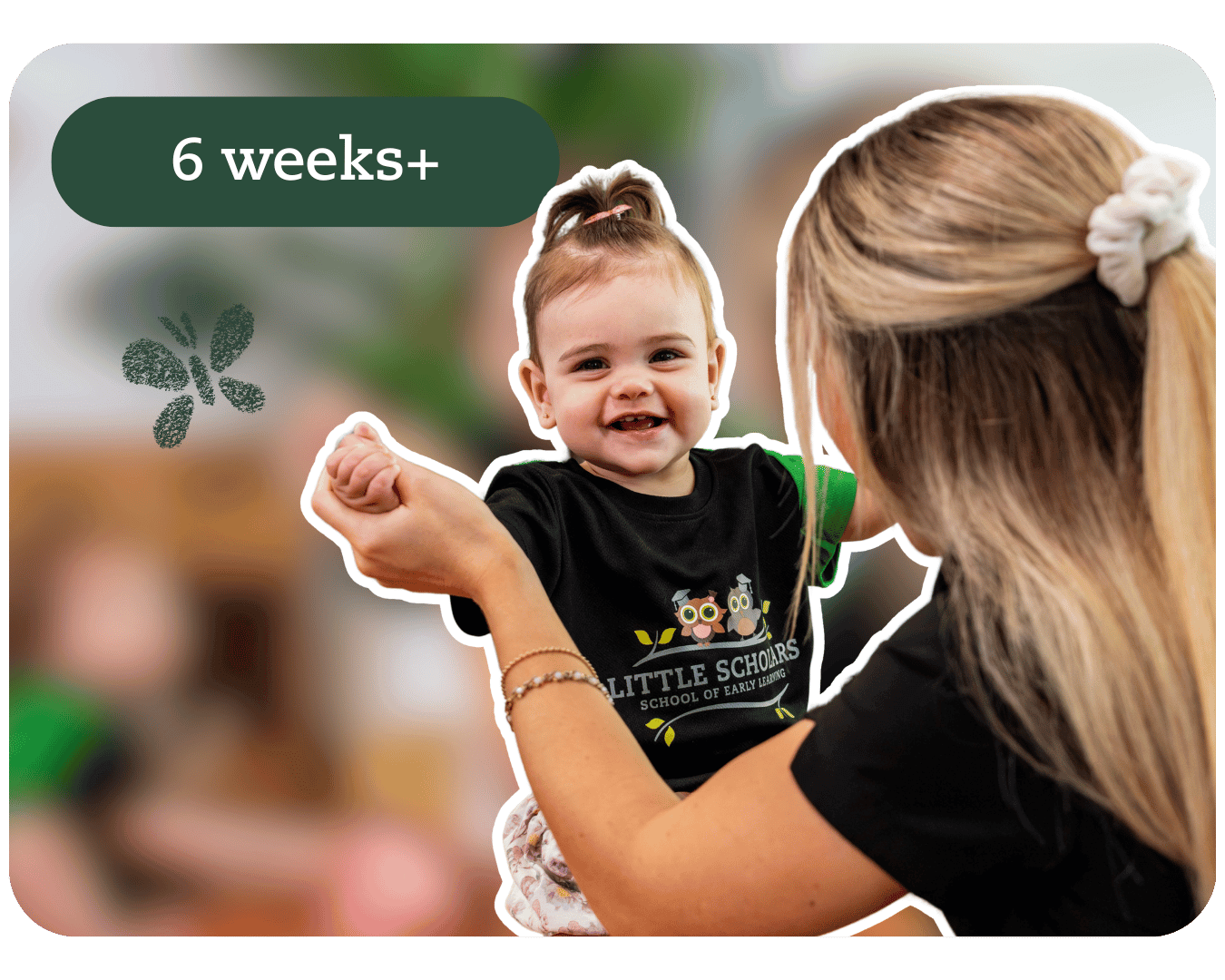
Babies will be encouraged to develop their movement, vision, speech and language and social behaviour through a gentle, compassionate early years program.
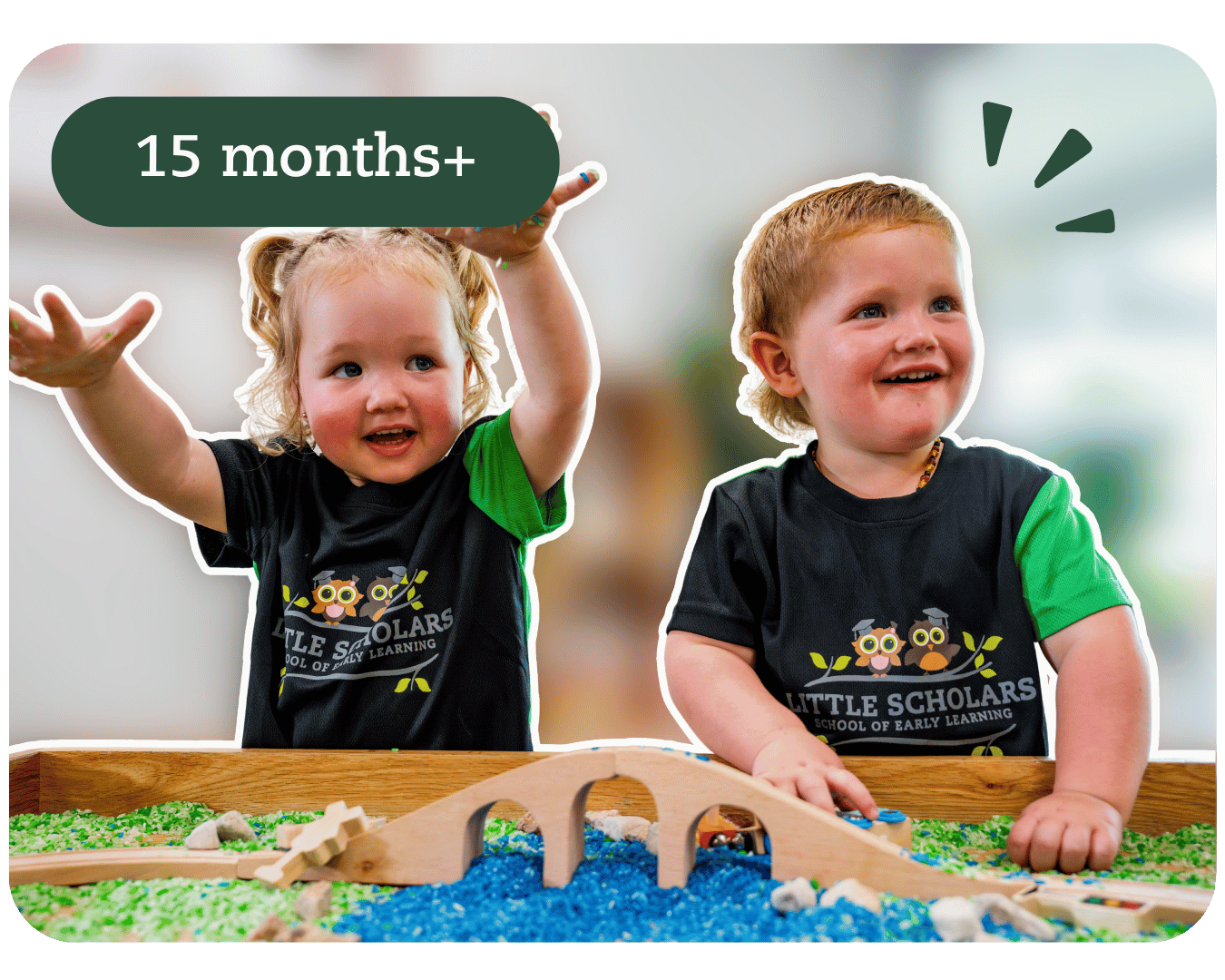
Toddlers will work on their emotional development under the watchful eye of trained educators. Their speech development, cognitive leaps and play-based learning will be encouraged through a curriculum designed to promote each child’s abilities.
Children embarking on their kindergarten program will be presented with a range of activities, including key extra-curricular involvement, that will allow them to be learners who question and interact with the world around them rather than passive engagement.
If you’d like to know more about how Little Scholars benefits child development and learning, book a tour today to see our unique curriculum in action.
Parents spend countless hours trying to make sure their kids are behaving, eating their dinner, and doing their homework. But how often do we take the time to focus on how to boost your child’s confidence?
Yes, most kids are far more interested in the eating rather than the preparing of foods, but you’ll be surprised by how much one experience can turn things around. One morning we asked our son to be the “assistant chef” when we were preparing blueberry pancakes. Many mornings later, he now often insists on being involved in the kitchen, and he’s always incredibly proud of the end product.
Like adults, kids want to be taken seriously. When they get the sense they’re being mocked (or laughed at, to their face), their instinct is to get angry, shut down, and not share more ideas for fear of more of the same treatment. After all, kids naturally see the world through a different lens than we do. You might be surprised what you hear once you show your child that you’re listening and that you take their ideas seriously.
My 6-year-old expressed a legitimate interest in football, so I invited him to come with me to a friend’s Super Bowl party. No other children were coming, and I made him aware of that. He hesitated for a moment, but then agreed to join me. At the party, it was clear he wasn’t completely comfortable and was unsure how to act, especially since he only knew me and the host. But after a while, he was talking about “Star Wars” and lounging on the couch like one of the guys. The only way to establish a level of comfort is to first experience discomfort.
While I don’t believe in forcing your own personal interests or hobbies on your children, playing an instrument yields too many positive results for it to be ignored. Once they’ve reached an age where they’re dextrally and mentally capable, learning to play an instrument not only relieves stress (yes, kids have stress, too) but it can also boost self-esteem in a major way.
Yes, most kids are far more interested in the eating rather than the preparing of foods, but you’ll be surprised by how much one experience can turn things around. One morning we asked our son to be the “assistant chef” when we were preparing blueberry pancakes. Many mornings later, he now often insists on being involved in the kitchen, and he’s always incredibly proud of the end product
I’m not talking about giving them a gold star every time they eat a carrot. I’m not an “every kid gets a trophy” believer. But in my experience, children react favorably to receiving praise for going above and beyond—naturally, anyone does. However, it’s even more important to show children that extra effort will yield benefits in order to instill the idea within them that they’re capable of greatness and that hard work pays dividends.
Very little empowers a child more than having them believe they know something you don’t. A beginner’s card trick, a scale on the piano, or anything that positions them as the subject matter expert will work. Encourage them to share their knowledge (without bragging) with you and others. Odds are they’ll be brimming with confidence with their head held high.
I’ve found that most people don’t think they’re creative because they were never encouraged to be. I once overheard my wife reading to my son, and she stopped turning the pages and simply asked him, “What do you think should happen next?” His eyes lit up. Simple questions like this are what awaken a part of the brain that might otherwise sit dormant.
This one seems intuitive, but often gets overlooked. Whether we know it or not, we’re our child’s most pronounced role model. So, how can we expect our kids to have confidence when we’re the ones they look up to and we don’t even have it?
If you have a 7-year-old who recently started throwing a fit every time you make eye contact with her, odds are it’s for a reason. The easy, instinctive thing to do is to punish her and be done with it. The more forward-thinking approach also includes sitting down afterward to talk and figuring out the exact reason for the anger (or what I like to call “The Danny Tanner Method,” you know, from “Full House”?). It lets them know you’ll actually listen to them, which provides a certain stability within a household that children need in order to feel secure.
While success is pretty easy to deal with, learning to cope with failure is no easy task, especially when you’re not used to it. And in order to get used to it, you simply have to experience it, time and time again. It doesn’t come naturally to me, but I let my kids fail sometimes—while trying to build Legos or attempting to ride a bike without training wheels. It may anger them at first, but as Ann Landers said, “It’s not what you do for your children, but what you have taught them to do for themselves that will make them successful human beings.”
Wondering how Little Scholars can help boost your child’s confidence? Contact us today for more information.
Wondering how Little Scholars can help boost your child’s confidence? Contact us today for more information.
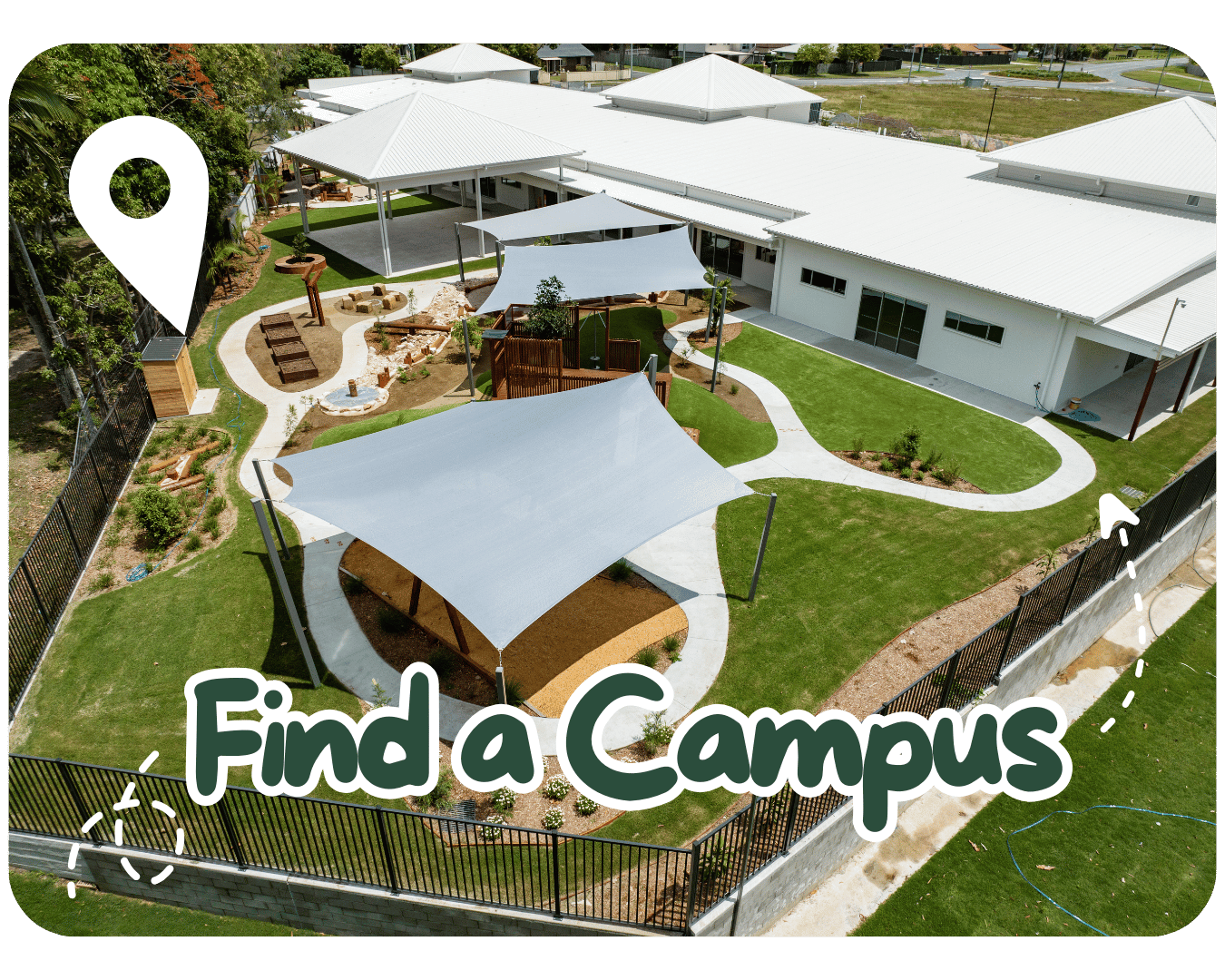
Did you know that Little Scholars School of Early Learning has over 900 square metres of real manicured grass for Children to enjoy?
Gross Motor development and engage with nature and the environment. Here are some pics without any equipment set up so you can see just how much space we have…
Not many centres on the Gold Coast offer this much natural play space. To book a Centre Tour call Tayla on 3287 4466.
Let us hold your hand and help looking for a child care centre. Leave your details with us and we’ll be in contact to arrange a time for a ‘Campus Tour’ and we will answer any questions you might have!
"*" indicates required fields
Let us hold your hand and help looking for a child care centre. Leave your details with us and we’ll be in contact to arrange a time for a ‘Campus Tour’ and we will answer any questions you might have!
"*" indicates required fields
Fill in the form to join your local Pram Pals mums and bubs walk
