




The Gold Coast is known for its abundance of good food and stunning dining options, but when you have young children in tow – often the thought of dining out can be daunting. Thankfully, many local restauranteurs have heard the call of parents seeking family-friendly dining options. We’re now seeing dining venues with amazing menus, family-friendly fit outs and features to help keep the children occupied while you enjoy a hot meal. Whether it be a playground, a simple children’s corner, or open spaces to move around safely, there are plenty of choices for you to enjoy your next meal out. Here are my top six family-friendly dining venues on the Gold Coast that you should be sure to visit!
This shopping centre café is a hidden gem, saving the sanity of parents for many years now. With opening hours stretching from 5.30am – 9pm, you can often find those parents with early-risers enjoying a hot coffee at Café 63 in the early hours. Located in the incredible “Backyard” precinct at Westfield Coomera, the outdoor dining area overlooks a fun-filled obstacle course with adventure play suited to four-eight year olds. For the youngest children, a nearby splash pad and toddler sensory zone also serve as great spaces to stretch the legs while waiting for your meals to be served. The menu here is extensive and well-priced, including a fabulous children’s menu that will please everyone.

Here you will find a huge indoor children’s playground for four-12 year olds, with a family specific dining space attached. Separate from the rest of The Wattle Hotel’s restaurant, this glassed-off dining room overlooks the playground and contains about 15 tables. Here children can easily move back and forth between the playground and the table while their parents can see them at all times. There is a great children’s menu and delicious daily specials to enjoy, this is modern bistro dining that can be enjoyed by all the family.

A café best known amongst the Coast’s cyclists thanks to its location near the Velodrome and bike shops, Cadence Café also caters beautifully to families seeking great food. Set across three terraced levels, the venue is connected by a central path and steps – at the top is the café, the middle level has plenty of dining tables and chairs, and the lower level is home to high bar tables overlooking a fenced children’s play space. All levels are shaded by a beautiful fig tree, have ramp access, and dogs are also welcome in the outdoor areas. Serving breakfast and lunch, the menu caters well to families, and you are sure to enjoy a delicious meal.
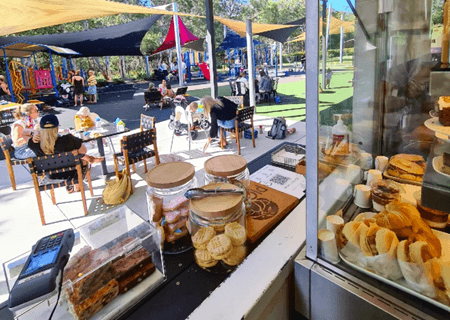
Just off the hustle and bustle of Olsen Avenue sits the Latte Lounge, a family-friendly oasis amongst the gum trees. Here you will find house-roasted specialty coffee and a delectable brunch menu, plus one of the best children’s menus you will find at a café. The open-air café is almost the second-best attraction, when you see the large, easily accessible playground right in the middle of the café. Designed for all ages, this fenced café and playground is covered by large shade sails and offers plenty of shady spots to enjoy your meal. With its central Gold Coast location, this is also an extremely popular spot for birthday parties and play dates. Thankfully, due to the size of the café and playground it never feels overly busy or crowded and is always a delightful outing.

This hidden gem on the southern end at first appears to be a juice bar, but venture inside and you will find a breezy indoor/outdoor café with children’s playground! Popular with the locals, this unassuming little spot is filled with sunshine, great food and service with a smile. This is a family-run café with its roots in healthy superfoods that taste phenomenal. Dog friendly, the outdoor deck is the place to be, with easy line of site to the children’s playground. The café kitchen is only open Thursday – Monday, but the juice and smoothie bar is open 7 days.

With beautiful coastal vibes, indoor/outdoor dining is essential on the Gold Coast, and BSKT serves it up perfectly. Located just steps away from the beach, BSKT has delicious food, ample seating and a fenced children’s play area. Pronounced biscuit, this menu is packed with vibrant colours and bold flavours, but also caters well to children. BSKT doesn’t take books and this spot is extremely popular on the weekend, but wait times are usually short. Be sure to grab a spot outside under the patio to have easy access to the play area! Why not pack the swimwear and walk over to the beach afterwards!
Find Lara’s recommendations at her website Mrs. Lardeedah.com, and follow her socials Facebook and Instagram
Children’s positive views of themselves as learners are more important than being told they are clever.
This insight from Nathan Wallis’s talk at the Australian Childcare Alliance (ACA) conference resonated with us, and we believe it’s valuable for parents to hear. Our intention isn’t to make parents feel guilty for praising their children’s intelligence. We understand that parents aim to foster a strong sense of self and ability in their children, and we fully support this. However, Wallis emphasises that before the age of seven, children don’t need to prove their intelligence. Instead, they need to develop learning skills through play and believe in their ability to learn. According to Wallis, more play and less structured learning before age seven leads to better outcomes in adulthood.
“To put it simply, before seven, it doesn’t matter how clever your child is. What matters is how clever your child feels and their disposition towards themselves as learners,” Wallis, an educator who focuses on neuroscience, explained on the Future Focus podcast.
“You’re better off having a six-year-old who can only count to 20 but thinks they’re a good learner than a six-year-old who can count to 100 but doubts their cleverness.”
Wallis highlights that free play boosts creativity and problem-solving, which are essential for intelligence. Letting children freely build, create, and explore supports flexible thinking and a positive learning mindset.
At the conference, which attracted hundreds of early childhood educators, Wallis offered advice on how to support children in their confidence and ability to learn:
Experts at Early Childhood Australia agree that children learn about themselves, others, and the world around them through play.
“If you provide your child with plenty of opportunities for playing, exploring, discovering their interests, solving problems, and tackling challenges, then you’ll be laying a strong foundation for building self-confidence,” says David Lyons, CEO of Nido Early School, in a post on ECA’s The Spoke blog.

According to Be You, the national mental health and wellbeing initiative for learning communities in Australia, praise is most effective when adults are mindful of how and when they use it.
When praising children, Be You suggests focusing on their efforts and achievements.
“Praise that’s specific and acknowledges the process of completing an activity or solving a problem helps develop children’s learning and motivation. For example, you might say, ‘You put away your toys so nicely,’ ‘I noticed you were really trying hard at building that block tower,’ or ‘You’ve used so many bright colours in your painting.’ Children can then use this learning when they have similar experiences in the future.”
Lyons agrees and cautions against overpraising.
“Children need to discover and learn those things that give them personal enjoyment and fulfilment, not just do things to please their parents. Similarly, comparing a child to others can be detrimental to their confidence and self-esteem.”
Dealing with disappointment is also crucial for developing confidence.
“Everyone fails to achieve their goals sometimes – and this isn’t a bad thing. You can build children’s ability to deal with challenges by responding sympathetically and with encouragement, helping children focus on what they can change, and challenging ‘I can’t’ thinking by showing and saying you believe in them and reminding them of their achievements,” says Be You.
Wallis reinforces that play enables children to develop social, cognitive, and emotional skills through their own interests and in creative and innovative ways.
“Play-based learning teaches creativity, which is fundamental to growing intelligence and the ability to problem-solve. When children can take their time and make multiple attempts before achieving success, they build resilience and other important skills needed later in life,” says Wallis.
Supporting children in developing a positive self-view as learners is crucial, especially in their early years. Emphasising the importance of play over structured learning fosters creativity, problem-solving, and resilience. By providing nurturing relationships, paying attention to their efforts, and creating flexible learning environments, we can help children build the confidence they need to thrive.
As Nathan Wallis and other experts highlight, the goal is to make children feel capable and enthusiastic about learning. This foundation will benefit them not only in school but throughout their lives. At Little Scholars, we encourage our little ones to play, explore, and believe in themselves – because how they see themselves as learners today will shape their success tomorrow.
We’re sure approximately 96.3 per cent of parents deal with a child who, let’s say, is choosey about what they want to eat. So choosey, in fact, they may choose to eat almost nothing you put in front of them. The amount of stress that puts on parents can be surprisingly strong. After all, as adults, we eat what we want, we understand benefits and consequences of what we put in our bodies, we understand when we’re famished and when we’re just not that hungry. But for some reason, when it comes to the little humans we’ve created, their diet can become a massive focus of parenting-what-did-we-do-wrong. You want so badly to make all the right decisions in parenting, to ensure your child is well-fed from a variety of nutritious sources so they can grow to be the healthiest, best version of themselves.
So how do we handle this picky phase – (though the term phase suggests it’s a short period of time when in fact it can be years or even a lifetime of challenging food preferences)?
We brought the village together and came up with some suggestions to ease the stress mealtime puts on everyone.
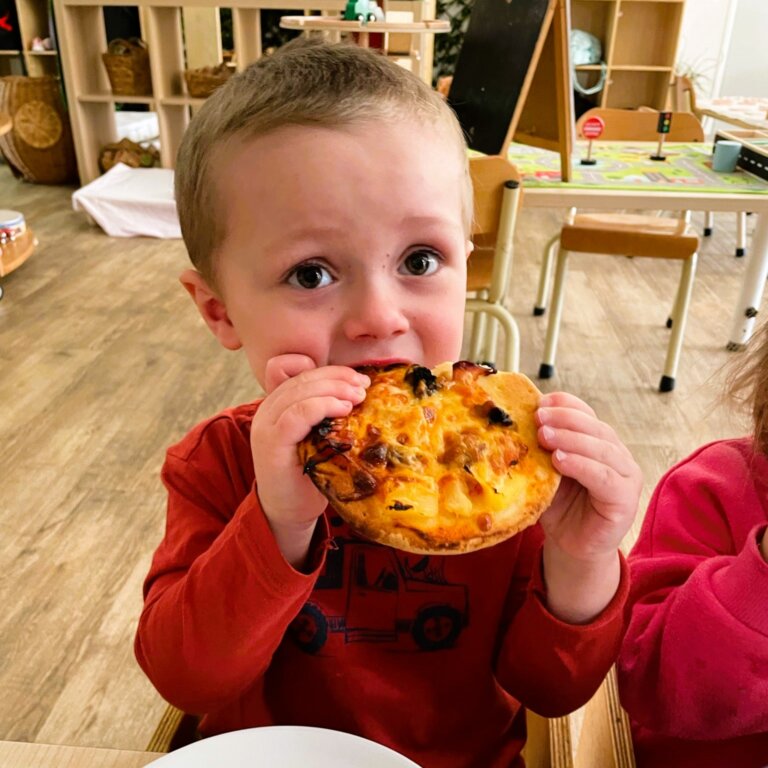

19. If you have the creativity and the time, present the food into characters, scenes or animals your child likes. Search for ideas on Pinterest or Instagram!
20. Don’t answer the question ‘what’s for dinner’. Come up with a silly answer such as “bugs and onions”, or something obvious ‘food’, but don’t give them time to dread dinner.
21. In Piaget’s developmental stages, there’s a phase known as the preoperational stage, where a child’s understanding of conservation is still developing. For example, if you pour juice from a short, wide glass into a tall, narrow one, they might believe the tall glass contains more juice because it looks “bigger,” even when they see the pouring happen. This concept can be cleverly applied to serving vegetables to children. By arranging the veggies closer together, they seem “smaller” to the child, giving the impression that they’re eating less. Conversely, spreading out items like chicken nuggets can create the illusion of a larger portion, making mealtime a bit more appealing to them
22. Everyone at the table eats the same meal, but try to include one item everyone likes. No alternatives, or if you have to, make the alternative something like veggie sticks and hummus. Eating together as a family is also a great way to bond and create lasting memories.
23. The one-bite rule: say something like, “Remember the time you didn’t think you’d like cherries, but you did? Let’s try this sweet potato now, because you might like it. Once you try it you can say, “No thank you!” but you have to at least try it! Then that food is no thank you food.”
24. The ‘silver bowl snack’ to expand their palate, one tiny taste at a time. If your child doesn’t like something, say something like, “well your tastebuds must not be grown up enough for that yet, let’s see what happens next time you try it.” Since children often want to be more “grown up” they may willingly try the offending food again the next time it was offered. If the child decides to try it, make a big deal about how grown up your child is getting.
25. Keep pre-cut vegetables and fruits in a bowl or clear Tupperware container, front and centre in the fridge and — important — then place some on a platter on the kitchen counter in your child’s line of vision all afternoon.
26. Do your children like mashed potatoes? Get more veggies in there! If the mashed potatoes turn green? Well, they’re Hulk potatoes obviously. Are they orange? Then they’re Nemo or insert-your-child’s-favourite-orange-character-here.
27. “We get our children to pick a meal they want to eat for dinner for the week and we buy the ingredients then they all get a night to cook dinner for us, makes them interested in wanting to eat the meal they make for us, and they need to choose something with a minimum of two veggies.” Jess, enrolments officer.
28. Sprinkles also go a long way. Yes, actual sprinkles, or foods that they can shake on like sprinkles. Think seasonings, herbs and chia seeds. If a child doesn’t like the food presented, ask what you can add to make it more exciting. And let them do the sprinkling. Sometimes, it really is as simple as that.
29. While it’s easy to use a smartphone or TV to occupy your child’s attention and you might even see your child mindlessly eat, that’s actually not what you want. You want children to be focused on the food, but also focused on family time and conversation.
30. Relax! Try not to put pressure on them to eat. You wouldn’t want someone constantly commenting on your plate choices and habits. Mel, operations manager of Little Scholars, said her son has been picky since he was two years old. When she spoke to a nutritionist, she said “as long as he was eating 20-25 different foods throughout the week he would be OK.” While it can feel stressful, your child is likely getting the nutrients they need, whether you’re offering fresh, frozen, tinned foods, you’re trying your best, your child is flourishing, and one day, this will just be a memory!
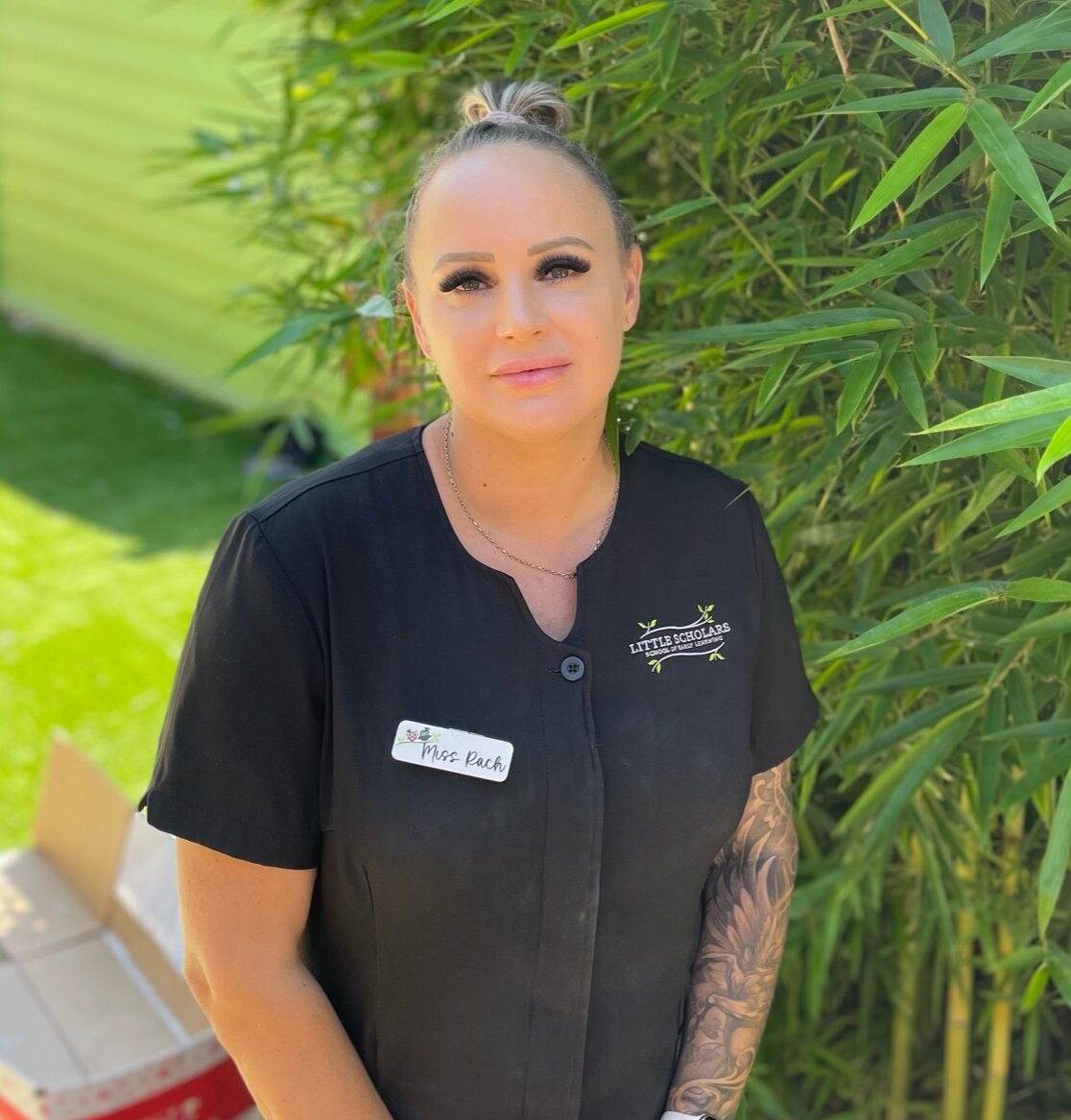
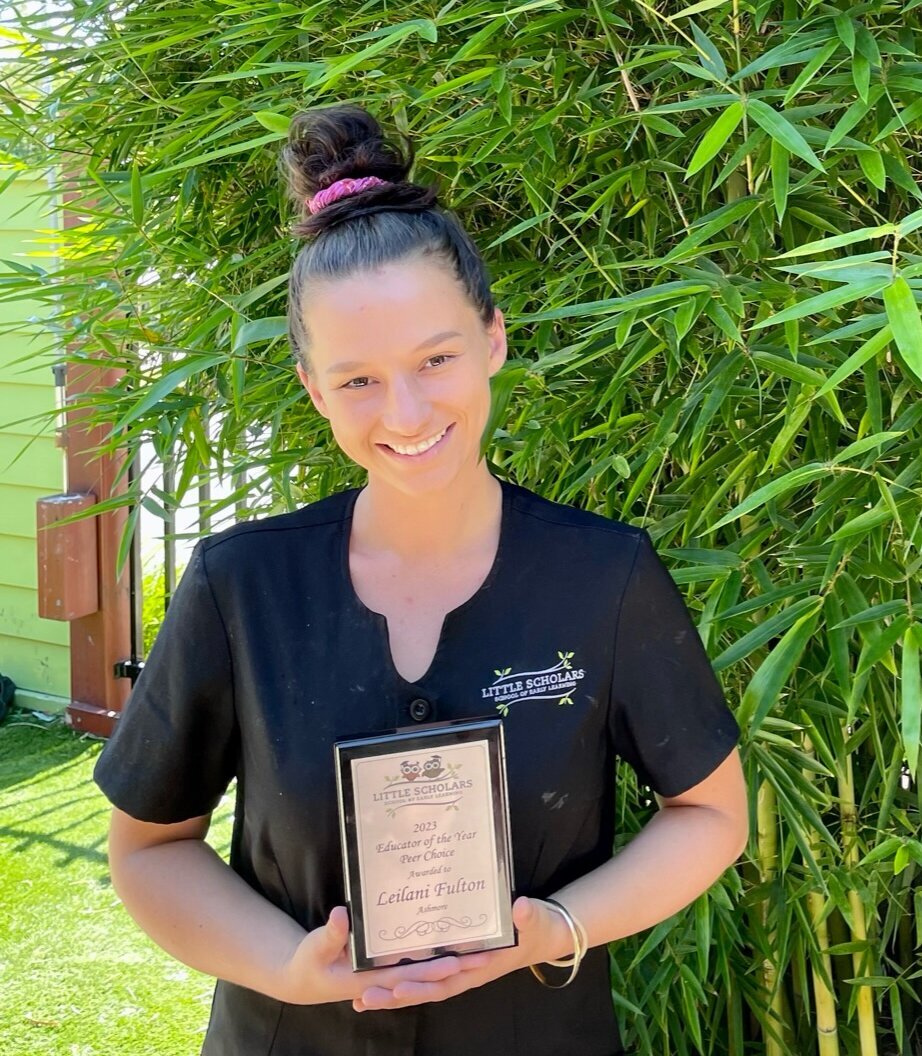
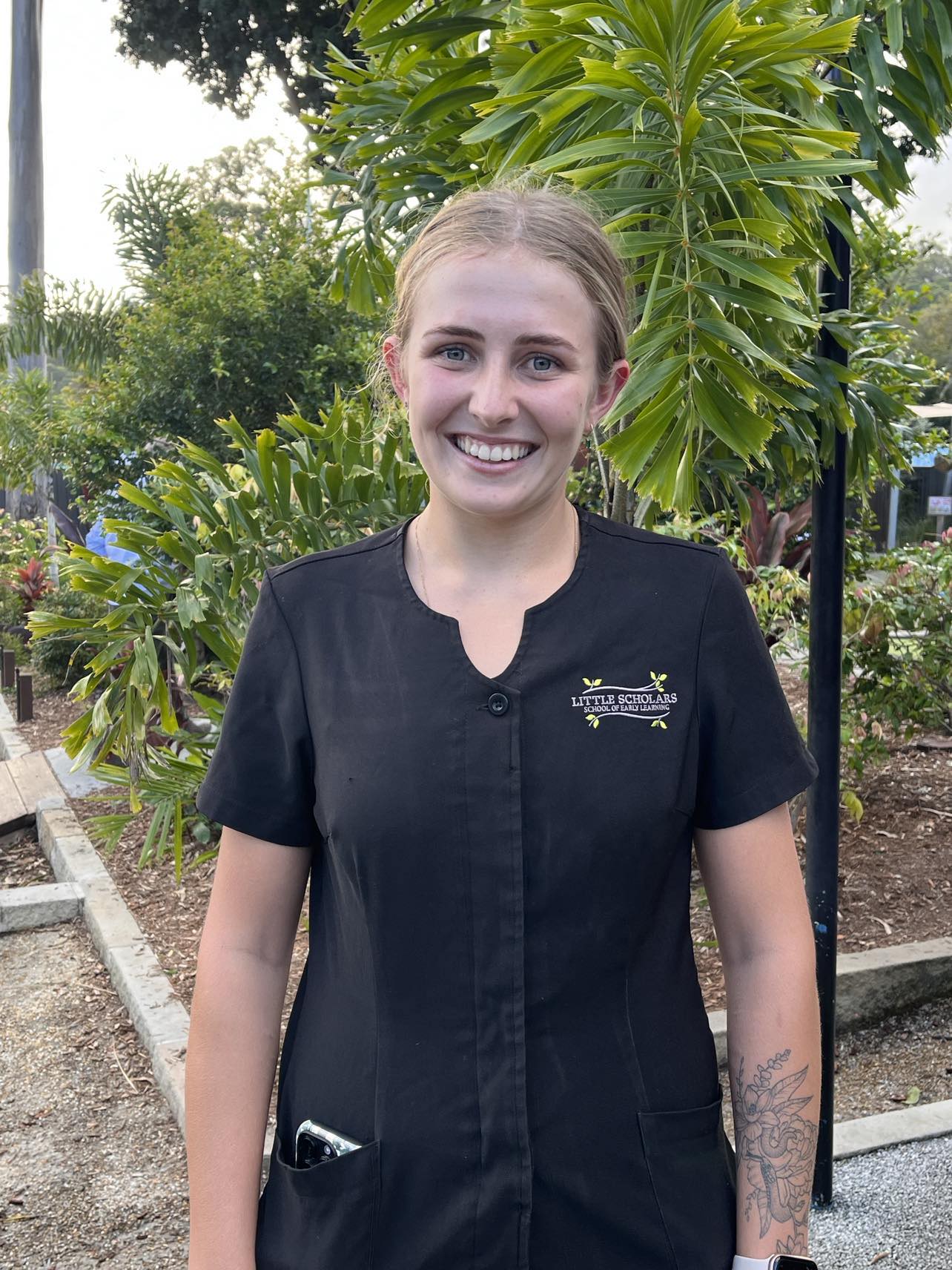
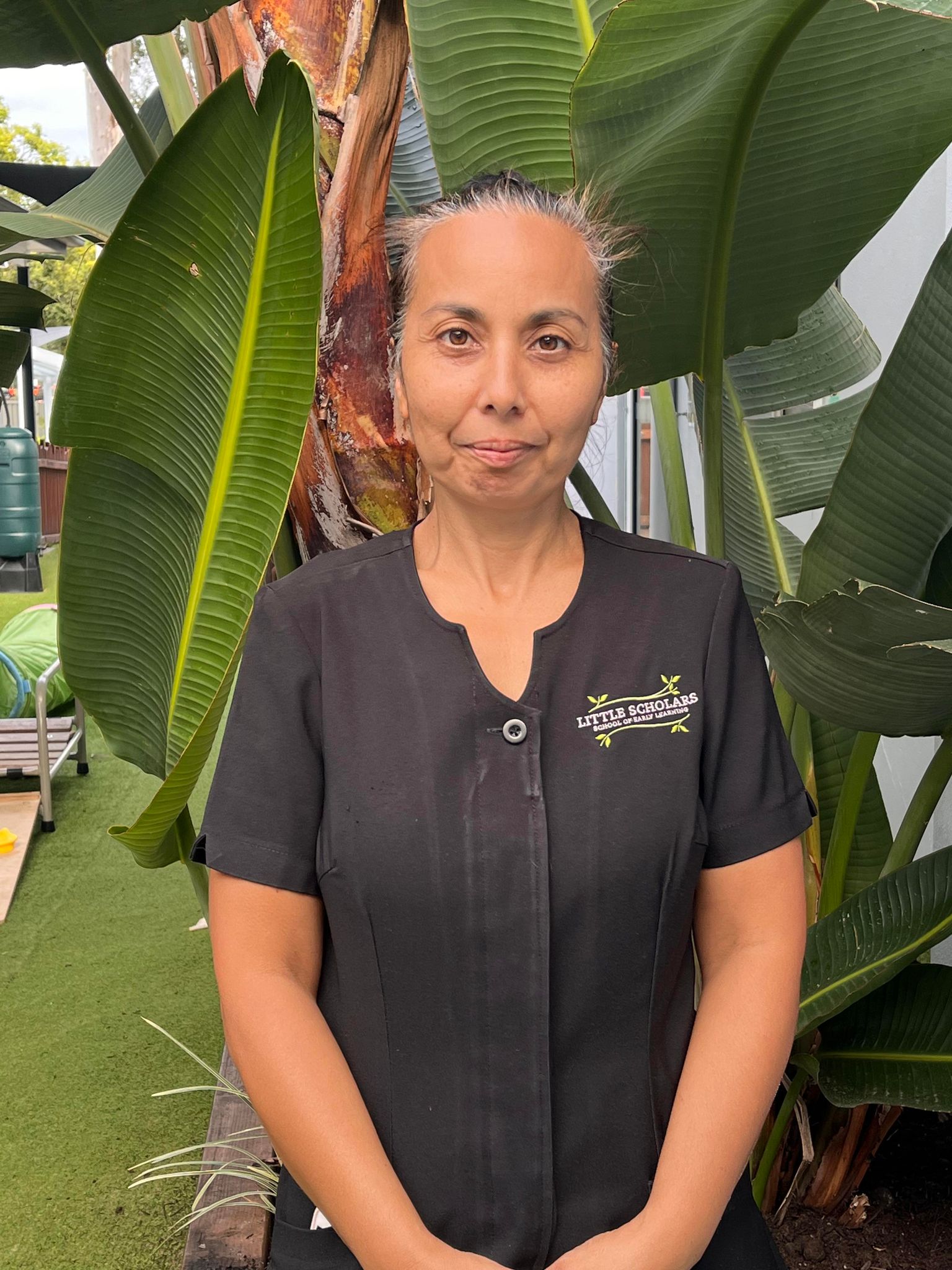
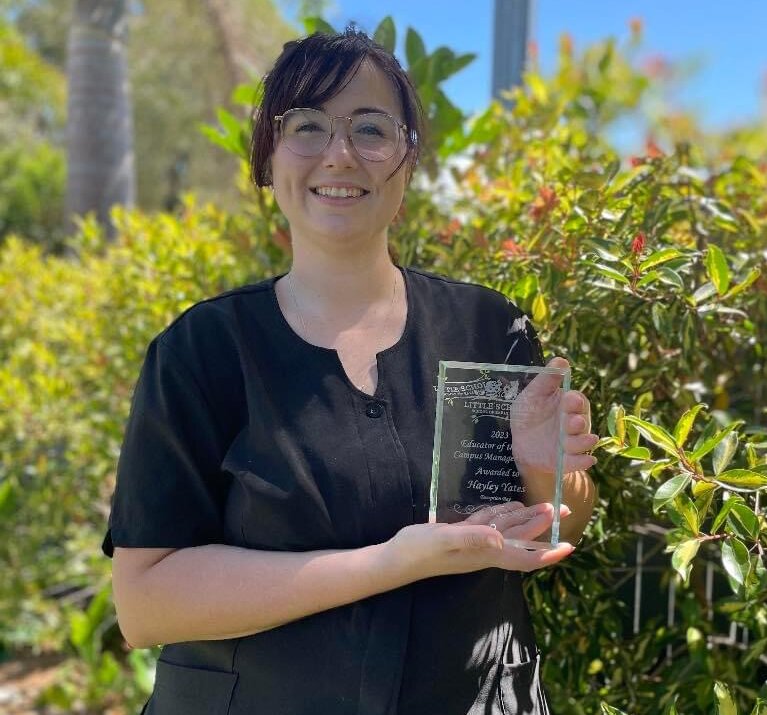
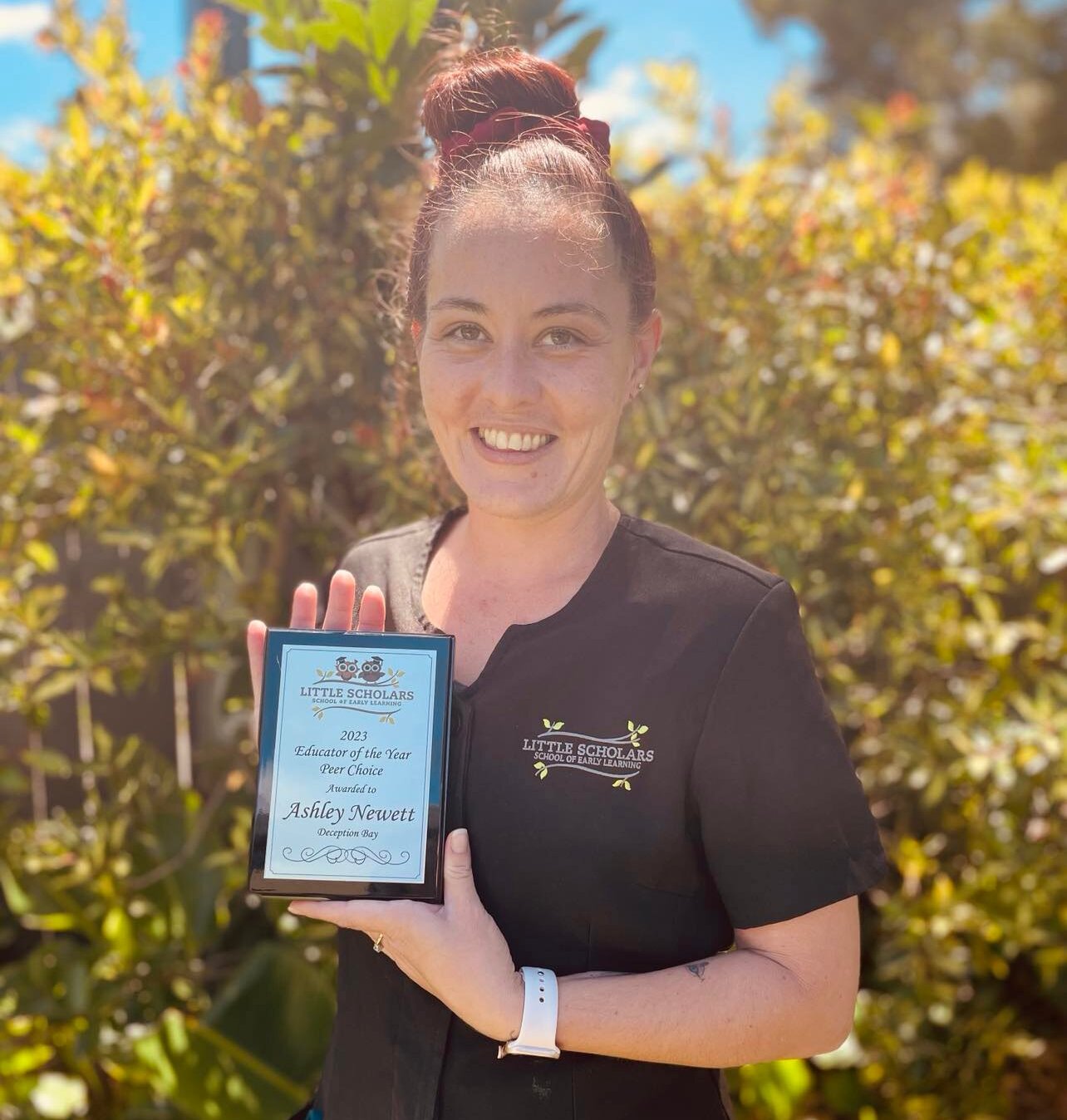
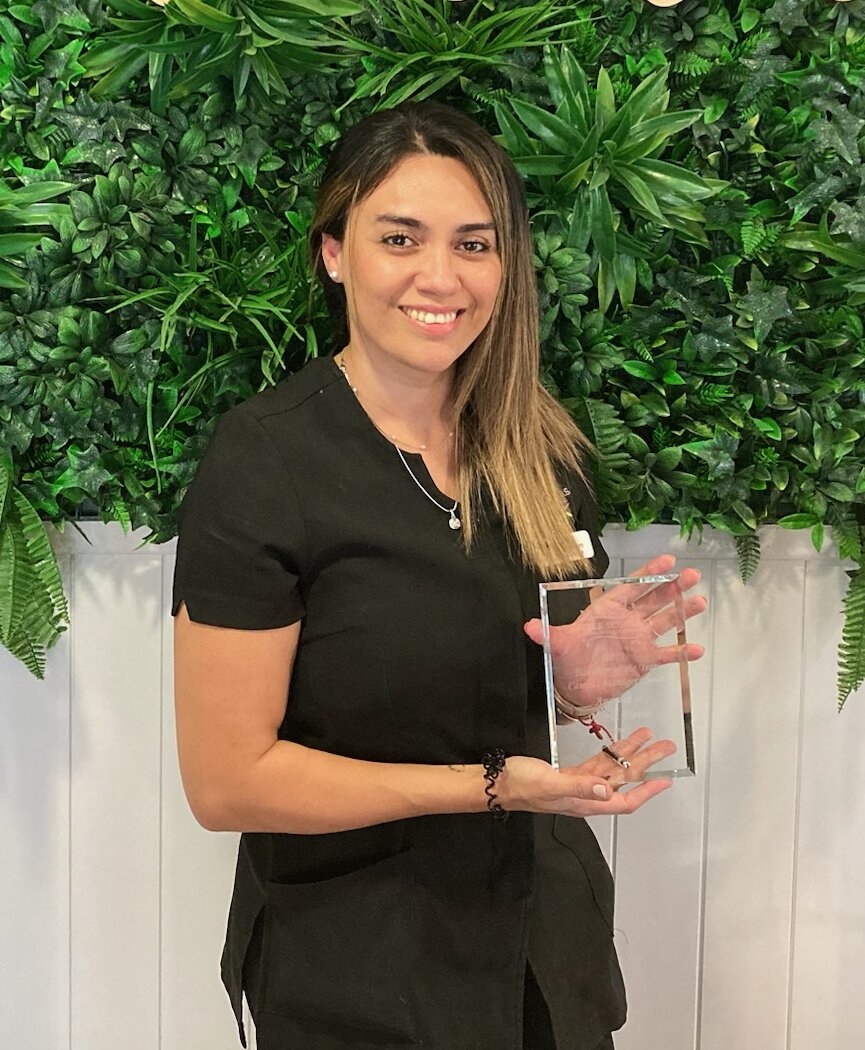
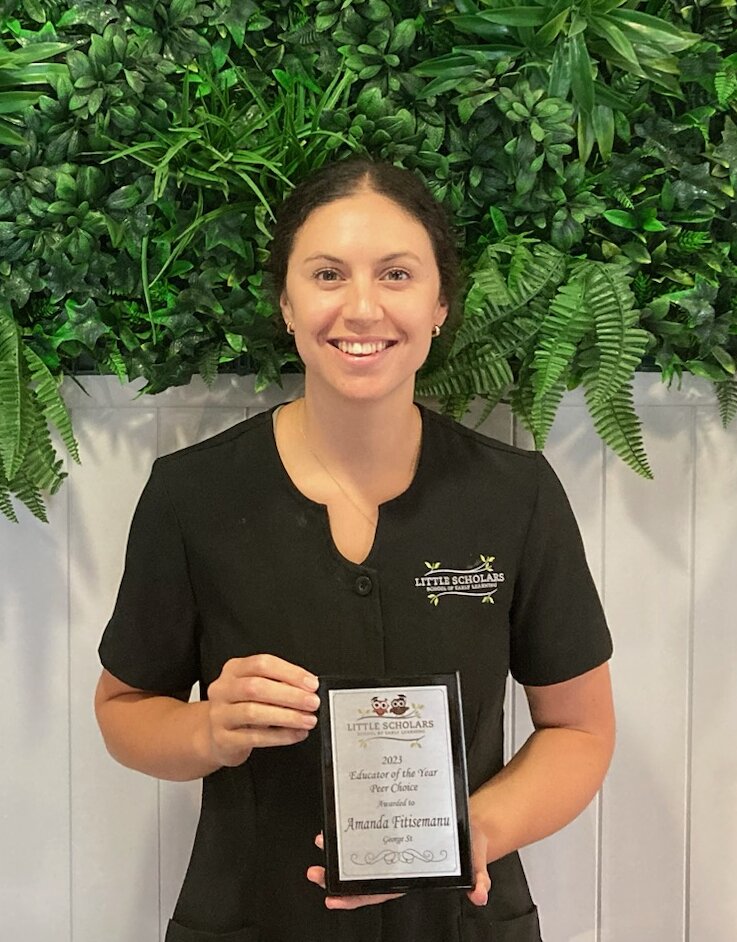
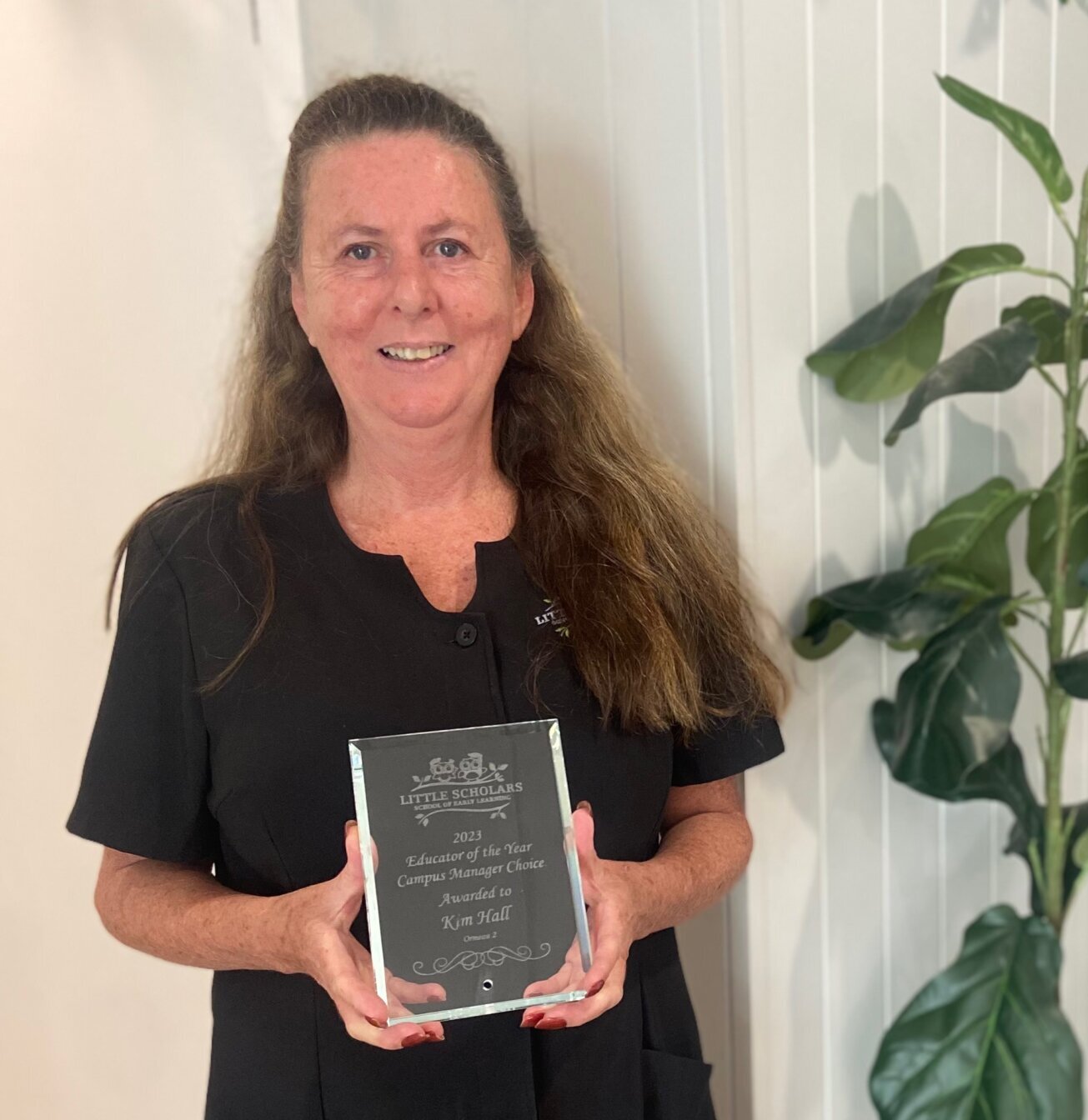
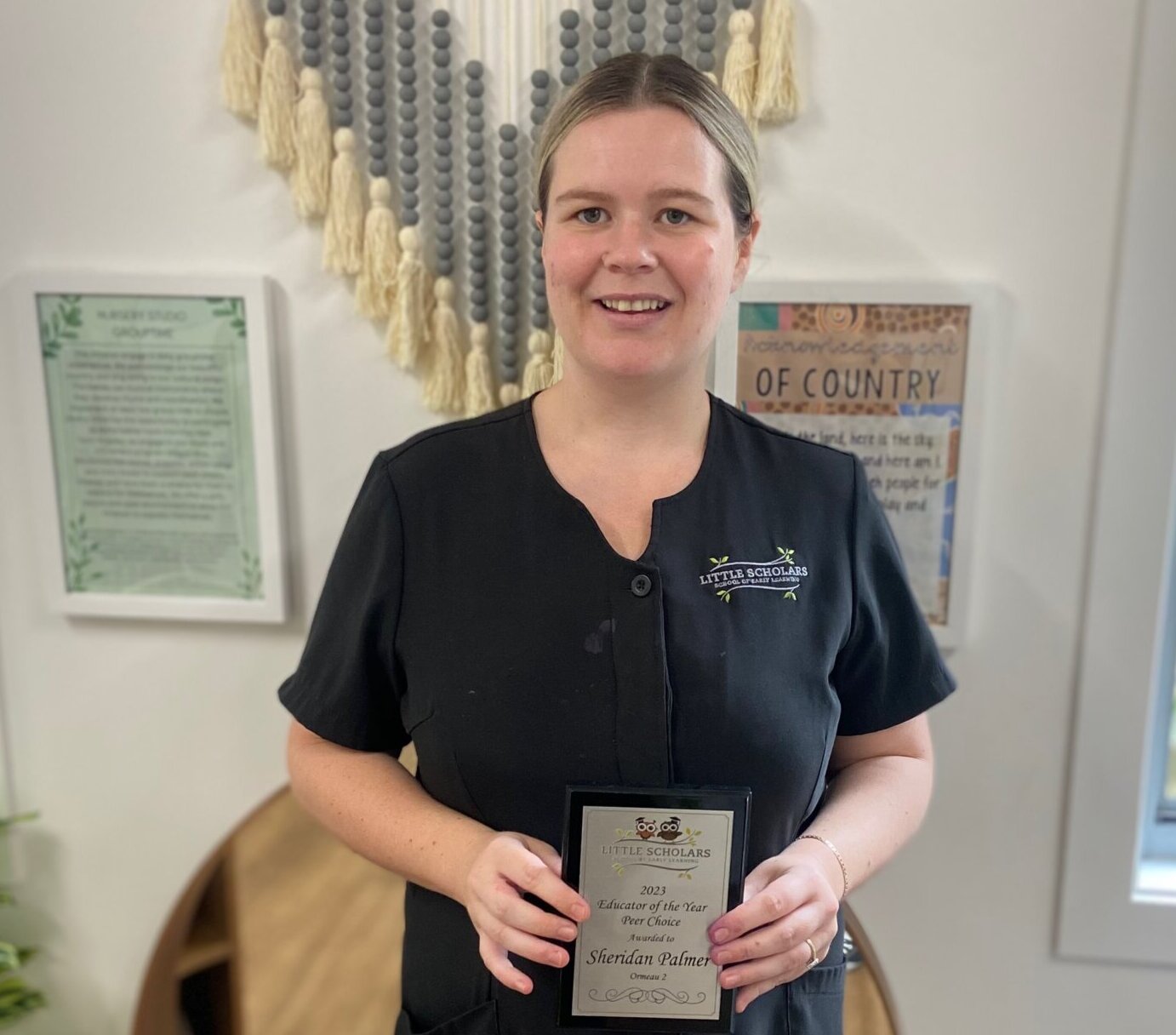
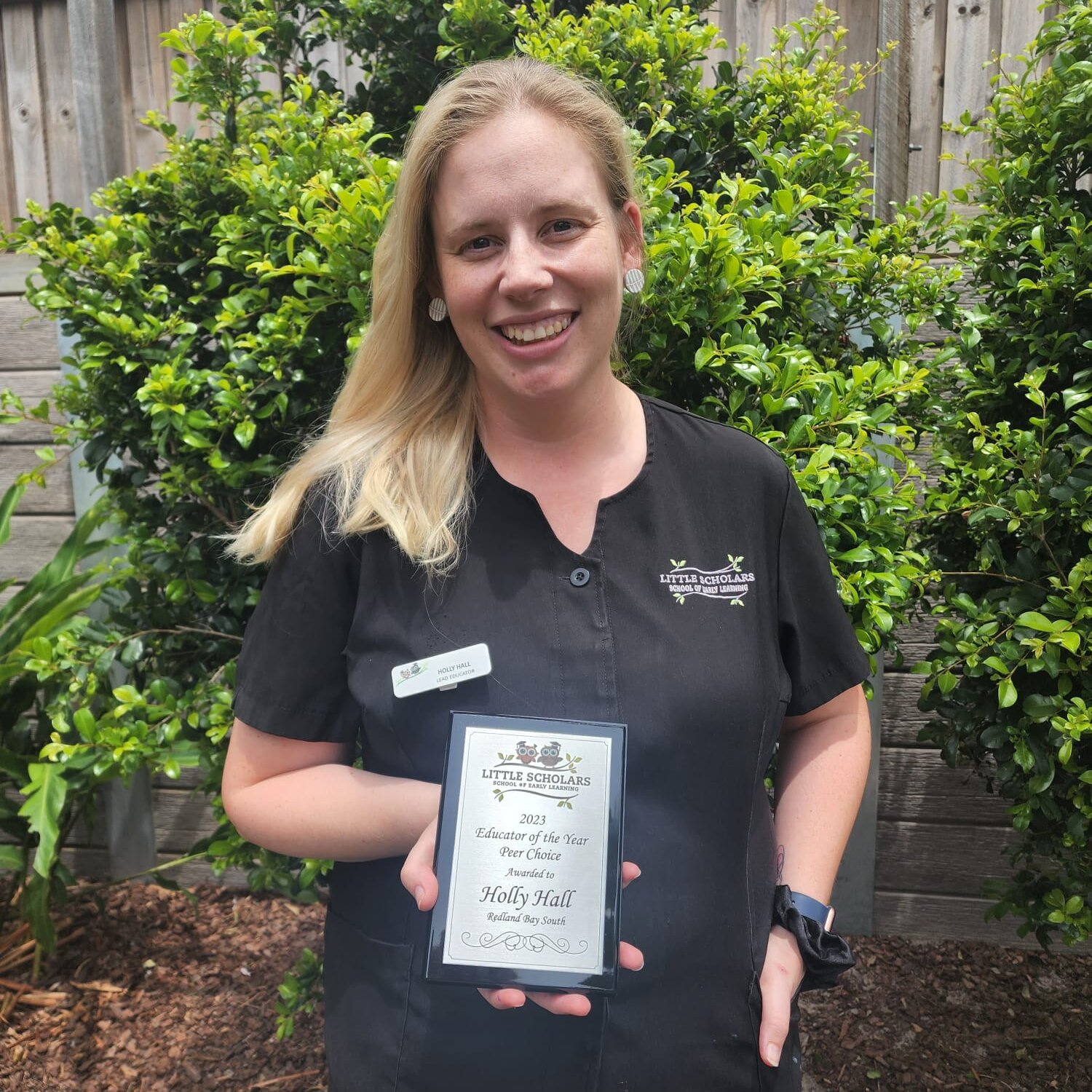
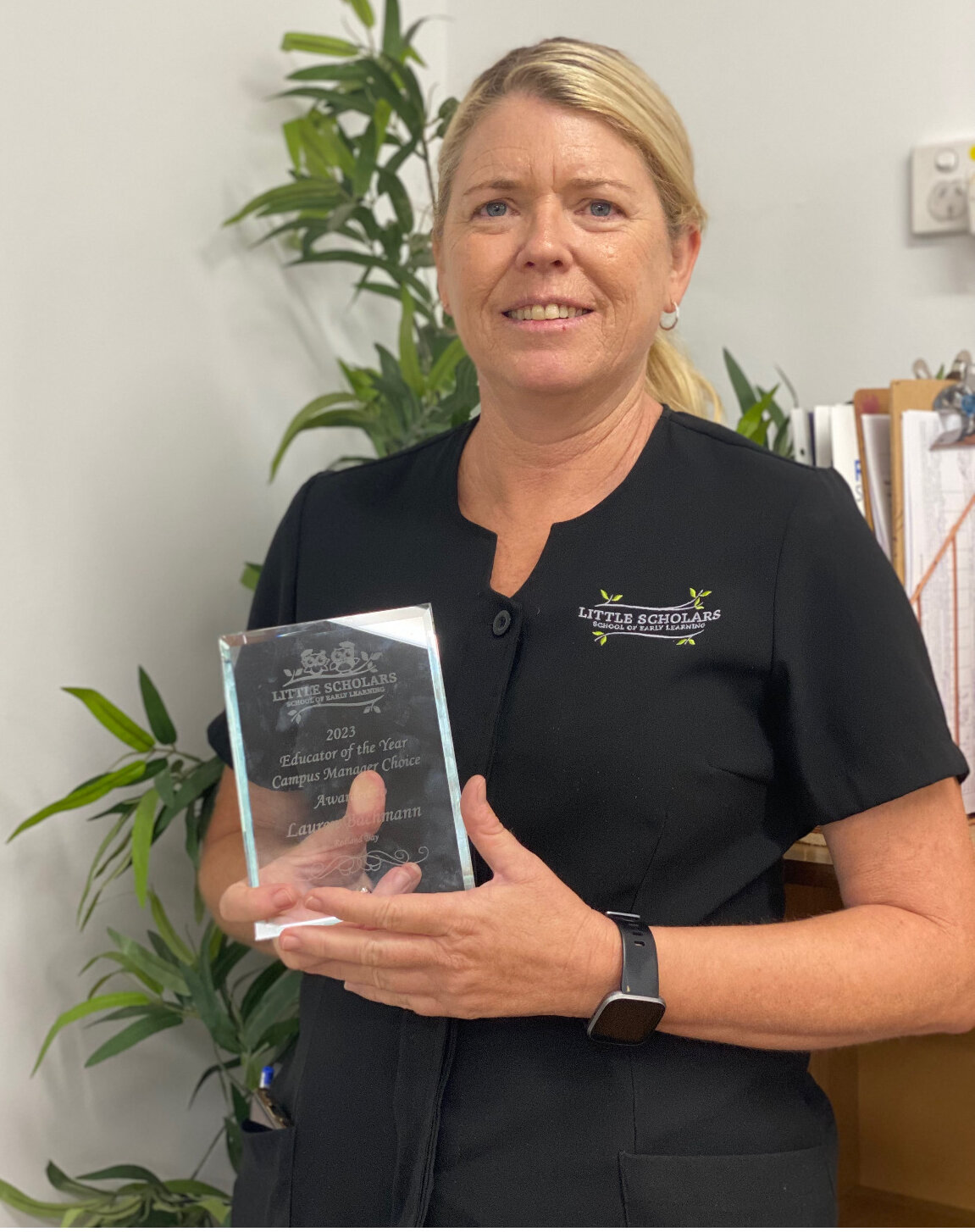
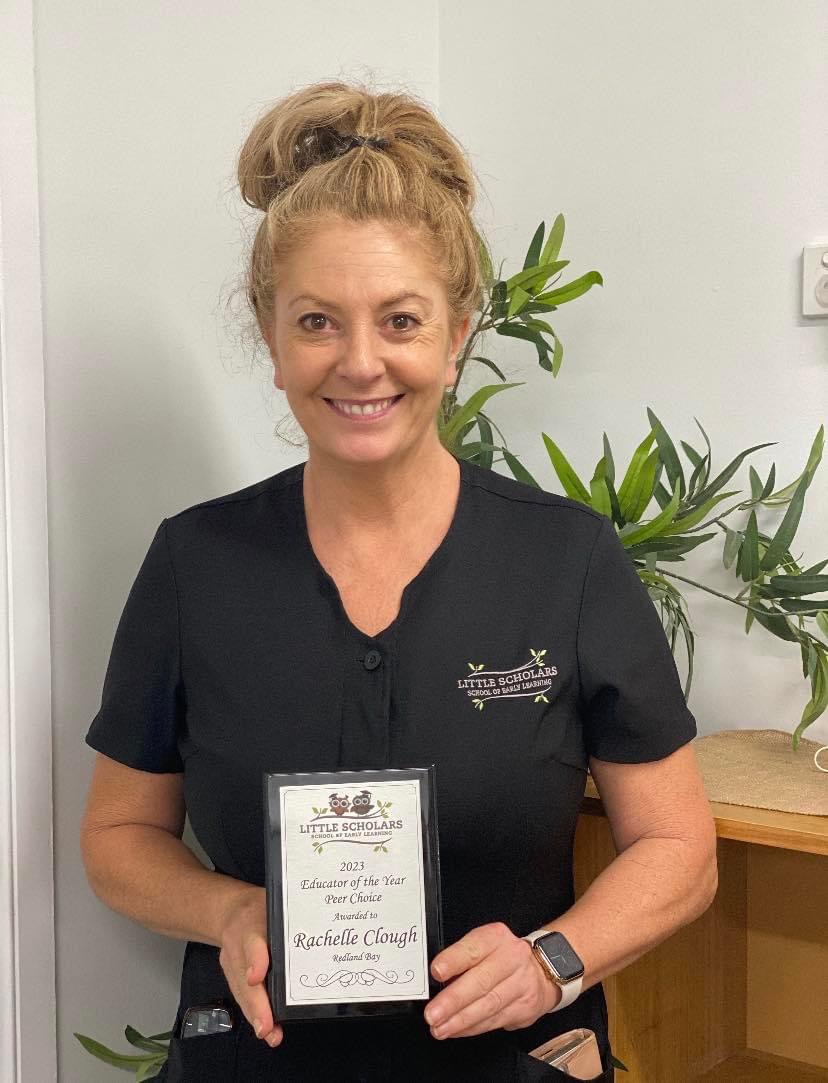
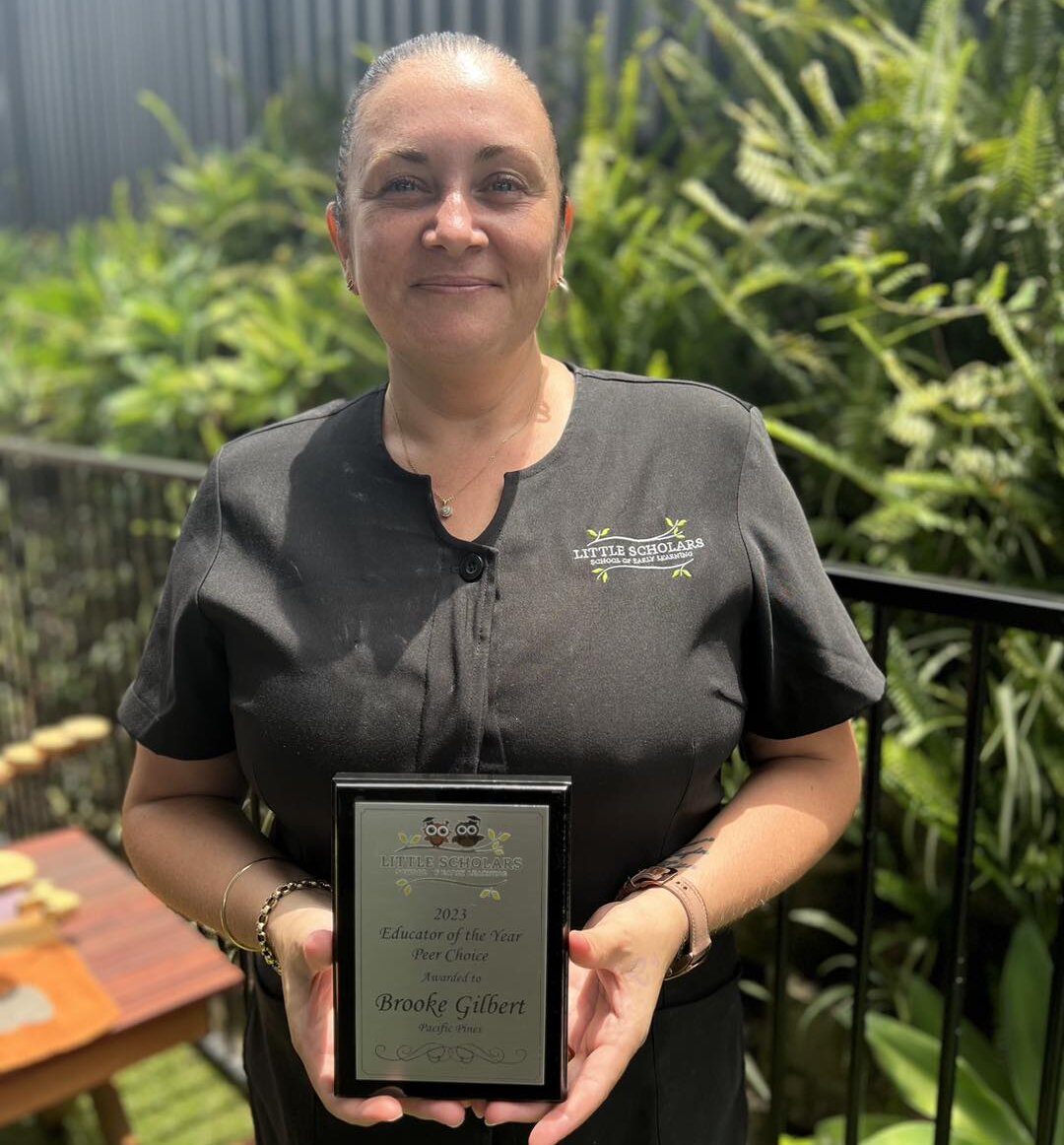
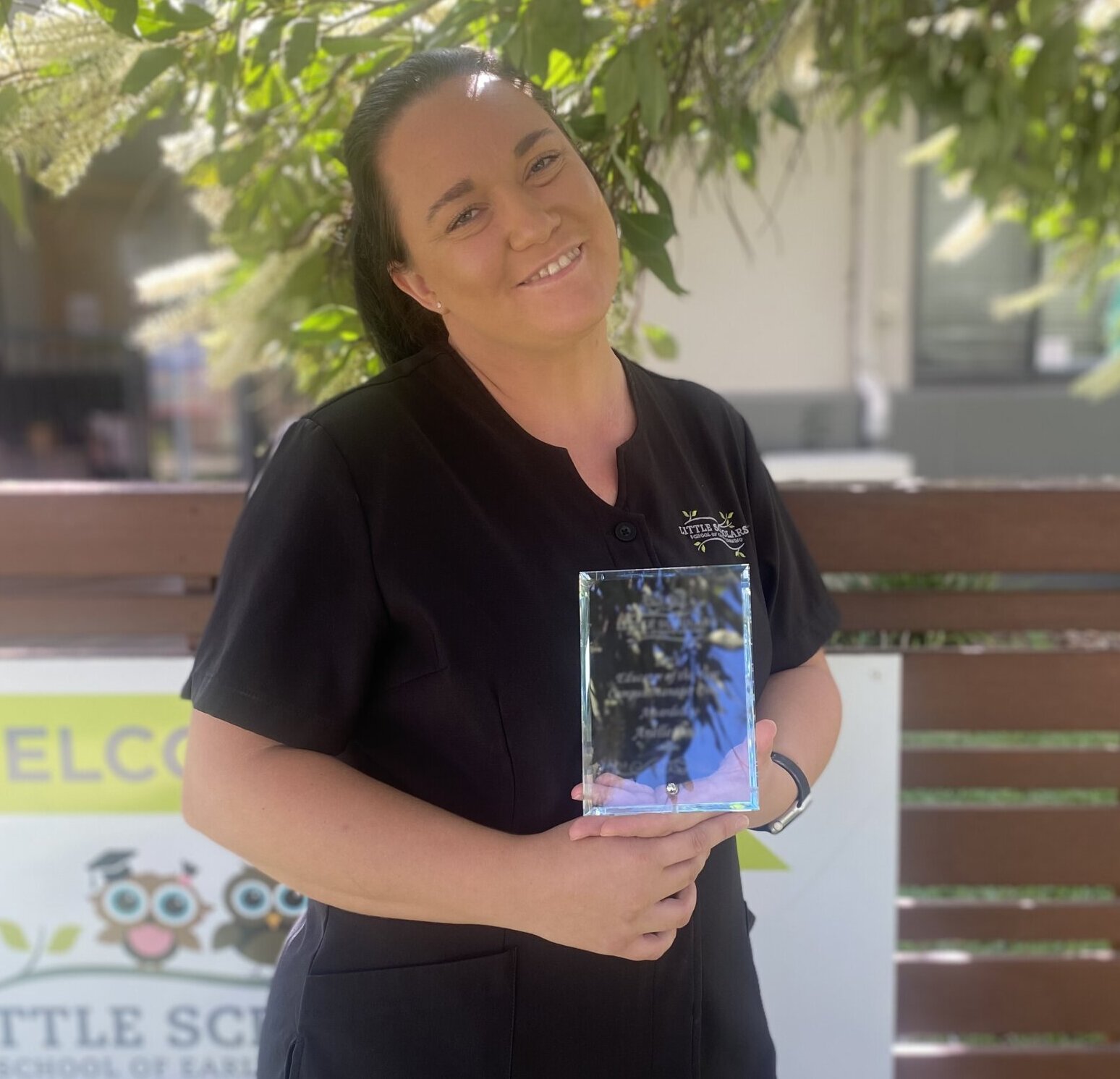
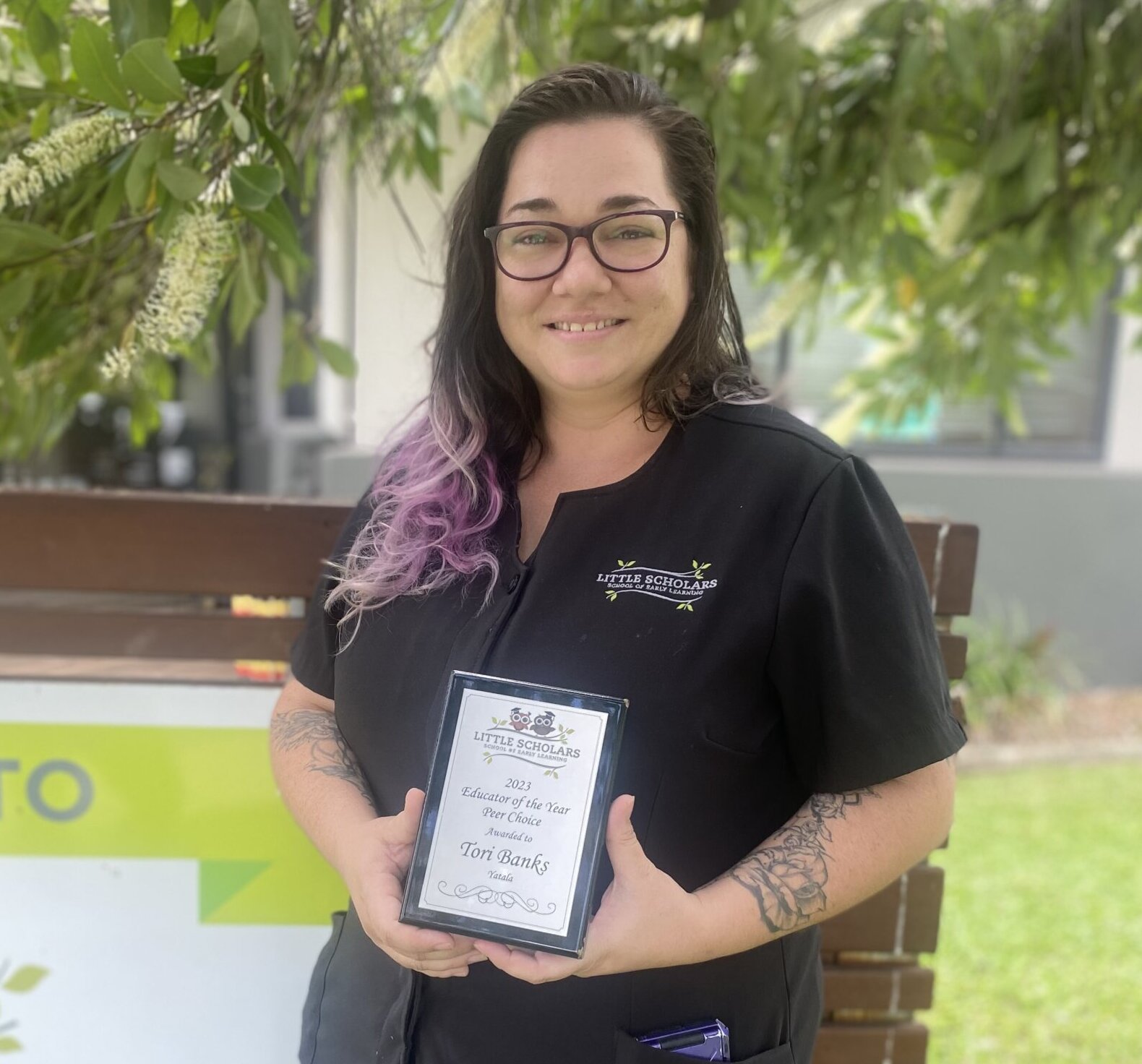
We have the very best early education educators at Little Scholars School of Early Learning. It’s our great honour to present our 2023 Little Scholars Employee Award winners. 🎖
These outstanding recipients, through some challenging times, have demonstrated their dedication, commitment and have gone above and beyond this year with fellow educators, children, and parents. Time and time again they show us, their peers and the families who they have the privilege of looking after their enthusiasm, their eagerness to learn and grow, and their unfaltering dedication to educating and developing small humans.
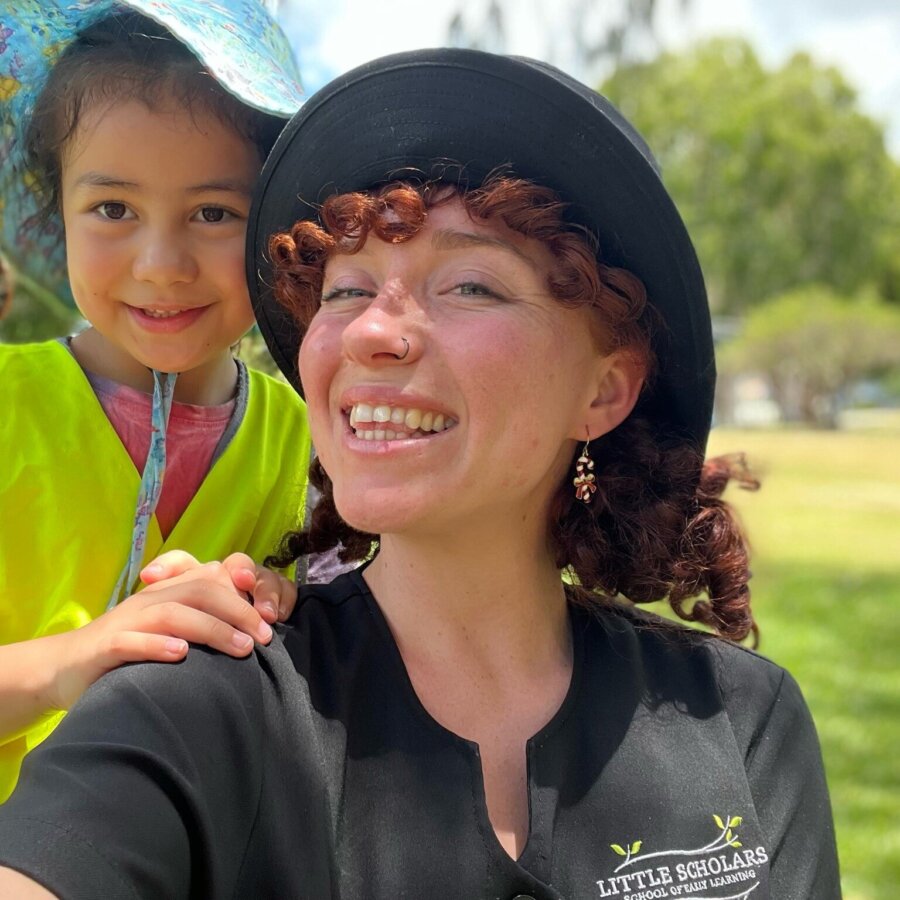
Inspire – Little Scholars Pillar Award 2023
Learn more about Ella
How long have you been an educator, Ella?
I have been an educator for four years now, and with Little Scholars since my placement when I began my certificate 3 at TAFE.
How did you start your career?
I had been looking at Little Scholars as a centre for my daughter since I was pregnant and fell in love with it from the get-go. Since beginning to have my daughter at the centre, I saw the love and care that the educators gave the children. Working with children had always been on my agenda as I used to study to be a music teacher and knew I could do so much more as an early childhood educator to assist the children in excelling in all areas before beginning “big school.”
What did being recognised for the inspire award mean to you?
The award completely blindsighted me as I turn up to work each day just to do my best for these little humans so to be recognised for my relationship with the children in my centre was so special to me and really instilled my role within the company and the importance I hold alongside my other educators in this industry.
Ella’s nomination
Ella is an educator with the Little Scholars Deception Bay campus, which recently was assessed Exceeding under the National Quality Framework for Early Childhood Education and Care.
In Ella’s nomination to us, it said, “Ella is an inspiration for all in the Deception Bay community. We had some outstanding feedback from the department through our assessment and rating process. Before the process even started, the assessor had mentioned the passion and authenticity observed in Ella’s interactions with our children, families and community. In the assessor’s words – ‘she could sit and watch Ella all day long.’ From one of Ella’s colleagues, ‘the educator she is, is who I aspire to be in my future teaching career. She is strong, but also so caring to each individual child.’
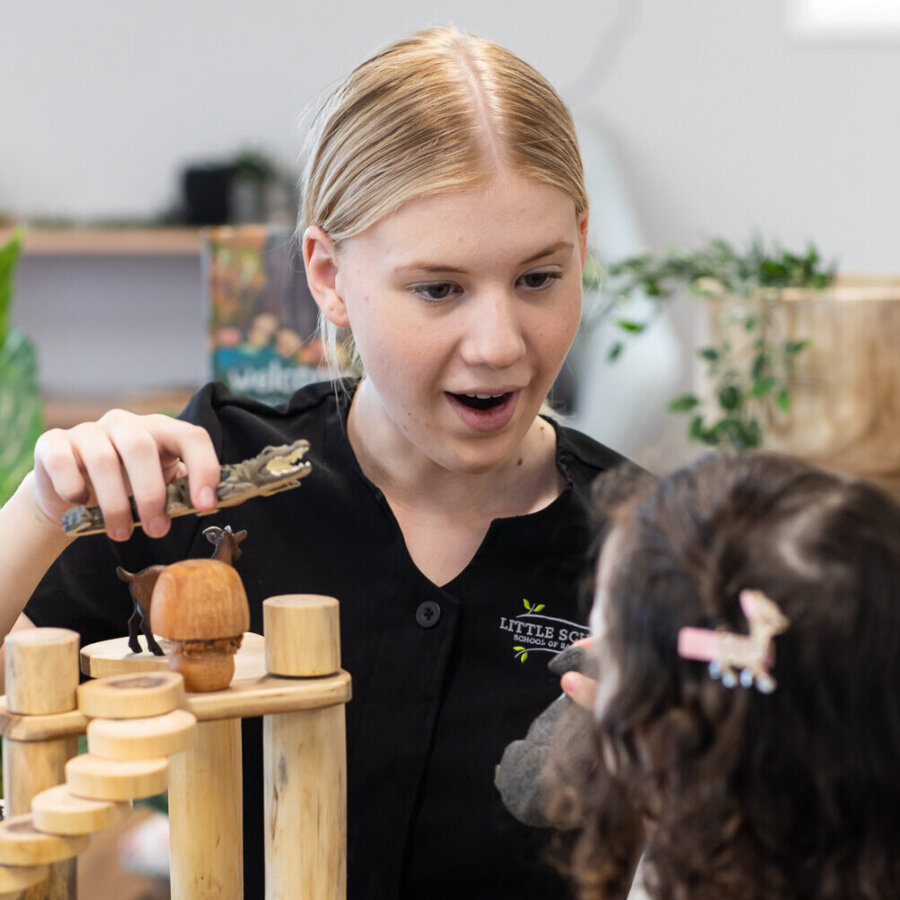
Learn – Little Scholars Pillar Award 2023
Learn more about Ellissa
Ellissa is a lead educator at our Ormeau Village campus. She was named winner of the Pillar Award in the Learn category because she stepped up to become a lead educator, and we’re told she is always happy to keep learning from her peers and further her education in the sector.
How long have you been an educator?
I’ve been an educator since I was 16, but even younger I was at my mum’s centre helping out wherever I could.
How long have you been with Little Scholars?
I’ve been with Little Scholars for about 18 months, since Ormeau Village opened.
What made you want to become an educator?
I think just having the inspiration of my mum being in that environment, seeing what she does, seeing how she helped shape the children, it made me want to do it as well. Just seeing how I could help children as well.
What did winning the award mean to you?
I’m always trying my absolute best to do the best possible work I can do, so it meant that someone else was seeing that, that it was appreciated. It’s made it feel worth it!
What do you like about working with Little Scholars?
Just the support and having the creative freedom to do things that I couldn’t do at other places. Like taking them on Bush Kinder adventures and all these other fun things they get to do that they may not have the opportunity to do anywhere else. And everyone at head office as well, like Susan, Mel and Jae-them being so active in our centre, that’s something I really appreciate as well.
On the quick move from an assistant educator to lead educator, Ellissa says:
The support I had helped me to grow so fast, because if I was somewhere else and didn’t have the support, I probably wouldn’t have become lead, but the support from everyone about what I could do, what I would have to do, really helped when I stepped up.
Ellissa is finishing up her studies with her Cert III, then she’ll be moving onto her Graduate Diploma.
From the award submission: Ellissa has stepped up into her Lead role during last year and we have watched her grow from assistant to well-deserved Lead and take charge in her space, leading her colleagues while taking feedback on board and striving to excel.
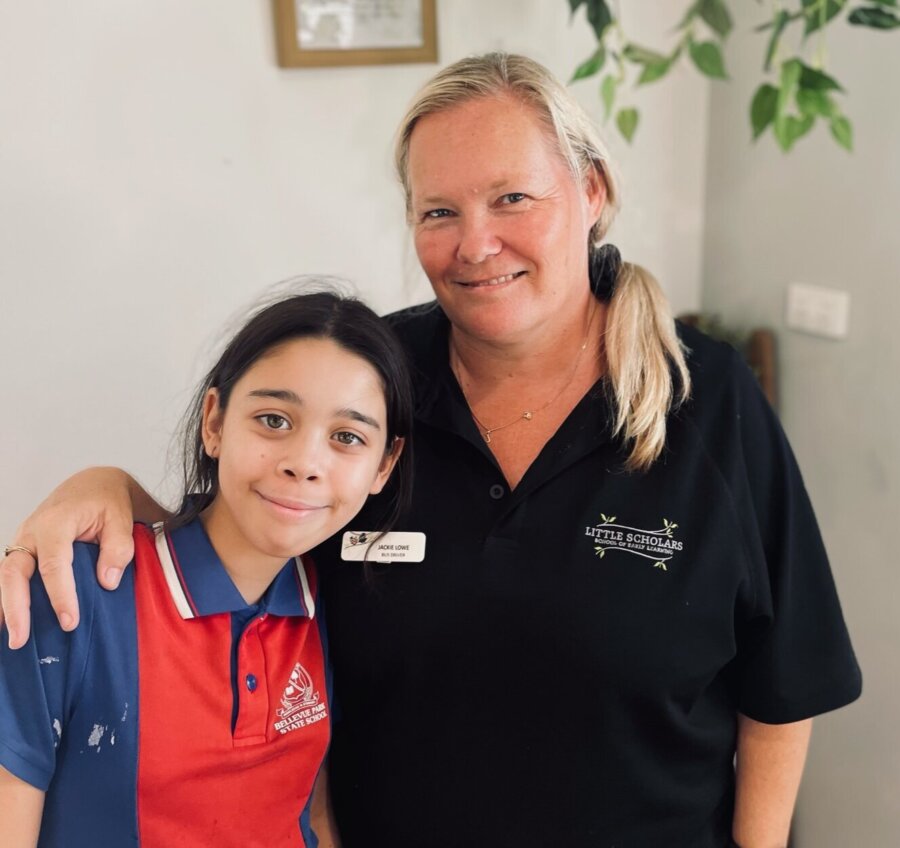
Contribute – Little Scholars Pillar Award 2023
Learn more about Jackie
How long have you been in educator?
I’ve been an educator on and off for about 20 years. I’ve been with Little Scholars for a year now.
Hey that’s pretty good to get recognised in your first year!
I know it was so good!
What’s made you want to become an educator?
Just from being young and starting off babysitting, which I loved, and then Year 12 back then we had work experience and that was just going to a centre and from that first day I knew what I wanted to do. I just fell in love with it, and from then it was my goal to finish school and become an early childhood teacher
What is it now, 20 years on, that you still love about working in this sector?
It’s just the love of being around children, i’m just being with a team of educators, and I missed that like when I went away from it and did my business, I just missed it so much. It’s just working children just gives me so much joy.
All my children are older, are grown up, and it was just not a grandmother yet or anything it was just that feeling, it just going back into a centre and it just makes me so happy.
You won the Pillar Award for ‘contribute’ and you’re known as a ‘jack of all trades’, what do you do?
No job is too big or too small! I do the bus, I’m the after-school care educator, I can work in the kitchen, I can listen to other team members, there’s nothing that I won’t try! That’s just who I am, when I’m needed, I’ll do anything to help the team out.
Especially your first year at Little Scholars, what did winning an award mean to you?
My goodness, it was just so good, firstly I was surprised, but it was then good to know that the little things that I’m doing are noticed, I felt like, ‘Wow I am noticed!’ It just made me feel so happy knowing that all the jobs that I am doing people have recognised it, so yeah so then makes you feel like you are doing a great job!
I love working for Little Scholars. It’s an amazing company, I’ve worked with the other centres before, Little Scholars is just amazing and I’m happy to be there and helping out.
In Jackie’s nomination, campus manager Elise said, ‘Jackie is our jack of all trades! Jackie fits many hats at our campus. From driving the bus to being in the studios to going on vacation care, she wears her many hats with a smile on her face. Her bubbly nature and willingness to help the team wherever needed is admirable. We appreciate her dedication and consistent contribution to the campus.
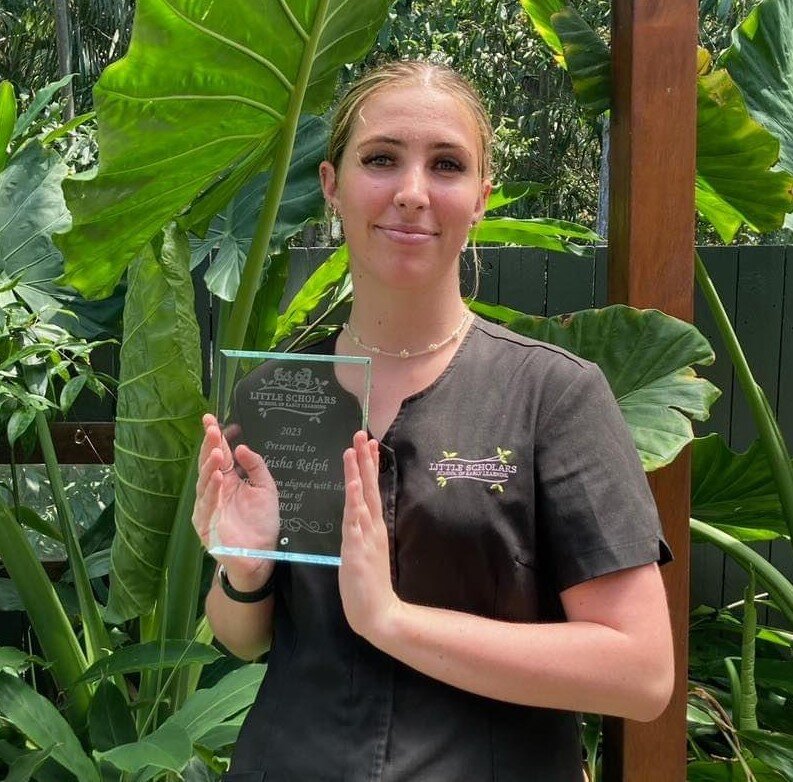
Grow – Little Scholars Pillar Award 2023
Learn more about Aleisha
Ellissa is a lead educator at our Ormeau Village campus. She was named winner of the Pillar Award in the Learn category because she stepped up to become a lead educator, and we’re told she is always happy to keep learning from her peers and further her education in the sector.
How long have you been an educator?
I’ve been an educator since I was 16, but even younger I was at my mum’s centre helping out wherever I could.
How long have you been with Little Scholars?
I’ve been with Little Scholars for about 18 months, since Ormeau Village opened.
What made you want to become an educator?
I think just having the inspiration of my mum being in that environment, seeing what she does, seeing how she helped shape the children, it made me want to do it as well. Just seeing how I could help children as well.
What did winning the award mean to you?
I’m always trying my absolute best to do the best possible work I can do, so it meant that someone else was seeing that, that it was appreciated. It’s made it feel worth it!
What do you like about working with Little Scholars?
Just the support and having the creative freedom to do things that I couldn’t do at other places. Like taking them on Bush Kinder adventures and all these other fun things they get to do that they may not have the opportunity to do anywhere else. And everyone at head office as well, like Susan, Mel and Jae-them being so active in our centre, that’s something I really appreciate as well.
On the quick move from an assistant educator to lead educator, Ellissa says:
The support I had helped me to grow so fast, because if I was somewhere else and didn’t have the support, I probably wouldn’t have become lead, but the support from everyone about what I could do, what I would have to do, really helped when I stepped up.
Ellissa is finishing up her studies with her Cert III, then she’ll be moving onto her Graduate Diploma.
From the award submission: Ellissa has stepped up into her Lead role during last year and we have watched her grow from assistant to well-deserved Lead and take charge in her space, leading her colleagues while taking feedback on board and striving to excel.
What an incredible asset online media has become when it comes to raising or educating children. From YouTube to Instagram, there’s a wealth of expert information at your fingertips that previous generations simply didn’t have. Thanks to online media, parents and educators can now access an array of information, tips, and tricks on child development, parenting, and education.
And of course, podcasts are an excellent way to learn while on the go. You can listen to them while commuting, during your daily walk, or even before bed. Here we have compiled a list of our favorite parenting and child development podcasts, divided into categories for parents and educators. Check them out!

A podcast about parenting, alternative education and stepping into the wilderness with children. Each week, Nicki Farrell and Vicci Oliver interview experts who inspire them to answer questions about parenting and education. They also share stories from families who took the leap, and are taking the road less travelled.
Maggie Dent, one of Australia’s favourite parenting authors and educators gives you practical tips and answers to your real-world parenting dilemmas.
Each episode of Unruffled addresses a reader’s parenting issue through the lens of Janet’s respectful parenting philosophy, consistently offering a perspective shift that ultimately frees parents of the need for scripts, strategies, tricks, and tactics.
Listen to conversations with experts on a variety of topics related to children’s mental health. Episodes offer practice wisdom from experts in the field and will give you an insight into the work and values of the National Workforce Centre for Child Mental Health.
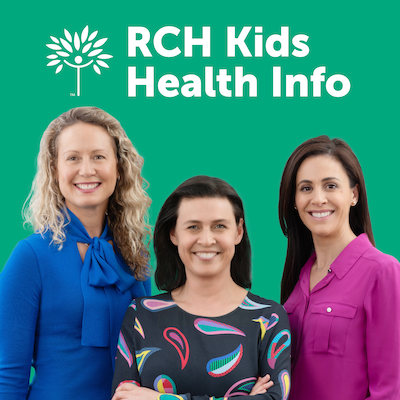
Based on the popular RCH Kids Health Info fact sheets, the Kids Health Info podcast explores common topics and concerns with experts in children’s health. Hosts Margie Danchin, Lexi Frydenberg and Anthea Rhodes are all paediatricians and mums, so they know first-hand what keeps parents up at night. Every episode features guest experts in a range of child and adolescent health specialties, and lots of practical tips and advice.

Hamish Blake chats with other dads he really admires about their approach to ‘dadding’, and in the process hopefully learn a little, steal some of their hard earned wisdom and help dads dad a tiny bit better.
All humans learn through play. Join Kristen RB Peterson of Learning Wild as she chats all things early childhood education, preschool, nature and forest school, homeschool and parenting.

Hosted by international keynote speaker, educator and founder of Wearthy; Lukas Ritson, Play it Forward is an educational podcast about the importance of play. With the increase of technological advancement, it has never been harder to get kids playing outside

Early Childhood perspectives is a fortnightly podcast devoted to exploring the often overlooked concepts and issues of the Australian Early Years Sector.
This podcast covers meaningful topics in early childhood education with some of the sector’s most experienced educators and subject matter experts. With each short episode, its aim is to provoke minds and inspire excellence in early childhood education.

Barbi Clendining from Firefly HR and Saurubh Malviya from We Belong Education have teamed up to bring to you a fun and informative conversation and talk about every aspect of the Out of School Hours profession.
OK, we fibbed. It’s not JUST Australian podcasts. Here’s a few international podcasts that are quite popular with the kids these days. (and by kids, we don’t mean baby goats, or children really, but we’re just trying to sound cool)
Building creativity one leaf and bolt at a time. Join Dr. Carla Gull, American educator and mother of four boys, as she talks about getting outside and exploring loose parts.

A funny take on parenting with UK hosts Rob & Josh as they share their tales of parenting woe and chat to celebrity parents about how they’re coping, or not coping.

Join American clinical psychologist and mother of three Dr. Becky Kennedy on her weekly podcast, as she takes on tough parenting questions and delivers actionable guidance—all in short episodes, because we know time is hard to find as a parent. Her breakthrough approach has enabled thousands of people to get more comfortable in discomfort, make repairs after mistakes, and always see the good inside.

Each episode discusses issues today’s fathers face navigating work, parenthood, relationships and play. We share stories of dads who are active and engaged in the decisions, the drudgery, and the pains and the joys of parenthood. Our parenting podcast not only brings modern dads into the conversation, but also – regardless of gender – our spouses and partners, friends and colleagues, and leaders in business, entertainment and media.
From the moment your child is born, you are inundated with information on your child’s growth and whether or not they’re hitting their developmental milestones – the sets of functional skills or age-specific tasks that most children can do at a certain age range.
Comparison is often called the thief of joy, and you face it everywhere you look as a parent – from the other children in your mum’s groups, doctor’s visits, even what you’re searching online will show up again in your targeted ads and suggested content on social media – your child will be measured against others.
As if parents need more to be anxious about, or do they? We know every child is different, so it begs the question, do development milestones really matter?
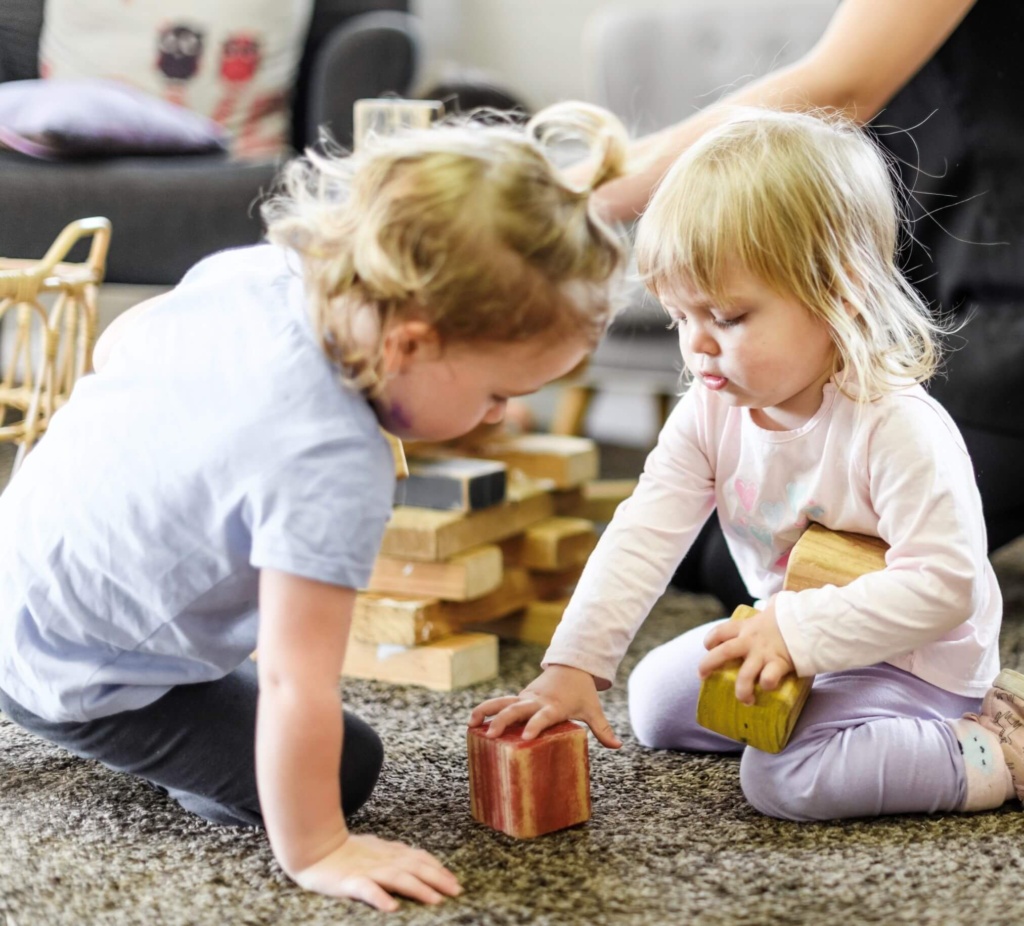
Recently in the US, Centers for Disease Prevention and Control (CDC) and American Academy of Pediatrics (AAP) updated the guidelines for child developmental milestones for the first time since 2004, aimed to better reflect the data of when children reach milestones such as crawling, walking, speech, and more, as well as some of the early indicators of autism. The changes were met with mixed reviews from parents and child experts, bringing a lot of conversation about children’s development to the forefront.
In Australia, our early childhood developmental milestones come from The Australian Children’s Education & Care Quality Authority (ACECQA)
According to the ACECQA, development milestones are important for your child’s:
So, according to experts, development milestones do matter, but with a range of abilities across each age group, when should parents take it seriously, and when can they worry less about what their child is and isn’t doing?
Children will meet these needs in their own time and are on their own journey. I always remember hearing how children meeting their development domains, can be represented like ‘popcorn kernels, when placed in hot oil, they will pop at different intervals,’ this can be seen how a child will shine and develop at different stages. – Susan Cooper, pedagogical leader, Little Scholars.
“While it is important to monitor children’s development and assess against the developmental milestones, we must be mindful not to place children in a box and begin the process of a check box system. Early childhood professionals place such value in assessing children’s growth and development and through assessment, in partnership with families, early intervention can be met for their child, should it be deemed necessary,” says Susan Cooper, pedagogical leader for Little Scholars.
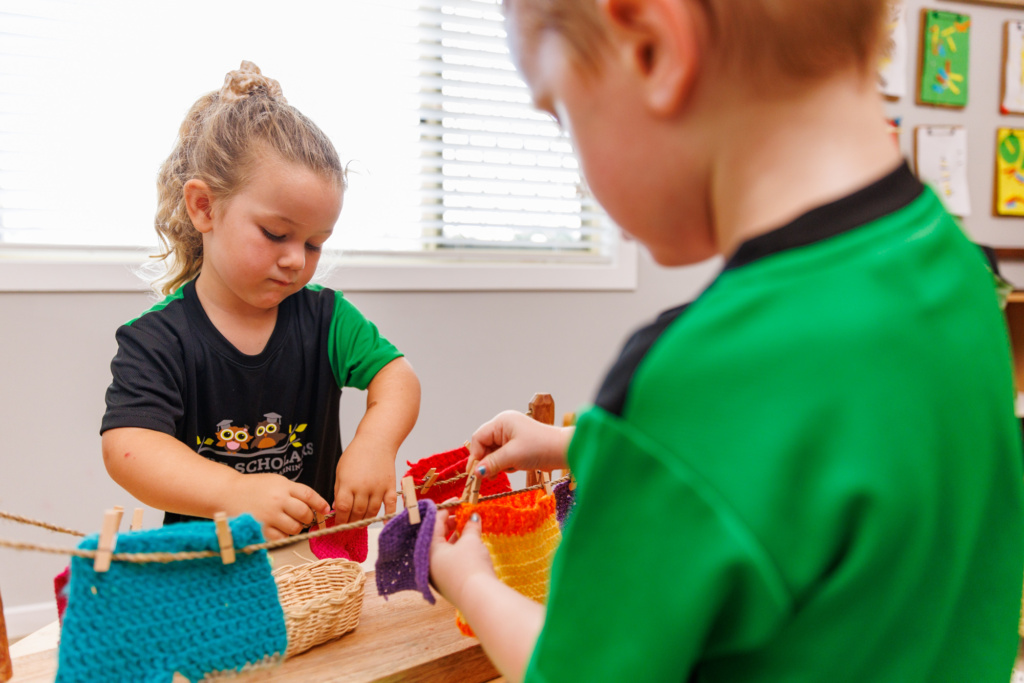
According to Skye, assistant campus manager at Little Scholars Pacific Pines, developmental milestones helps educators develop their educational programs.
“Milestones are important to monitor and keep track of as they can help us as educators and also families understand why a child may be exhibiting certain behaviours,” Skye said. “They also help gage what children’s interests, strengths and barriers are. Understanding and knowing age-appropriate milestones will help educators provide a program for each child’s individual needs.”
Your child’s weekly program evaluation and reflection informs parents of the significance of the learning experiences that have taken place over the course of the week, how those experiences tie into the Early Years Learning Framework, and include observations regarding your child’s development.
“We educate the families about the importance of milestones and when to be concerned for ‘red flags.’ I think it’s incredibly important that us lead educators are having frequent conversations about their children’s development, where they’re excelling and where they need further support,” says Holly, a lead educator in a Senior Kindy studio at our Stapylton campus.
“I have educated my families, especially during times like in my parent teachers about the importance of children meeting emotional development milestones. We also have a few Prep teachers who are parents at our campus, who have reiterated to us how critical it is for when children that go to Prep that they are able to confidently self-regulate their emotions and when to seek help, such as asking a peer for help, attempting to solve a problem themselves before asking a teacher – those kind of strategies.”
We’re here to ensure children learn and grow to the very best of their ability. Sometimes a child doesn’t meet his or her developmental milestone, and it might warrant a chat with our families about our observations. The conversation may begin by us asking the parents how they feel about their child’s development, and if they have any concerns. We’ll share what we’ve observed, and share examples of our observations – either written, photo or video. Families may become emotional throughout the discussion, and we understand how hard a conversation like this can be to digest. Please know we’ll always give time and space for our families, and we’ll support your next steps and help in any way we can.
“We do need to be guided by the developmental domains, as most children with developmental delays are not identified early enough to benefit from early intervention and they then enter their formal schooling at a disadvantage, which can set them back,” says Susan. “When we consider how much time children spend in our care and our qualified educators ability to track development through observational learning records, for parents, we are their trusted source.”
All of this might make you wonder if you can help aid your child’s development? The answer is a resounding yes!
For anxious parents who feel like worrying about whether their child is hitting their developmental milestones, Susan says while we need to be guided by developmental domains, there’s a range within those milestones.
“More often than not, families place high expectation on their children and make comparisons with others. We need to understand that children will meet these needs in their own time and are on their own journey,” Susan explains. “I always remember hearing how children meeting their development domains, can be represented like ‘popcorn kernels, when placed in hot oil, they will pop at different intervals,’ this can be seen how a child will shine and develop at different stages against another child, when the environment is supportive to learning and growing.”
No matter your age, communication is an important skill. For pre-schoolers though, their ability to communicate and listen to instructions is a steep learning curve in their development. At times, it can be frustrating if an adult can’t understand what the child is saying or the child can’t use words to share what they mean. Learning effective communication is a crucial part of child development. During the preschool years, a child will have enough vocabulary to engage in simple conversations as well as share how they feel. To encourage positive communication with children, here are some powerful tips.
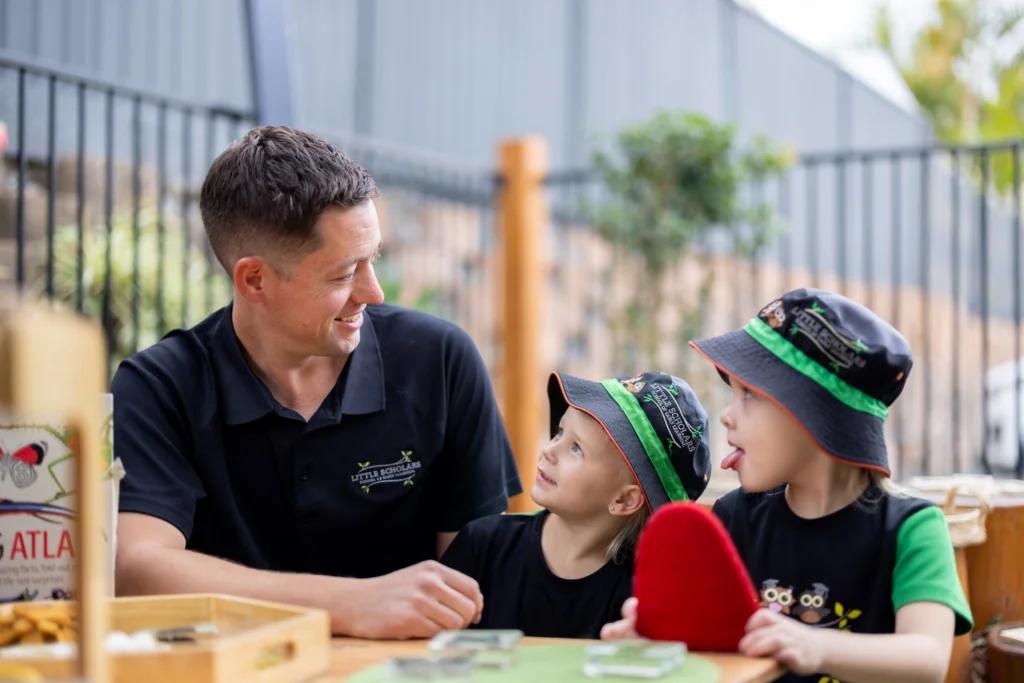
A preschool child will either share in detail what they know when re-sharing a story or they may only give basic information about the event. To keep the lines of communication open between a child and adult, rather than listen to respond, listen to understand. Your child wants to know you understand them, no matter how significant or insignificant the event may seem to you. It’s important that children feel free to speak as this can build their confidence and esteem when communicating. This can also be foundational to future conversations as the child gets older.
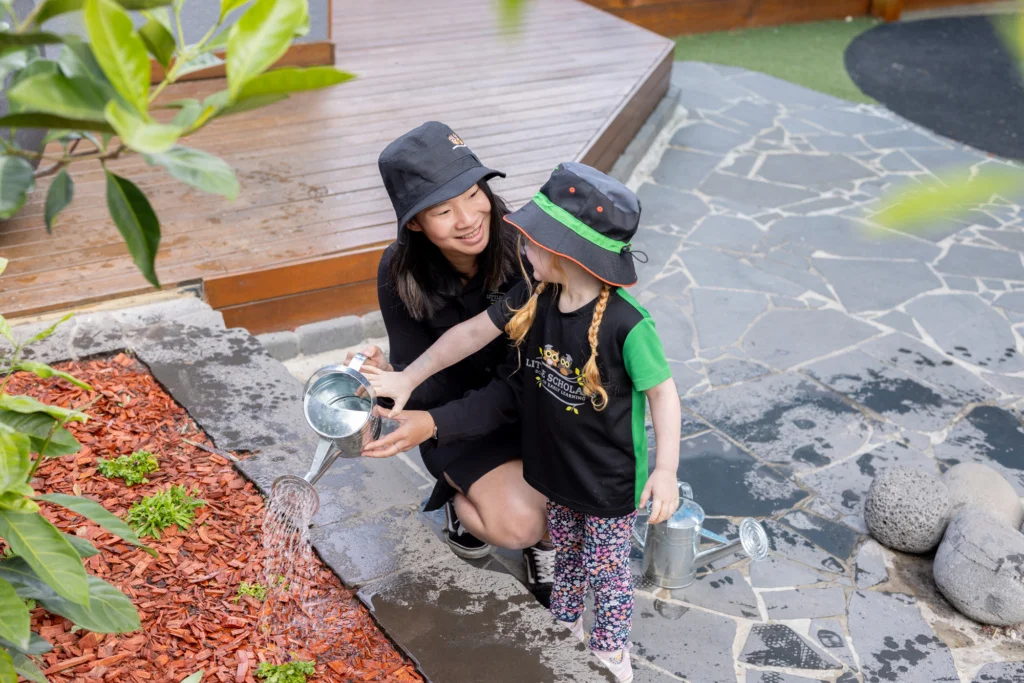
To help children feel more comfortable when communicating with you, bend so that you are at their eye level. This proactively shows you are listening to what they are saying and are paying attention. It also builds the connection between adults and children.
There will be times when challenging behaviour by the child will need to be addressed but it is important to deliver negative feedback in a way that leaves the child with a positive outlook. This is important for a child to experience as it prepares them for how they manage negative conversations in the future. Bending and speaking calmly to a child about their behaviour can help the child feel less intimidated so they can comprehend what is being said to them. Giving them some gentle guidance about how they could make a better choice next time helps them to feel positive about the interaction.
Communication is developed through expressing how one feels. When a child opens up about how they feel, they want to be acknowledged. Don’t dismiss what they share by saying ‘stop crying’, or ‘you’re being silly’. These can make the child feel invalidated and is a surefire way for them to conceal how they feel in the future. Crying is a human emotion and to a child, whatever they’re upset about is important to them. We want children to feel comfortable sharing their feelings and emotions. ‘It seems like you’re feeling really _____, that must feel hard.’
You could also show you’re curious about their emotions, which may open up the communication with your child. “You seem mad, I wonder why you’re feeling mad at mummy?’
Keep the lines of communication open by offering empathy. Respond with something like, ‘I want you to know you can share anything with me, I will love you no matter what. I’m here for you.’ This will help them share how they feel with no fear of judgement so they don’t feel unheard or misunderstood.
Children can say and do things that can provoke an emotional response from you. Positive communication with children relies a lot on how you control your emotions. Refrain from saying words that you may regret later. Control strong outbursts and try to remain calm – especially when bad behaviour occurs. Counting to 10 before responding to a child can be a great way to help diffuse emotions, before speaking them out.
When talking to children, be clear with instructions and confident when delivering them. If a child can sense a lack of confidence in the way you speak to them, they will often do the opposite of what has been asked. The delivery of communication is important for mutual respect to occur.
The best way for your child to understand positive communication skills is to practice them! Whether it’s talking about a book you’re reading together, or role playing as you play together, there are lots of subtle activities to help your child improve his or her communications in a positive way.
The way you speak to children not only reflects your character, but also leads by example. Children will imitate the behaviour they see. Be assertive when communicating, so your child can learn to be assertive when communicating with others.
At Little Scholars, we pride ourselves on maintaining respectful and positive communication with children at all times. Discover how we can help your little one express their full potential. Contact Us.
Let us hold your hand and help looking for a child care centre. Leave your details with us and we’ll be in contact to arrange a time for a ‘Campus Tour’ and we will answer any questions you might have!
"*" indicates required fields
Let us hold your hand and help looking for a child care centre. Leave your details with us and we’ll be in contact to arrange a time for a ‘Campus Tour’ and we will answer any questions you might have!
"*" indicates required fields
Fill in the form to join your local Pram Pals mums and bubs walk